




An intriguing video from Canada shows a remarkably clear view of what appears to be a Bigfoot walking in a wooded area near a large body of water. The fantastic footage was shared online by the Rocky Mountain Sasquatch Organization, which indicated that boaters in the northern part of Ontario had recently filmed the strange scene. Unfortunately, the specific time and location of the sighting as well as the identity of the witnesses are all unknown at this time. Be that as it may, the footage constitutes one of the more jaw-dropping alleged Bigfoot videos to appear online simply by virtue its unambiguous nature.
In the footage (seen below), the boaters are filming a nearby forested shoreline when a large bipedal creature covered in fur emerges from the woods and walks across an open area until disappearing back into the trees. Notably, the suspected Sasquatch boasts a coloring that allows it to largely blend into its surroundings and it swings its arms in a fashion reminiscent of the ‘star’ of the famed Patterson-Gimlin film. Unlike many purported Bigfoot videos, the footage is particularly interesting as the oddity in the footage is undeniably some kind of bipedal figure and it can be clearly seen for approximately six seconds, which is a rather long time for one to get such a glimpse of the elusive cryptid.
Given what can be seen in the video, there are only a handful of possible suspects for what the creature could have been, beginning with Sasquatch, of course. More skeptical viewers might argue that the animal is actually a bear walking on two legs, though that explanation is something of a stretch in light of how smoothly the beast moves. The other explanation that cannot be discounted is that the video is a well-crafted hoax, either produced on-site using a person in a suit or, failing that, after the fact by way of a digital manipulation.
Hard to say on this one. The thing shuffles across a clear area just as the boat arrives. Little fishy.
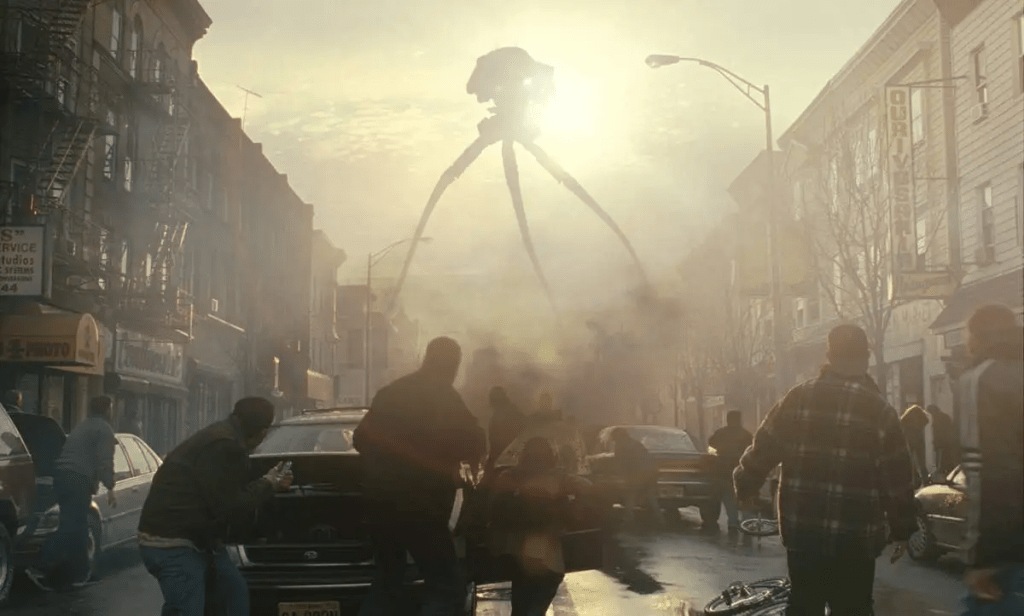
Scene from the 2005 movie.
Buffalo, New York a couple days ago.
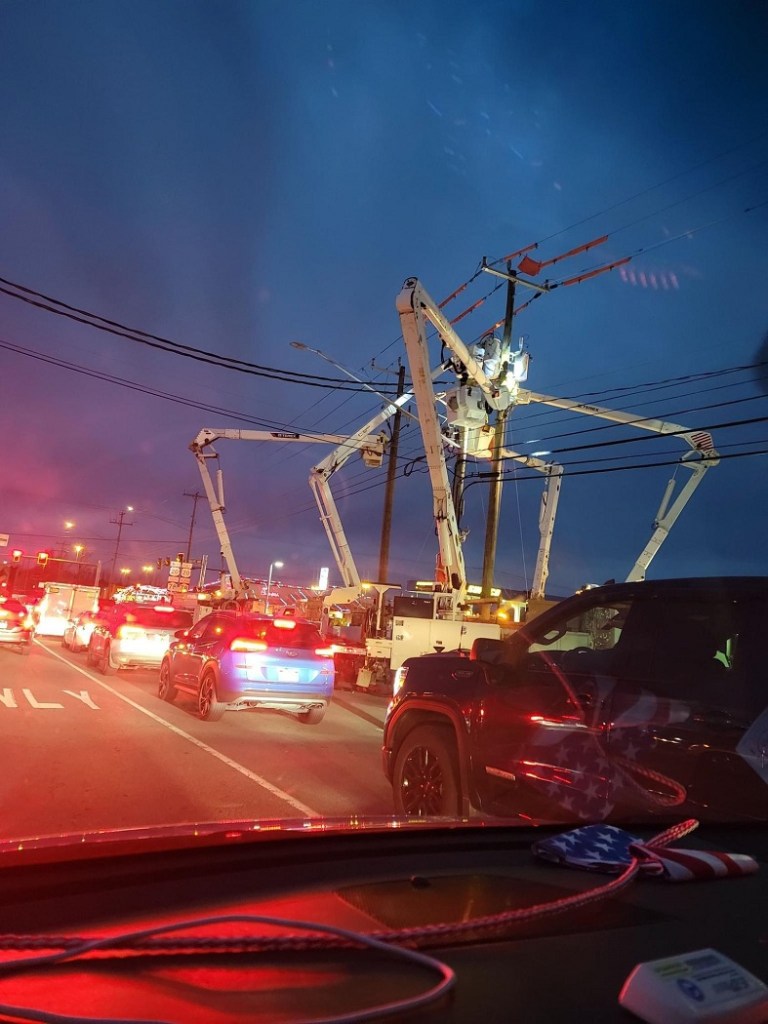

What it really is in Buffalo are power company workers repairing electrical poles using their cherry picker bucket systems.
Winnipeg Fire Paramedic Service (WFPS) provides Fire and EMS services to the City of Winnipeg, Manitoba. It operates from 27 Fire stations, 2 stand-alone Ambulance stations, and 3 administration offices across the city. WFPS has two equally important divisions: The Winnipeg Fire Department (WFD) and Winnipeg Emergency Medical Services (WEMS), using a centralized dispatch system.
In 1882, the City of Winnipeg established the Winnipeg Fire Department, followed by the Winnipeg Ambulance Department in 1974. Prior to 1974, ambulance services were provided by local private ambulance companies. In 1983 the Winnipeg Fire Department introduced the use of first responders to start assisting the Winnipeg Ambulance Department on medical calls. As of 2000, both departments amalgamated to form the Emergency Response Service of Winnipeg, which was later renamed as the Winnipeg Fire Paramedic Service.
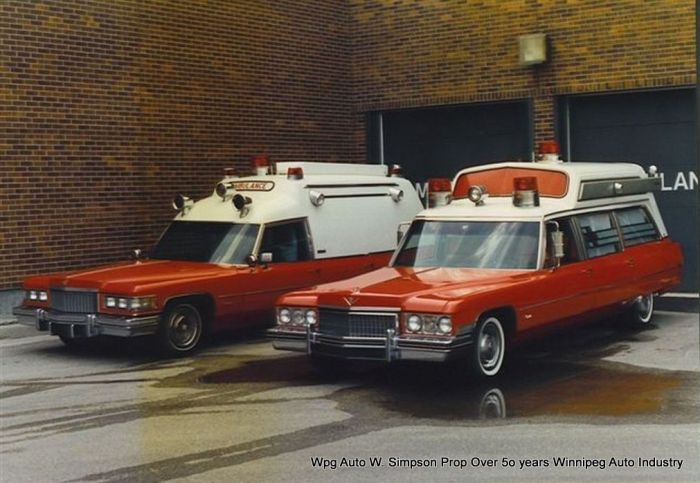
A couple of the very early private ambulances


Private ambulances from the sixties and seventies
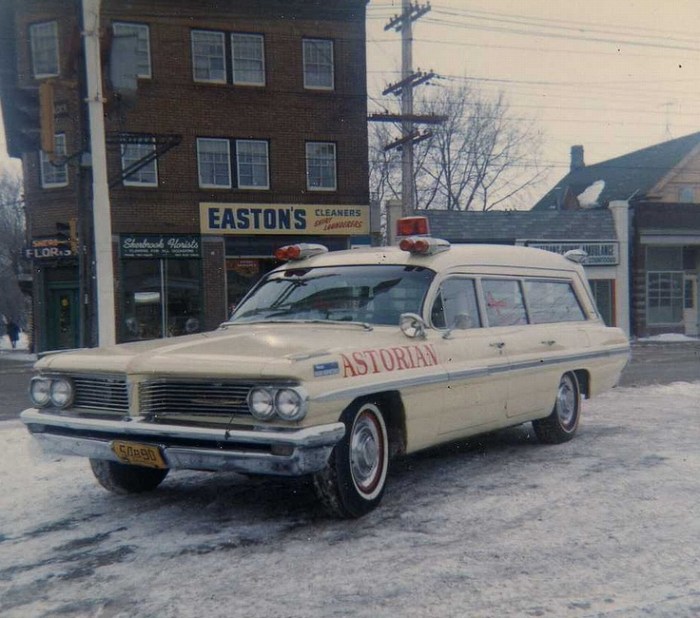
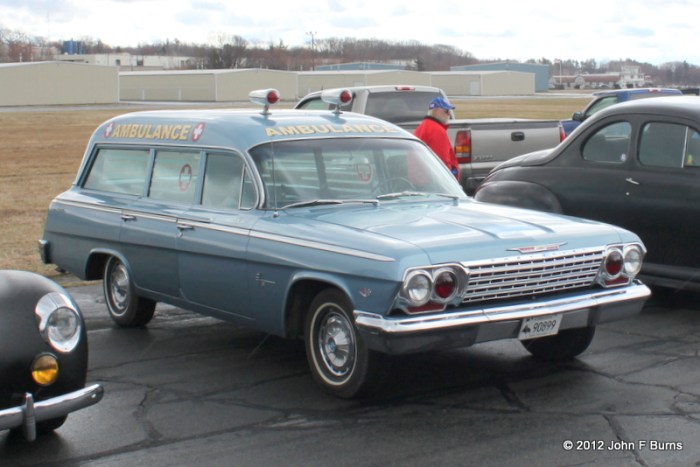
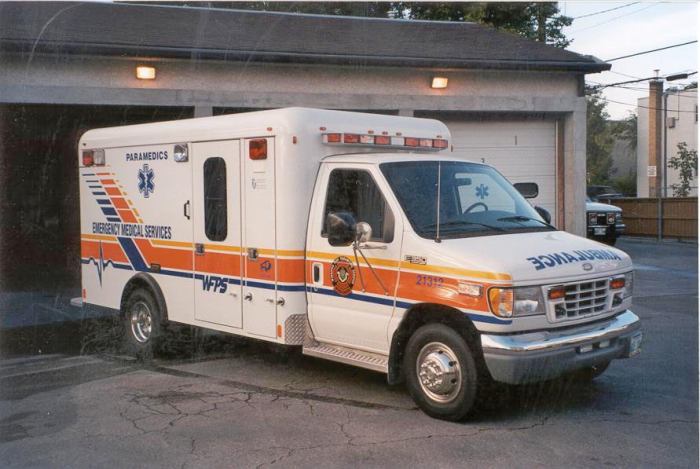
The box ambulances that first appeared in the late eighties
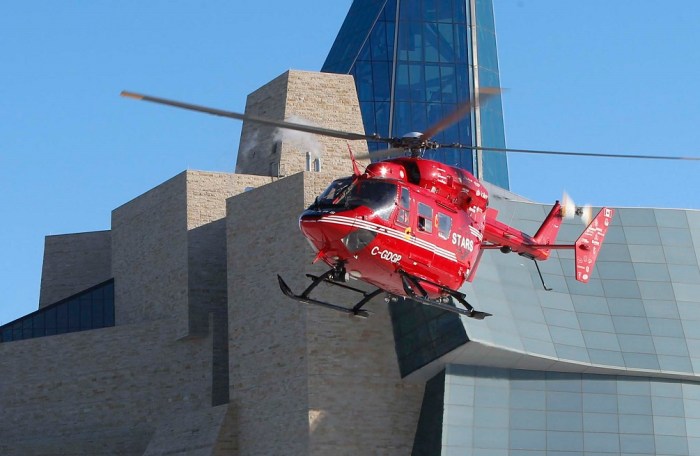
A Stars helicopter ambulance that has served the Manitoba area since 2011
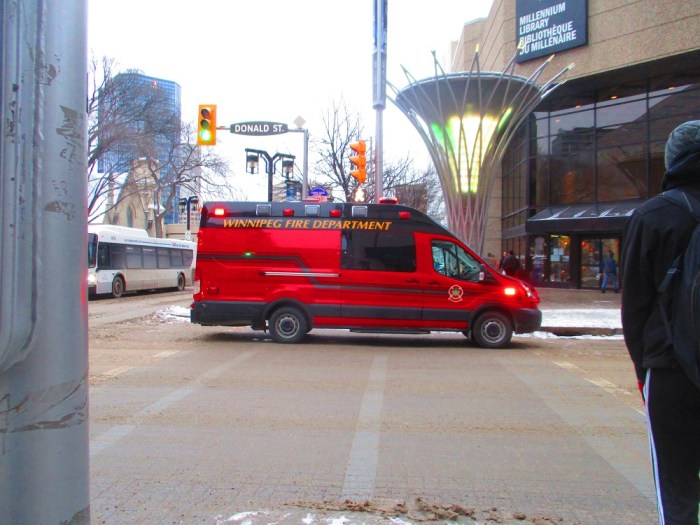
Major Incident Response Vehicle (MIRV) vehicle

Below is a Fire Squad Vehicle.
This is from 2014. It’s interesting in that Saskatchewan has very few Sasquatch sightings. This video was taken near the town of Craven. Craven is located just north of Regina in the middle of vast grain fields. Not a lot of woodland or forest in the area, land types the hairy Sasquatch beasts seem to prefer. But there is the Qu’appelle river valley. Much woodland along the river.

The river valley:

If this is a Bigfoot then is seems to have veered off the typical habitat they are most often spotted in. A lost Sasquatch.
REGINA – A recently-published video reportedly shot near Craven, Saskatchewan suggests that the legendary Bigfoot has been spotted in southern Saskatchewan.
The video was posted to YouTube this week and has since been featured on a number of websites dedicated to debating the existence of the fabled creature.
Title pages seen in the video explain that a family was out for a drive near Craven when they were shocked to see a “hair-covered biped” walking on a hill beside the road.
According to the Bigfoot Field Researchers Association there have been a total of seven bigfoot sightings in Saskatchewan – mostly in the northern part of the province.
Hasil Adkins (April 29, 1937 – April 26, 2005) was an American singer-songwriter and multi-instrumentalist. His genres include rock and roll, country, blues and more commonly rockabill. He generally performed as a one-man band, playing guitar and drums at the same time.
Adkins grew up in poverty in the midst of the Depression, and his spirited lifestyle is reflected in his music. His songs explored an affinity for chicken, sexual intercourse and decapitation, and were isolated in obscurity until being unearthed in the 1980s. The newfound success secured him a cult following, spawned the Norton Records label, and helped usher in the genre known as Psychobilly.

Adkins was born in Boone County, West Virginia on April 29, 1937, where he spent his entire life. He was the youngest of ten children of Wid Adkins, a coal miner, and Alice Adkins, raised in a tarpaper shack on property rented from a local coal…
View original post 783 more words
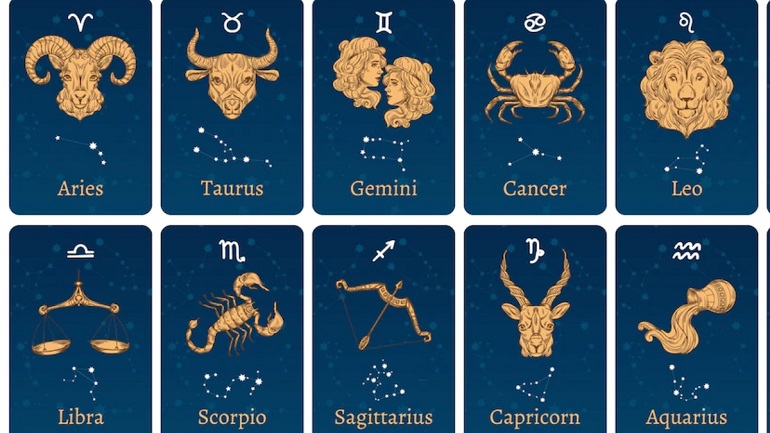
Astrology is a range of divinatory practices, recognized as pseudoscientific since the 18th century, that claim to discern information about human affairs and terrestrial events by studying the apparent positions of celestial objects. Different cultures have employed forms of astrology since at least the 2nd millennium BCE, these practices having originated in calendrical systems used to predict seasonal shifts and to interpret celestial cycles as signs of divine communication.
The scientific community rejects astrology as having no explanatory power for describing the universe, and considers it a pseudoscience. Scientific testing of astrology has been conducted, and no evidence has been found to support any of the premises or purported effects outlined in astrological traditions. There is no proposed mechanism of action by which the positions and motions of stars and planets could affect people and events on Earth that does not contradict basic and well understood aspects of biology and physics. Those who have faith in astrology have been characterised by scientists including Bart J. Bok as doing so “…in spite of the fact that there is no verified scientific basis for their beliefs, and indeed that there is strong evidence to the contrary”.
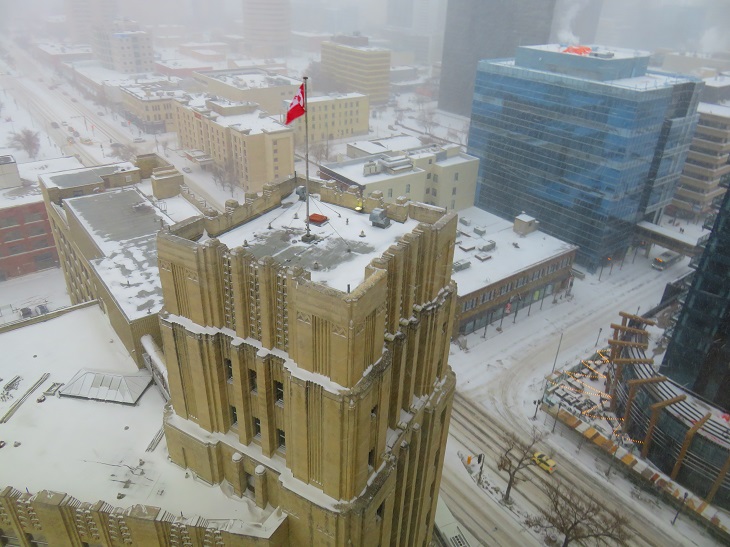
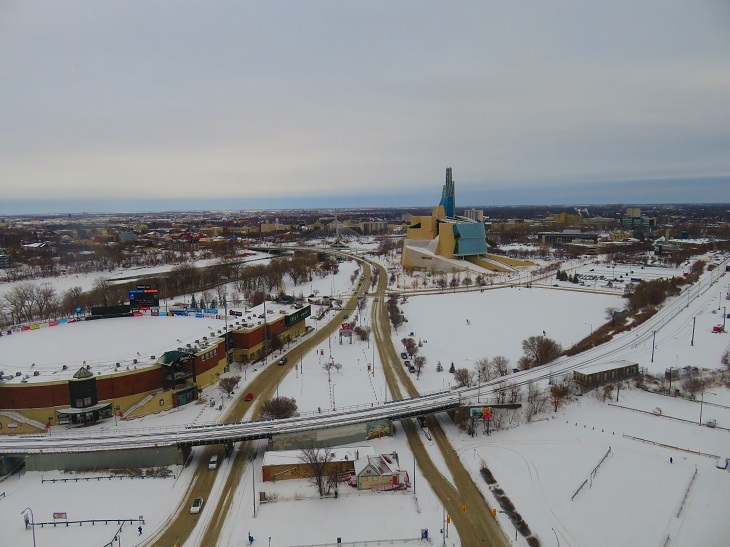
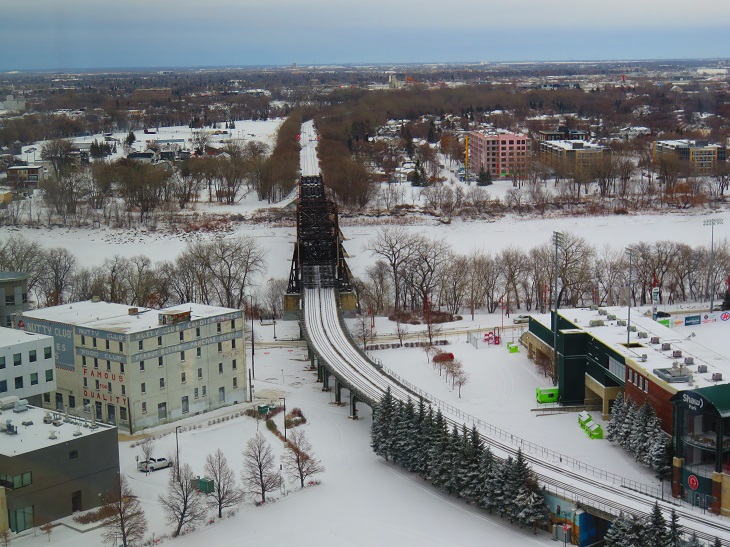
Winnipeg.
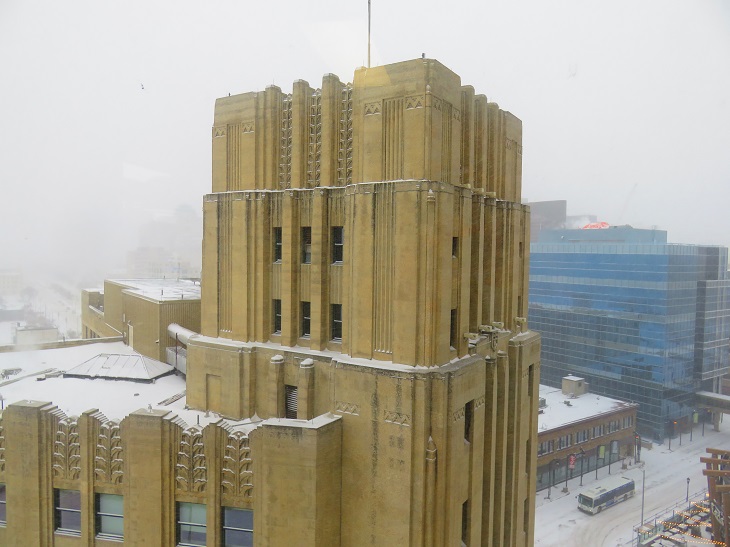
The calm before the snow.


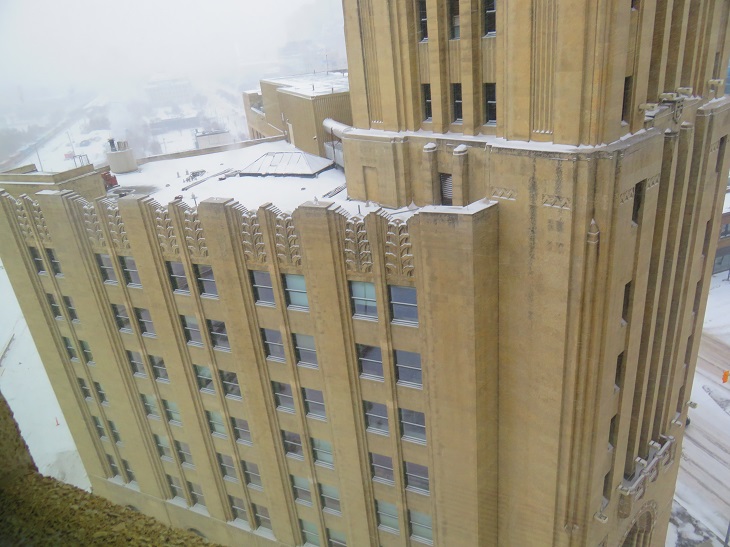
The snow arrives.





















 The MarkoZen Blog