Crocodile Hunter’s son Robert Irwin with his isolation buddy.

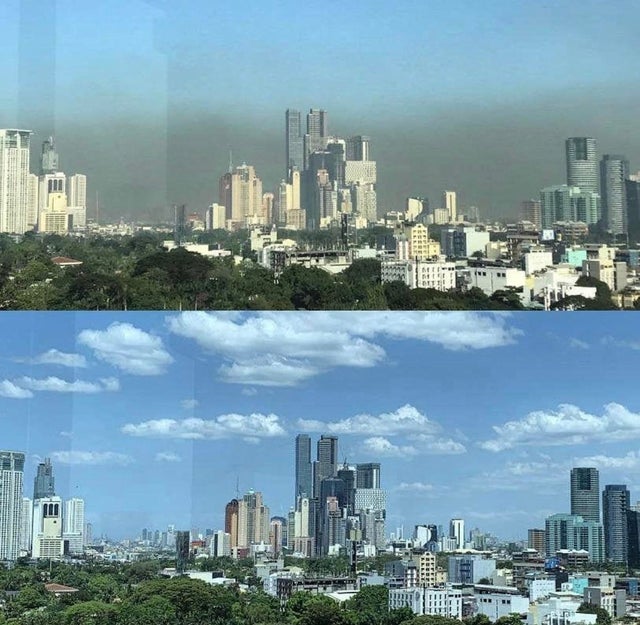
Manila before and after quarantine:
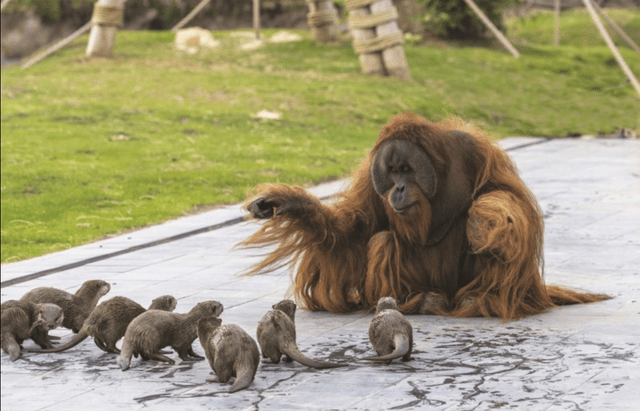
Our zoo decided to temporarily move the otters to the Orangutan exhibit for entertainment purposes.
Crocodile Hunter’s son Robert Irwin with his isolation buddy.
From National Geographic.
Beaches are a great thing. Sun, surf and bikinis.

Photograph by Sergio Pitamitz
North of Madagascar, off Africa’s east coast, are the 115 islands of the Seychelles. The Indian Ocean paradise hosts many sun-loving tourists who fuel its economic engines.

Photograph by Steve Bloom/Getty Images
The seaside resort of Clifton, near Cape Town, hugs the western slope of Table Mountain.

Photograph by Sunny Awazuhara-Reed
Steady waves along San Diego Bay draw surfing enthusiasts and novices alike, as well as crowds of tan-seeking sunbathers.

Photograph by Fred Whitehead/Photo Library
Shells speckle the water’s edge at Cumberland Island National Seashore in Georgia. The secluded barrier island gained fame after serving as the location of the secret wedding of John F. Kennedy, Jr., and Carolyn Bessette in 1996.

Photograph by Andrew Watson/Photo Library
Clear waters lap the shores of Fraser Island—the world’s largest sand island—just off the coast of Queensland.

Photograph by Macduff Everton/Getty Images
Coconut palms line the shore in Kailua, along Hawaii’s Kona Coast. The palms’ lanky trunks support the heavy fruits dangling from their branches.

Photograph by Paul Quayle/Getty Images/Axion RM
After being devastated by the 2004 tsunami, the Phi Phi archipelago off the coast of Thailand has been restored to its pristine, idyllic state.
James Bond Island from the movie The Man With The Golden Gun is near the above island.

Photograph by Ian Cumming/Getty Images
Clean Atlantic waters and a warm current from the Gulf create an ideal environment for aquatic wildlife and adventure-seeking tourists in the Bahamas.

Photograph by Terry Donnelly/Getty Images
Tufts of grass dot the shores of Ocracoke Island, site of an early European settlement and still home to descendants of the pirate Blackbeard. Ocracoke is part of the Outer Banks, a string of barrier islands that draws throngs of sunseekers.
Markozen added this great beach to the list.

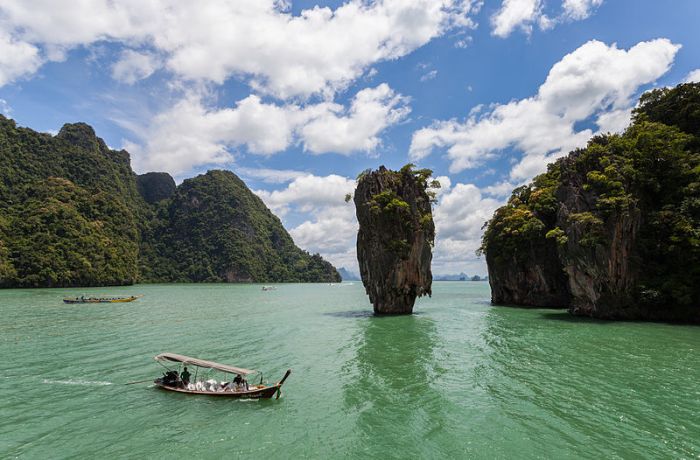
Khao Phing Kan or Ko Khao Phing Kan is an island in Thailand, in Phang Nga Bay northeast of Phuket. The islands are limestone karst towers and are a part of Ao Phang Nga National Park.
About 40 metres (130 ft) from the shores of Khao Phing Kan lies a 20-metre (66 ft) tall islet called Ko Ta Po or Ko Tapu. Since 1974, when they were featured in the James Bond movie The Man with the Golden Gun, Khao Phing Kan and Ko Ta Pu have been popularly called James Bond Island.
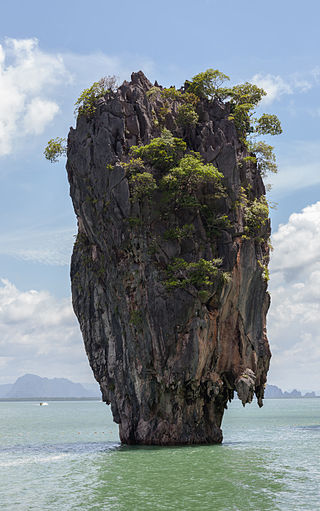

The Man with the Golden Gun is a 1974 spy film and the ninth in the James Bond series produced by Eon Productions, and the second to star Roger Moore as the fictional MI6 agent James Bond. A loose adaptation of Ian Fleming’s novel of the same name, the film has Bond sent after the Solex Agitator, a device that can harness the power of the sun, while facing the assassin Francisco Scaramanga, the “Man with the Golden Gun”. The action culminates in a duel between them that settles the fate of the Solex.

The production team chose Thailand as a primary location, following a suggestion of production designer Peter Murton after he saw pictures of the Phuket bay in a magazine.
The USNS Comfort arrived in New York on Monday, bringing a massive Navy hospital ship to help relieve city hospitals overwhelmed by coronavirus patients.
The 1,000-bed floating hospital docked Monday at Pier 90 on Manhattan’s West Side, and is set to begin treating patients Tuesday.

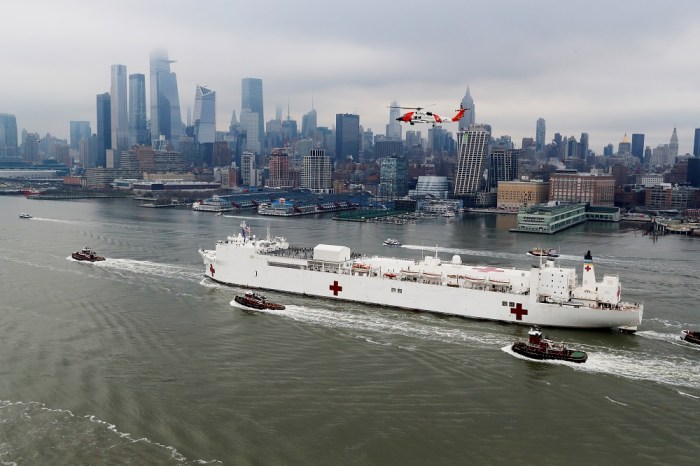
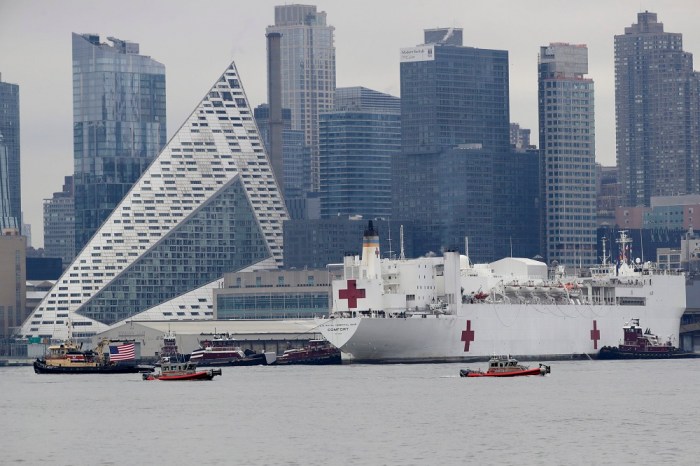
In this day and age, anything could be computer generated. If these are fake, they are very good fakes.
I really wish they would put Roswell to rest. It was Project Mogul.
See: https://markozen.com/2019/11/07/what-really-happened-at-roswell/
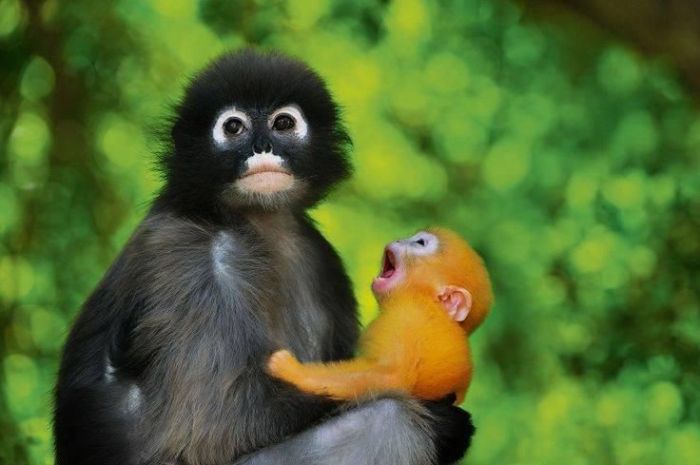
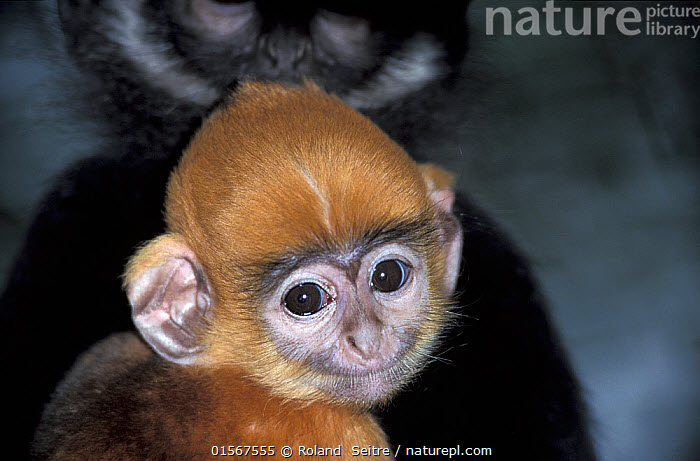
The François’ langur, also known as the Francois’ leaf monkey, Tonkin leaf monkey, or white side-burned black langur is a species of lutung and the type species of its species group. It is one of the least studied of the species belonging to the Colobinae subfamily.
The species is distributed from Southwestern China to northeastern Vietnam. The total number of wild individuals is unknown, but fewer than 500 are believed to be left in Vietnam and 1,400–1,650 in China. About 60 langurs are in captivity in North American zoos. The species is named after Auguste François (1857–1935), who was the French Consul at Lungchow in southern China.
Infants are born with bright orange coloured fur, which fades to black throughout the period of infancy lasting several months. It isn’t known why their coats are so conspicuous, but current hypotheses suggest it may elicit attention, protection and caregiving by adults.



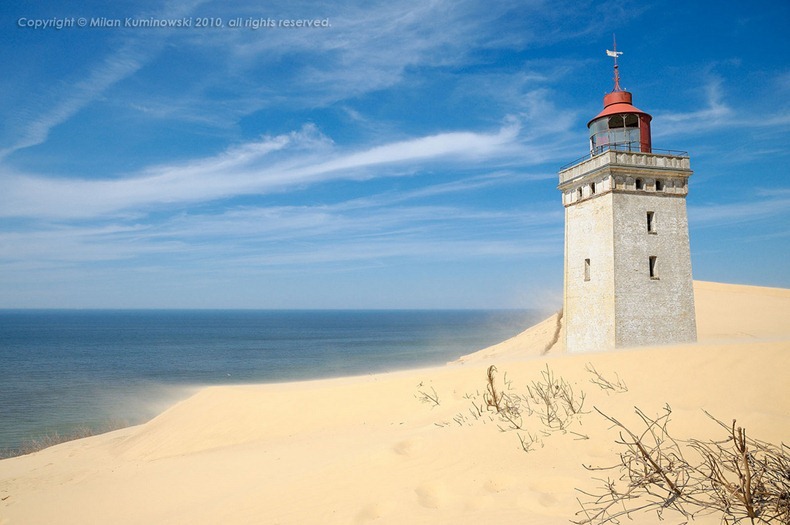
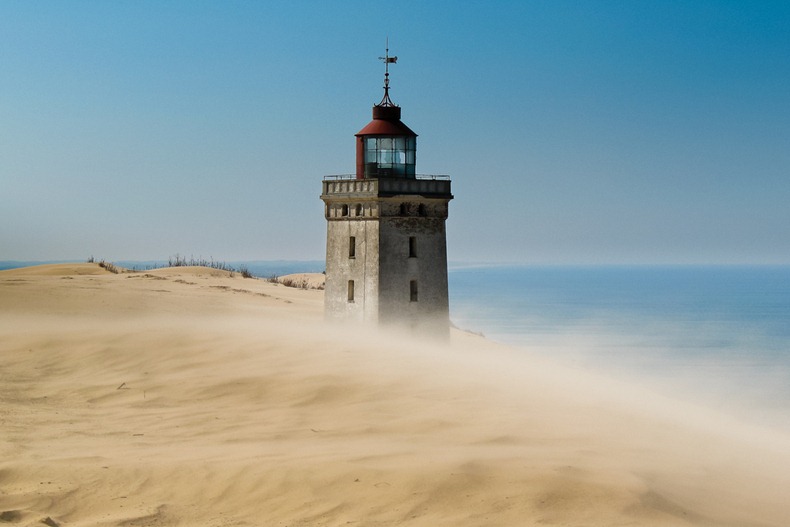
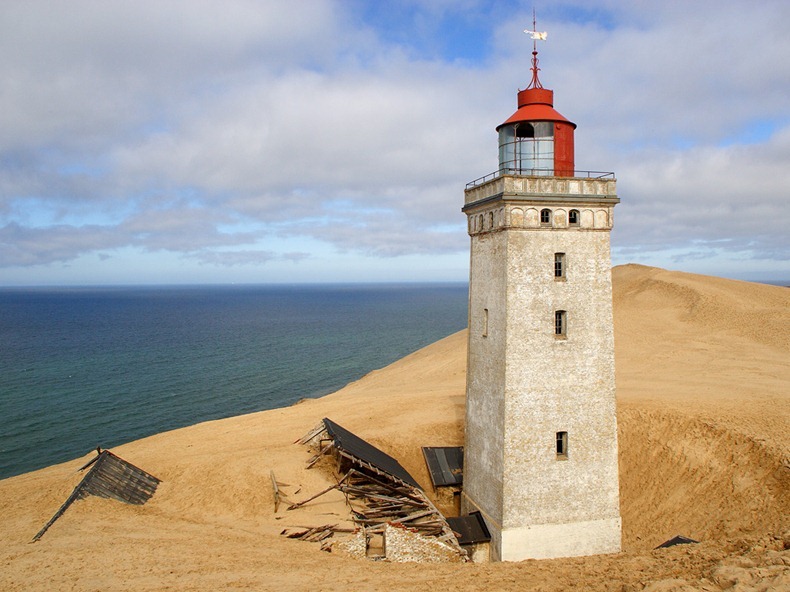
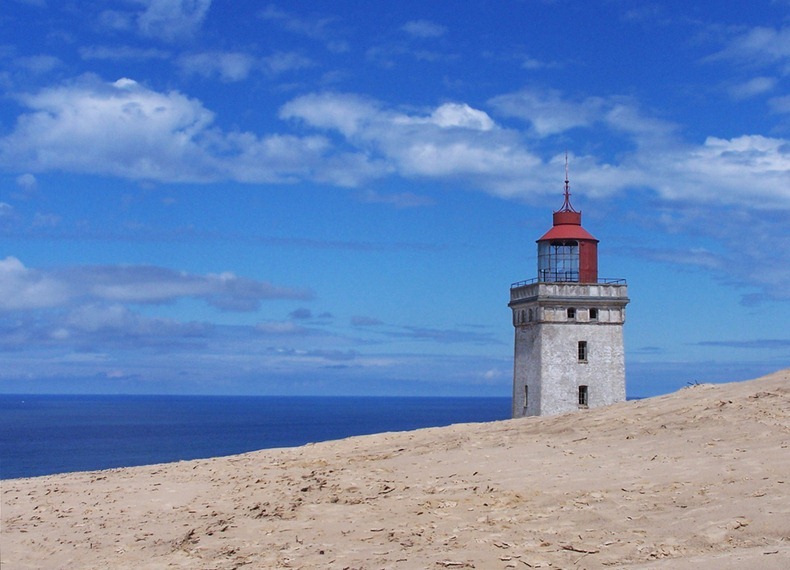
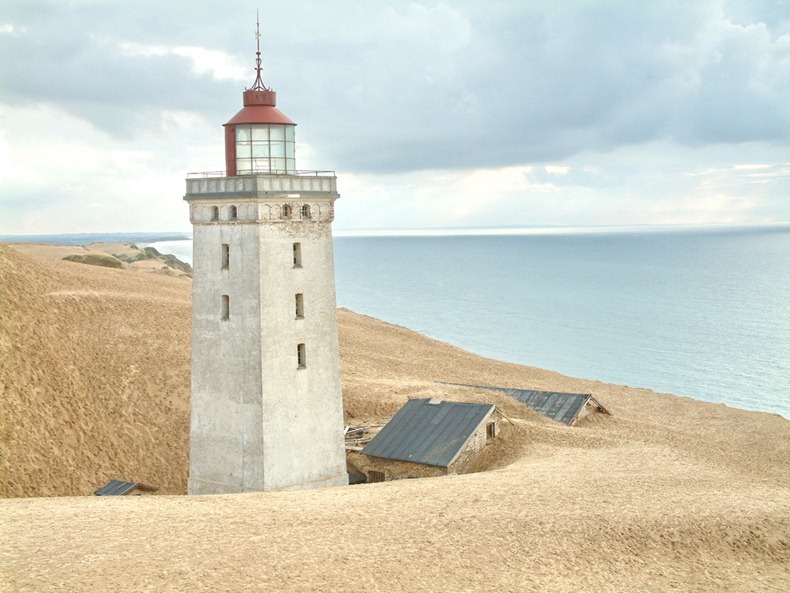
Rubjerg Knude Lighthouse is an abandoned lighthouse located on the coast of the North Sea in Rubjerg, in northern Denmark. The light in Rubjerg Knude Lighthouse was lit for the first time the December, 27, 1900. The lighthouse was built on the coastal slope’s highest point 60 meters above sea level and a good 200 meters inland.
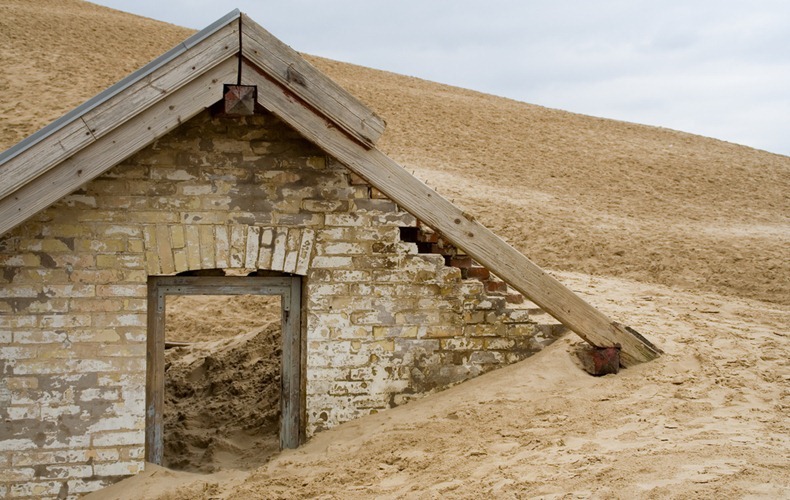
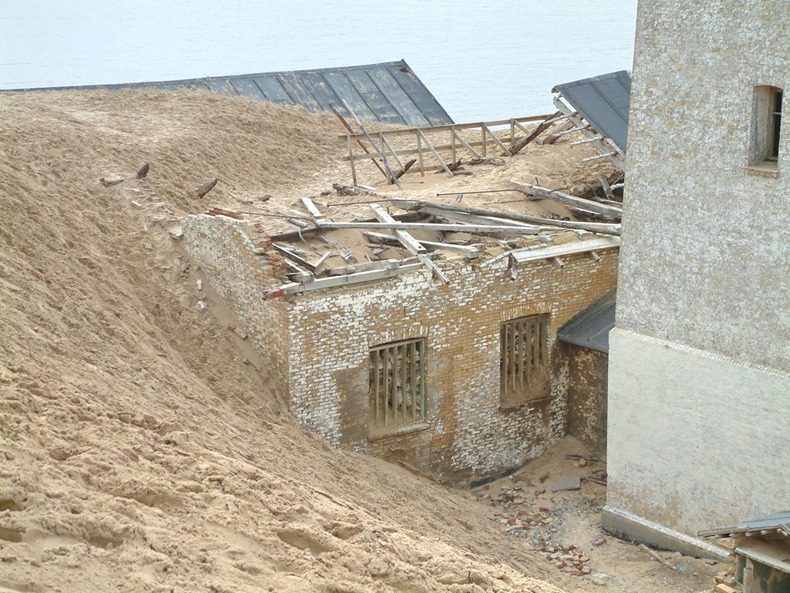
The lighthouse tower is 23 meters high, and when it was built there were no large dunes around it. But with time the sea moved in closer and the wind blew large amounts of sand up from the cliff. The sand piled up in front of and around the lighthouse, filled the well and ruined the kitchen gardens.
To suppress the sand pine grates were set in and lyme grass and helmet was planted in the dune, but the efforts went vain as the sand dune continued to grow. At last the sand was so high that at times it was impossible to see the light from the sea. On August 1, 1968 the struggle was given up and the lighthouse was lit for the last time.
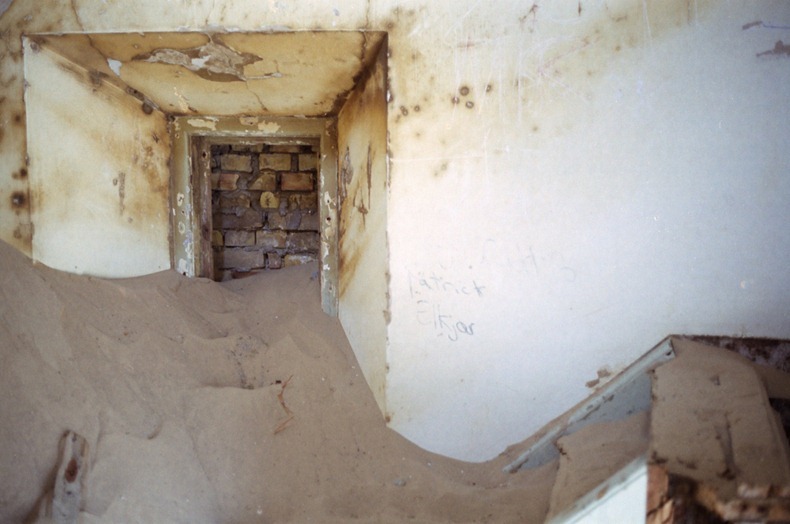
Since then the lighthouse has become a popular visitor attraction on the Jutland coast. For a number of years, the buildings were used as a museum and coffee shop, but continually shifting sands caused them to be abandoned as well in 2002. It’s predicted that the lighthouse will fall into the sea in 15 to 20 years time.


 The MarkoZen Blog