The Surreal Landscape of Deadvlei, Namibia

Markozen.com's avatarThe MarkoZen Blog

The picture below is not that of a painting. It was taken inside the Namib-Naukluft Park in Namibia, in a strange and alien landscape called Dead Vlei. Although sounds similar to “dead valley”, Dead Vlei is not an actually valley. The term means “dead marsh” (from English dead, and Afrikaans vlei, a lake or marsh in a valley between the dunes).

Deadvlei is a white clay pan located near the more famous salt pan of Sossusvlei, scattered with hundreds of dead Acacia trees that once thrived when water from the Tsauchab River soaked this piece of land. Some 900 years ago the river diverted its course, leaving Dead Vlei literally high and dry. Dead Vlei has been claimed to be surrounded by the highest sand dunes in the world, the highest reaching 300-400 meters which rest on a sandstone terrace.

.

adeadvlei-17[6]

adeadvlei-8[2]

adeadvlei-9[5]

adeadvlei-16[2]

Abgestorbene Akazien im Dead vlei, Namibia

View original post

Google co-founder Larry Page has spent time during the Pandemic on Islands in Fiji

Markozen.com's avatarThe MarkoZen Blog

TAVARUA, FIJI — Larry Page, the co-founder of Google, has spent much of the COVID-19 pandemic on tropical islands in Fiji, entering the country via a government system that allows wealthy individuals to avoid COVID-19 travel restrictions, according to Business Insider.


Page has stayed mostly on Tavarua island, to the west of the main Fijian island, according to two different people who have seen him there in the past year, cited by Insider. Fiji has closed its borders to tourists and business passengers during the pandemic. However, it has made an exception for ‘for yachts and pleasure craft wanting to explore our islands,’ in the form of what it calls “Blue Lanes.”

Under the system of Blue Lanes, yacht owners can enter the country with minimal restrictions, including a negative COVID test. They must quarantine for 14 days, but this includes time spent travelling on their vessels. Page’s time in…

View original post 57 more words

The Avalanche Protection Wall of Flateyri

Markozen.com's avatarThe MarkoZen Blog

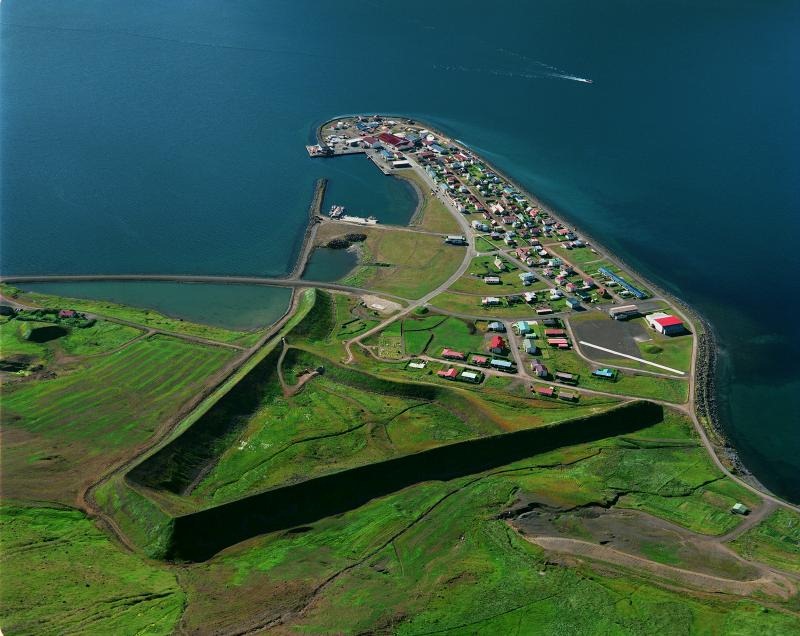
Flateyri is a small fishing village located on a narrow strip of land at the edge of the sea in the picturesque Westfjords, in northwest Iceland. The village of only 300 has been a trading post since 1792 and saw its heyday in the 19th century when it became a major whaling center and base for shark-hunting. The fishing industry has always been vital for the villages in the Westfjords, and Flateyri had successfully married this tradition with tourism making the village a very popular destination for foreign sea anglers.

Like so many Icelandic villages, Flateyri is located on the seaside at the base of a steep, treeless mountain called Skollahvilft. The mountain is but steeper than usual and remains covered with snow for much of the year making it susceptible to avalanches. However, no major incident had occurred until one October morning in 1995.

flateyri-avalanche-wall-10

It was 4 am on…

View original post 390 more words

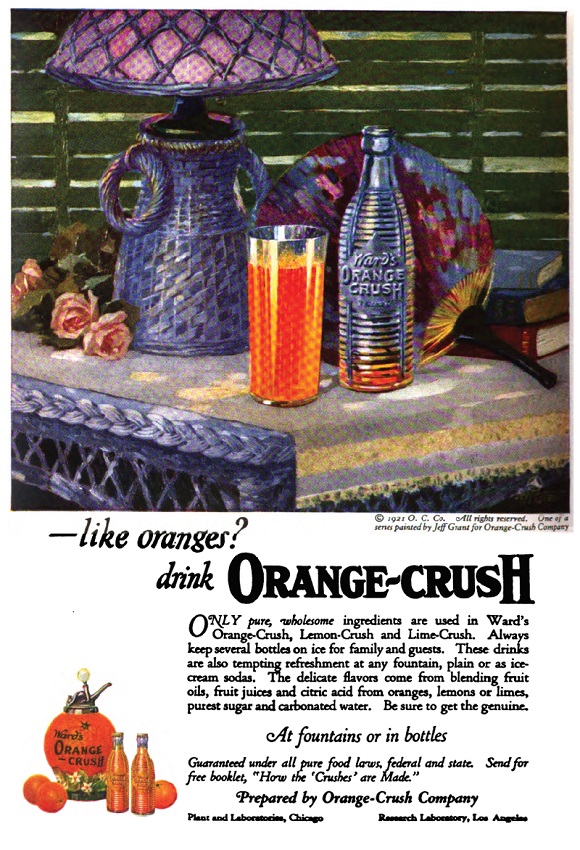
I Thought Orange Crush only had One Flavor

Markozen.com's avatarThe MarkoZen Blog

Wow, was I mistaken.

Flavors

A 12oz Crush strawberry soda
Crush Apple
Crush Banana
Crush Berry Blast
Crush Berry Punch
Crush Berry Pomegranate
Crush Birch Beer (Newfoundland, also available at some Sobeys grocery chains across Canada)
Crush Blue Raspberry
Crush Bubblegum (Slush only)
Crush Cherry (2009–)
Crush Chocolate
Crush Cola (Kuwait, 1970s–1990s)
Crush Cream Soda (Canada and UK); sold clear in Québec, and Newfoundland and Labrador; sold pink in the rest of Canada
Crush Frozen Orange Dream
Crush Tropical Punch
Crush Fruity Red
Crush Ginger Beer
Crush Grapefruit
Crush Grape
Crush Lemon
Crush Lemonade
Crush Lemon-Lime
Crush Lime
Crush Lime Rickey
Crush Nectar
Crush Orange
Crush Orange Dry
Crush Peach
Crush Peach Sour
Crush Pear
Crush Pineapple (Originally sold only in Newfoundland)
Crush Pink Grapefruit
Crush Red Cream
Crush Red Licorice
Crush Root Beer
Crush Sarsi
Crush Soda Water (Kuwait, 1970s–1990s)
Crush Sour Apple (briefly offered in 2005)
Crush Spruce…

View original post 102 more words

The Art of the Temple

Markozen.com's avatarThe MarkoZen Blog

The 1,444 Carved Pillars of Ranakpur Jain Temple No Two of Which Are Alike

Ranakpur is a village located in the lush green valley of Aravalli mountain ranges in Pali district of Rajasthan, in western India. It is home to one of the biggest and most important Jain temple complexes of India, covering an area of nearly 48,000 square feet area, and has 29 halls, 80 domes and supported by 1444 marble pillars, each of them intricately and artistically carved, yet no two of them are alike.

The Ranakpur Jain Temple was built by a wealthy Jain businessman named Dharma Shah under the patronage of the liberal and gifted Rajput monarch Rana Kumbha in the 15th century. According to local legend Dharma Shah had a celestial vision that left in his heart a burning determination to build a temple in honor of Adinath, the founder of the Jain religion. When…

View original post 439 more words

Atomic Bomb Tourism

Markozen.com's avatarThe MarkoZen Blog

Between 1951 and 1992, there were a total of 928 announced nuclear tests at Nevada Test Site. Of those, 828 were underground.  (Sixty-two of the underground tests included multiple, simultaneous nuclear detonations, adding 93 detonations and bringing the total number of NTS nuclear detonations to 1,021, of which 921 were underground.)  The site is covered with subsidence craters from the testing. The Nevada Test Site was the primary testing location of American nuclear devices; 126 tests were conducted elsewhere (many at the Pacific Proving Grounds in the Marshall Islands).

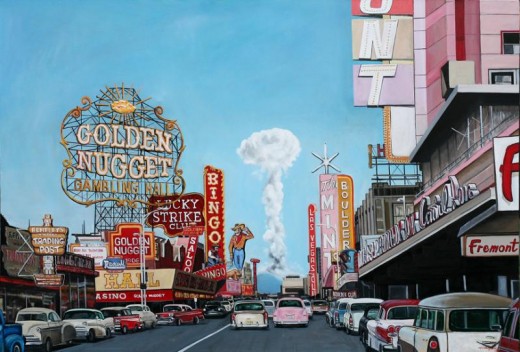
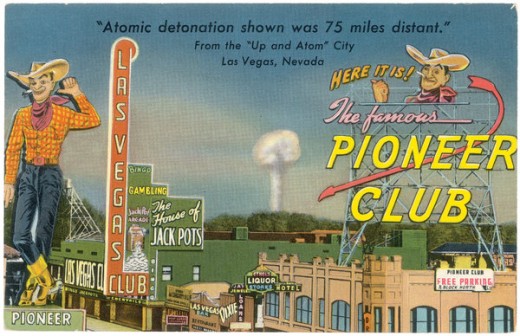
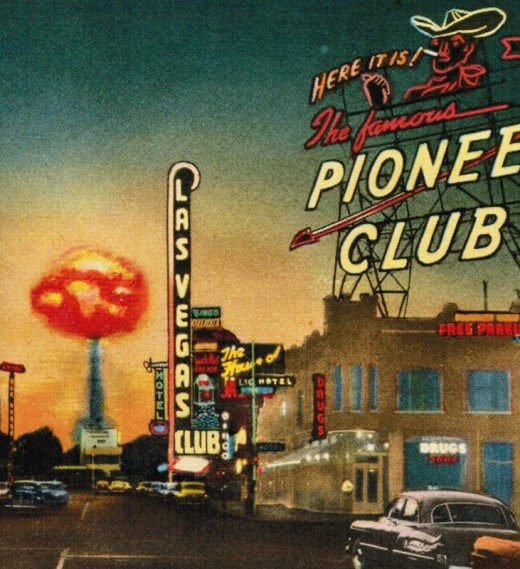
During the 1950s, the mushroom clouds from these tests could be seen for almost 100 mi (160 km) in either direction, including the city of Las Vegas, where the tests became tourist attractions. Americans headed for Las Vegas to witness the distant mushroom clouds that could be seen from the downtown hotels.

View original post