The Bears of Summer

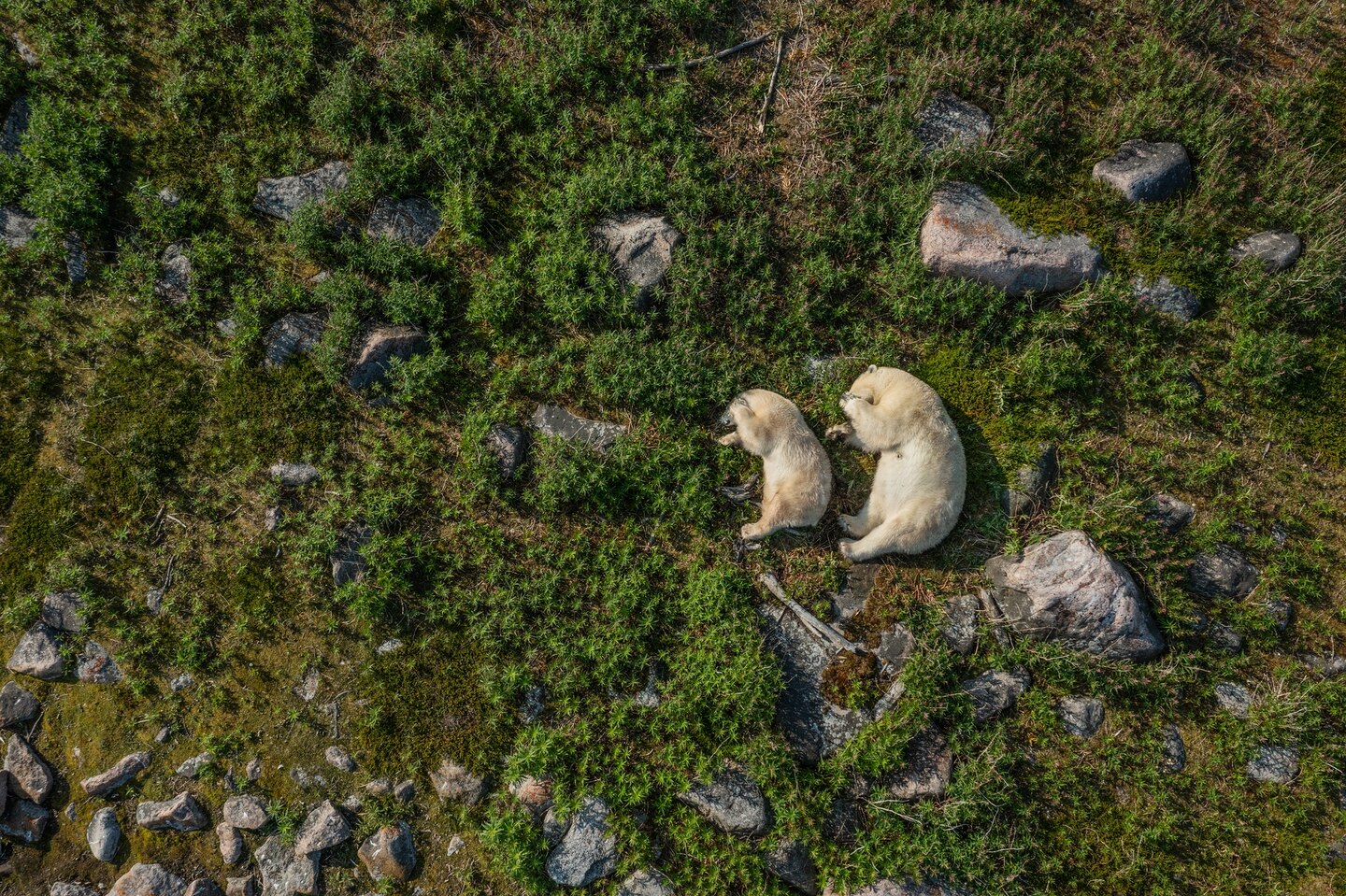
Even as a drone hovered above to get this shot, a large male polar bear that photographer Martin Gregus, Jr., calls Scar never stirred in this bed of fireweed. Gregus says he named many of the bears in hopes it would help people relate to them as individuals needing protection.

Picture of bear sleeping on its side on blooming fireweeds.

Snoozing in flower beds? Behold the bears of summer

A photographer spends two months in the Canadian Arctic and reveals a softer side of the world’s largest terrestrial predator.

Even as a drone hovered above to get this shot, a large male polar bear that photographer Martin Gregus, Jr., calls Scar never stirred in this bed of fireweed. Gregus says he named many of the bears in hopes it would help people relate to them as individuals needing protection.
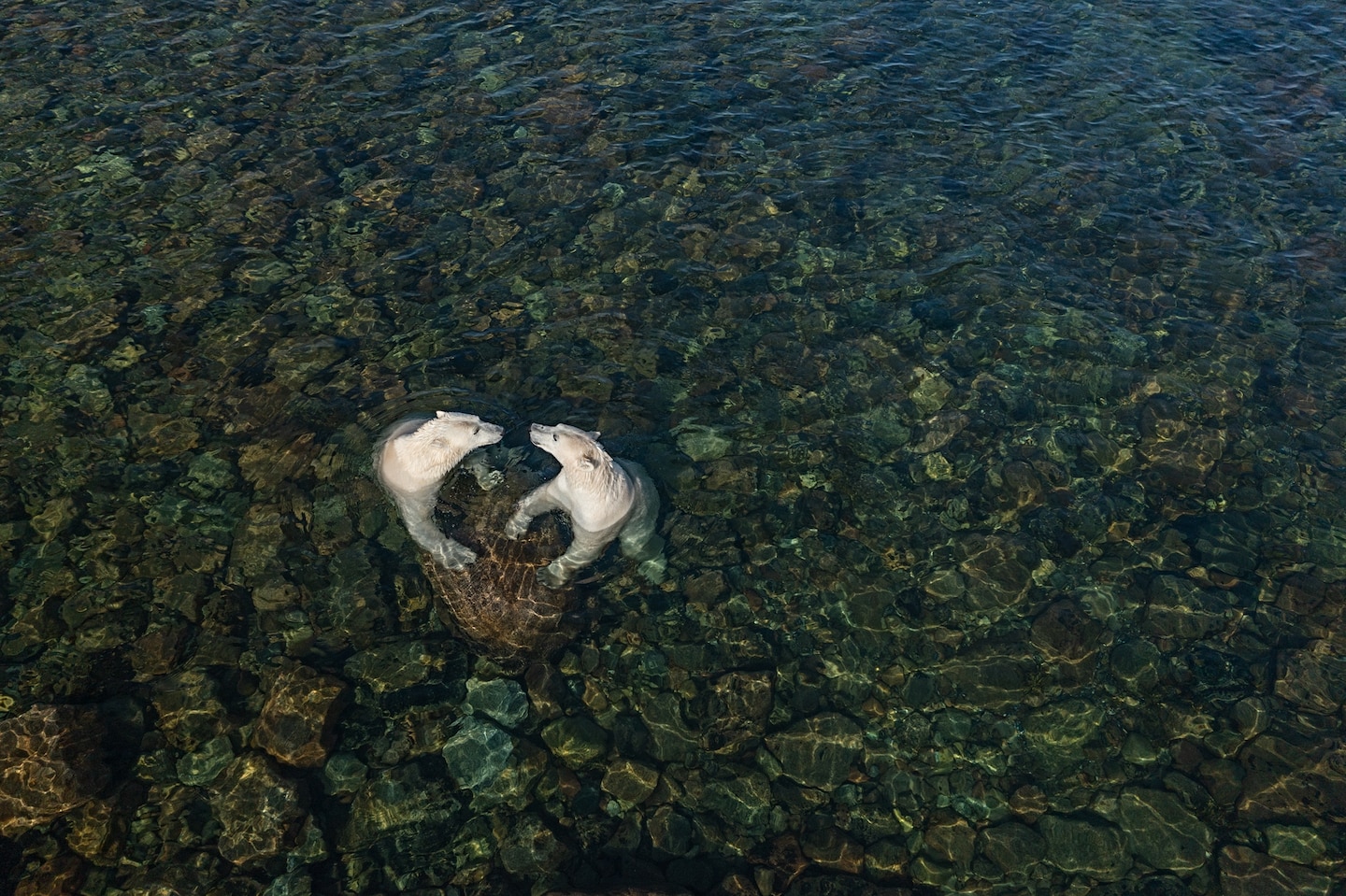
Picture of two bears playing in the intertidal.

The bears that Gregus calls Betty and Veronica wrestled over this boulder for nearly an hour before he caught them forming the shape of a heart. The two seemed inseparable, often playing and hunting together.

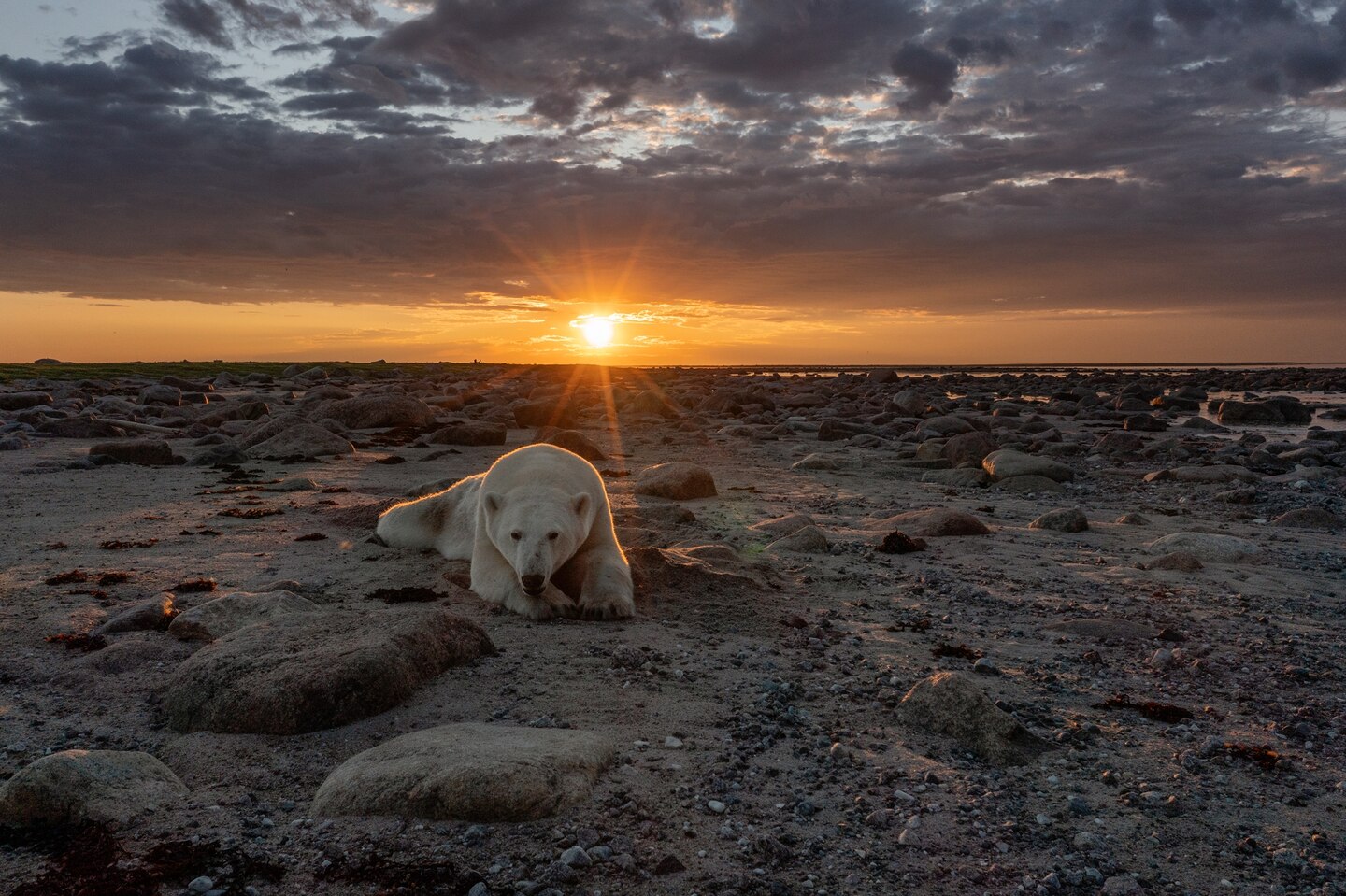
“You always see polar bears on ice and snow,” says photographer Martin Gregus, Jr. “But it’s not like they stop living in the summertime.” Determined to reveal this less depicted angle on the bears, he constructed a field station on the back of a small boat and spent 33 days north of Churchill, Manitoba, in the summers of 2020 and 2021. 
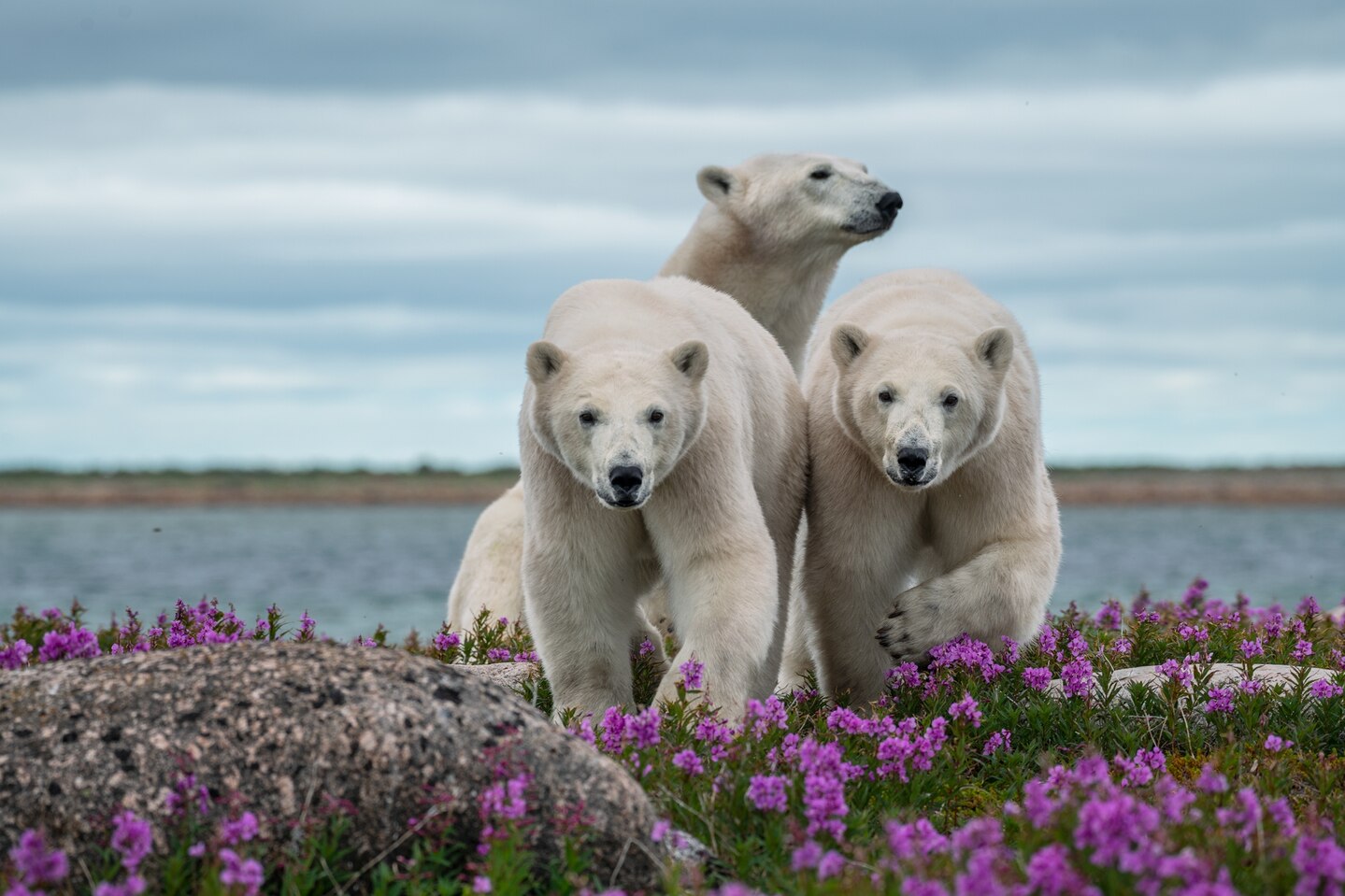
Picture of mother bear behind two grown-up kinds.
Picture of mom bear and her baby cub take shelter from a large storm.

Top: Two large cubs appear to guard their mother while a male passes by, just out of the frame. For Gregus, the image recalls Cerberus, the multiheaded dog of Greek mythology.

Bottom: Aurora and her cub, Beans, hunker down as a storm approaches. Thunder and lightning have recently become more frequent in this region as a result of climate change, Gregus says. Every time the sky cracked, the bears started shaking, like dogs hearing fireworks.
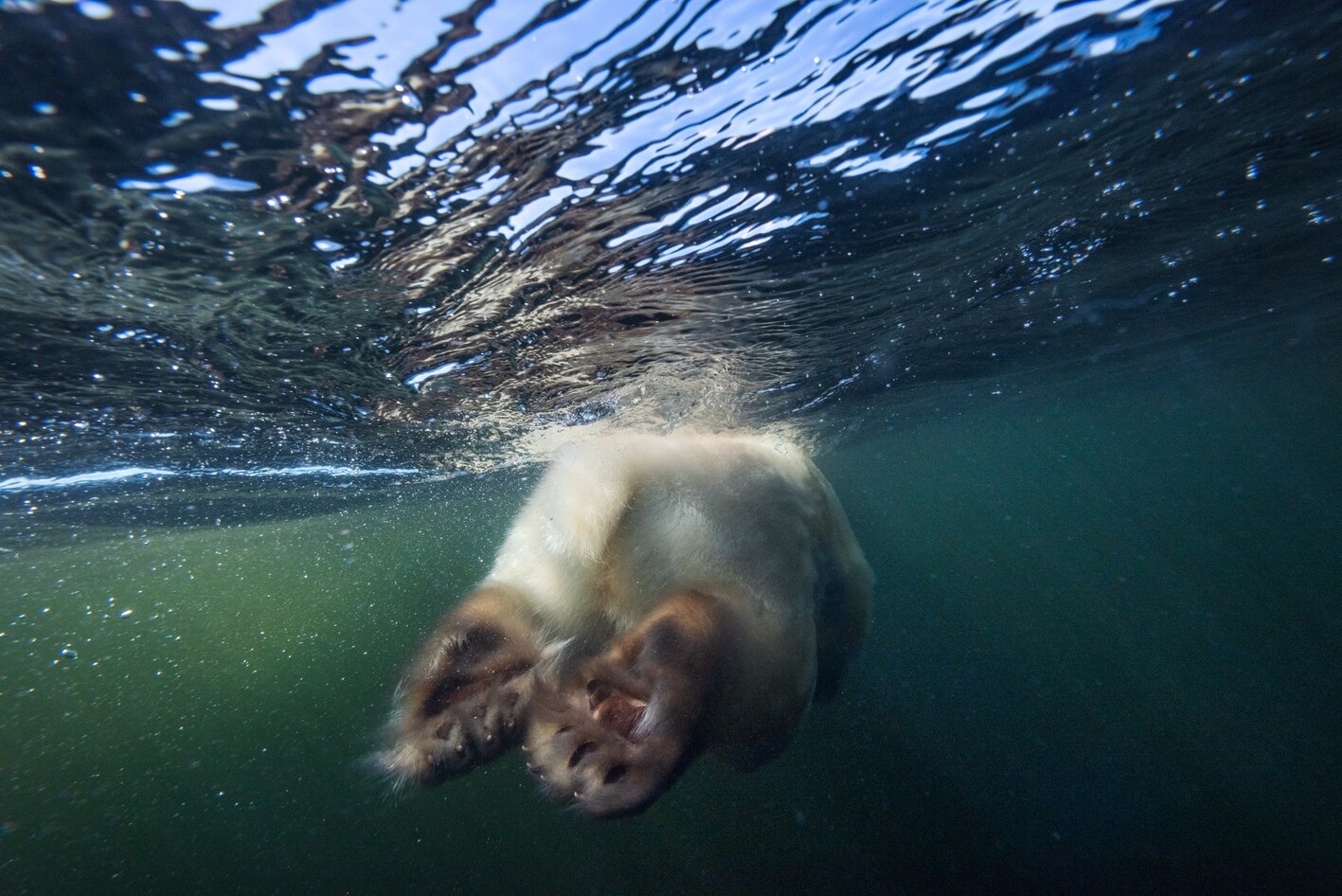
Picture of swimming underwater bear from behind.

Polar bears spend so much time in the water that many scientists consider them to be marine mammals. In some cases, they’ve been recorded swimming for more than a week straight and clocking over 400 miles. To get underwater images like this one of a polar bear moving from melting sea ice onto dry land, Gregus developed camera rigs and techniques that allowed him to get close to the animals without being seen by them.

The more Gregus studied the bears, the more he learned of their personalities. There was the persistent cub he named Hercules. He lost a leg yet managed to survive his first two summers. An enormous female, Wanda, seemed to be feared by other bears but spent her days doing yoga-like stretches in the fireweed. Another female, Wilma, appeared to be so comfortable with Gregus that she’d nurse her cubs, Pebbles and Bamm-Bamm, close enough for him to hear their purring. Gregus also witnessed behaviors he’d rarely seen before, such as bears grazing on plants and hunting tern chicks by chasing them into the surf. For now, actions like those may be helping this polar bear population cope with the effects of climate change—but others elsewhere are starving.

“All of these pictures show bears that are fat, healthy, and playful,” Gregus says. So although from a global perspective everything may be going wrong for polar bears, “obviously something’s going right here.”
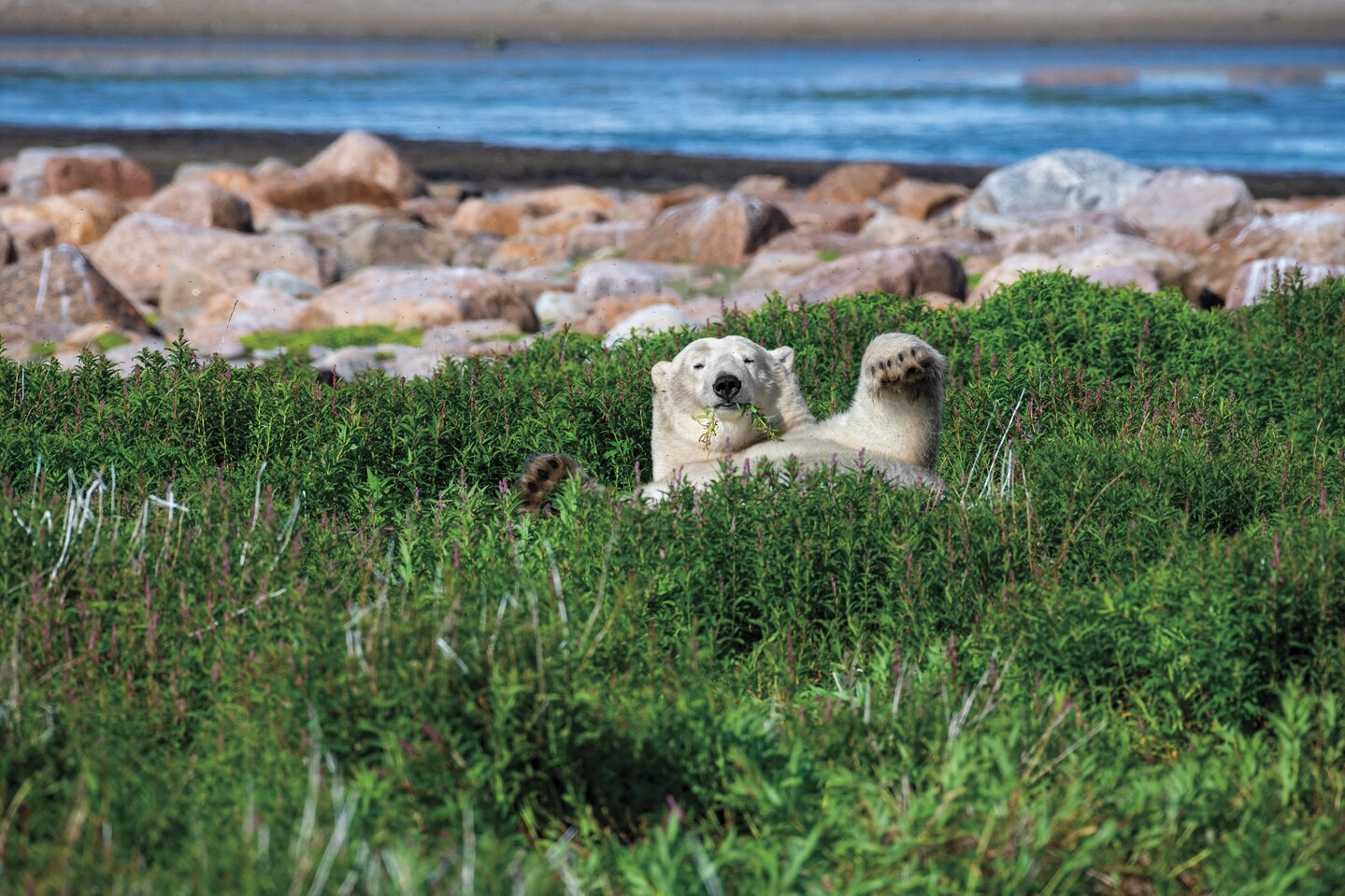
Picture of large bear in its back looking at the camera from tall grass.

“We’d look around and say, ‘Where’s Wanda?’ Because if she was there, we didn’t have to worry about any other bears,” says Gregus, of the large but laid-back female.
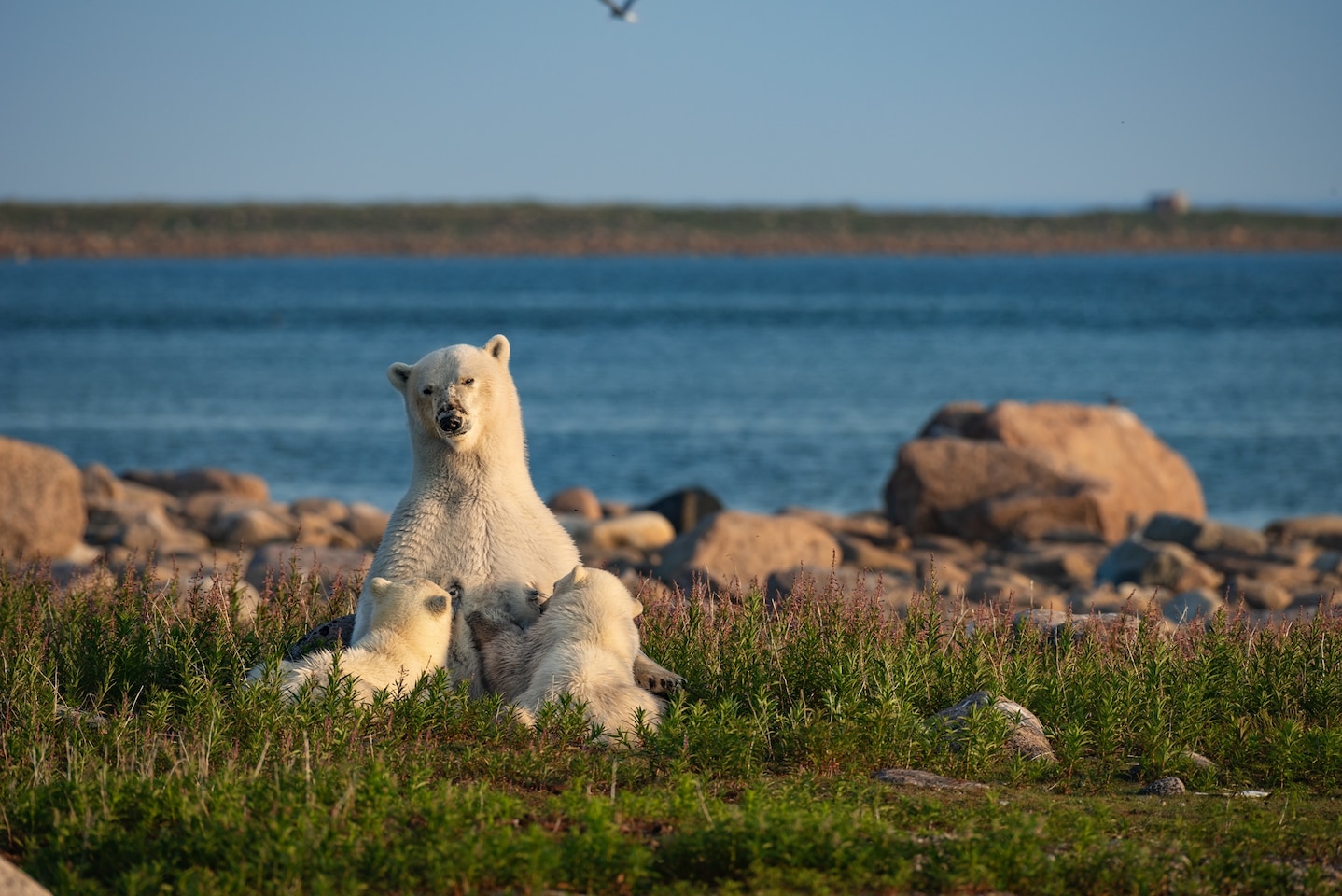
Cubs weigh just one pound at birth, but a diet of milk that is extremely rich in fat helps them bulk up quickly. Each cub will nurse for at least 20 months, and they usually stay by their mother’s side for two years.
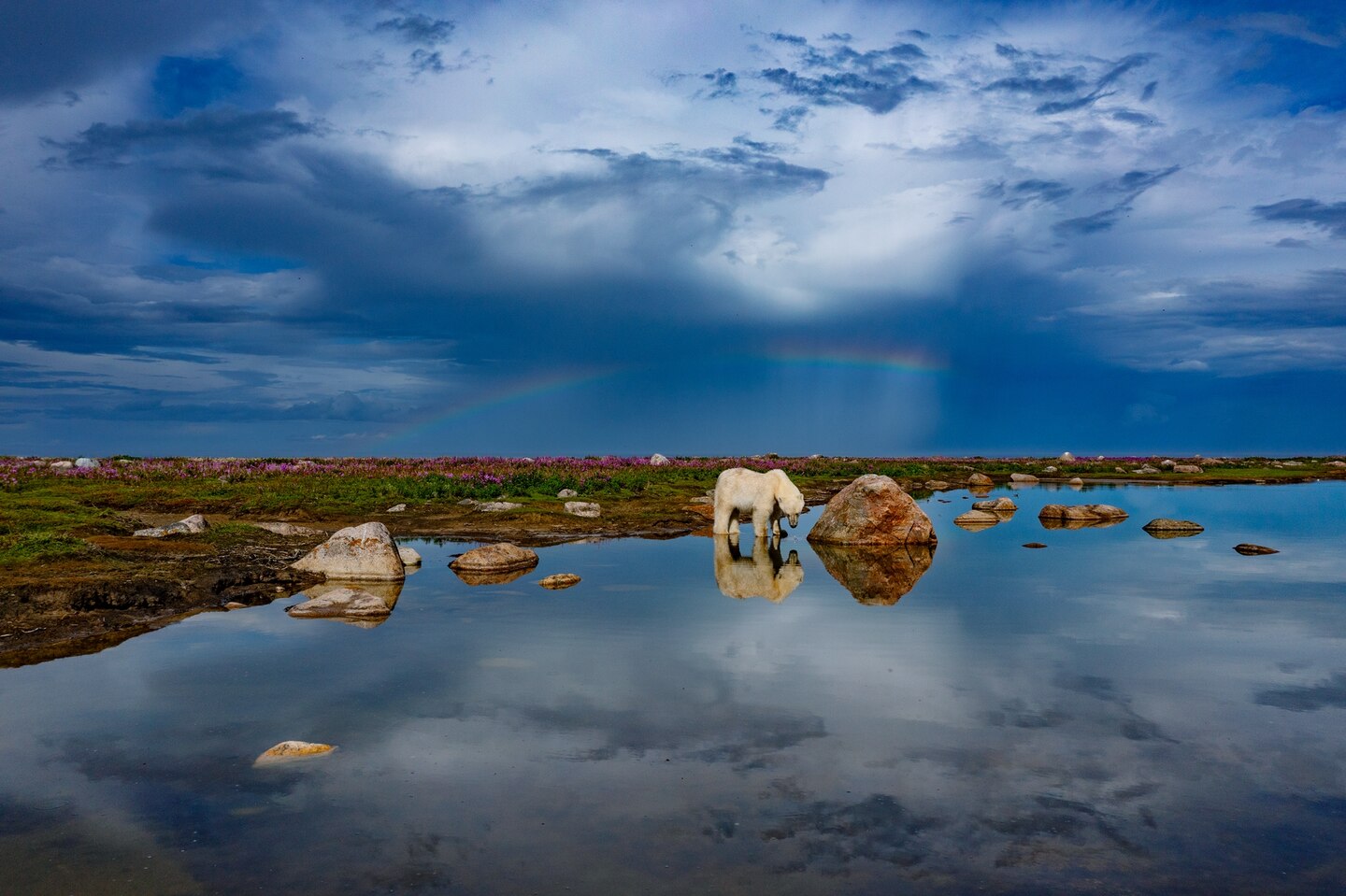
Following a colossal rainstorm, Gregus went searching for this shot while his crew bailed water out of the boat. “I looked outside and saw the rainbow, and I thought, OK, now I just need to find a bear,” he says.
Athena lounges with her three-legged cub, Hercules. Gregus can’t say for sure how the limb was lost, but he suspects an encounter with wolves may be the cause. The bears’ den is in wolf territory.
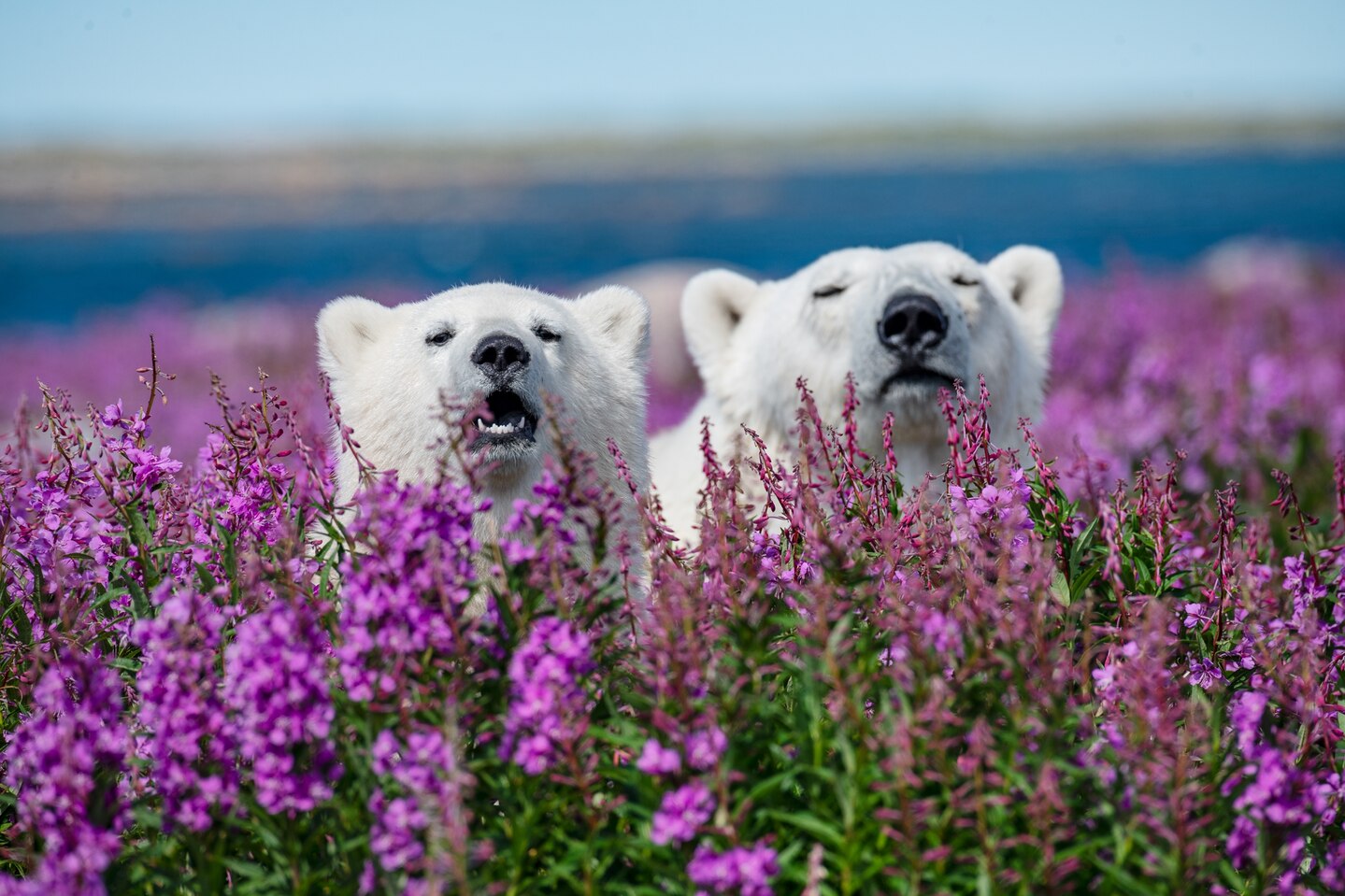
Beans and Aurora poke their heads above the blooming fireweed. Summer in the Arctic is vividly colorful.
“These bears are really thriving and adapting to the environment,” Gregus says. “But they’re not adapting fast enough in certain places, because the ice is melting too fast.”

Cubs weigh just one pound at birth, but a diet of milk that is extremely rich in fat helps them bulk up quickly. Each cub will nurse for at least 20 months, and they usually stay by their mother’s side for two years.

Cubs weigh just one pound at birth, but a diet of milk that is extremely rich in fat helps them bulk up quickly. Each cub will nurse for at least 20 months, and they usually stay by their mother’s side for two years.

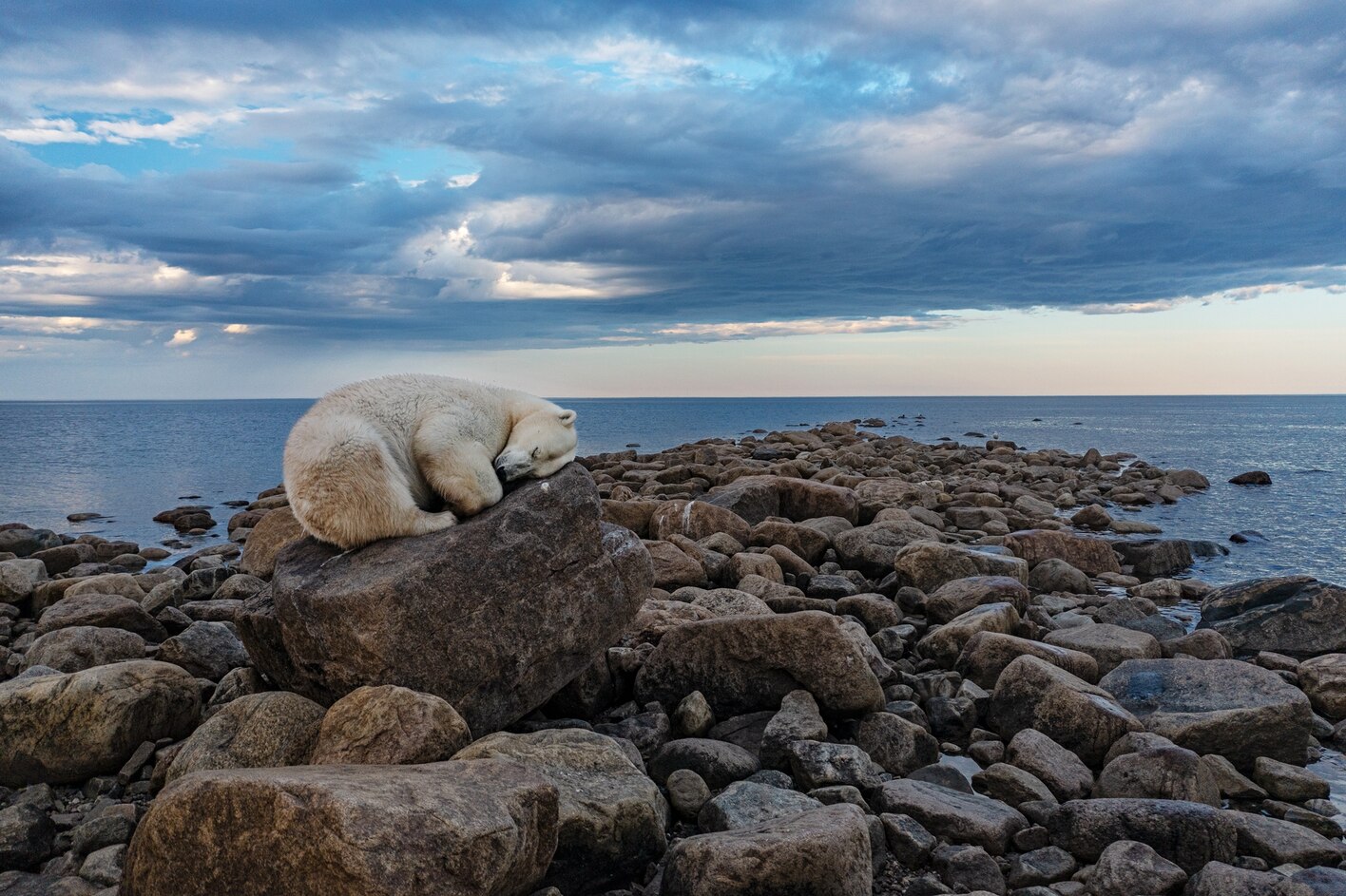
Picture of bear curls up on large rock.

In this part of the Arctic, everything’s flat, Gregus says. That means even a small boulder can provide a better view—if a bear hasn’t succumbed to sleep, that is. The bears, including Veronica (shown), often stood on this rock, scouring the area for seals to eat or bears to avoid. Gregus hopes to return to this coast, where he sees the bears “thriving and adapting to the environment.” But he knows that in most of their range, polar bears are suffering from the warming temperatures.

National Geographic
In pictures: Buck Moon rises over England

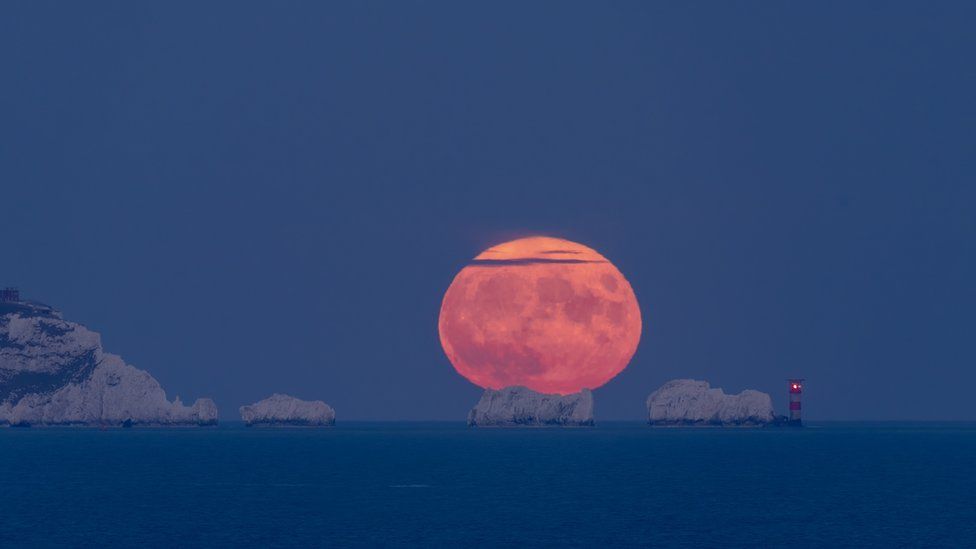
Moon rising above the Needles on the Isle of Wight
Image caption,Graham Wiffen captured this picture of the moon over The Needles on the Isle of Wight

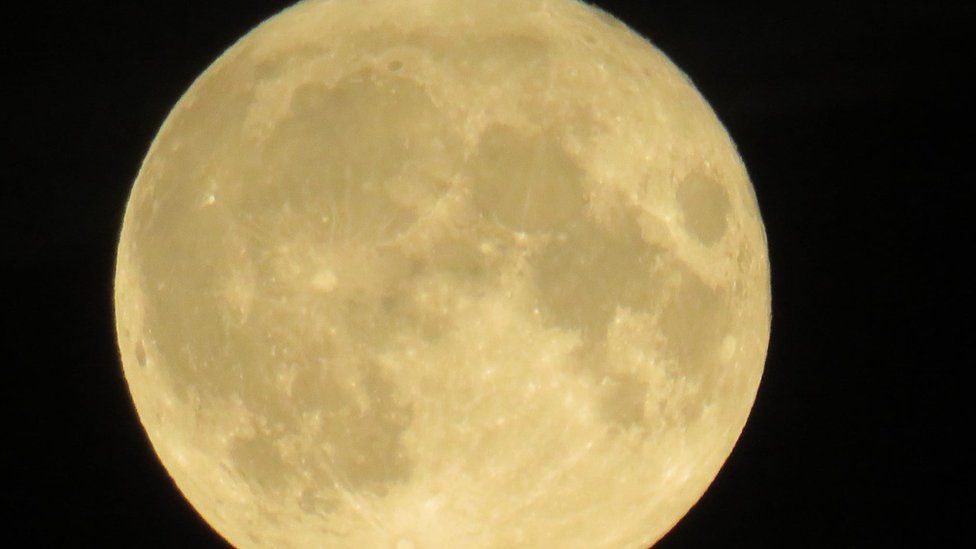
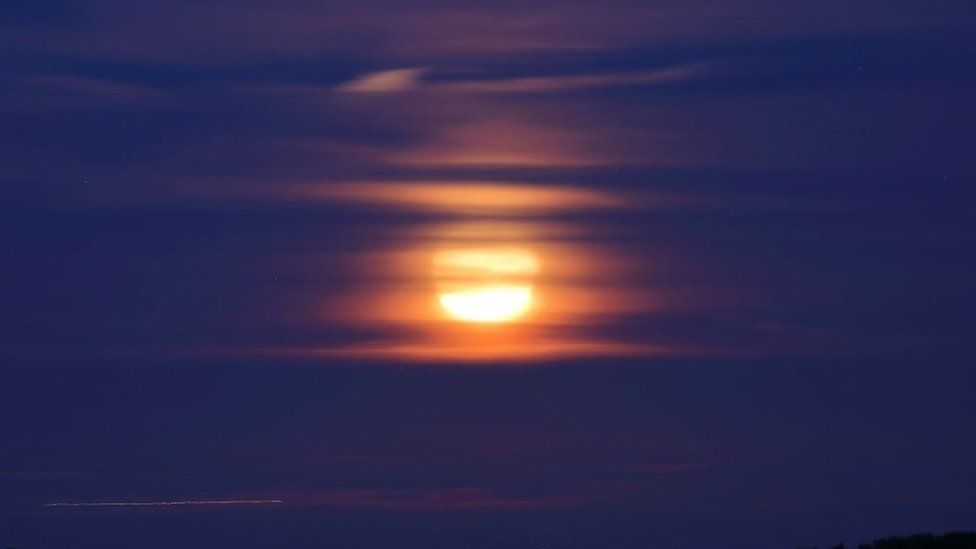
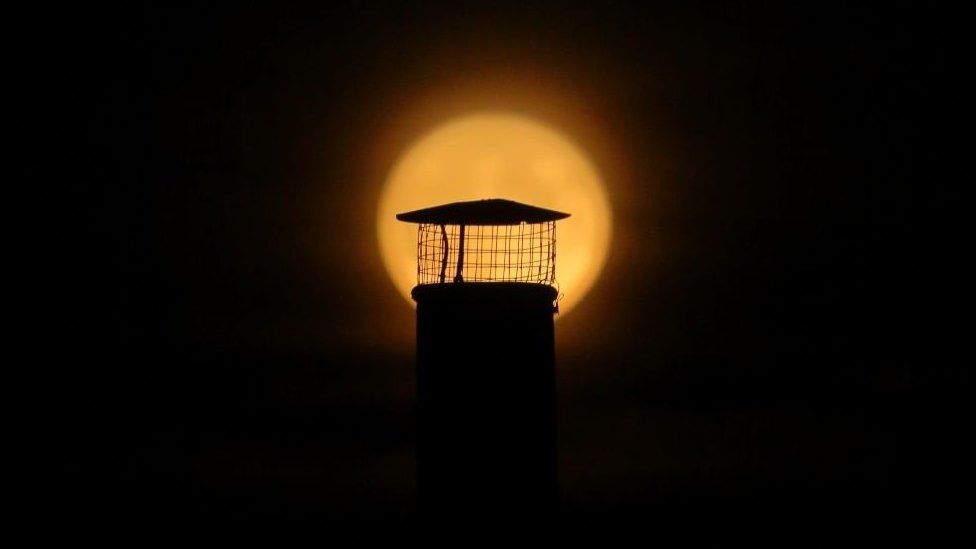
What is believed to be the biggest and brightest Moon of the year has been lighting up the sky in England.

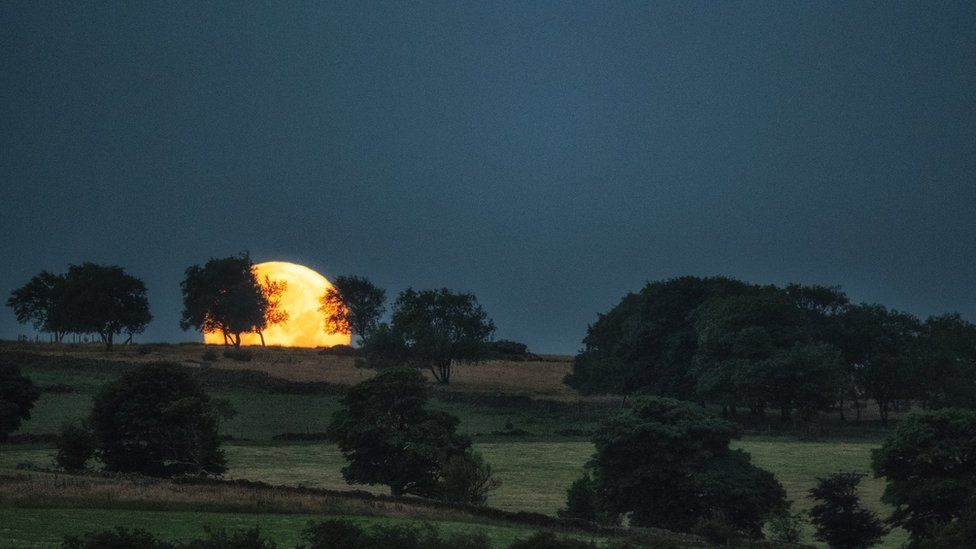
July’s full moon – the Buck Moon – was most visible on Wednesday evening.

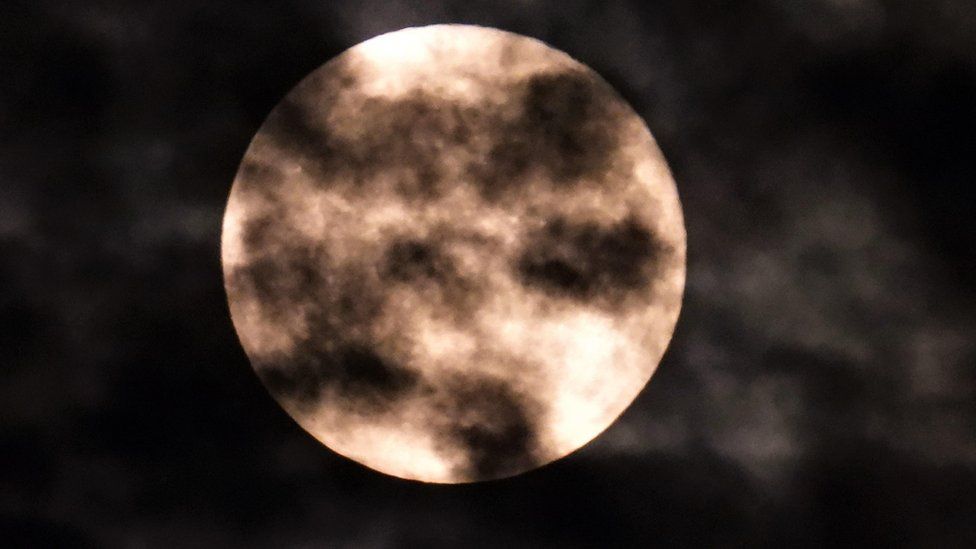
It was the second supermoon of the year and looked bigger than normal as the Moon is currently closer to the Earth than usual.

Citing the Maine Farmer’s Almanac, Nasa said it was referred to as the “Buck Moon” by the Algonquin Native Americans of what is now the north-east United States. This is because it appears when new antlers tend to appear on buck deer.

Moon in Beeley Moor
Image caption,The Buck Moon was captured by local resident Jim in Beeley Moor, Derbyshire
Moon in Burbage
Image caption,Andy Johson in Burbage, Leicestershire, grabbed a close-up view
Moon in Matlock
Image caption,Chris Cookman took this picture in Matlock, Derbyshire
Moon in Matlock
Image caption,Another picture of the supermoon in Matlock taken by Chris Cookman
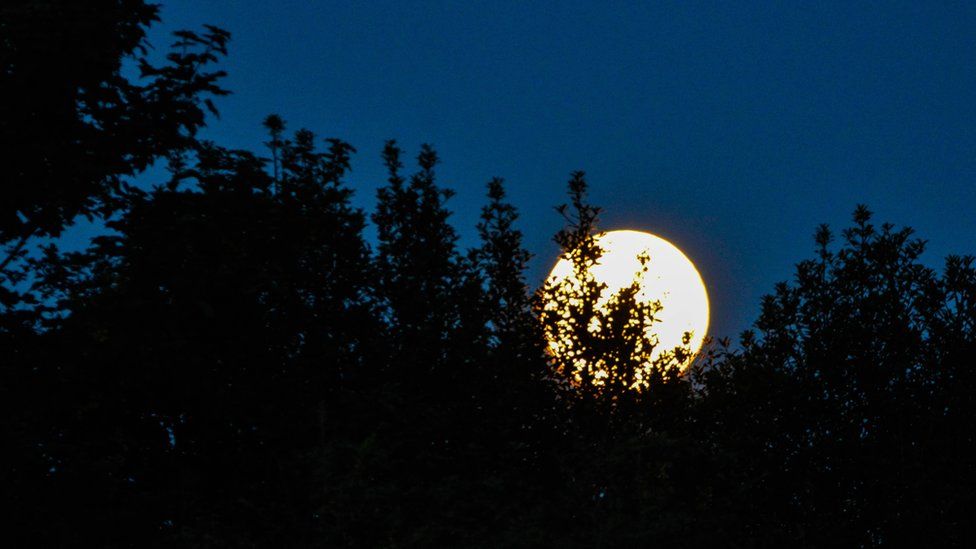
Moon in Ripley
Image caption,Hiding behind the trees, this picture of the moon was captured in Ripley, Derbyshire
Buck Moon in East Leake
Image caption,A close-up taken by Maggie T Howlett in East Leake, Nottinghamshire

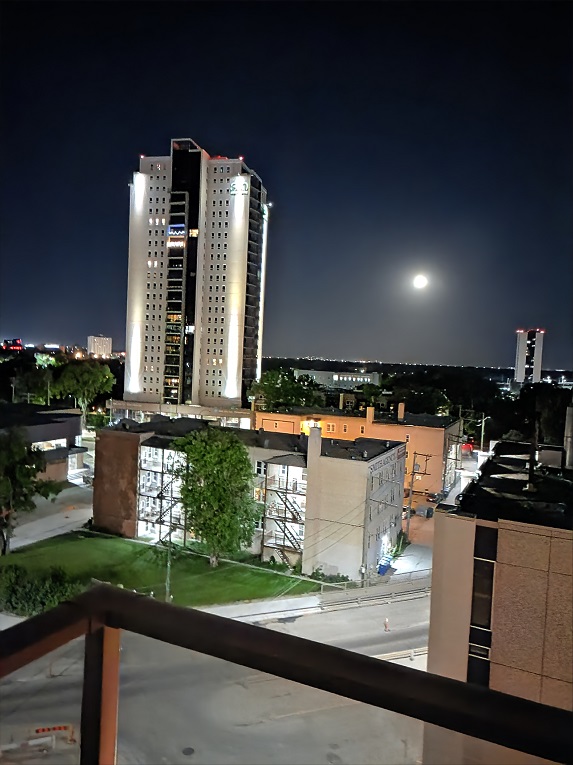
The Buck Moon over Winnipeg, Canada last night.

Awesome Iceberg brings tourists to tiny Newfoundland town

iceberg

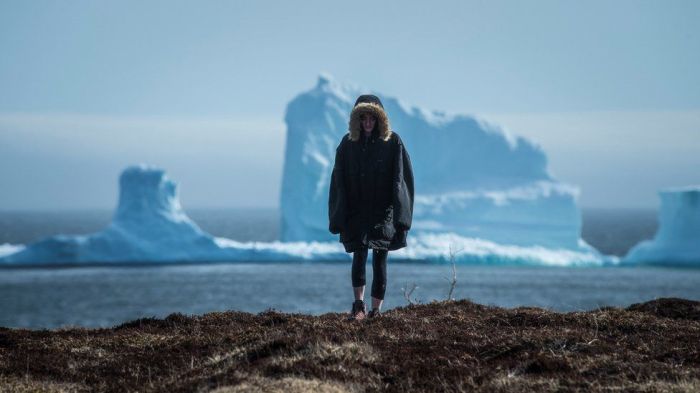
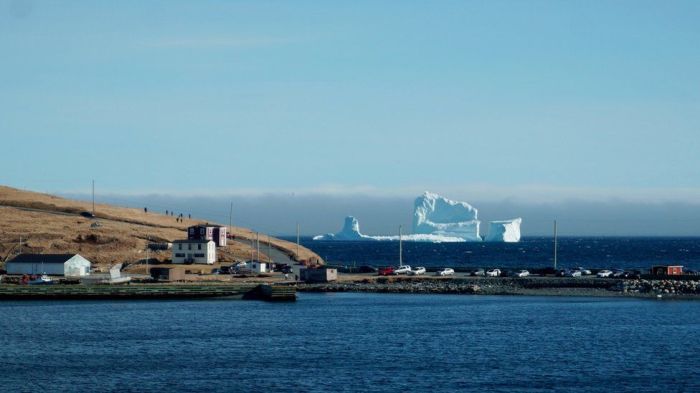
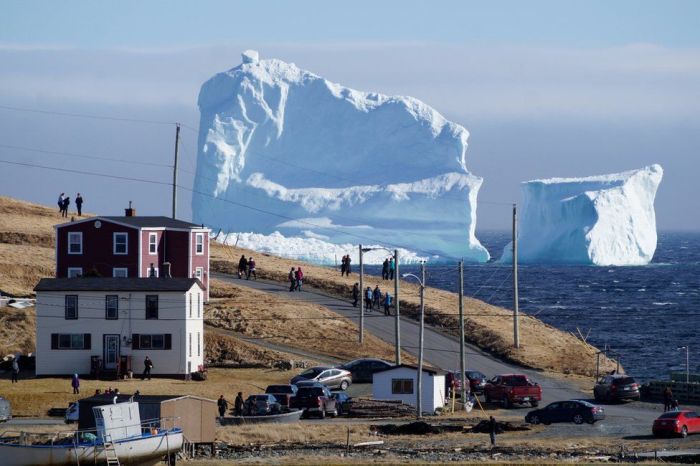
A new natural attraction drew scores of tourists to a small town of around 500 people in Newfoundland, Canada. A massive iceberg appeared near the coast, and photographers dashed to the area to snap pictures.
The Southern shore highway close to Ferryland filled with traffic over the weekend as tourists came to view the impressive iceberg. The Newfoundland coast area is commonly called iceberg alley due to the ice blocks that float down during the spring from the Arctic, but this particular huge iceberg might stay right where it is, according to Ferryland Mayor Adrian Kavanagh, who told The Canadian Press it’s the biggest one he’s ever seen in the area.

iceberg1

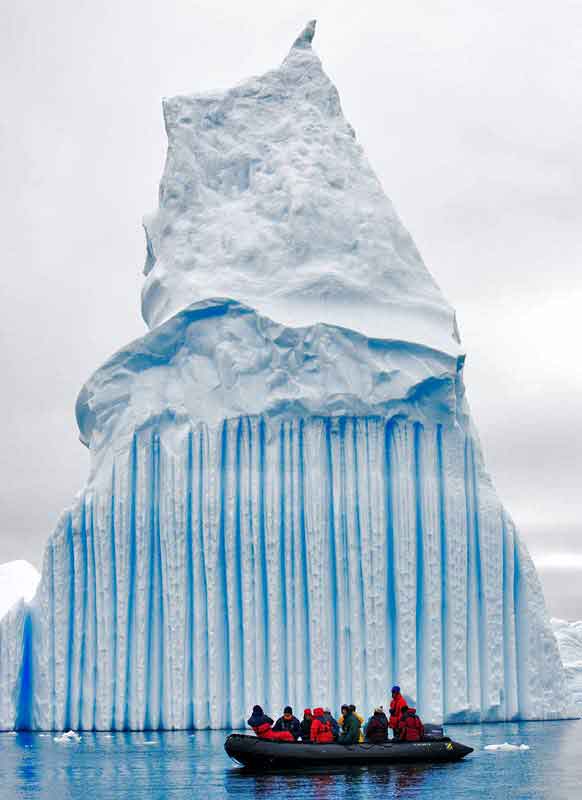
Usually just the tip of an iceberg is visible, with the rest of the mass beneath the waves, so many run aground when they float near the coast. Local Don Costello told CBC News the iceberg probably won’t be moving unless winds keep blowing because it’s stuck on shallow ground. He estimated the iceberg’s highest point is roughly 150 feet.
The BBC reported more icebergs are drifting through iceberg alley than is normal for this point in the year, with hundreds of icebergs in the Atlantic. This particular iceberg has moved around some and broken apart, but it appears it’ll stick around for a while.

iceberg3
iceberg2

I think the name of the town “Ferryland” should also cause tourism.

Interesting Planet

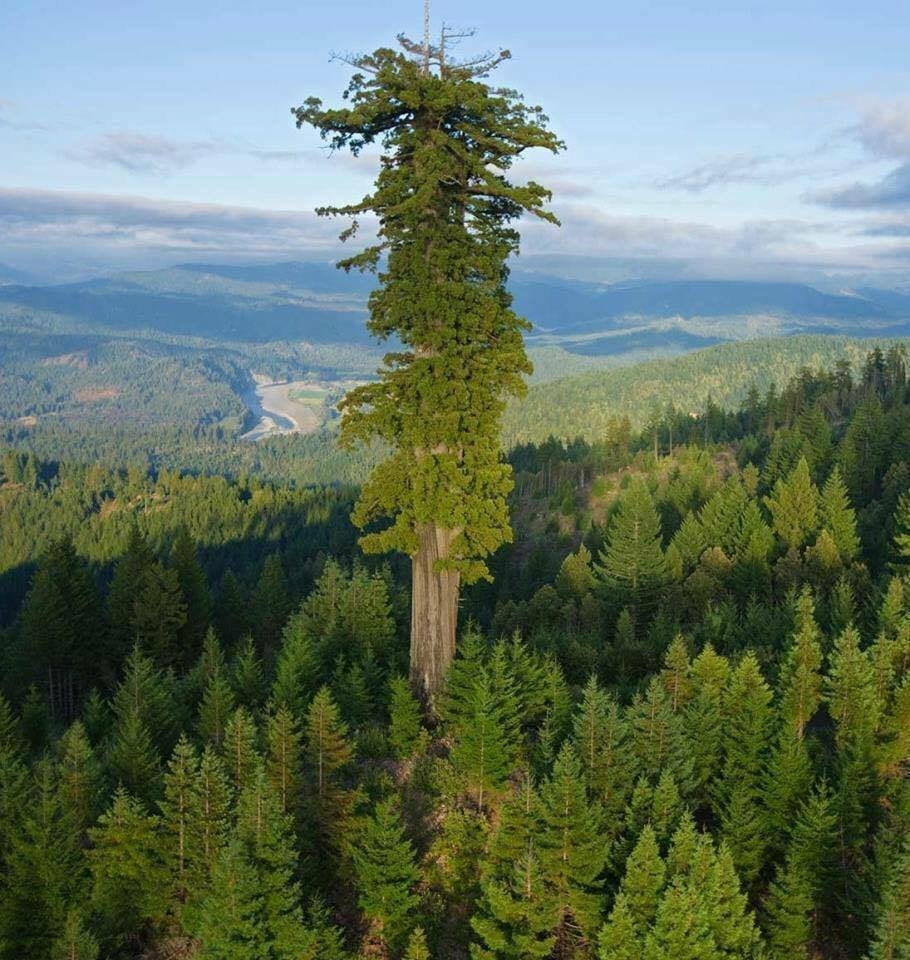
Hyperion, the world’s tallest living tree.Hyperion is the name of a coast redwood (Sequoia sempervirens) in California that was measured at 115.92 m (380.3 ft), which ranks it as the world’s tallest known living tree.

Comet Leonard in the frigid Canadian night. Spectacular photo!

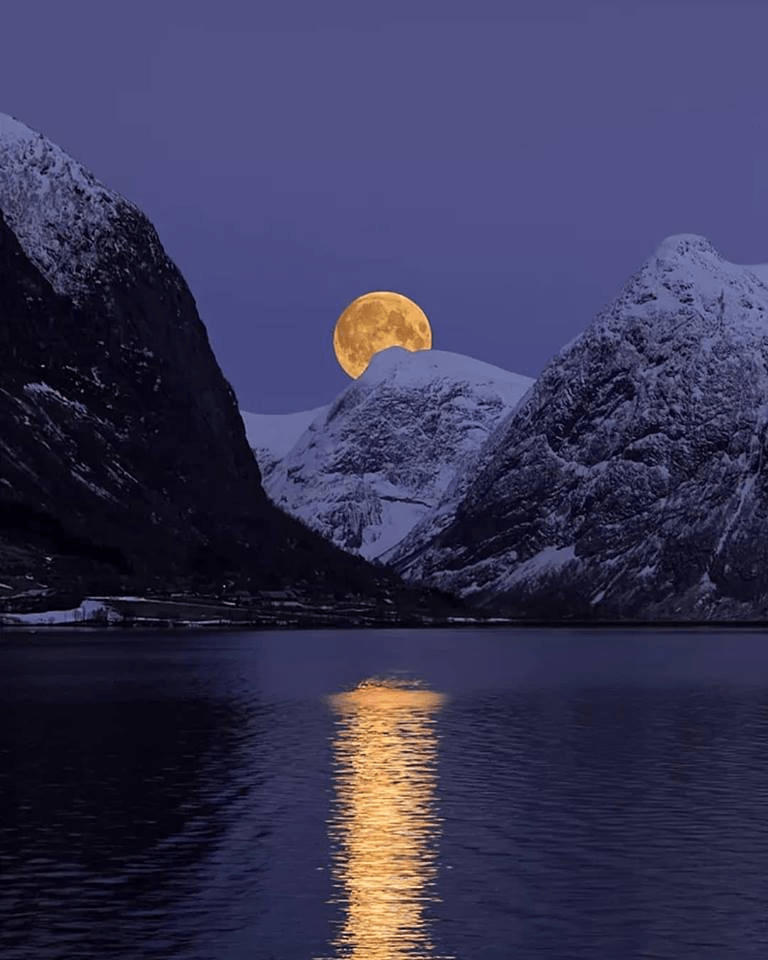
Jølster, Norway!

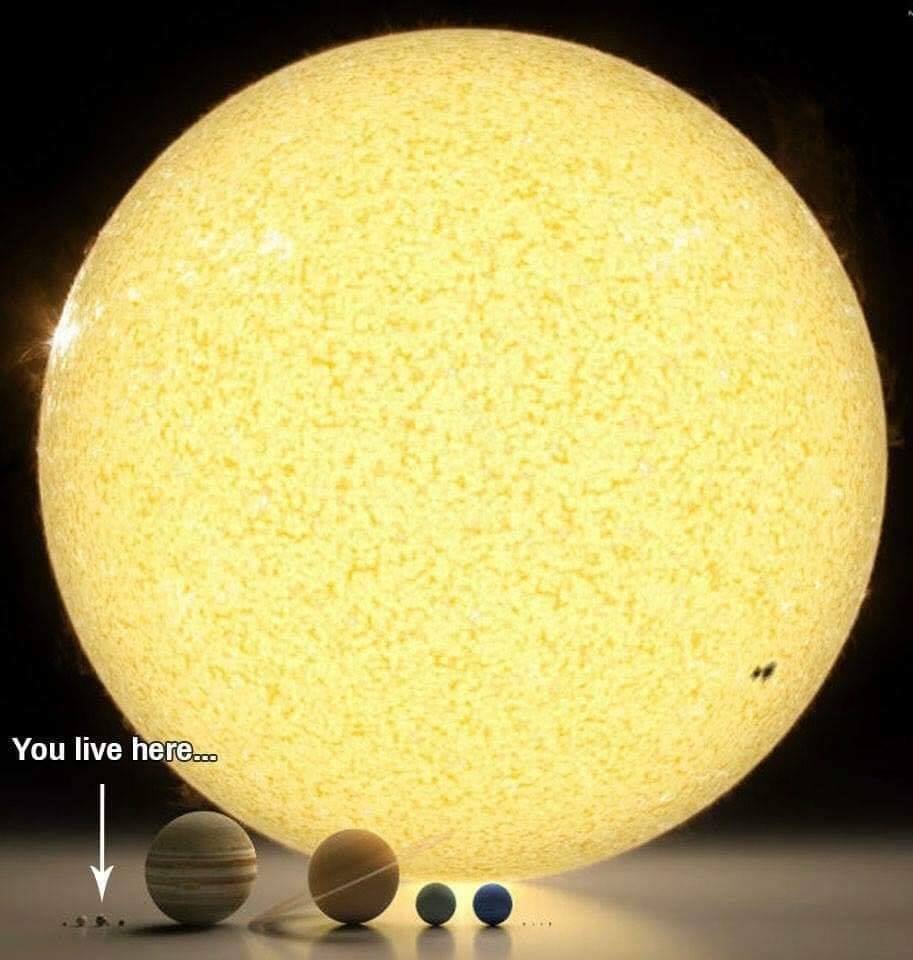
A gentle reminder.

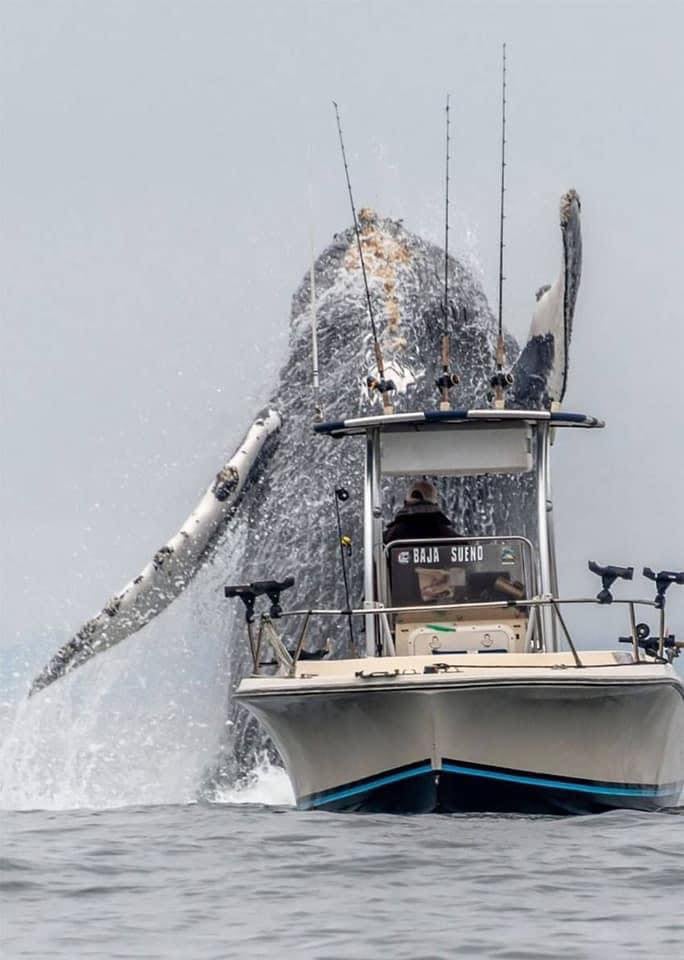
Humpback whale salute In Monterey Bay, California.

Rainbow 🌈 as seen from a plane 

Solar Eclipse from Space…

A highland storm over Loch Etive, Scotland

Snowy owl 🤍🦉

Dog-sledding under the Northern lights in Norway.

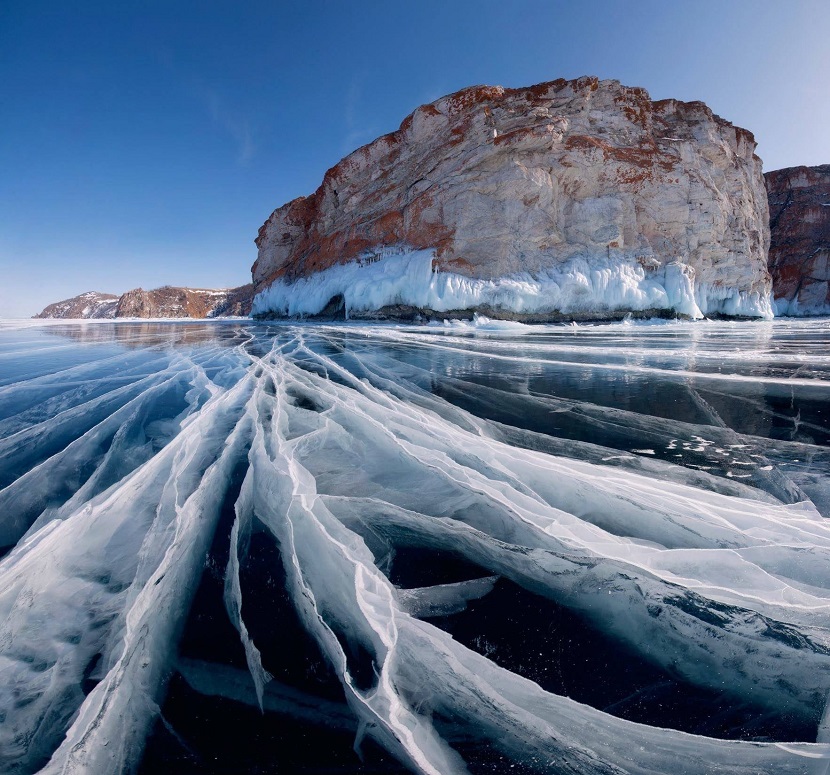
Frozen Lake Baikal in Siberia, Russia

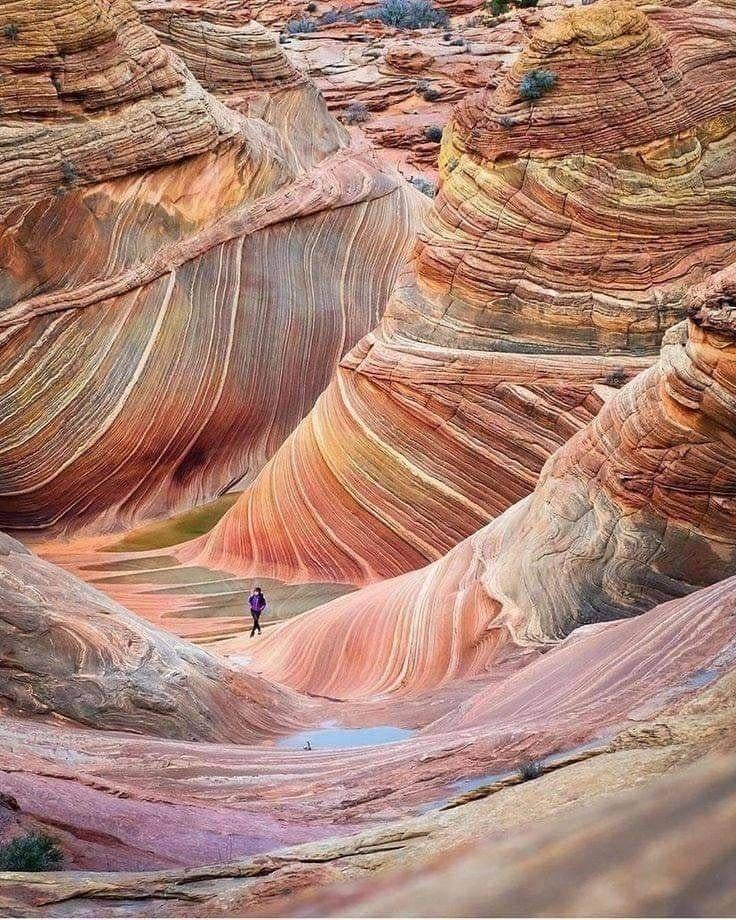
The Wave is a sandstone rock formation located in Arizona, United States, near its northern border with Utah. The formation is situated on the slopes of the Coyote Buttes in the Paria Canyon-Vermilion Cliffs Wilderness of the Colorado Plateau.

Granada, Spain

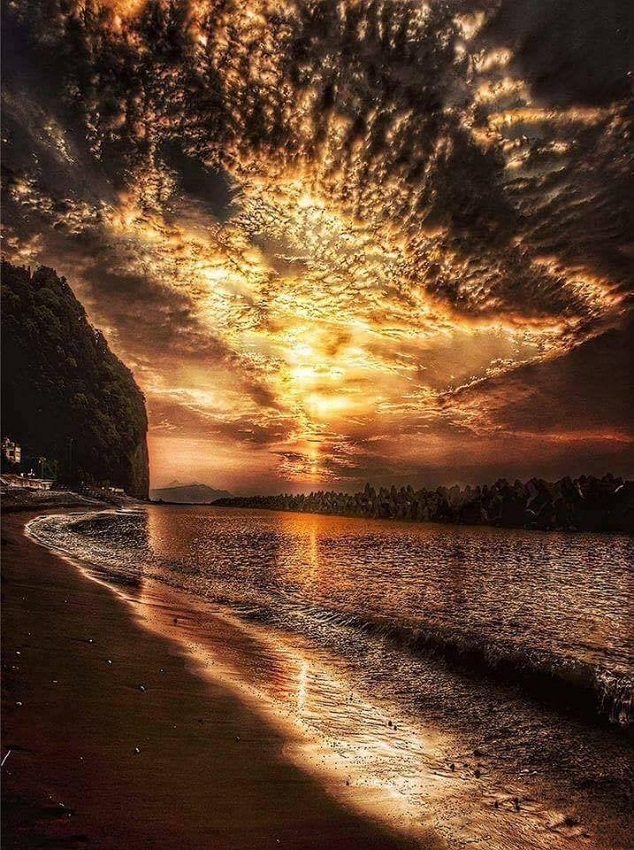
Magical sunset.

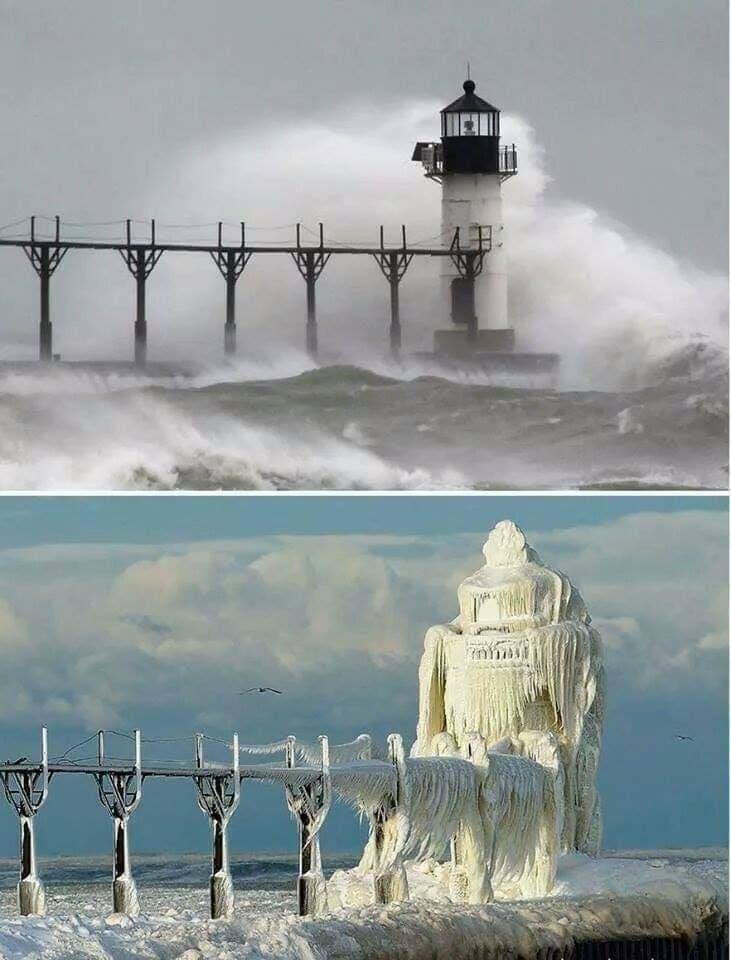
A lighthouse in Michigan, before and after major ice storm.

Rainy Day in Paris, France 🇫🇷🌧

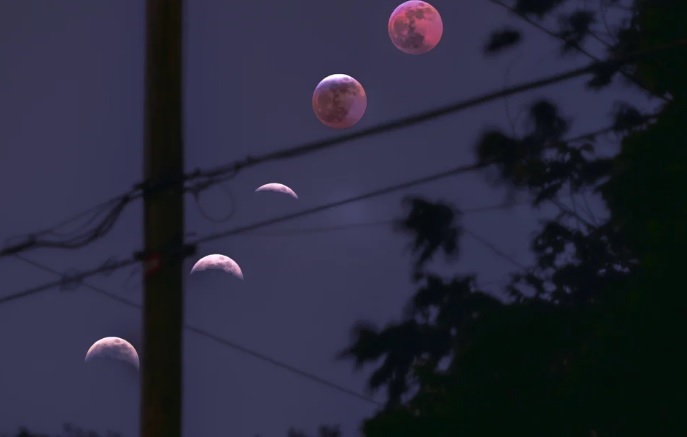
Full lunar eclipse creates rare super blood Moon

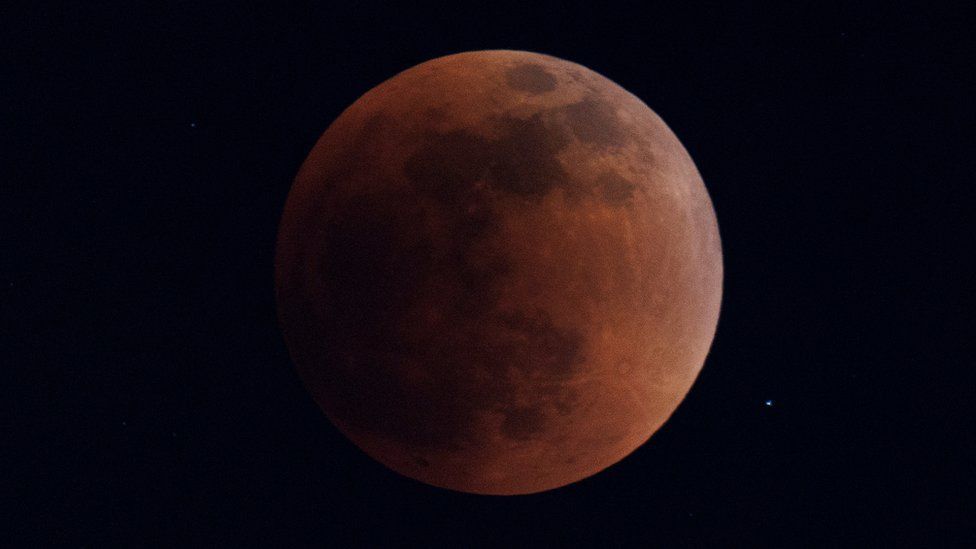
Image shows super blood moon
Image caption,The Moon turned a deep shade of copper-like red as it passed through the Earth’s shadow

Stargazers have been treated overnight to a stunning and unusual sight – a super blood Moon.

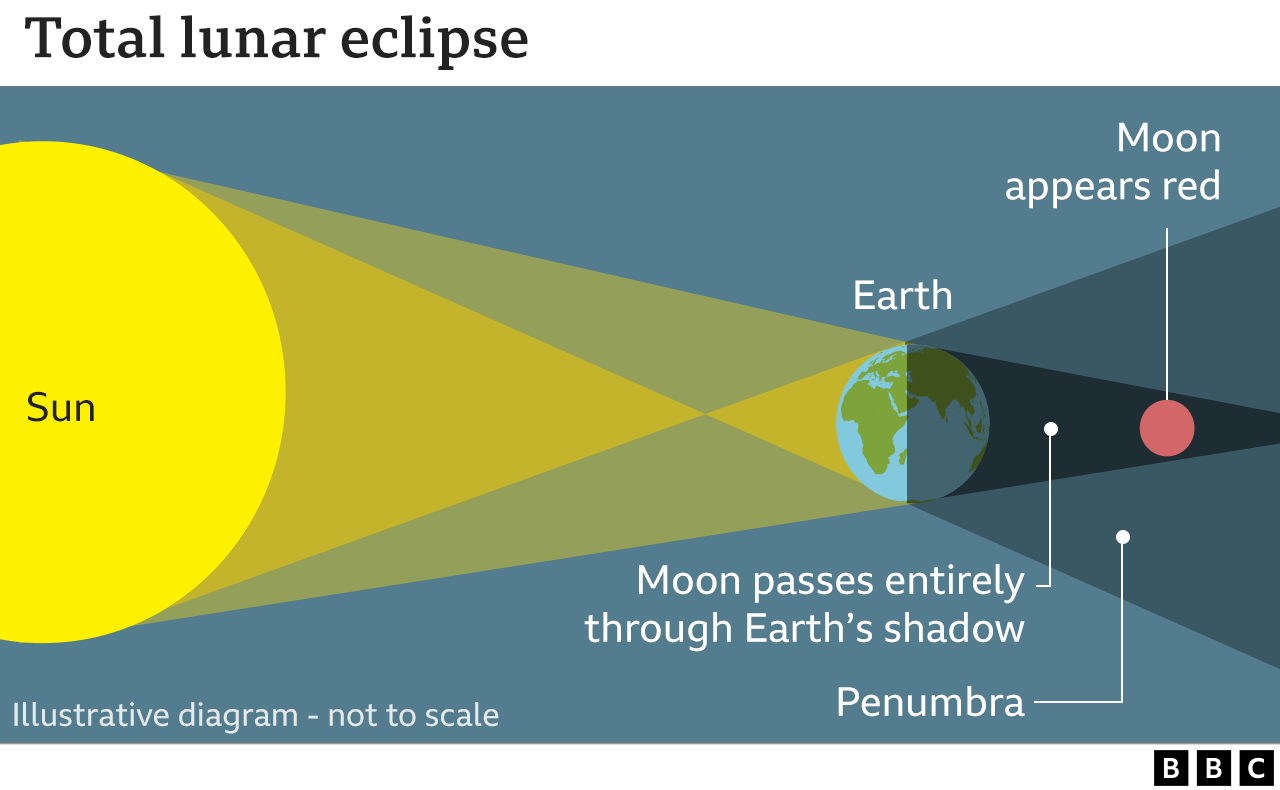
Shortly after 03:30 GMT on Monday, Earth’s orbit meant that for several minutes our planet was positioned directly between the Sun and the Moon.

In that time the Moon fell completely into Earth’s shadow – temporarily turning it a dusky shade of dark red.

Its hue was created by sunlight being projected through Earth’s atmosphere onto the Moon’s shadowed surface.

The lunar eclipse coincided with a separate event – a super Moon. This is when the Moon is at its closest point to Earth in its orbit and so appears larger than usual.

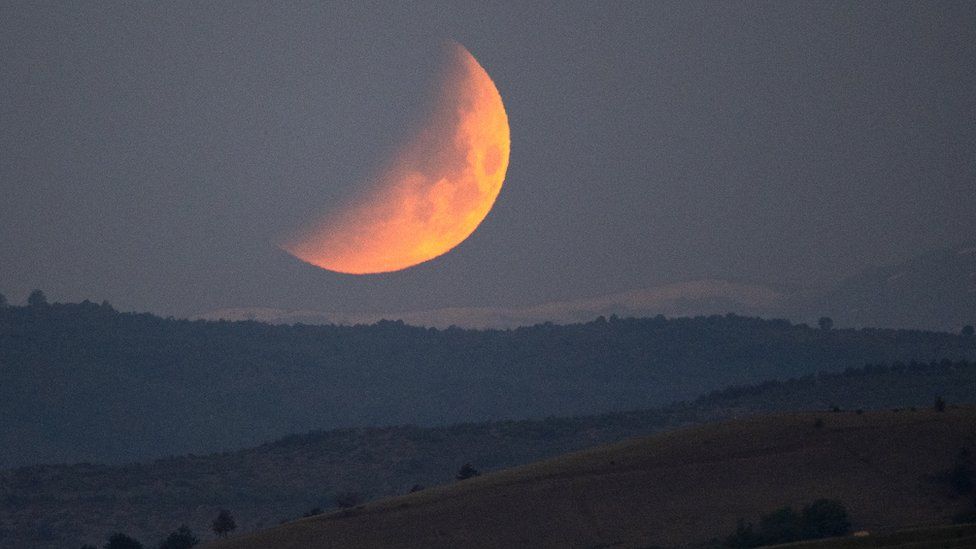
Image shows blood moon
Image caption,The super blood Moon sets over hilltops in the Republic of North Macedonia

Those watching out for the resulting super blood Moon got the best view from 03:29 GMT, the moment the full lunar eclipse started and the event became visible in the Western hemisphere.

For almost one and a half hours afterwards, the only sunlight reaching the Moon had passed through the Earth’s atmosphere turning it red.

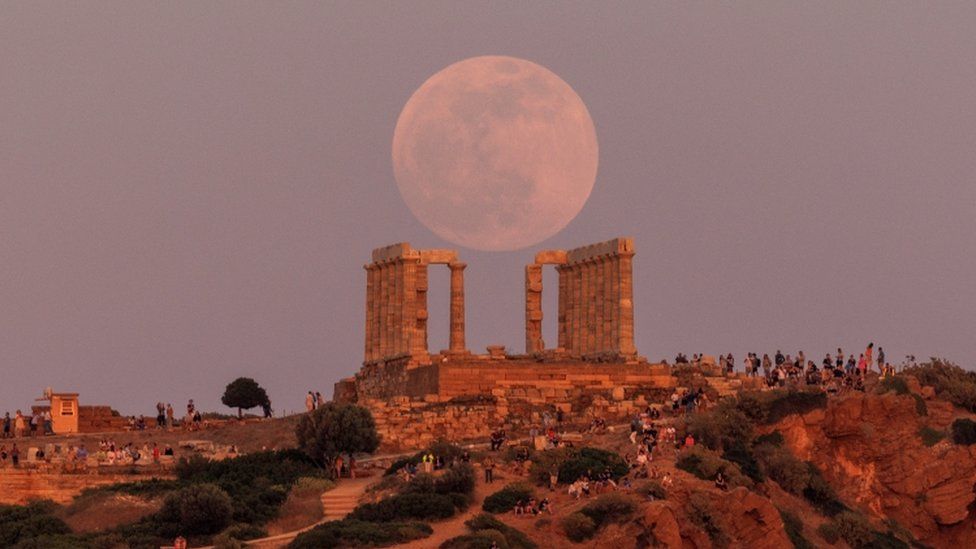
Image shows super moon above Temple of Poseidon
Image caption,In Greece, spectators gathered at the Temple of Poseidon near Athens to watch the Moon before the full eclipse

In Europe, the phenomenon was only visible for some of that time because of the Moon beginning to set. But in the Americas areas under clear skies were treated to the full spectacle.

“If you were an astronaut standing on the Moon, looking back towards Earth, you’d see a red ring running around the outside of our planet,” he told the BBC.

BBC diagram
Banner saying 'Get in touch'

THE ODD BEAUTY OF EELS

By Marie-Amélie Carpio

Capturing underwater beauty is routine for David Doubilet and Jennifer Hayes, who have explored some of the most spectacular reefs on the planet. Yet a colony of garden eels they encountered off the Philippines coast brought back memories. “I began my career at National Geographic in 1971 with a story on garden eels in the Red Sea,” said Doubilet, a Nat Geo Explorer. Taking these images, he said, “was like coming home.”

Garden eels are both social and shy. They live in individual burrows yet form colonies and rise together out of their burrows to feed on plankton carried by the current. (Pictured above, a two-spot wrasse and a cornerfish, unthreatening to the eels, swim through a colony.)

“It’s mesmerizing to watch hundreds of eels waving and undulating in an ancient exotic dance,” says Doubilet. Yet “that ends abruptly when the eels detect the slightest movement of an unwelcome intruder. The vast colony vanishes back into the sand as if it never existed.”

To capture the scene above, the photographers had to—quite literally—disappear.

“Jennifer settled on the Trojan Horse strategy,” Doubilet explains. Hayes placed a rock the same size and color of their camera housing near the edge of the colony and left it for a day. The eels apparently accepted the rock—and rose from their burrows. The next morning, she put the camera housing there, left—and then filmed.

Dinner interrupted: A hawksbill turtle stops eating sponges to confront its reflection in the lens. The turtle finds the sponges tucked under coral.

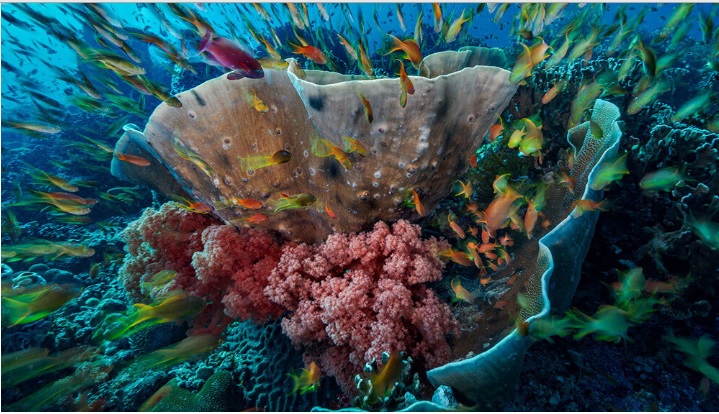
The vibrant coral: A pink soft coral and a bone-colored chalice coral are surrounded by anthias off Pescador Island, near Cebu. The photographers say the healthiest reefs in the Philippines are as vibrant with life as any they have seen.

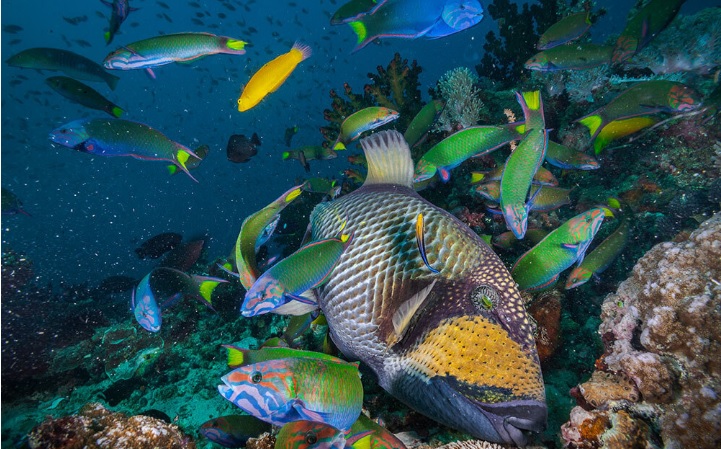
Trying to save the young: A titan triggerfish, exhausted after battling to defend the eggs in its nest, lies down in a last attempt to save its young from moon wrasses. The robust corals on this reef attract a stunning array of sea life.

National Geographic
Giant sinkhole with a forest inside found in China

A team of Chinese scientists has discovered a giant new sinkhole with a forest at its bottom. 

The sinkhole is 630 feet (192 meters) deep, according to the Xinhua news agency, deep enough to just swallow St. Louis’ Gateway Arch. A team of speleologists and spelunkers rappelled into the sinkhole on Friday (May 6), discovering that there are three cave entrances in the chasm, as well as ancient trees 131 feet (40 m) tall, stretching their branches toward the sunlight that filters through the sinkhole entrance.

“This is cool news,” said George Veni, the executive director of the National Cave and Karst Research Institute (NCKRI) in the U.S., and an international expert on caves. Veni was not involved in the exploration of the cave, but the organization that was, the Institute of Karst Geology of the China Geological Survey, is NCKRI’s sister institute.

A site for sinkholes

This image shows a typical karst sinkhole called a tiankeng in Chongqing, China. (Image credit: Eastimages/Getty Images)
The discovery is no surprise, Veni told Live Science, because southern China is home to karst topography, a landscape prone to dramatic sinkholes and otherworldly caves. Karst landscapes are formed primarily by the dissolution of bedrock, Veni said. Rainwater, which is slightly acidic, picks up carbon dioxide as it runs through the soil, becoming more acidic. It then trickles, rushes and flows through cracks in the bedrock, slowly widening them into tunnels and voids. Over time, if a cave chamber gets large enough, the ceiling can gradually collapse, opening up huge sinkholes.

“Because of local differences in geology, climate and other factors, the way karst appears at the surface can be dramatically different,” he said. “So in China you have this incredibly visually spectacular karst with enormous sinkholes and giant cave entrances and so forth. In other parts of the world you walk out on the karst and you really don’t notice anything. Sinkholes might be quite subdued, only a meter or two in diameter. Cave entrances might be very small, so you have to squeeze your way into them.” 

In fact, 25% of the United States is karst or pseudokarst, which features caves carved by factors other than dissolution, such as volcanics or wind, Veni said. About 20% of the world’s landmass is made of one of these two cave-rich landscapes. 

The new discovery took place in the Guangxi Zhuang Autonomous Region, near Ping’e village in the county of Leye, according to Xinhua. Guangxi is known for its fabulous karst formations, which range from sinkholes to rock pillars to natural bridges and have earned the region UNESCO world heritage site designation.

Why sinkholes matter

The sinkhole’s interior is 1,004 feet (306 m) long and 492 feet (150 m) wide, Zhang Yuanhai, a senior engineer with the Institute of Karst Geology, told Xinhua. The Mandarin word for such enormous sinkholes is “tiankeng,” or “heavenly pit,” and the bottom of the sinkhole did indeed seem like another world. Chen Lixin, who led the cave expedition team, told Xinhua that the dense undergrowth on the sinkhole floor was as high as a person’s shoulders. Karst caves and sinkholes can provide an oasis for life, Veni said.

“I wouldn’t be surprised to know that there are species found in these caves that have never been reported or described by science until now,” Lixin said. 

In one West Texas cave, Veni said, tropical ferns grow abundantly; the spores of the ferns were apparently carried to the sheltered spot by bats that migrate to South and Central America.

Not only do sinkholes and caves offer refuge for life, they are also a conduit to aquifers, or deep stores of underground water. Karst aquifers provide the sole or primary water source for 700 million people worldwide, Veni said. But they’re easily accessed and drained — or polluted.

“Karst aquifers are the only types of aquifers that you can pollute with solid waste,” Veni said. “I’ve pulled car batteries and car bodies and barrels of God-knows-what and bottles of God-knows-what out of the active cave stream.” 

The new discovery brings the number of sinkholes in Leye County to 30, according to Xinhua. The same researchers have previously discovered dozens of sinkholes in Northwest China’s Shaanxi province and a cluster of interconnected sinkholes in Guangxi, China Daily reported.