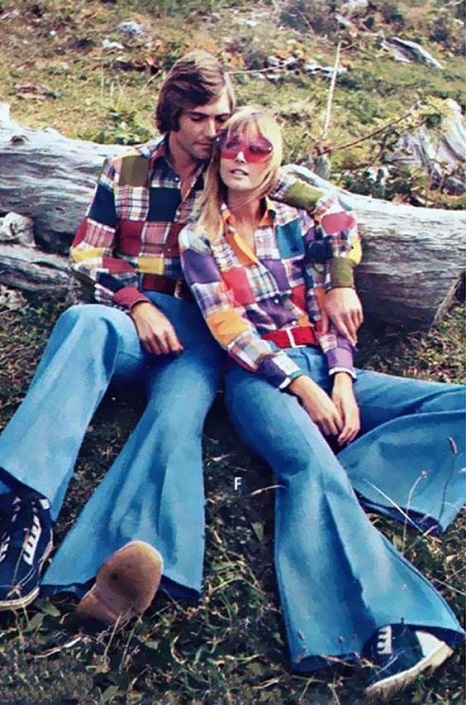
Just like the music of the era fashion was very colorful.



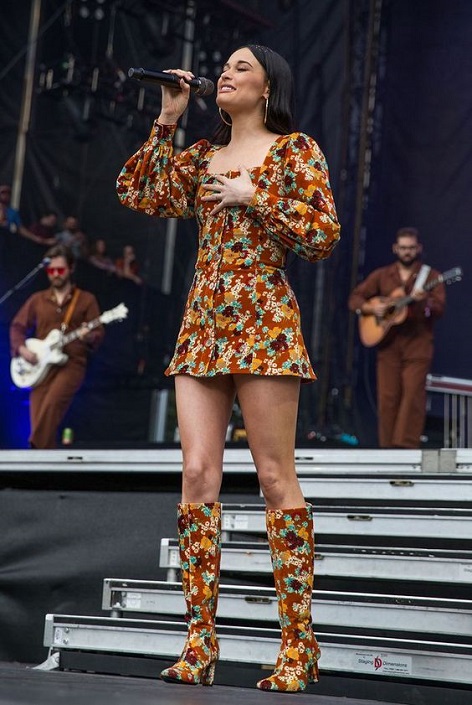
1970’s fashion today. Retro Kacey Musgraves get up.
Just like the music of the era fashion was very colorful.
1970’s fashion today. Retro Kacey Musgraves get up.
Up on a plateau in the remote highlands of northeast Turkey, 45 km away from the Turkish border city of Kars, lies the crumbling ruins of some forty-odd churches, chapels and mausoleums. This area was once a glorious walled city called Ani belonging to the Armenian Kamsarakan Dynasty, who established base here in the 5th century. As the city grew in size, power and wealth, it became an important trading hub, and by the 11th century, the city boasted more than 100,000 citizens. During its heydays, it was known as “the City of Forty Gates” and sometimes “the City of a Thousand And One Churches.”
Ani’s golden age of wealth, peace and prosperity came to an end with the death of the Armenia ruler King Gagik I, after which the city gave way to a string of invaders starting with the Byzantines, followed by a ruthless massacre by the Turks, the Kurds, the Georgians, and then the Mongols who left the city devastated in 1236. Although Ani continued to exist for another six centuries it was little more than a small town. By the time the Europeans discovered Ani, it lay abandoned for nearly a century with great heaps of stones for former buildings. Ani’s most visible monuments today are the dozens of half standing churches.
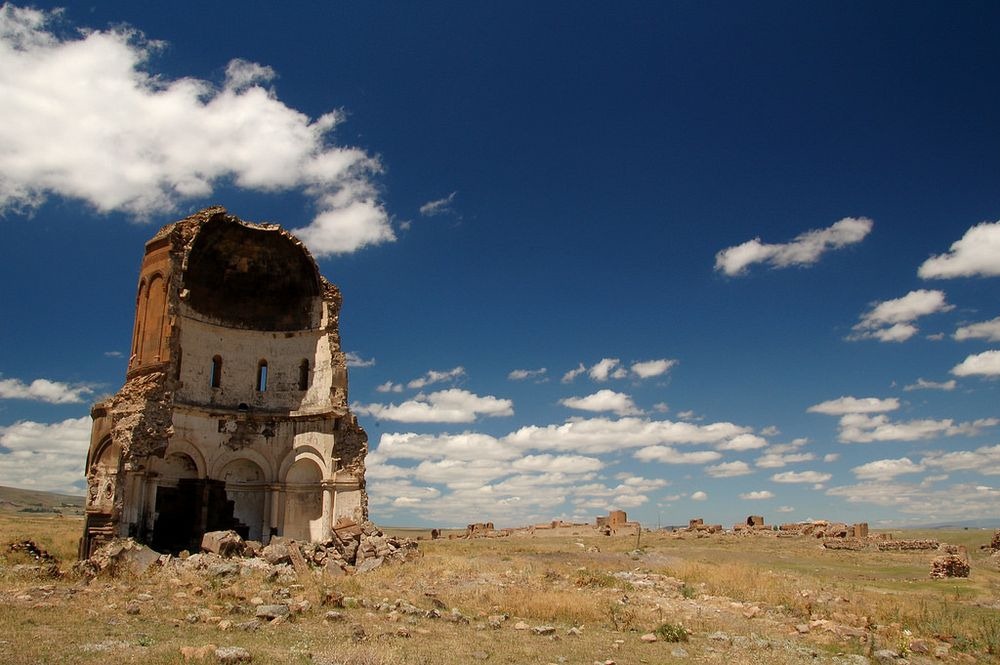
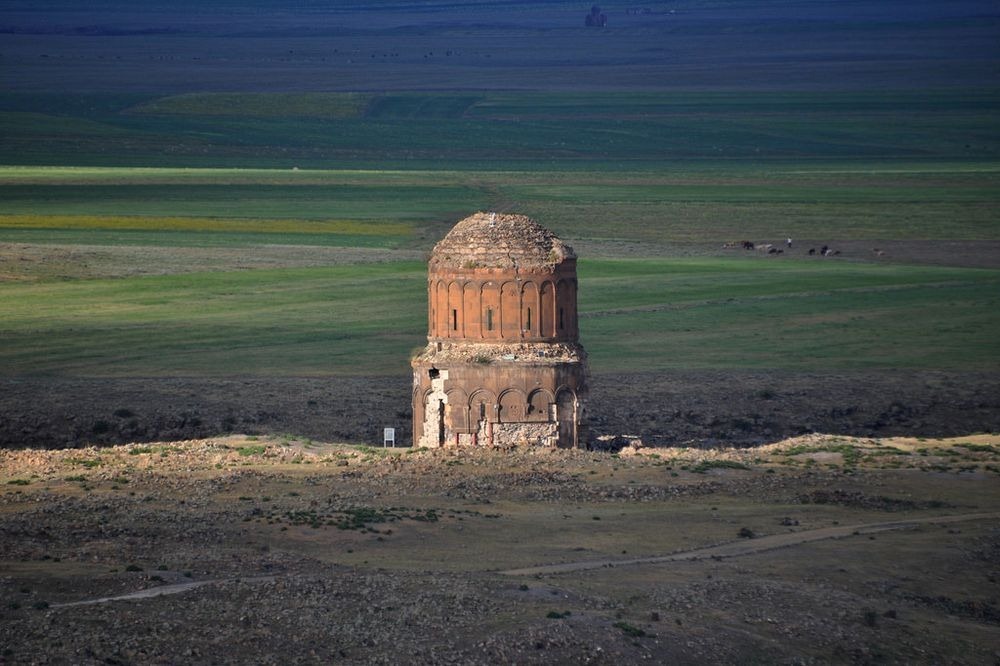
The Church of the Redeemer, completed shortly after the year 1035. It had a unique design: 19-sided externally, 8-apsed internally, with a huge central dome set upon a tall drum. The church was largely intact until 1955, when the entire eastern half collapsed during a storm.


The Cathedral of Ani, built in 989.

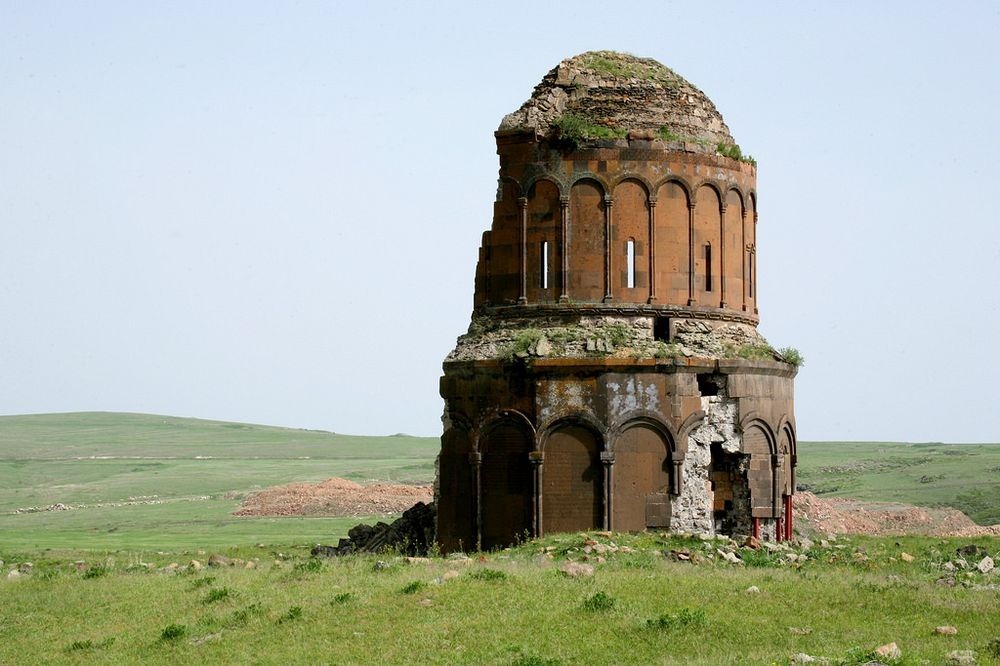
The Church of the Redeemer.

The walls of Ani.



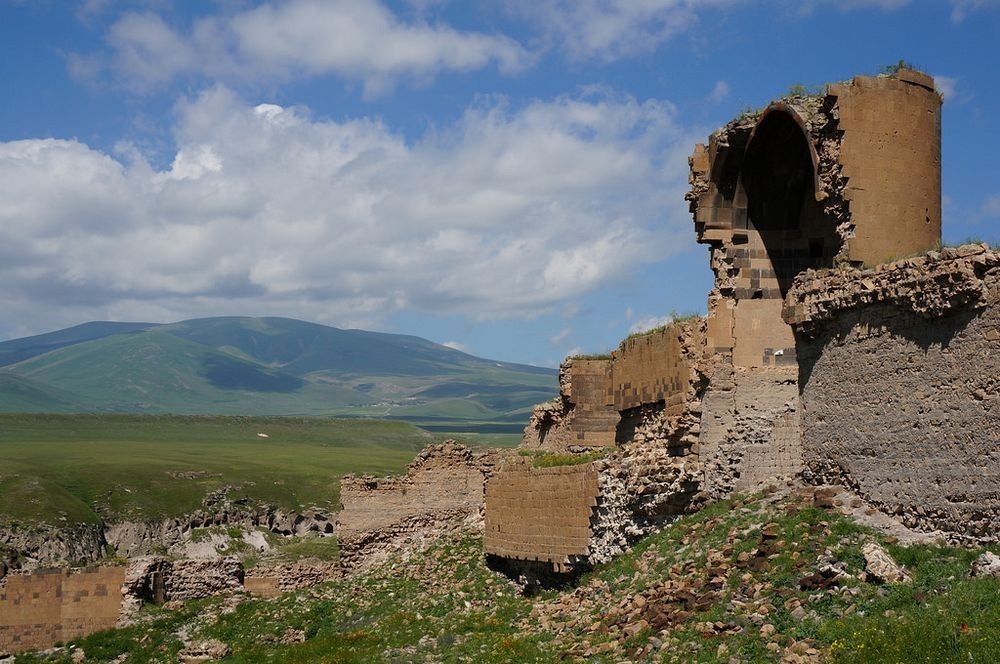
The walls of Ani.


The Monastery of the Hripsimian Virgins, by the Akhurian River.
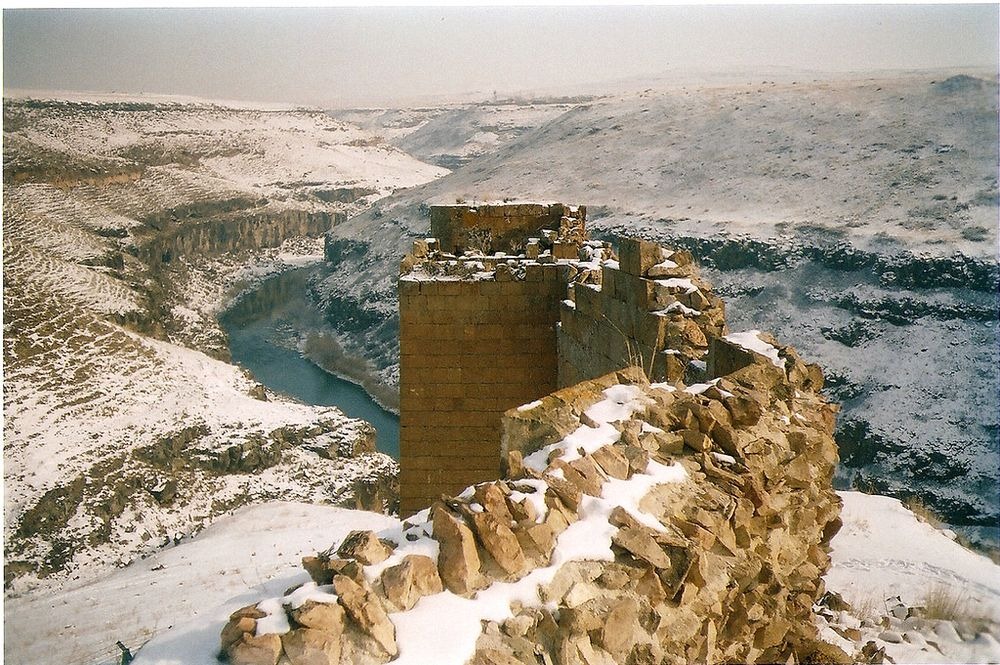
The walls of Ani.
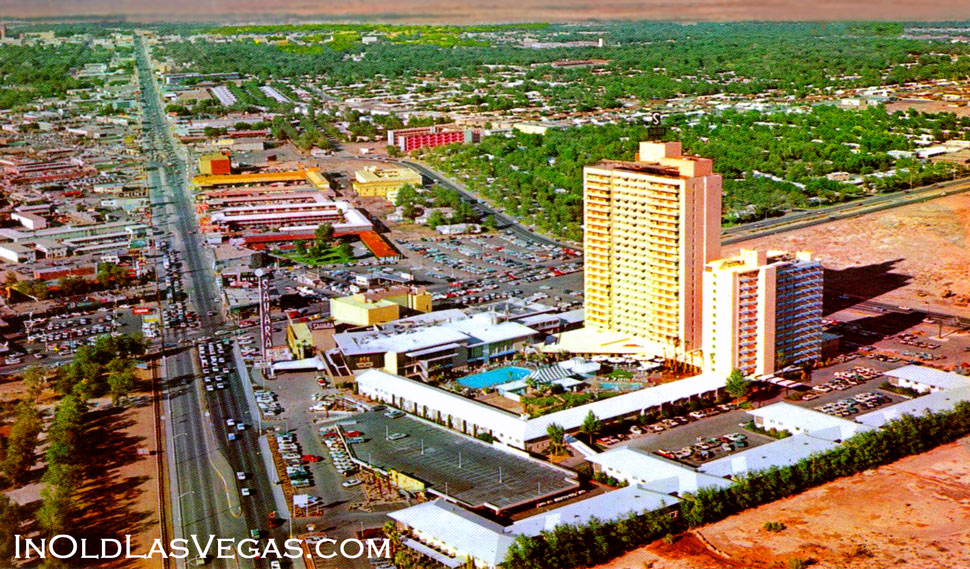
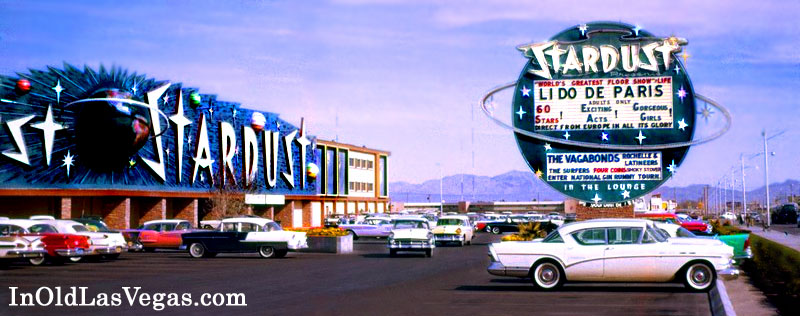
The Mighty Vegas Strip today.


The Beginnings…


Las Vegas started as a stopover on the pioneer trails to the west, and became a popular railroad town in the early 20th century. It was a staging point for mines in the surrounding area, especially those around the town of Bullfrog, that shipped goods to the rest of the country.
With the proliferation of the railroads, Las Vegas became less important, but the completion of the nearby Hoover Dam in 1935 resulted in growth in the number of residents and increased tourism.The dam, located 30 mi (48 km) southeast of the city, formed Lake Mead, the largest man-made lake and reservoir in the United States.
The legalization of gambling in 1931 led to the advent of the casino hotels for which Las Vegas is famous. Major development occurred in the 1940s, “due almost entirely” to the influx of scientists and staff from the Manhattan Project, an atomic bomb research project of World War II.
American organized crime figures such as Benjamin “Bugsy” Siegel and Meyer Lansky managed or funded most of the original large casinos. The rapid growth of Las Vegas is credited with dooming the gambling industry development of Galveston, Texas; Hot Springs, Arkansas; and other major gambling centers in the 1950s.





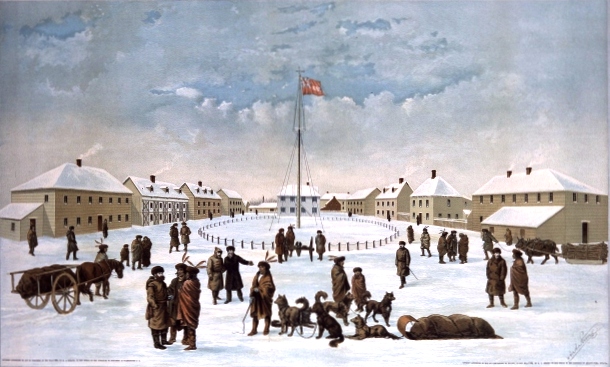
In downtown Winnipeg is Upper Fort Garry Heritage Park. Upper Fort Garry was a Hudson’s Bay Company trading post at the confluence of the Red and Assiniboine rivers in what is now downtown Winnipeg. It was established in 1822 on or near the site of the North West Company’s Fort Gibraltar established by John Wills in 1810 and destroyed by Governor Semple’s men in 1816 during the Pemmican War. Fort Garry was named after Nicholas Garry, deputy governor of the Hudson’s Bay Company. It served as the centre of fur trade within the Red River Colony. In 1826, a severe flood destroyed the fort. It was rebuilt in 1835 by the HBC and named Upper Fort Garry to differentiate it from “the Lower Fort,” or Lower Fort Garry, 32 km downriver, which was established in 1831. Throughout the mid-to-late 19th century, Upper Fort Garry played a minor role in the actual trading of furs, but was central to the administration of the HBC and the surrounding settlement. The Council of Assiniboia, the administrative and judicial body of the Red River Colony mainly run by Hudson’s Bay Company officials, met at Upper Fort Garry.
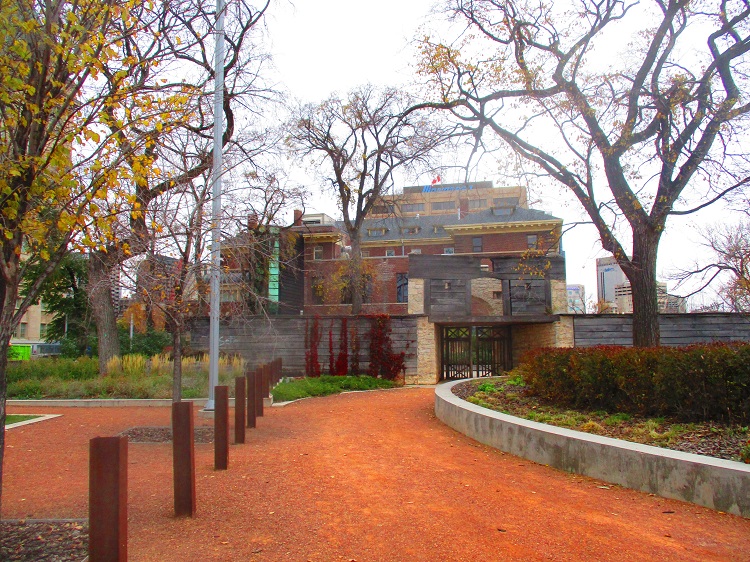
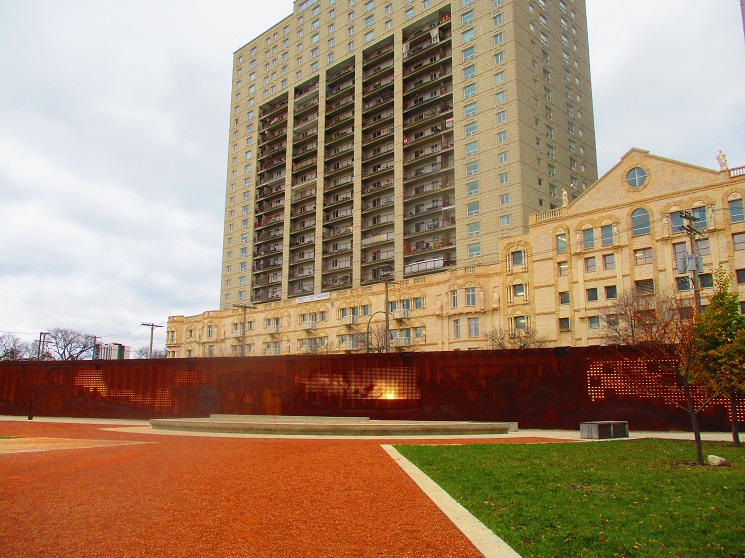
In the park is a heritage wall. The wall is made out of steel and using LED lights historical events are depicted along the wall. Audio is also provided.

The era of plantation mansion construction in the U.S. South ran roughly from the 1770’s until the outbreak of the Civil War in 1860. The rich plantation owners (farmers that had more than 50 slaves) grew a variety of crops which were for the most part exported to Europe. The main crop however was cotton. The plantation owners built big houses, many of which fall into the category of mansions.
It must always be remembered much of the wealth acquired by these plantation owners came on the backs of Black slaves.

In colonial Delaware, Georgia, Maryland, North Carolina, South Carolina, and Virginia, the earliest plantation houses tended to follow British-derived folk forms such as the hall and parlor house-type and central-passage house-type.
Grander structures during the later colonial period usually conformed to the neoclassically-influenced Georgian and Palladian styles, although some very early and rare Jacobean structures survive in Virginia. Following the Revolutionary War, Federal and Jeffersonian-type neoclassicism became dominant in formal plantation architecture.
When the cotton boom years began in the 1830s, the United States was entering its second neoclassical phase, with Greek Revival architecture being the dominant style. By this point trained architects were also becoming more common, and several introduced the style to the South. Whereas the earlier Federal and Jeffersonian neoclassicism displayed an almost feminine lightness, academic Greek Revival was very masculine, with a heaviness not seen in the earlier styles.
Greek Revival would remain a favorite architectural style in the agrarian South until well after the Civil War, but other styles had appeared in the nation about the same time as Greek Revival or soon afterward. These were primarily the Italianate and Gothic Revival. They were slower to be adopted in whole for domestic plantation architecture, but they can be seen in a fusion of stylistic influences. Houses that were basically Greek Revival in character sprouted Italianate towers, bracketed eaves, or adopted the asymmetrical massing characteristic of that style.




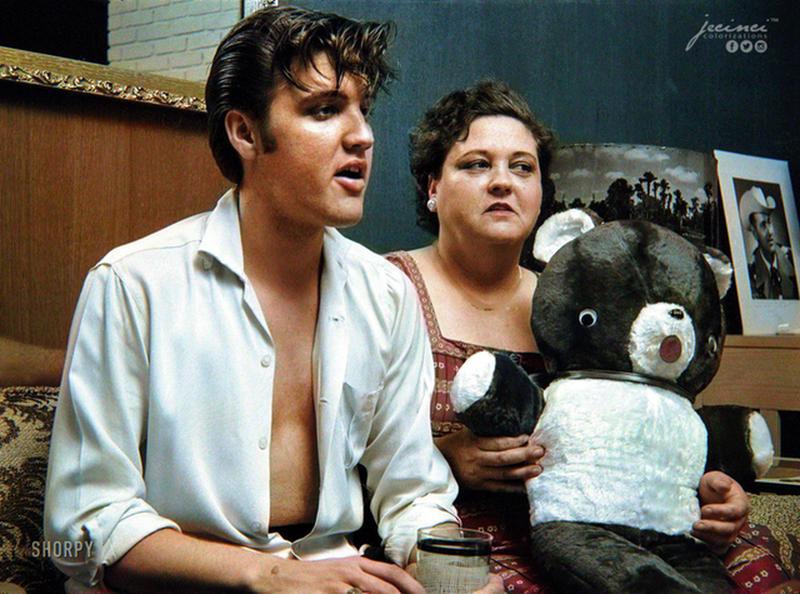
(Source: Reddit) Elvis Presley and His mother Gladys, 1956.
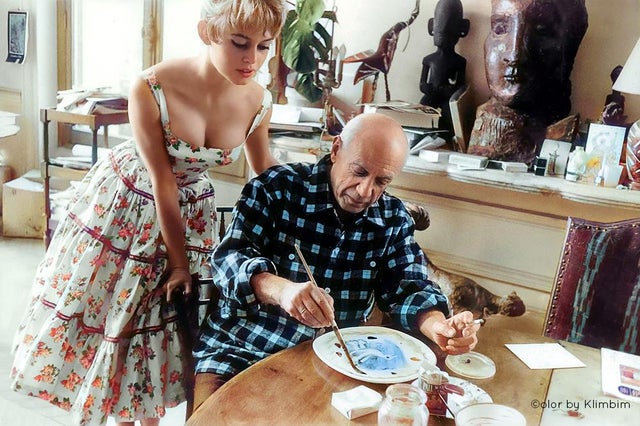
(Source: Reddit) Young Brigitte Bardot visits Pablo Picasso at his studio near Cannes, 1956.
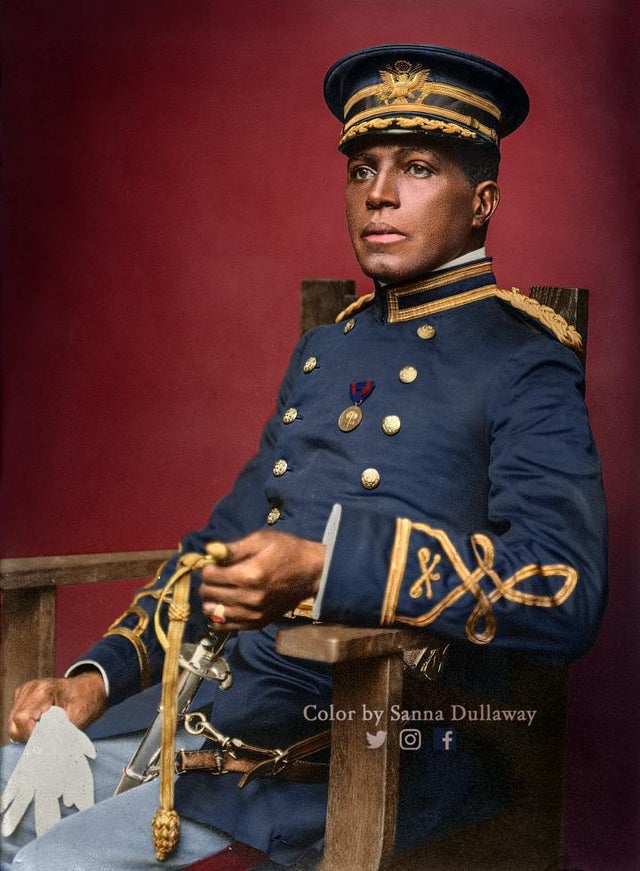
(Source: Reddit) Major Charles Young in 1916. He was the third African-American to graduate from West Point, the first black U.S. National Park superintendent, and the first black man to become a Colonel.
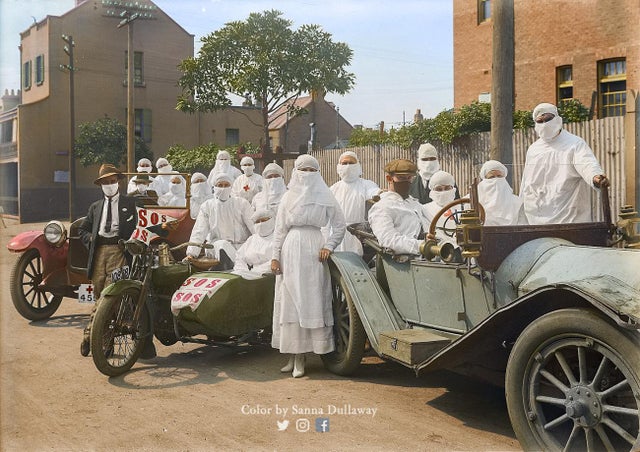
(Source: Reddit) Australian nurses ready to battle the influenza pandemic in Surrey Hills, Sydney in April 1919.
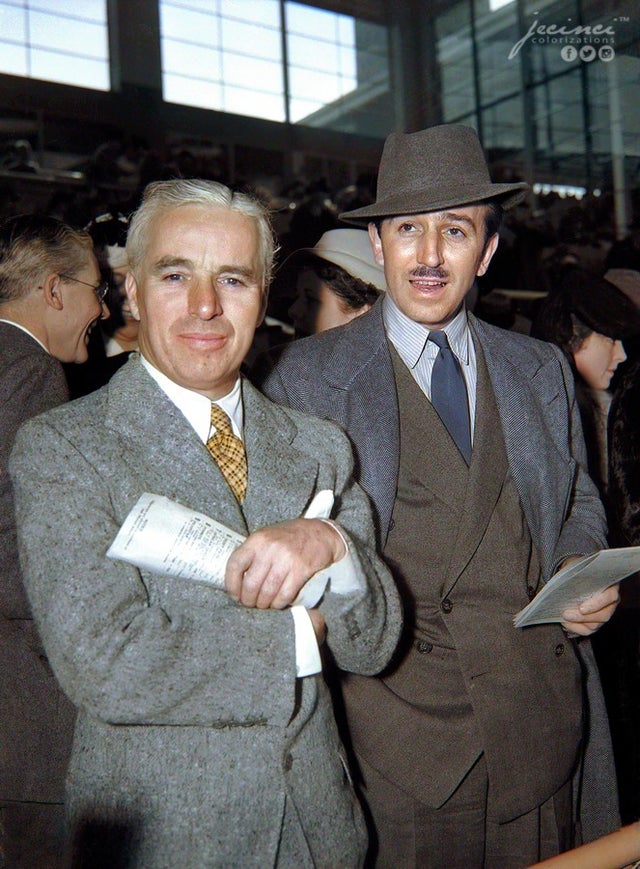
(Source: Reddit) Charlie Chaplin & Walt Disney at the Santa Anita Race Track – Arcadia, California, U.S. – 1939.
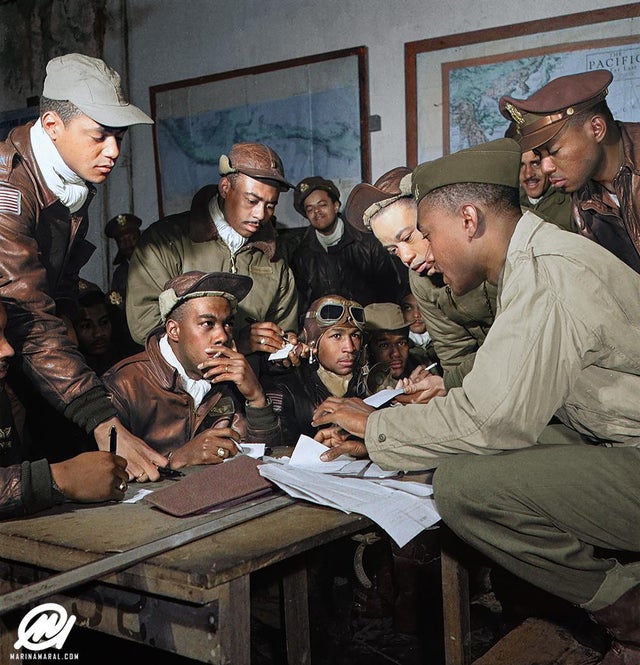
(Source: Reddit) Tuskegee airmen at Ramitelli, Italy, March 1945.
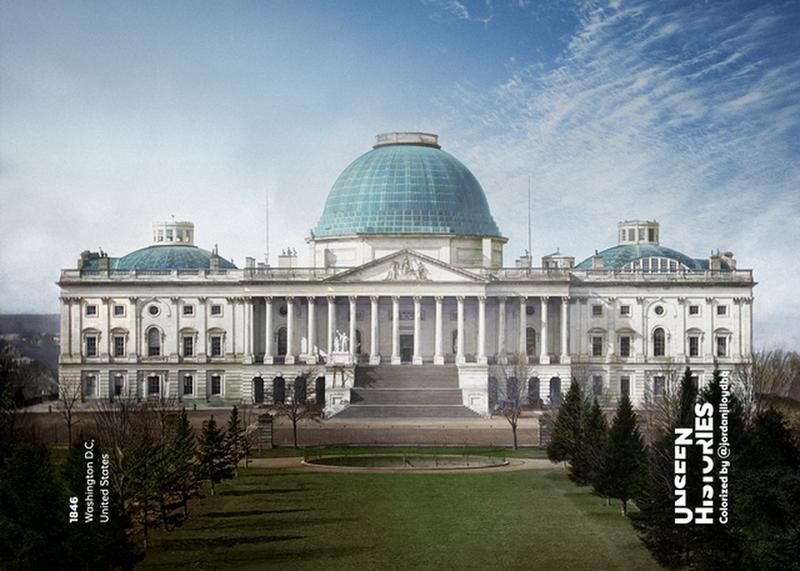
(Source: Reddit) The United States Capitol in 1846. In 1793, the cornerstone of the building was laid by President Washington
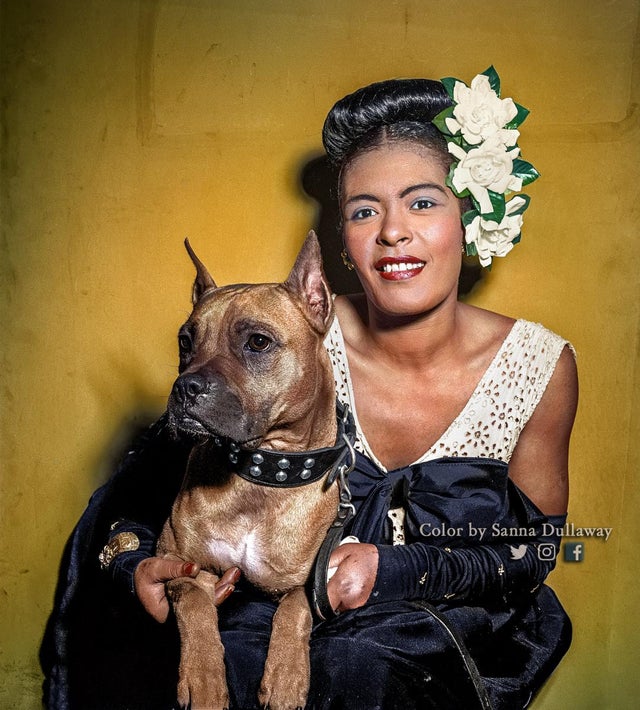
(Source: Reddit) Billie Holiday and her Boxer named Mister at Downbeat club in New York, 1947.
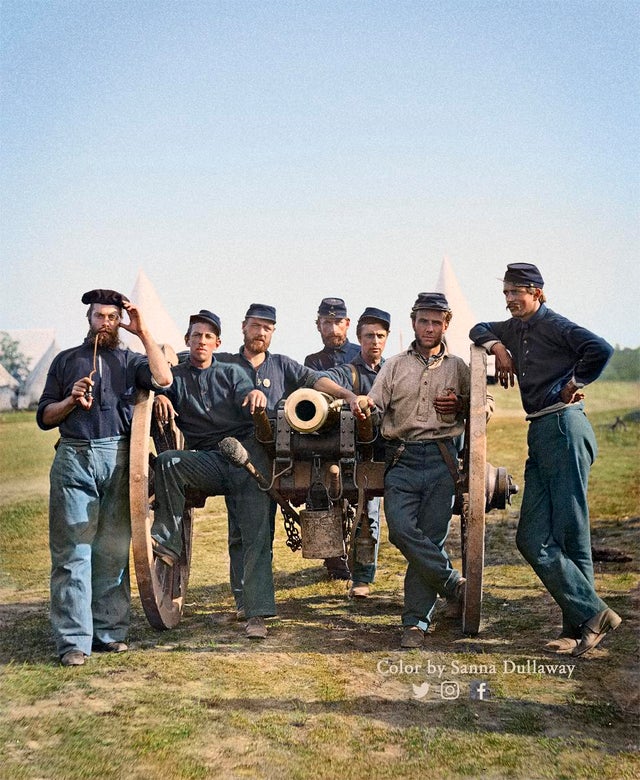
(Source: Reddit) Union soldiers posing with a cannon – circa 1862.
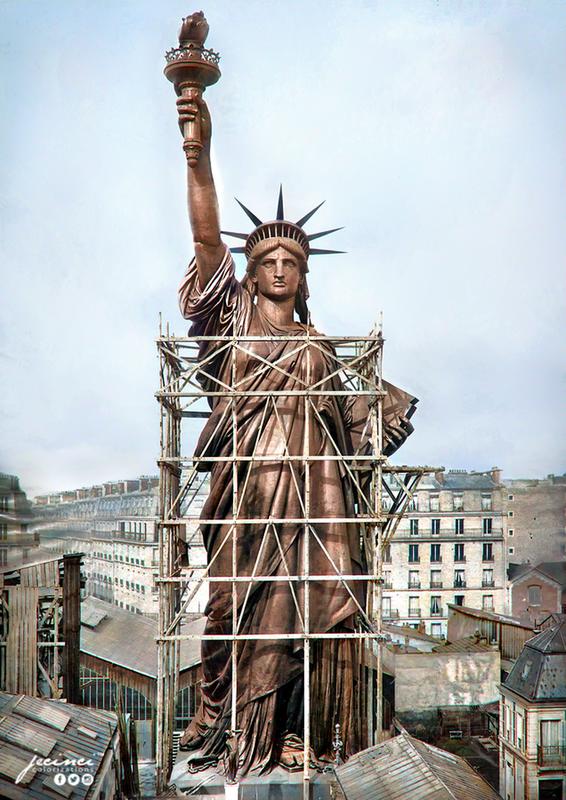
The Statue of Liberty (an artist’s rendering) – Paris, France, 1886, before it was transported to America.
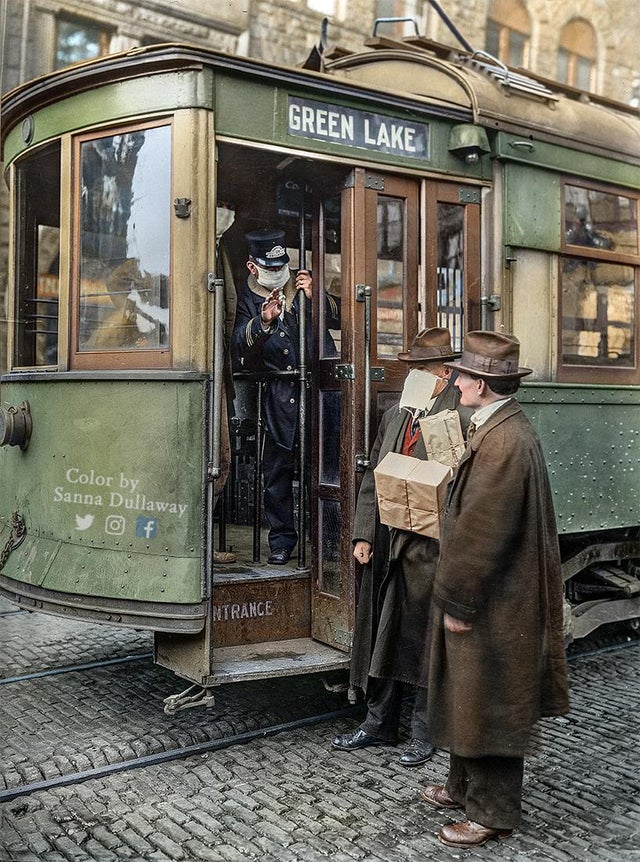
Street car conductor in Seattle not allowing passengers aboard without a mask, during Spanish Flu Pandemic in 1918.
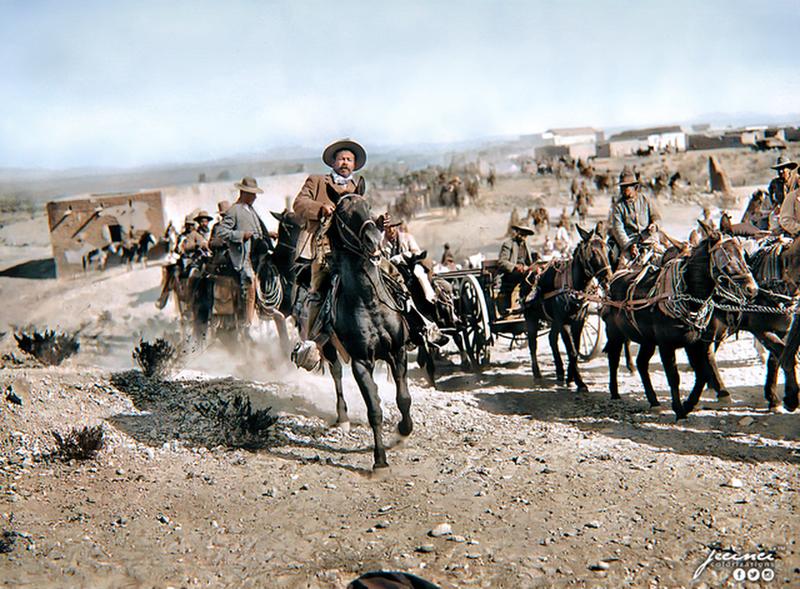
(Source: Reddit) General Francisco “Pancho” Villa in 1914, during the Mexican Revolution.
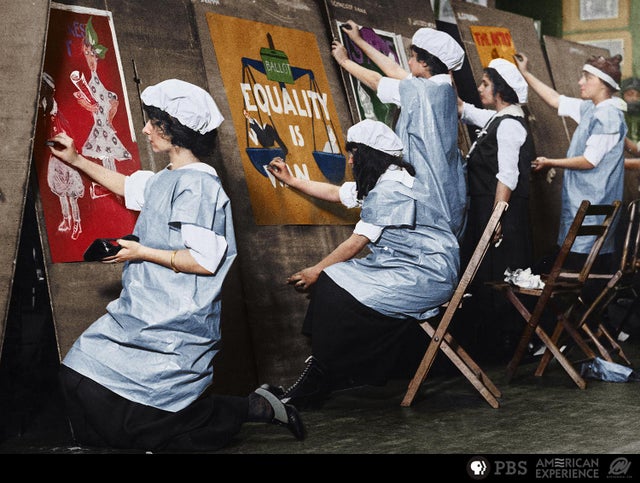
Schoolgirls design posters with women’s equality themes as they compete for a prize in a suffrage poster contest at the Fine Arts Club, October 14, 1915.
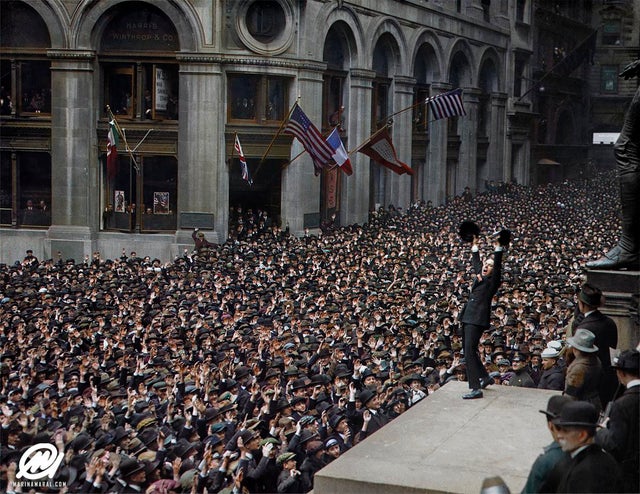
Charlie Chaplin selling war bonds on Wall Street, 1918.
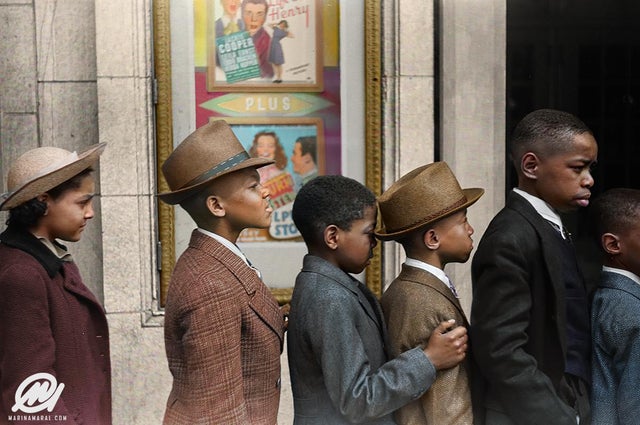
(Source: Reddit) Children in front of moving picture theater, Easter Sunday matinee, Black Belt, Chicago, Illinois. 1941.
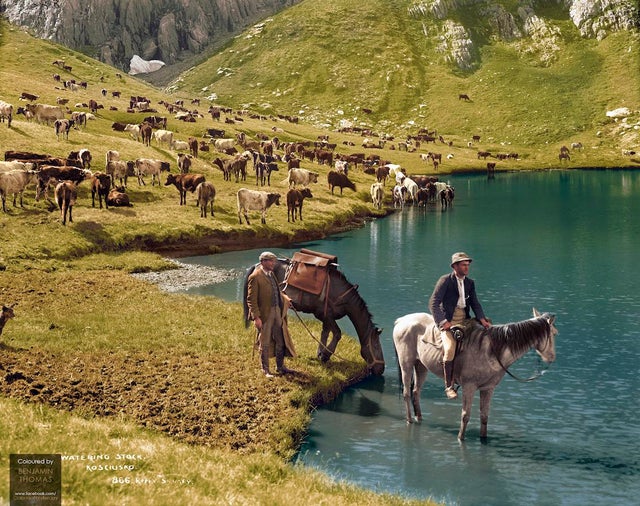
(Source: Reddit) “Watering cattle at Mount Kosciuszko,” at Blue Lake, New South Wales, Australia, circa 1900.
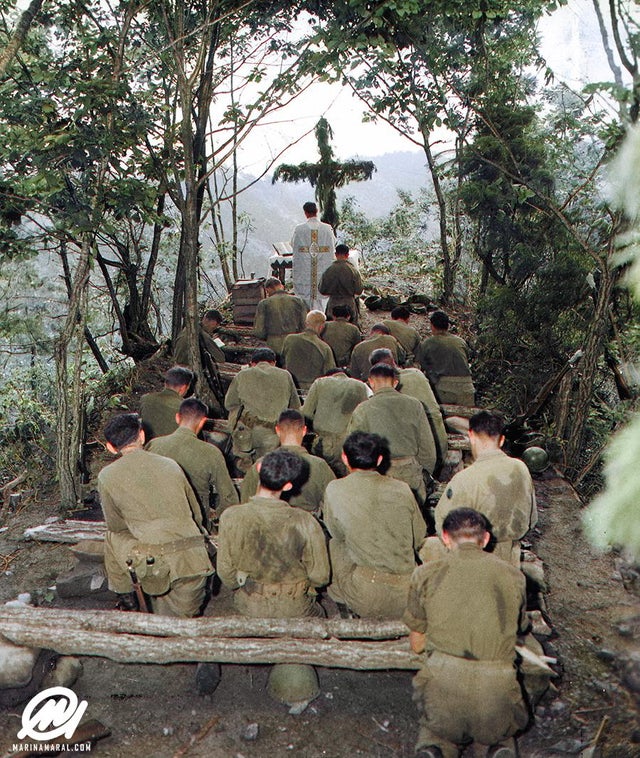
Chaplain Kenny Lynch conducts services north of Hwacheon, Korea, for men of the 31st Regiment. 1951, Korean War.
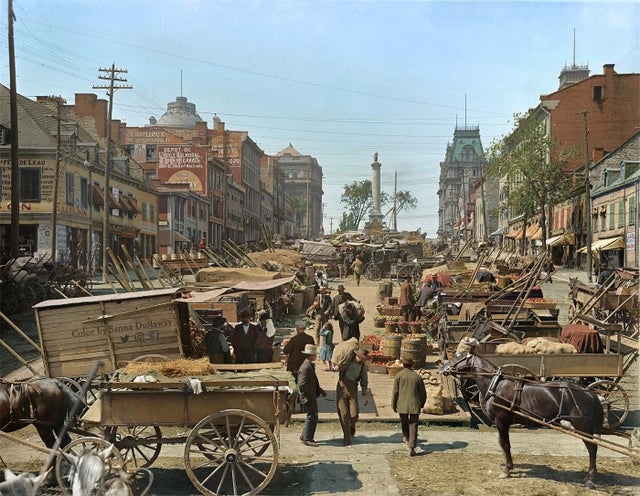
(Source: Reddit) A busy market day at Jacques Cartier Square, Montreal, Canada in 1900.
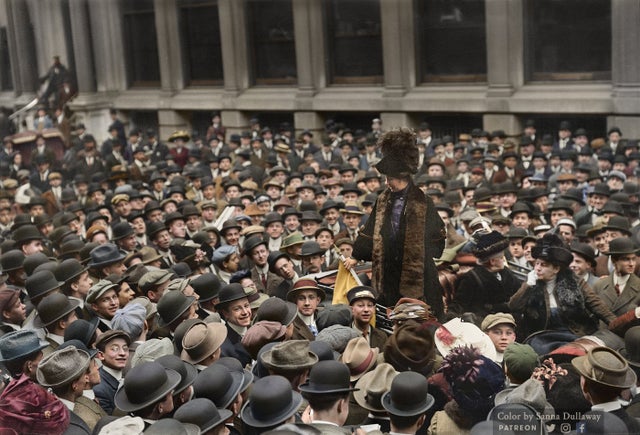
(Source: Reddit) Listen to what she has to say — British Suffragette Emmeline Pankhurst addressing crowd on Wall Street, New York in 1911.
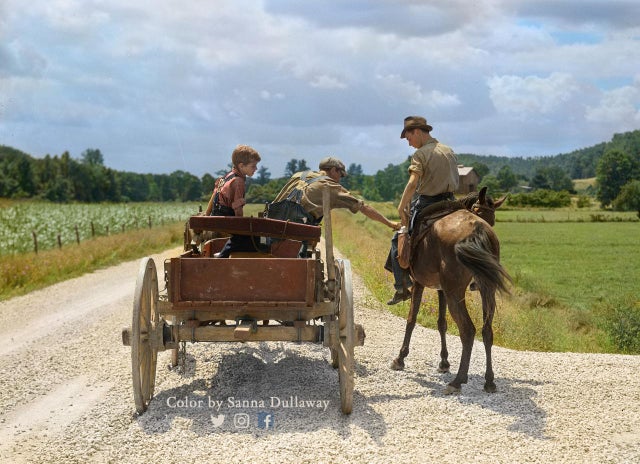
Rural mailman transfers letters and packages to another postman’s saddlebags — he will ride further up the side road and creek beds where no wagon or car can go. In the mountain section near Morehead, Kentucky, 1940.
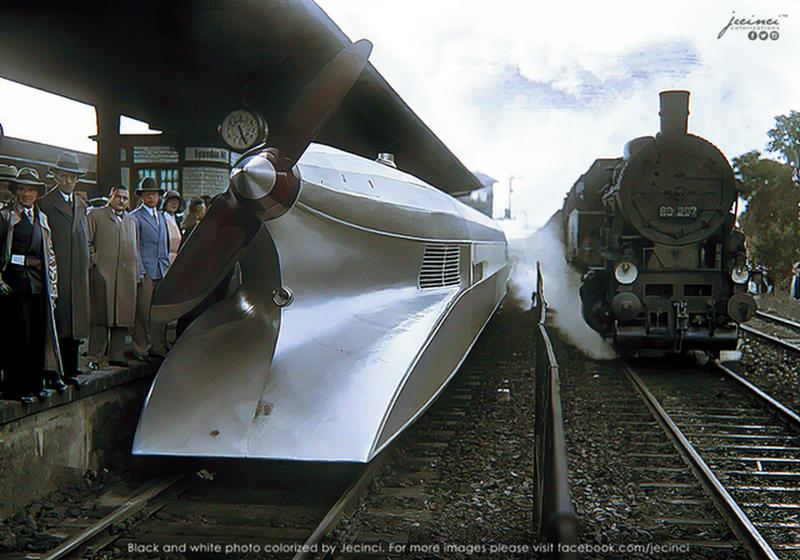
(Source: Reddit) The Schienenzeppelin in Berlin, June 1931. A train on the way to Hamburg passes the newly arrived rail zeppelin at Spandau main station.
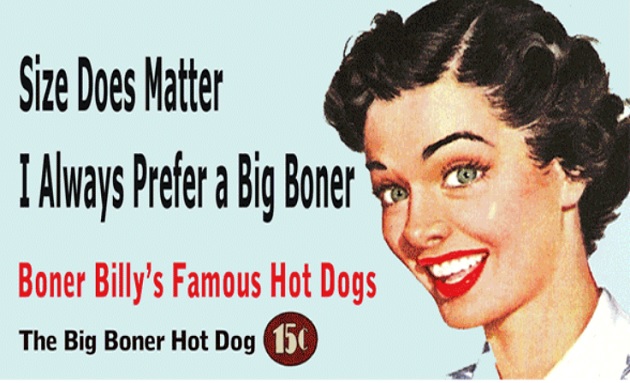
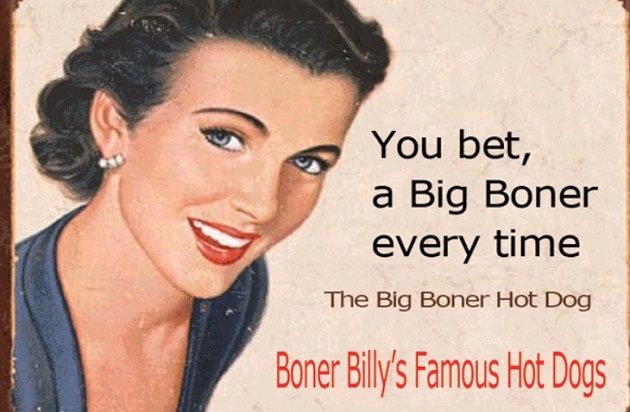
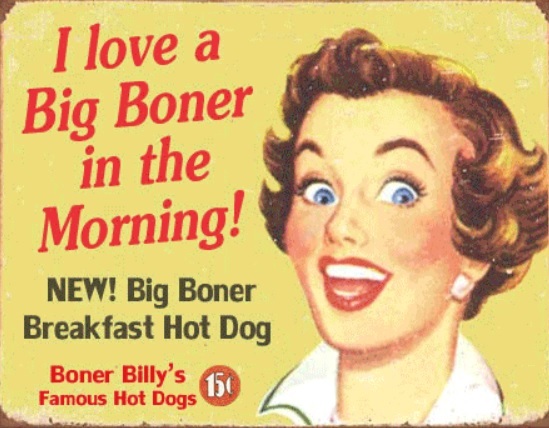
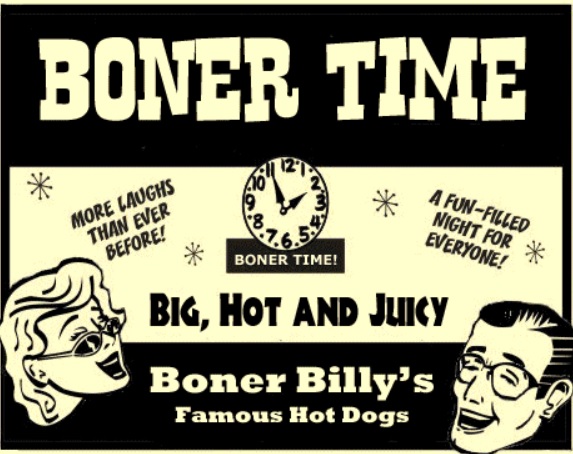
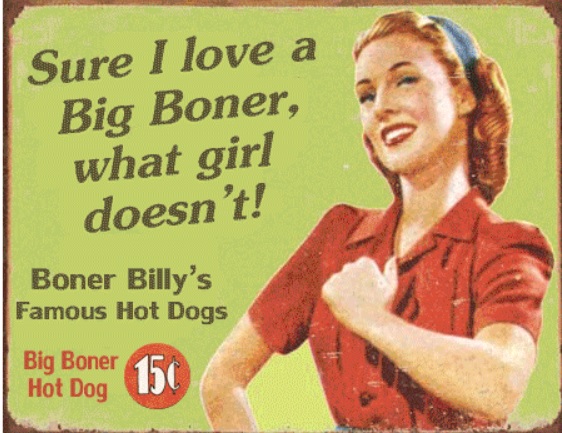
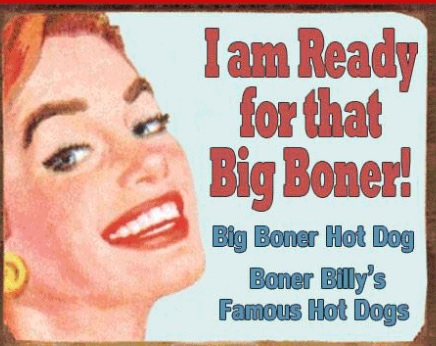
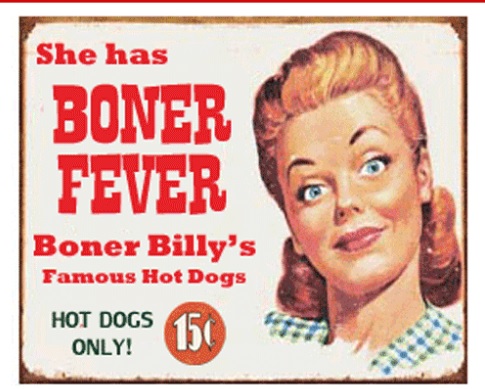
Risque ads at bottom.
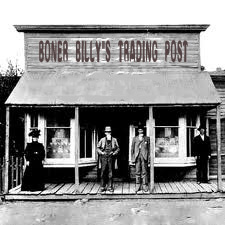
Although the birth of Boner Billy was unexpected, hence the name “Boner”, a Vaudeville term for a “silly mistake.” As you will soon learn, Boner “Bronco” Billy, a true American hero was anything but a silly mistake.
Documenting the life and times of American hero Boner Billy is a bit of a challenge due to the fact that Boner Billy’s son, grandson, and great grandson have the same name without a name suffix, Junior, Senior, or Roman numerals, etc. Due to this lack of a suffix in their name, si it can be a little tricky documenting the rich history of this American hero.
Here is how the story goes; in the early summer of 1845 a young Boner Billy, along with John Frémont, Kit Carson and 54 other men left St. Louis on an expedition. The stated goal was to “map the source of the Arkansas River on the east side of the Rocky Mountains.” Upon reaching the Arkansas, expedition leader, John Frémont suddenly made a hasty trail straight to California, without explanation arriving in the Sacramento Valley in early winter of 1846.
Records suggest shortly after arriving in the Sacramento Valley, Boner Billy owned and operated a popular trading post on a road leading from San Francisco to Sacramento. It is now believed America’s first hot dog, then called a tube steak was created and sold at Boner Billy’s trading post. This popular food consisted of a specially spiced and seasoned tube steak on a fresh bread roll, and was called the “Big Boner” due to its size, and named after Boner himself.
In January of 1847, Boner Billy, his wife, Frannie and young daughter, Bella were traveling to San Francisco on business when they had to make an emergency stop at Sutter’s mill in Coloma, California to give birth to the Billy’s first son, known as, “little Boner.” Folklore has it that a local man, James Marshall, and Boner Billy stepped outside to smoke a cigar to celebrate the birth of the child. James Marshall then spotted a sparkly object in the American River, which ended up being a small gold nugget that launched the great California Gold Rush. That nugget of gold was named after Boner Billy’s new born son and was thereon known as, “little Boner.”
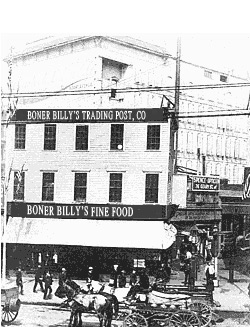
Folklore has it that in the spring of 1858, Boner Billy and ranch hands, Bill “Dirty” Smith and James Finney, nicknamed “Old Virginy” were rounding up stray cattle in the foothills just NE of what is now known as Carson City, Nevada. At this point, ranch hand Finney located and later was credited with discovering the Comstock Lode, one of the largest silver ore deposits in the world. Over the next several years Boner Billy successful partnered in investments in the mining boomtown, Virginia City, Nevada. He also opened, a series of eating establishments serving tube steaks letter known as hot dogs in Nevada and throughout California.
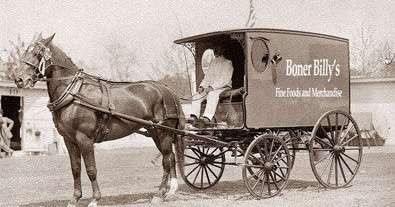

Around 1928 a Boner Billy cousin, Betty Bonnie Billy owned a string of Boner Billy’s Hot Dogs stands throughout California. Sadly without the secret recipe that made Boner Billy’s tube steak such a hit the food was run of the mill. A short lived television show, the Boner Billy Play House did drive up sales for a bit but in 1962 the last Boner Billy’s Hot Dog stand closed.
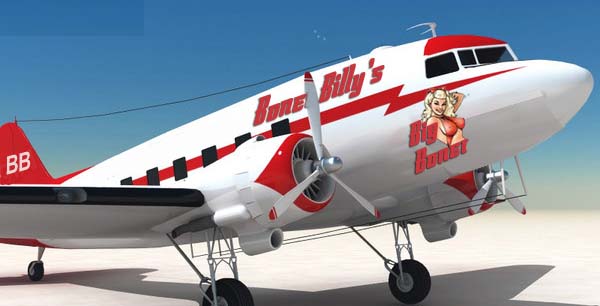
It has recently been announced that Boner “JR” Billy the great, great, great grandson of Boner “Bronco” Billy has stepped forward with support and involvement in the launch of Boner Billy’s new Viva Las Vegas restaurant. In a recent interview, JR stated; “My great grandpapa who from a little trading post on the foothills of the Sierra Nevada Mountains served-up America’s first hot dog to hungry forty-niners heading to the goldfields. “I cannot tell you how proud I am to now help bring the Boner Billy name and the greatest hot dogs in the world to Las Vegas” –Boner “JR” Billy
The risque and suggestive hot dog ads from the 1940’s and 1950’s.

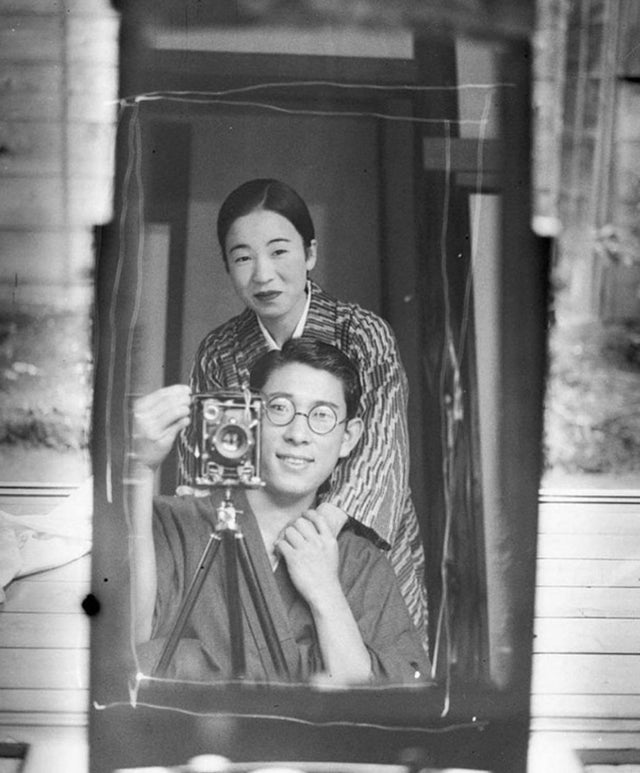
Japanese couple taking a selfie, 1920’s

 The MarkoZen Blog