


Argentavis magnificens was among the largest flying birds ever to exist, quite possibly surpassed in wingspan only by Pelagornis sandersi, which was described in 2014. A. magnificens, sometimes called the Giant Teratorn, is an extinct species known from three sites in the Epecuén and Andalhualá Formations in central and northwestern Argentina dating to the Late Miocene (Huayquerian), where a good sample of fossils has been obtained.
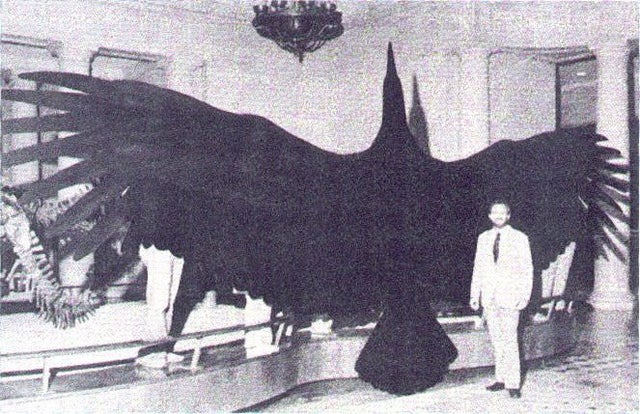
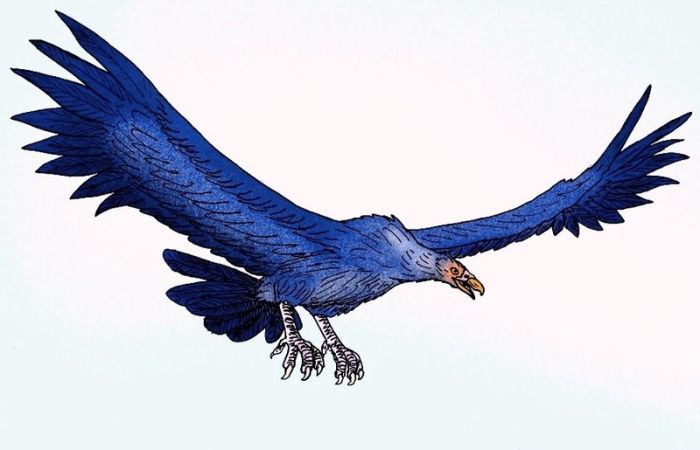
The single known humerus (upper arm bone) specimen of Argentavis is somewhat damaged. Even so, it allows a fairly accurate estimate of its length in life. Argentavis’s humerus was only slightly shorter than an entire human arm. The species apparently had stout, strong legs and large feet which enabled it to walk with ease. The bill was large, rather slender, and had a hooked tip with a wide gape.
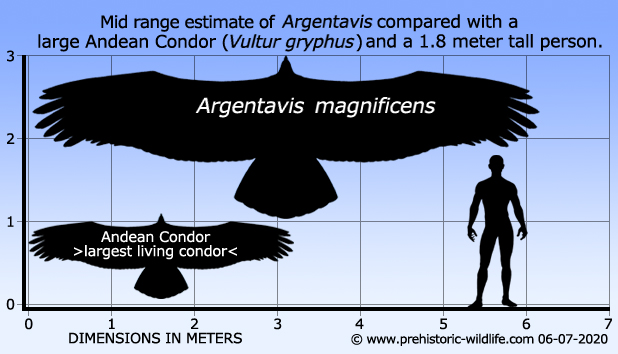
Argentavis wingspan estimates varied widely depending on the method used for scaling, i.e. regression analyses or comparisons with the California condor. At one time, wingspans have been published for the species up to 7.5 to 8 m (24 ft 7 in to 26 ft 3 in) but more recent estimates put the wingspan more likely in the range of 5.09 to 6.5 m (16 ft 8 in to 21 ft 4 in). Whether this span could have reached 7 m (23 ft 0 in) appears uncertain per modern authorities. At the time of description, Argentavis was the largest winged bird known to exist but is now known to have been exceeded by another extinct species, Pelagornis sandersi, was described in 2014 as having a typical wingspan of 7 to 7.4 m (23 ft 0 in to 24 ft 3 in). Argentavis had an estimated height when standing on the ground that was roughly equivalent to that of a person, at 1.5 to 1.8 m (4 ft 11 in to 5 ft 11 in), furthermore its total length (from bill tip to tail tip) was approximately 3.5 m (11 ft 6 in).
Prior published weights gave Argentavis a body mass of 80 kg (180 lb) but more refined techniques show a more typical mass would’ve likely been 70 to 72 kg (154 to 159 lb), although weights could’ve varied depending on conditions. Argentavis retains the title of the heaviest flying bird known still by a considerable margin, for example Pelagornis weighed no more than 22 to 40 kg (49 to 88 lb). For comparison, the living bird with the largest wingspan is the wandering albatross, averaging 3 m (9 ft 10 in) and spanning up to 3.7 m (12 ft 2 in). Since A. magnificens is known to have been a land bird, another good point of comparison is the Andean condor, the largest extant land bird going on average wing spread and weight, with a wingspan of up to 3.3 m (10 ft 10 in). This condor can weigh up to 15 kg (33 lb). New World vultures such as the condor are thought to be the closest living relations to Argentavis and other teratorns. Average weights are of course much less in both the albatross and condor than this teratorn, at approximately 8.5 kg (19 lb) and 11.3 kg (25 lb), respectively.
A driver in Alabama could not believe their eyes when they spotted a monkey riding shotgun in a car next to them. According to a local media report, the puzzling scene unfolded in the city of Tuscaloosa and was shared on social media earlier this week by Charles Newman, who says that his friend filmed the wild moment when they had stopped at a red light. In the video, the curious capuchin can be seen clamoring around the open passenger side window of its ride and observing the people in cars nearby.
The witnesses initially react with delight at the unexpected sight, but their amazement quickly turns to concern when it appears that the monkey is about to leap out of the car and escape. Fortunately, their fears are quelled when they realize that the creature is wearing a leash. With that bit of drama behind them, one person in the car wonders aloud how the driver of the other vehicle managed to get a monkey in the first place, while another simply and understandably exclaims, “oh my gosh, that is so weird!”
Since the video was posted online, the creature has become something of a viral sensation thanks in large part to the fact that it was wearing a University of Alabama Crimson Tide t-shirt. Dubbed ‘Bama Monkey,’ the capuchin quickly won over the hearts of the football-crazed community and even got an endorsement from the college athletic department, who retweeted the video and declared “we need more Bama Monkey in our lives.”
Living in Churchill in northern Manitoba, Canada, has its perils. Situated on the banks of Hudson Bay, approximately 1,000 km north of the provincial capital, Winnipeg, Churchill is one of Canada’s most remote towns. Few places are inhabited so far north, with the exception of a couple of Inuit communities and research stations. But cold and isolation are not the only challenges its residents face. Their biggest threat is polar bears.
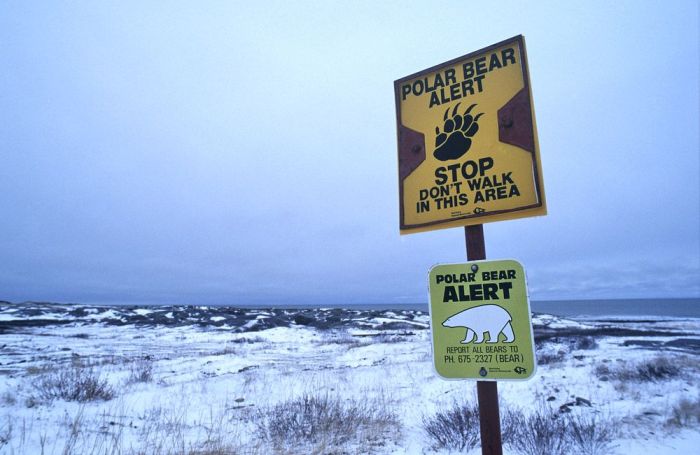
A polar bear warning sign in Churchill, Manitoba.
Churchill stands on the migration route of these large predators, who travel along the coastline to their hunting ground in Hudson Bay, where they look for seals in the ice. Although the hunting season lasts only through fall when the sea ice has just started to form after months of summer melt, polar bears skirt the town’s borders throughout the year. More often than not, one would wander into the streets and frighten the living daylights out of the residents.
“It’s unnerving, walking around,” a Churchill resident told The Atlantic. “You walk out in the morning, and from the tracks in fresh snow, you see that a bear has walked between the houses.”
Churchill grew from a small remote outpost to a thriving commercial port engaging in fur trade to a strategic US military base all in the span of four hundred years. After World War 2, Churchill became part of the Canadian signals intelligence network, and later the site for rocket research for atmospheric studies. Churchill was nearly annihilated when the British government decided to test nuclear weapons there, but then chose Australia instead.
Today, Churchill is mostly a polar bears’ town, with nearly 800 of them living in the vicinity. That number swells to 10,000 during the hunting season. That’s the best time to watch polar bears. Tour operators take visitors to the town’s fringes on giant buggies from where they can watch the animals in the wild. The vehicle’s height keeps the occupants safe and beyond the reach of even the largest bear.
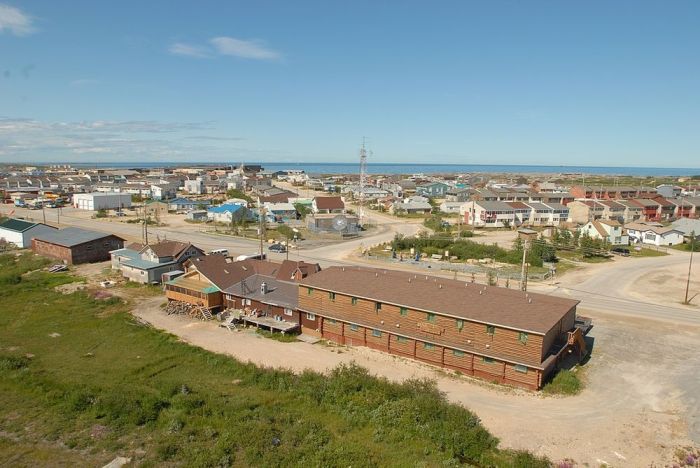
The town of Churchill.

Various warning signs inside Churchill.
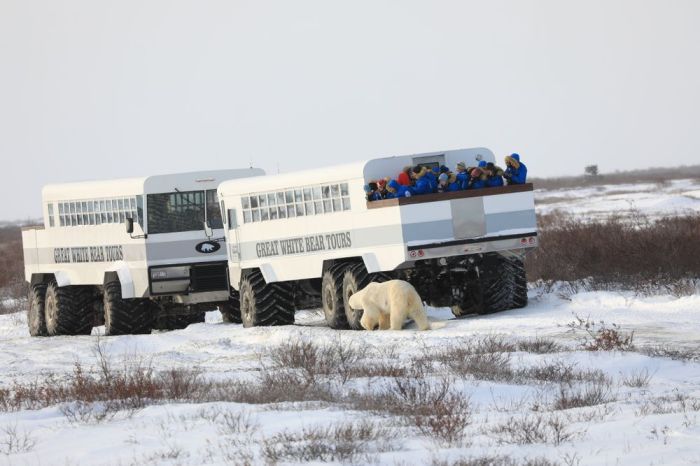
Tourists watching polar bears from a Tundra buggy.
To live in Churchill, one has exercise caution at all times. There are warning signs posted all around the town reminding people not to leave the town’s borders or venture into bear sites. Many people keep the doors of their houses and vehicles unlocked, should anyone need to make a quick escape.
In the past, polar bears that wandered into the town were shot, but it only aggravated conflicts between the two species. So in the 1970s, Churchill adopted the Polar Bear Alert Program.
Now, when people spot a bear, they call a hotline number and staff from the Program then tries to scare the bear away by firing crackers shells or rubber bullets. If that doesn’t work, the bear is tranquilized and taken to a holding facility—the world’s only polar bear jail.
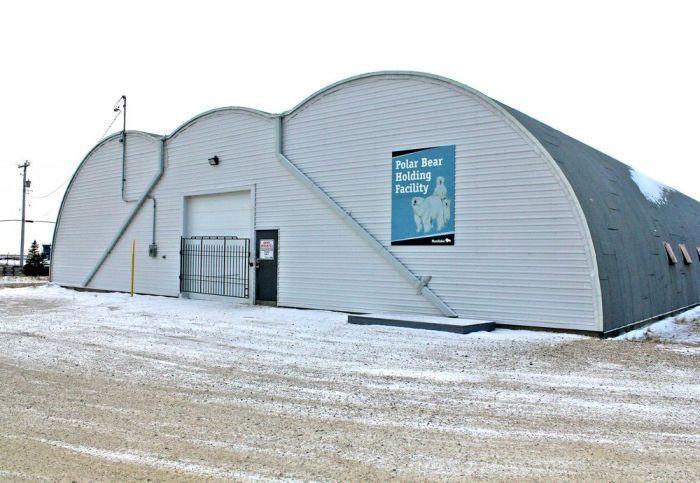
The Polar Bear Holding Facility.
The jail is housed inside a former military aircraft hangar, and contains a number of cells, each approximately 12 feet wide and 16 feet long. The polar bears are kept locked inside these cells for up to 30 days and fed only snow and water to discourage them from returning to town in search of food. Polar bears are accustomed to not eating for long periods of time, so this does not kill them. But it’s certainly not a pleasant experience.
“You don’t really want them to be so comfortable. You want them to not want to return,” explains Brett Whitlock, the District Supervisor Conservation Officer of the Churchill District. But then he adds:
“I wouldn’t say it’s imprisoning them. We’re not putting them in here to punish them for something. We’re putting him in here to protect them from causing more damage or, inevitably, hurting somebody and then themselves getting dispatched or euthanized, so I don’t think it’s a punishment. That’s why we hold call it a holding facility. The term jail really makes it sound like it’s a punishment by putting them in here. We’re trying to save their lives.”
When the bears are ready to be released, they are tranquilized again and a helicopter flies them out. Bears are marked before they are released, so that they can be tracked. Repeat offenders are held for more than 30 days. If a bear is deemed unable to be released into the wild, for various reasons such as being too young or too old, it is transferred to the Assinbone Park Zoo in Winnipeg.
The Polar Bear Alert Program receives about 300 calls on average each year. About 50 bears end up inside the jail.
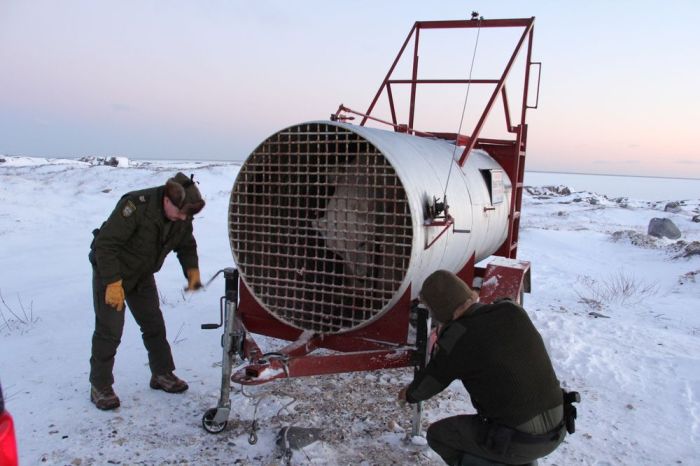
A bear is caught in a trap containing seal meat. Photo: Province of Manitoba/Vice

A bear inside a cell. Photo: Province of Manitoba/Vice

Inside the polar bear jail. Photo: Province of Manitoba/Vice
Since the establishment of the Polar Bear Alert Program, bear-human conflicts have dropped drastically, but only until recent times. The climate is changing and the ice is disappearing. Polar bear needs ice to survive because it enables them to walk over the water and hunt seal. Now the summers are longer and the ice is delayed. The bears become restless for food after months of starvation, forcing them to frequently encroach into human space and not just in Churchill. The trend has been seen in Alaska, Norway, Greenland, and elsewhere in Canada.
The late freeze is coupled with an increasingly early thaw, which means that the bears spend less of the year hunting. This leaves them with not enough time to build up an acceptable amount of body fat to survive the summer. So bears start exploring alternative food sources such as whale leftover and human trash, which brings them to towns like Churchill.
Throughout the lean months, the bears feed off their reserves, losing as much as a kilogram of body fat a day. Many bears end up dangerously skinny and starve to death. Skinnier bears also produce smaller cubs, which struggle to survive. Since 1987, there has been a 22 percent decline in Churchill’s polar bear population. Some experts fear that two-thirds of all polar bears will be gone by 2050, and they might even become extinct in the wild by the end of the century if steps are not taken to check the global climate change.
It is easy to tell that this video is dated. That TV is the size of a small tank.
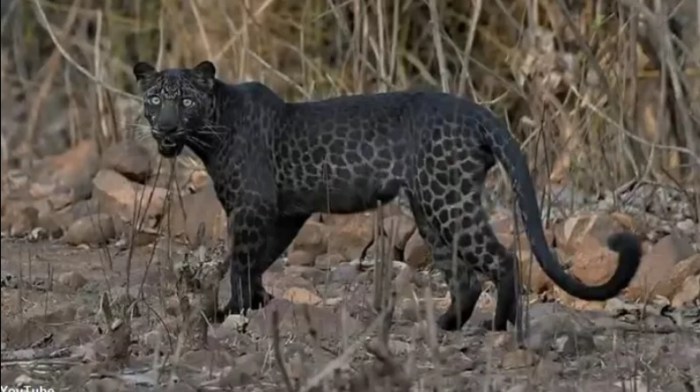
A tourist on safari at a wildlife reserve in India snapped an incredible photo of a rare black leopard. The breathtaking image was reportedly captured by Abhishek Pangis as he and his family were visiting the Tadoba Andhari Tiger Reserve last summer. Strangely enough, although the young man posted the photo to social media last June it only just captured the attention of people online this past week and has subsequently gone viral around the world.
Recalling his experience encountering the remarkable creature, Pangis explained that it occurred on the second day of their trip and “I went blank when I spotted it. I hadn’t seen anything so beautiful.” Similar to someone who has just stumbled upon a Bigfoot, the young man mused that he amazed by what he was seeing that the thought of taking a picture did not cross his mind. “I was completely stunned,” he recalled, “and came back to my senses after 10 minutes and started clicking pictures.”
Amazingly, Pangis marveled, “usually people have seen it around for two or three minutes but I was very lucky as I could see it for 40 minutes.” During that time, he snapped several photographs of the unusual-looking creature which had likely ventured out of hiding in order to drink some water from a pond as it was extremely hot at the time of the sighting. The big cat’s unique appearance is due to a genetic mutation, known as melanism, wherein dark pigmentation develops in the skin.
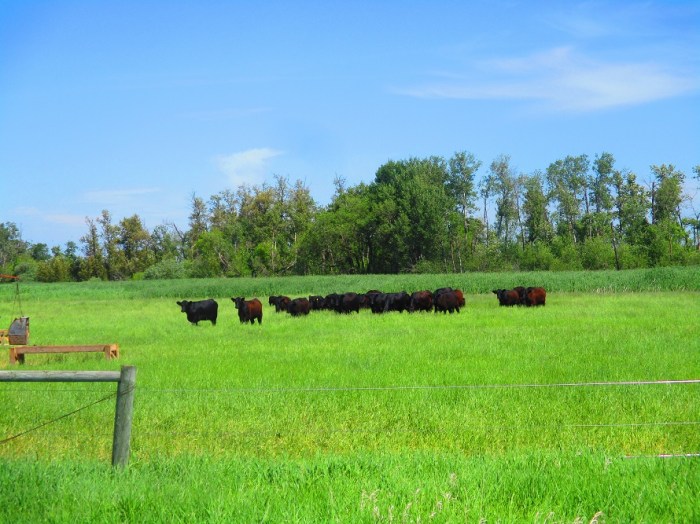
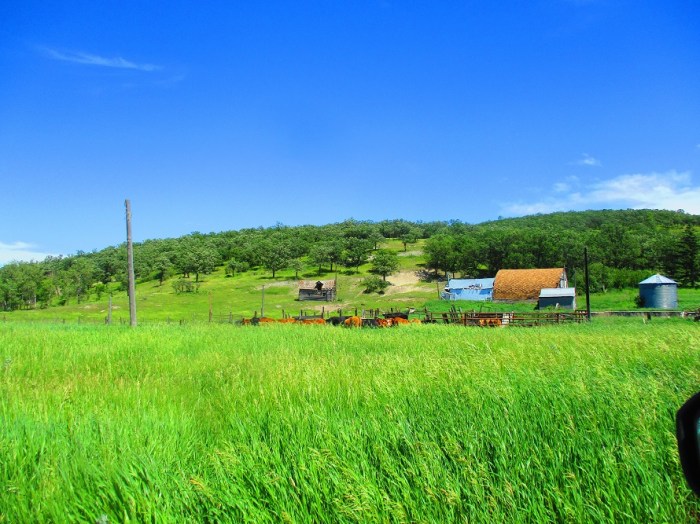
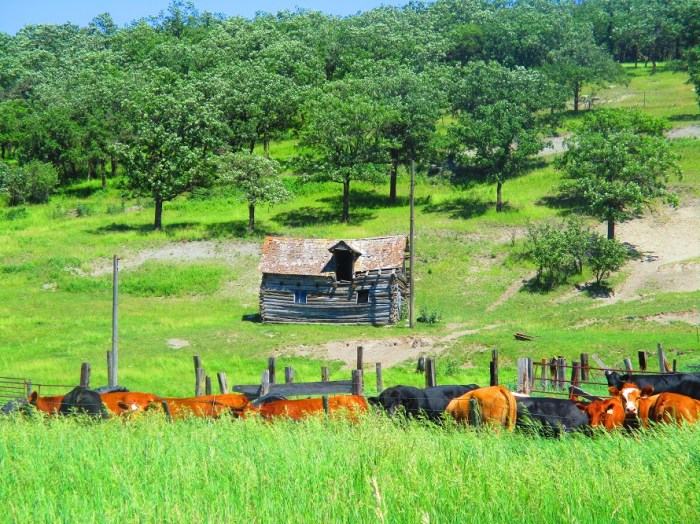
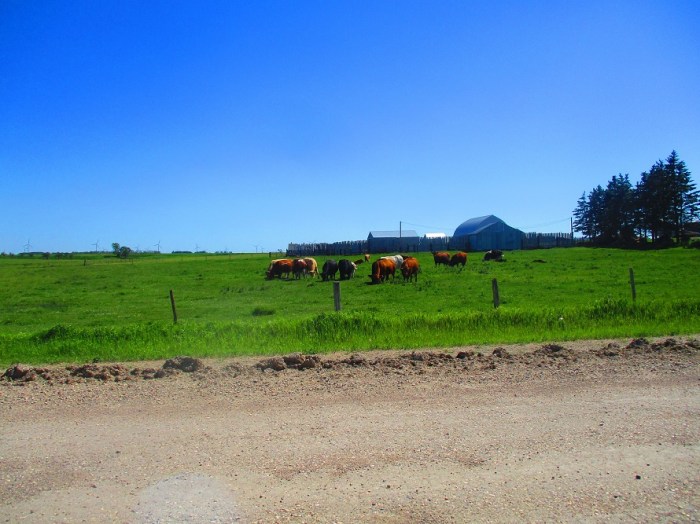
Southern Manitoba





 The MarkoZen Blog