
Little buggers can climb upside down.
Little buggers can climb upside down.
The leaves are looking pretty good in Winnipeg this year.

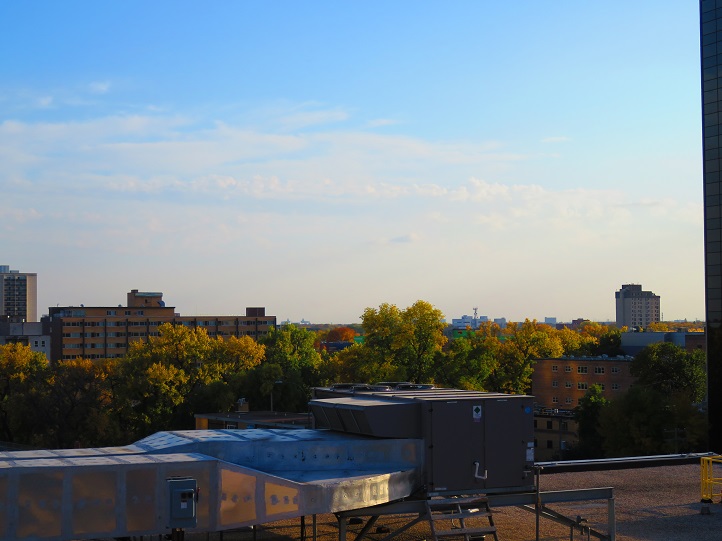


This colorful view of the trees in Winnipeg doesn’t last long. It gets cold so fast that the leaves get blown off the trees when the harsh and very strong winds blow in from the north.
Some puffy white clouds in the blue sky with intriguing shapes.




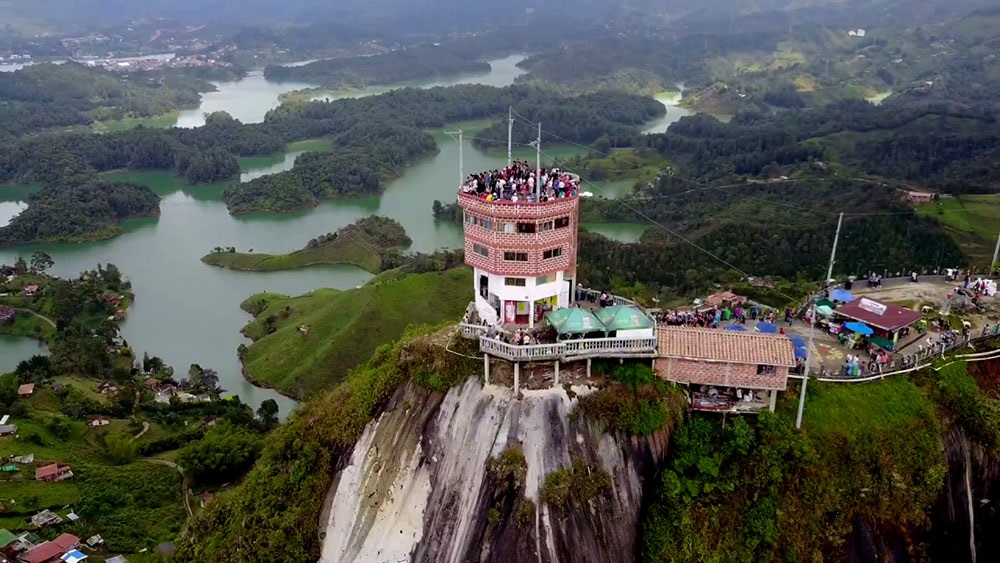
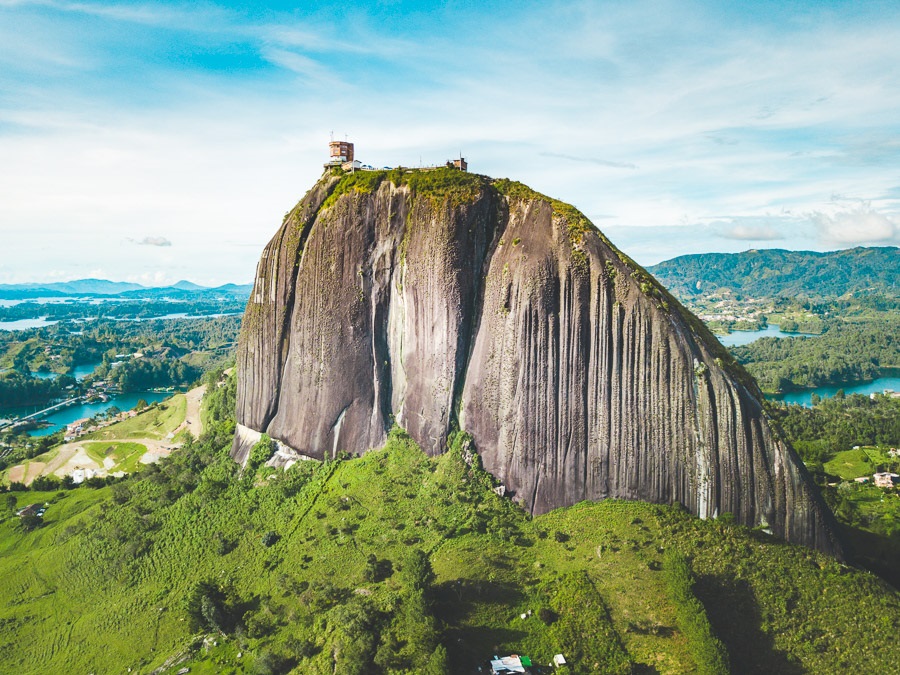
The Rock of Guatapé is a landmark inselberg in Colombia. It is located in the town and municipality of Guatapé, Antioquia. It is also known as The Stone of El Peñol, or simply La Piedra or El Peñol, as the town of El Peñol, which borders Guatapé, has also historically claimed the rock as their own and thus has led to different names for the site.
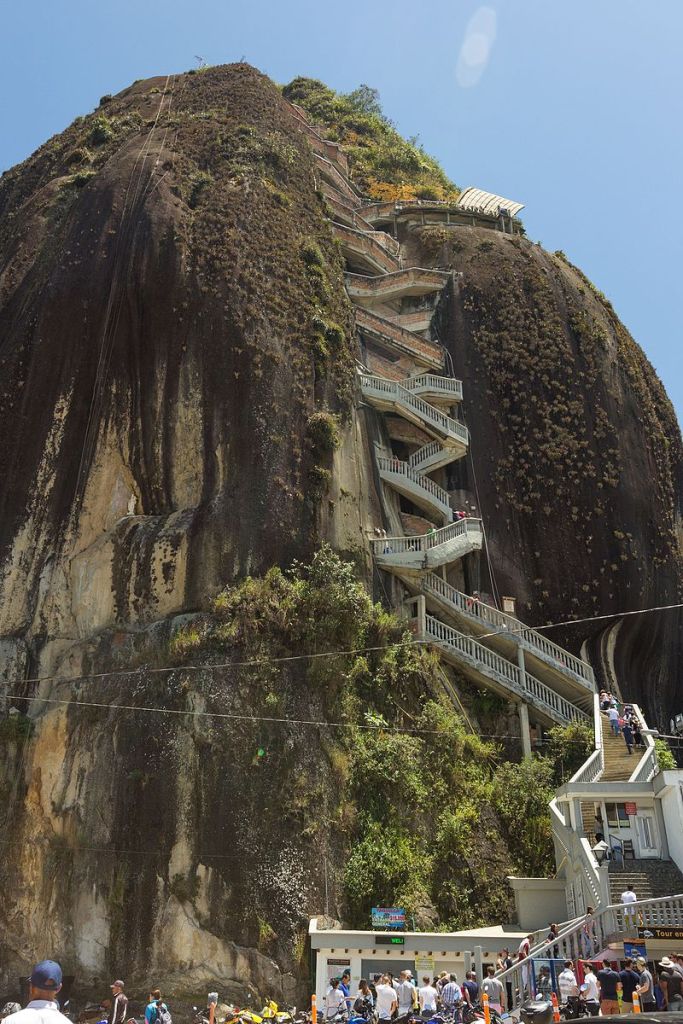
The landform is a granitic rock remnant that has resisted weathering and erosion, likely as result of being less fractured than the surrounding bedrock. The Peñón de Guatapé is an outcrop of the Antioquia Batholith and towers up to 200 meters (656 feet) above its base. Visitors can scale the rock via a staircase with 708 steps built into one side.
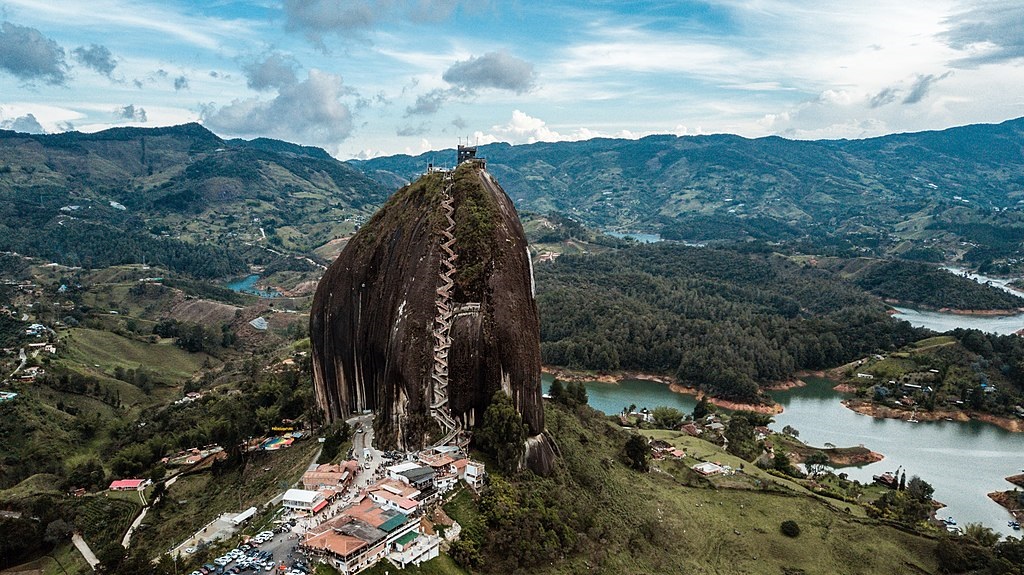
An inselberg or monadnock is an isolated rock hill, knob, ridge, or small mountain that rises abruptly from a gently sloping or virtually level surrounding plain.
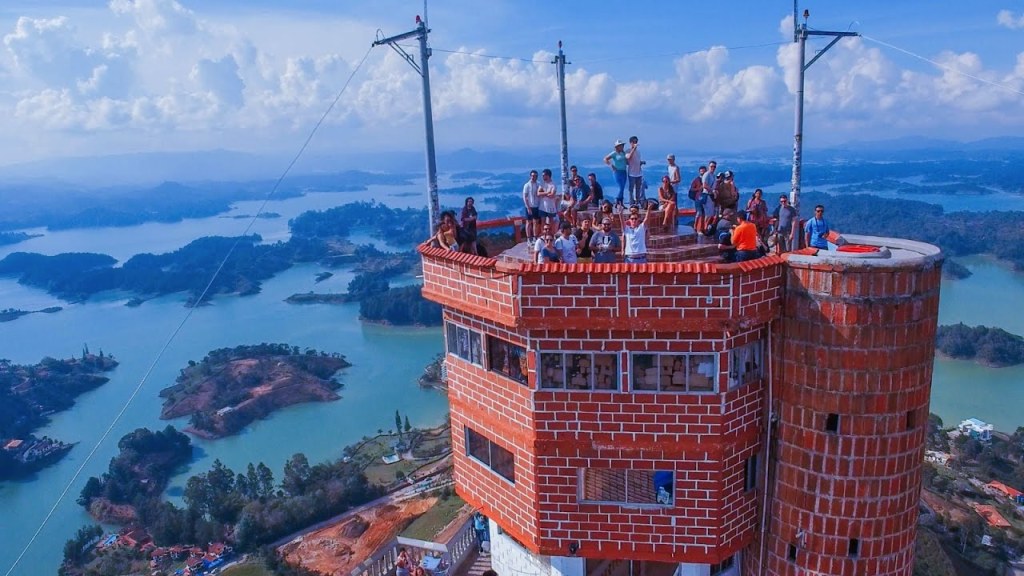
Near the base of the Rock, there are food and market stalls for shopping. About halfway up the stairs, there is a shrine to the Virgin Mary. The summit contains a three-story viewpoint tower, a convenience store, and a seating area.
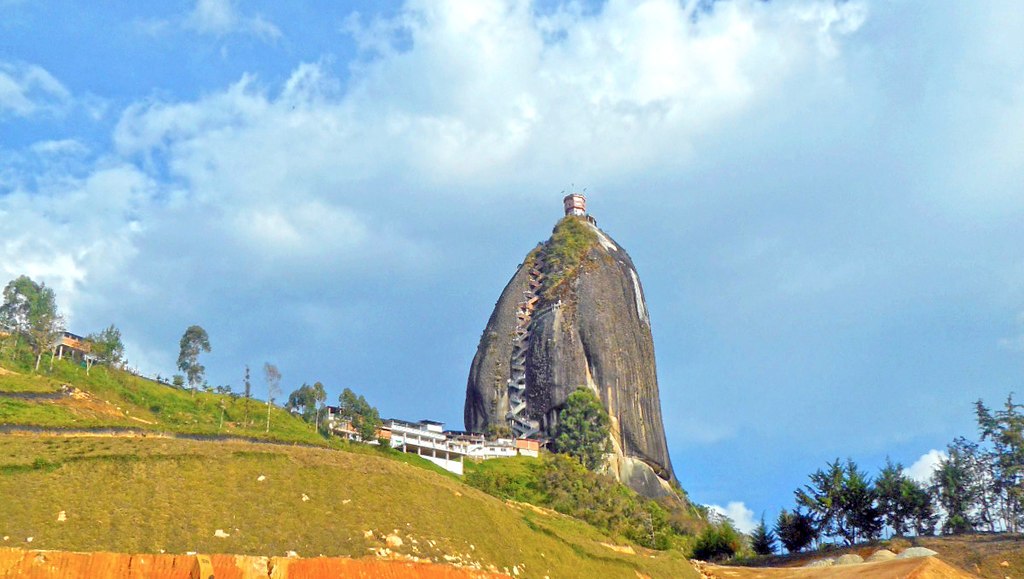
The rock was first officially climbed in July 16, 1954, when Luis Eduardo Villegas López, Pedro Nel Ramírez, and Ramón Díaz climbed the rock in a five-day endeavor, using sticks that were fixed against the rock’s wall.
A new species of plant, named Pitcairnia heterophylla by a German scientist, was found on the top of the rock.
A viewing spot was built on top of the rock, where it is possible to acquire handicrafts, postcards, and other local goods. It is possible to see the 500 km shore-perimeter dam. There are 649 steps to the uppermost step atop the building at the summit, a fact reinforced by yellow numbers also seen in the climb up the stairs.
In the 1940s, the Colombian government declared it a National Monument.


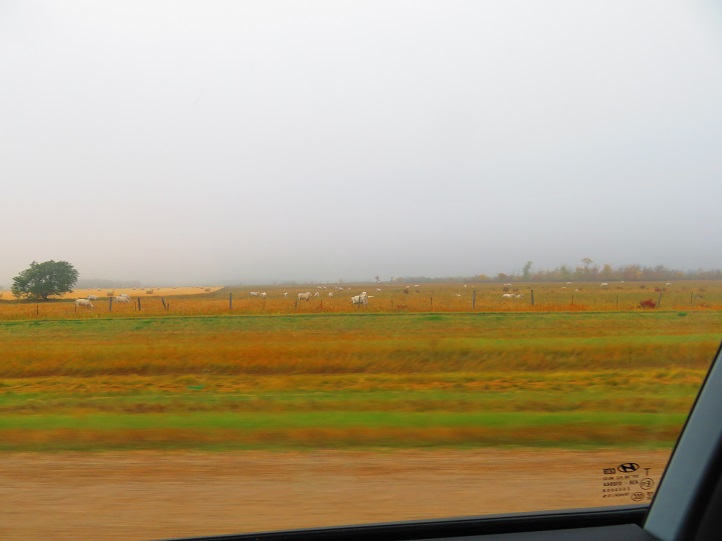
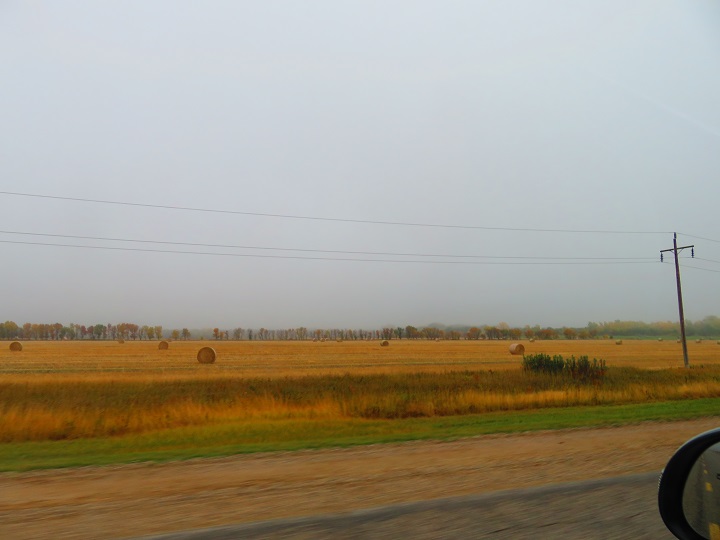
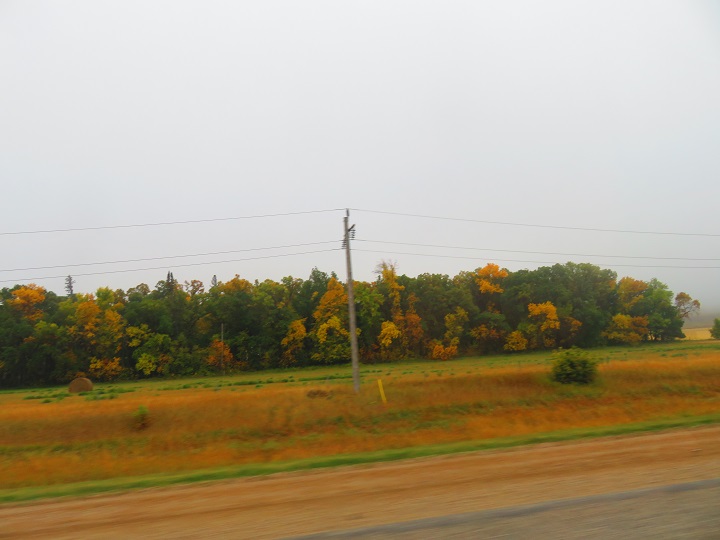
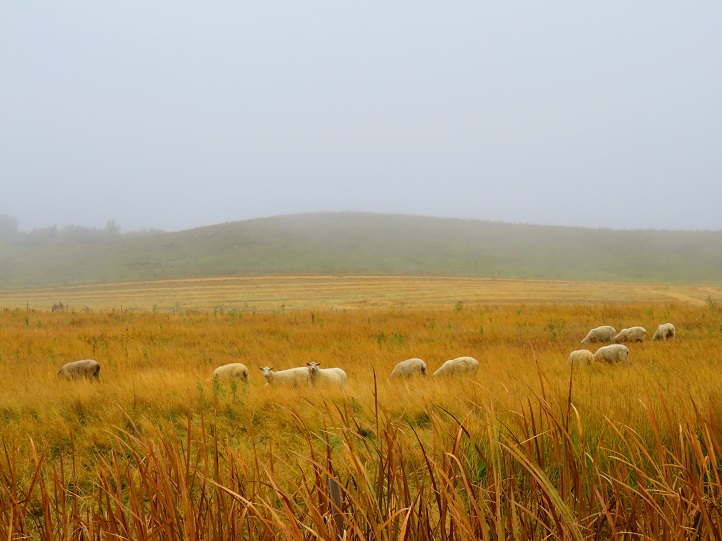
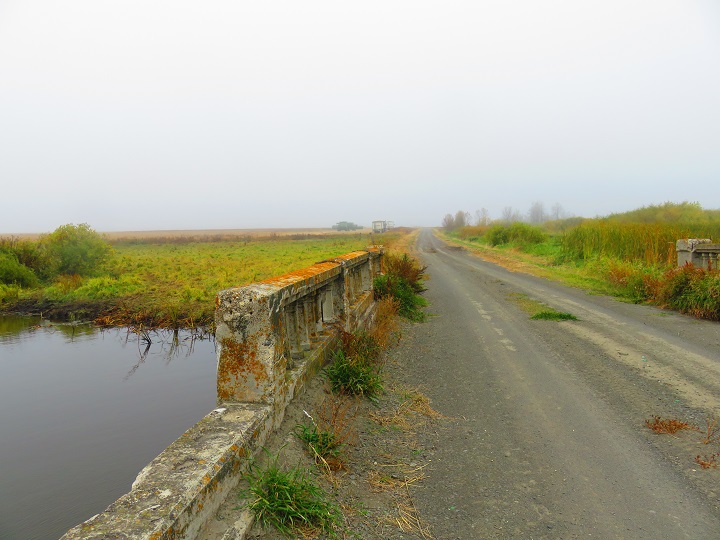
Fog descended upon the land.


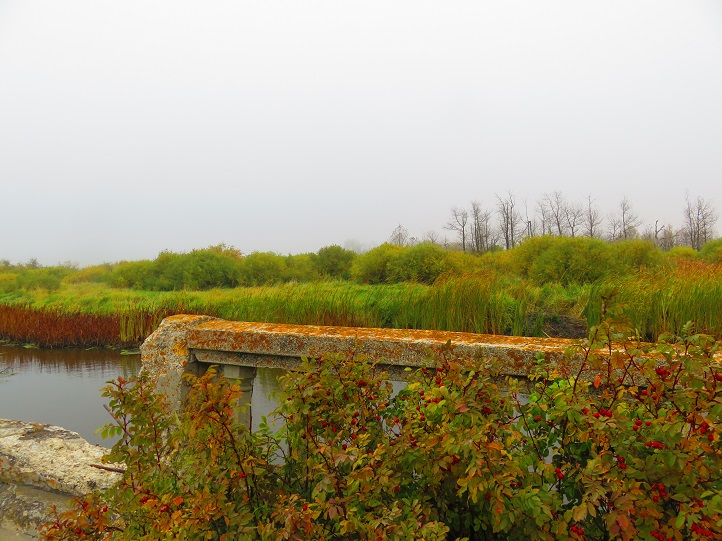
Very old bridge.


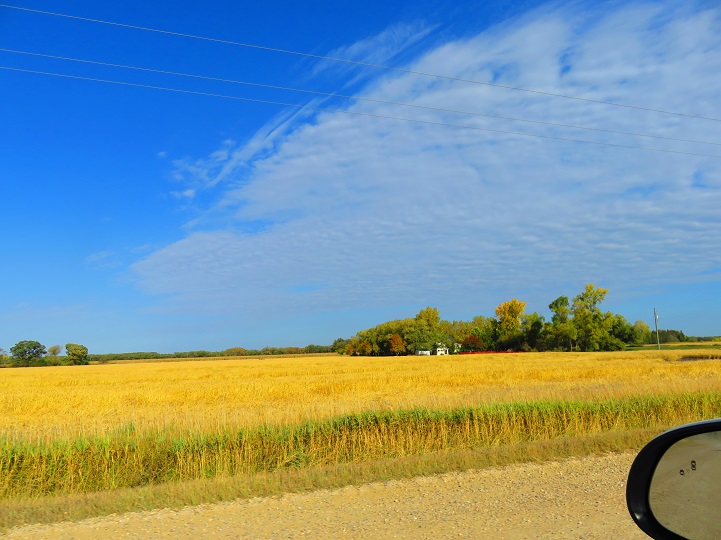


Back in the city.



Cannabis is legal in Canada.


Bonaire Island, West Indies, Brine Salt Mine

Mito Solar Power Complex, Japan

Industrial Chicken Farm, Michigan, USA

Pulp and Paper Operation, Kitimat, British Columbia

Main Boeing Aircraft Production Facility, Washington State

Aston Martin Factory, Haydon, England

Aerials Beef City, Darking Downs, Queensland, South Est Queensland, Australia

Poti Seaport, Republic of Georgia

Fertilizer Plant, Fort Saskatchewan, Alberta

Bingham Copper Mine, Utah. Partial collapse 3 years ago.

Automobile Engine Plant, South Carolina

Petroleum Refinery, Edmonton, Alberta

San Ardo Oil Field, California

CP Rail Yards Winnipeg
Looks like a pic from a James Bond movie. The villain escapes with his fancy underwater boat.

Putin will ride anything!




Young Buddhist monk next to a metalhead friend.

Sisters Arlowene Johnson Overskei, Marcene Johnson Scully, Doris Johnson Gaudineer and Jewell Johnson Beck earned a Guinness World Record when their combined age was verified at more than 389 years.
Sept. 26 (UPI) — A quartet of Wisconsin-native sisters with a combined age of 389 years were awarded the Guinness World Record for highest combined age of four living siblings.
Arlowene Johnson Overskei, 101; Marcene Johnson Scully, 99; Doris Johnson Gaudineer, 96; and Jewell Johnson Beck, 93, were awarded the title when Guinness World Records verified their combined age of 389 years and 197 days as of Aug. 22.
The sisters took the record from the Goebel family, who were verified as having a combined age of more than 383 years earlier this year.
“We are still living, and that’s something to celebrate,” Gaudineer told the Madison Daily Leader.



A beloved rock formation in Canada is no more after Hurricane Fiona swept over the eastern part of the country over the weekend. According to a local media report, the natural landmark dubbed ‘Teacup Rock’ sat on the shore of Prince Edward Island’s Thunder Cove Beach and had become something of an iconic location which was photographed countless times by awestruck travelers and people celebrating milestone occasions in their life. However, the teacup-shaped chunk of sandstone was no match for the massive storm that battered the island on Saturday and when the proverbial dust finally settled, it was sadly discovered that the formation had been wiped away by the hurricane.
The demise of ‘Teacup Rock’ led to several people venturing to Thunder Cove Beach on Sunday to see the shocking sight for themselves and to mourn the loss of the landmark. One visitor observed that, in her travels, she had “seen many great things,” such as the Great Wall of China and the Giza Pyramid, but she found that the formation was “more magnificent” than those sites, since “she formed herself from nature.” This sadness was echoed by another person who regrets that future visitors to the island “will not get to experience the ‘wow’ factor of coming around the rocks through the water to see the Teacup.”
While the famous formation vanishing from the landscape is undeniably jarring, it would seem that local residents have been expecting this turn of events for the last few years due to the precarious way in which the sandstone sat upon the beach. “Every year, every fall, we think, ‘Oh it’s gonna be gone this winter,'” explained resident Katie McCrossin, “you always think it’s gonna be the ice that takes it. But Hurricane Fiona was quite the storm.” To that end, she mused that, while the disappearance of Teacup Rock was unfortunate, it was also a natural occurrence not unlike how it came to be in the first place as “the coastline is forever changing.”



 The MarkoZen Blog