Month: September 2022
China fire: Skyscraper engulfed in massive flames
An enormous fire has engulfed a skyscraper in the Chinese city of Changsha, state media reports.
Footage posted on social media showed massive flames racing up the 42-storey building’s side as office workers rushed to evacuate the building.
Thick clouds of black smoke billowed out of the structure, which is a regional office for China Telecom.
Authorities said the flames have since been extinguished and that no casualties had yet been reported.
Images posted on social media showed firefighters aiming jets of water at the blackened facade of the 218m (715ft) tall structure in a race to put the fire out.
An entire side of the skyscraper appeared to be engulfed in flames at one point.
In another video, dozens of people could be seen fleeing the scene as flaming debris rained down from the skyscraper’s upper floors.
The BBC has not yet been able to verify the footage and it is not currently clear what caused the fire.
According to state media, the building was completed in the year 2000 and is positioned near a major ring road in the city of Changsha, the 10-million person capital of Hunan province, in south-central China.
In a statement reported by AFP news agency, state-owned telecommunications company China Telecom confirmed the incident, saying it was extinguished “by around 16:30 (local time)”.
“No casualties have yet been discovered and communications have not been cut off,” a company spokesperson said.
The Black Knight Will Never Give up


The Black Knight is a fictional character who appears in a scene of the feature film Monty Python and the Holy Grail. As his name suggests, he is a knight dressed in black and behaves similarly to the standard character, a black knight. He guards a “bridge” (in reality a short plank of wood) over a small stream—which could have been easily stepped over by King Arthur but, for unknown reasons, he does not. Although supremely skilled in swordplay, the Black Knight suffers from unchecked overconfidence and a staunch refusal ever to give up.

Bear crashes 2-year-old’s birthday party, eats cupcakes
Sept. 12 (UPI) — A bear crashed a 2-year-old’s birthday party in Connecticut and was filmed feasting on cupcakes while the party-goers fled inside.
Rauf and Laura Majidian said they were hosting a birthday party for their son, Cyrus, outside their West Hartford home when a bear emerged from the woods.
The parents and the other adults at the party rushed to get the kids inside, but the bruin was more interested in the contents of the picnic table, the Majidians said.
The bear was filmed feasting on cupcakes from the picnic table while the party attendees watched through a window.






Video: Multiple Witnesses in Mexico Film Puzzling UFO Rotating in Night Sky
Several individuals in Mexico were left scratching their heads at the sight of a puzzling UFO that appeared to rotate in the night sky. The curious event reportedly occurred last Wednesday evening in the town of Tequila located in the state of Jalisco. At least four groups of people who were out that night spotted the peculiar sight, which resembled a set of glowing lights that seemingly slowly spun in the sky until vanishing into thin air. By virtue of the event having so many witnesses, it wound up being captured on film from multiple vantage points, which allows for a rather unique perspective on the peculiar aerial anomaly.
As for what it could have been, some skeptical observers have suggested that the objects could have been recently launch SpaceX Starlink satellites, which actually spawned UFO reports in both India and Texas early last week and have been the cause of similar confusion in the past. However, such incidents usually feature a string of lights in the night sky rather than what appears to have been seen over Tequila. Other suggestions for the oddity include some kind of drone, a clandestine military craft, and, of course, aliens.
Little House on The Prairie
Old house north of Swan Lake, Manitoba.



Harvest time on the prairie.










Think Tanks

Current affairs programs are always bringing on experts from think tanks. I got thinking about the term think tank and realized the two words just don’t go together very well. Think connotes an intellectual endeavor, tank on the other hand conjures up images of big metal or glass containers. Not to mention battle tanks.

The two words are completely incongruous together. No matter, I digress, what are these think tanks?
A think tank, policy institute, or research institute is an organisation that performs research and advocacy concerning topics such as social policy, political strategy, economics, military, technology, and culture. Most policy institutes are non-profit organisations, which some countries such as the United States and Canada provide with tax exempt status. Other think tanks are funded by governments, advocacy groups, or businesses, or derive revenue from consulting or research work related to their projects.
One of the biggest Think Tanks in the world is RAND Corporation. RAND (“Research and development”) is an American nonprofit global policy think tank originally formed by Douglas Aircraft Company to offer research and analysis to the United States Armed Forces. It is financed by the U.S. government and private endowment,corporations,universities and private individuals. The organization has expanded to work with other governments, private foundations, international organizations, and commercial organizations on a host of non-defense issues, including healthcare. RAND aims for interdisciplinary and quantitative problem solving via translating theoretical concepts from formal economics and the physical sciences into novel applications in other areas, that is, via applied science and operations research.*
Headquarters in Santa Monica. Right off the beach, nice.

RAND has approximately 1,700 employees. Its American locations include: Santa Monica, California (headquarters); Arlington, Virginia; Pittsburgh, Pennsylvania; the San Francisco Bay Area; and Boston, Massachusetts. The RAND Gulf States Policy Institute has an office in New Orleans, Louisiana. RAND Europe is located in Cambridge, United Kingdom, and Brussels, Belgium. RAND Australia is located in Canberra, Australia.
Pittsburgh, PA.,: A very Hilly City
Being from Winnipeg, one of the flattest cities in the world, hilly cities have always intrigued me. I always thought San Francisco was the U.S. city with the most hills, but I discovered that Pittsburgh is even hillier than the California city.
The city of Pittsburgh in Pennsylvania, the United States, is located over an unruly terrain of hills, hollows, valleys and three intersecting rivers. Back in the late 19th and early 20th century, when Pittsburgh was growing as a coal and steel town, factory workers built houses in the hills rising above the flat riverbanks that were lined with factories. In order to commute to work, city officials and residents built staircases along the hillsides, originally of wood and later with concrete that ran up and down throughout the city.
Revered American journalist Ernie Pyle famously wrote about the city in 1937:
Pittsburgh is undoubtedly the cockeyedest city in the United States. Physically, it is absolutely irrational. It must have been laid out by a mountain goat… I’ve flown over it, and driven all around it, and studied maps of it, and I hardly know one end of Pittsburgh from the other… There’s just one balm — people who live here can’t find their way around, either.

Downtown


The steps
Many of the city’s neighborhoods are steeply sloped with two-lane roads. More than a quarter of Pittsburgh’s neighborhoods make reference to “hills,” “heights,” or other similar indicators by name.
The city has some 712 sets of outdoor pedestrian stairs with 44,645 treads and 24,090 vertical feet including hundreds of paper streets composed entirely of stairs and many other steep streets with stairs for sidewalks. Many provide vistas of the Pittsburgh area while attracting hikers and fitness walkers.
| Population (2013) | |
|---|---|
| • City | 305,841 |
| • Rank | US: 62nd |
| • Density | 5,540/sq mi (2,140/km2) |
| • Urban | 1,733,853 (US: 27th) |
| • Metro | 2,360,867 (US: 22nd) |
| • CSA | 2,659,937 (US: 20th) |
| • GMP | $131.3 billion (23rd) |


These Massive Tunnels Were Dug By Giant Sloths
Across northern South America, there are hundreds of colossal tunnels large enough for humans to walk through, but they weren’t dug by men. Nor they were formed by any known geological process. But their creators have left evidence all around the walls and ceilings—giant claw marks.
Geologists call these tunnels “paleoburrow,” and they are believed to have been dug by an extinct species of giant ground sloth.
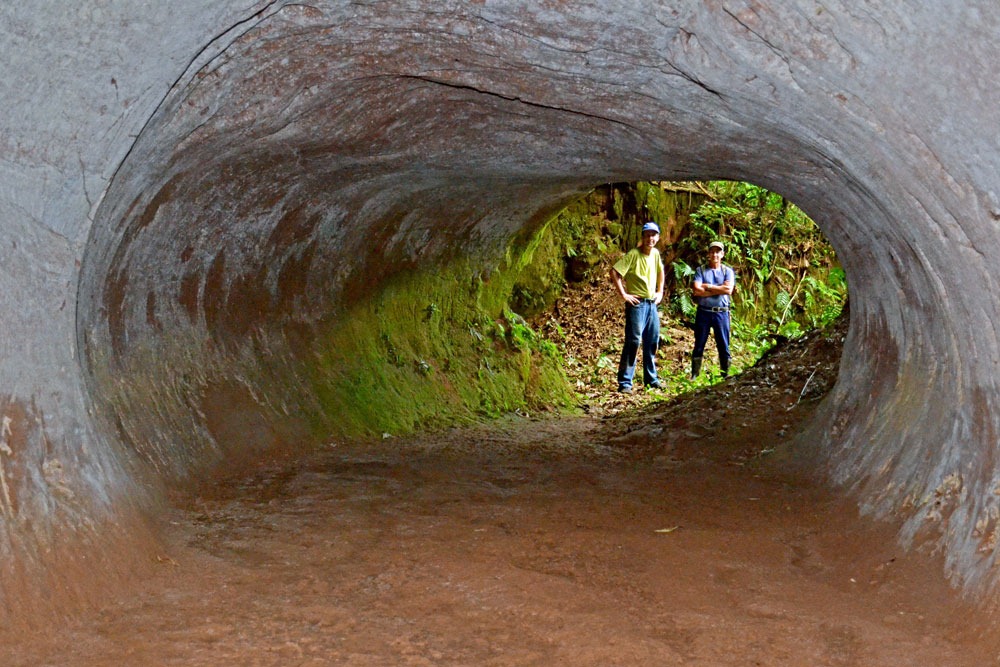
A large paleoburrow in Brazil. Photo credit: Heinrich Frank
The term was coined by Heinrich Frank, a professor at the Federal University of Rio Grande do Sul, in Brazil, who chanced upon one at a construction site in the town of Novo Hamburgo, in the early 2000s. Up until then, little was known or written about these tunnels in scientific literature. But since he came upon his first, Heinrich Frank and other researchers have discovered more than 1,500 tunnels, in the state of Rio Grande do Sul alone. Some of these burrows measure hundreds of feet long and branched off into several direction.
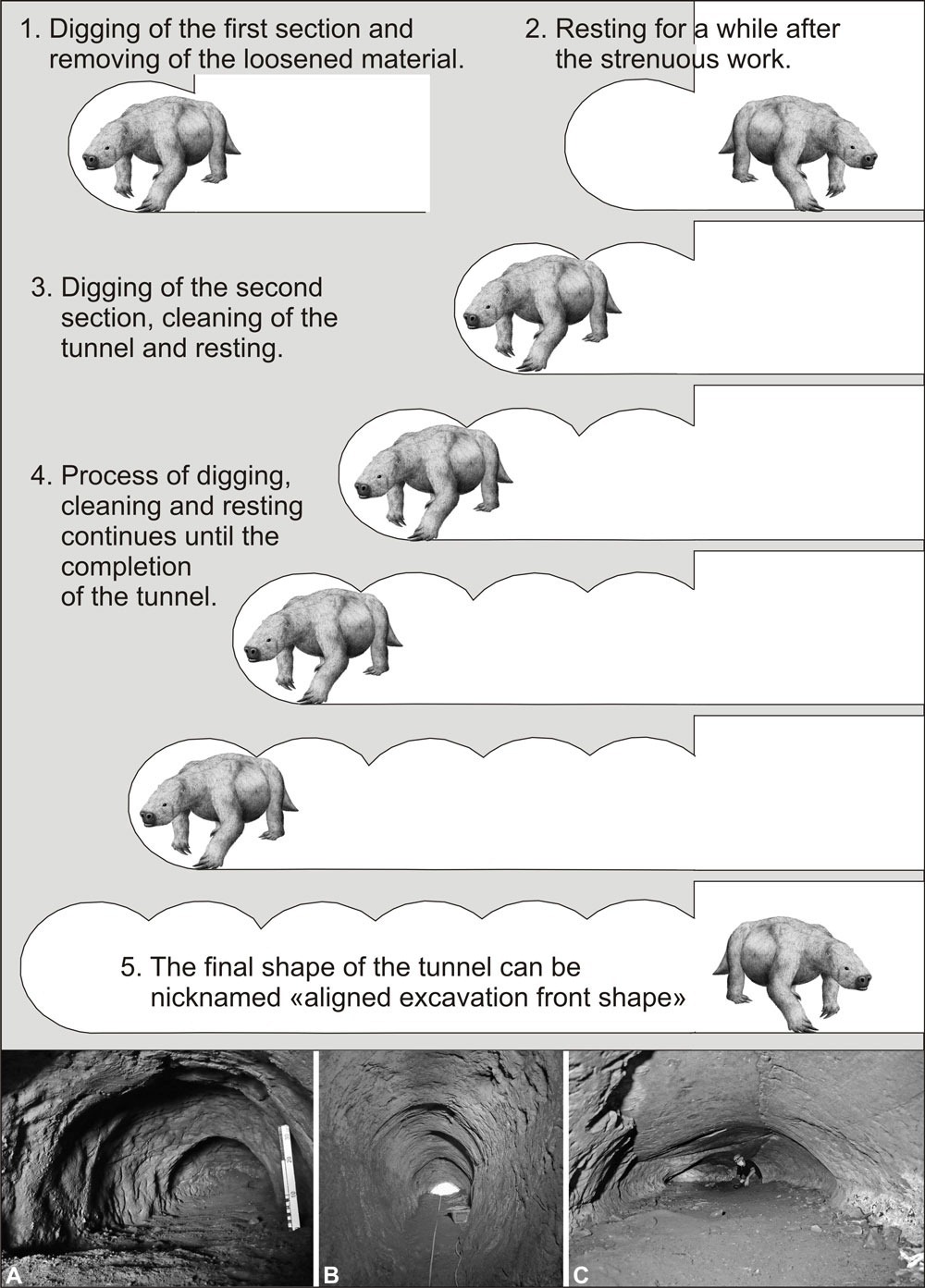
The largest one measured 2,000 feet long, six feet tall and three to five feet wide. An estimated 4,000 metric tons of dirt and rock were dug out of the hillside to create the burrow. It was evidently the work of not one or two individuals but several generations.
Frank believes the burrows were dug by a genus of giant ground sloths, as large as modern elephants, that once lived in South America until about 10,000 years ago. They were some of the biggest land mammals on earth exceeded in size only by the mammoth. Others believe that extinct armadillos, which were smaller than the giant sloths, were responsible for the burrows.
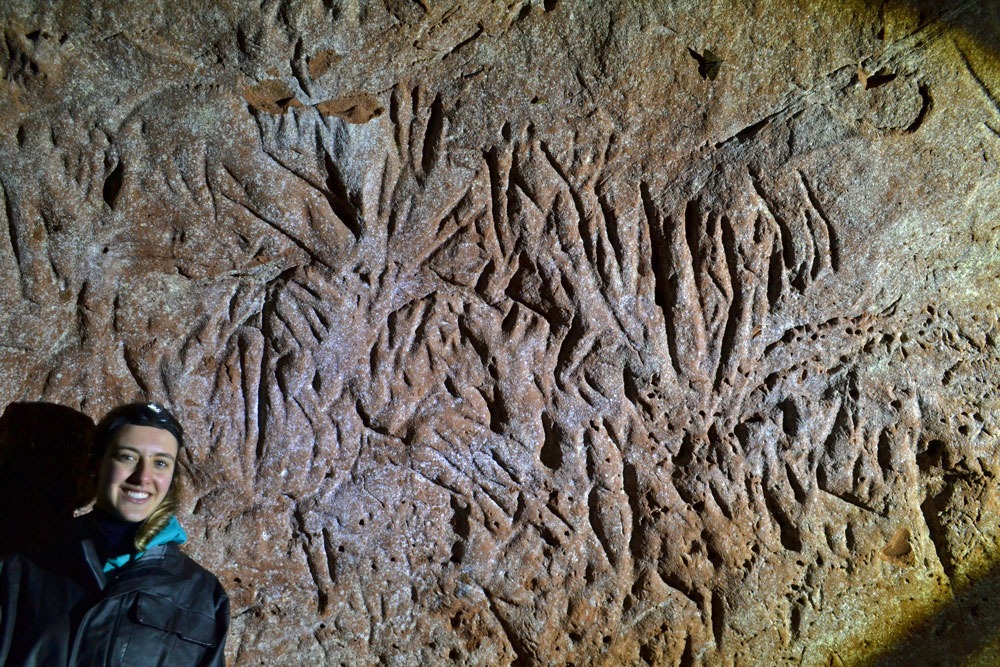
Claw marks on the sides of the burrow. Photo credit: Heinrich Frank
Regardless of who dug them, the sheer size of the burrows is something that Frank and his colleagues are still trying to explain.
The paleoburrows also have a strange geographic distribution. They have been found only in the southern Brazilian states of Rio Grande do Sul and Santa Catarina. Very few have been found in northern Brazil, or in other South American countries. Even in North America, where the giant ground sloths and giant armadillos once lived, no paleoburrows have been found.
Greg McDonald, a paleontologist from the Bureau of Land Management, however, believes that it’s just a matter of time before we find them.
“The fact that we don’t have them here could simply be that we’ve overlooked them,” he says.
There are still a lot of unanswered questions surrounding the paleoburrows and its creators. Who built them? Why they were built? How they were built, and when?
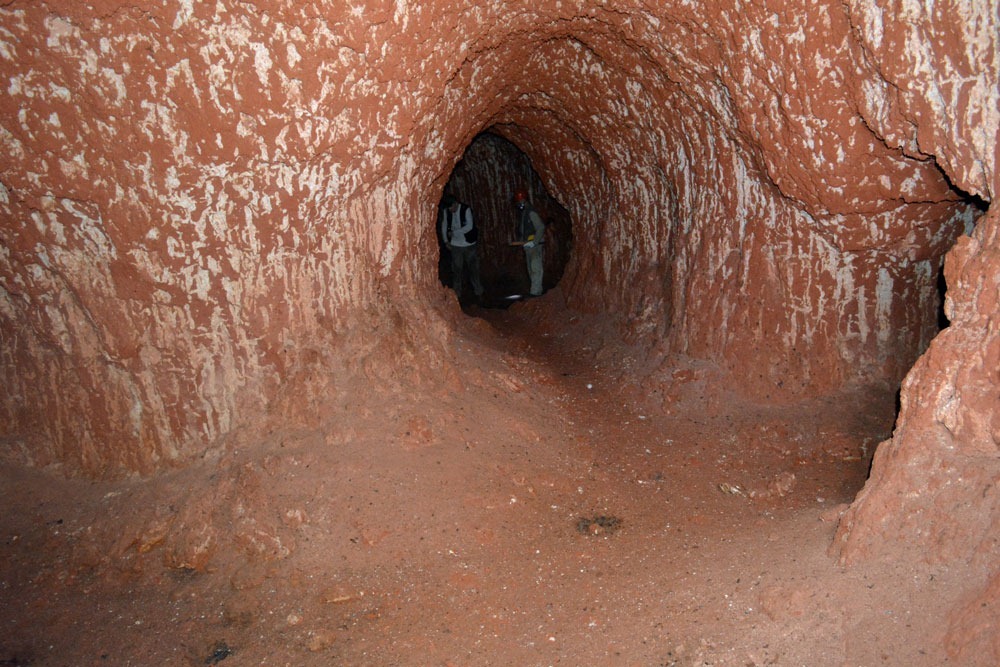
Inside the first paleoburrow discovered in the Amazon. It’s nearly twice as large as the second-largest known burrow, located elsewhere in Brazil. Photo Credit: Amilcar Adamy/CPRM
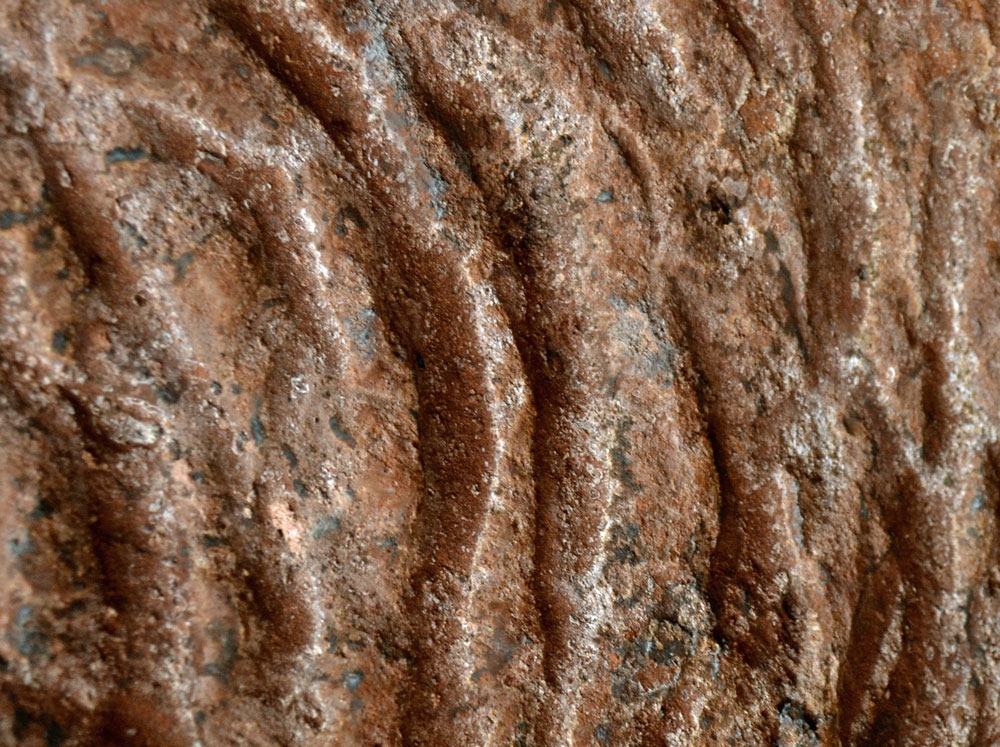
A closer look at those claw marks. Photo credit: Heinrich Frank
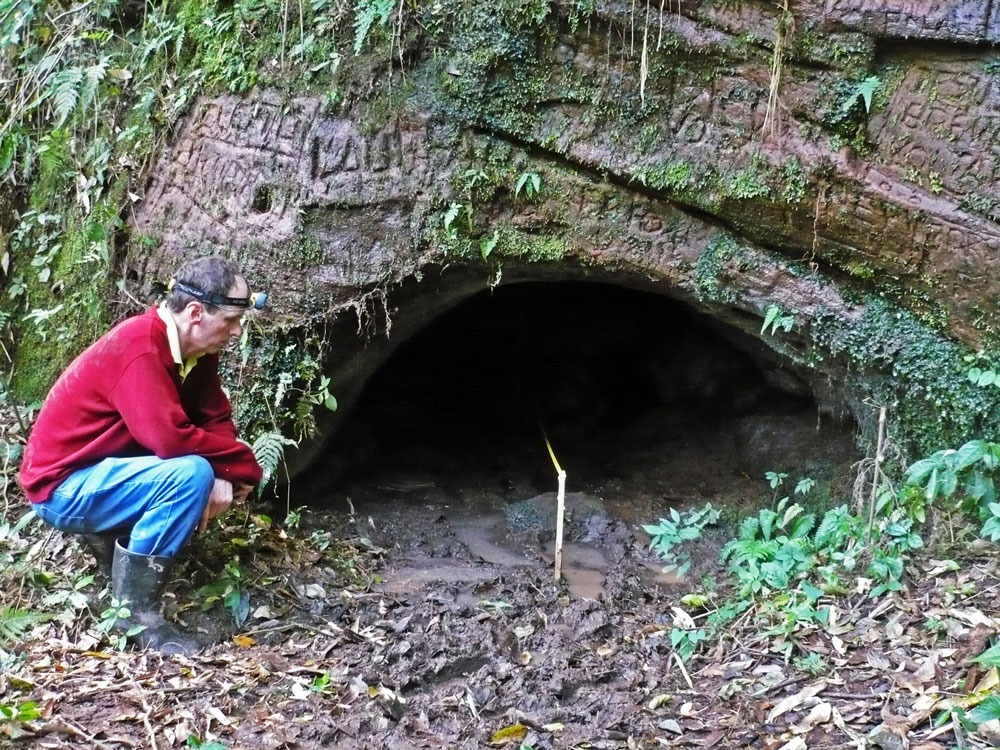
Outside the entrance to a paleoburrow. Photo credit: Heinrich Frank
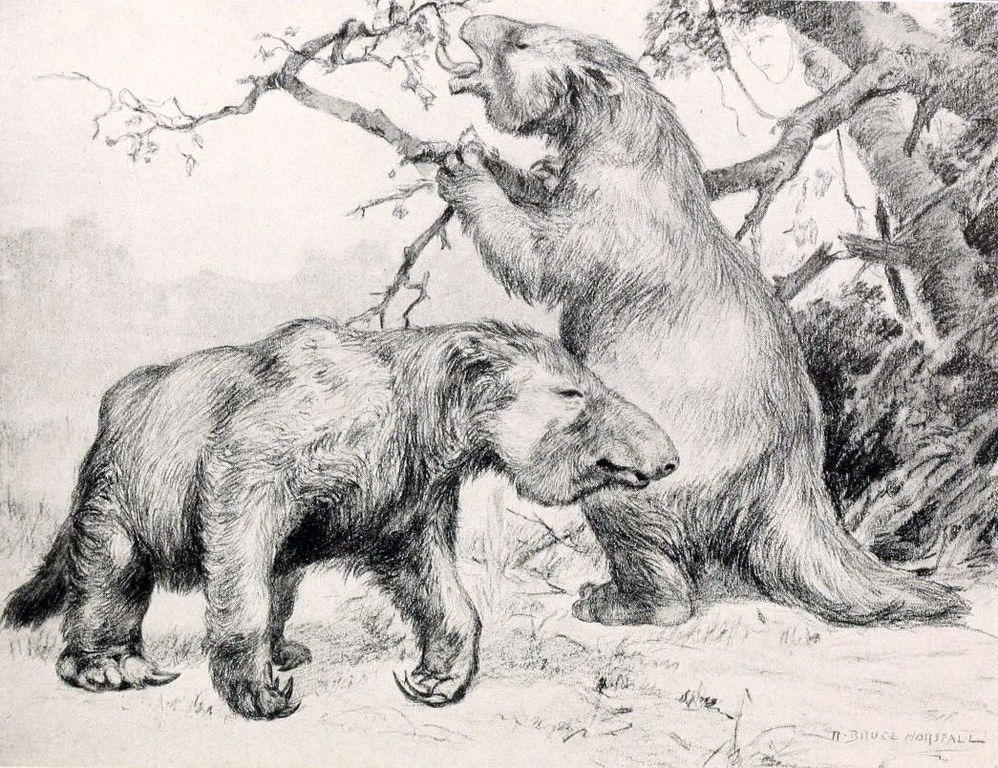
Megatherium americanum, the giant sloth.
Megatherium americanum (Giant Ground Sloth) is one of the largest land mammals known to have existed, weighing up to 4 t (4,000 kg; 4.4 short tons; 8,800 lb; 630 st) and measuring up to 6 m (20 ft) in length from head to tail. It is the largest-known ground sloth, almost as big as modern african elephants, and would have only been exceeded in its time by a few species of mammoth. Megatherium species were members of the abundant Pleistocene megafauna, large mammals that lived during the Pleistocene epoch.

 The MarkoZen Blog