The robotics firm has revealed its latest creation – a dog-like robot designed to help around the house. Best known for its impressive humanoid ‘Atlus’ and infamous gas-guzzling ‘BigDog’ robots, the company has now come up with something a little more consumer-friendly. Known as ‘SpotMini’, this quadrupedal contraption looks a bit like a small dog and is equipped with a special arm attachment that can enable it to do everything from dropping empty cans in the bin to putting dirty glasses in to a dishwasher. A recently released YouTube video also shows how the robot is able to climb up stairs and recover from a fall – a feature hilariously demonstrated thanks to a conveniently placed banana skin. Whether the robot will ever be available for consumer purchase however, epecially given Boston Dynamics’ recent financial difficulties, remains to be seen.
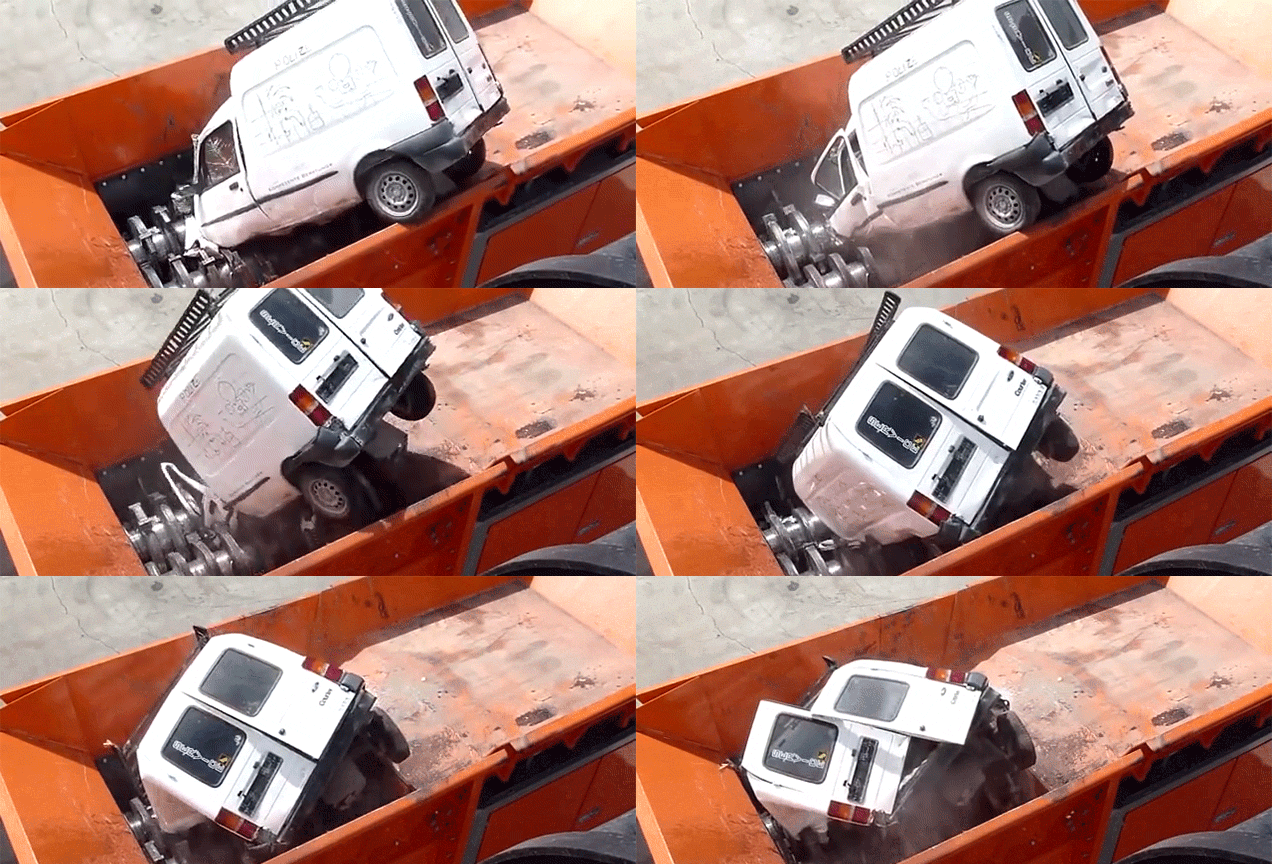
Car, meet giant shredder machine. Giant shredder machine, meet car. Oh dammit, you’re going to eat the car. It’s always fun to watch giant shredders tear up and break things but it’s even more fun when they turn something that’s big and really hard to break—like a car—and just go through it like it’s some rag doll toy plaything.
July 15 (UPI) — A Wisconsin man with unusual skin suction recaptured a Guinness World Record by sticking 10 cans to his shaved head.
Jamie Keeton, aka “Canhead,” or “Canpa” to his grandchildren, originally set the record for most drink cans placed on head using air suction in 2016, when he affixed eight cans to his head and had them remain in place for at least 5 seconds.
Keeton’s record was broken by a Japanese man who stuck nine cans to his head in 2019, leading Keeton to recapture the title this year with 10 cans.
Keeton, who turned his ability to stick objects to his head into a lucrative career, attributed his unusual skill to a medical condition.
“I actually have a skin condition that’s not named yet where my skin pores literally suck in oxygen,” Keeton told Guinness World Records.
The condition has caused objects to stick to his skin since he was a child, but Keeton said he didn’t realize the extent of his abilities until he shaved his head for the first time and went to a ball game.
“I was trying to cool my head down. I dried it off first, grabbed a can of pop, and just started cooling my head down,” he said. “As I was doing that, they hit a homerun and I went up to grab it and missed, and then I was like ‘Where’s my drink?’ It was stuck to the back of my head.”
Keeton said his head suction has led him to some unexpected places in life.
“I now have made it into a business. I market for people’s companies and go to events where they pay me anywhere from 10 to 20 thousand dollars a weekend,” he said. “All because of this condition, I got to meet so many celebrities. And what’s really funny is that they actually come up to me and ask me for photos. They know me before I see them.”
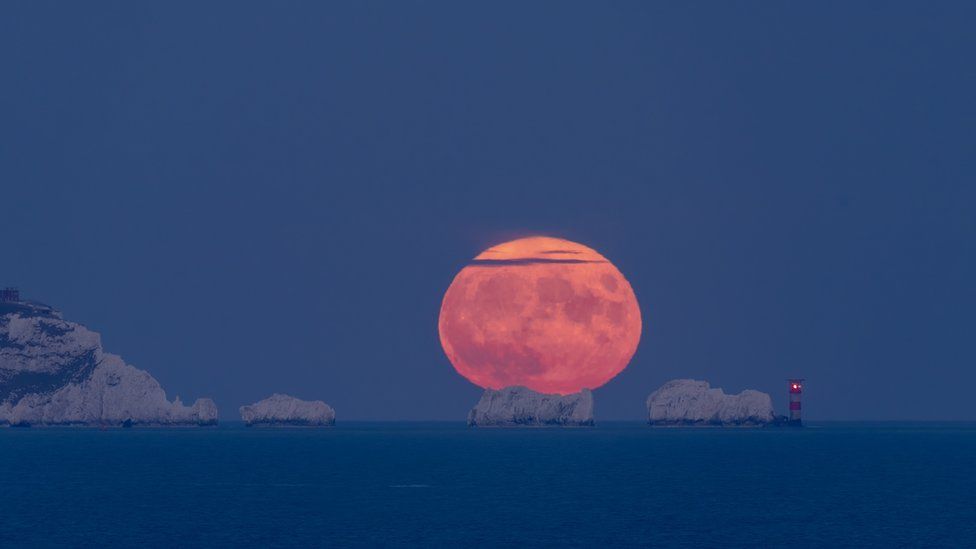
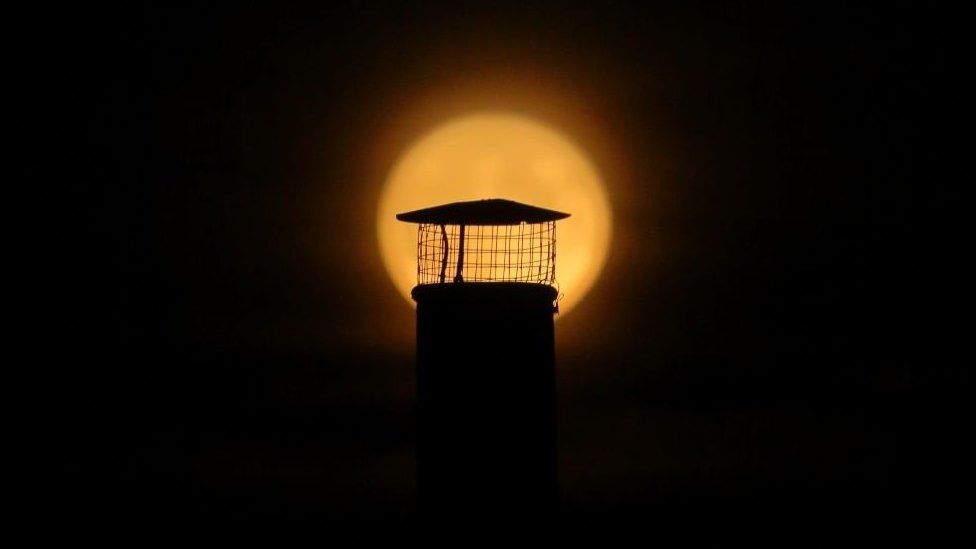
Image caption,Graham Wiffen captured this picture of the moon over The Needles on the Isle of Wight
What is believed to be the biggest and brightest Moon of the year has been lighting up the sky in England.
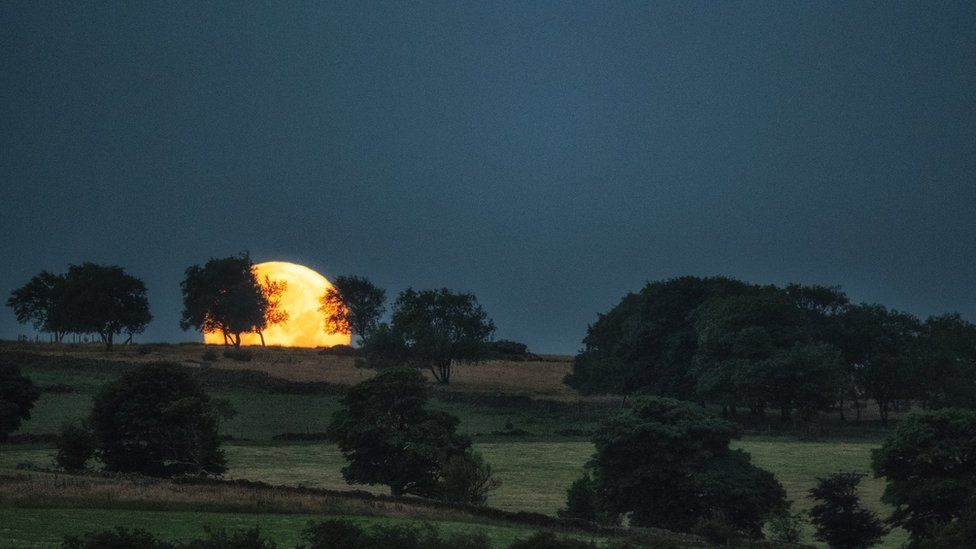
July’s full moon – the Buck Moon – was most visible on Wednesday evening.
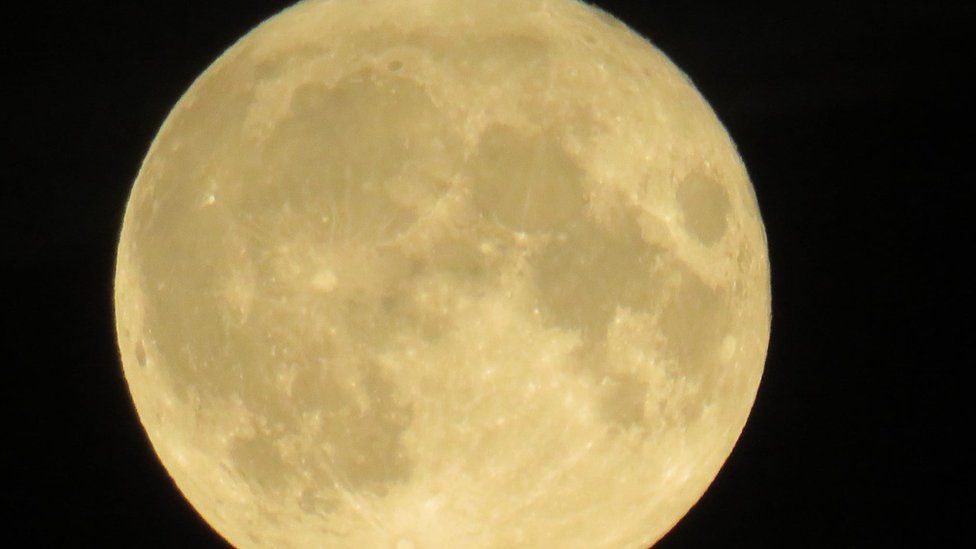
It was the second supermoon of the year and looked bigger than normal as the Moon is currently closer to the Earth than usual.
Citing the Maine Farmer’s Almanac, Nasa said it was referred to as the “Buck Moon” by the Algonquin Native Americans of what is now the north-east United States. This is because it appears when new antlers tend to appear on buck deer.
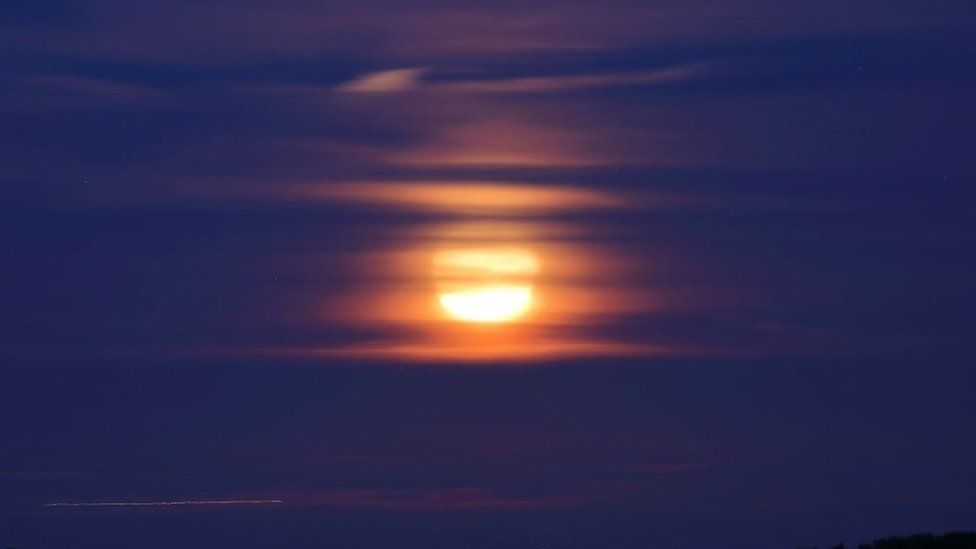
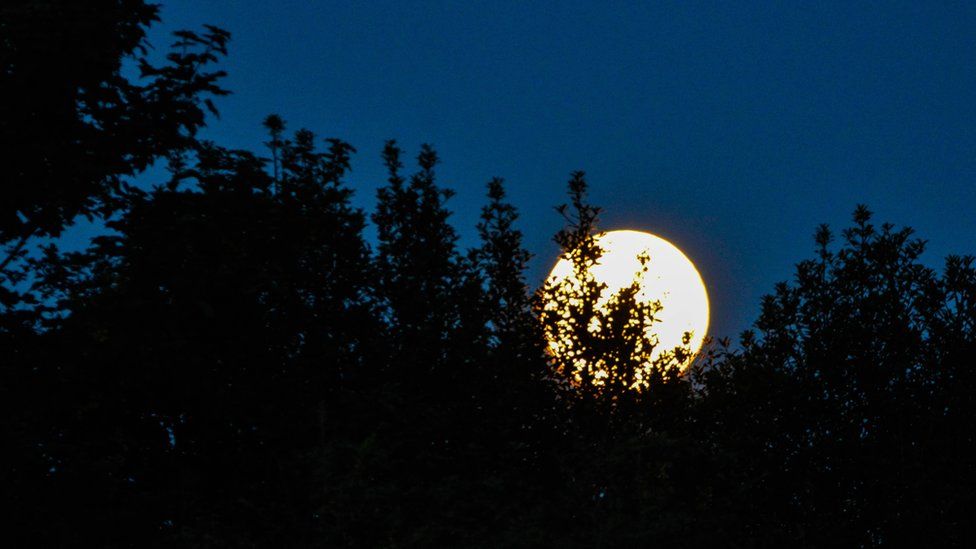
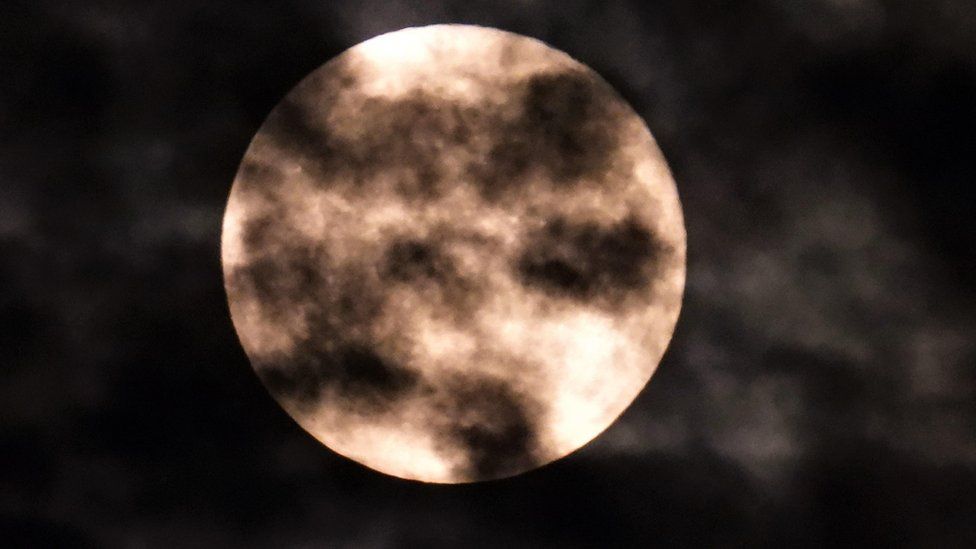
Image caption,The Buck Moon was captured by local resident Jim in Beeley Moor, DerbyshireImage caption,Andy Johson in Burbage, Leicestershire, grabbed a close-up viewImage caption,Chris Cookman took this picture in Matlock, DerbyshireImage caption,Another picture of the supermoon in Matlock taken by Chris CookmanImage caption,Hiding behind the trees, this picture of the moon was captured in Ripley, DerbyshireImage caption,A close-up taken by Maggie T Howlett in East Leake, Nottinghamshire
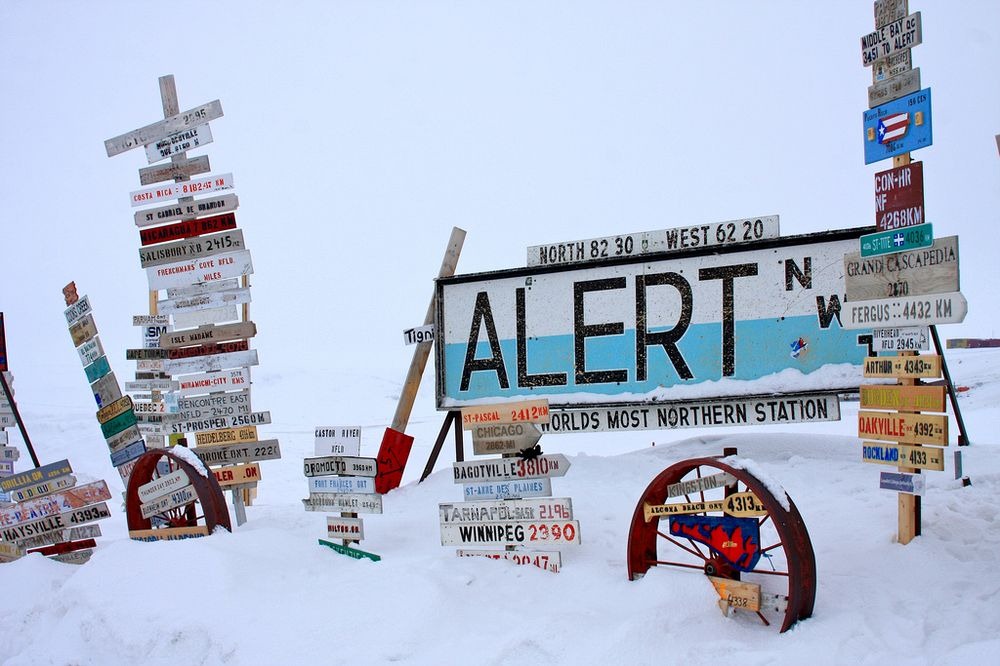
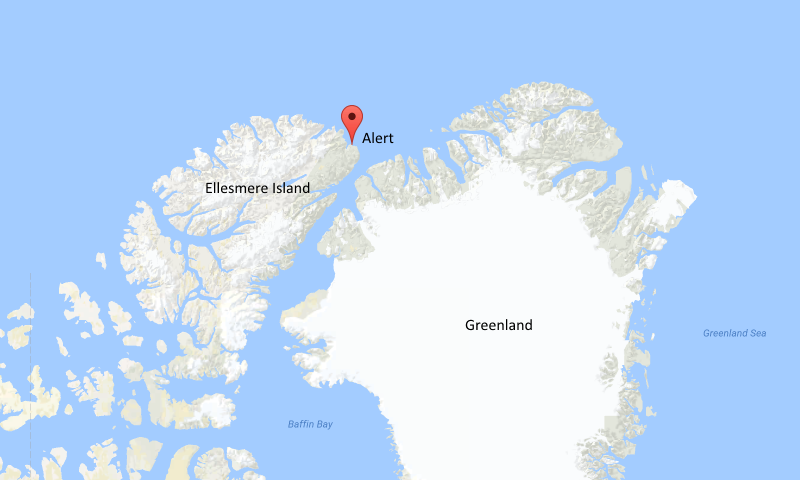
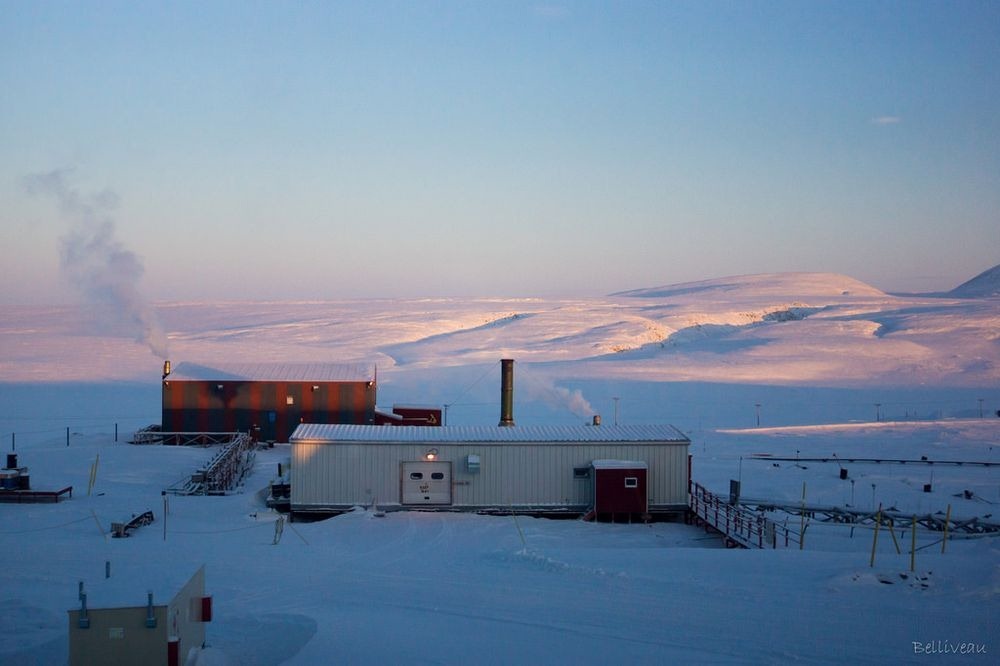
Located just over eight hundred kilometers away from the North Pole, the community of Alert, on the northeastern tip of Ellesmere Island, in Nunavut, Canada, is the most northerly permanent settlement in the world. The nearest populated place is another 540 kilometers south, in Greenland, while the nearest Canadian city is over two thousand kilometers away. The place is so close to the North Pole that it can’t connect with communication satellites because their orbit lies below the horizon.
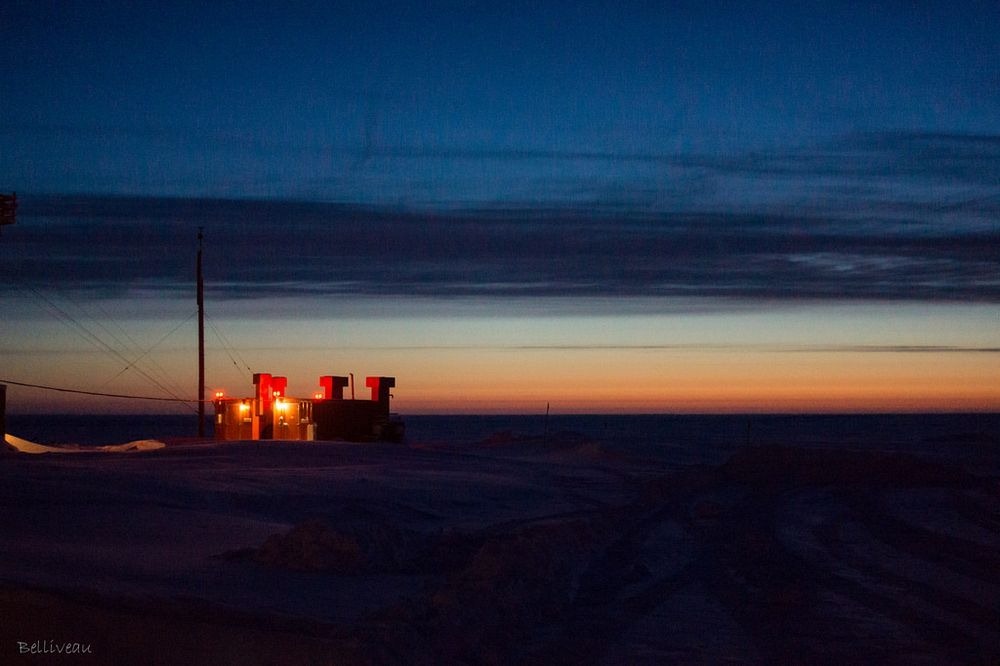
For four months, Alert exist in total darkness. For another four months, the sun never leaves the sky, but rising no more than 30 degrees above the horizon at noon. The land remains frozen and snow covered for almost ten months of the year. Winters are harsh and cold with temperatures regularly dropping thirty degrees below zero. Peak summer temperatures are just a couple of degrees above freezing.
At any time in this godforsaken place, you’ll find several dozen people living. Thankfully, Alert is not their permanent home; they are merely here on work. These cold and miserable people, nicknamed “The Frozen Chosen”, include members of the Canadian Armed Forces —which maintains a signals intelligence intercept facility called CFS Alert— and scientific personnel working at the two research facilities here —the Environment Canada weather station and a Global Atmosphere Watch (GAW) atmosphere monitoring observatory.
In July 2019, during a global heat wave Alert recorded the highest ever temperature—an unprecedented 21 degrees Celsius, about 14 degrees higher than normal.
The community of Alert is named after HMS Alert, a British ship which set up camp near Alert in the winters of 1875–76. The ship’s captain, George Nares, and his crew were the first recorded people to reach the northern end of Ellesmere Island.
The weather station was established here in 1950. The military station came eight years later. During the Cold War, Alert was strategically important because it was the only point in North America that was closest to the northwestern area of the Soviet Union. In fact, Alert is closer to Moscow (2,500 miles or 4,000 km) than it is to Ottawa (2,580 miles or 4,150 km). Alert’s proximity to the Soviet Union allowed the US-Canada-UK-Australia-New Zealand intelligence sharing alliance, also known as the Five Eyes, to eavesdrop on the Russian communication network. The station soon became a key asset in the global ECHELON network.
At its peak, CFS Alert had upwards of 215 personnel posted at any one time. But after budget cuts in the 1990s, CFS Alert was downsized to approximately 74 personnel, but during summers, its population can rise to over hundred.
A Sun newspaper article dated November 14, 2004, provides readers with a glimpse of life at Alert:
The soldiers, a lot of them volunteers, serve six month postings — divided by a three week vacation. Today, the food is as good as it ever was. TV’s in various rooms show four channels of live television and another four of movies, played from the stations stock of 4,500 video and DVDs. Listening to the base’s CHAR-FM 105.9 trivia shows are another popular pastime. Much of the station is devoted to recreation, with two gyms, a darkroom, a bowling alley and a theatre. Evenings are filled with activities — multi-player computer games, woodworking, bingo, euchre and trivia. Most personnel volunteer to come here. Like a crew inside a submarine, the isolation and uniqueness of Alert pull people together and drive others apart — earning them all the 50-year-old nickname of ‘The Frozen Chosen.”.
The only way to transport anything here is by air. Every year, the RCAF makes about 225 Hercules flights to Alert to bring in around two million litres of fuel and 300 tonnes of cargo. In addition to the weekly flights, supplies are shuttled in twice a year in massive operations involving dozens of flights to and from the nearest deep-water port, Thule, Greenland. The problem is, much of the time Canada’s Hercules C-130 aircraft aren’t flying. The resupply flights are routinely delayed 24 hours or cancelled altogether when planes are grounded by mechanical problems or diverted elsewhere by military priority.
Military physicians note most people gain weight after arriving. Those who aren’t able to deal with the remoteness are weeded out before they touch down on the gravel and snow runway. “It’s great to be here, but you must keep yourself busy all the time,” says Station Warrant Officer Serge Oullet in 2004. “We try to get people to socialize with each other in off hours.”
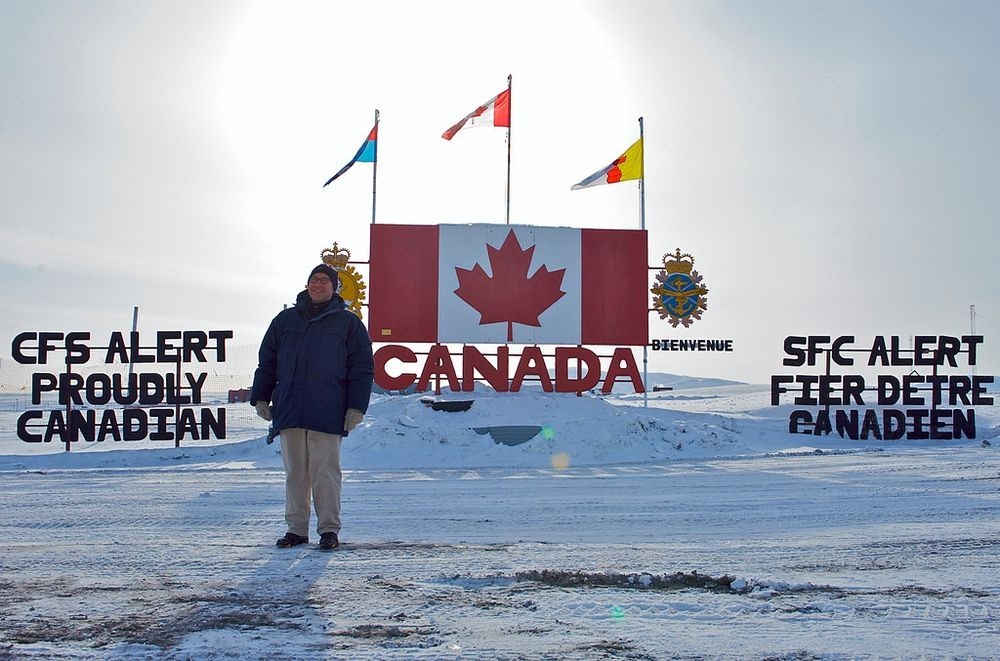
United States Ambassador Jacobson in front of CSB Alert welcome sign.
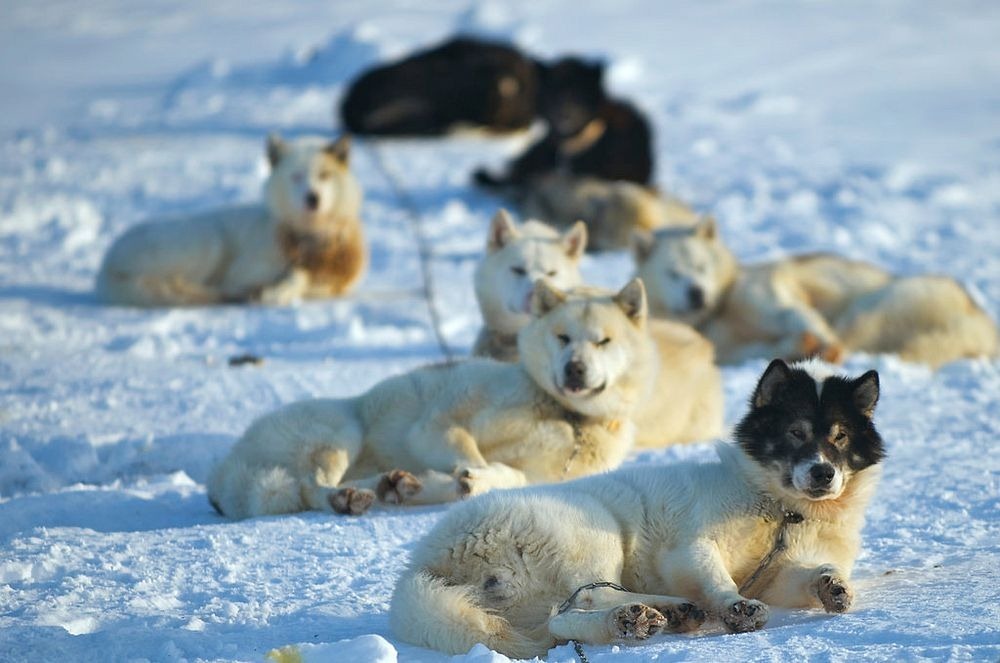
Danish sled dogs in Alert, Nunavut.
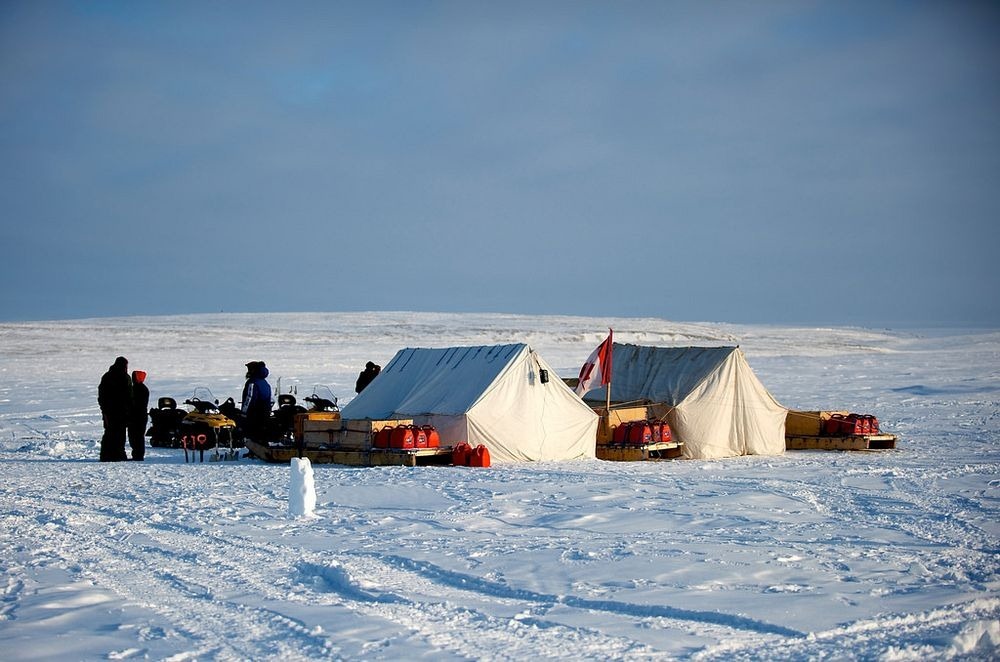
Canadian Rangers training camp near CSB Alert, Nunavuk.
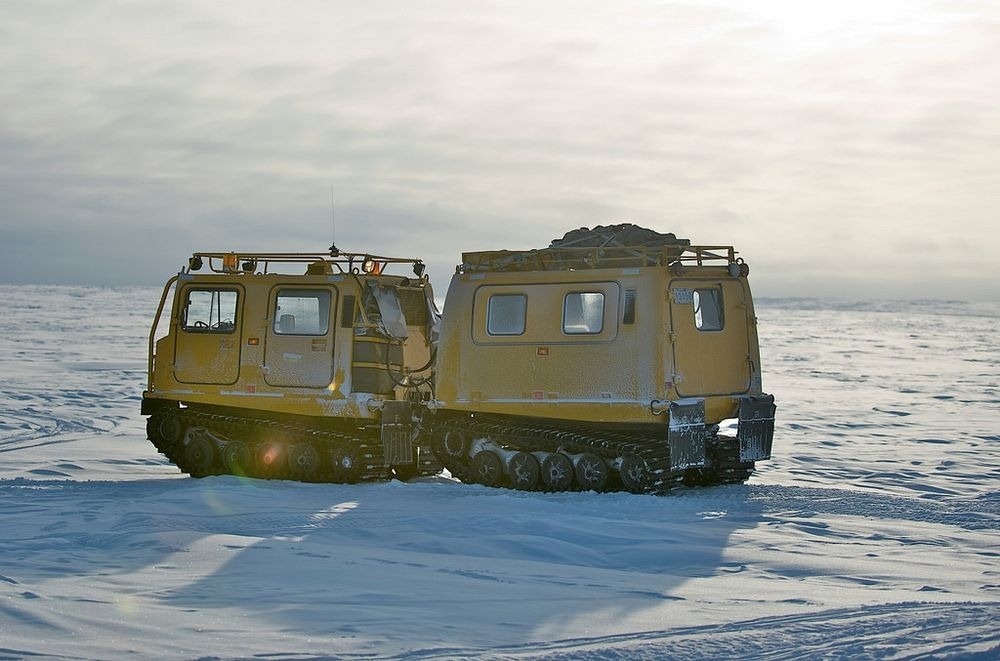
Snow transport in Alert, Nunavut.
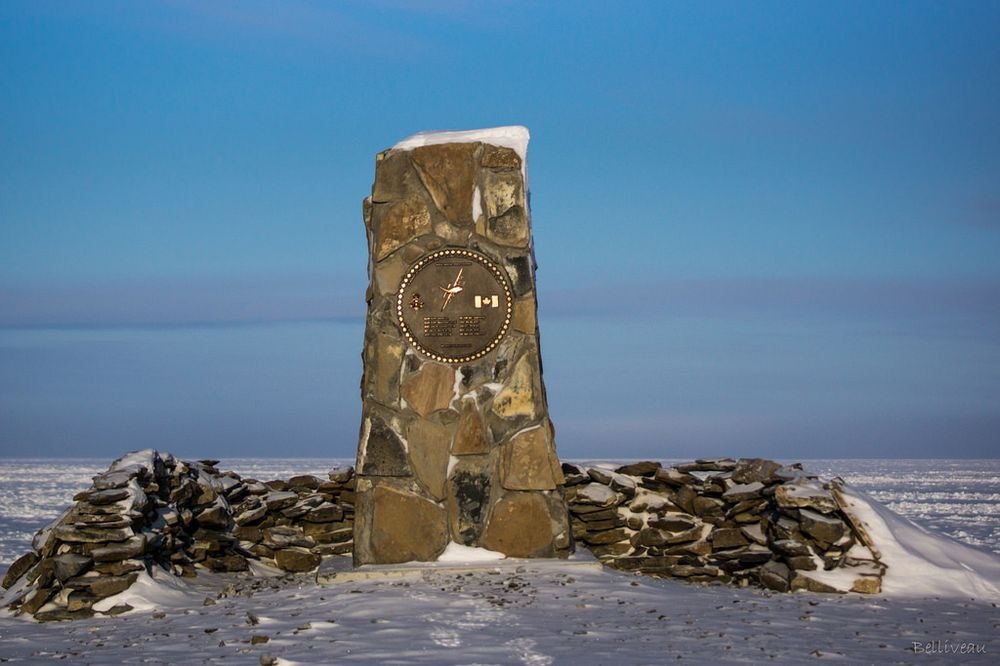
A memorial commemorating the men who died in a 1950 plane crash in Alert.
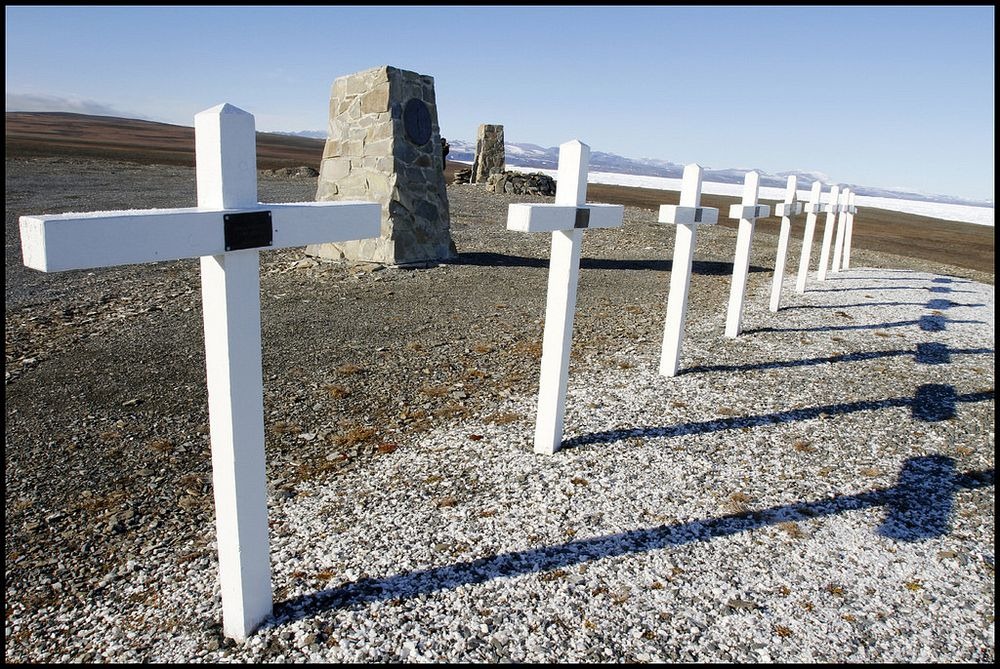
The graves of the crew who died in the 1950 crash remains buried at Alert.
The wreckage of an airplane. There were actually three crashes on Alert. The photographer doesn’t mention to which crash this wreckage belongs to.
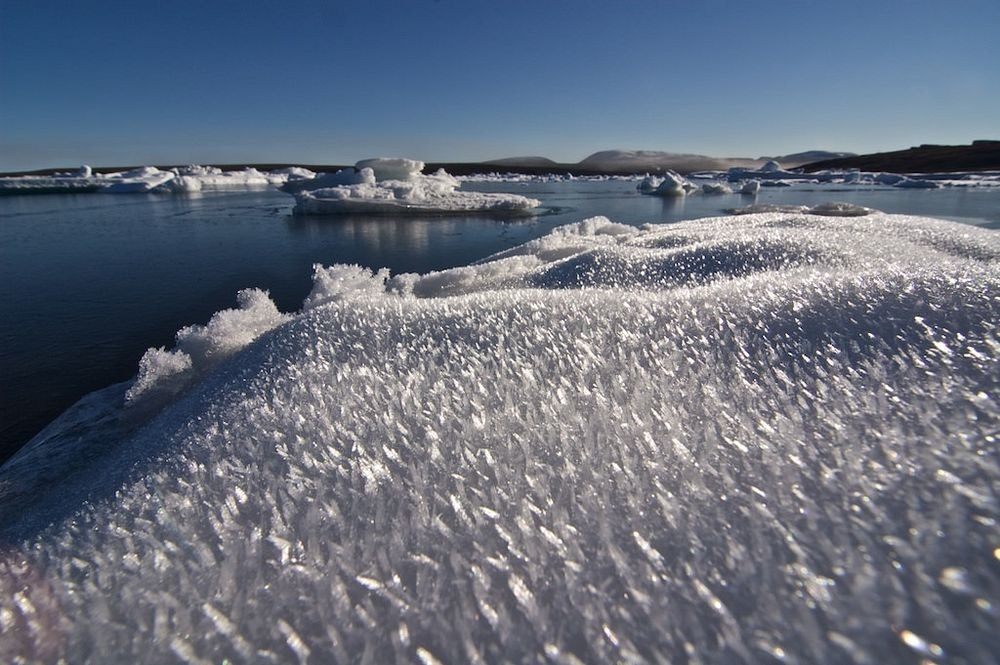
Ice crystals.
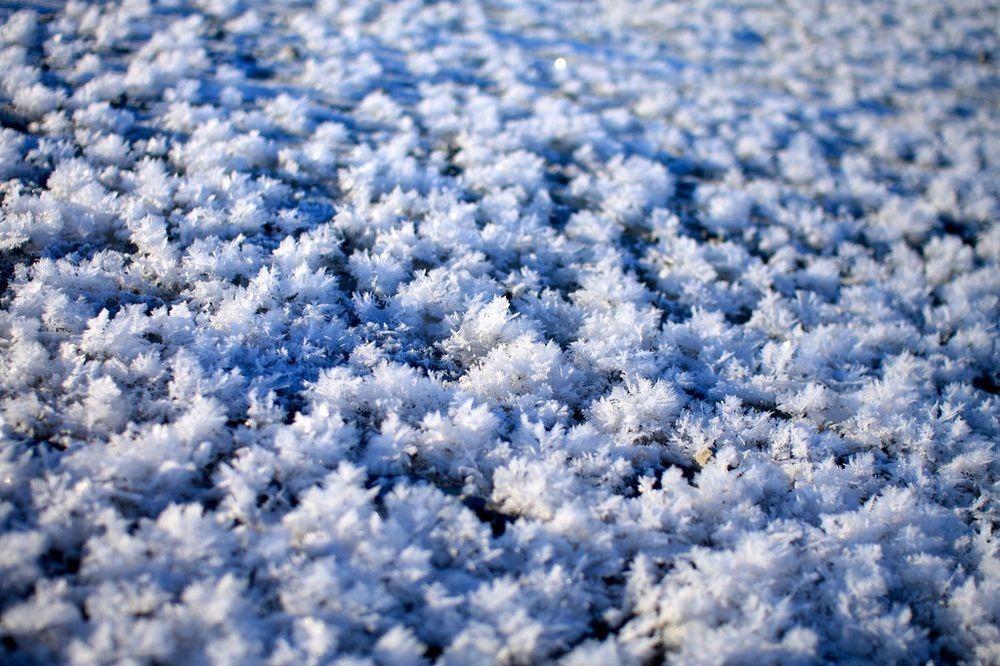
Frost flowers.
Sun rise at 2am.
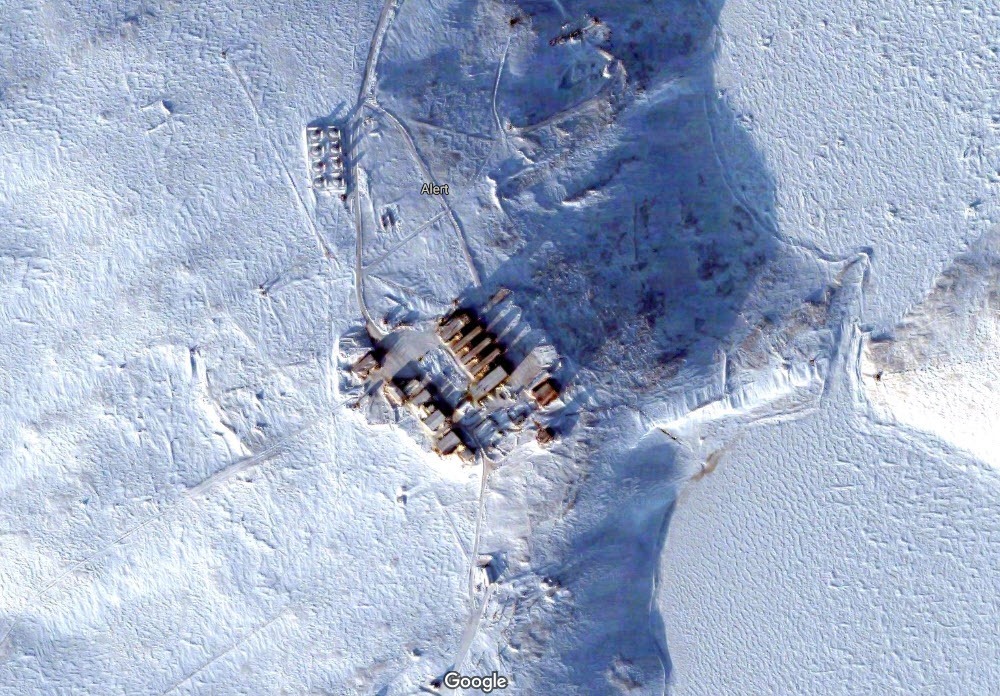
Satellite photo of Alert. Photo credit: Google Maps
At any given time there are roughly 60-80 personnel at the base. This includes military and contractors.
C-17 resupply aircraft landing at Alert.
Some signals intelligence spy equipment.
Mr. Yves Gauthier guides Master Corporal Marty Stride and Corporal Graeme Ross (CFS LEITRIM) through the maintenance program on one of the High Arctic Data Communication Systems Line of Sight Systems (HADCS LOS) Sites. (lt (N) clayton erickson, joint task force north, dnd)

















 The MarkoZen Blog