Some imaginative fellow was on an airplane flying over Nevada when he was sure he saw a giant UFO below the airplane. It was massive and giving off extremely bright lights. The guy must have thought Earth was under alien attack.
He took some photos below:
The “I want to believe” UFO community was abuzz when they saw the photos. Maybe some real evidence that the little green bastards do exist! But then a skeptic pointed out that the sighting was almost 99.999 percent a solar energy facility in the desert.
The Ivanpah Solar Electric Generating System is a concentrated solar thermal plant in the California Mojave Desert, 64 km (40 miles) southwest of Las Vegas, with a gross capacity of 392 megawatts (MW). It deploys 173,500 heliostats, each with two mirrors, focusing solar energy on boilers located on three centralized solar power towers. Unit 1 of the project was connected to the grid in September 2013 in an initial sync testing. The facility formally opened on February 13, 2014, and it is currently the world’s largest solar thermal power station.
There are ten huge Solar Generating facilities in the Mojave Desert. The airplane passenger should have done some research before he came to a UFO conclusion.
Dab smack in the middle of the eastern Canadian prairie is a tiny town called Somerset, Manitoba.
Somerset is sleepy little place where nothing much eventful ever happens. Farmers, mechanics and a few office workers going about their business. The main recreation in the place is gossiping about neighbors and talking about the latest casualty of old age. The towns population is overflowing with senior citizens. The only growth industry in town is the Old Folks retirement home.
Eventually the gossip began to speculate that there was a hoarder in town. Now this was interesting, the story really revved up the usually mundane restaurant chatter. As with all gossip, the facts are usually exaggerated and embellished. The chit chatters usually don’t care if the facts are unknown, they just like the story. But this time it was different.
The hoarder himself admitted that he was one. Constantijn Vanderrassle admitted to the local bartender that he had in fact been hoarding since the early 1990’s. It started after he retired from the railroad. He loved the things he bought from thrift stores, auctions and the picks he went on. And for the life of him he just couldn’t get rid of any of the stuff.
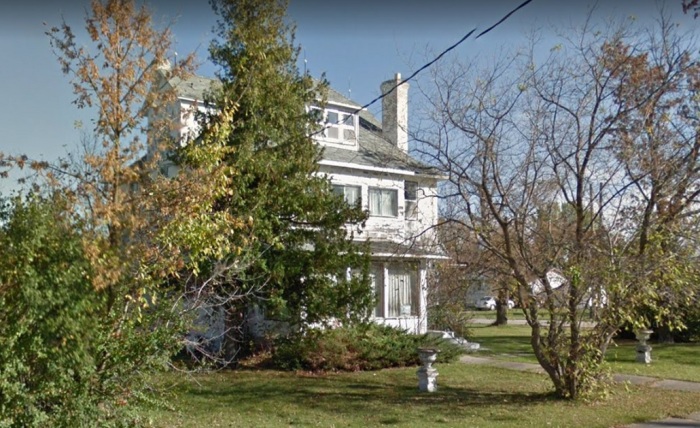
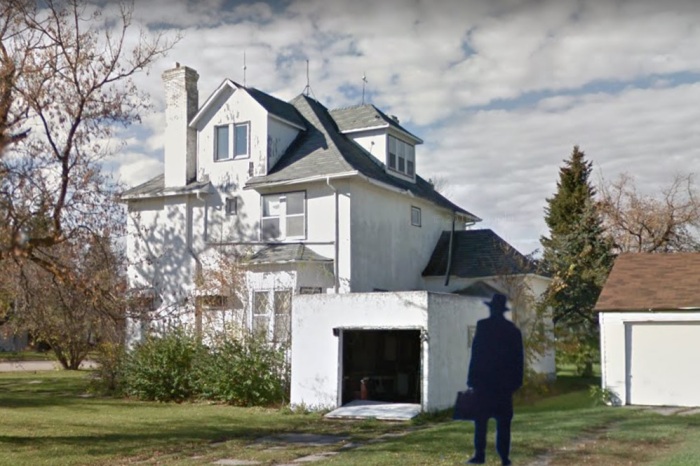
Constantijn’s house
A big structure with over a dozen rooms
After repeated requests Constantijn allowed the bartender Cletus LaFlesche to take a look. Cletus brought along his super dependable cannon XZ-500 digital camera and promptly snapped a picture of the living room.
Ignore the date in the bottom right corner, Cletus never did figure out how to set the clock on his camera. Since Constantijn was 92 years old Cletus wondered what in the hell he was doing with a little red wagon. Top left.
A few weeks after the visit something was bugging Constantijn that was causing him to drink more heavily than usual. He finally confided to Cletus that the damn house was haunted. He was seeing all kinds of weird entities. These phantoms, demons or whatever the hell they were, would throw the clustered hoarded things around in the middle of the night. Constantijn just couldn’t get any sleep.
One night, after the two buddies had drank many sambuca shooters and draft beers, they would go head first into the evil cauldron and Cletus would snap some pictures. The things in the pictures made the hair on Cletus’s neck stand on end. It was something out of a horror movie nightmare. Entities from hell!!
Bedroom
Bloody demon clowns!
WTF!!
Jesus Fricken Murphy!! The rancid breath that thing must exude.
Imagine waking up in the middle of the night to go for a leak and stumbling into this monstrosity. A guy could shit his pants!
From which hell pit did this quad eyed hideous mutation crawl up from? God help us all!!
And Constantijn did just that, he hired a servant of God to rid the house of the demon trolls.
Constantijn promised Cletus that if the Exorcist is successful, he will bring in the A&E hoarder psychiatrists and movers and get rid of all his stuff once and for all.
Source: from the depths of Markozen’s imagination.
When you think of surfing, Oahu, Bondi Beach, southern California and other tropical climes come to mind. But, believe it or not, they surf way up north in Duluth, Minnesota, in winter yet.
Why Winter Is Surfing Season in Minnesota
Catching a curl on a subzero Lake Superior isn’t easy, but some locals can’t get enough.
One of the biggest hits of the 1960s, the Trashmen’s “Surfin’ Bird,” originated in landlocked Minneapolis, where “hanging 10” seems laughably implausible. Up on Lake Superior, Minnesota’s surf scene is no joke. That is, unless catching a curl on subzero waters after brushing ice from your frozen eyelashes is funny to you. Papa-oom-mow-mow, cowboy.
“It kind of feels like a fairytale,” says “Big Wave” Dave Rostvold, who shapes boards by hand at his Duluth-based workshop Castle Glass Surfboards. “Surfing is a dream for a lot of people around the world. To be able to do it here in the Midwest, that’s a dream come true.”
After happening upon surfers working their magic on the frigid Superior waves, Joe Herron asked permission to photograph them. For both Herron and Rostvold, it took plenty of patience and study to gain any kind of confidence. Surfing is a deeply esoteric sport whose proponents are justifiably protective of their knowledge, especially in the North Shore’s frigid waters. Good waves are a finite resource, and mastering simple maneuvers, like “popping up” into a standing position, can be deeply humbling.
“It’s funny—I can both see that I’ve improved immensely since I started, but I’m also still really bad,” Herron says, chuckling. “It’s very tough, it’s physically demanding, it can be scary, but certain people just enjoy those kinds of activities.”
Bigger winds make bigger waves, which unfortunately means Superior is at its most surfable between November and February—when water temperatures barely tickle the high 30s. You need boots, gloves, and a high-quality, 6mm-thick hooded wetsuit. Herron says surfers warm up in their cars between “sets” of waves when temperatures become unbearable. He recalls photographing an experienced friend who somehow surfed for four straight hours in -17° windchill.
It’s easier to stay warm than you might think, though. All those waves mean you’re constantly in motion, to fight the current or stay in position. “What happens then is that your body heat gets elevated,” Herron explains. “So despite the fact that it’s very cold, if you’re always moving, you’re staying somewhat warm, provided you have a thick enough wetsuit.”
The Whisky War (also known as Liquor wars) is a pseudo-confrontation and border conflict between Denmark and Canada over Hans Island. Since the 1930s, Hans Island has been in the middle of a disagreement between the two nations.
Background
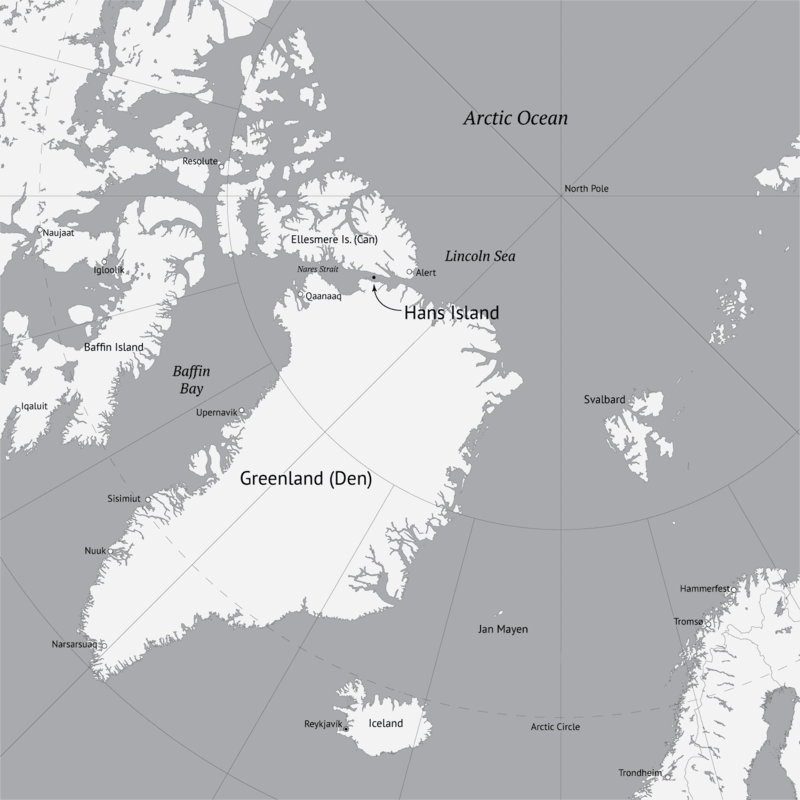
Hans Island is in the middle of the Kennedy Channel between Greenland and Ellesmere Island. A theoretical line in the middle of the strait goes through the island. Canada and Denmark could not come to terms on Hans Island in 1973 when a border treaty was signed, leaving a gap in its border description.
Conflict
In 1984, Canada provoked Denmark by planting its flag on the island and leaving a bottle of Canadian whisky. The Danish Minister of Greenland Affairs came to the island himself the same year with the Danish flag and a bottle of Snaps and a letter stating “Velkommen til den danske ø” (English: ‘Welcome to the Danish Island’).
Resolution efforts
Both countries agreed on a process in 2005 to resolve the issue.
Timeline
1980–1983 – Canadian firm Dome Petroleum did research on and around the island.
1984 – Tom Høyem, Danish Minister for Greenland, chartered a helicopter to the island, placing a flag and a bottle there.
1988 – The Danish Arctic Ocean patrol cutter HDMS Tulugaq arrived at the island, built a cairn and placed a flagpole and Danish flag on the island.
1995 – The Danish liaison officer and geodesists flew in and placed another flagpole and flag. Late August 1997 – The Danish Arctic/Ocean patrol cutter HDMS Agpa tried to reach the island, but was forced to turn around 241 km (150 mi) from the Island, owing to extreme ice.
2001 – Keith Dewing and Chris Harrison, geologists with the Geological Survey of Canada who were mapping northern Ellesmere Island, flew by helicopter to the island.
August 13, 2002 – The Danish inspection ship HDMS Vædderen arrived and erected a new cairn, flagpole and flag, finding the 1988 flag missing and the 1995 flag in pieces.
August 1, 2003 – The crew of the Danish frigate HDMS Triton landed on the island and replaced the Danish flag again.
July 13, 2005 – Canadian soldiers land on the Island, placing a traditional Inuit stone marker (Inukshuk) with a plaque and a Canadian flag.
July 20, 2005 – As a symbolic move, Canadian Defence Minister Bill Graham set foot on the island.
July 25, 2005 – A Danish government official announced Denmark would issue a letter of protest to Canada.
July 25, 2005 – Deputy premier of Greenland, Josef Motzfeldt, stated the island had been occupied by Canada, stating experts should determine which country the island belongs to.
July 28, 2005 – The Danish Ambassador to Canada published an article in the Ottawa Citizen newspaper regarding the Danish view on the Hans Island issue.
August 4, 2005 – The Danish Arctic/Ocean patrol cutter HDMS Tulugaq was sent from Naval Station Grønnedal to Hans Island to assert Danish sovereignty. The cutter was expected to arrive in three weeks’ time.
August 8, 2005 – Danish newspapers reported Canada wished to open negotiations regarding the future of Hans Island. The news was welcomed by Danish Prime Minister Anders Fogh Rasmussen who stated “It is time to stop the flag war. It has no place in a modern, international world. Countries like Denmark and Canada must be able to find a peaceful solution in a case such as this.”
August 16, 2005 – According to Danish Foreign Minister Per Stig Møller, Denmark and Canada agreed to reopen negotiations regarding the future of Hans Island. Denmark would immediately begin geological surveys in the area, and Per Stig Møller would meet his Canadian counterpart Pierre Pettigrew in New York City in the middle of September. Should they fail to reach an agreement, both governments have agreed to submit the dispute to the International Court of Justice in The Hague. The government of Greenland agreed to this course of action. Regarding the Danish patrol cutter HDMS Tulugaq then en route to Hans Island, the minister stated “I have instructed the ship to sail there, but they will not go ashore tearing down [the Canadian] flag and replacing it with a new one. It would be a somewhat childish [behaviour] between two NATO allies.”
August 20, 2005 – Canada’s Foreign Affairs Minister, Pierre Pettigrew, stated Canada’s claim to the island had a firm basis in international law and would likely not end up before a world court. “Our sovereignty over the island has a very strong foundation,” the minister said in a telephone interview with a Canadian Press journalist.
September 19, 2005 – According to Canada’s Foreign Affairs Minister, Pierre Pettigrew, Canada and Denmark have agreed on a process to resolve the dispute over the island. Pettigrew and his Danish counterpart, Per Stig Møller, met in New York on this day. Pettigrew said the two countries would work together “to put this issue behind us.” However Pettigrew reiterated Canada has sovereignty over the island.
August 16, 2006 – A Vancouver geologist receives a prospecting permit for Hans Island from the Canadian government.
March 17, 2007 – Scientists from the University of Toronto and the Technical University of Denmark announced plans to install an automated weather station on the island, some time in the summer of 2007.
July, 2007 – Canada updates satellite photos and recognizes its line constructed for the earlier maritime agreement would have run roughly through the middle of the island; negotiations continue with Denmark over establishing an international land boundary or island sovereignty.
May 4, 2008 – An international group of scientists from Australia, Canada, Denmark, and the UK installed an automated weather station on Hans Island.
April 11, 2012 – Proposal for Canada and Denmark to split Hans Island.
November 29, 2012 – Canada and Denmark settle an agreement on the exact border between them, though without defining the border near Hans Island.
May 23, 2018 – Canada and Denmark announce a Joint Task Force to settle the dispute over Hans Island.
February 2019 – Canadian geologist John Robins is granted a minerals exploration claim for Hans Island by the Canadian government as part of efforts to help the cause of Canada’s sovereignty claim.
September 12, 2019 – The Government of Greenland decided to approve a temporary closure of Hans Island for the application for mineral exploration permits. This approval was based on an agreement between the Government of Canada and the Kingdom of Denmark. The Canadian geologist John Robins therefore also had his minerals exploration claim for Hans Island suspended by the Canadian government. The Dane Andreas G. Jensen also had his application for mineral exploration permit rejected by the Kingdom of Denmark, because of this closure agreement.
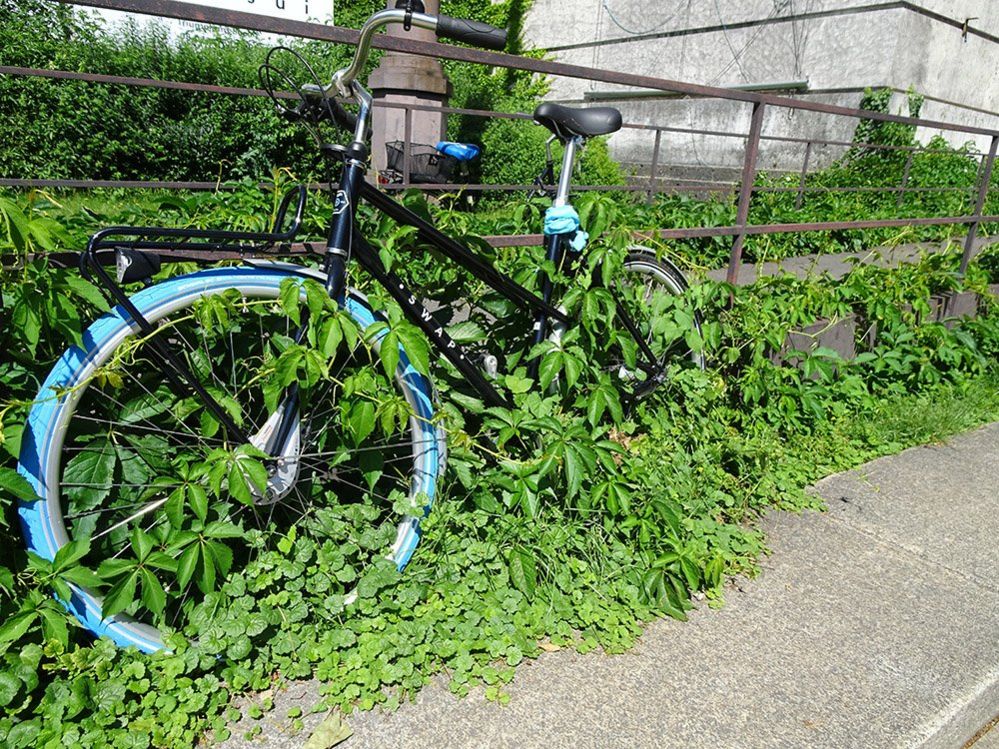
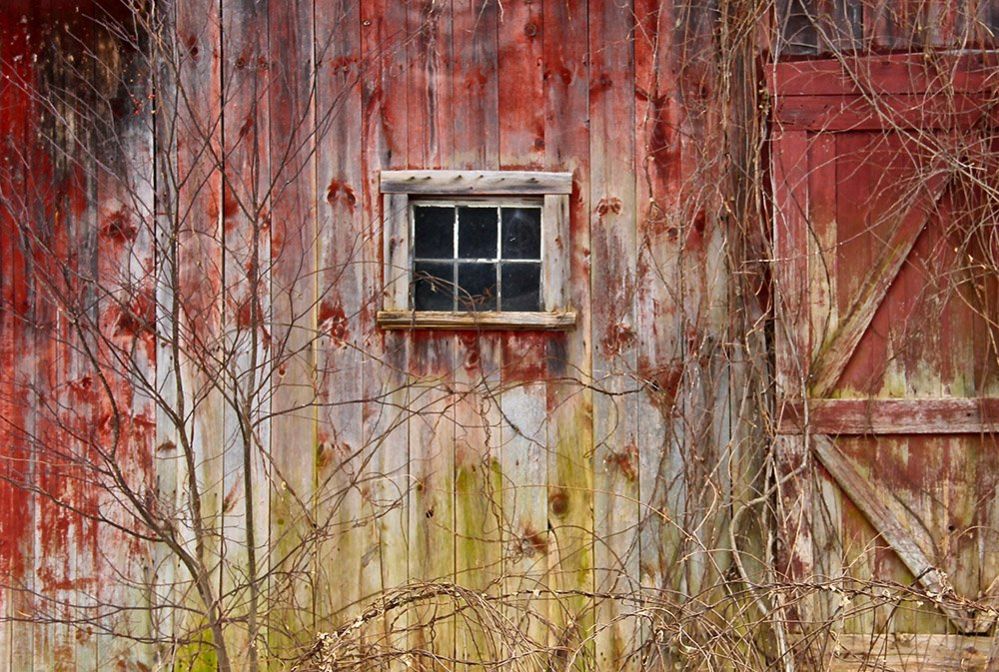
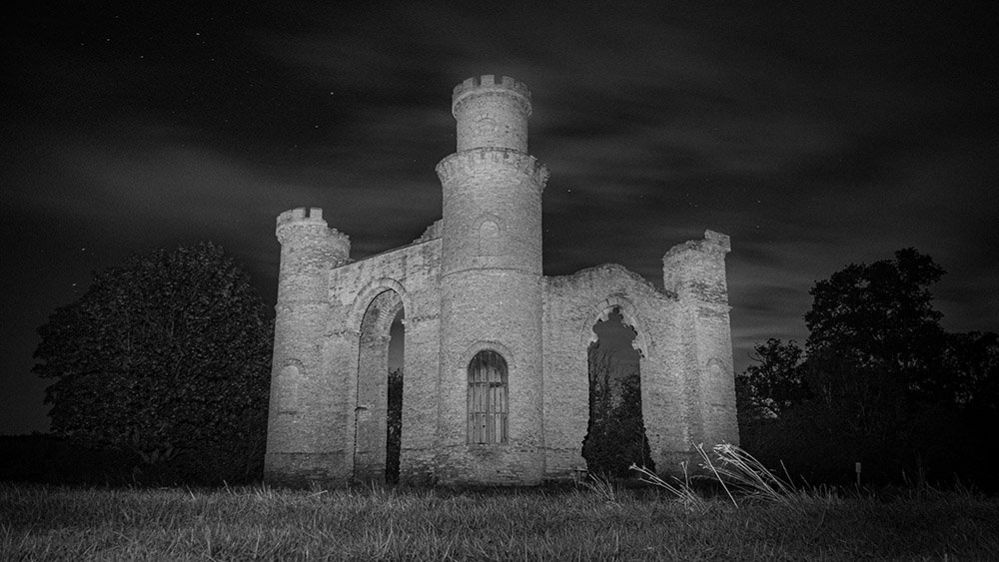
We asked our readers to send in their best pictures on the theme “derelict”. Here are some of the pictures we received from around the world.
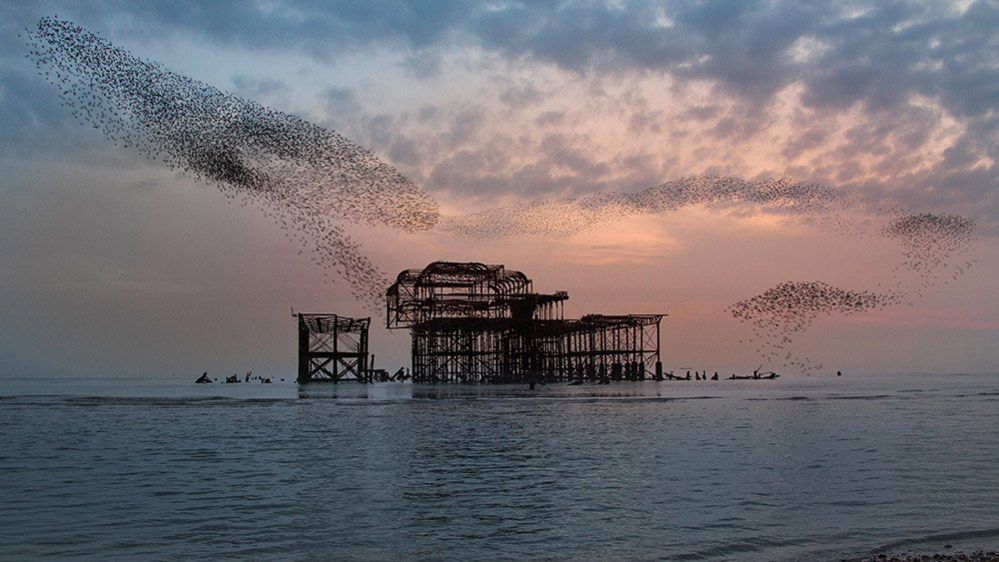
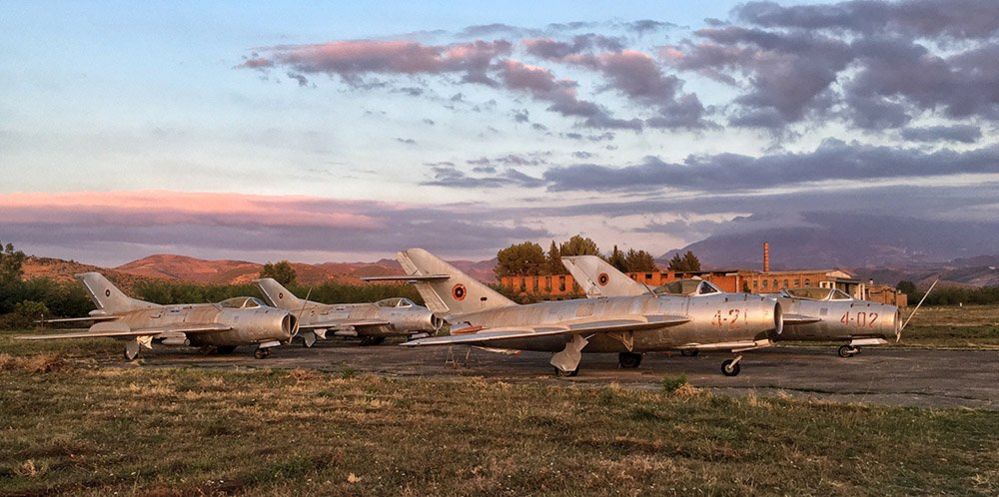
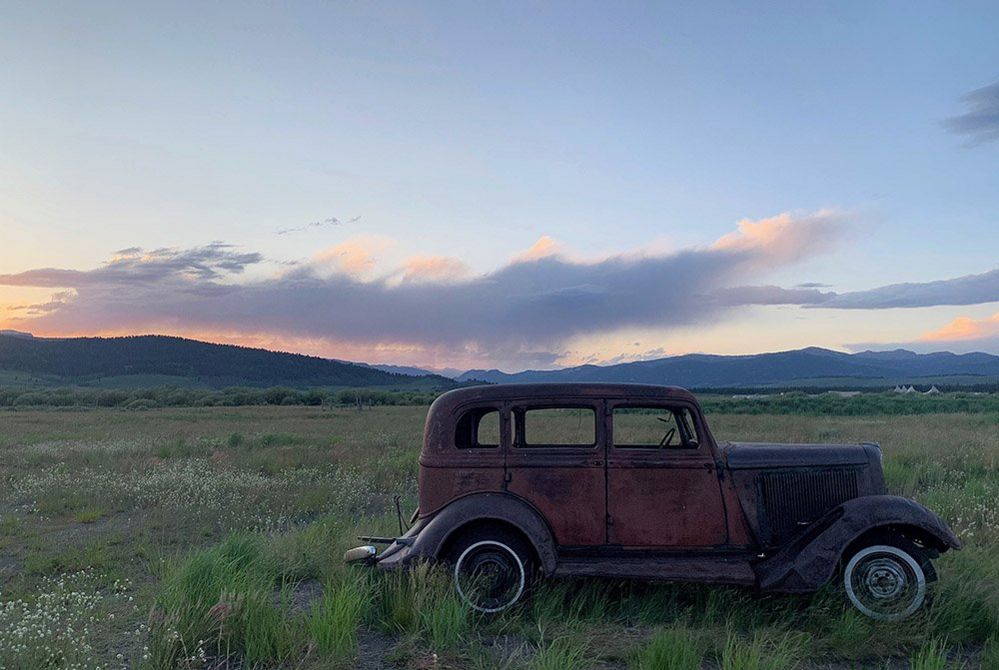
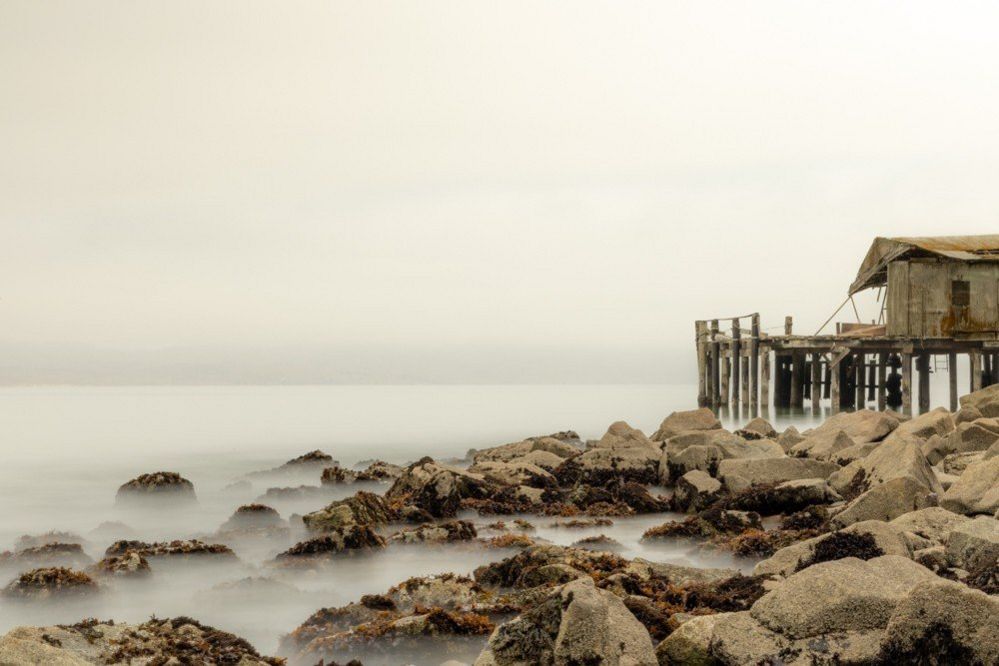
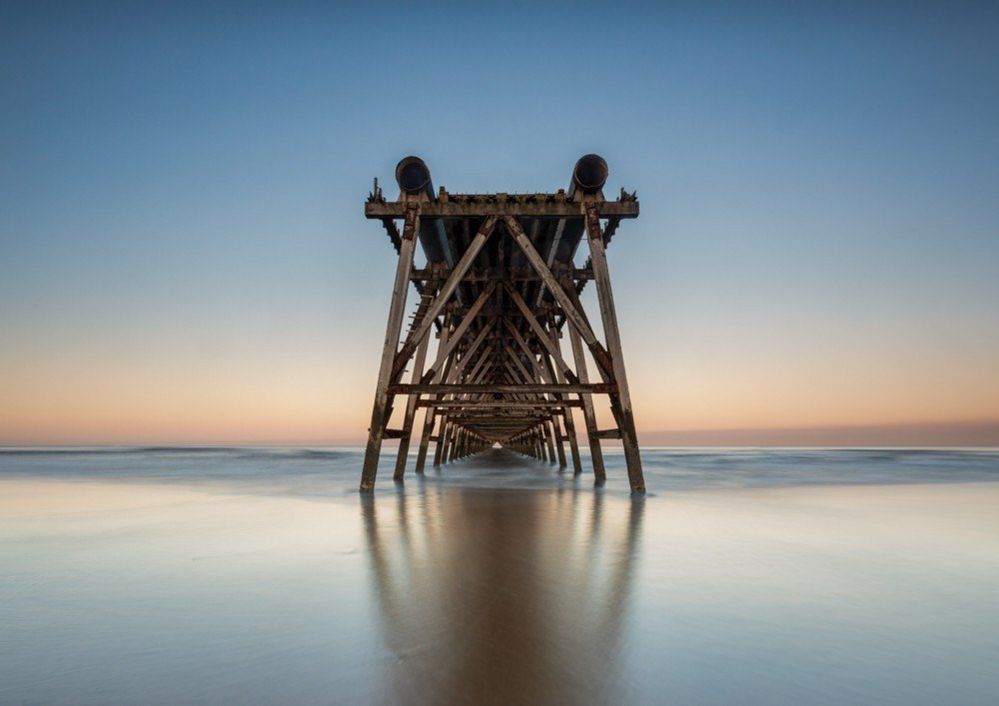
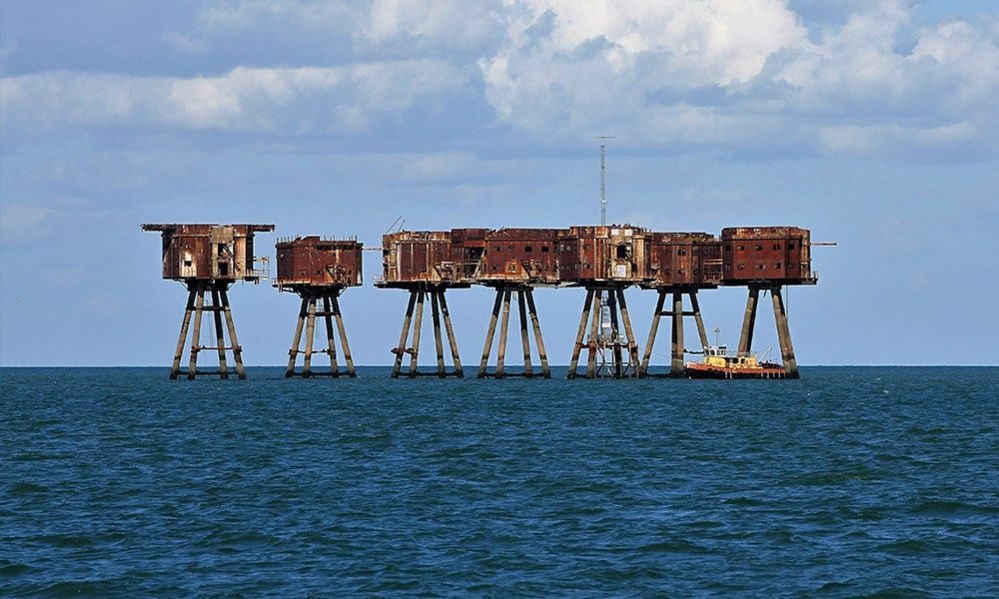
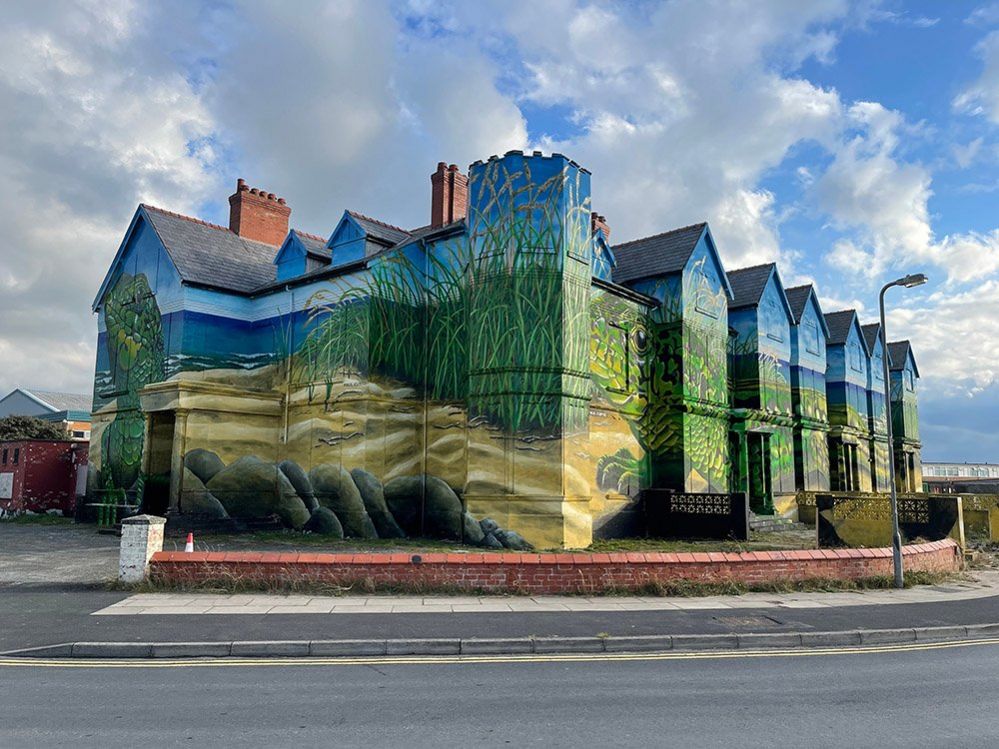
Image caption,Chris Bowman: “This boat has been a landmark on the North Devon coast for many years. Over time, storms and high seas have stripped her timbers and buried her deeper in the sands.”Image caption,Fran Powell: “This maybe more than derelict but it certainly fits the definition of the word. Derelict… ‘abandoned by the owner; failing to give proper care and attention.'”Image caption,Alysson Iceton: “Almost like a painting, faded paint, rot and vines define an old derelict barn.”Image caption,Oli Louch and Owen Copson sent in this picture of Dunstall Castle, near Worcester, lit up using a drone with an attached light.Image caption,Ladka Kurzrock: “I took this photo of myself and my dog as a reflection in a broken mirror. My dog discovered it and started to bark as she could see her own reflection.”Image caption,Charlie Curtis photographed an abandoned VW Beetle.Image caption,Therese Elaine: “The derelict West Pier in Brighton and Hove.”Image caption,Chris Fawcett: “When Albania retired its fleet of MiG and YAK aircraft it left them to rot on Kucova Airfield. These are some of the hundreds of aircraft sitting in their final resting place.”Image caption,Keely Pleger: “A classic car, abandoned in a field, enjoying yet another beautiful sunset.”Image caption,Amanda Thompson: “A long-abandoned fishing shack, slowly dissolving into the sea at Point Reyes, California.”Image caption,Jim Munday: “The remains of Steetley Pier near Hartlepool at sunset.”Image caption,Andrew Cade: “The derelict Maunsell Sea Forts, built as a defence during World War Two to protect the Thames Estuary area and London, now abandoned and rusting off the coast of Whitstable, stark reminder of another period.”Image caption,Vin Osbaldeston: “This is Toad Hall at Ainsdale, Southport. Once a thriving nightclub, it has been derelict for many years. Sefton Council commissioned award-winning street artist Paul Curtis to create this mural which features the locally found, but nationally rare, natterjack toad.”Image caption,Mike Ferguson: “A play on ‘raze to the ground’, this building is ‘Self Raising’ itself with neglect.”
I saw a documentary the other day titled “Smart Drugs.” It is incredible what people will do to improve their physical and especially mental performance. One fella in the doc was swallowing up to a hundred pills a day!
Nootropics (colloquial: smart drugs and cognitive enhancers) are drugs, supplements, and other substances that are claimed to improve cognitive function, particularly executive functions, memory, creativity, or motivation, in healthy individuals.
The use of cognition-enhancing drugs by healthy individuals in the absence of a medical indication spans numerous controversial issues, including the ethics and fairness of their use, concerns over adverse effects, and the diversion of prescription drugs for non-medical uses. Nonetheless, the international sales of cognition-enhancing supplements have continued to grow over time, and reached US$1.96 billion in 2018.
In 2018 in the United States, some nootropic supplements were identified as having misleading ingredients and illegal marketing. In 2019, the US Food and Drug Administration (FDA) and Federal Trade Commission (FTC) warned manufacturers and consumers about possible advertising fraud and marketing scams concerning nootropic supplements.
Nootropics are frequently advertised with unproven claims of effectiveness at improving cognition. The FDA and FTC warned manufacturers and consumers in 2019 about possible advertising fraud and marketing scams concerning nootropic supplement products. The FDA and FTC stated that some nootropic products had not been approved as a drug effective for any medical purpose, were not proven to be safe, and were illegally marketed in the United States under violation of the Federal Food, Drug, and Cosmetic Act.
Over the years 2010 to 2019, the FDA warned numerous supplement manufacturers about the illegal status of their products as unapproved drugs with no proven safety or efficacy at the doses recommended, together with misleading marketing.
Availability and prevalence
In 2008, the most commonly used class of drug was stimulants, such as caffeine. Manufacturers’ marketing claims for dietary supplements are usually not formally tested and verified by independent entities.
In 2016, the American Medical Association adopted a policy to discourage prescriptions of nootropics for healthy people, on the basis that the cognitive effects appear to be highly variable among individuals, are dose-dependent, and limited or modest at best.
Use by students
The use of prescription stimulants is especially prevalent among students. Surveys suggest that 0.7–4.5% of German students have used cognitive enhancers in their lifetimes. Stimulants such as dimethylamylamine and methylphenidate are used on college campuses and by younger groups. Based upon studies of self-reported illicit stimulant use, 5–35% of college students use diverted ADHD stimulants, which are primarily used for enhancement of academic performance rather than as recreational drugs. Several factors positively and negatively influence an individual’s willingness to use a drug for the purpose of enhancing cognitive performance. Among them are personal characteristics, drug characteristics, and characteristics of the social context.
Side effects
The main concern with pharmaceutical drugs is adverse effects, which also apply to nootropics with undefined effect. Long-term safety evidence is typically unavailable for nootropics. Racetams, piracetam and other compounds that are structurally related to piracetam, have few serious adverse effects and low toxicity, but there is little evidence that they enhance cognition in people having no cognitive impairments.
In the United States, dietary supplements may be marketed if the manufacturer can show that the supplement is generally recognized as safe, and if the manufacturer does not make any claims about using the supplement to treat or prevent any disease or condition; supplements that contain drugs or advertise health claims are illegal under US law.
Some of the most widely-used nootropic substances are the cholinergics. These are typically compounds and analogues of choline. Choline is an essential nutrient needed for the synthesis of acetylcholine (a neurotransmitter), and phosphatidylcholine (a structural component of brain cell membranes).
Citicoline – Compound consisting of choline and cytidine. Several meta-analyses found that it is likely effective for improving memory and learning in older people with mild cognitive decline, as well as in people who are recovering from a stroke. There is little evidence it enhances cognition in young, healthy people. Choline bitartrate – Choline bitartrate is a tartaric acid salt containing choline (41% choline by molecular weight). At least one meta-analysis has found choline bitartrate to be ineffective at improving any measure of cognitive performance. Alpha-GPC – L-Alpha glycerylphosphorylcholine has thus far only been studied in the context of cognitive performance alongside other substances such as caffeine. A more comprehensive meta-analysis is needed before any strong conclusions are made about Alpha-GPC’s usefulness as a nootropic.
The term “nootropic” was coined by Corneliu Giurgea in 1972 to describe a new classification of molecules that acted selectively towards the brain’s higher-level integrative activity. In order for a product to qualify as a true nootropic, it must fulfill Giurgea’s five criteria for the category. 1.It should aid with improvement in working memory and learning. 2.Supports brain function under hypoxic conditions or after electroconvulsive therapy. 3.Protection of the brain from physical or chemical toxicity. 4.Natural cognitive functions are enhanced. 5. It requires to be non-toxic to humans, without depression or stimulation of the brain.
A glowing cigar-shaped UFO was caught on film by multiple mystified witnesses in southern France earlier this week. According to a local media report, the intriguing incident occurred this past Tuesday evening and was seen by several people living in various communities around the city of Montpellier. Shortly after the mass sighting took place, social media in France was flooded with videos of the peculiar UFO which seemed to be rectangular in shape, emitting a powerful glow, and traveling at a rather high rate of speed while occasionally rotating. The odd object drew gasps from those who saw it and, in one instance seen above, even prompted a motorist to stop his vehicle to get out and film the wondrous sight.
The case has drawn a fair amount of media attention in France and, as of now, experts in the country have been left scratching their heads as to what the anomaly could have been, although some skeptical observers have suggested that it was either a drone or possibly some kind of secret test craft. Indicating that, when it comes to UFOs, the media in France apparently sees the subject in a manner similar to their counterparts in America, a compilation of videos captured by witnesses can be seen below, complete with the X-Files theme.
Nov. 11 (UPI) — An Idaho man who broke a Guinness World Record by catching 49 apples with his teeth in one minute said the attempt was a surprisingly bloody affair.
David Rush, who has broken more than 200 Guinness records to promote STEM education, said the apples were thrown from 15 feet away by frequent collaborator Jonathan Hannon.
Rush said being struck in the face by wayward apples, even the small apples he was using for the record, turned out to be a painful experience, as it would lead to his teeth making cuts on the inside of his lips and cheeks.
Rush said the record involved more bleeding than the vast majority of his previous records.
He ended up catching 49 apples in one minute, beating the previous record of 47.
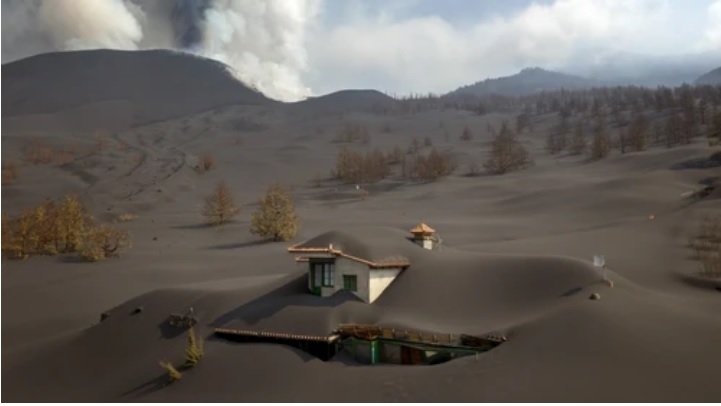
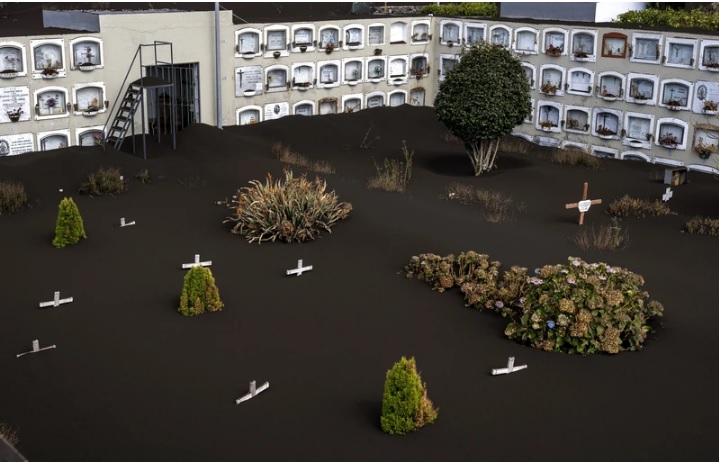
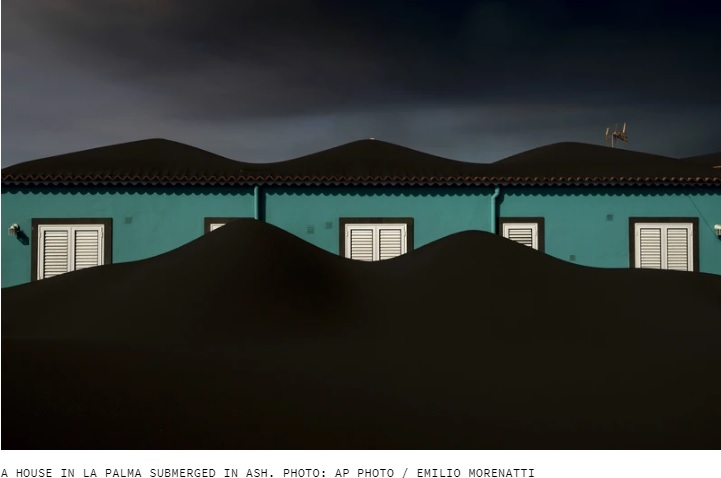
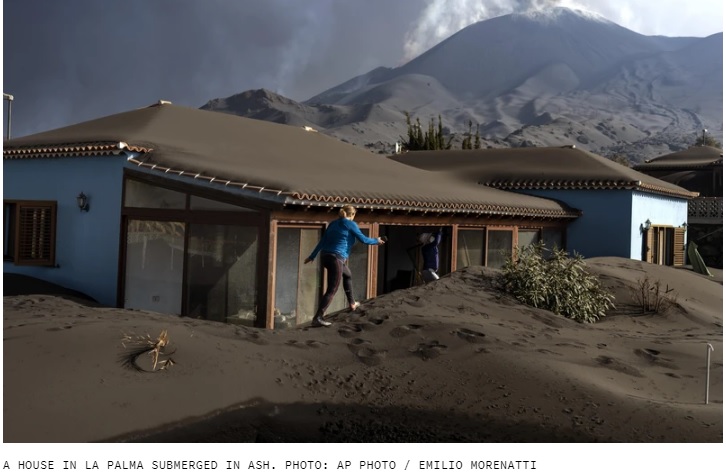
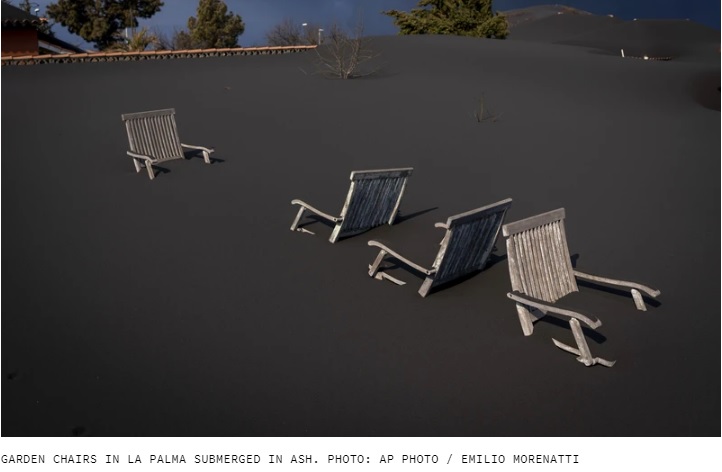
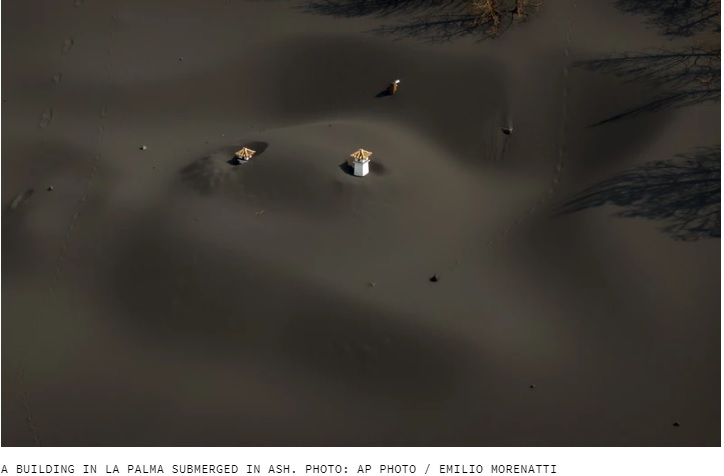
Parts of La Palma in Spain’s Canary Islands have been blanketed in thick layers of ash following the eruption of the Cumbre Vieja volcano.
A HOUSE IN LA PALMA SUBMERGED IN ASH. PHOTO: AP PHOTO / EMILIO MORENATTI
Smoke is still flowing from the Cumbre Vieja volcano on the Spanish island of La Palma in the Canary Islands as it enters its eighth week of activity.
Scientists estimate that the Cumbre Vieja volcano has ejected more than 10,000 million cubic meters of ash since it first began erupting in September.
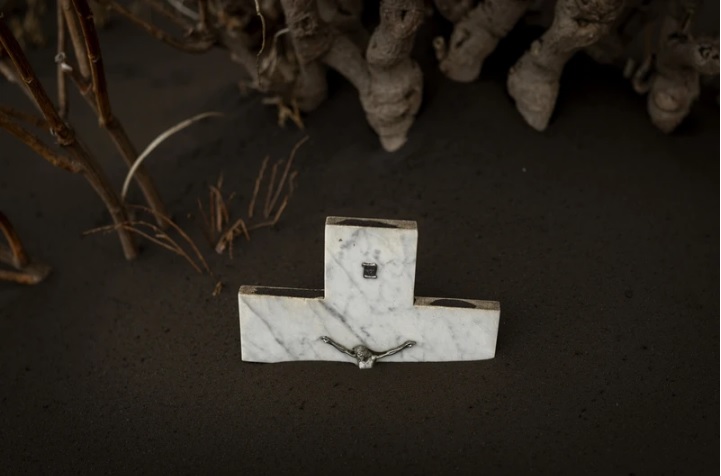
Otherworldly photos from the island show a surreal scene of homes, a cemetery and other buildings blanketed in pristine-looking ash, with entire structures submerged in untouched banks of dark grey ash.
The ash is shot thousands of meters into the sky, but the heaviest particles make their way down to the surface, slowly covering buildings.
There is no scientific evidence that the volcano will end anytime soon, according to Carmen Lopez, spokesperson for the Canary Islands Volcanic Emergency Plan (Pevolca). The emission of sulphur dioxide, an indicator of the volcano’s strength, fell on Saturday, but this is a normal fluctuation that doesn’t indicate an all clear, Lopez said.
According to state television channel RTVE, on Sunday winds blew a large black cloud of smoke to the south west of the island, allowing the airport to operate as normal – last week, flights had been cancelled. Nevertheless, authorities advised residents of several towns on the island with health problems to stay in their homes.
Emergency services connected to the Canary Islands government have said that the local air quality is “extremely unfavorable” because of the high level of small particles.
More than 7,000 people have been evacuated from their homes due to the threat from the rivers of lava.










 Denmark Greenland
 Canada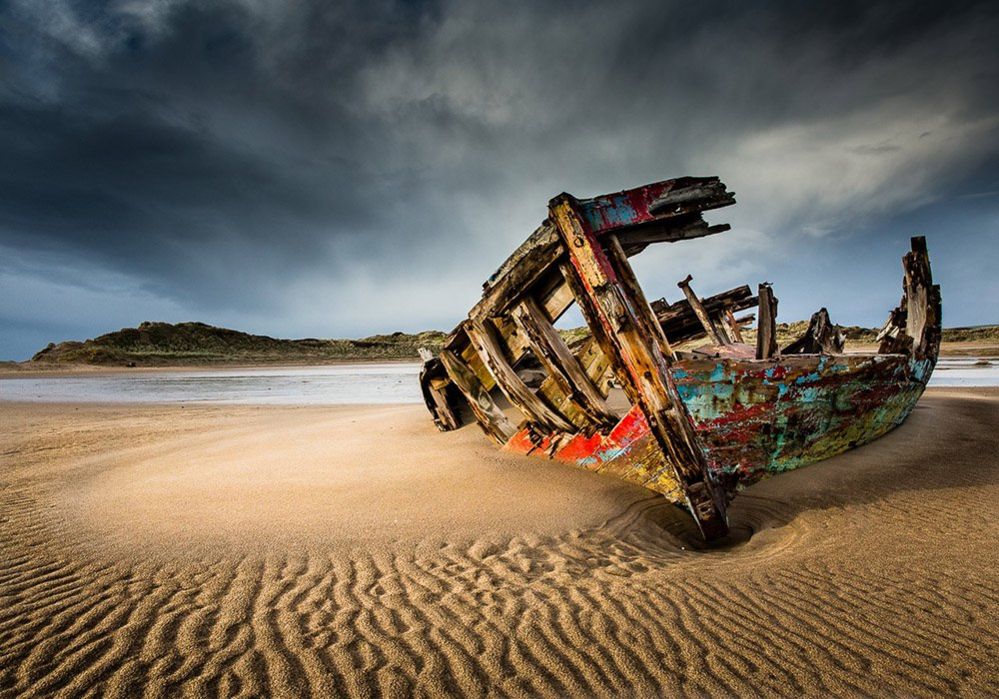





 The MarkoZen Blog