


Mobula is a genus of ray in the family Myliobatidae (eagle rays). Their appearance is similar to that of manta rays, which are in the same family. Species of this genera are often collectively referred to as “flying mobula” or simply “flying rays”, due to their propensity for breaching, sometimes in a spectacular manner. The devil fish can attain a disc width of up to 5.2 m (17 ft) and can probably weigh over a ton, second only to the Manta species in size. Despite their size, little is known about this genus, much of it being from anecdotal accounts.

A father and son fishing trip in British Columbia took a fantastic turn when they spotted a large aquatic anomaly that could be Canada’s legendary lake monster Ogopogo. The intriguing encounter occurred back in the summer of 2018, but footage from the sighting only appeared online earlier this month when it was posted to YouTube by witness Blake Neudorf. In his description of the video, the young man marveled that he and his father “were fishing off a dock in Kelowna, BC and spotted something massive in the water.”
Neudorf went on to explain that “the thing looks like it is close in the video, but it was a few hundred yards off shore and it was huge, I would say at least 60 feet long you could visually see it rolling in the water.” Indeed, the witnesses’ footage shows a fairly sizeable oddity moving along in the water as onlookers can be heard wondering what exactly they are watching. According to Neudorf, the anomaly eventually ventured into a small bay, leading the father and son to drive towards the area in the hopes of getting a better look, but when they arrived “it was nowhere to be seen.”
In light of the location where the sighting occurred, it is suspected by some viewers that the anomaly in the video is the legendary lake monster Ogopogo. However, more skeptical observers have argued that the ‘creature’ could just be a pair of waves intersecting at an odd angle and made to look monstrous by the perspective of the witnesses. With that in mind, what do you think Neudorf filmed during his fishing trip?

Watching the riots that developed at the memorial march in Brussels the other day I again noticed a huge Water Cannon. Right-wing thugs showed up at the march screaming anti-migrant and white supremacist chants. The hooligans got washed good by a gigantic Belgium water cannon.
.

A water cannon is a device that shoots a high-velocity stream of water. Typically, a water cannon can deliver a large volume of water, often over dozens of meters. They are used in firefighting, large vehicle washing and riot control.
The first truck-mounted water cannon were used for riot control in Germany in the beginning of the 1930s.
The most modern versions do not expose the operator to the riot, and are controlled remotely from within the vehicle by a joystick. The German-built WaWe 10.000 can carry 10,000 litres (2,200 imp gal) of water, which can deploy water in all directions via three cannons, all of which are remotely controlled from inside the vehicle by a joystick. The vehicle has two forward cannons with a delivery rate of 20 litres per second (260 imp gal/min), and one rear cannon with a delivery rate of 15 litres per second (200 imp gal/min).
Water cannons designed for riot control are still made in the United States and the United Kingdom, but most products are exported, particularly to Africa and parts of Asia such as South Korea.
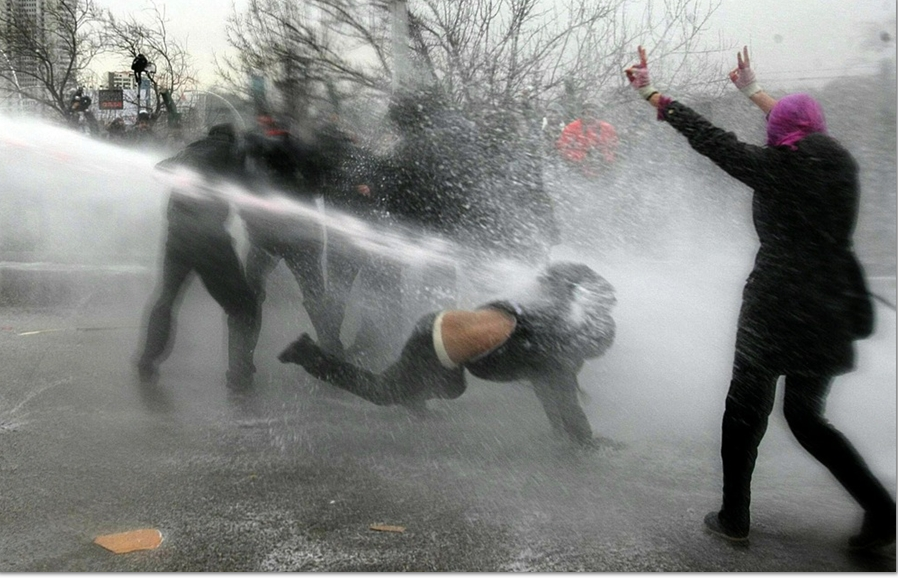
Use of water cannon in riot control contexts can lead to injury or death, with fatalities recorded in Indonesia (in 1996, when the cannon’s payload contained ammonia), Zimbabwe (in 2007, when the use of cannons on a peaceful crowd caused panic), Turkey (in 2013, when the payload was laced with “liquid teargas”), and Ukraine (in 2014, with the death of activist and businessman Bogdan Kalynyak, reportedly catching pneumonia after being sprayed by water cannon in freezing temperatures). South Korea used water cannons containing capsaicin and fluorescent dyes for later screening and arrest in recent protests against its citizens.
Water cannons in use during the 1960s, which were generally adapted fire trucks, would knock protesters down and on occasion, tear their clothes.
On 30 September 2010, during a protest demonstration against the Stuttgart 21 project in Germany, a demonstrator was hit in the face by a water cannon. Dietrich Wagner, a retired engineer, suffered from the damage to his eyelids, a fracturing of a portion of the retinal bone, and damage to the retinas. The eye injuries thus inflicted on the man resulted in near-complete loss of eyesight. Graphic imagery was recorded of the event, sparking a national debate about police brutality and proportionality in the use of state force.


Istanbul above

One of the first water cannon. Germany 1930’s.

France

Germany

Russia

Columbia

China. Typical Chinese approach, if the water cannon don’t knock them down, plow through the crowd with the big blade.

MYSTERY WIRE — They were a long way from home when “Storm Area 51” hit.
Photographers Ryan Koopmans and Alice Wexell were in Los Angeles for photo meetings, and they had California on their minds. That is, until Matty Roberts distracted them with the social media fervor surrounding Storm Area 51.
They decided to document the Nevada site at the center of it all. So in the middle of August, Koopmans and Wexell headed for the heat of Nevada’s desert.
The landscape was like nothing they had seen. Koopmans works out of Amsterdam, and Wexell is from Stockholm.
Here are some of the images they captured for GQ Australia. They have also been published online by Wired. They are used here by permission.


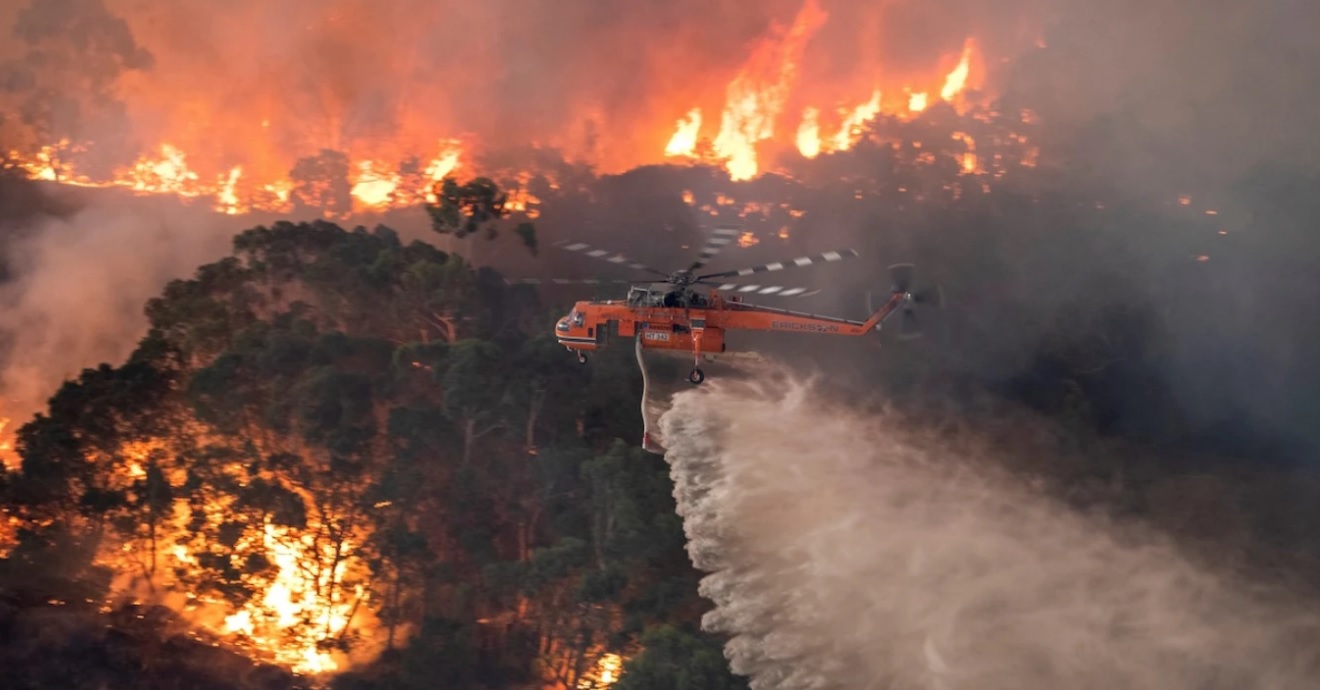
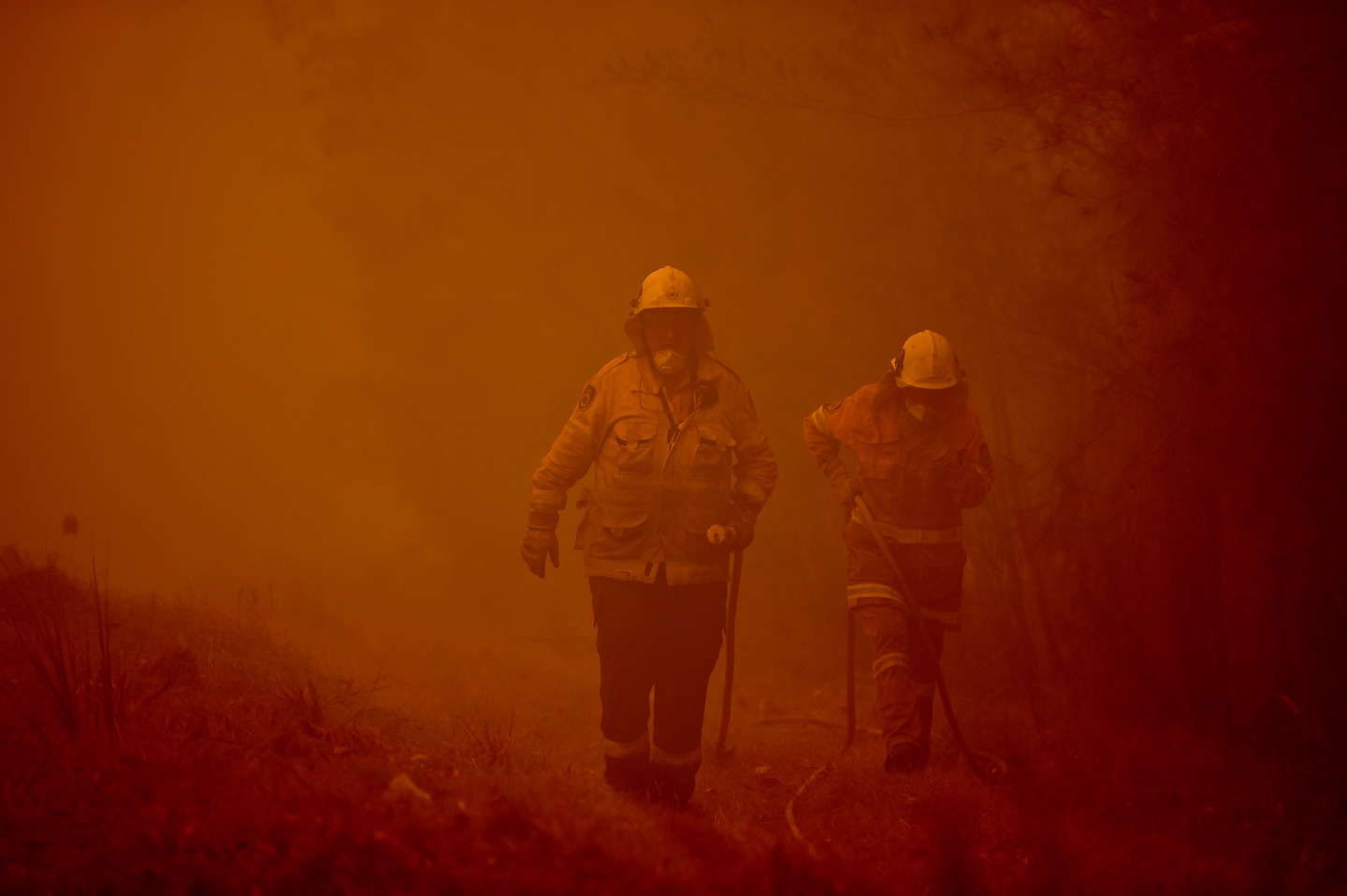
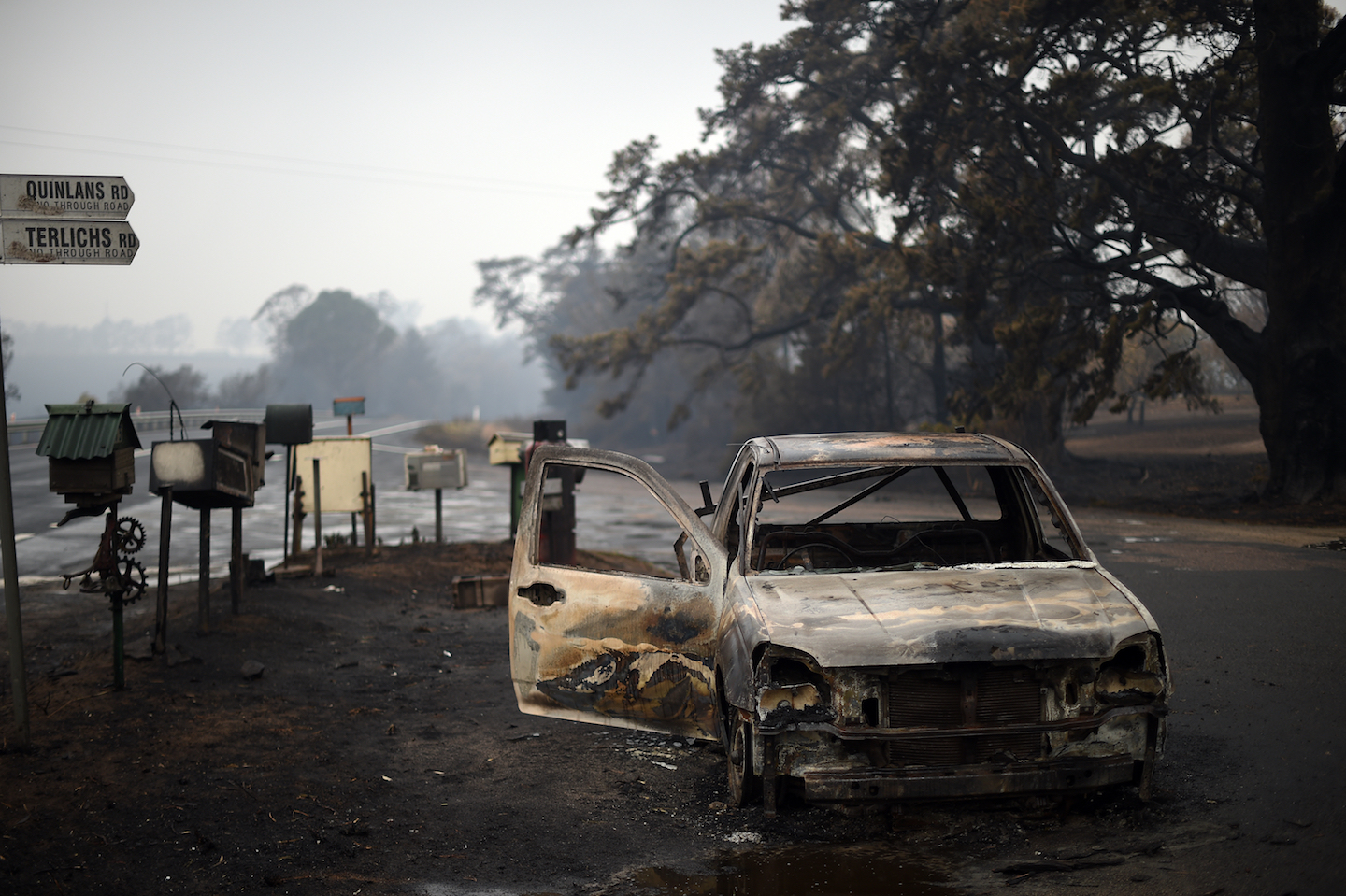
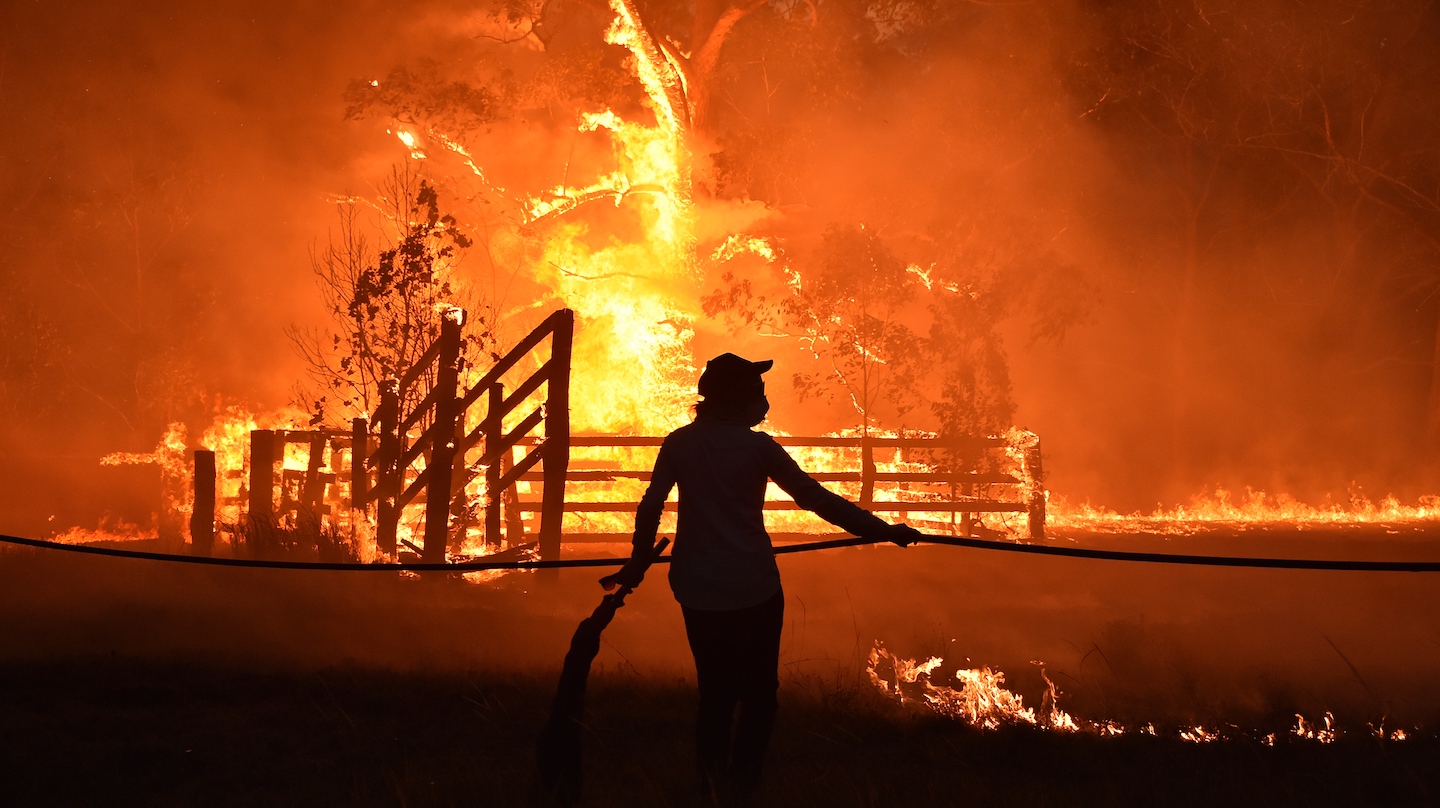
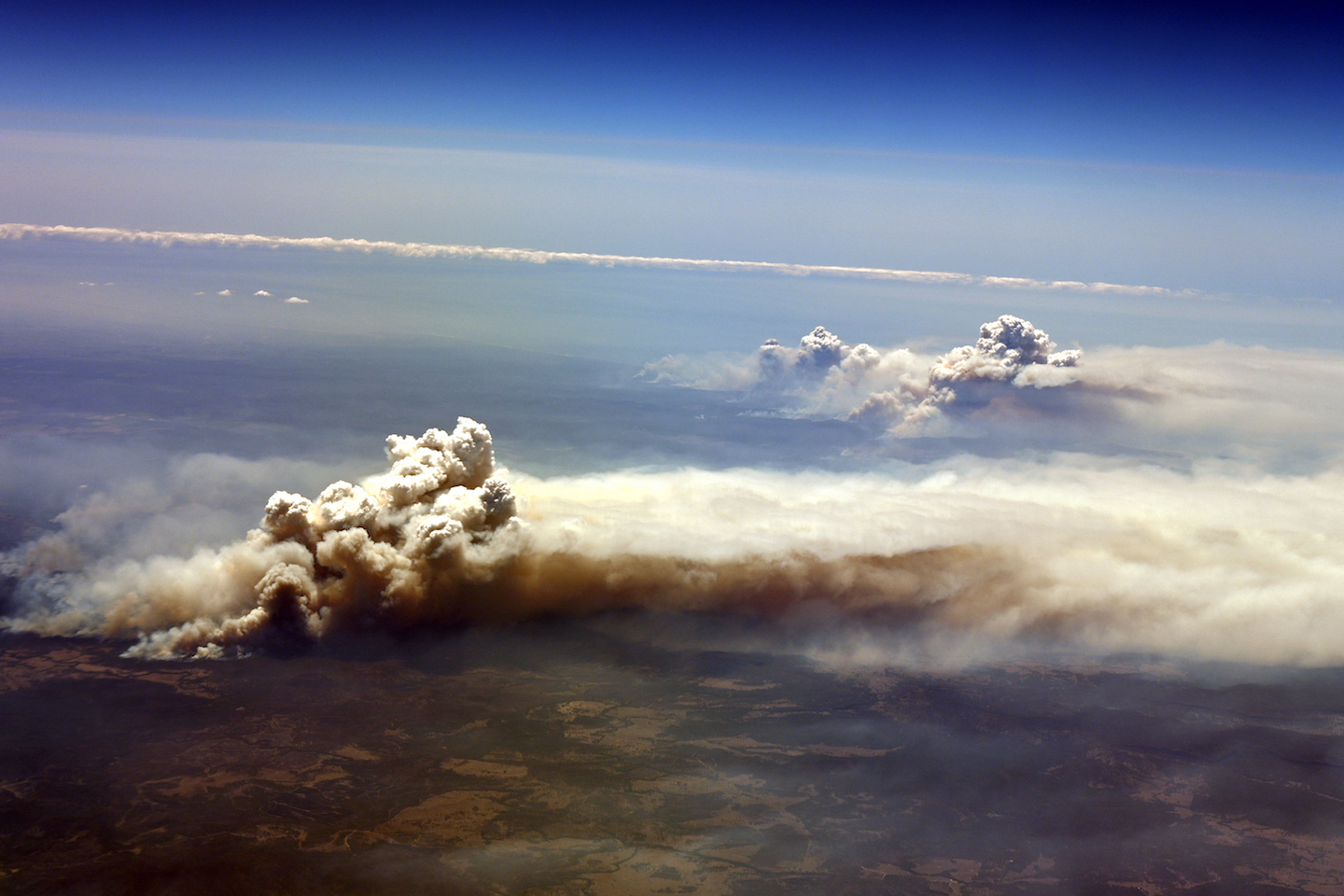
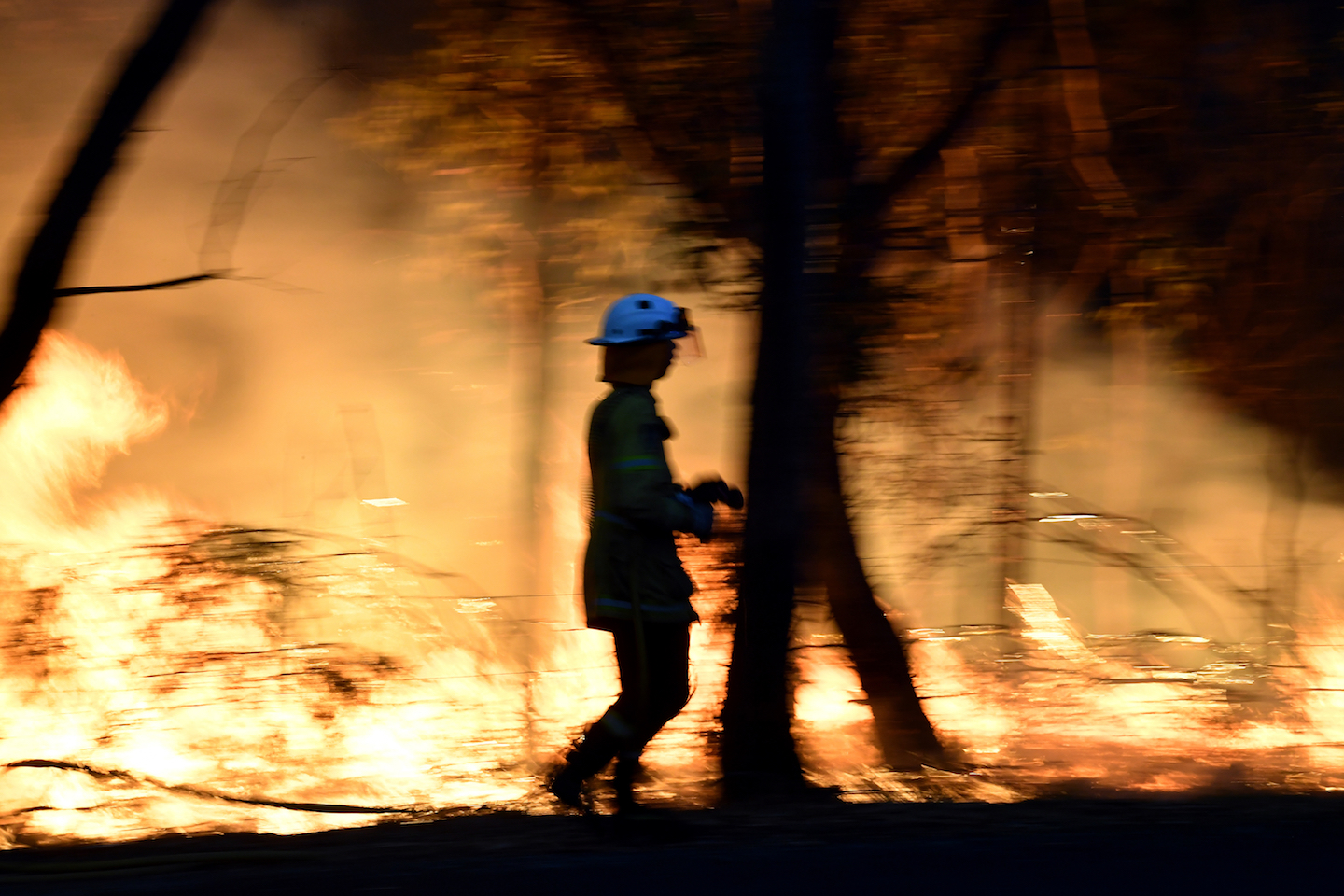
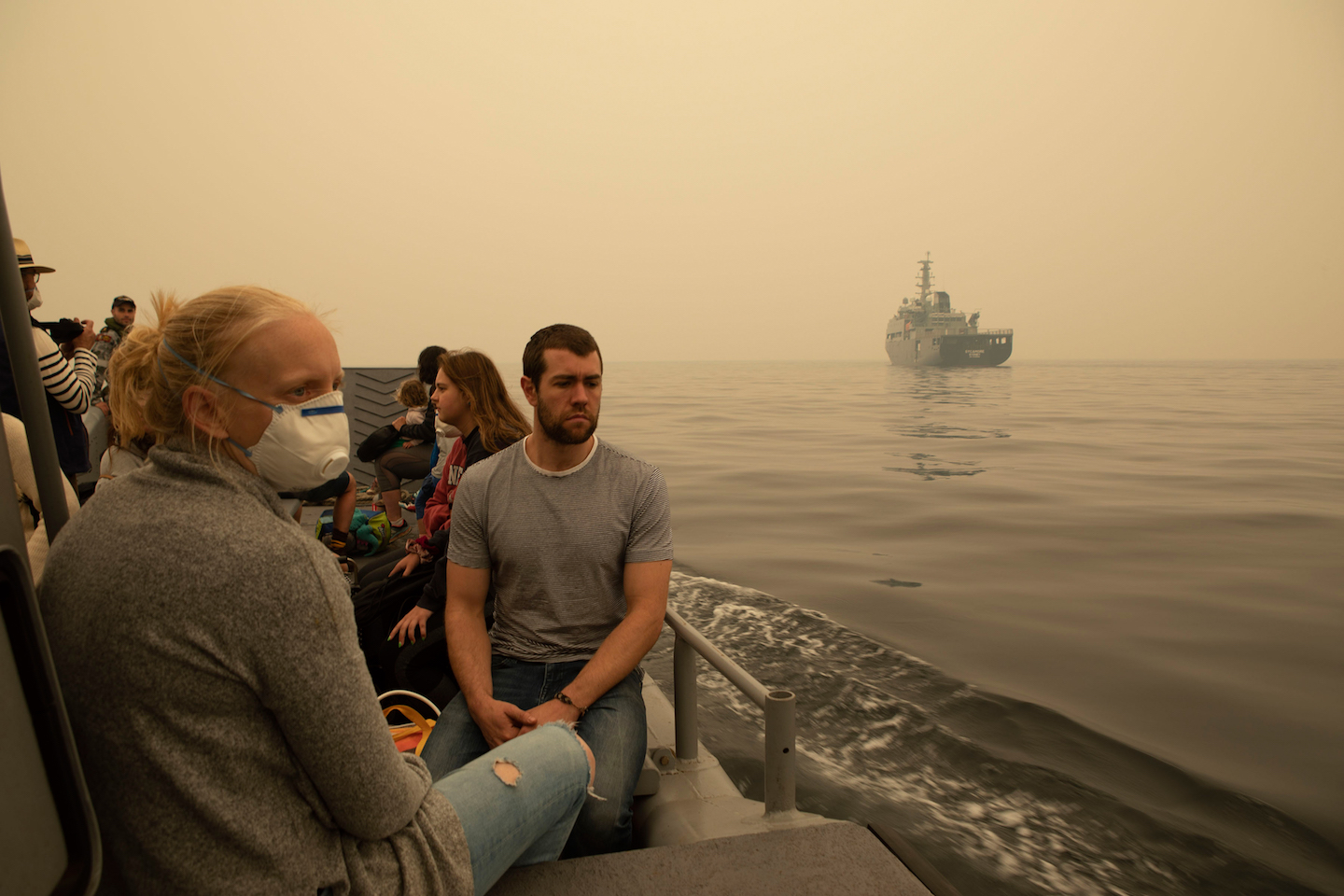
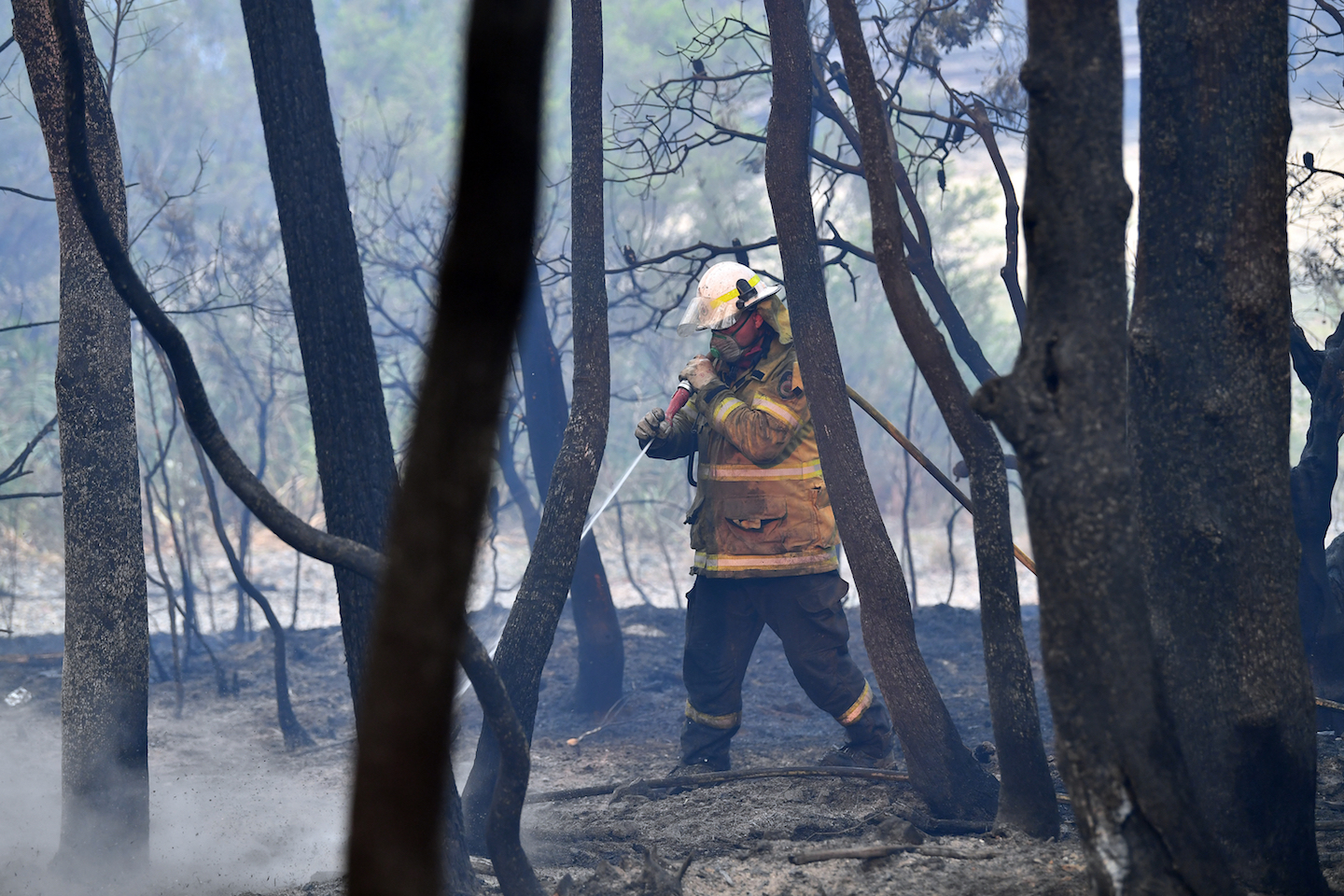
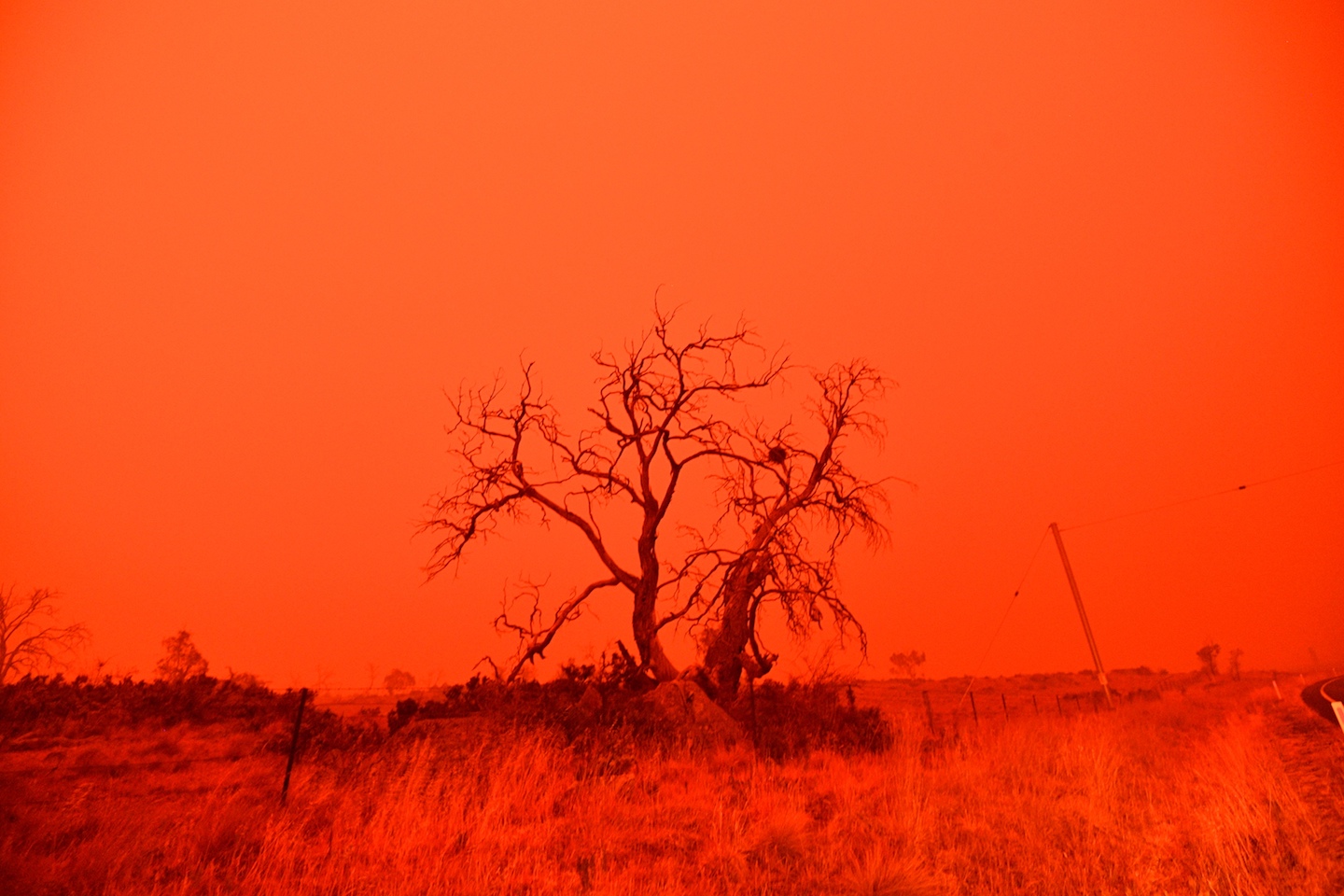
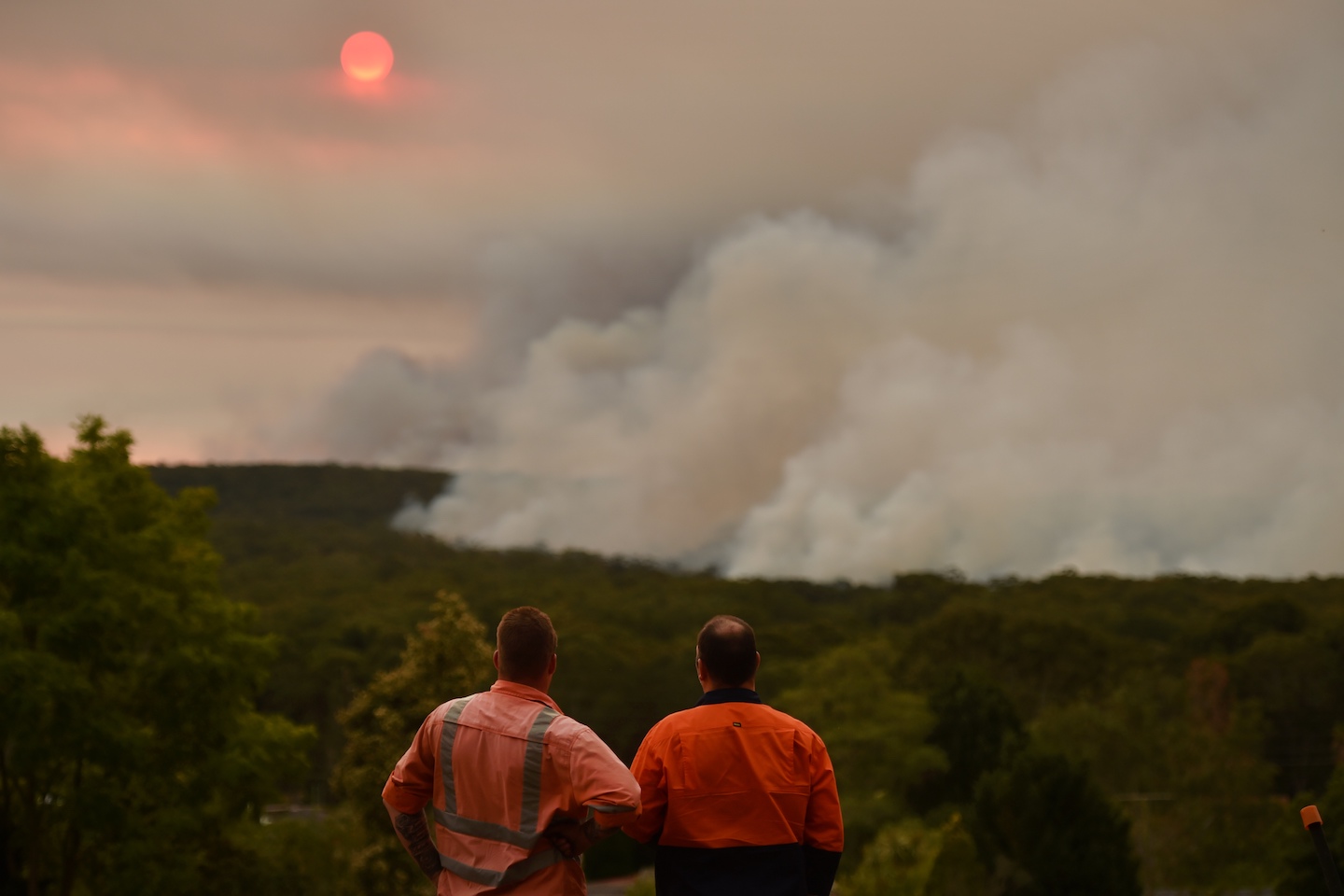
Beyond the cataloging of these facts and figures, the situation in Australia defies description. The word “apocalyptic” comes constantly to mind. And it’s expected to worsen, with authorities warning that the infernos, spurred on by heatwaves and dry winds, could continue for months.
Every day more footage from the frontline reveals the extent of the devastation—of the armageddon and the aftermath—as communities around the country are swept up in one of the biggest climate disasters Australia has ever seen.
Over six hundred European Westerns were made between 1960 and 1978. The best-known Spaghetti Westerns were directed by Sergio Leone and scored by Ennio Morricone, notably the three films of the Dollars Trilogy (starring Clint Eastwood as the main character)—A Fistful of Dollars (1964), For a Few Dollars More (1965) and The Good, the Bad and the Ugly (1966)—as well as Once Upon a Time in the West (1968, starring Charles Bronson). These are consistently listed among the best Westerns of any variety.

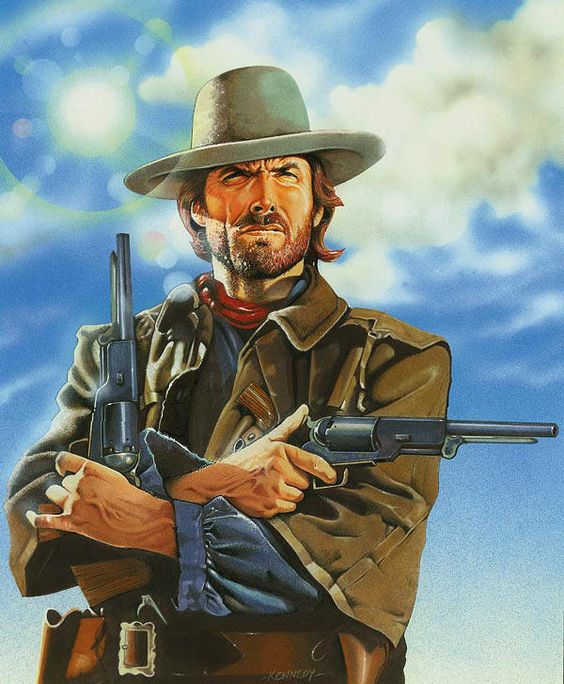
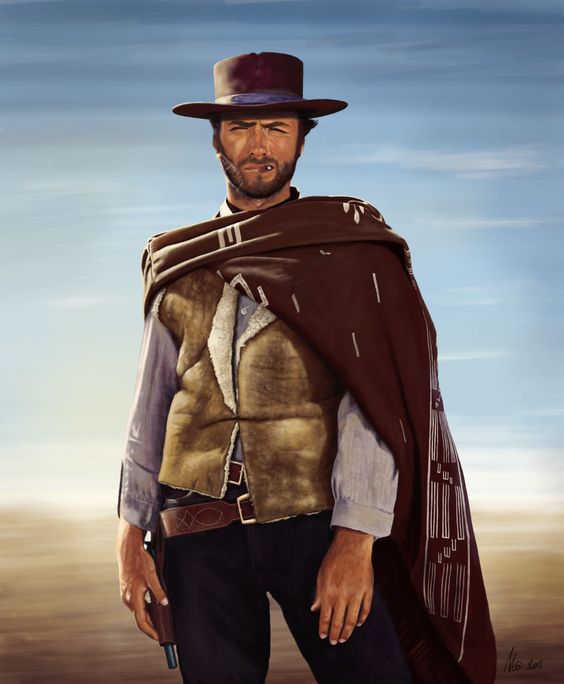
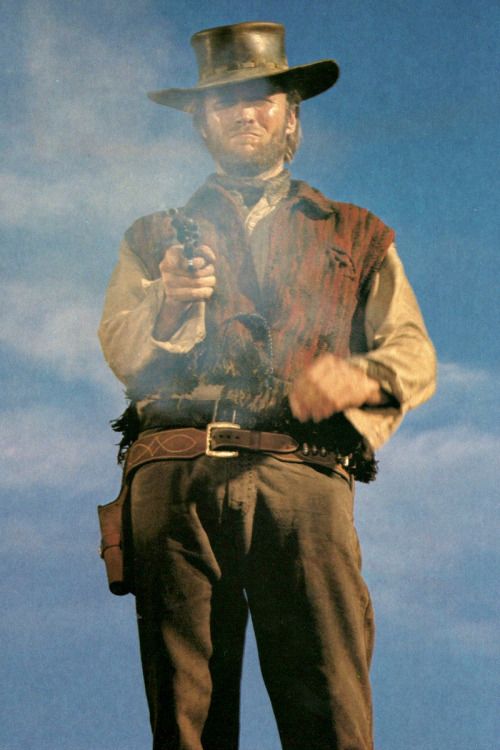
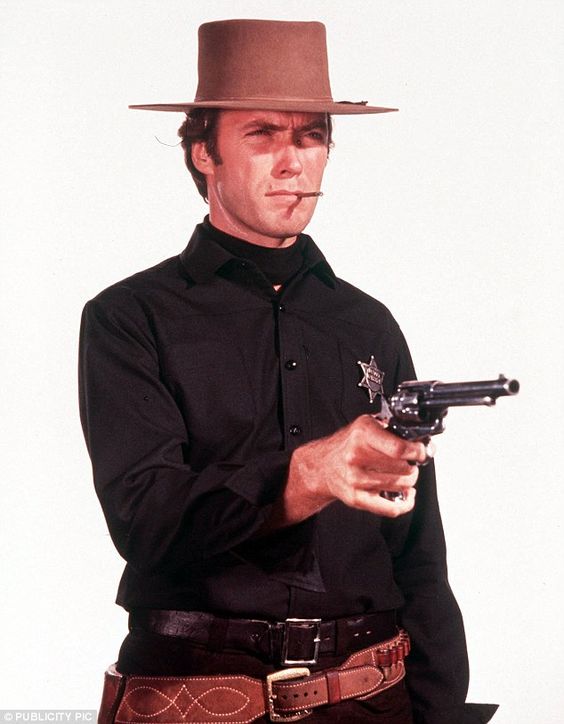
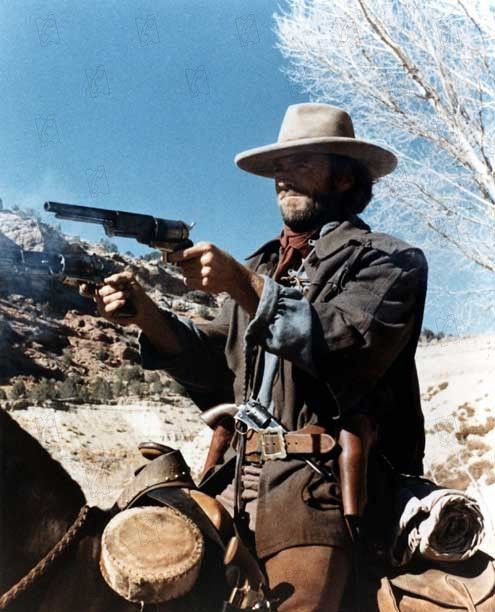

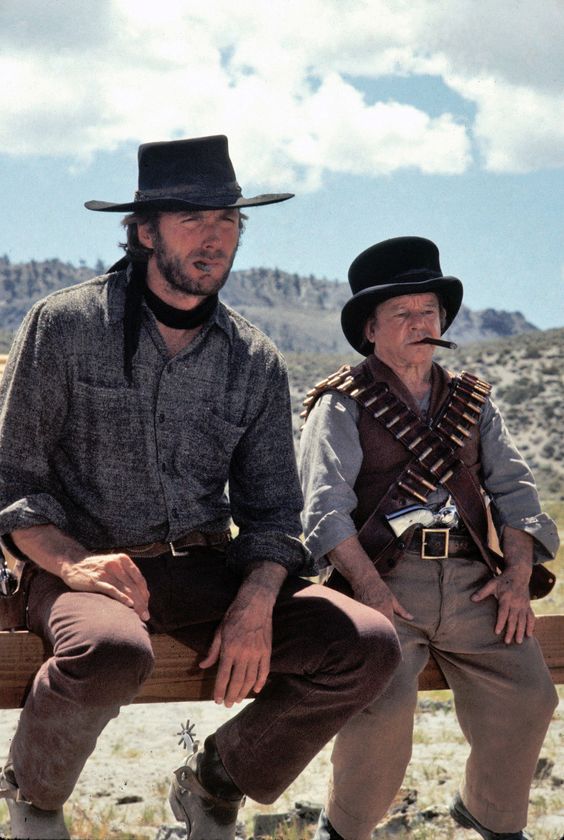
The last few pics shown here are not spaghetti westerns, but American movies.
See also: https://markosun.wordpress.com/2016/11/02/clint-eastwood-was-one-resourceful-actor-back-in-the-day/


 The MarkoZen Blog