
Year: 2020








You’ll Never Look At Movies The Same Once You See These Miniature Film Sets Used For Blade Runner 2049
Anybody who’s seen Blade Runner 2049 will know how stunning it is. Even if you didn’t like the movie itself, it’s almost impossible not to gaze in awe at the incredible visuals on offer in Denis Villeneuve’s incredible follow-up to the 1982 classic. What’s even more impressive is that instead of solely relying on CGI for everything, the filmmakers actually used miniature models for many of the scenes. Well, we say “miniature” but as you can see, there’s really nothing miniature about them!
“They’re really bigatures – they’re not miniatures. They’re massive buildings,” says Pamela Harvey-White, the on-set production manager, in the video below. And few people could disagree when they see the 14.8ft (4.5m) high L.A.P.D building, the pyramid-shaped Wallace Towers that could only be lifted by crane, and the Trash Mesa that nearly filled the whole floor of the studio. “They’re just stellar pieces of art,” she states with pride.
The “bigatures” were made by Weta Workshop, a special effects and prop company from New Zealand (co-founded by Lord of the Rings director Peter Jackson) which has also worked on such blockbusters as Thor: Ragnarok and Ghost in the Shell. Around 38 models were made in total, and “each building would probably take about a week to make,” said Ben Milsom, the miniature unit’s senior art director, emphasizing that they were “mega high detailed.” Scroll down to see the incredible results.
Many of the Blade Runner 2049 sets were actually made from miniatures
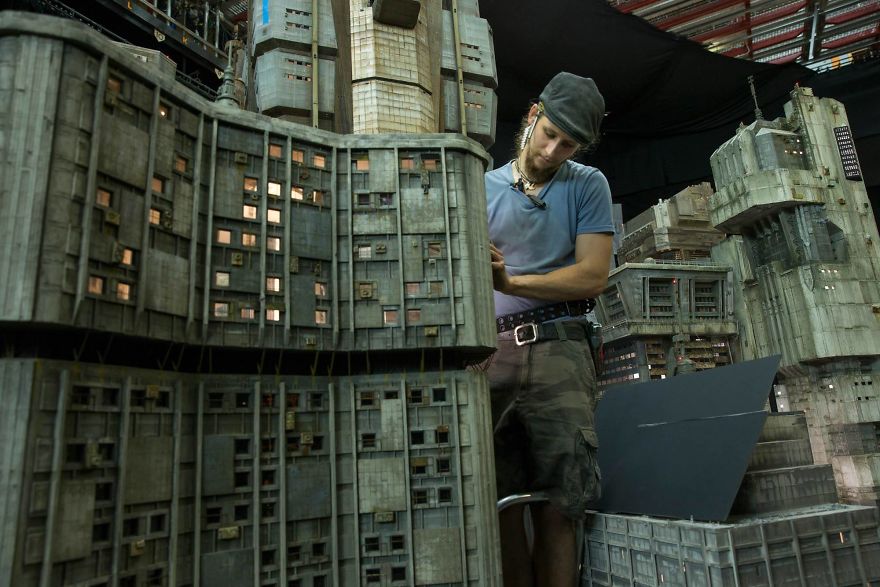
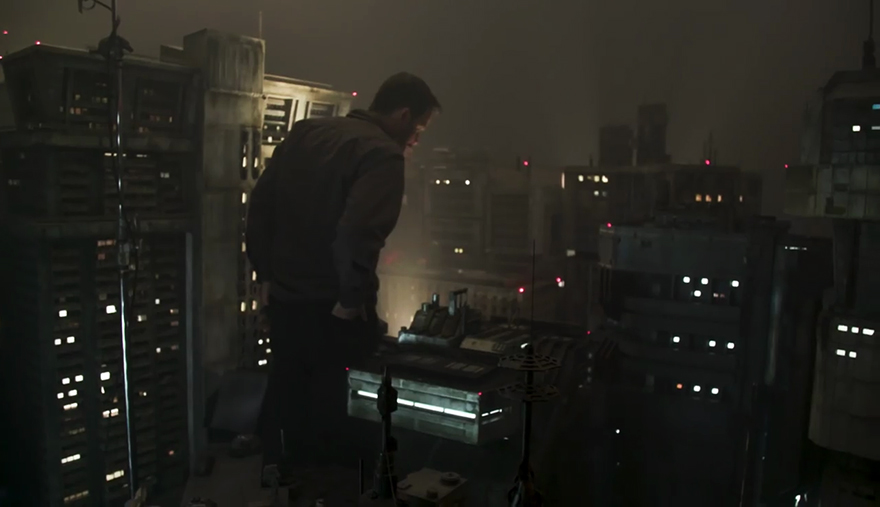
Well, we say “miniature” but as you can see, there’s really nothing miniature about them!

With the biggest one being the L.A.P.D. miniature skyscraper, which was 14.8 feet (4.5 meters) high
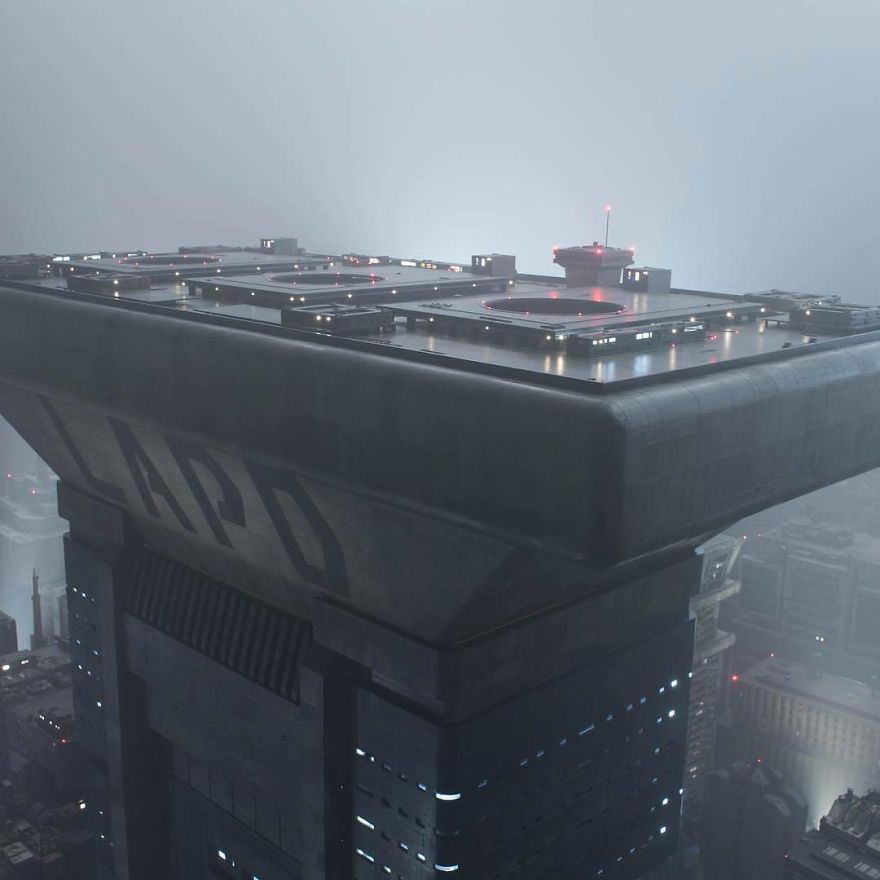
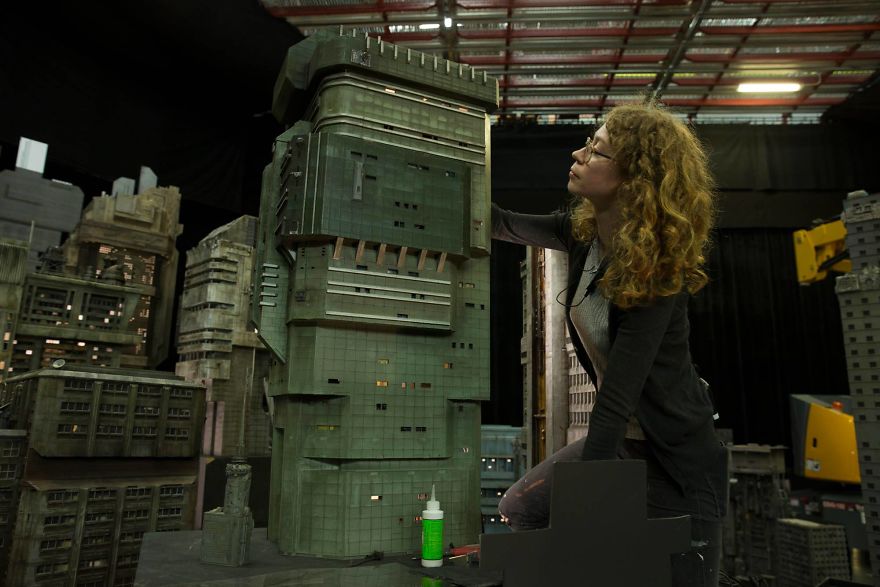
“They’re really bigatures – they’re not miniatures. They’re massive buildings,” says Pamela Harvey-White, the on-set production manager
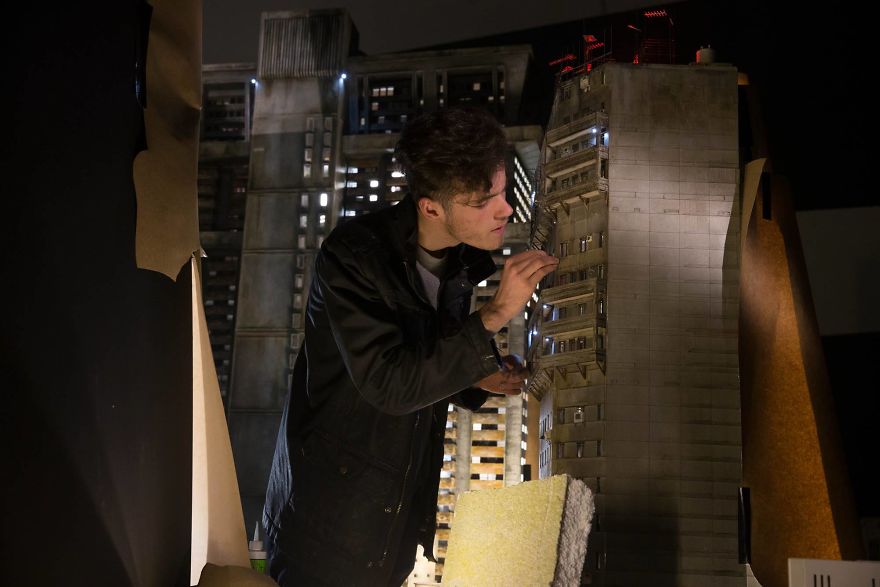
In total, around 38 “miniature” buildings were constructed
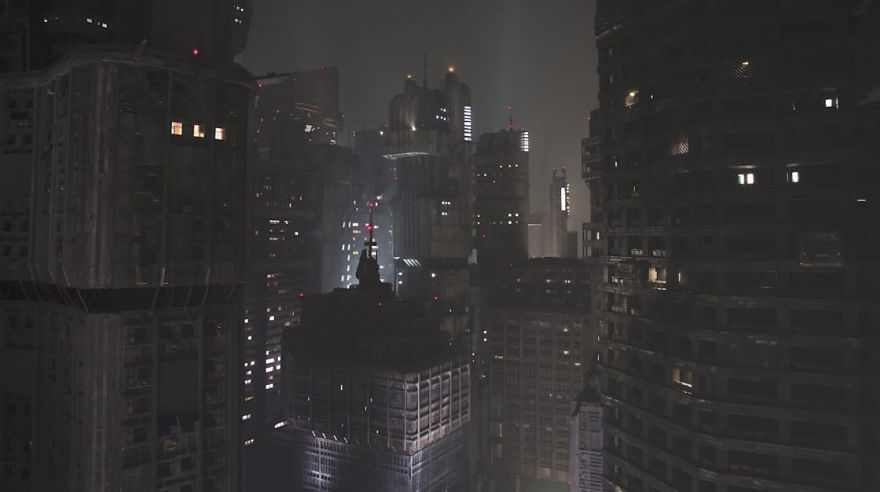
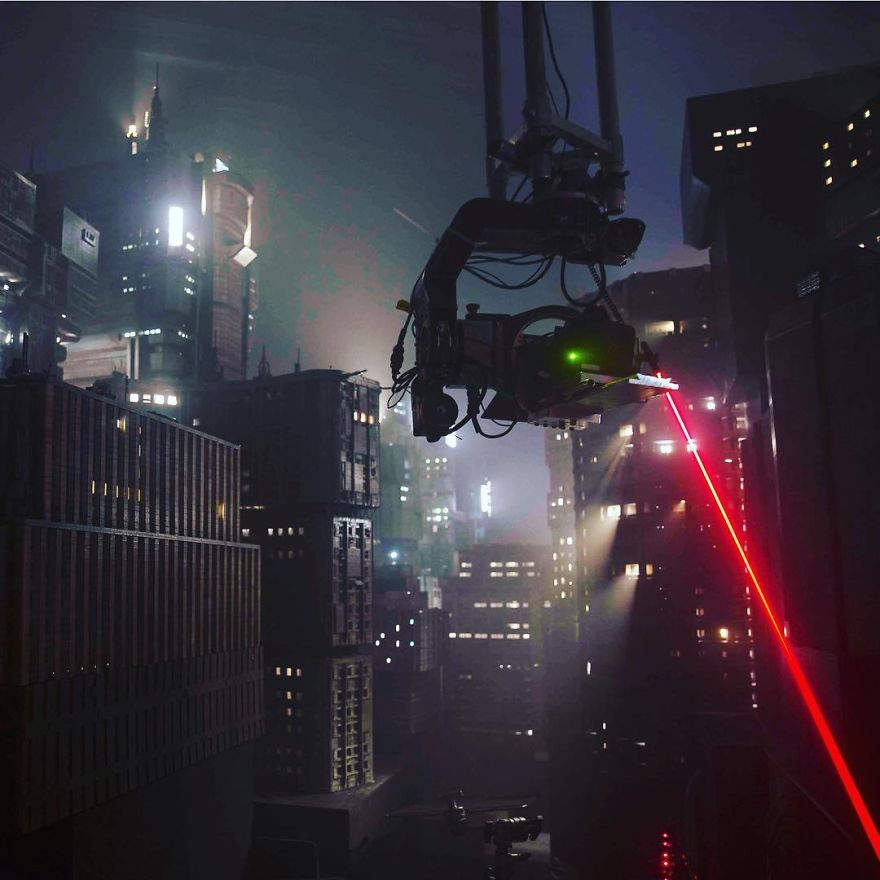
Some were so big that they could only be moved by crane
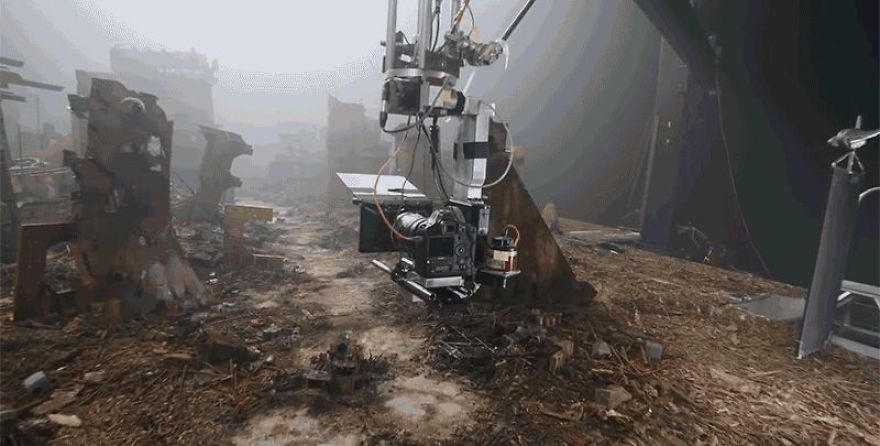
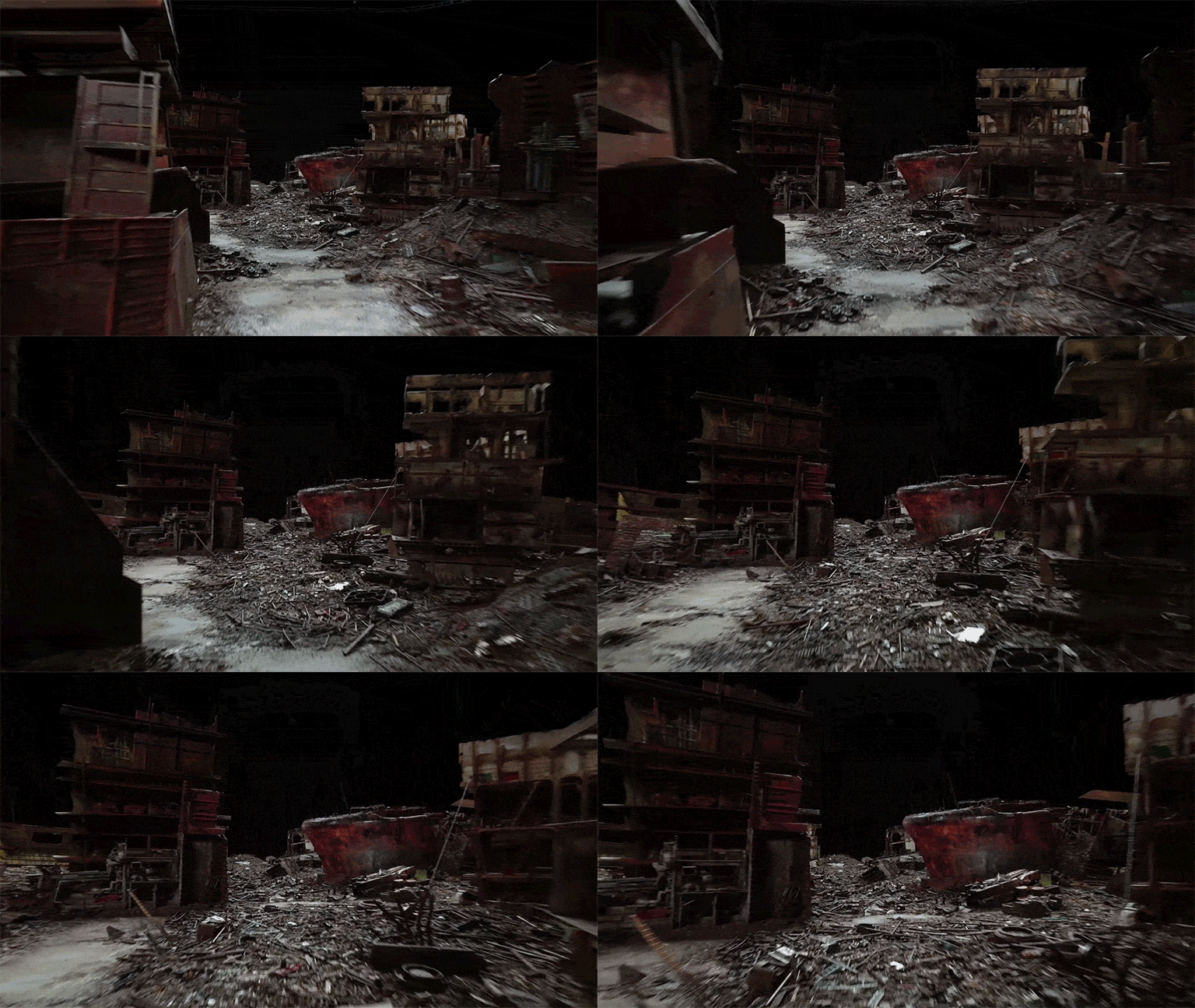
They were crafted by Weta Workshop, a special effects and prop company from New Zealand
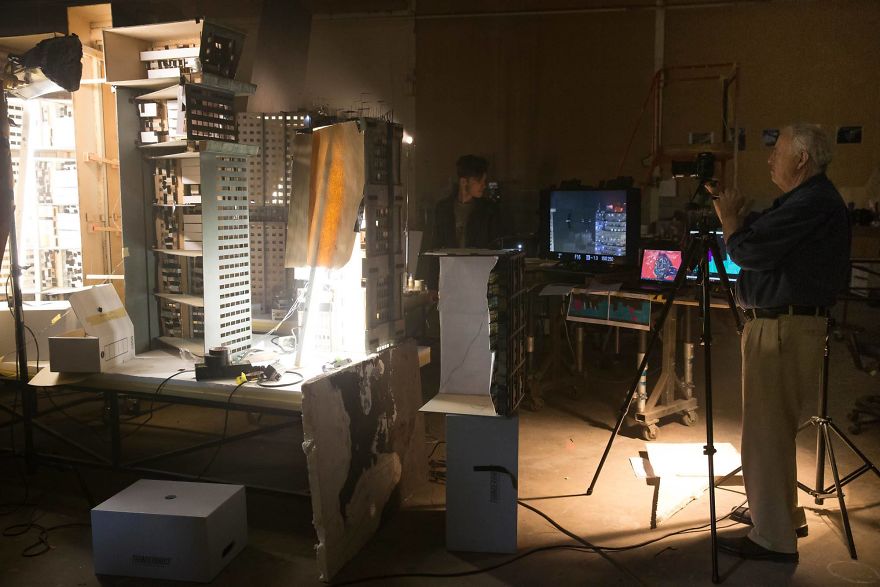
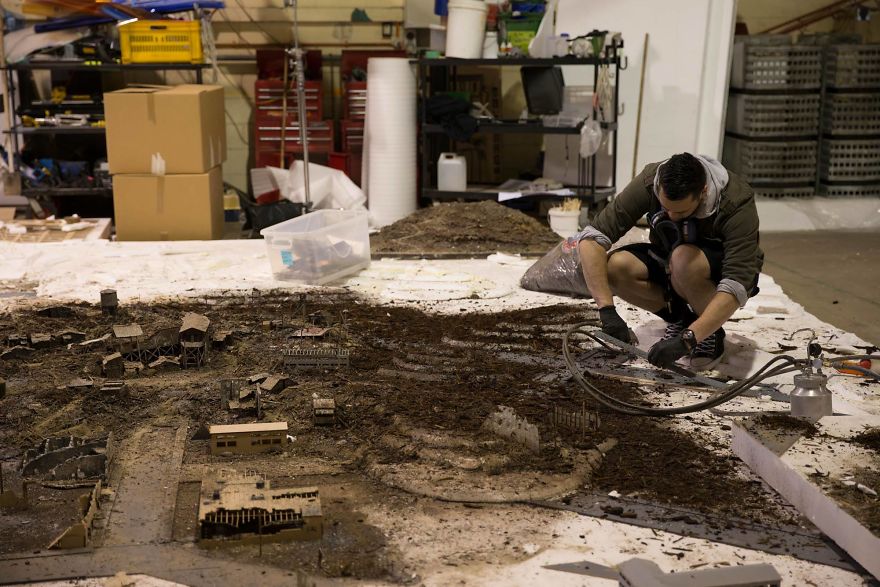
The company was co-founded by Peter Jackson, who directed the Lord of the Rings and The Hobbit trilogies
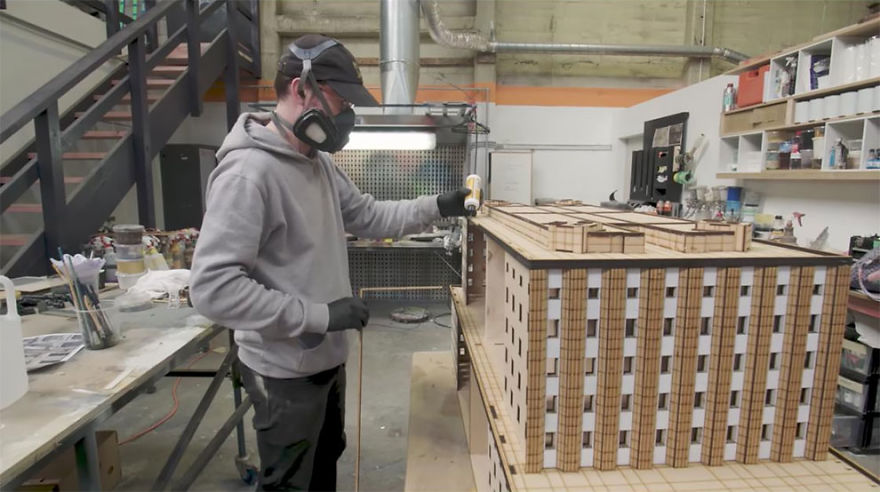
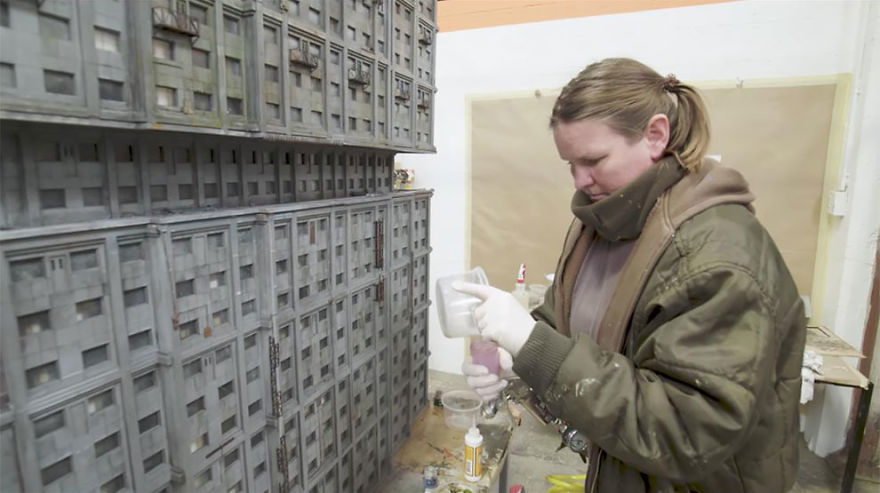
“Each building would probably take about a week to make,” said Ben Milsom, the miniature unit’s senior art director
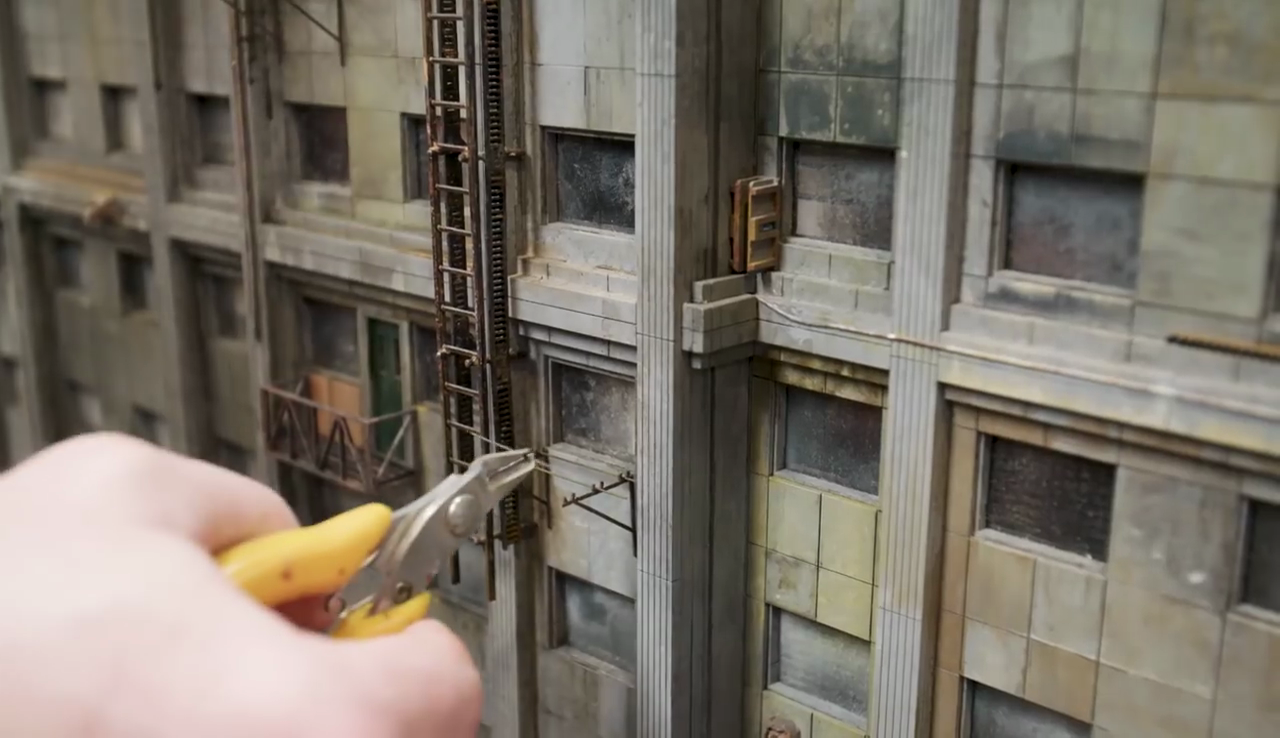
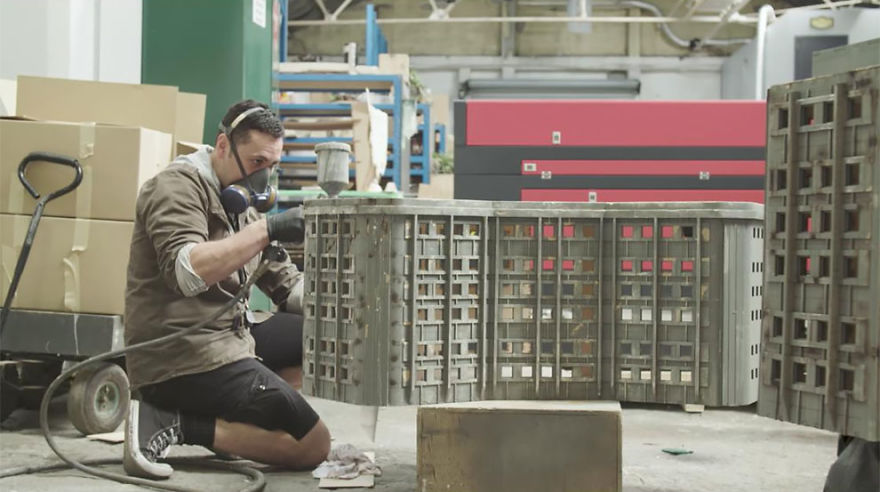
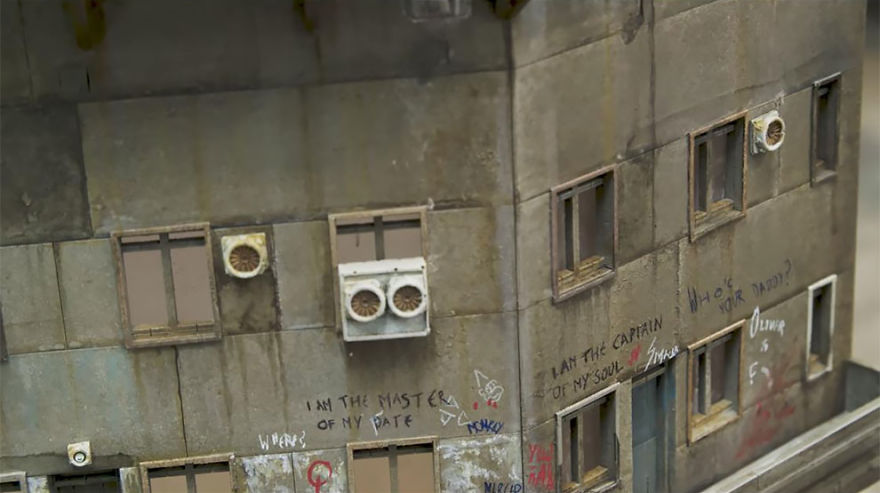
And it comes as no surprise, seeing how much detail the artists pack into a single miniature
Goose Run
Never seen such a happy bunch of Geese! Hopefully they are just out on a Sunday afternoon drive.

Now this is one big giant hole in the ground!
The Cave of Swallows, also called Cave of the Swallows (Spanish: Sótano de las Golondrinas), is an open air pit cave in the Municipality of Aquismón, San Luis Potosí, Mexico. The elliptical mouth, on a slope of karst, is 49 by 62 meters wide and is undercut around all its perimeter, further widening to a room approximately 303 by 135 meters wide. The floor of the cave is a 333-meter freefall drop from the lowest side of the opening, with a 370-meter drop from the highest side, making it the largest known cave shaft in the world, the second deepest pit in Mexico and perhaps the 11th deepest in the world. A skyscraper such as New York City’s Chrysler Building could easily fit wholly within it.


Opened up by water erosion in a fault on an impermeable limestone plain and with a roughly conical shape, the cave has been known to the local Huastec people since ancient times. The first documented exploration was on 27 December 1966 by T. R. Evans, Charles Borland and Randy Sterns.
Temperatures in the cave are low. Vegetation grows thickly at the mouth, where rains can cause waterfalls cascading into the cave. The cave floor is covered with a thick layer of debris and guano on which “millipedes, insects, snakes, and scorpions” live. There is also a narrow sinkhole in a fault of lower Cretaceous limestone which goes down at least a further 512 m.

These people rappel down to the floor of the cave where the scorpions and deadly snakes are waiting. Why?

And then there are the crazy thrill seekers who want to parachute down into the cave where the scorpions and deadly snakes are waiting. Why? Why?

The cave is a popular vertical caving destination. The high side of the mouth is covered with heavy foliage, so cavers most often fix their ropes on the low side, where bolts have been fixed into the rock and the area is clear of obstructions. Rappelling to the floor takes about twenty minutes, in which time abseil equipment and rope can heat up to hazardous levels. Climbing back out may take from forty minutes to more than two hours. A person without a parachute would take almost ten seconds to freefall from the mouth to the floor, hence the pit is also popular with extreme sporting enthusiasts for BASE jumping. An average-sized hot air balloon has been navigated through the 160-foot (49 m) wide opening and landed on the floor below. Base jumpers can get out in about 10 minutes via an extraction rope.
Google Street View Protects Cows Privacy by Blurring its Face
At least Google’s face-blurring technology takes privacy seriously — even for non-humans.
The photo was captured in Cambridge, England and shows a cow grazing by a river with a blurred-out face — something Google usually only does for the humans it captures as it drives about photographing cities for its Street View service.
In a statement to the BBC, Google said, “we thought you were pulling the udder one when we herd the moos, but it’s clear that our automatic face-blurring technology has been a little overzealous. Of course, we don’t begrudge this cow milking its five minutes of fame.”

Here is the real intention. North End Winnipeggers partying on the street.

London’s Deep Level Air Raid Shelters
When the Second World broke out in Europe, and London became the prime bombing target, people began to pour into the platforms of the London Underground —the city’s subway system— every night to escape the nightly bombings of the 1940 London Blitz. As these underground sanctuaries became increasingly crowded, the British government decided to construct proper air raid shelters far below the ground. The idea was to build ten shelters and place them slightly below and near existing subway stations with the intention that these newly built tunnels will be eventually absorbed into the Underground once the war was over.
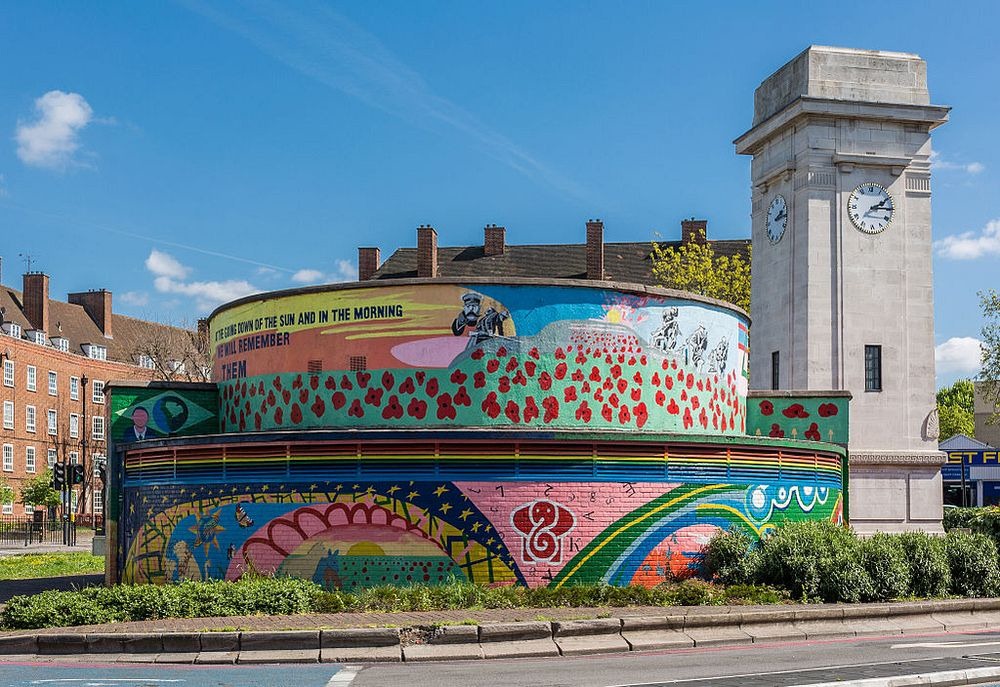
The Stockwell deep level shelter entrance in London, now decorated as a war memorial.
Work on the shelters began in November 1940. Each shelter consisted of a pair of parallel tunnels 16 feet 6 inches in diameter and 1,200 feet (370 m) long. Each tunnel was subdivided into two decks, fully equipped with bunks, medical posts, kitchens and sanitation. Above ground, each shelter’s shafts were protected by specially constructed ‘pill box’ buildings to prevent any bombs that directly hit the location from going underground. Each pill box housed lift machinery and provided the cover for spiral staircases down to the shelter’s tunnels.
Originally ten shelters were planned, but only eight got built —one each at Belsize Park, Camden Town, Goodge Street, Chancery Lane, Stockwell, Clapham North, Clapham Common, and Clapham South tube stations. The final capacity of each shelter was also reduced to 8,000 from the planned 10,000.
The shelters were ready by 1942, but when the time came to open them to the public, the government got surprisingly cold feet. The worst of the bombings were already over, they argued, and the cost of maintaining the shelters would be too high once opened. Despite mounting pressure from the public, the authorities decided that the shelters would not be opened until the bombing intensified.
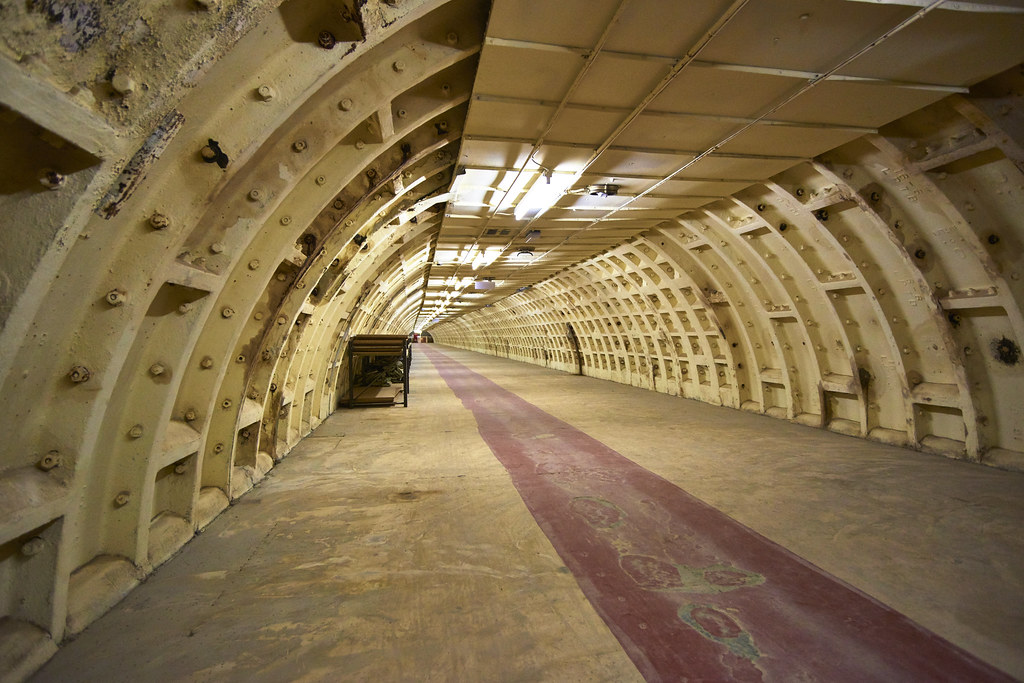
The arrival of the flying bombs, the V1 and the V2, finally moved the government to open the shelters to the public. Five of the shelters were opened and the remaining three continued to be used for various government use such as holding troops. Access to the shelters was controlled by tickets, but the demand was not high. The highest recorded nightly population was 12,297 on July 24, 1944, about one third of total capacity. After the scare of the flying bombs were over, the shelters closed once again and people returned back to the tube stations.
The shelters were used for their original purpose for less than a year. After the war, some of the shelters became temporary accommodation for the army in transit or were used as storage facilities. The Clapham South shelter used to house post-war immigrants from the West Indies. In 1951, it became the Festival Hotel providing cheap stay for visitors to the Festival of Britain. The Clapham North shelter is now a hydroponic farm and the rest are owned by Transport for London, and are still used for archival storage. The Clapham South shelter is now open for pre-booked tours arranged by the London Transport Museum.

A busy night at Clapham South in July 1944, many of the original shelter signs are still in place today.

Wherever possible families were kept together in the shelter often utilizing the cross bunks where two pairs faced each other. Shelter residents are seen hear making up their bunks on the upper floor.

These stairs led to a tunnel connecting to Clapham South Tube station. It was built so that London Underground could connect the shelters and use them as part of an “express Northern Line” after the war. This never happened.


Control room of Clapham South deep level shelter.
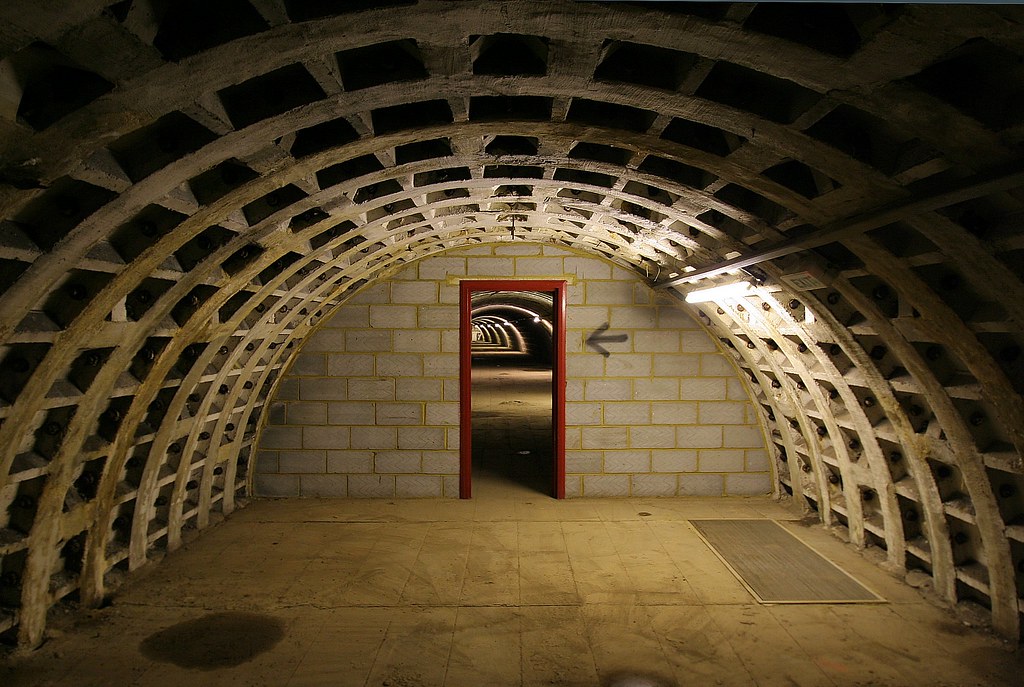

Clapham Common deep level shelter now houses an underground farm.

Entrance to the Clapham Common deep level shelter.
Mystery Utah Monolith Update
Mystery Monolith in Utah Located on Google Earth and May Be Removed
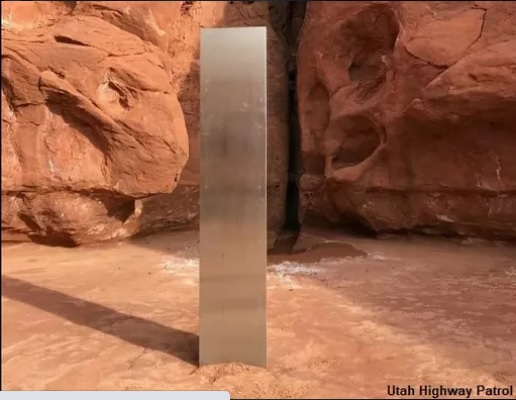
In a pair of developments surrounding the mysterious monolith found in the Utah desert, online sleuths have managed to located the odd object on Google Earth and officials in the state say that it may not be around much longer because it is actually illegal. The ten-to-12-foot tall metallic enigma sparked worldwide headlines earlier this week when news of its discovery was revealed. Fueling all manner of speculation as to its origin and purpose, at least one question about the monolith has reportedly been solved: its location.
Although the precise spot in the desert where the object had seemingly been planted had originally been kept secret by officials in Utah for fear of curious thrillseekers attempting ill-equipped visits to the site, their reticence was no match for the diligence of online detectives, who managed to find the location using Google Earth. Amazingly, based on images from the service, it would appear that the monolith was installed between August 2015, when it does not appear on satellite photos, and October 2016, which is when it can first be seen. This would mean that the curious object has been sitting in the desert waiting to be discovered for years and was seemingly only stumbled upon in the last week.
Now that it has been found, however, its time may quickly come to an end. That’s because officials with the Utah Department of Public Safety noted that placing an art installation on “federally managed public lands” is actually illegal. They went on to say that they are investigating the matter and, presumably, could opt to remove the monolith in order to stop it from becoming somewhat dangerous tourist destination. Given the furor surrounding the object, one hoped that its origin and purpose would eventually be revealed, but the potential problems which could befall its creator should they come forward suggest that we might never know the answers to those questions.

It is made of 1/8th sheet steel that is riveted on the seams. There is an amount of Insulation inside dampening when you strike it. There is epoxy along the base. The road in is not difficult. The hike in from road is not difficult.
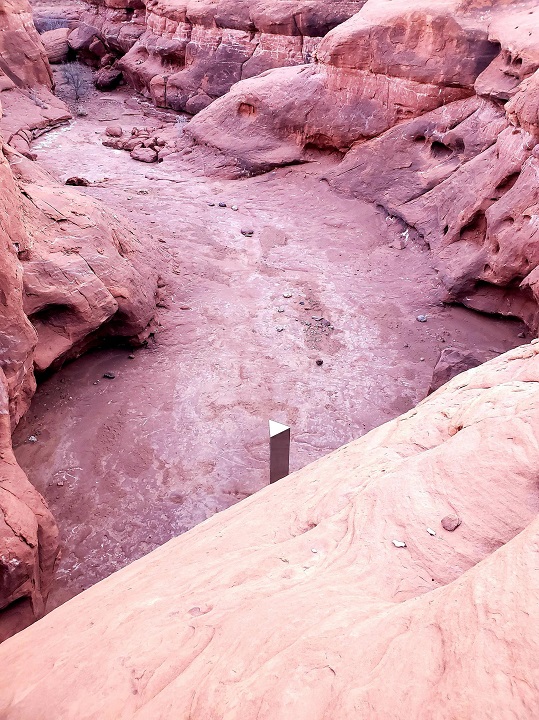
The people that found the monolith have provided the location coordinates. Therefore the object will have to be removed as there will be a stampede of curious investigators to the site. It could be stolen or vandalized.
Snakebite Epidemic
Snakebites kill tens of thousands of Africans a year
SIMON ISOLOMO AWOKE around 5 a.m., said goodbye to his wife and seven children, and climbed into his dugout canoe. That Tuesday in December 2018 had begun like many others in Isolomo’s 30 years of fishing in the province of Équateur, in the Democratic Republic of the Congo. Paddling on the Ikelemba River toward his fishing camp with a couple of friends, Isolomo, a 52-year-old French teacher, snacked on kwanga, a popular manioc dish, and enjoyed the cool morning air.
Three hours later they arrived at the camp, and Isolomo began checking the fishing lines he’d set up the day before. Feeling resistance on one, he thrust his hand into the murky water.
A sharp pain sent him reeling. Blood oozed from two puncture wounds on his hand. Just below the surface, a yellowish snake with black rings—probably a banded water cobra—slithered from view.
Isolomo’s companions helped him into the canoe and paddled frantically back to their village of Iteli. By the time they arrived, about three hours after Isolomo was bitten, he was slipping in and out of consciousness.
“His eyes had changed color, and he was vomiting,” his wife, Marie, recalls, starting to cry. After a traditional healer applied a tourniquet, they set out by canoe for the hospital in Mbandaka, the provincial capital, some 60 miles away. But before they arrived, Isolomo stopped breathing and died.

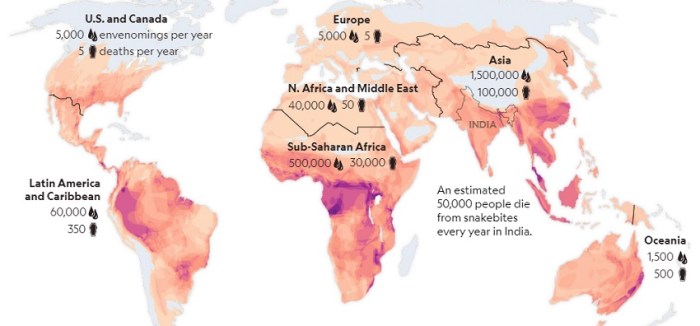
Isolomo’s story encapsulates the global snakebite crisis: Bitten in a remote area, hours from the closest hospital, he didn’t have a chance. As many as 138,000 people around the world die from snakebites each year, according to the World Health Organization (WHO), and roughly 95 percent of those deaths occur in poor, rural communities in developing nations. Another 400,000 people survive with amputated limbs and other permanent disabilities.
One of the worst-hit locations is sub-Saharan Africa, where up to 30,000 deaths from snakebites are believed to occur each year. But some doctors and snakebite experts say the true toll may be double that. A major factor is a severe shortage of the only medicine that can neutralize the toxins of dangerous snakes: antivenom. Complicating matters is that many victims, for lack of money or transportation, or because of distrust of Western medicine, don’t go to hospitals—or don’t get there in time. Staff at many health centers are insufficiently trained to treat snakebites, and even if the drug is on hand, it’s too expensive for many victims. Additionally, most of the more reliable African antivenoms need to be kept refrigerated to stay stable and effective. With frequent power cuts, even in cities, keeping them cold can be nearly impossible.
To draw attention to the snakebite crisis and to attract funding for research and treatment, in 2017 WHO added snakebite envenomation to its roster of neglected tropical diseases, which includes rabies, dengue, and leprosy. In 2019 it announced a goal of slashing the number of annual deaths and disabilities from envenomation by 50 percent by 2030—an undertaking that could cost nearly $140 million.
Most African snakebite victims are farmers who work in remote fields barefoot or in sandals, making them particularly vulnerable. Once a venomous snake strikes, a race against the clock begins. Transport to the nearest hospital can take hours, even days. By then it may be too late.
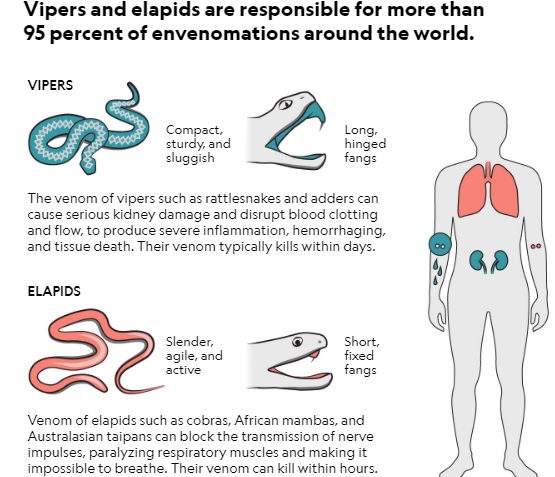
The venom of elapids, a family of snakes that includes mambas and cobras, can kill within hours. Their neurotoxins rapidly paralyze respiratory muscles, making breathing impossible. The venom of vipers, however, can take several days to kill, interfering with clotting and leading to inflammation, bleeding, and tissue death.

Agile and arboreal, the eastern green mamba is one of four African mamba species. Mamba strikes can release a neurotoxic venom that acts quickly, paralyzing respiratory muscles and causing death by asphyxiation.

A puff adder, one of Africa’s most dangerous snakes, basks on a warm rock in Guinea. In 2017 the World Health Organization added snakebite to its list of neglected tropical diseases, spotlighting this health crisis to attract funding for research and treatment.
Nationalgeographic.com
 The MarkoZen Blog