This is how to fly, but there is only two seats

In the compendium of complaints about air travel, we have not yet encountered “I do not have an unencumbered, horizon-to-horizon view of the entire planet.” At some point, we surmise, someone must have shared that frustration, because Windspeed Technologies has come up with a solution.

The company’s SkyDeck is a clear bubble that pokes up out of the top of an airplane. One or two passengers access this viewing dome via a staircase, or (rather showily) in an elevator. Once they are head and shoulders above the fuselage, they may rotate their seats to view some particular object — the sunset, or a constellation, or a cloud that looks a lot like a bunny. The bubble is made of the same material as the canopies of a supersonic fighter jet, and it’s a teardrop shape mounted just before the tail to have the smallest possible effect on aerodynamics. Its feasibility has been studied a thousand different ways, patents and trademarks have been applied for, and an aircraft manufacturer has begun offering it as an option on its custom builds — though there are not yet reports of orders taken.


Windspeed-Technologies


windspeed

Does the SkyDeck seem a bit… erm… over the top? Yes, but certainly that is the point. Windspeed identifies business and VIP aircraft as their primary market, where amenities like the SkyDeck make sense because airplanes made of solid gold are too heavy to fly. But the company also sees a commercial application, where, they say, “Current in-flight entertainment offerings have not changed much over the decades” (as if SkyDeck were the logical successor to seatback entertainment systems). In this bright future, airlines would charge passengers for a trip up to the SkyDeck, providing an additional revenue stream for beleaguered airlines that have not yet found enough things to charge for.

Still, it’s awesome. To merely propose cutting a hole in the top of a jet — and then actually figuring out how to make it happen — is an admirable engineering feat. And who hasn’t imagined what the view might be like the outside of a plane, rather than through the tiny windows we’re now supposed to keep shuttered so as not to interfere with the seatback entertainment systems? Given the chance, we’d certainly spend a few minutes enjoying a 360° at 36,000 feet — though we admit to having some concerns about the availability of beverage service up there.

windspeed1

You’ll Never Look At Movies The Same Once You See These Miniature Film Sets Used For Blade Runner 2049

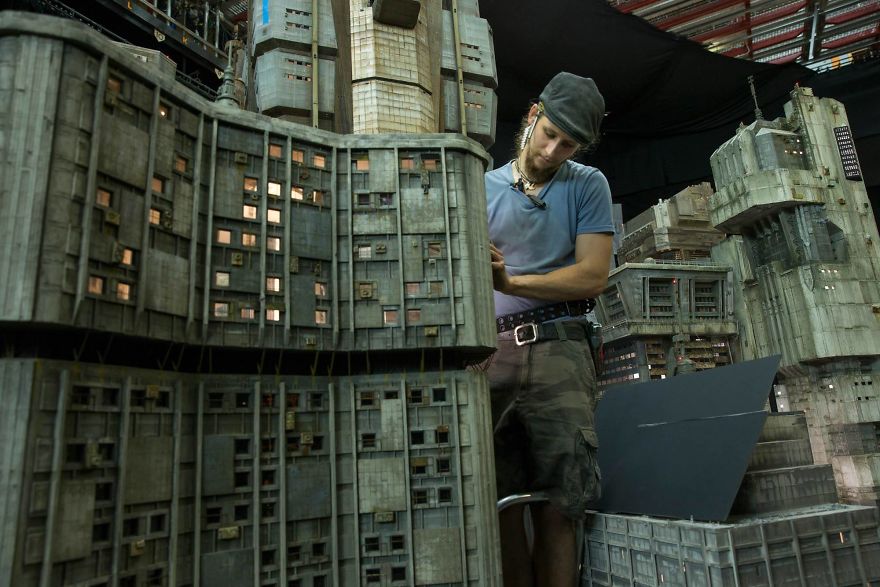
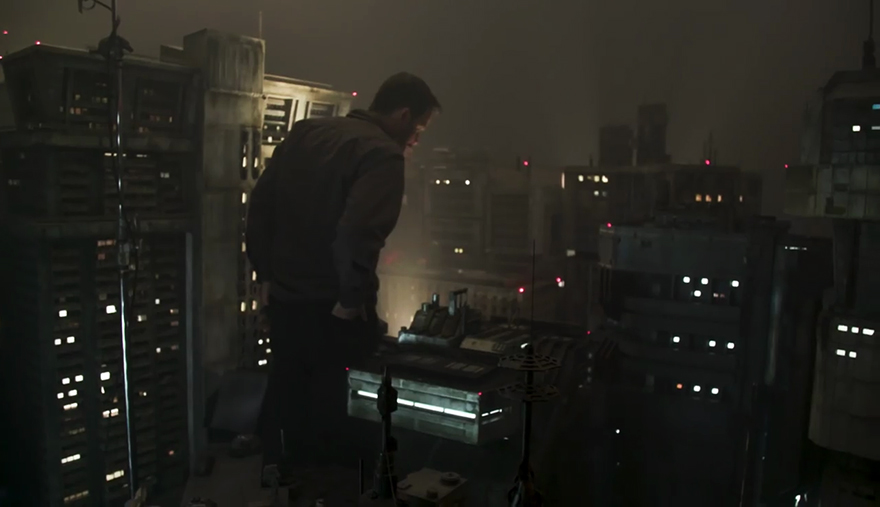
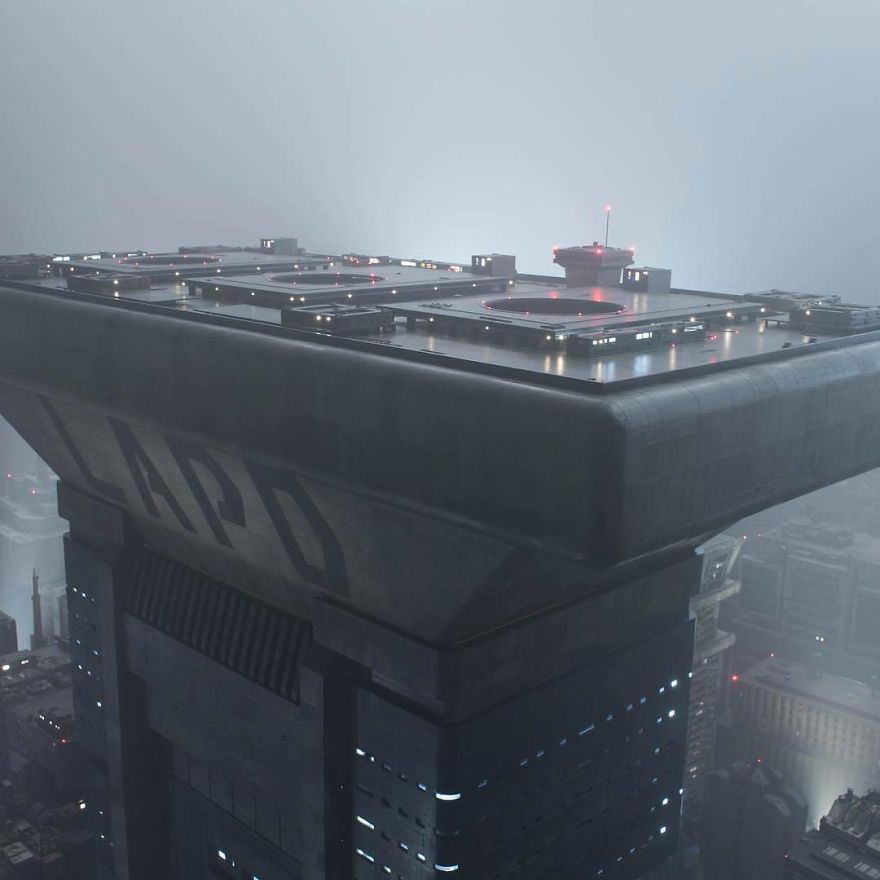
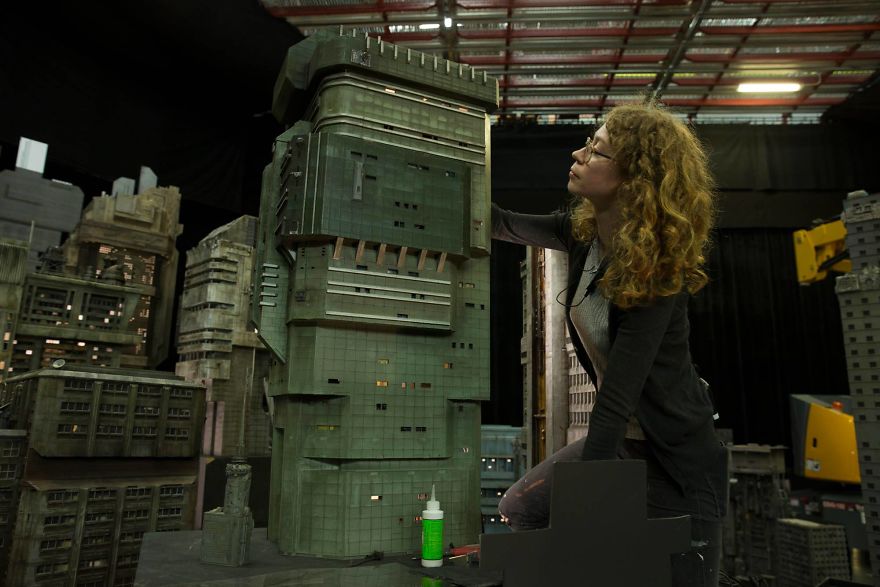
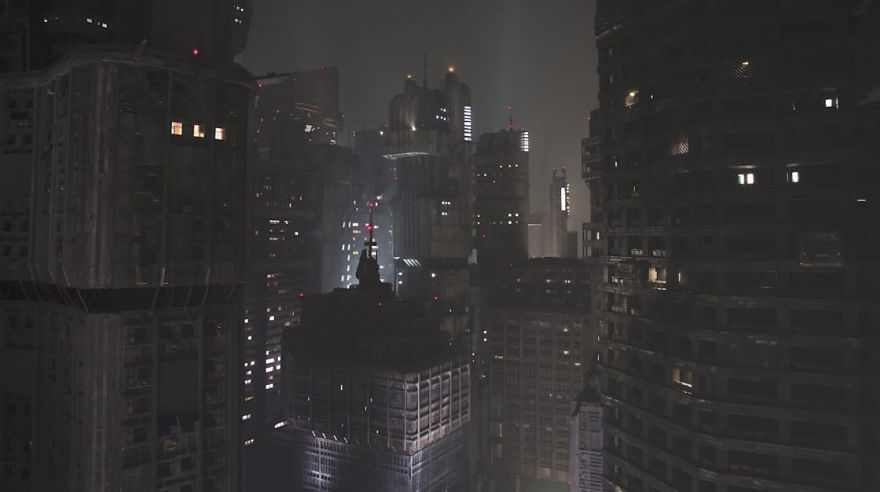
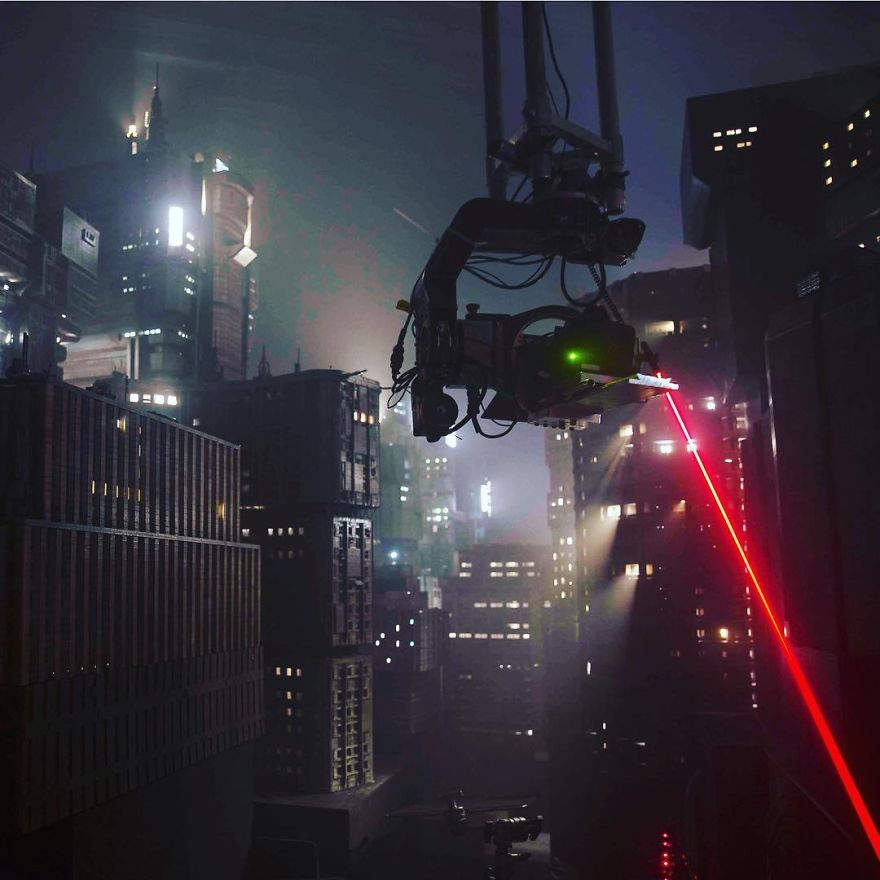
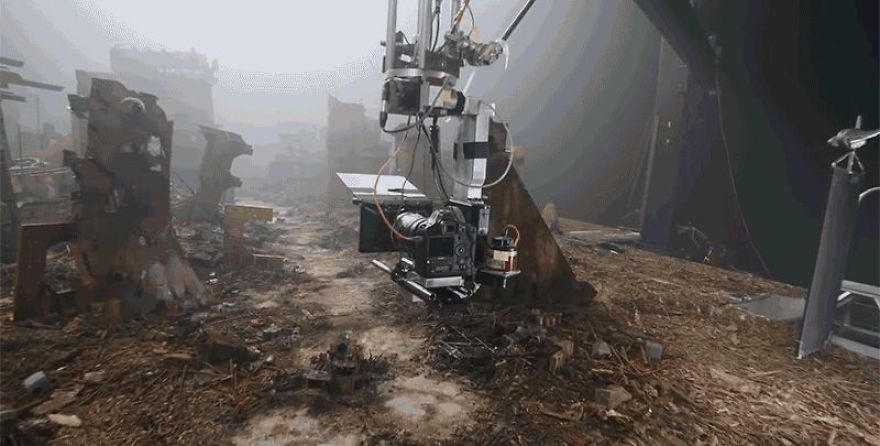
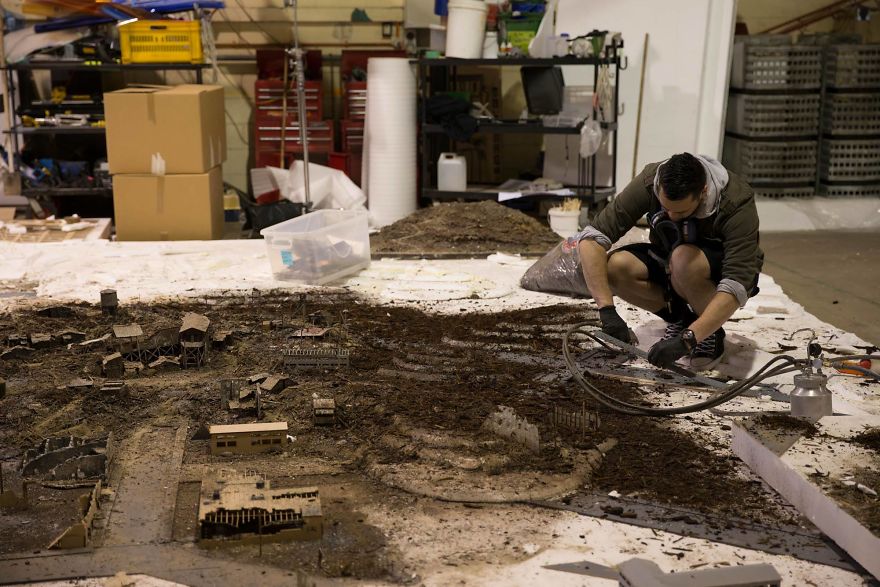
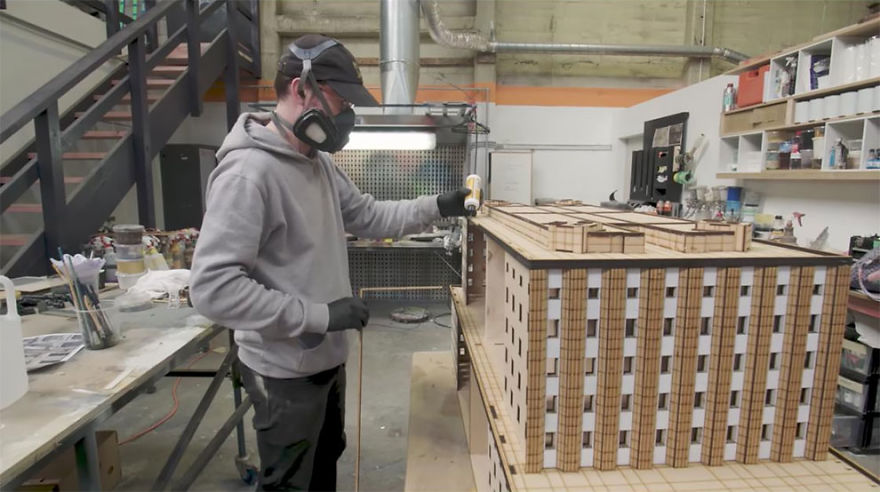
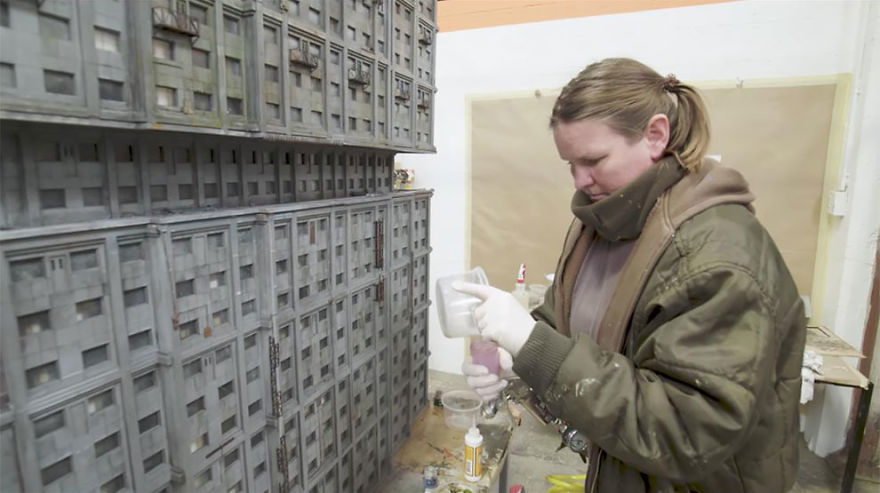
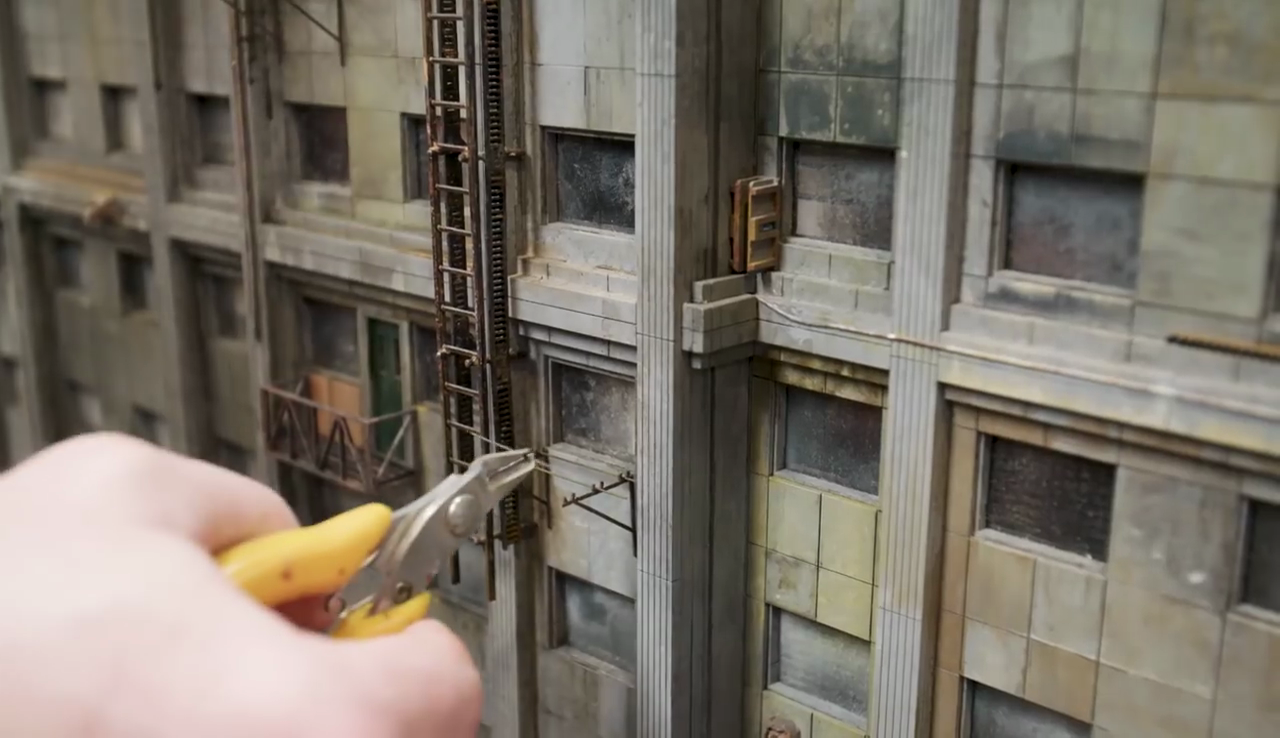
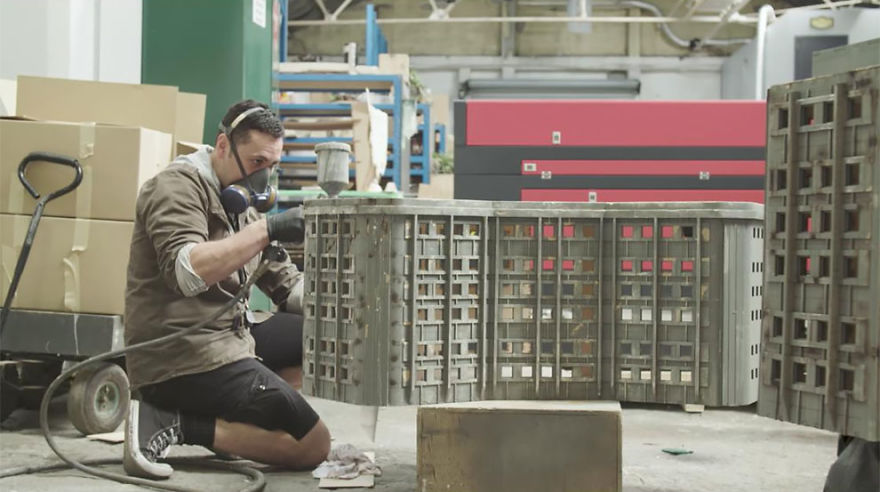
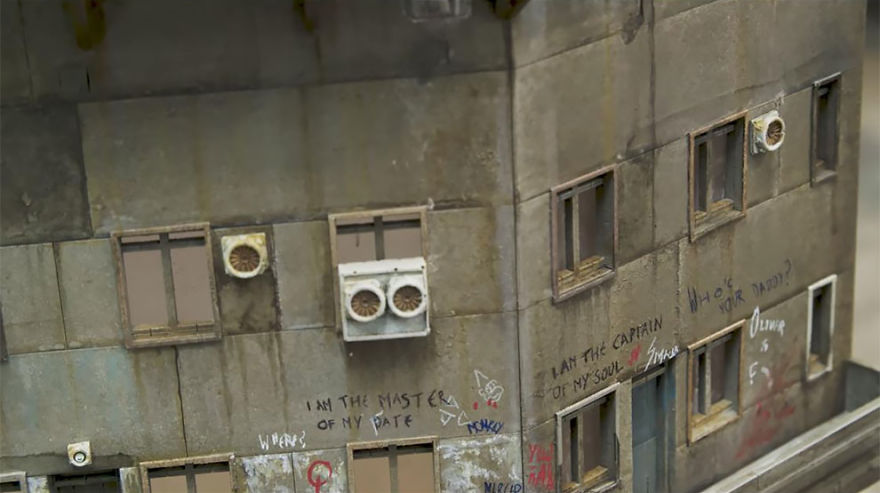
Anybody who’s seen Blade Runner 2049 will know how stunning it is. Even if you didn’t like the movie itself, it’s almost impossible not to gaze in awe at the incredible visuals on offer in Denis Villeneuve’s incredible follow-up to the 1982 classic. What’s even more impressive is that instead of solely relying on CGI for everything, the filmmakers actually used miniature models for many of the scenes. Well, we say “miniature” but as you can see, there’s really nothing miniature about them!

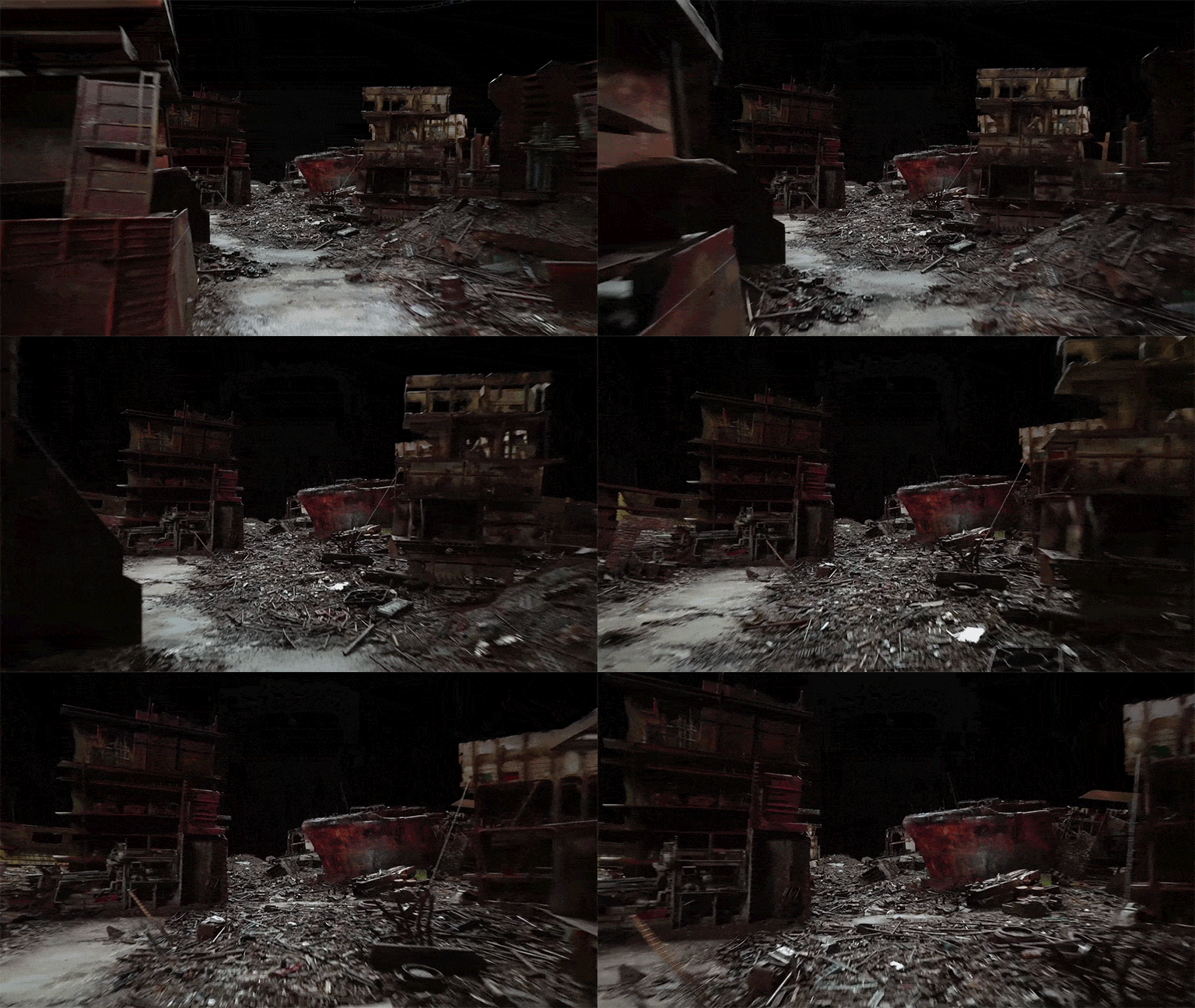
“They’re really bigatures – they’re not miniatures. They’re massive buildings,” says Pamela Harvey-White, the on-set production manager, in the video below. And few people could disagree when they see the 14.8ft (4.5m) high L.A.P.D building, the pyramid-shaped Wallace Towers that could only be lifted by crane, and the Trash Mesa that nearly filled the whole floor of the studio. “They’re just stellar pieces of art,” she states with pride.

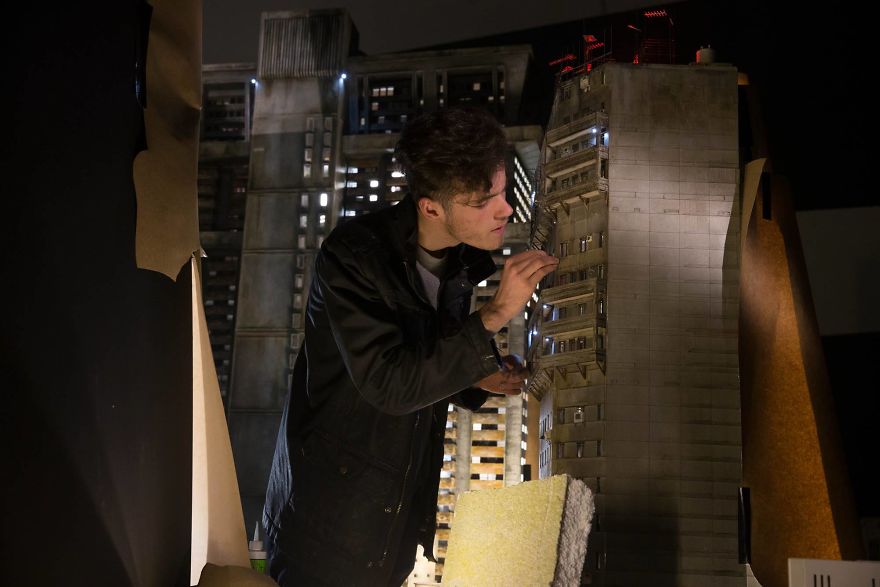
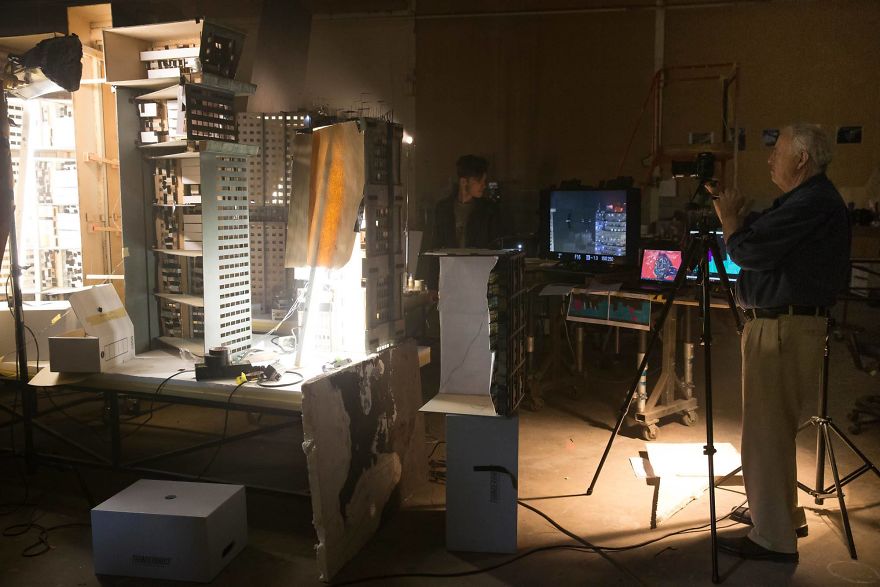
The “bigatures” were made by Weta Workshop, a special effects and prop company from New Zealand (co-founded by Lord of the Rings director Peter Jackson) which has also worked on such blockbusters as Thor: Ragnarok and Ghost in the Shell.  Around 38 models were made in total, and “each building would probably take about a week to make,” said Ben Milsom, the miniature unit’s senior art director, emphasizing that they were “mega high detailed.” Scroll down to see the incredible results.

Many of the Blade Runner 2049 sets were actually made from miniatures


Well, we say “miniature” but as you can see, there’s really nothing miniature about them!

With the biggest one being the L.A.P.D. miniature skyscraper, which was 14.8 feet (4.5 meters) high

“They’re really bigatures – they’re not miniatures. They’re massive buildings,” says Pamela Harvey-White, the on-set production manager

In total, around 38 “miniature” buildings were constructed

Some were so big that they could only be moved by crane

They were crafted by Weta Workshop, a special effects and prop company from New Zealand

The company was co-founded by Peter Jackson, who directed the Lord of the Rings and The Hobbit trilogies

“Each building would probably take about a week to make,” said Ben Milsom, the miniature unit’s senior art director

And it comes as no surprise, seeing how much detail the artists pack into a single miniature

Now this is one big giant hole in the ground!

The Cave of Swallows, also called Cave of the Swallows (Spanish: Sótano de las Golondrinas), is an open air pit cave in the Municipality of Aquismón, San Luis Potosí, Mexico. The elliptical mouth, on a slope of karst, is 49 by 62 meters wide and is undercut around all its perimeter, further widening to a room approximately 303 by 135 meters wide.  The floor of the cave is a 333-meter freefall drop from the lowest side of the opening, with a 370-meter drop from the highest side,  making it the largest known cave shaft in the world, the second deepest pit in Mexico and perhaps the 11th deepest in the world.  A skyscraper such as New York City’s Chrysler Building could easily fit wholly within it.


Opened up by water erosion in a fault on an impermeable limestone plain and with a roughly conical shape, the cave has been known to the local Huastec people since ancient times. The first documented exploration was on 27 December 1966 by T. R. Evans, Charles Borland and Randy Sterns.

Temperatures in the cave are low. Vegetation grows thickly at the mouth, where rains can cause waterfalls cascading into the cave.  The cave floor is covered with a thick layer of debris and guano on which “millipedes, insects, snakes, and scorpions” live.  There is also a narrow sinkhole in a fault of lower Cretaceous limestone which goes down at least a further 512 m.


These people rappel down to the floor of the cave where the scorpions and deadly snakes are waiting.  Why?

And then there are the crazy thrill seekers who want to parachute down into the cave where the scorpions and deadly snakes are waiting.  Why?  Why?

The cave is a popular vertical caving destination. The high side of the mouth is covered with heavy foliage, so cavers most often fix their ropes on the low side, where bolts have been fixed into the rock and the area is clear of obstructions.  Rappelling to the floor takes about twenty minutes, in which time abseil equipment and rope can heat up to hazardous levels. Climbing back out may take from forty minutes to more than two hours. A person without a parachute would take almost ten seconds to freefall from the mouth to the floor, hence the pit is also popular with extreme sporting enthusiasts for BASE jumping.  An average-sized hot air balloon has been navigated through the 160-foot (49 m) wide opening and landed on the floor below.  Base jumpers can get out in about 10 minutes via an extraction rope.

Google Street View Protects Cows Privacy by Blurring its Face

At least Google’s face-blurring technology takes privacy seriously — even for non-humans.

The photo was captured in Cambridge, England and shows a cow grazing by a river with a blurred-out face — something Google usually only does for the humans it captures as it drives about photographing cities for its Street View service.

In a statement to the BBC, Google said, “we thought you were pulling the udder one when we herd the moos, but it’s clear that our automatic face-blurring technology has been a little overzealous. Of course, we don’t begrudge this cow milking its five minutes of fame.”


cow1


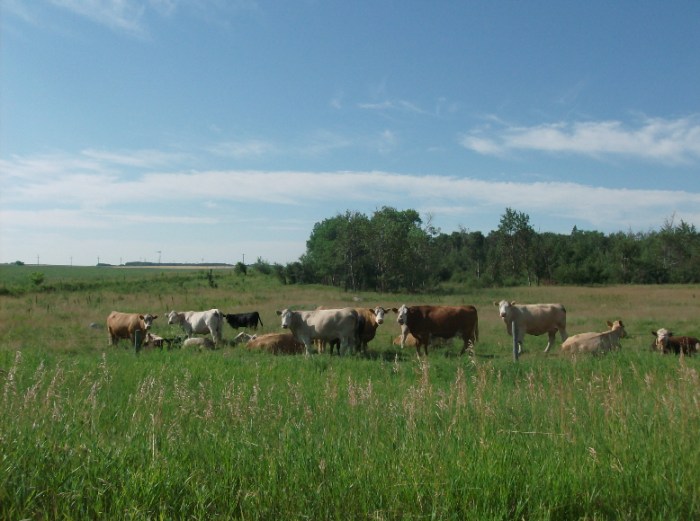
Here is the real intention. North End Winnipeggers partying on the street.

elginave

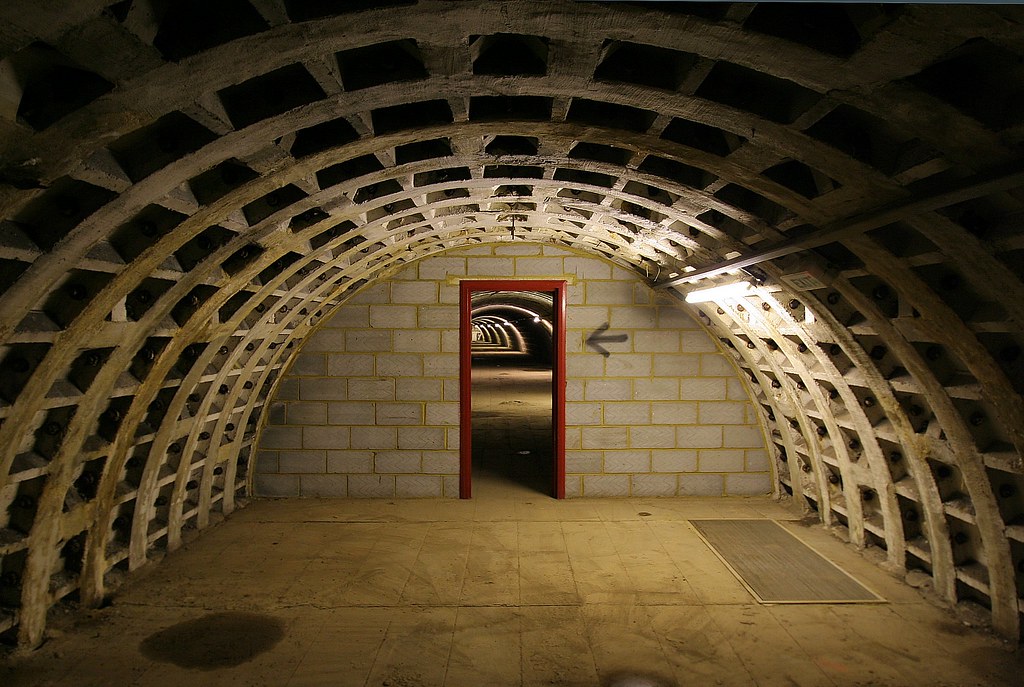
London’s Deep Level Air Raid Shelters

When the Second World broke out in Europe, and London became the prime bombing target, people began to pour into the platforms of the London Underground —the city’s subway system— every night to escape the nightly bombings of the 1940 London Blitz. As these underground sanctuaries became increasingly crowded, the British government decided to construct proper air raid shelters far below the ground. The idea was to build ten shelters and place them slightly below and near existing subway stations with the intention that these newly built tunnels will be eventually absorbed into the Underground once the war was over.


deep-level-air-raid-shelters-london-11

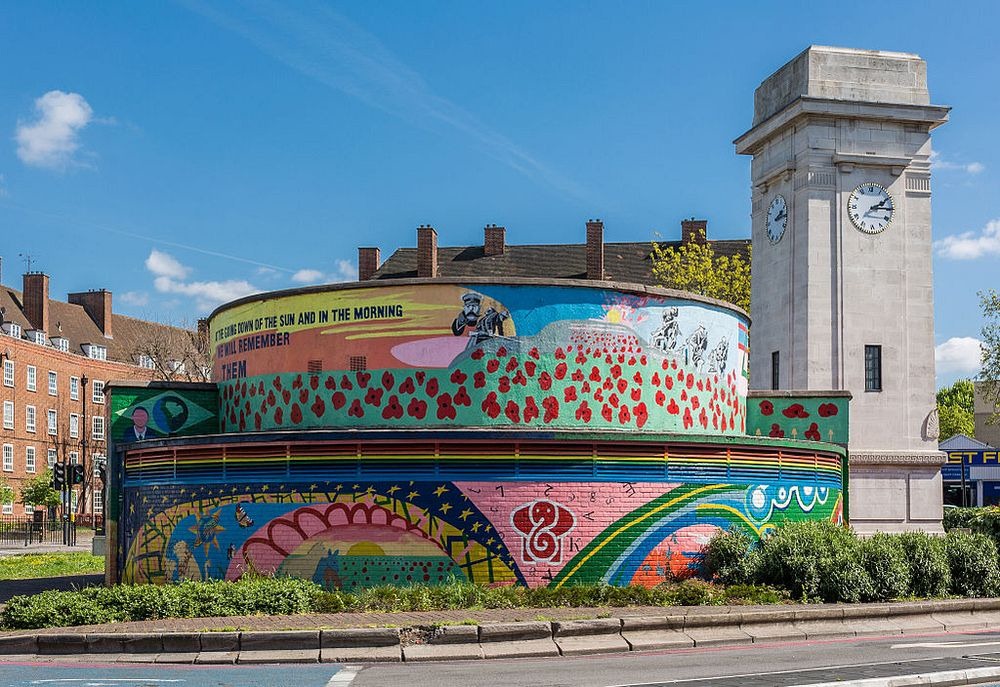
The Stockwell deep level shelter entrance in London, now decorated as a war memorial. 


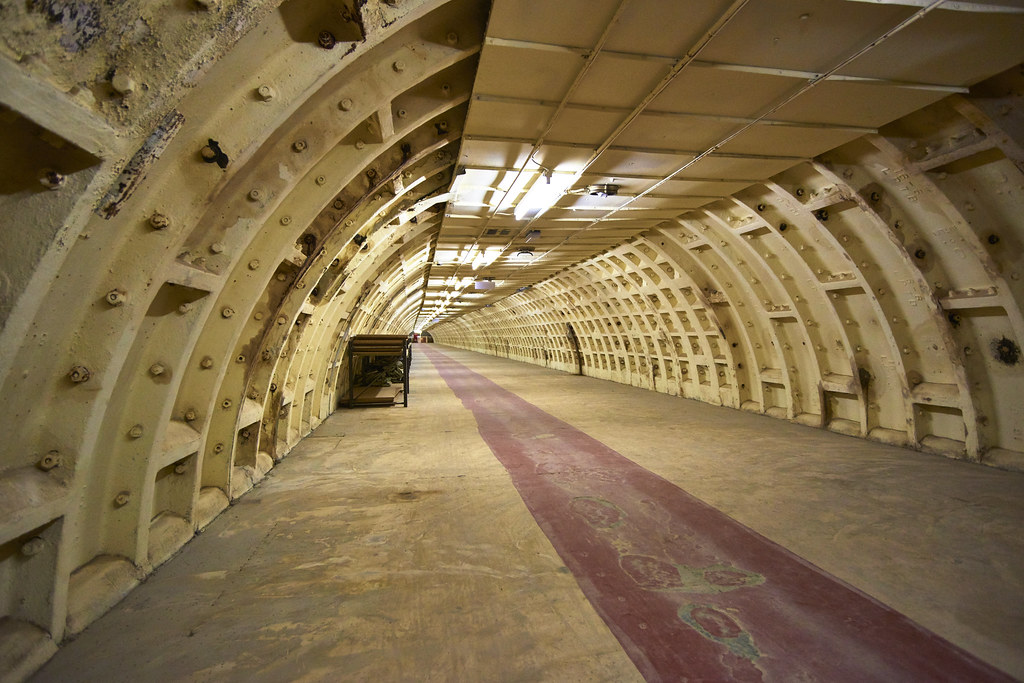
Work on the shelters began in November 1940. Each shelter consisted of a pair of parallel tunnels 16 feet 6 inches in diameter and 1,200 feet (370 m) long. Each tunnel was subdivided into two decks, fully equipped with bunks, medical posts, kitchens and sanitation. Above ground, each shelter’s shafts were protected by specially constructed ‘pill box’ buildings to prevent any bombs that directly hit the location from going underground. Each pill box housed lift machinery and provided the cover for spiral staircases down to the shelter’s tunnels.

Originally ten shelters were planned, but only eight got built —one each at Belsize Park, Camden Town, Goodge Street, Chancery Lane, Stockwell, Clapham North, Clapham Common, and Clapham South tube stations. The final capacity of each shelter was also reduced to 8,000 from the planned 10,000.

The shelters were ready by 1942, but when the time came to open them to the public, the government got surprisingly cold feet. The worst of the bombings were already over, they argued, and the cost of maintaining the shelters would be too high once opened. Despite mounting pressure from the public, the authorities decided that the shelters would not be opened until the bombing intensified.


Clapham South Deep-level shelter

The arrival of the flying bombs, the V1 and the V2, finally moved the government to open the shelters to the public. Five of the shelters were opened and the remaining three continued to be used for various government use such as holding troops. Access to the shelters was controlled by tickets, but the demand was not high. The highest recorded nightly population was 12,297 on July 24, 1944, about one third of total capacity. After the scare of the flying bombs were over, the shelters closed once again and people returned back to the tube stations.

The shelters were used for their original purpose for less than a year. After the war, some of the shelters became temporary accommodation for the army in transit or were used as storage facilities. The Clapham South shelter used to house post-war immigrants from the West Indies. In 1951, it became the Festival Hotel providing cheap stay for visitors to the Festival of Britain. The Clapham North shelter is now a hydroponic farm and the rest are owned by Transport for London, and are still used for archival storage. The Clapham South shelter is now open for pre-booked tours arranged by the London Transport Museum.


deep-level-air-raid-shelters-london-14

A busy night at Clapham South in July 1944, many of the original shelter signs are still in place today.


deep-level-air-raid-shelters-london-15

Wherever possible families were kept together in the shelter often utilizing the cross bunks where two pairs faced each other. Shelter residents are seen hear making up their bunks on the upper floor.


deep-level-air-raid-shelters-london-7

These stairs led to a tunnel connecting to Clapham South Tube station. It was built so that London Underground could connect the shelters and use them as part of an “express Northern Line” after the war. This never happened.


deep-level-air-raid-shelters-london-6


deep-level-air-raid-shelters-london-10

Control room of Clapham South deep level shelter.


Breeze Blocks

deep-level-air-raid-shelters-london-1

Clapham Common deep level shelter now houses an underground farm.


deep-level-air-raid-shelters-london-3

Entrance to the  Clapham Common deep level shelter.