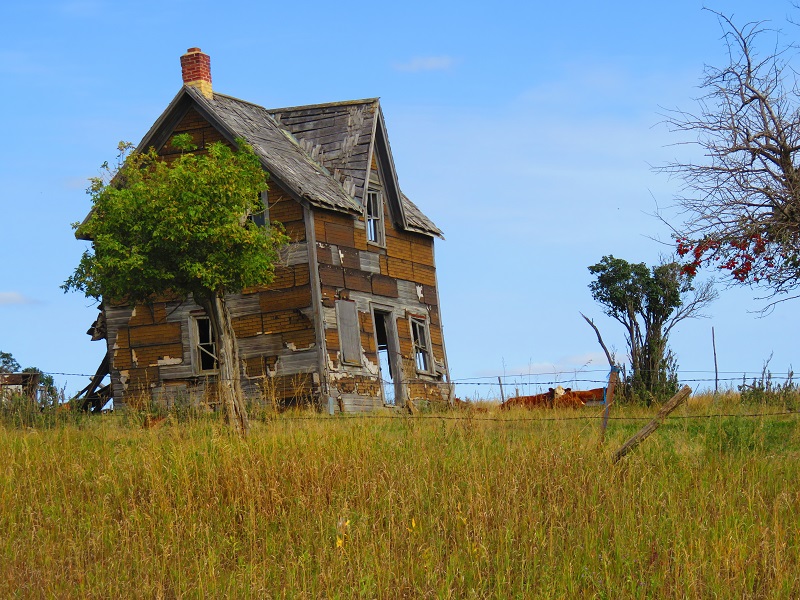
Old house north of Swan Lake, Manitoba.


Harvest time on the prairie.



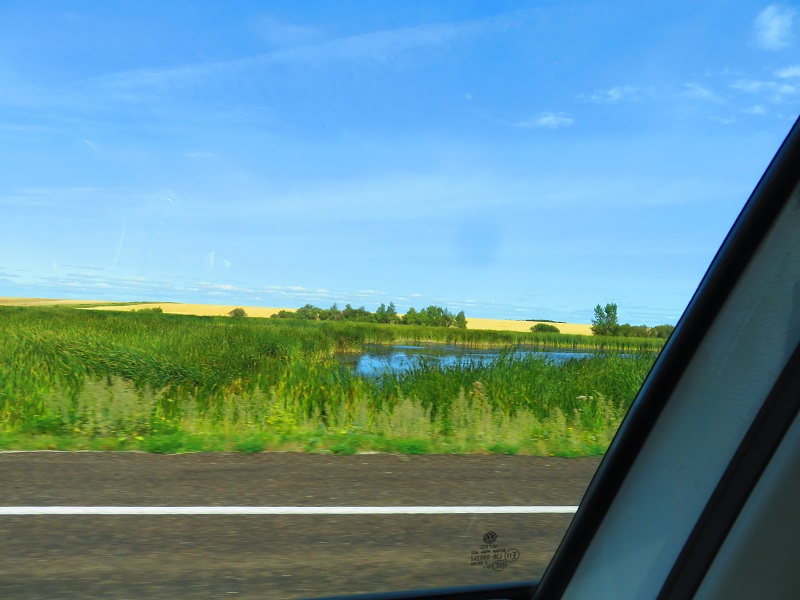


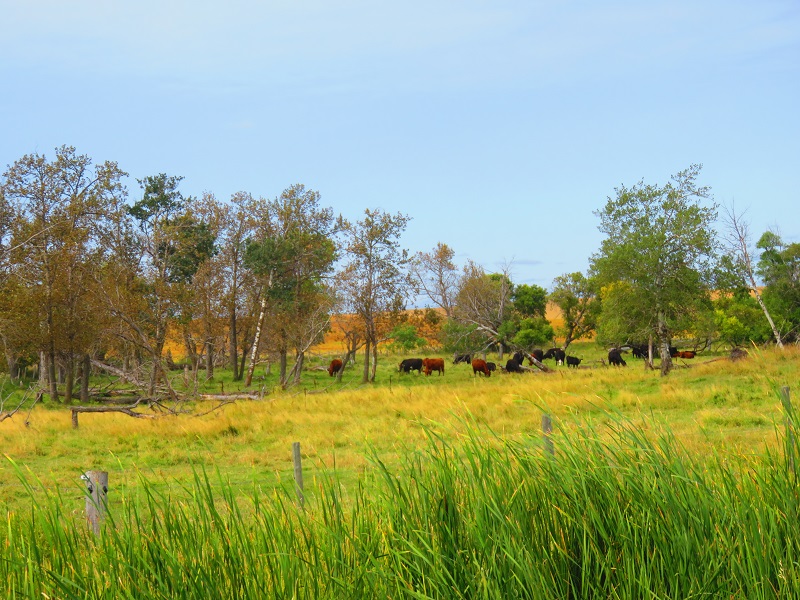

Old house north of Swan Lake, Manitoba.
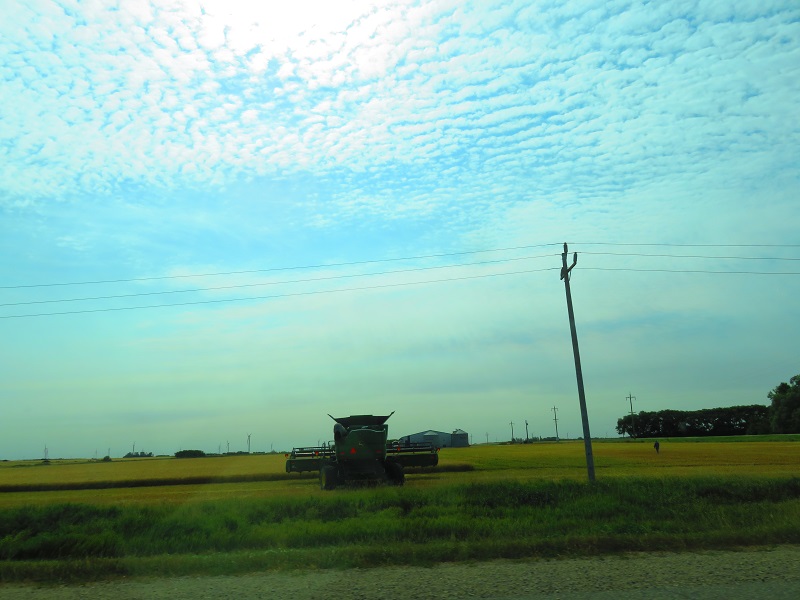
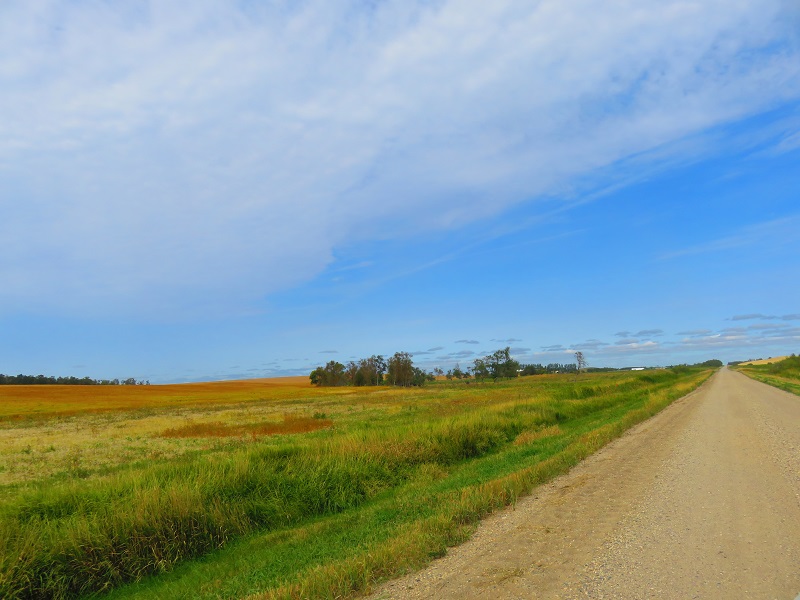
Harvest time on the prairie.

Current affairs programs are always bringing on experts from think tanks. I got thinking about the term think tank and realized the two words just don’t go together very well. Think connotes an intellectual endeavor, tank on the other hand conjures up images of big metal or glass containers. Not to mention battle tanks.
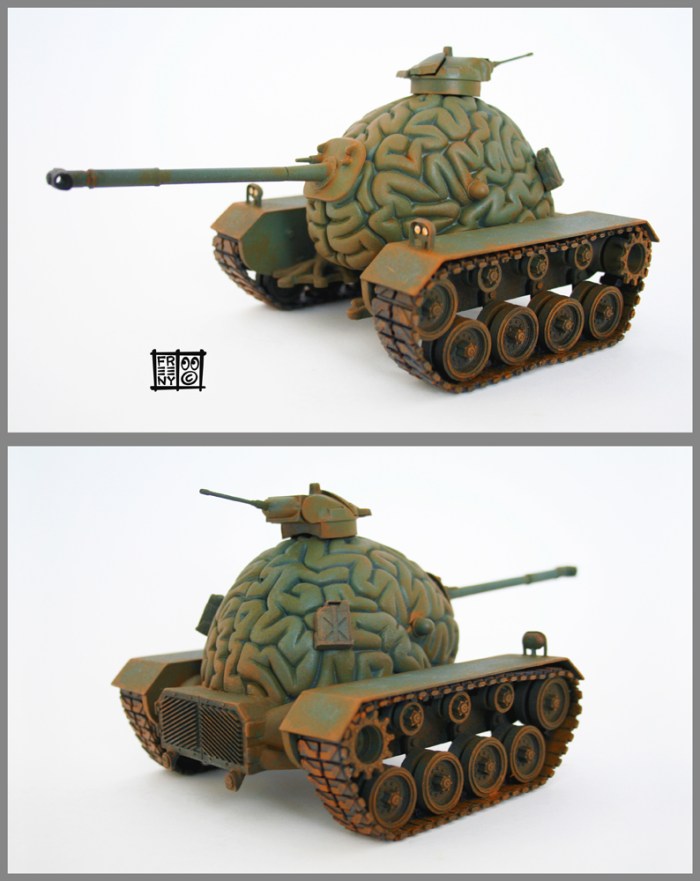
The two words are completely incongruous together. No matter, I digress, what are these think tanks?
A think tank, policy institute, or research institute is an organisation that performs research and advocacy concerning topics such as social policy, political strategy, economics, military, technology, and culture. Most policy institutes are non-profit organisations, which some countries such as the United States and Canada provide with tax exempt status. Other think tanks are funded by governments, advocacy groups, or businesses, or derive revenue from consulting or research work related to their projects.
One of the biggest Think Tanks in the world is RAND Corporation. RAND (“Research and development”) is an American nonprofit global policy think tank originally formed by Douglas Aircraft Company to offer research and analysis to the United States Armed Forces. It is financed by the U.S. government and private endowment,corporations,universities and private individuals. The organization has expanded to work with other governments, private foundations, international organizations, and commercial organizations on a host of non-defense issues, including healthcare. RAND aims for interdisciplinary and quantitative problem solving via translating theoretical concepts from formal economics and the physical sciences into novel applications in other areas, that is, via applied science and operations research.*
Headquarters in Santa Monica. Right off the beach, nice.
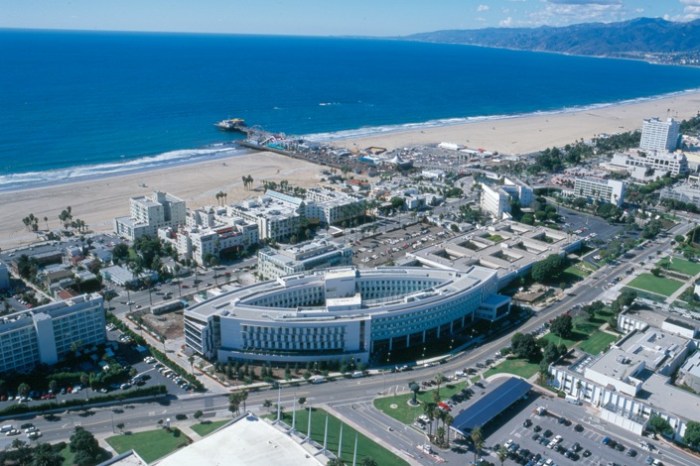
RAND has approximately 1,700 employees. Its American locations include: Santa Monica, California (headquarters); Arlington, Virginia; Pittsburgh, Pennsylvania; the San Francisco Bay Area; and Boston, Massachusetts. The RAND Gulf States Policy Institute has an office in New Orleans, Louisiana. RAND Europe is located in Cambridge, United Kingdom, and Brussels, Belgium. RAND Australia is located in Canberra, Australia.

Downtown


The steps
| Population (2013) | |
|---|---|
| • City | 305,841 |
| • Rank | US: 62nd |
| • Density | 5,540/sq mi (2,140/km2) |
| • Urban | 1,733,853 (US: 27th) |
| • Metro | 2,360,867 (US: 22nd) |
| • CSA | 2,659,937 (US: 20th) |
| • GMP | $131.3 billion (23rd) |


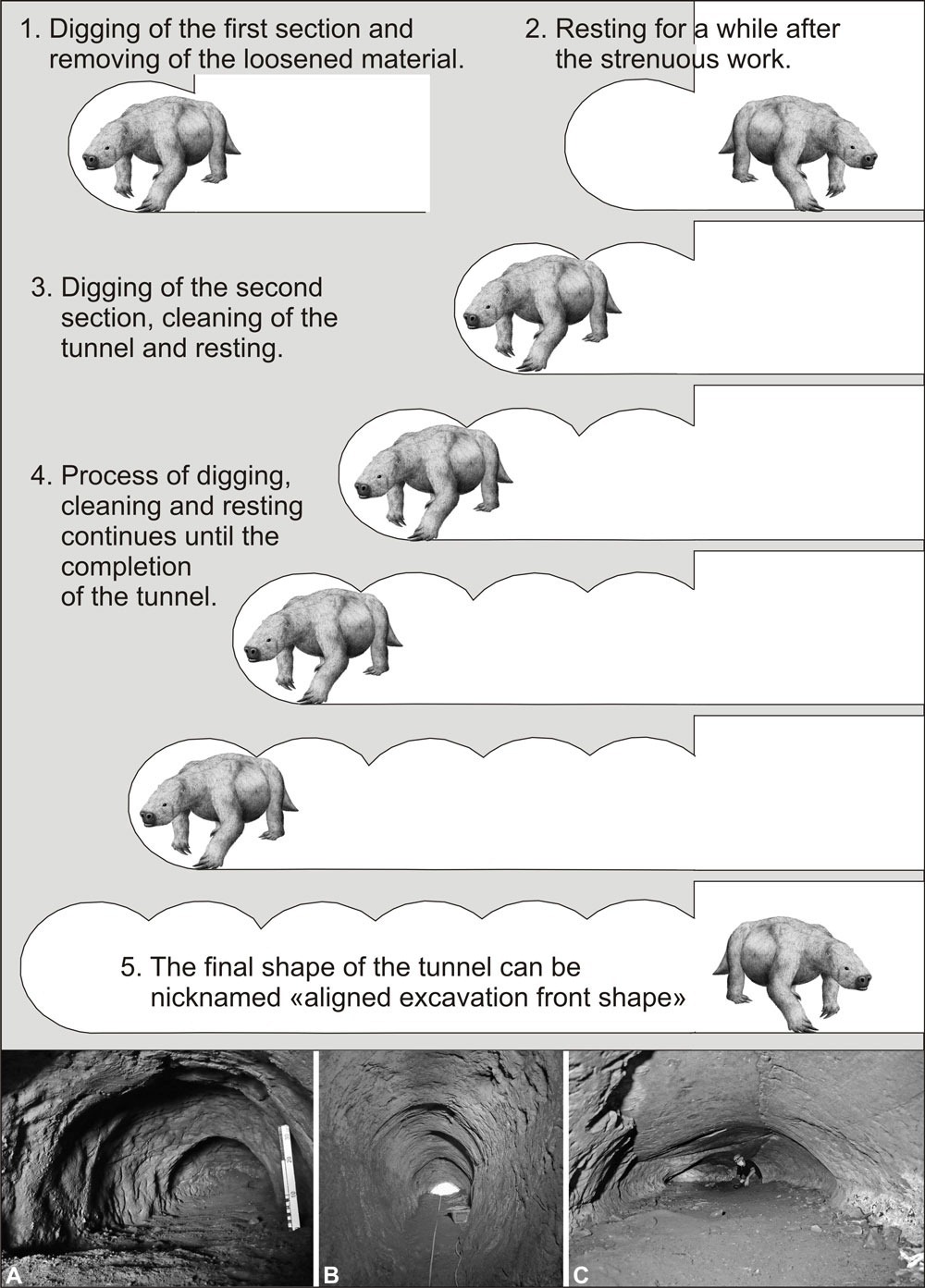
Across northern South America, there are hundreds of colossal tunnels large enough for humans to walk through, but they weren’t dug by men. Nor they were formed by any known geological process. But their creators have left evidence all around the walls and ceilings—giant claw marks.
Geologists call these tunnels “paleoburrow,” and they are believed to have been dug by an extinct species of giant ground sloth.
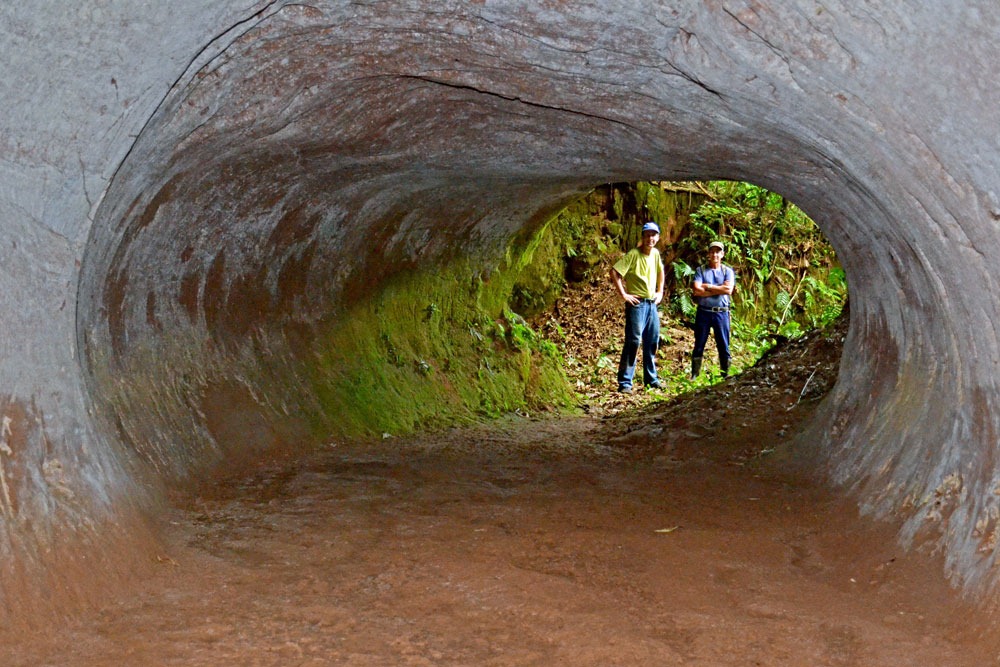
A large paleoburrow in Brazil. Photo credit: Heinrich Frank
The term was coined by Heinrich Frank, a professor at the Federal University of Rio Grande do Sul, in Brazil, who chanced upon one at a construction site in the town of Novo Hamburgo, in the early 2000s. Up until then, little was known or written about these tunnels in scientific literature. But since he came upon his first, Heinrich Frank and other researchers have discovered more than 1,500 tunnels, in the state of Rio Grande do Sul alone. Some of these burrows measure hundreds of feet long and branched off into several direction.
The largest one measured 2,000 feet long, six feet tall and three to five feet wide. An estimated 4,000 metric tons of dirt and rock were dug out of the hillside to create the burrow. It was evidently the work of not one or two individuals but several generations.
Frank believes the burrows were dug by a genus of giant ground sloths, as large as modern elephants, that once lived in South America until about 10,000 years ago. They were some of the biggest land mammals on earth exceeded in size only by the mammoth. Others believe that extinct armadillos, which were smaller than the giant sloths, were responsible for the burrows.
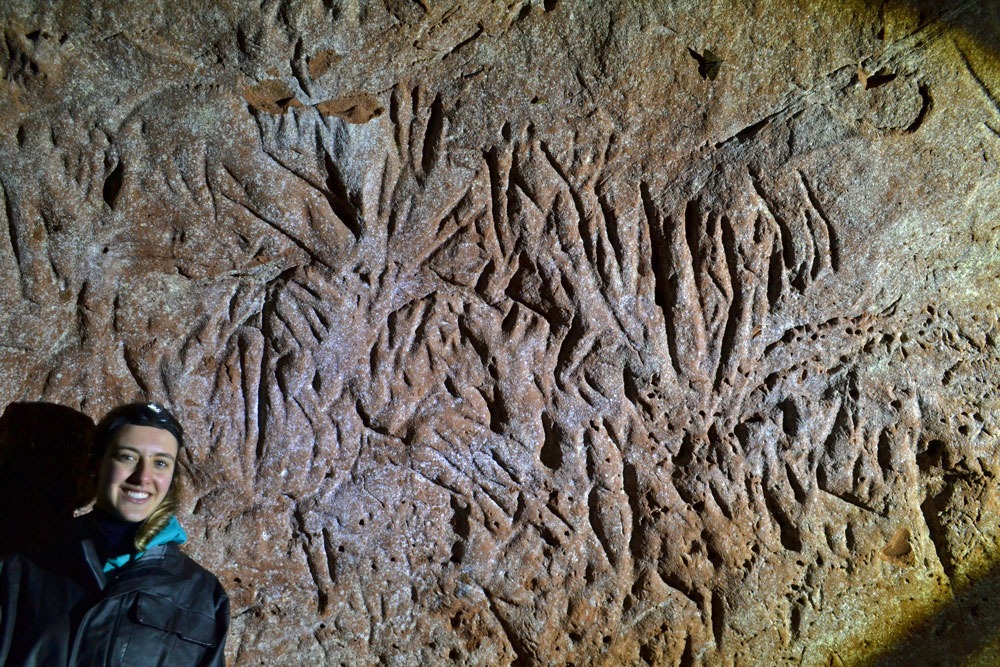
Claw marks on the sides of the burrow. Photo credit: Heinrich Frank
Regardless of who dug them, the sheer size of the burrows is something that Frank and his colleagues are still trying to explain.
The paleoburrows also have a strange geographic distribution. They have been found only in the southern Brazilian states of Rio Grande do Sul and Santa Catarina. Very few have been found in northern Brazil, or in other South American countries. Even in North America, where the giant ground sloths and giant armadillos once lived, no paleoburrows have been found.
Greg McDonald, a paleontologist from the Bureau of Land Management, however, believes that it’s just a matter of time before we find them.
“The fact that we don’t have them here could simply be that we’ve overlooked them,” he says.
There are still a lot of unanswered questions surrounding the paleoburrows and its creators. Who built them? Why they were built? How they were built, and when?
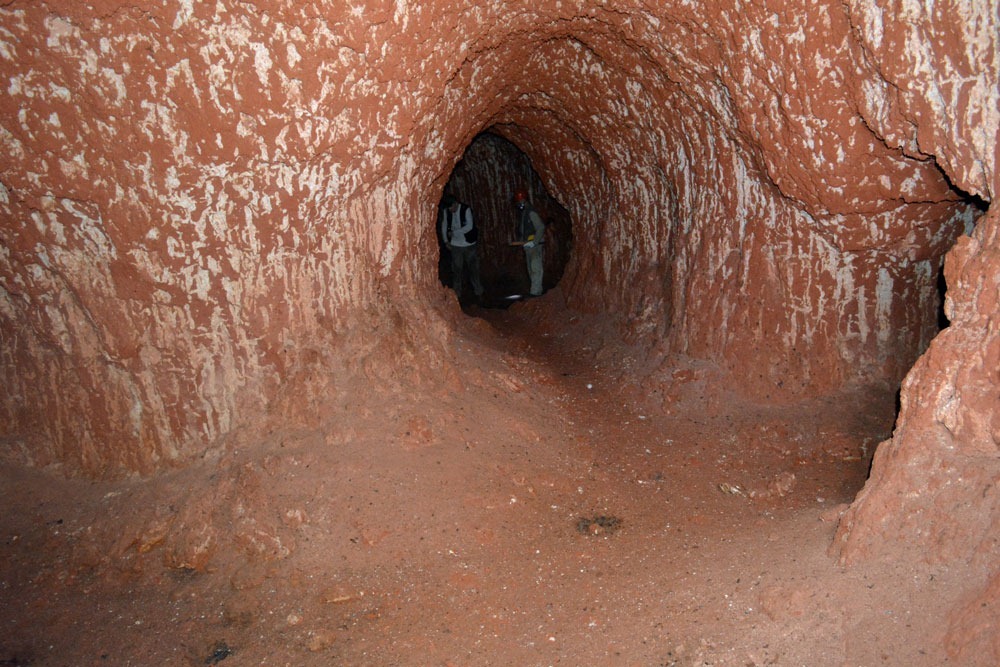
Inside the first paleoburrow discovered in the Amazon. It’s nearly twice as large as the second-largest known burrow, located elsewhere in Brazil. Photo Credit: Amilcar Adamy/CPRM
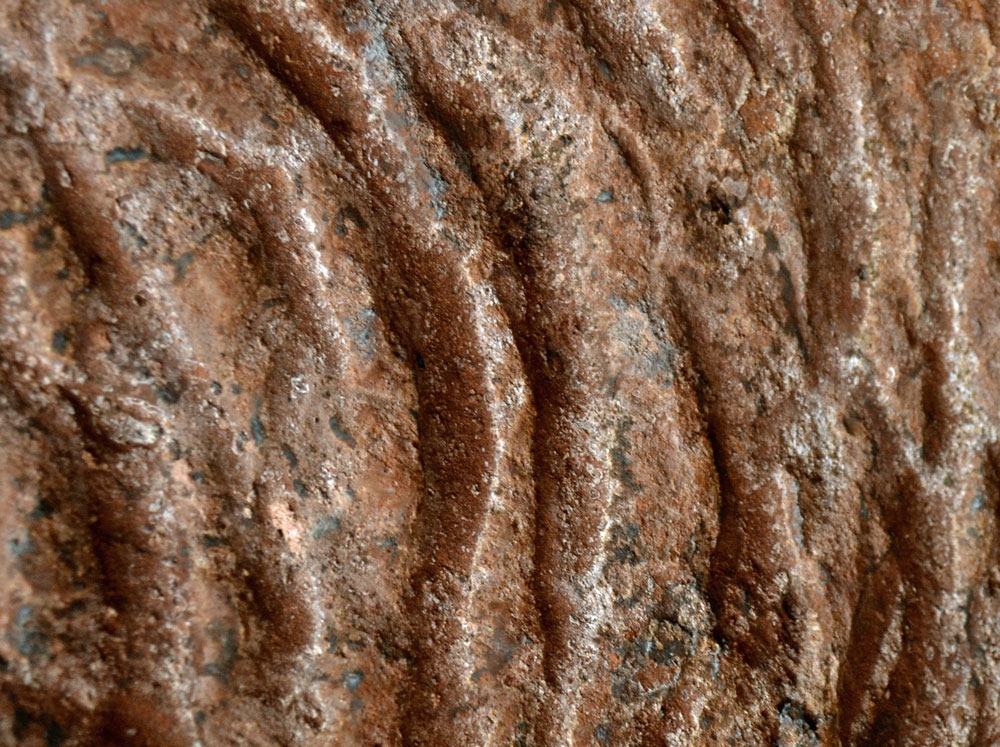
A closer look at those claw marks. Photo credit: Heinrich Frank
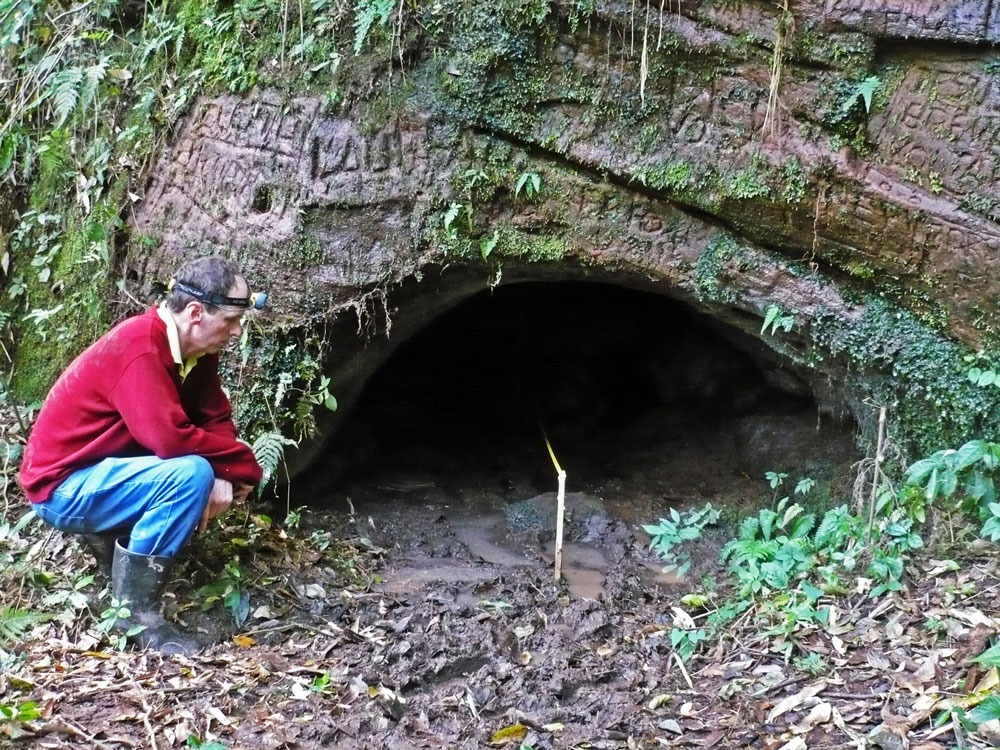
Outside the entrance to a paleoburrow. Photo credit: Heinrich Frank
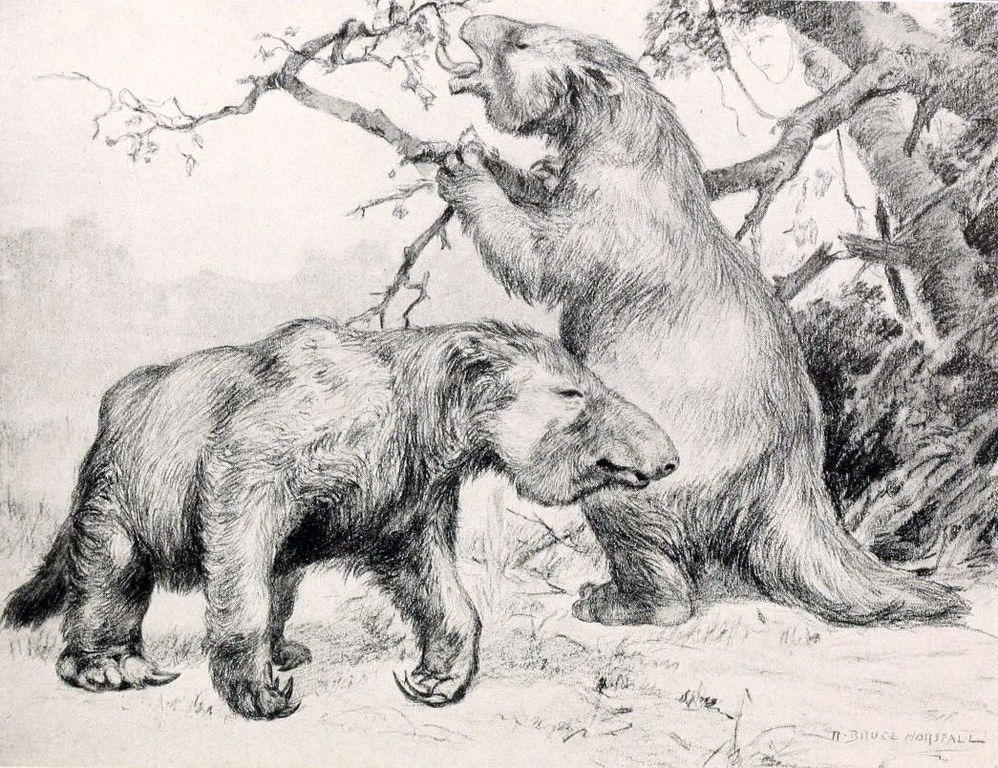
Megatherium americanum, the giant sloth.
Megatherium americanum (Giant Ground Sloth) is one of the largest land mammals known to have existed, weighing up to 4 t (4,000 kg; 4.4 short tons; 8,800 lb; 630 st) and measuring up to 6 m (20 ft) in length from head to tail. It is the largest-known ground sloth, almost as big as modern african elephants, and would have only been exceeded in its time by a few species of mammoth. Megatherium species were members of the abundant Pleistocene megafauna, large mammals that lived during the Pleistocene epoch.

Donald Trump Leaving Florida with Dozens of Boxes Bound for Bedminster – taken 5/9/2021

You’d expect a God of War statue to look pretty epic. But there’s epic and then there’s EPIC, and this enormous statue of Guan Yu, a famous general in Chinese history who was later deified, is most definitely EPIC.
The statue has just been unveiled in Guan Yu Park in Jingzhou, China. It’s 58 metres (190ft) tall and weighs over 1,320 tonnes, and it contains over 4,000 strips of bronze. It was designed by Han Meilin, who is probably best known for his designs of the 2008 Beijing Olympics mascots, and the monument is so big that there’s even an 8,000sqm museum inside it! Guan Yu lived during China’s turbulent Three Kingdoms period. He carried an axe-like weapon called a Green Dragon Crescent Blade, which has been immortalised with him as part of the statue. The only difference is that the weapon now weighs 136 tonnes! Did we mention this statue was epic?


The debate over flying the Confederate flag has reignited in the US, but the American South isn’t the only place in the world you’ll see the emblem – it’s also proudly displayed in the rural Brazilian town of Santa Barbara D’Oeste.
Once a year, the descendants of about 10,000 Confederates that fled the United States to Brazil after the US Civil War have a sort of family reunion.
“They all take part in stereotypically southern things like square dances, eating fried chicken and biscuits, and listening to George Strait,” says Asher Levine, a Sao Paulo-based correspondent for Reuters.
“And a lot of Confederate flags everywhere, all over the place.

Despite being six or seven generations removed from their antebellum ancestry, many local Brazilians still maintain strong ties to Southern culture, and proudly wave the Confederate flag.
But for them, Levine says, the flag is much more of an ethnic symbol than a political one.
“They see themselves as ethnically American to some degree,” he says.
“At an Italian festival, you would see people waving an Italian flag. Or on Saint Patrick’s Day you see people waving the Irish flag. They see it that way. They don’t have any political affiliation to it whatsoever.”

Over time, the Southern white population has mixed with the Brazilians, resulting in people with a variety of different shades of skin colours waving the Confederate flag. Americans might be surprised by the resulting visual.
“A lot of people who are descendants of these confederates have African blood as well, so you’ll see at the party people with dark skin waving the Confederate flag.”
Levine says he talked to an American at the festival who was completely amazed at watching a young girl singing Amazing Grace – often sung in black churches across the US – while standing on top of a Confederate flag.

The banner is everywhere – kids wave mini-flags and women wear Confederate flag dresses.
“You know, the symbolism is totally lost on them, but for us it’s quite a contrast,” Levine says.
Despite being a very mixed-race country, Levine says that the killings in Charleston are being seen in Brazil as more of a gun safety issue than a racial issue.
“When they see an event like what happened in South Carolina last week, they wonder if it’s really so much better in the United States, safety-wise.”

After the end of the American Civil War, beginning in 1867, the region began to see immigration from the southern United States, these immigrants were known as the Confederados.
Today’s Confederados maintain affection for the Confederate flag even though they consider themselves completely Brazilian. In Brazil, the Confederate flag has not had the racial stigma that has been attached to it in the United States. Many modern Confederados are of mixed-race and reflect the varied racial categories that make up Brazilian society in their physical appearance. Recently the Brazilian residents of Americana, now of primarily Italian descent, have removed the Confederate flag from the city’s crest citing the fact that Confederados now make up only 10% of the city’s population. In 1972, then Governor (and future President) Jimmy Carter of Georgia visited the city of Santa Bárbara d’Oeste and visited the grave of his wife Rosalyn’s great-uncle, who was one of the original Confederados.
The Lunar Reconnaissance Orbiter (LRO) is a NASA robotic spacecraft currently orbiting the Moon in an eccentric polar mapping orbit. Data collected by LRO has been described as essential for planning NASA’s future human and robotic missions to the Moon. Its detailed mapping program is identifying safe landing sites, locating potential resources on the Moon, characterizing the radiation environment, and demonstrating new technologies.
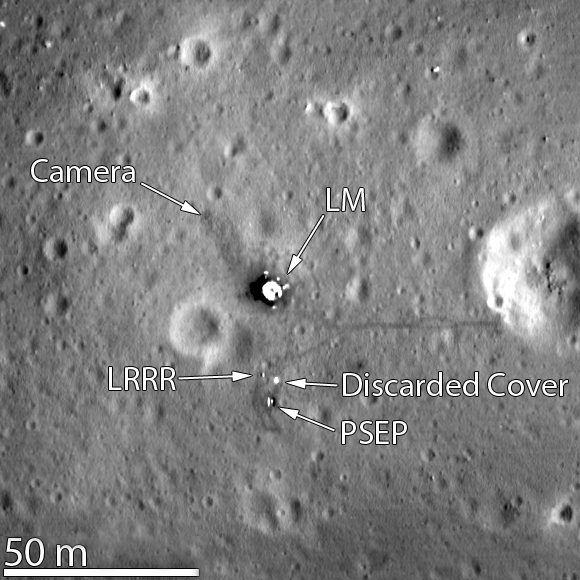
The probe has made a 3-D map of the Moon’s surface and has provided high resolution images of Apollo landing sites. The first images from LRO were published on July 2, 2009, showing a region in the lunar highlands south of Mare Nubium (Sea of Clouds).
Launched on June 18, 2009, in conjunction with the Lunar Crater Observation and Sensing Satellite (LCROSS), as the vanguard of NASA’s Lunar Precursor Robotic Program, LRO was the first United States mission to the Moon in over ten years. LRO and LCROSS were launched as part of the United States’s Vision for Space Exploration program.
Artist’s illustration of the LRO


Tycho Central Peak
Far side of the Moon

Near side of the Moon








 The MarkoZen Blog