You can have your Vancouver weather

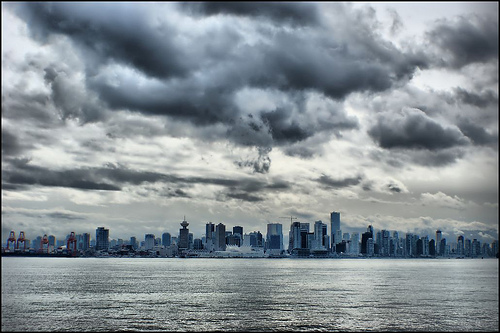
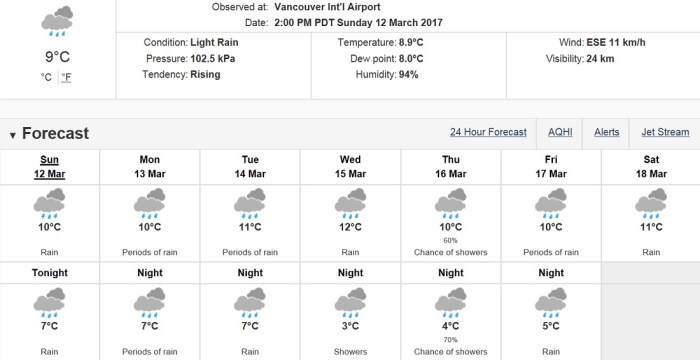
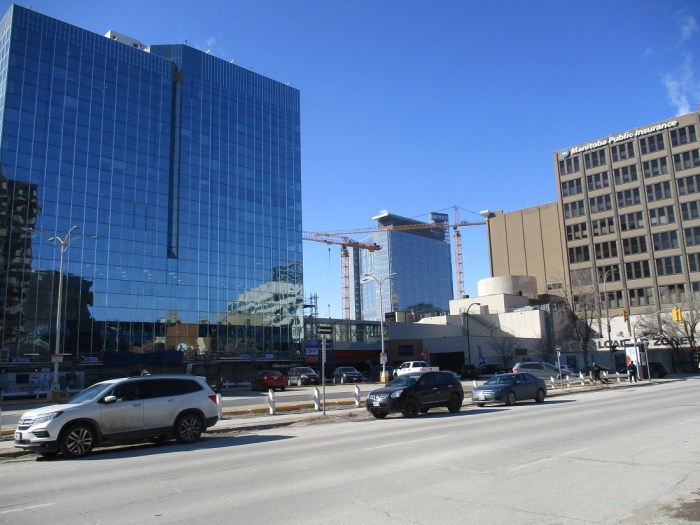
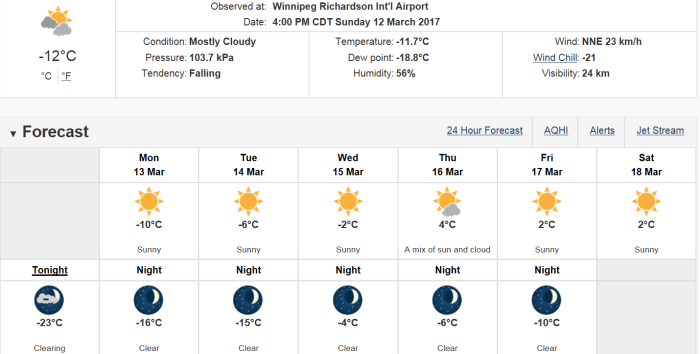
Vancouverites seem to think they live in Shangri-La. Mild weather, no snow to deal with, no windchill factors to freeze you right through to the bone, the ocean and the mountains. But what about the constant bloody rain? Dark and cloudy skies basically all the time from October to April. I would go nuts. Here in Winnipeg, one of the sunniest cities in Canada, we get extreme cold, but we get lots of sun. It drizzles here for five days straight and we are ready to pull our hair out. I could never deal with Vancouver weather.

vancouver1

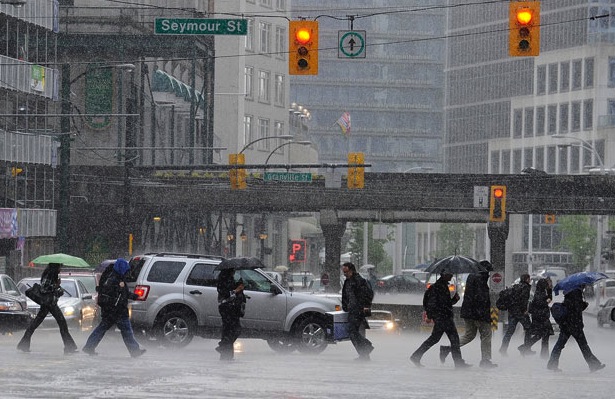
Vancouver is Canada’s third most rainy city, with over 161 rainy days per year. As measured at Vancouver Airport in Richmond, Vancouver receives 1,153.1 mm (45.40 in) of rain per year. By comparison, the amount of rainfall in London, England is nearly half that of Vancouver. In North Vancouver, about 20 km (12 mi) away from the Vancouver airport, the amount of rain received doubles to 2,477 mm (97.5 in) per year as measured at the base of Grouse Mountain.
Thunderstorms are rare, with an average of 6.1 thunderstorm days per year. The weather in spring and autumn is usually showery and cool.

vancouver-rain

vancouver

Winnipeg, cold yet sunny.

cold

cold2

Real Life Waterworld City

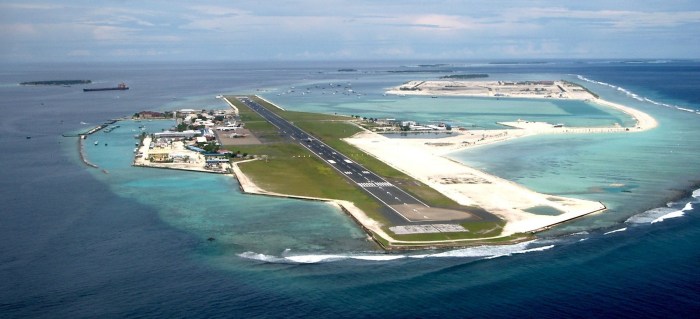
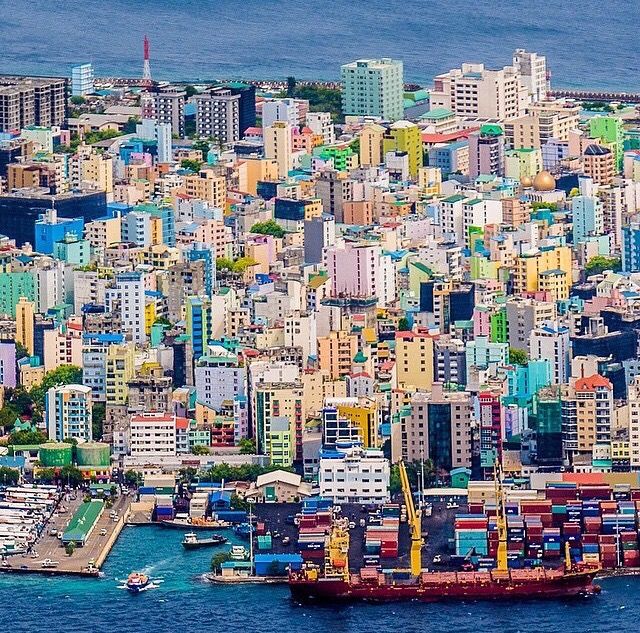
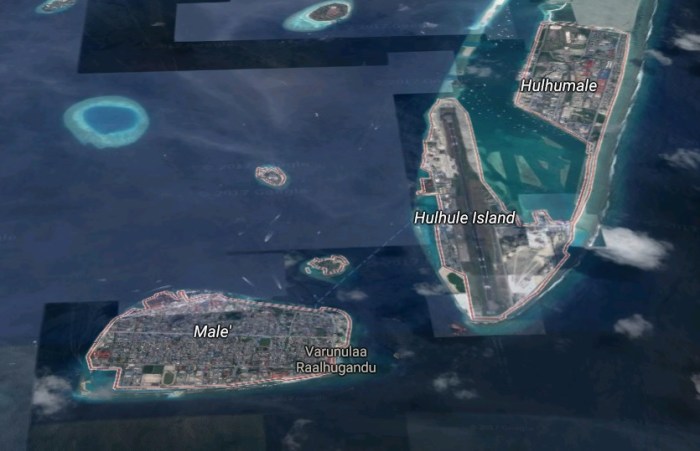
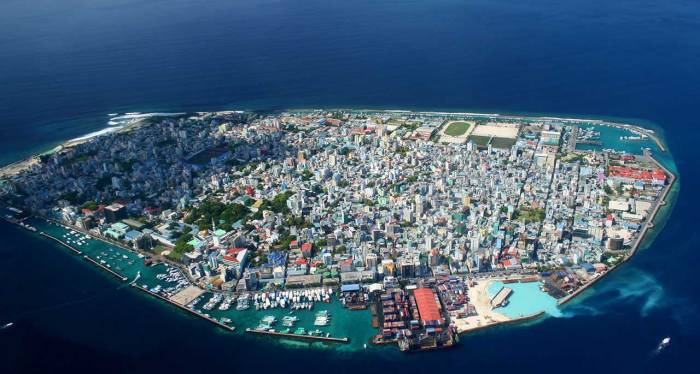
Malé (pronounced Mali) is the capital and most populous city in the Republic of Maldives. With a population of 133,412[1] and an area of 5.8 square kilometres (2.2 sq mi), it is also one of the most densely populated cities in the world.[2] The city is geographically located at the southern edge of North Malé Atoll (Kaafu Atoll).[3] Administratively, the city consists of a central island, an airport island, and two other islands governed by the Malé City Council.

Male-total

Country Maldives
Geographic atoll North Male Atoll
Government
 • Council Malé City Council
 • Mayor Mohammed Shihab
Area
 • Total 5.8 km2 (2.2 sq mi)
Elevation 2.4 m (7.9 ft)
Population (2014)
 • Total 133,412
 • Density 23,002/km2 (59,570/sq mi)
Time zone MVT (UTC+05:00)

male1

male3

male2

male4

male5

Maldives-Male

Quirky Winnipeg Images

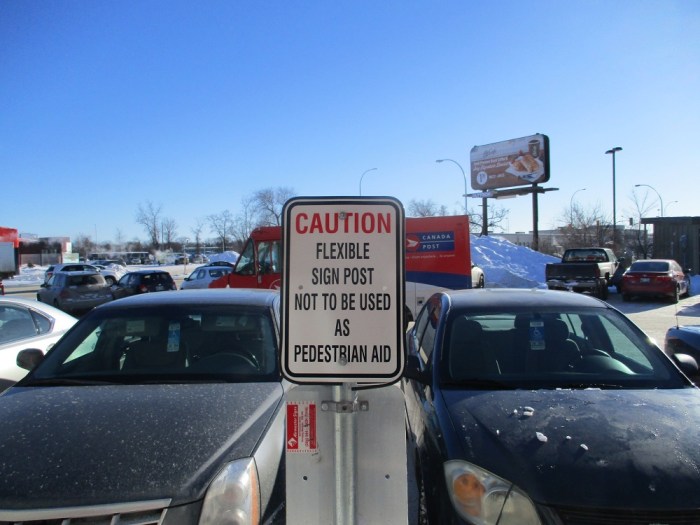
This sign still has me baffled.

sign

Boyd Avenue in the North End.

464 boyd

Horse-head Busker Millennium Library skywalk.

busker1

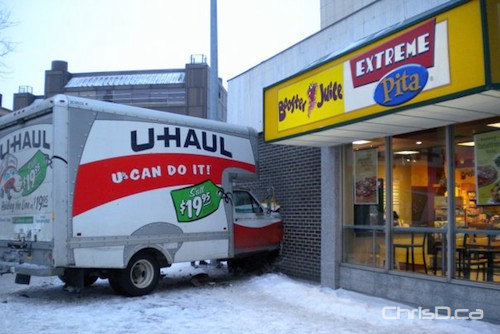
U-Haul through a wall.

aaa3

New Age on Tache.

blogs12

Bannock pizza.

bannock1

Water Taxi from above.

bloggs1

Pan-Am Boxing Club in the Exchange District.

box

A very fast tag-team tow.

blogx10

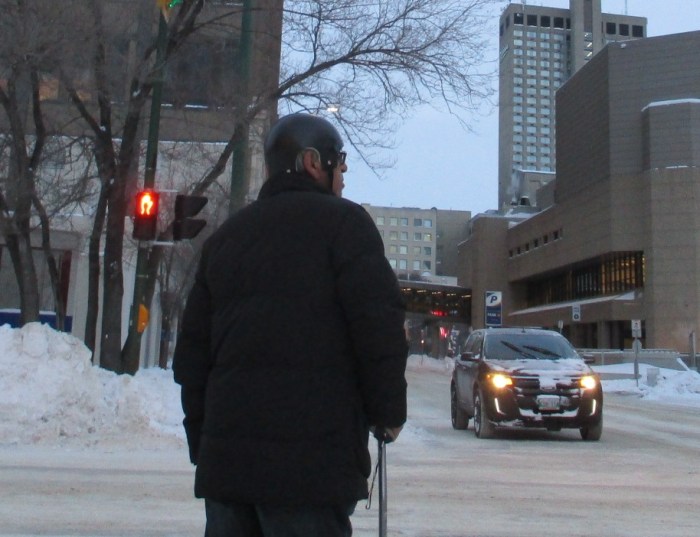
Old guy wearing a helmet while walking. Better safe than sorry.

dec29 2016 (1)

Harmonica-guitar playing busker on Portage Ave.

funny

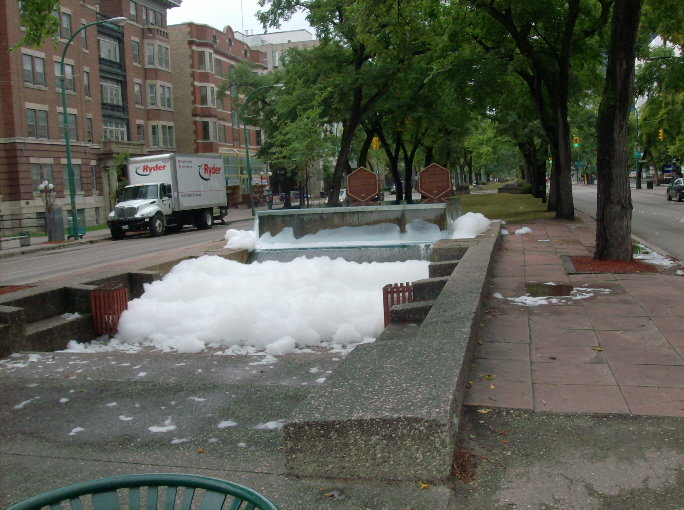
Suds in the fountain at Broadway and Donald.

HPIM4685

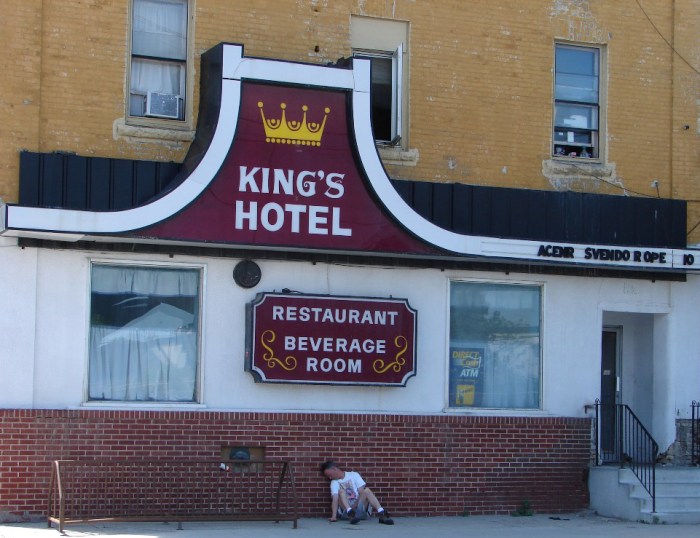
Speaks for itself.

kings hotel j c

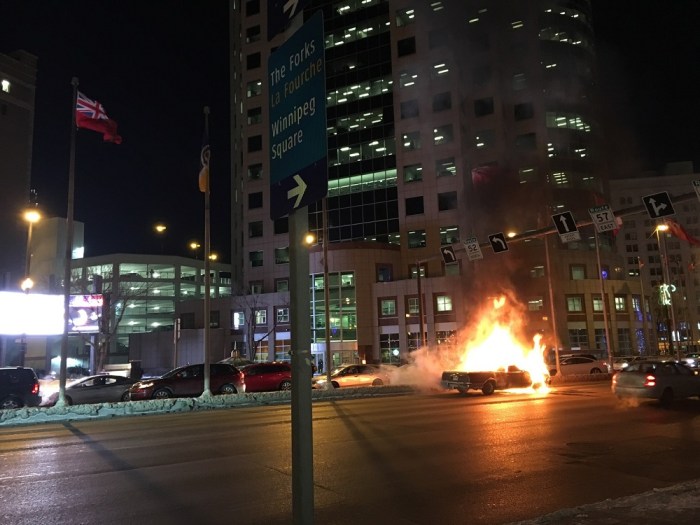
El Camino on fire at Portage and Main

peggies (13)

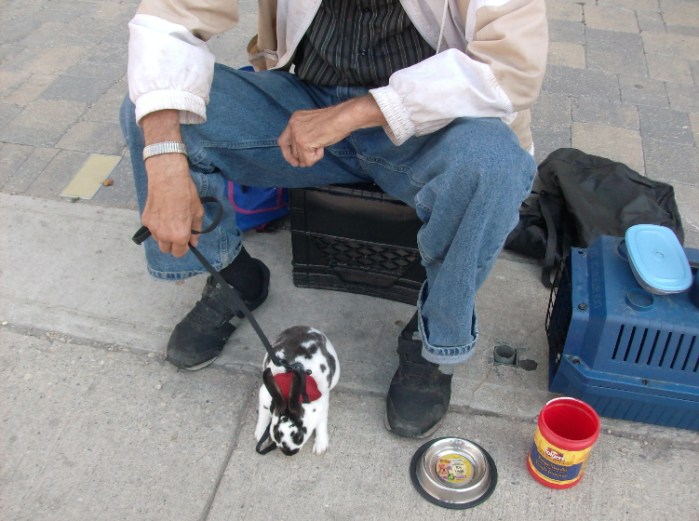
Guy with his pet rabbit on Donald and Ellice.

rabbit1

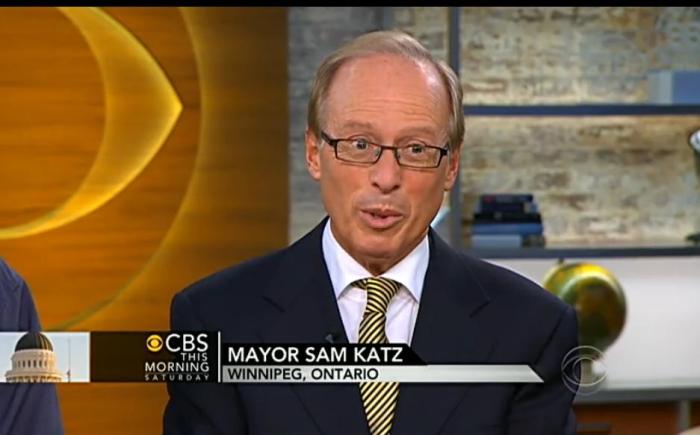
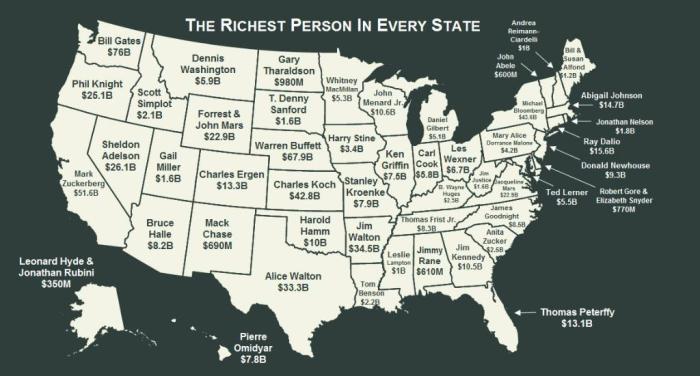
Americans and their not so great knowledge of geography.

sam katz

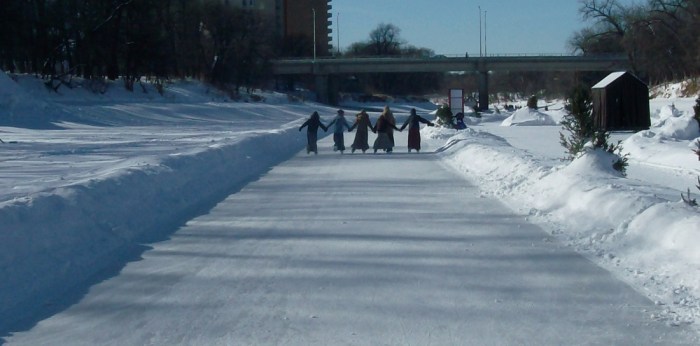
Hutterite girls skating on the river trail.

skating

Intriguing Maps

After America’s War of Independence, the Paris Peace Talks took place in 1783. At one point the British were prepared to give up a good chunk of present day Canada. The Red Line Map showed these concessions. However, the Americans were never shown the map and therefore never demanded the Canadian territory.

land7 red line

The red area would have been conceded to the young United States.

land8 red line

Toronto, Montreal, Ottawa, Hamilton and Halifax would all be American today.

land

How people commute to Manhattan.

land1

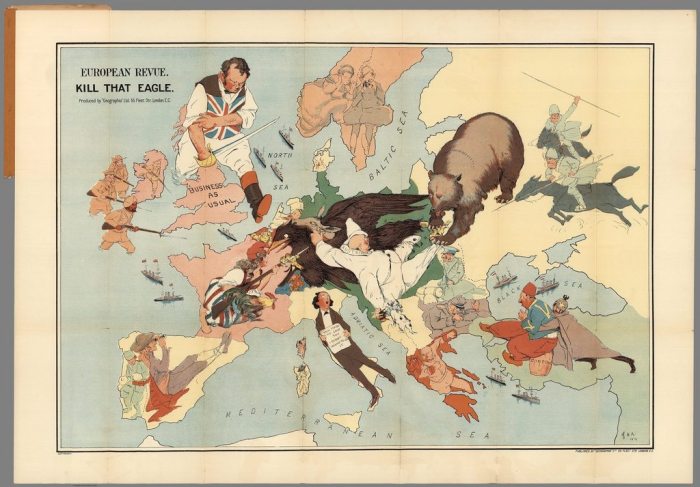
World War I map

land2 ww1 map

land4

Native American pre-contact food sources.

land5 native american food sources

land6

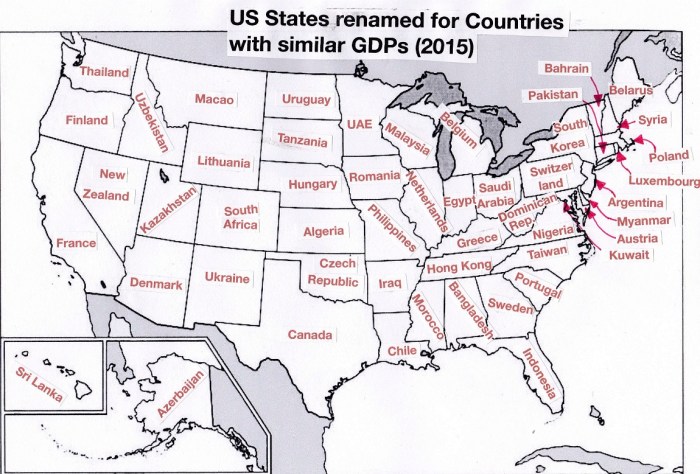
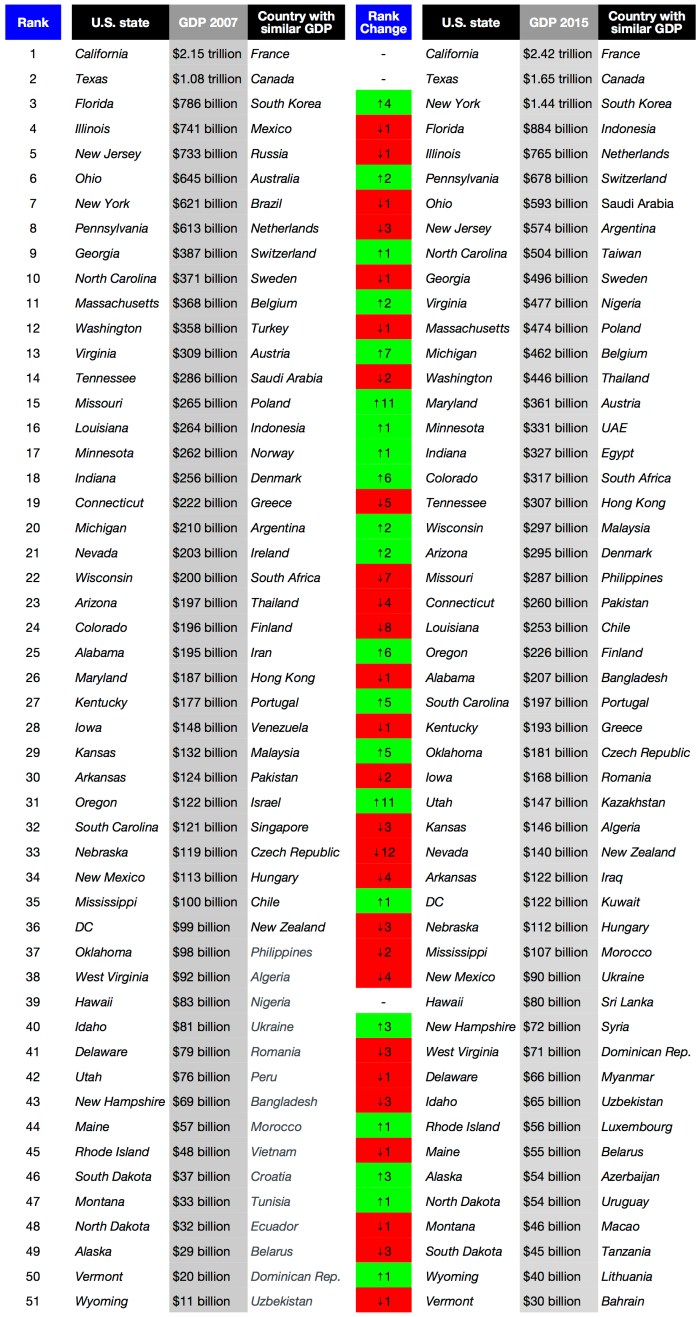
Is America still Number One? Depends on which metrics you use. By at least one measure, China’s economy already is the world’s biggest (1). Other criteria still put the U.S. ahead, at least for a few more years.

This map presents another way to gauge the size of the American economy, and one less prone to the ‘declinism’ of the eternal comparison to China.

By comparing states with countries that have a similar GDP, it demonstrates the formidable size of the U.S. economy. Irrespective of whether it’s second or first, it’s as big as the GDPs of these 51 countries put together.

land GDP_Map_jay_pexxg

The figures used for the map are from the Bureau of Economic Analysis (for the U.S. states) and the IMF (for the countries). According to the IMF, overall GDP for the U.S. has increased to $17.9 trillion in 2015.

Some things have remained the same: California and Texas still are the #1 and #2 economies in the U.S., and their GDPs are still in the same ballpark as France and Canada, respectively. The third-placed state’s economy is still comparable to South Korea’s, although that state is no longer Florida (down one place, to 2015’s Indonesia) but New York (surging four places, from 2007’s Brazil).

Nevada lost most ground, from 22nd place in 2007 (when its economy was about the size of Ireland’s GDP, at $203 billion) to 34th in 2015 (its $140 billion GDP roughly comparable to New Zealand’s).The biggest winner was Maryland, up from 26th place in 2007 (in the neighborhood of Iran’s $195 billion GDP) to 15th place in 2015 (with a $361 billion GDP comparable to Austria’s).

GDP_Map_Update_jay_peg

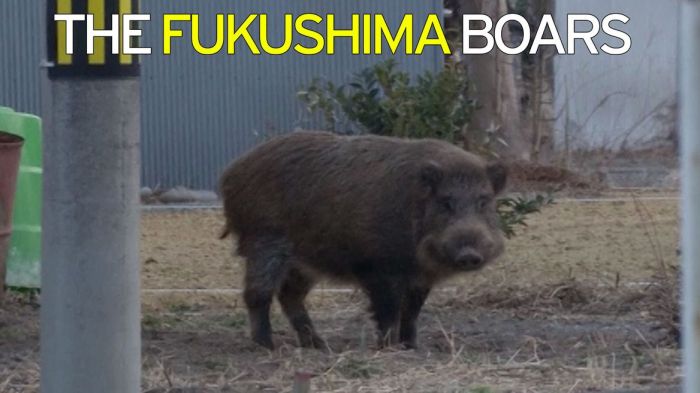
Thousands of radioactive boars are overrunning farmland in Fukushima

Washington Post

hog4

Nuclear catastrophe is always an unmitigated disaster. The only beneficiaries, albeit in a perverse fashion, are animals, which tend to flourish in areas humans evacuate. This has certainly been the case for wild boars around Fukushima, which have multiplied so rapidly, they’ve become a problem for neighboring towns.
boar

On Friday, March 11, 2011, a 9.0 magnitude earthquake struck offshore near Tokyo and caused a 30-foot high tsunami that crashed into Japan’s coast, killing 18,000 people, according to The Washington Post. Water poured into the Tokyo Electric Power Company’s Fukushima Daichi nuclear power plant, flooding the generators designed to keep the plant’s reactors cool. Later that day, an explosion rocked the plant, and more than 200,000 residents living within 12 miles were evacuated as radioactive material began leaking into the surrounding land. In the ensuing days, two more explosions shook the plant, and several fires broke out.

It was a true nuclear meltdown.

Fukushima

fukushima1

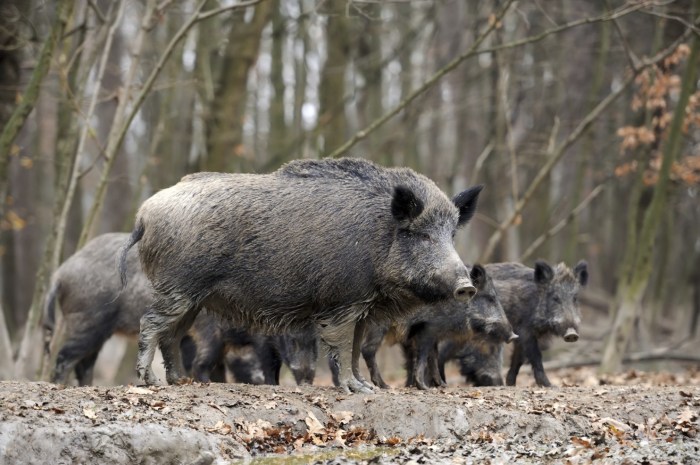
Since 2011, no humans have been able to live on the poisoned land. Wild boars, meanwhile, have thrived heartily. No evidence suggests that the radioactive contamination harms the beasts, and the lack of people there to hunt them has allowed them to breed with abandon.
hog3

Since the meltdown, the damage wild boars have caused to agriculture by eating crops in the Fukushima area has doubled, reaching ¥98 million or just more than $900,000, according to Yomiuri. That price tag will only rise as the boar population, lacking natural predators, continues to increase–during the past two years, the number of boars that have been hunted has increased more than 300 percent, from 3,000 to 13,000.

Normally, boar meat is highly desired in Japan–in fact, The Japan Times called pork “the nation’s most popular meat”–but these animals have been eating contaminated plants and small animals in the power plant’s “exclusion zone.” The Sunday Times reports recent tests have found high levels of caesium-137 in the area, which has a half-life of 30 years.
These animals are unfit for human consumption, which presents another problem: hunters can attempt to reduce the population, but they have to do something with the carcasses. According to Texas A&M wildlife and fisheries professor Billy Higginbotham, the average size of a male hog is around 200 pounds. Considering this average, if 13,000 are killed, hunters have around 2,600,000 pounds of potentially dangerous flesh requiring disposal.

The best solution would be incinerating the bodies, which requires a special facility that can filter out radioactive materials to prevent the resulting smoke from blanketing nearby areas and contaminating them. One such facility exists in the city of Soma, but the $1.4 million crematorium’s capacity is severely limited. It can only handle three boars a day (or 21 a week, which is only 1,092 each year; not quite 13,000).

The battle between animals and humans has long raged, but for farmers living near the exclusion zone of Fukushima, it’s become a matter of economic survival.

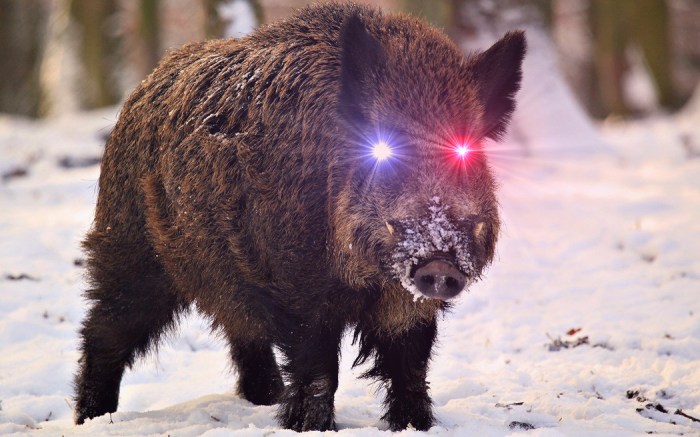
Radioactive mutated wild boars. The concept makes the imagination run rampant.

hog1

Oh my!

hog