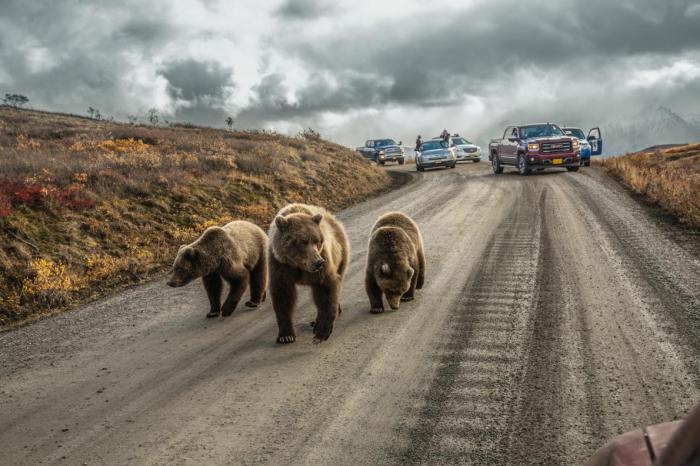
Yellowstone

Moscow

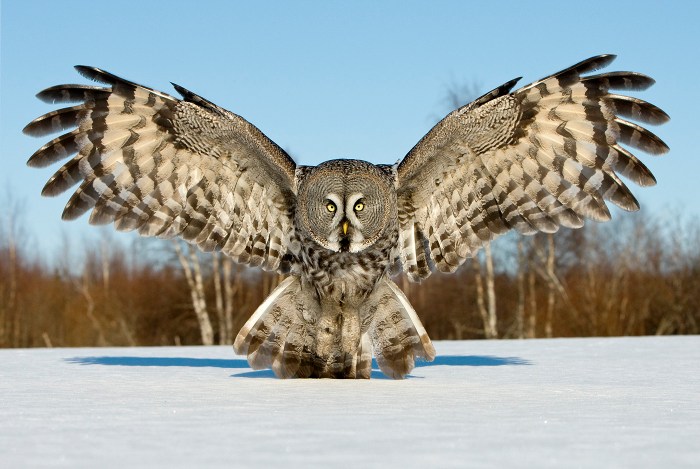

Hostel in Vietnam

Hong Kong


Dubai

Wooden church in Norway
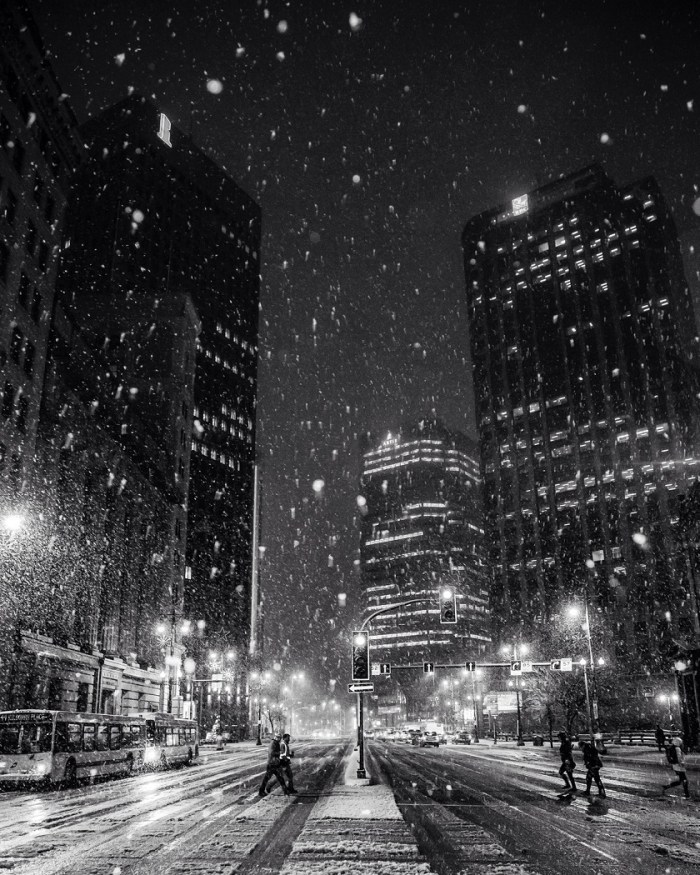
Winnipeg



Japan

New York City

British Columbia or Alaska?

Somewhere in Space

Tea field India. A few hazards?
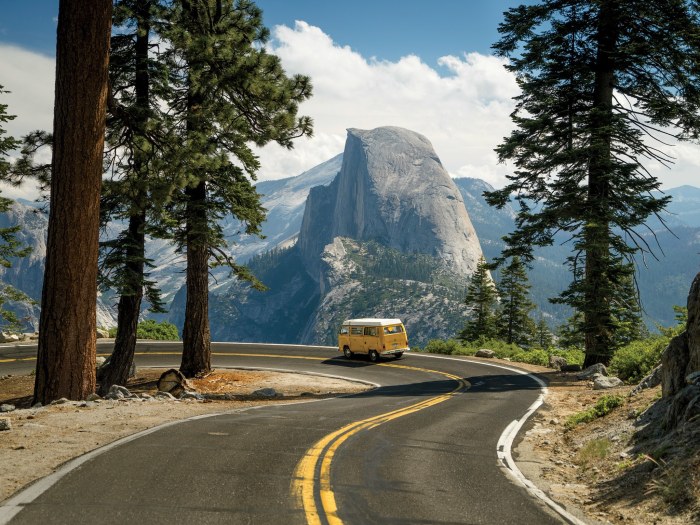
Yosemite
Yellowstone
Moscow
Hostel in Vietnam
Hong Kong
Dubai
Wooden church in Norway
Winnipeg
Japan
New York City
British Columbia or Alaska?
Somewhere in Space
Tea field India. A few hazards?
Yosemite




and now…the news: louie louie oh baby i gotta go
louie louie oh baby i gotta go
the communist world is fallin apart
the capitalists are just breakin hearts
money is the reason to be
it makes me just wanna sing louie louie louie louie oh baby i gotta go louie louie oh baby i gotta go
a fine little girl is waitin for me but i ‘m as bent as dostoevsky
i think about the meaning of my life again and i have to sing louie louie again
louie louie oh baby i gotta go louie louie oh baby i gotta go let’s give it to’ em right now oh man,
i dunno like…health insurance the homeless & world peace & aids & education … i’ m tryin to do right but. ..hey life after bush & gorbachev the wall is down but something is lost turn on the news it looks like a movie it makes me wanna sing louie louie louie louie oh baby i gotta go let’s go

The biggest dust storm in living memory rolls into Phoenix on July 5, 2011, reducing visibility to zero. Desert thunderstorms kicked up the mile-high wall of dust and sand.

Fortified by a levee, a house near Vicksburg survives a Yazoo River flood in May 2011. Snowmelt and intense rains—eight times as much rainfall as usual in parts of the Mississippi River watershed—triggered floods that caused three to four billion dollars in damages.

Lightning cracks during an eruption of Iceland’s Eyjafjallajökull volcano in 2010.

The eruption of Hawaii’s Kilauea volcano inspires the formation of a waterspout in this undated photo.

A Lake Michigan lighthouse takes the brunt of a frigid winter in Saint Joseph, Michigan.

A funnel cloud rips through a trailer park near Cheyenne, Wyoming, in this undated photo. The photographer snapped this shot from a quarter mile away before taking cover in his basement.

A waterspout parallels a lightning strike over Lake Okeechobee in Florida. A sister of the tornado, waterspouts are generally less powerful.

A tornado heads toward two cars on a country road near Campo, Colorado.

In a dramatic display of summer atmospheric conditions, lightning marks the end of an impressively long shelf cloud in the Midwestern U.S.

Dark clouds loom over a beach on Grand Cayman Island.

Landslide rubble buries a car in northern India’s Doda district in 2011. The devastating erosion was the result of a downpour that washed soil, rocks, and other debris onto the Doda-Batote highway.

One of the many rumors passed around the Internet (imagine that!) concerns musician and ukulele player Roy Smeck, known as “The Wizard of the Strings.” It turns out that a lot of people seemed convinced that Smeck was actually Eddie Van Halen’s father and an innovator of “two-hand-tapping,” a method of playing a stringed instrument by tapping the strings with an object or your fingers. The technique has been traced back to the late 1700s, but as far as the popularization of two-hand-tapping, that honor belongs to Roy Smeck – a visionary ukulele player who rose to fame as one of vaudeville’s premier attractions. Smeck’s popularity was such that he was invited to play at President Franklin D. Roosevelt’s inauguration celebration in 1933. Getting back to the popular notion Smeck was EVH’s dad…after the devastating loss of Eddie earlier this month, keyboard warriors started sharing videos of Smeck tapping away on his uke with lightning speed, with the caption “this is Eddie Van Halen’s father.” I suppose it was an easy mistake to make, given the skill level Smeck possessed, and its eerie similarity to one of Eddie’s calling cards, his blink-and-you-missed-it guitar tapping wizardry.
Ed’s real father, Jan Van Halen, was, of course, a great musician in his own right and mentor to both Eddie and Alex Van Halen. He was also born twenty years after Smeck in 1920. To my knowledge, Eddie has never credited Smeck as a source of inspiration for his style. Though he has given the nod to another musician known for his finger-tapping innovations, Genesis guitarist Steve Hackett. In a 2012 interview with Ultimate Guitar, Hackett credited himself as being the “inventor of tapping on record,” which isn’t really true as guitarist Jimmie Webster was known for his tapping (or the sexy-sounding “touching”) technique, which you can hear on at least one recording, Webster’s Unabridged, from 1959.

Roy Smeck was born in 1900 in Pennsylvania. Starting at a young age, the future virtuoso would teach himself to play the guitar, steel guitar, banjo, octo-chorda (or “octachorda,” an eight-string steel guitar), jaw harp, harmonica, and his weapon of choice, the ukulele. While still in his early 20s, Smeck would become one of vaudeville’s most successful stars without uttering a single word during his energetic performances. Smeck preferred to dance for his fans while he frantically tapped on his uke. He’d also play it upside down with the same alarming speed and precision. His early exposure in vaudeville would lead to a myriad of incredible opportunities. His music would be featured along with the 1926 film Don Juan—the very first film to use Vitaphone sound-on-disc, which allowed both music and other sounds to be played in sync with the moving picture. His Pastimes, a short preceding Don Juan, featured an electrifying uke performance by Smeck would send his star soaring. The following year, he was approached by Jay Krause, the president of the largest string instrument manufacturer in the U.S. (at the time), the Harmony Company of Chicago. In a 1984 interview with an 84-year-old Smeck, he recalled Krause’s proposal that Smeck “produce” a Hawaiian guitar, uke, banjo, and guitar exclusively for Harmony. Smeck’s bosses at Warner objected to the use of the word Vitaphone for the line. Smeck and Kraus changed directions slightly by naming the various instruments as “The Roy Smeck Vita-Uke,” The Roy Smeck Vita-Guitar,” etc.

R2-D2 (phonetically spelled Artoo-Detoo, and called “R2” or “Artoo” for short) is a robot character in the Star Wars universe. An astromech droid (referred to in the novel as a ‘theromcapsulary dehousing assister’), R2-D2 is a major character in all six Star Wars films. Along with his protocol droid companion C-3PO, he joins or supports Anakin Skywalker, Luke Skywalker, Princess Leia, and Obi-Wan Kenobi in various points in the saga. R2-D2 was played by Kenny Baker. Along with Anakin Skywalker (Darth Vader), Obi-Wan Kenobi, and C-3PO, he is one of only four characters to appear in all six Star Wars films.


BBC
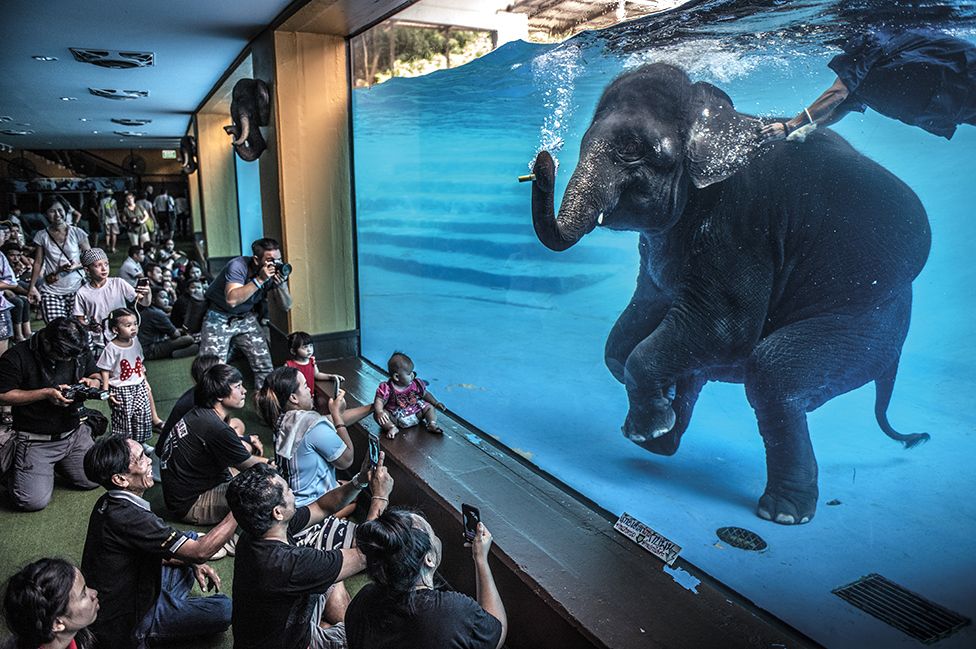
Adam Oswell wins the Photojournalism award for this picture which shows zoo visitors in Thailand watching a young elephant perform underwater. Elephant tourism has increased across Asia. In Thailand, there are now more elephants in captivity than in the wild.
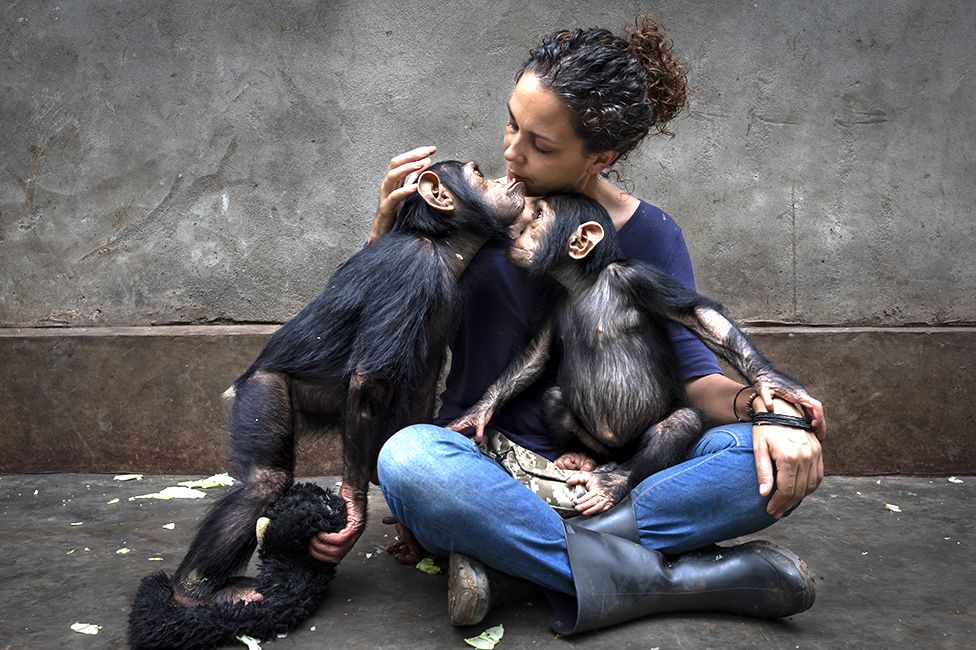
Brent Stirton was awarded the Photojournalist Story Award. His sequence of images profiles a rehabilitation centre caring for chimpanzees orphaned by the bushmeat trade in Africa. The director of the centre is seen introducing a newly rescued chimp to others in her care.
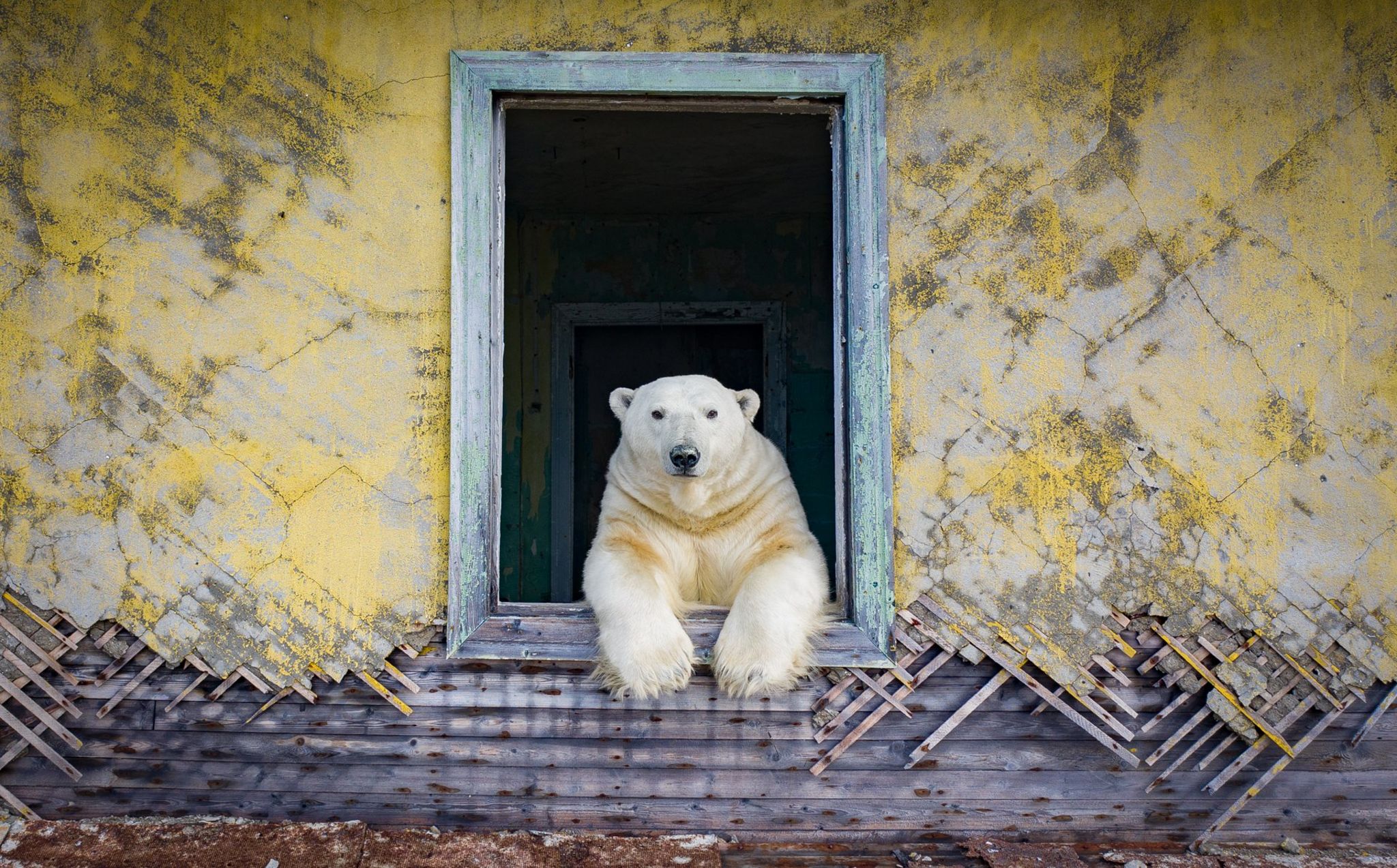
More than 20 polar bears took over Kolyuchin Island, Russia which has been abandoned since 1992, in search of food. With climate change reducing sea ice, polar bears are finding hunting more difficult, pushing them closer to human settlements to scavenge. A low-noise drone was used to capture the striking image.
Police in Norfolk, Nebraska pulled over a car for having a huge bull standing in its passenger seat.
The car had half of its roof cut off in order to fit the animal.
The man driving the car was given a warning by police, and was ordered to take the bull back home. No-one was injured in the process.
News Channel Nebraska overheard on a police scanner that officers would be attending the scene, so rushed out to capture the moment on camera.
The Ankole-Watusi derives from cattle of the Ankole group of Sanga cattle breeds of east and central Africa. Some of these were brought to Germany as zoo specimens in the early twentieth century, and from there spread to other European zoos. Some were imported to the United States, and in 1960 a herd was started in New York State by cross-breeding some of them with an unrelated Canadian bull. A breed society, the Ankole Watusi International Registry, was set up in 1983, and in 1989 a breed standard was drawn up. In 2016 the total number for the breed was thought to be approximately 1500 head, some 80% of them in the United States.
The Ankole-Watusi may be a number of different colors, but is usually red. The horns are unusually large, with a wide spread and the largest circumference found in any cattle breed. Guinness World Records lists a bull named CT Woodie with a horn circumference of 103.5 cm (40.7 in) and a steer named Lurch, with horns measuring 95.25 cm (37.50 in), as record-holders.

 The MarkoZen Blog