Old Car City: The World’s Largest Classic Car Junkyard

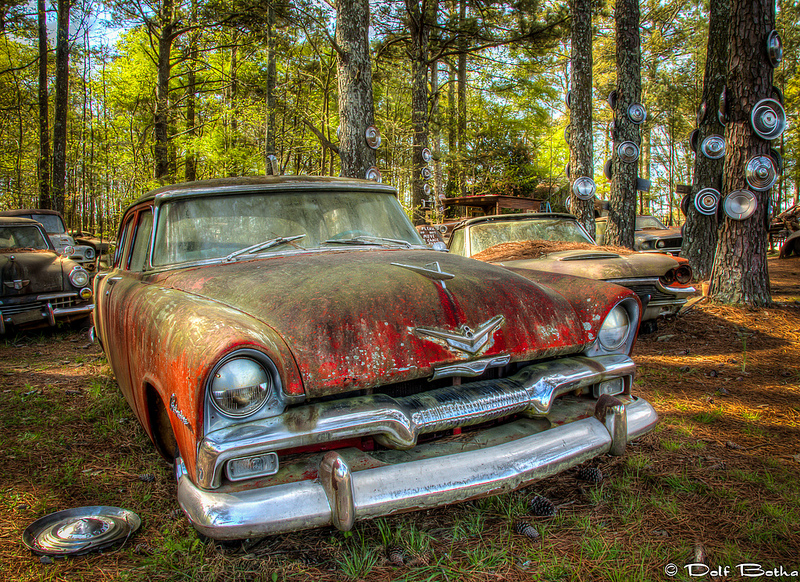
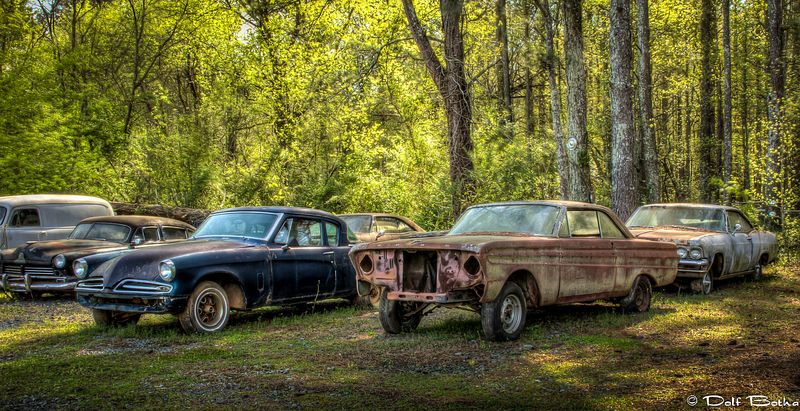
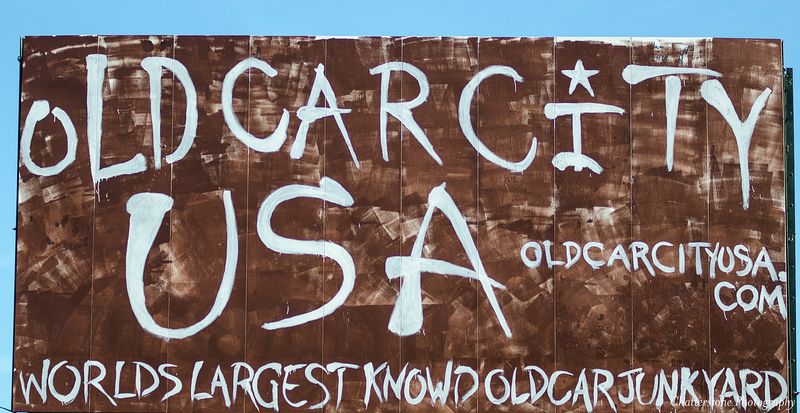
If you drive 50 miles north of Atlanta, in the U.S. state of Georgia, along Interstate-75 and then turn right for U.S. Route 411 towards Chatsworth White, you will arrive at a patch of forest with acres upon acres of old rusting cars. A sign in the front reads “The world’s oldest junkyard jungle, here 80 years.”

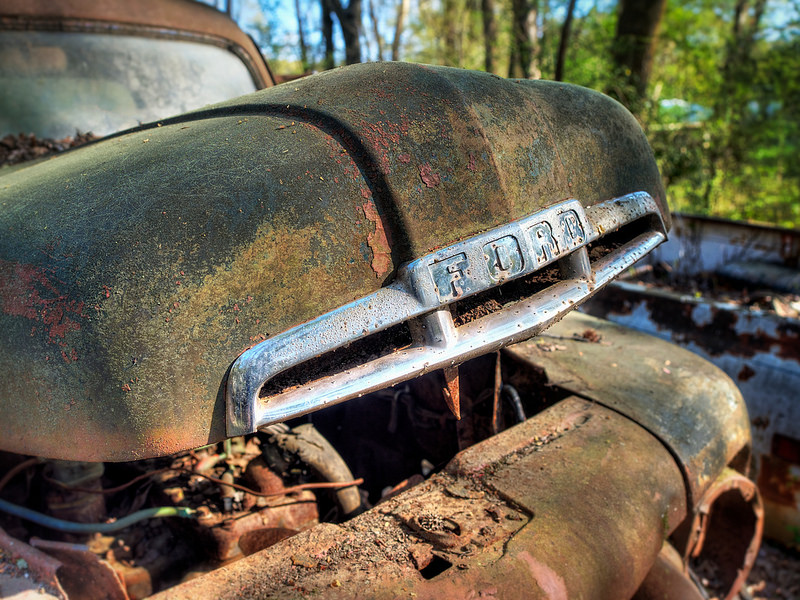
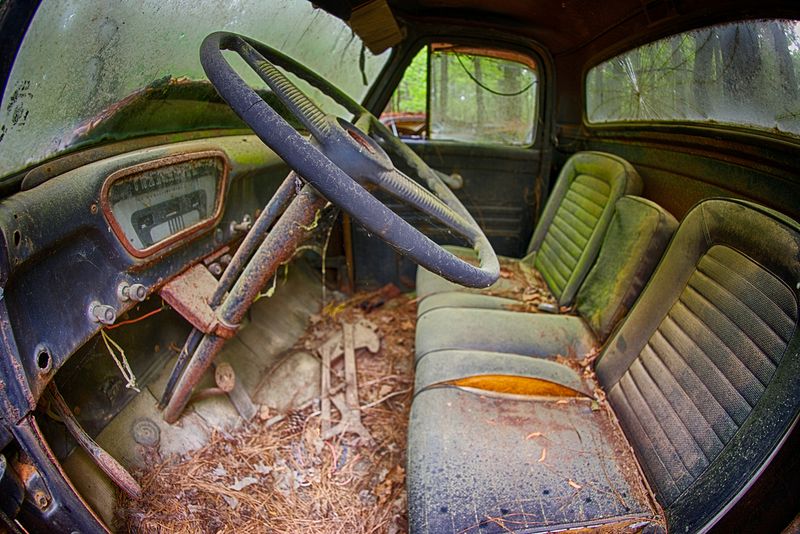
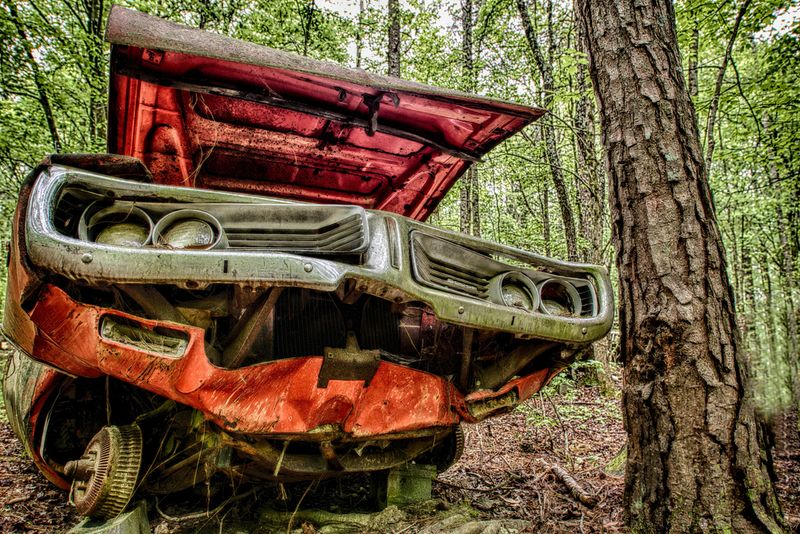
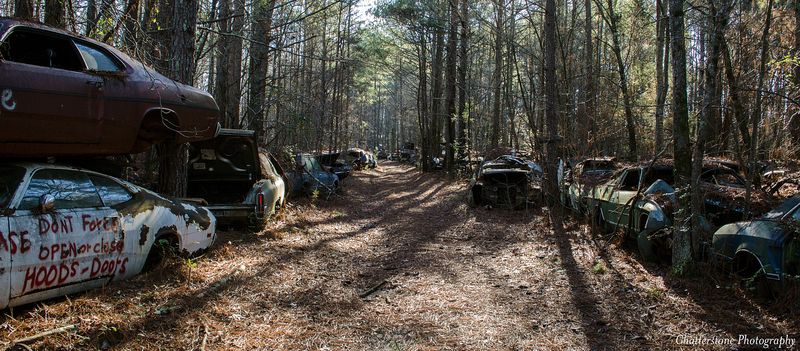
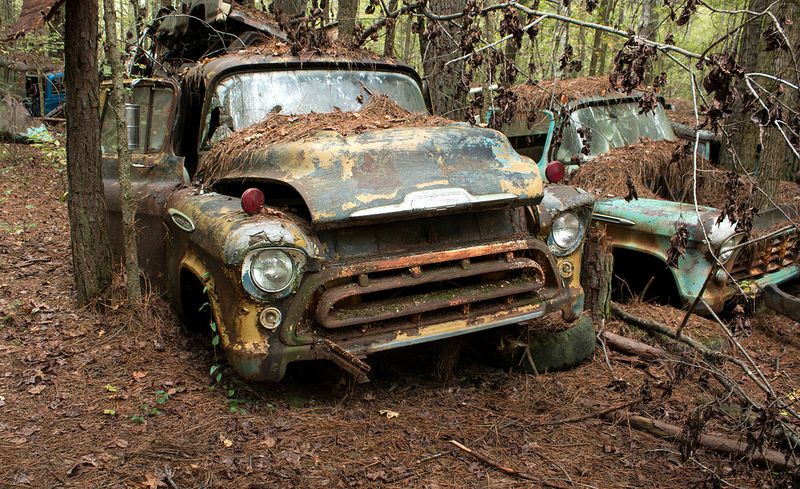
Old Car City contains over 4,000 classic cars from the mid century — most of them from year 1972 or older — strewn over 34 acres of forested property. There are old Fords, big-finned Cadillacs and even the rare 1941 Mack milk truck. Visiting all of them will take you over six miles of walking.

old-car-city-11

The roots of Old Car City goes back to 1931 when the Lewis family opened a general store in a small town called White, formed only a few years earlier. They sold various items ranging from clothing to car parts, tires, and gasoline. When the United States entered World War II, and resources such as steel and tires became scarce, the Lewis family smartly added a scrapyard business. They bought junk cars, scrapped them and sold the parts. By the late 1940s, the general store had turned into a full fledged auto salvage yard. It was in this environment that Dean Lewis, the current owner of Old Car City, was born.

Dean spent his entire childhood playing with the cars. One day he is on the racetrack, the next day he is a school bus driver. “I drove ’em a million miles. Never moved an inch!,” he told CBS News. Cars and trucks was all he knew. So when Dean finally acquired the business from his parents, in 1970, he had an entirely different plan. Dean decided that he would preserve the cars rather than scrap it.
old-car-city-1

For the next several decades, Dean spent thousands of dollars acquiring various junked and wrecked vehicles from auctions, private parties and recycling yards. One of Lewis’ more popular vehicles is a 1946 Ford truck used in “Murder in Coweta County,” a 1983 film starring Johnny Cash and Andy Griffith.

In the following years, Old Car City grew so much that he had to buy more land to keep everything on. Initially, Dean sold some scraps, but it wasn’t the place where collectors could score a bargain. Every car had a nostalgic value and Dean refused to let go until he felt the money was worth it. Many visitors looking for parts left the place grumbling and dissatisfied. But if you asked him, he would say “Everything is for sale.”

Dean doesn’t say that any more. He realized that he could make more money charging visitors for admission and for taking photographs than selling off the displays.

Today Old Car City is visited by hundreds of visitors each year who pay $15 to stroll around, or $25 if they want to take photographs. Dean no longer sells parts. They are now part of this fantastic museum.
old-car-city-2
old-car-city-17
old-car-city-18
old-car-city-19
old-car-city-20
old-car-city-7
old-car-city-8

old-car-city-9
old-car-city-10
old-car-city-12

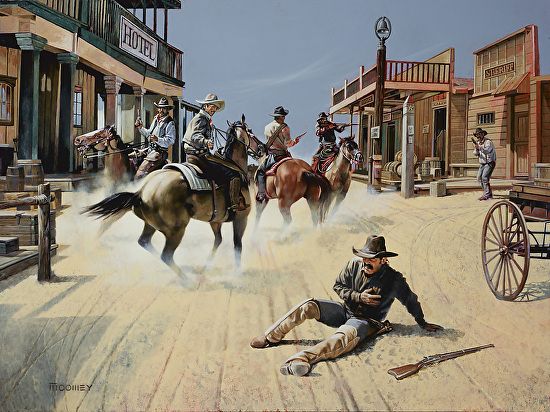
Old West

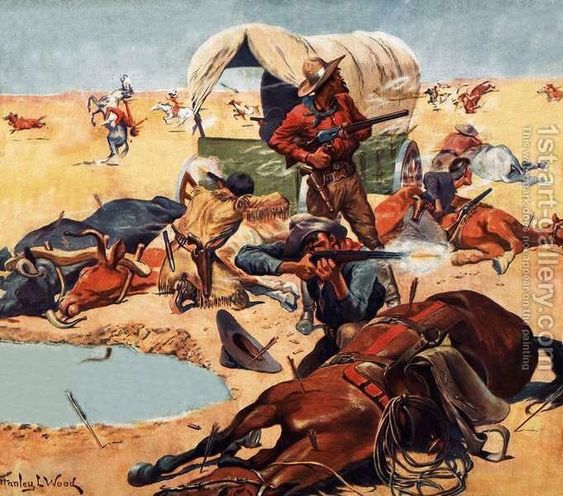
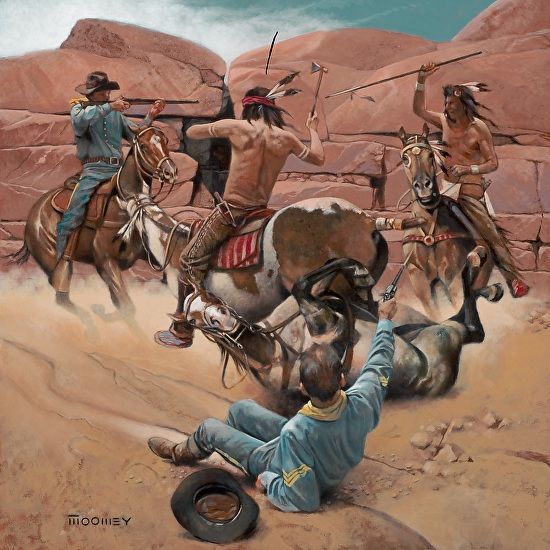
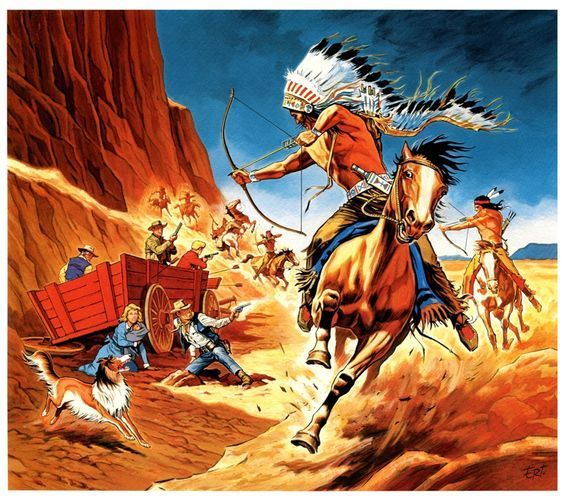
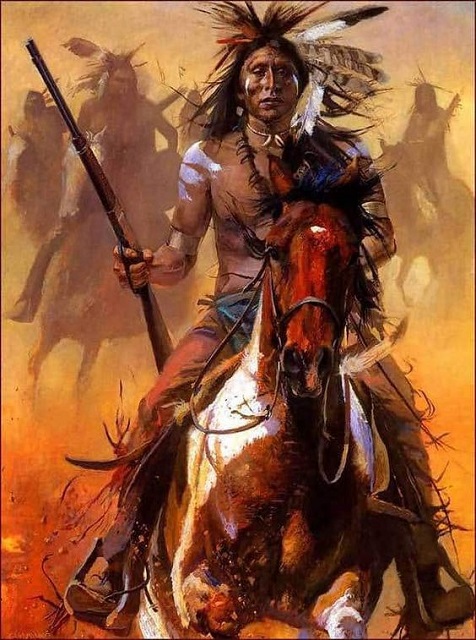
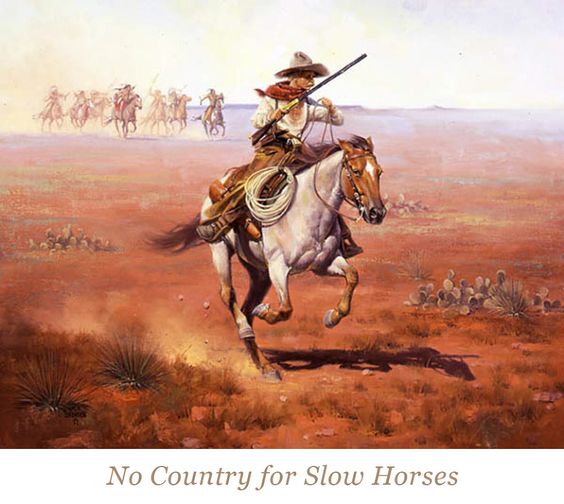
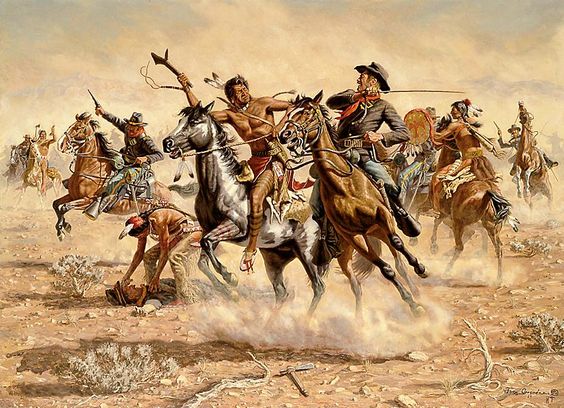
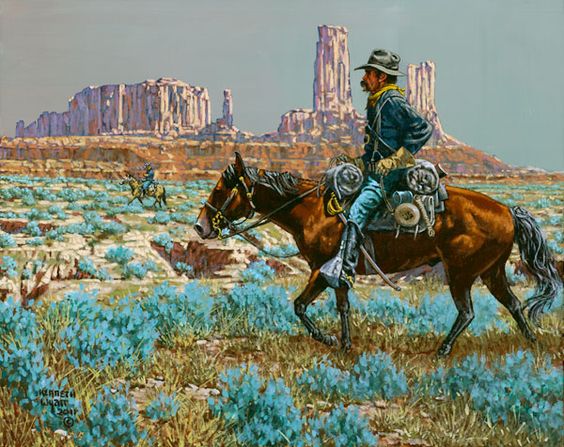
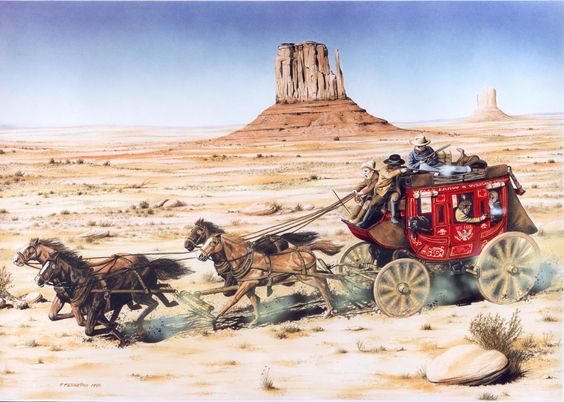
The series of conflicts in the western United States between Indians, American settlers, and the United States Army are generally known as the Indian Wars. Many of these conflicts occurred during and after the Civil War until the closing of the frontier in about 1890. However, regions of the West that were settled before the Civil War saw significant conflicts prior to 1860, such as Texas, New Mexico, Utah, Oregon, California, and Washington state.

 Arizona ranked highest, with 310 known battles fought within the state’s boundaries between Americans and Indians. Also, Arizona ranked highest of the states in deaths from the wars. At least 4,340 people were killed, including both the settlers and the Indians, over twice as many as occurred in Texas, the second highest-ranking state. Most of the deaths in Arizona were caused by the Apaches. 51 percent of the battles took place in Arizona, Texas, and New Mexico between 1850 and 1890, as well as 37 percent of the casualties in the country west of the Mississippi River.

Canadian Mounties. The Mounties were never involved in a battle with Indians.

The Loneliest Monk in Tibet Lives Alone in This Isolated Temple

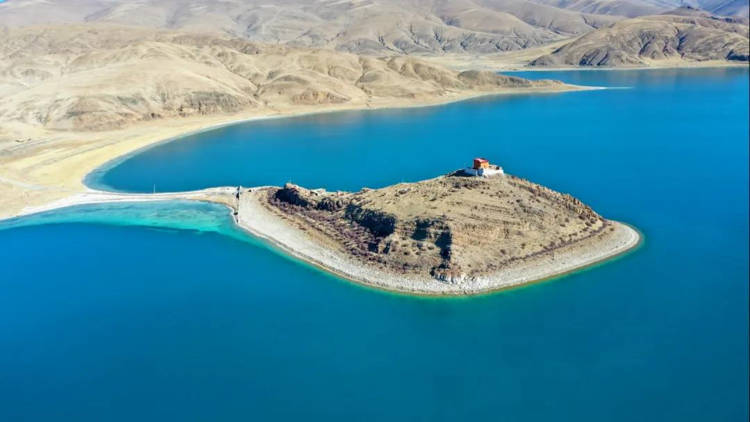
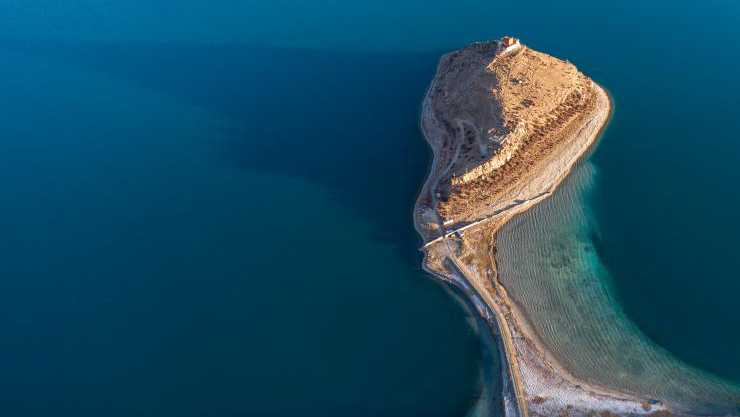
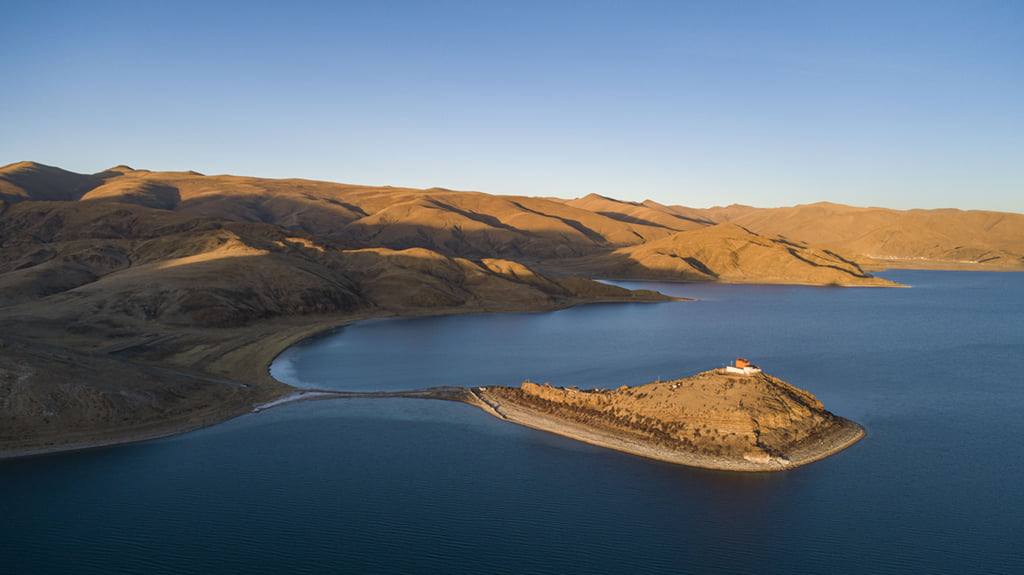
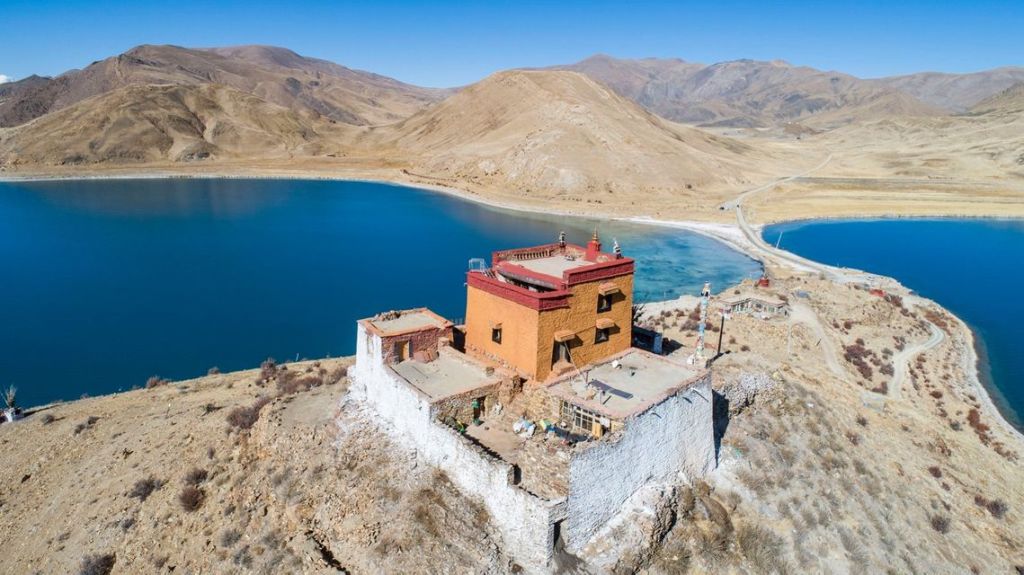
Located on top of a small mound, on a sliver of land stretching into the serene Yamdrok Lake is Rituo Temple, the home of just one solitary monk who spends his days chanting sutras and meditating.

Rituo, which means “the stone on the mountain” in Tibetan, is often referred to as Tibet’s loneliest temple. It has a history that goes back more than 700 years, but it’s considered one of the country’s hidden gems, as few tourists venture out to visit it. That’s because it’s located in the middle of nowhere, on a thin patch of land stretching into Yamdrok, one of the three holy lakes of Tibet. But the few people who did visit it, tell stories about the peace and quiet that most of us only dream of, and about the surreal experience of taking in the amazing natural scenery from atop the solitary rock mound.

The name of the temple, “the stone on the mountain”, was inspired by a centuries-old rock enshrined here, a relic that is said to have the power to cure all diseases.


Standing at the top of Rituo Temple, you can reportedly see Tibetan antelopes running freely and bar-headed geese swimming in the water, and as night falls, the sky full of stars is reflected on the lake, like a fairyland.

But perhaps the most amazing thing about Rituo Temple is the fact that it has just one inhabitant. His name is Ahwang Pincuo and he spends most of his days bringing water from down at the lake all the way to the temple, chanting sutras and meditating.

Ahwang is only the latest in a long line of solitary monks who have watched over Rituo Temple over the centuries, and when he dies, his place will be taken by someone else. You may be wondering what keeps a man from going crazy in a remote place like this, and in this case, it’s the power of his faith.

There is no denying the natural beauty of this Tibetan wonder, but because of its remoteness, it doesn’t get as many visitors as other, most accessible attractions.

Giant Sand Dunes meet the Sea

The Southern Namib desert is home to some of the tallest and most spectacular dunes of the world, ranging in color from pink to vivid orange. These dunes continue right to the edge of the Atlantic Ocean. The cold waters of the sea brushing against the dunes of the Namib desert is one of the most surreal sights.

While the sea coast extends for hundreds of miles, one of the best places to see these dunes is at Swakopmund. Known as Swakop in Namibia, it is the country’s biggest coastal town and a mecca for Namibians on holiday. The city’s German origins are quite pronounced in beautiful old German Colonial buildings throughout the city, making an even starker contrast for this town sitting at the edge of the Namib Desert.

namib
namib1
namibia-region-map
namib2
namib3
namib4
namib5

Share this:

Cool photos hot off the presses

red2

Unloading potatoes in Minnesota

red4-coiling-dragon-cliff-walk

Coiling Dragon Cliff Walk in China

red3

Great view when taking a leak, location unknown.

red5-fukuoka-japan

Giant sinkhole in Fukuoka, Japan. Completely repaired in 2 weeks.

red6

Sunset over a volcano

red9-san-diego

San Diego, the city with perpetual perfect weather.

red8-nz-quake

New Zealand earthquake. Wire like rail tracks.

red1

Great shot of Joe Biden. Most experts agree that Joe would have mopped the floor with Trump if he would have ran in 2016.

red11

Whales feeding in Alaska. New underwear for those fisherman.

red13-angola

Angolan President’s palace juxtaposed beside the slums that he rules.

The Big Apple at night.

red10a

ISIS suicide “Frankentruck” speeding towards Kurdish lines. These thing are packed with over a thousand pounds of explosives and plated with steel sheeting to protect the driver and engine. Packs a hell of a punch. The key is to hit it with a missile before it gets too close.

red7-isis-franken-truck

red12

Photos held back by the media. They don’t seem to hate each other after all.

retronaut

Tourists checking out Yosemite in the late 1880’s.

Monstrous monitor lizard invades grocery store in Thailand

A jaw-dropping video out of Thailand shows an enormous monitor lizard invading a grocery store and terrifying onlookers. The wild incident reportedly occurred on Monday afternoon at a 7-Eleven in the city of Nakhon Pathom. Much to the horror of shoppers and employees at the store, the six-foot-long lizard decided to venture out from its home in a nearby canal and do a little ‘shopping’ of its own. In the stunning video which was filmed by a bewildered witness, the creature can be seen scratching at a refrigerator unit containing drinks and then clambering up a tall shelf, knocking products to the floor and eliciting screams from the people watching the strange scene unfold before their eyes.
An employee of the store, who was hiding behind a counter alongside the frightened customers, eventually phoned the police, who dispatched an animal control team to wrangle the sizeable reptile. After what one assumes was something of a struggle, the fearsome creature was dragged from the shop and released back into the wild. Remarkably, a survey of the scene afterwards determined that the animal did not wind up getting any food, so its invasion was apparently all for naught. It is believed that the monitor lizard was compelled to search for sustenance in the 7-Eleven due to an inordinately long drought in the country which has left its native wildlife rather hungry.

A Very Large and Unusual Aircraft

The Scaled Composites Model 351 Stratolaunch is an aircraft built for Stratolaunch Systems by Scaled Composites to carry air-launch-to-orbit rockets. It was announced in December 2011 and rolled out in May 2017. The aircraft features a twin-fuselage design and the longest wingspan ever flown, at 385 feet (117 m), surpassing the Hughes H-4 Hercules flying boat of 321 feet (98 m). The Stratolaunch is intended to carry a 550,000-pound (250 t) payload and has a 1,300,000-pound (590 t) maximum takeoff weight. It should release its rocket at 35,000 ft (11,000 m).

The aircraft flew for the first and so far only time on April 13, 2019, and shortly thereafter, the company announced it would halt development of its air-launched family of launch vehicles following the death of Stratolaunch founder Paul Allen in October 2018. The company ceased operations the next month, and placed all company assets, including the aircraft, for sale for US$400 million by June 2019. Cerberus Capital Management acquired Stratolaunch Systems including the Stratolaunch aircraft in October 2019. Stratolaunch announced in December 2019 that it would now be focusing on offering high-speed flight test services.

Stratolaunch has a twin-fuselage configuration, each 238 ft (73 m) long and supported by 12 main landing gear wheels and two nose gear wheels, for a total of 28 wheels. The twin-fuselage configuration is similar to the Scaled Composites White Knight Two. Each fuselage has its own empennage.

The pilot, co-pilot and flight engineer are accommodated in the right fuselage cockpit.[2] The flight data systems are in the left fuselage. The left fuselage cockpit is unmanned with storage space for up to 2,500lb of mission specific support equipment. Both fuselage cockpits are pressurized and separated by a composite pressure bulkhead from the remainder of the unpressurized vehicle.

At 385 ft (117 m), it is the largest plane by wingspan, greater than a 300 ft (91 m) American football field. The main center section is made up of four primary composite spars supported by four secondary spars. The center section of the high-mounted, high aspect ratio wing is fitted with a Mating and Integration System (MIS), developed by Dynetics and capable of handling a 490,000 lb (220 t) load. The wing houses six main and two auxiliary fuel tanks, with the main tanks located inboard adjacent to an engine. The auxiliary tanks are located in the inboard wing where the load-carrying structure joins the fuselage.

Stratolaunch is powered by six Pratt & Whitney PW4056 engines positioned on pylons outboard of each fuselage, providing 56,750 lbf (252.4 kN) of thrust per engine. Many of the aircraft systems have been adopted from the Boeing 747-400, including the engines, avionics, flight deck, landing gear and other systems, reducing development costs.

It will require 12,000 ft (3,700 m) of runway to lift-off. It should release its rocket at 35,000 ft (11,000 m). It will carry a 550,000 lb (250 t) payload.[8] With a Pegasus II, it could deliver up to 13,500 lb (6.1 t) satellites to LEO or 4,500 lb (2.0 t) to a 15° GTO. It could launch a Dream Chaser small spaceplane capable of transporting astronauts or payloads within 24 hours. The stated goal is to carry up to three Orbital ATK “Pegasus XL” rockets for high-altitude launches by 2022.