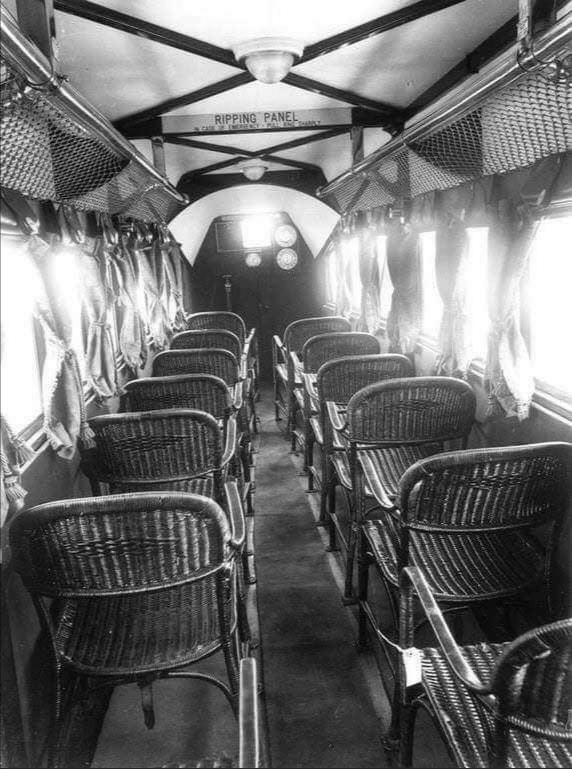
Inside an Airplane 1930
The Eye of the Earth is a natural spring that feeds the Cetina River in Croatia.

Fly Geyser, also known as Fly Ranch Geyser or the Green Geyser is a man-made small geothermal geyser located in Washoe County, Nevada approximately 20 miles (32 km) north of Gerlach. Fly Geyser is located near the edge of Fly Reservoir and is only about 5 feet (1.5 m) high, by 12 feet (3.7 m) wide, counting the mound on which it sits.

Fly Geyser is located on the private Fly Ranch in Hualapai Flat, about 0.3 miles (0.48 km) from State Route 34. The ranch is currently owned by Todd Jaksick. There is a high fence and a locked gate topped with spikes to exclude trespassers. The only access is a dirt road, but it is large enough to be seen from the road.

Looks like something from a science fiction movie set
Fly Geyser is not an entirely natural phenomenon; it was accidentally created by well drilling in 1964 exploring for sources…
View original post 90 more words

World Nomad Games are an international sport competition dedicated to ethnic sports practiced in Central Asia. The main countries taking part in those games are the former Soviet republics of Kyrgyzstan, Kazakhstan, Azerbaijan, Uzbekistan, Turkmenistan, Tajikistan, and Russia (especially Sakha, Buryatia, Altay, Kalmykia, Bashkortostan republics, etc.) as well as other countries like Mongolia, Turkey, and Afghanistan. The first two World Nomad Games were held in Cholpon-Ata, Kyrgyzstan.
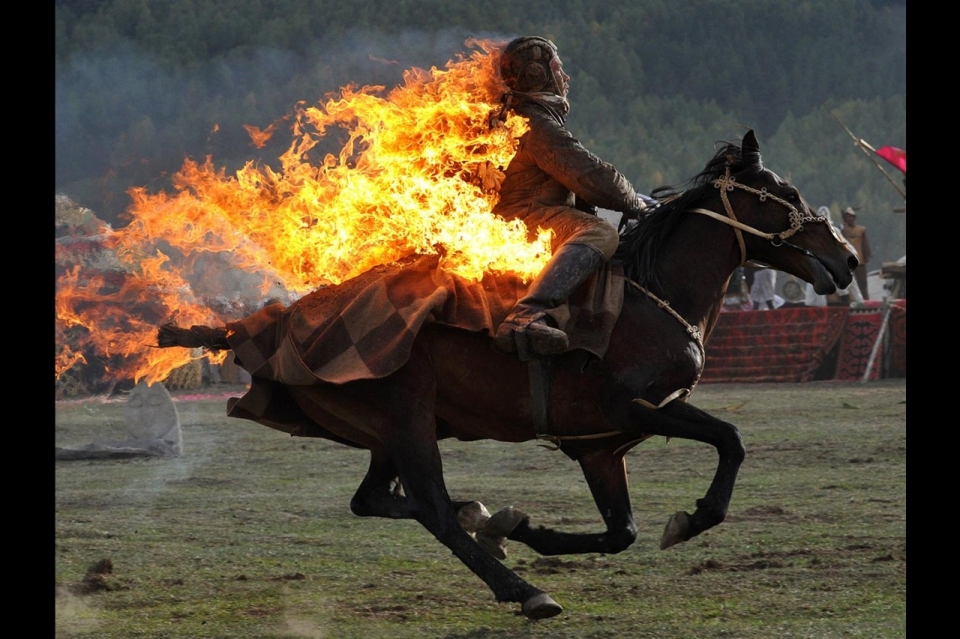
A Kyrgyz stuntman performs during the first World Nomad Games in the countryside of Kyrgyzstan, September 10, 2014. The competition drew hundreds of athletes from 20 countries.

Kyrgyz and Tajik horsemen compete in the traditional Central Asian sport of Buzkashi. In this game, riders compete for control of a goat carcass, scoring points for getting it in the opponent’s goal.

A Tajik man dressed in national costume demonstrates his skill with bow and arrow.
Genghis Khan would be proud.

A golden eagle attacks a chained wolf, part of a competition built around hunting with birds of prey. No Humane Society on the Asian steppes.

Kyrgyz men skin a sheep on the edges of the games.

Horse Wrestling

As hurricane Ida pounds Louisiana and other areas of the southeast some background.
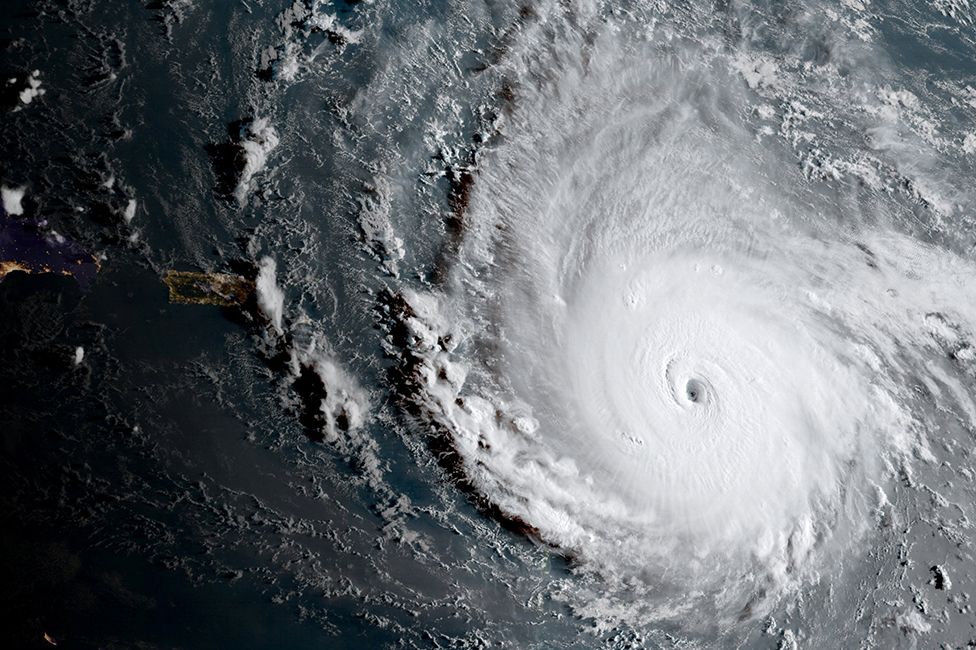
As we enter hurricane season, when there is a greater chance of more powerful storms developing in the Atlantic, here is a guide to how deadly storms form, how they are measured and why they happen where they do.
Hurricanes are the biggest and most violent storms on the planet. Every year, between June and November they hit the Caribbean, the Gulf of Mexico and the eastern coast of the United States, sometimes leaving a trail of destruction in their wake.
In the Pacific Ocean, they are known as cyclones. In the Indian Ocean and southern Pacific, they are known as typhoons. They are all tropical storms, but they are only called hurricanes in the north Atlantic and north-eastern Pacific.
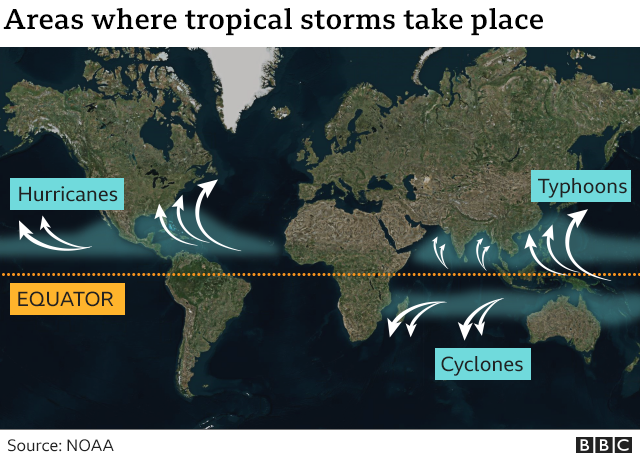
Most hurricanes that form in the Atlantic are the result of an atmospheric phenomenon known as a tropical wave.
The wave starts as a type of atmospheric trough that creates an area of relatively low air pressure – usually in western Africa, in mid-July.
If the conditions are right for it to develop, the low pressure starts to move west, with the help of the trade winds or easterlies.
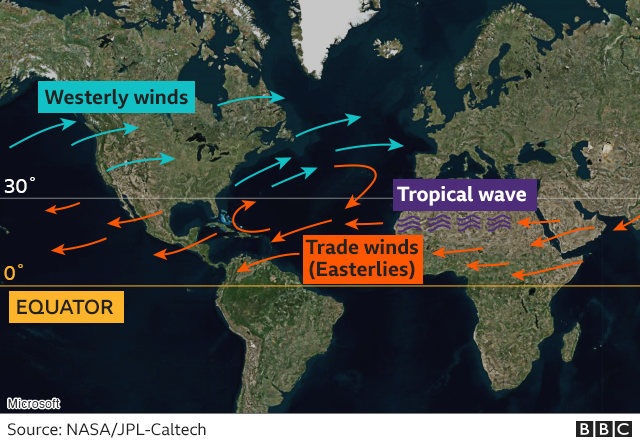
When it reaches the Atlantic, the tropical wave has the potential to become a hurricane – but for this to happen it needs enough energy in the form of heat and wind.
In fact, it needs a deep layer of warm water, with a surface water temperature above 27C.
It also needs the right winds – horizontally swirling winds to concentrate the storm and a weak vertical wind shear rising from the surface of the sea.
If the wind shear changes too much as it rises, it can disrupt the flow of heat and humidity needed to create the hurricane.
The final ingredient is a concentration of rain clouds and high humidity in the area.
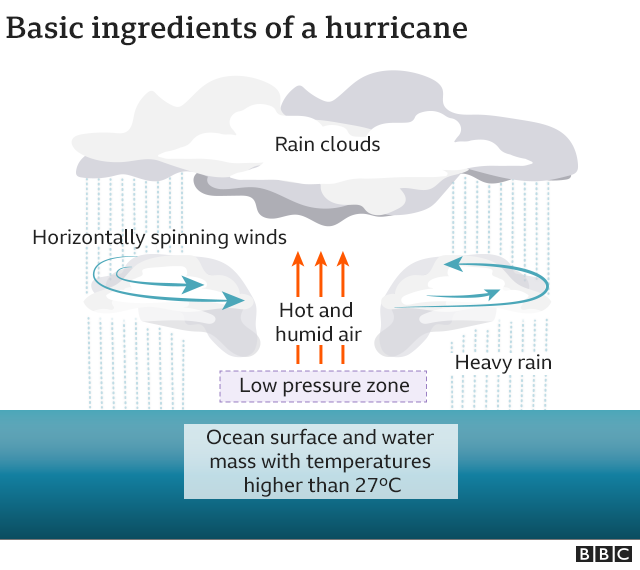
This all needs to happen in the right place – generally between 10 and 30 degrees latitude in the northern hemisphere, where the rotation of the Earth helps the winds converge and rise in the area of low pressure.
When a tropical wave encounters all these elements, they all start to interact over an area between 50km (31 miles) and 100km wide.
“The movement of the tropical wave is a trigger for the storm,” says Jorge Zaval Hidalgo, general co-ordinator of Mexico’s National Weather Service.
The storm is the catalyst – and the dance of heat, air and water begins.
The area of low pressure cools the humid, warm air rising from the ocean, which fills the clouds.
The condensation of this air releases heat, which lowers the pressure even more, drawing more humidity from the ocean and the storm builds.
The winds converge and rise within the area of low pressure, spinning counter clockwise, giving the hurricane its trademark shape.
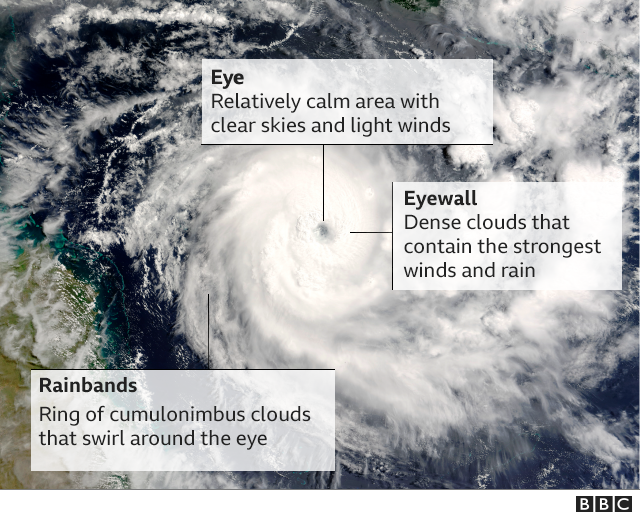
While the storm becomes more powerful, the eye of the hurricane – the central area about 30-60km wide on average – remains relatively calm.
Around it, rises the eye wall of dense clouds and most intense winds.
Beyond that are the spiral bands of cloud, where there is the most rain.
The wind speeds are what determine the moment at which we can call this phenomenon a hurricane.
At its birth, it is a tropical depression. As it gathers strength, it becomes a tropical storm. When speeds reach more than 118km an hour, it is a hurricane.
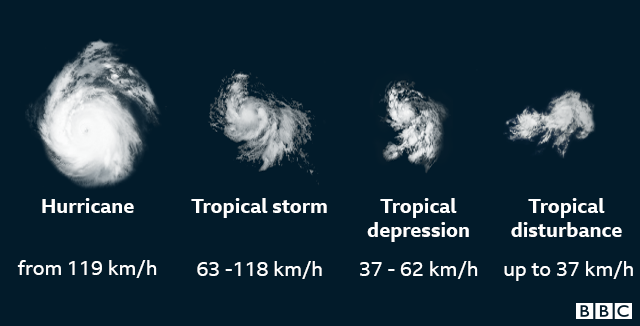
However, hurricanes can be classified in five categories depending on the sustained wind speeds. In the Atlantic, the Saffir-Simpson wind scale is used to measure their destructive power.
One hurricane’s winds can produce about half as much energy as the electrical generating capacity of the entire world, according to the National Oceanic and Atmospheric Administration (NOAA).
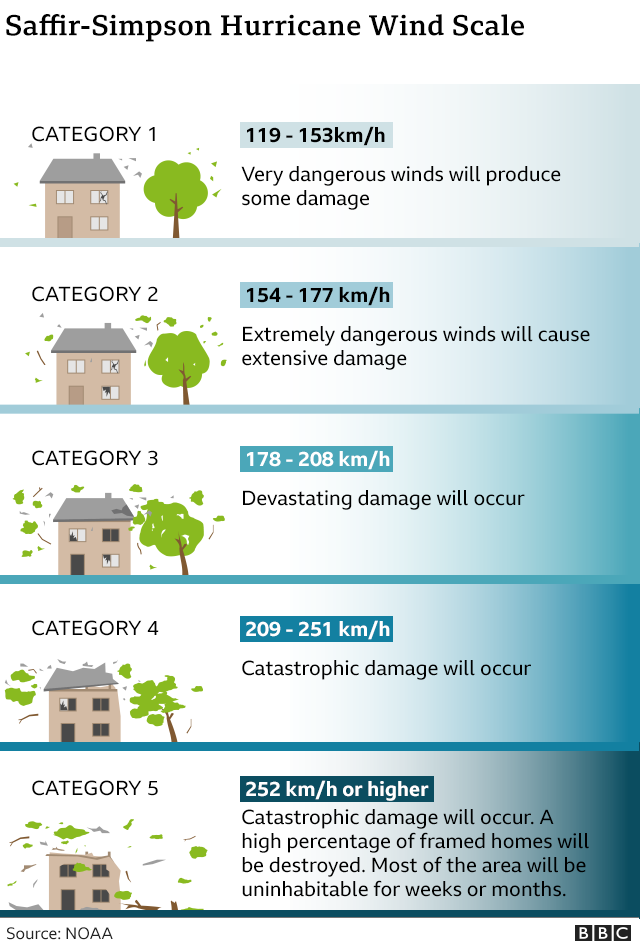
However, it is not the winds that cause the most destruction and loss of life, but the storm surge and flooding caused by the hurricane’s rain.
In the United States, for example, the storm surge caused by tropical cyclones in the Atlantic were responsible for nearly half of hurricane-related deaths between 1963 and 2012, according to the American Meteorological Society.
The level of destruction caused by a hurricane is also going to depend on other circumstances, such as the speed at which it hits, the terrain and local infrastructure in the affected area.
“The damage or danger associated with a tropical cyclone does not necessarily correspond to its category. For example, the highest level storm will not necessarily mean more rain,” Mr Hidalgo told the BBC.
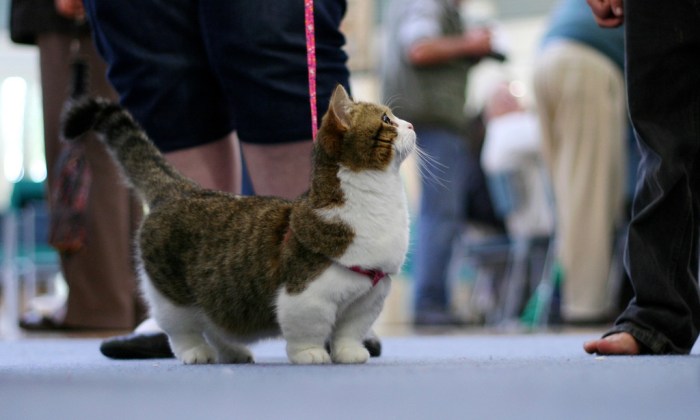
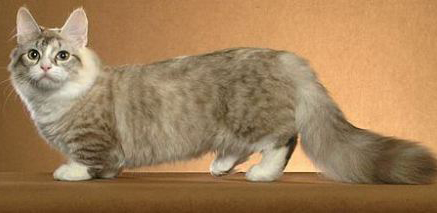
The Munchkin is a relatively new breed of cat characterized by its very short legs, which are caused by a naturally occurring genetic mutation. Much controversy erupted over the breed when it was recognized by The International Cat Association in 1995 with critics voicing concern over potential health and mobility issues.
Short-legged cats have been documented a number of times around the world since the 1940s. A British veterinary report in 1944 noted four generations of healthy short-legged cats which were similar to normal cats except for the length of the legs. This line disappeared during the Second World War but other short-legged cats were spotted in Russia during 1956 and the United States in the 1970s.
In 1983, Sandra Hochenedel, a music teacher in Louisiana, found two pregnant cats who had been chased by a bulldog under a truck. She kept one of the cats and named her Blackberry and half of her kittens were born short-legged. Hochenedel gave a short-legged male kitten from one of Blackberry’s litters to a friend, Kay LaFrance, and she named the kitten Toulouse. It is from Blackberry and Toulouse that today’s Munchkin breed is descended.
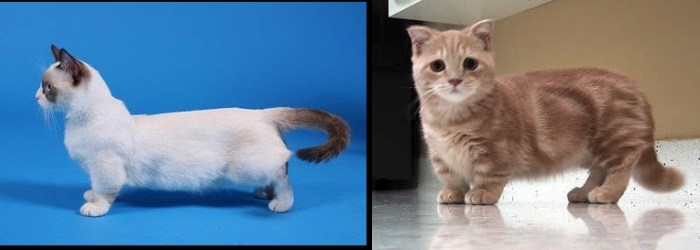
The Munchkin is generally described as a sweet-natured, playful, people-oriented, outgoing and intelligent cat which responds well to being handled. The shortness of their legs does not seem to interfere with their running and leaping abilities.
The Munchkin has similar characteristics to normal domestic cats, due to their frequent use as out-breeding It is a small to medium-sized cat with a moderate body type and medium-plush coat. Male Munchkins typically weigh between 6 and 9 pounds (3–4 kg) and are usually larger than female Munchkins, which typically weigh between 4 and 8 pounds. The hind legs can be slightly longer than the front which creates a slight rise from the shoulder to the rump.
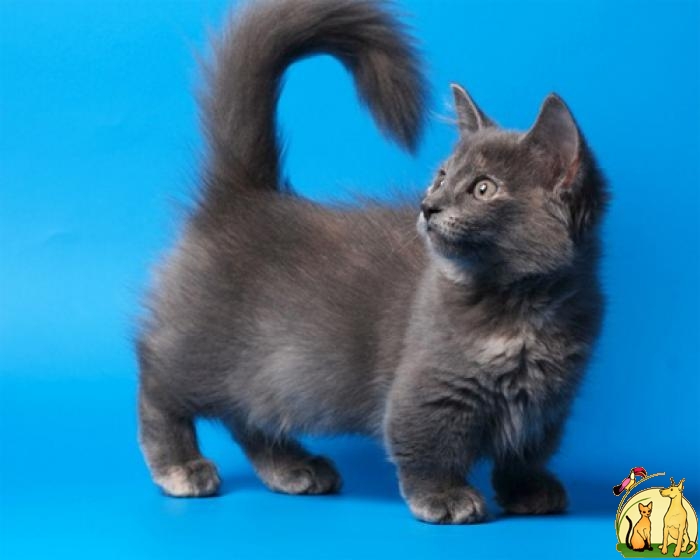
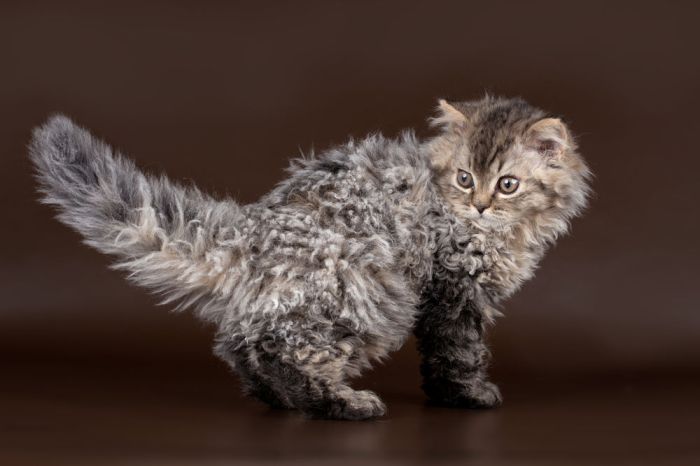
The Munchkin has been crossed with the curly-coated LaPerm to create the Skookum, the hairless Sphynx to create the Minskin and Bambino, with the extremely curly-coated Selkirk Rex to produce the Lambkin, the Persian breed group which includes Himalayans and Exotic Shorthair, to create the Napoleon and crossed with the Bengal to create the Genetta.
Selkirk Rex
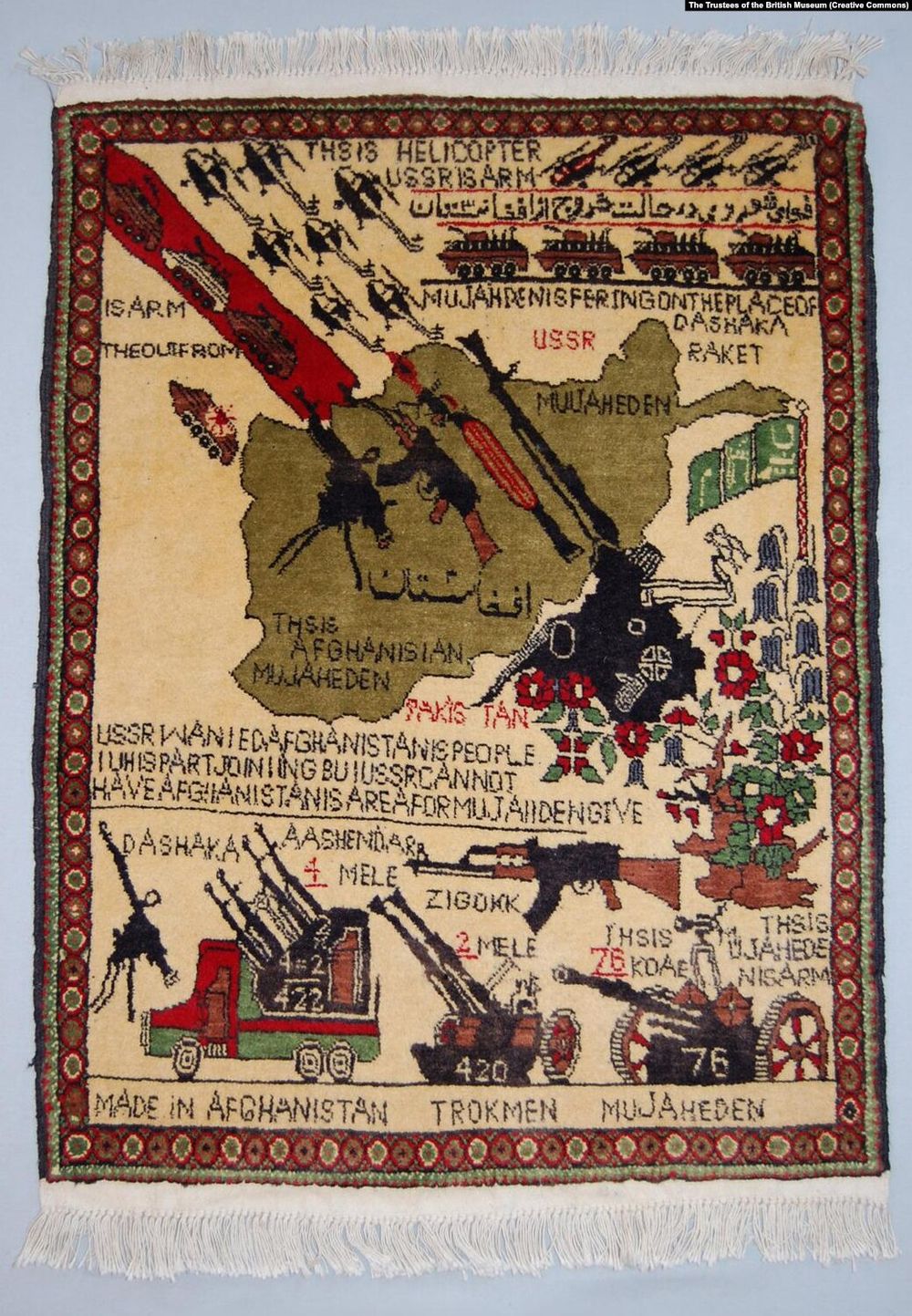
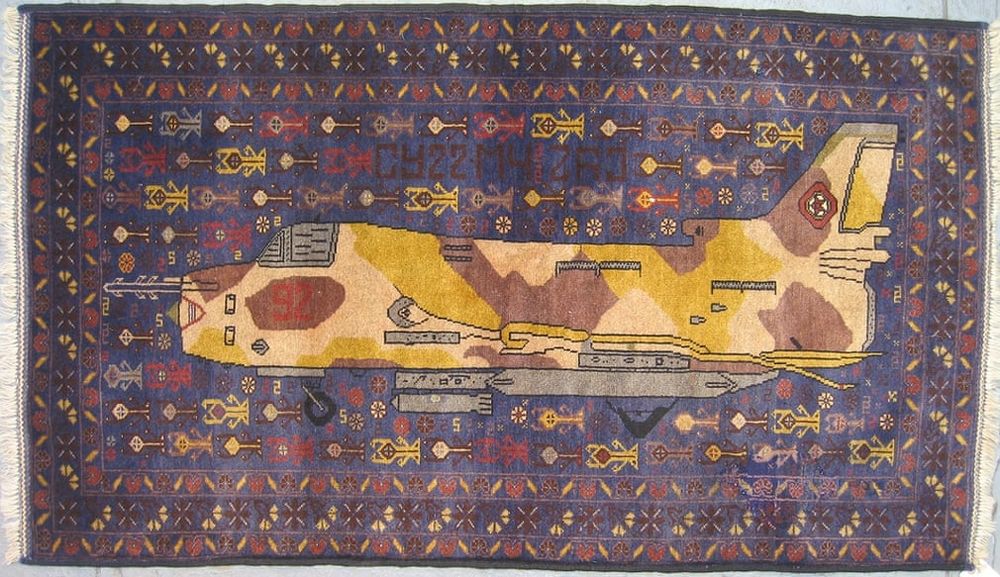
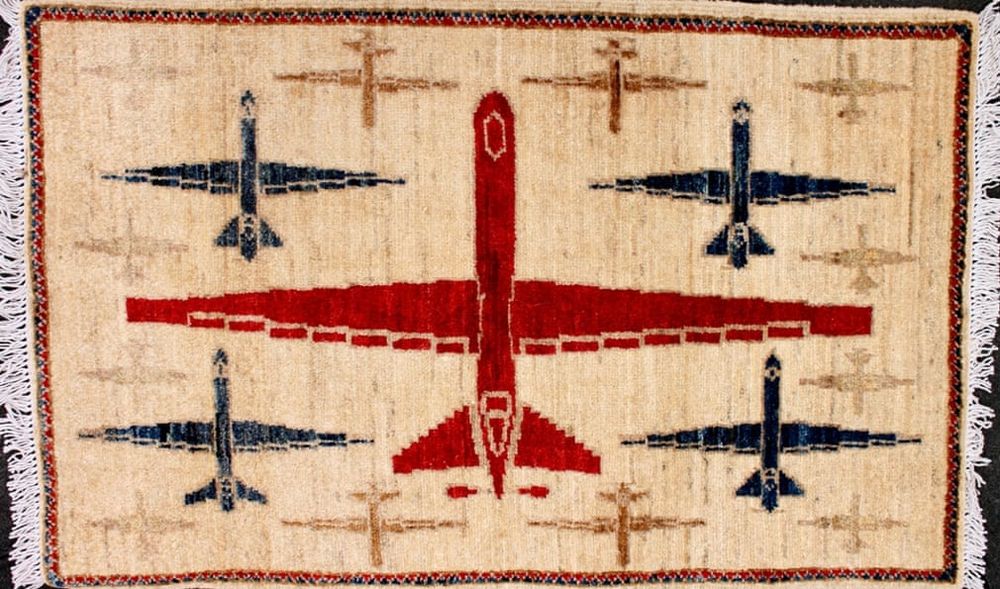
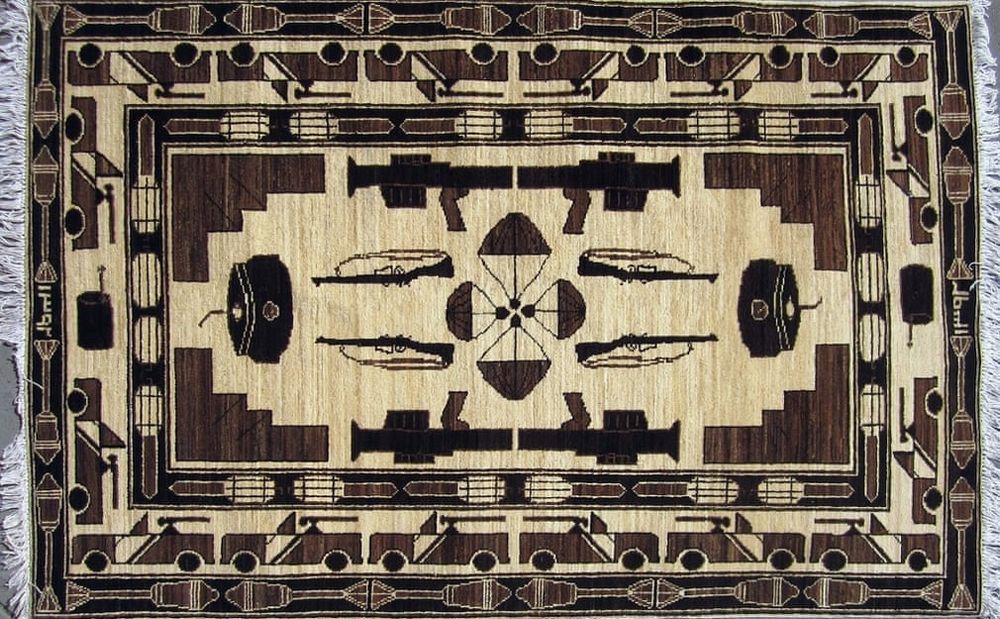
Turkmen weavers in northern Afghanistan have been weaving rugs for thousands of years. This heavy textile, made for a wide variety of utilitarian and symbolic purposes, is traditionally decorated with classical folk motifs, but in recent times many modern designs have found their way into the traditional medium, such as replicas of Picasso paintings or stylized American flags. But the most curious influence on Afghan rug design has been violence.
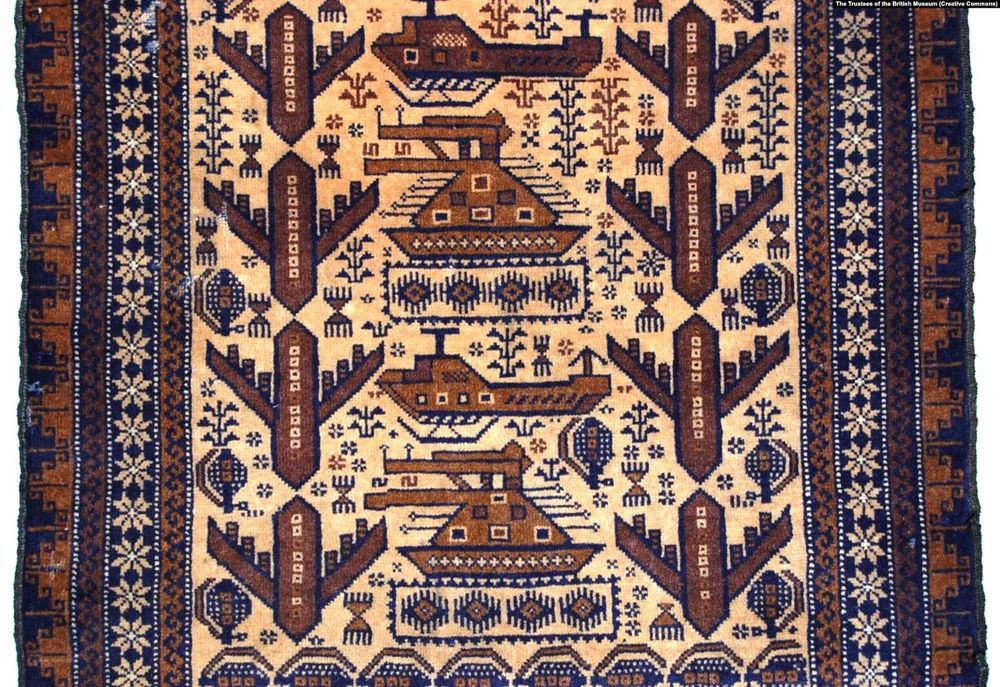
Afghanistan has been under conflict for more than forty years starting with the Russian invasion of what was originally a peaceful country. The bloody coup d’état against then-President Mohammed Daoud Khan would trigger a series of events that would dramatically turn Afghanistan from a poor and secluded, albeit peaceful country to a hotbed of international terrorism. The decades of war and violence that followed, impacted the everyday lives of the Afghans so deeply that carpet weavers began to incorporate icons of war into their carpets. Flowers, birds, horses and decorative knots were replaced by machine guns, grenades, helicopters, tanks and Kalashnikov rifles.
In the early years, brokers and merchants refused to buy war rugs with overt designs for fear they would put off buyers. But with time and with the rugs’ increasing popularity, these rugs have found a niche market among Western collectors.

There is little doubt the rugs are geared towards Western tourists, but in the beginning they may have been made for fellow Afghans, believes Hanifa Tokhi, an Afghan immigrant who fled Kabul after the Soviet invasion and now lives in northern California. “Later on, they made it commercialized when they found out that people were interested,” she says. “But at the beginning, it was to show their hatred of the invasion. I know the Afghan people, and this was their way to fight.”
After the terrorist attack on America and the subsequent war on Afghanistan, a whole new genre of war rugs arose. On woolen canvases where Soviet weapons used to appear now stood US armaments—F-16s, Abrams tanks and slogans such as “Heat to War”. Others, clearly made for sale to Americans, proclaimed “Long live U.S. soldiers.”
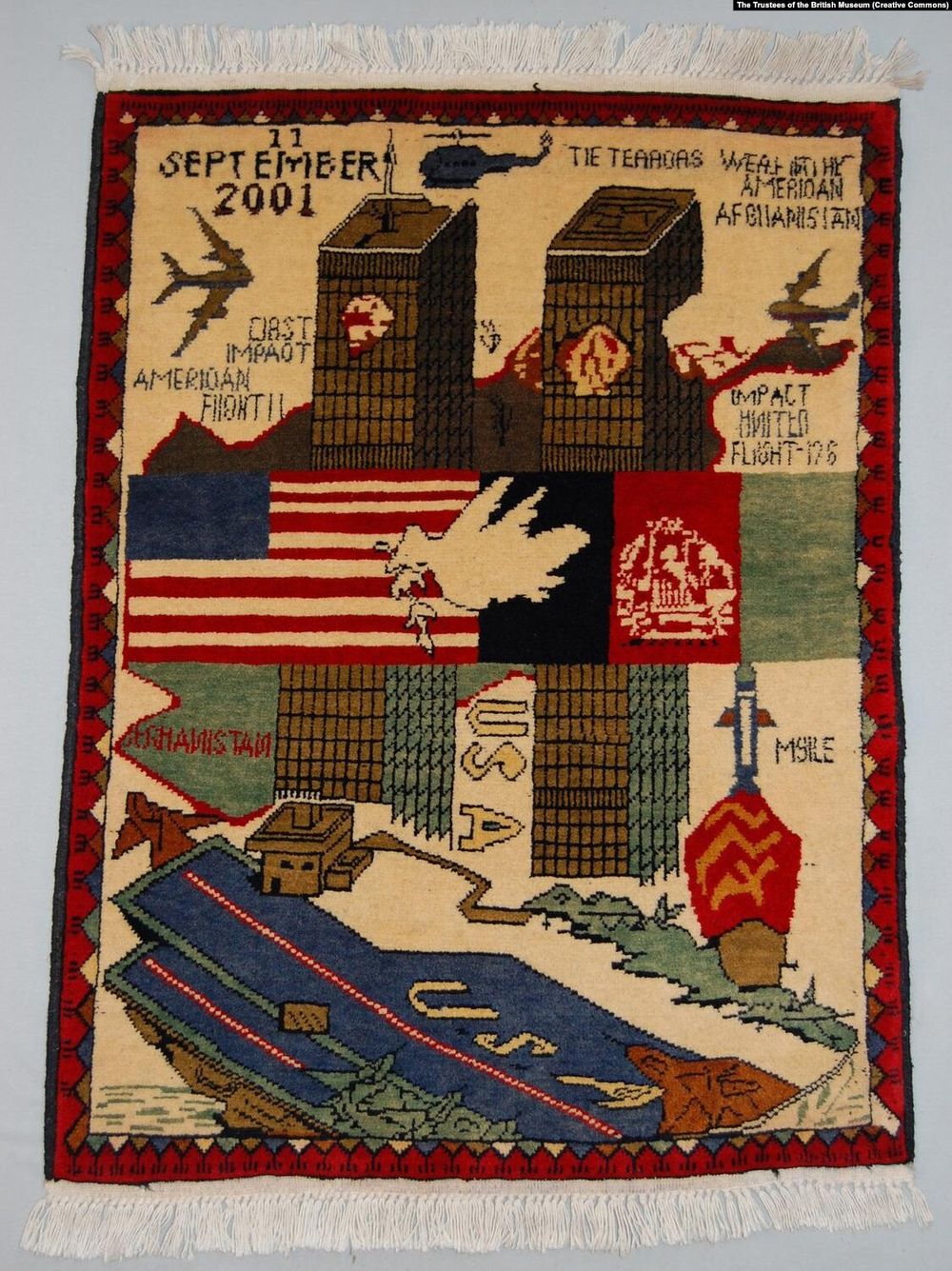
One of the most disturbing pieces commemorate the World Trade Center attack. These rugs were so scandalous that many traders refused to have them in their collection. Yet others find World Trade Center rugs collectable. Some New Yorkers find them fit for display, too. “You might think it’s a ghoulish thing to own, but I look upon it in a different way,” says Barbara Jakobson, a trustee at Manhattan’s Museum of Modern Art and a longtime art collector. “It’s a kind of history painting. Battles have always been depicted in art.”
Some 1.6 million Afghans are in the carpet business, with most of the weavers being women working from home. Under generations of oppression, these women have found in carpets a medium to make their voice heard.
“Women in that part of the world have a limited ability to speak out,” says Barry O’Connell, a Washington D.C.-based oriental rug enthusiast. “These rugs may be their only chance to gain a voice in their adult life.”

Watching a Canadian Football League game tonight. It was pouring cats and dogs. But unlike baseball, they played on.





 The MarkoZen Blog