Bubble wrap is a pliable transparent plastic material used for packing fragile items. Regularly spaced, protruding air-filled hemispheres (bubbles) provide cushioning for fragile items.
“Bubble wrap” is a generic trademark owned by Sealed Air Corporation based in North Carolina. In 1957 two inventors named Alfred Fielding and Marc Chavannes were attempting to create a three-dimensional plastic wallpaper. Although the idea was a failure, they found that what they made could be used as packing material. Sealed Air was co-founded by Fielding in 1960.
Tonga eruption: How its impact spread so widely and violently
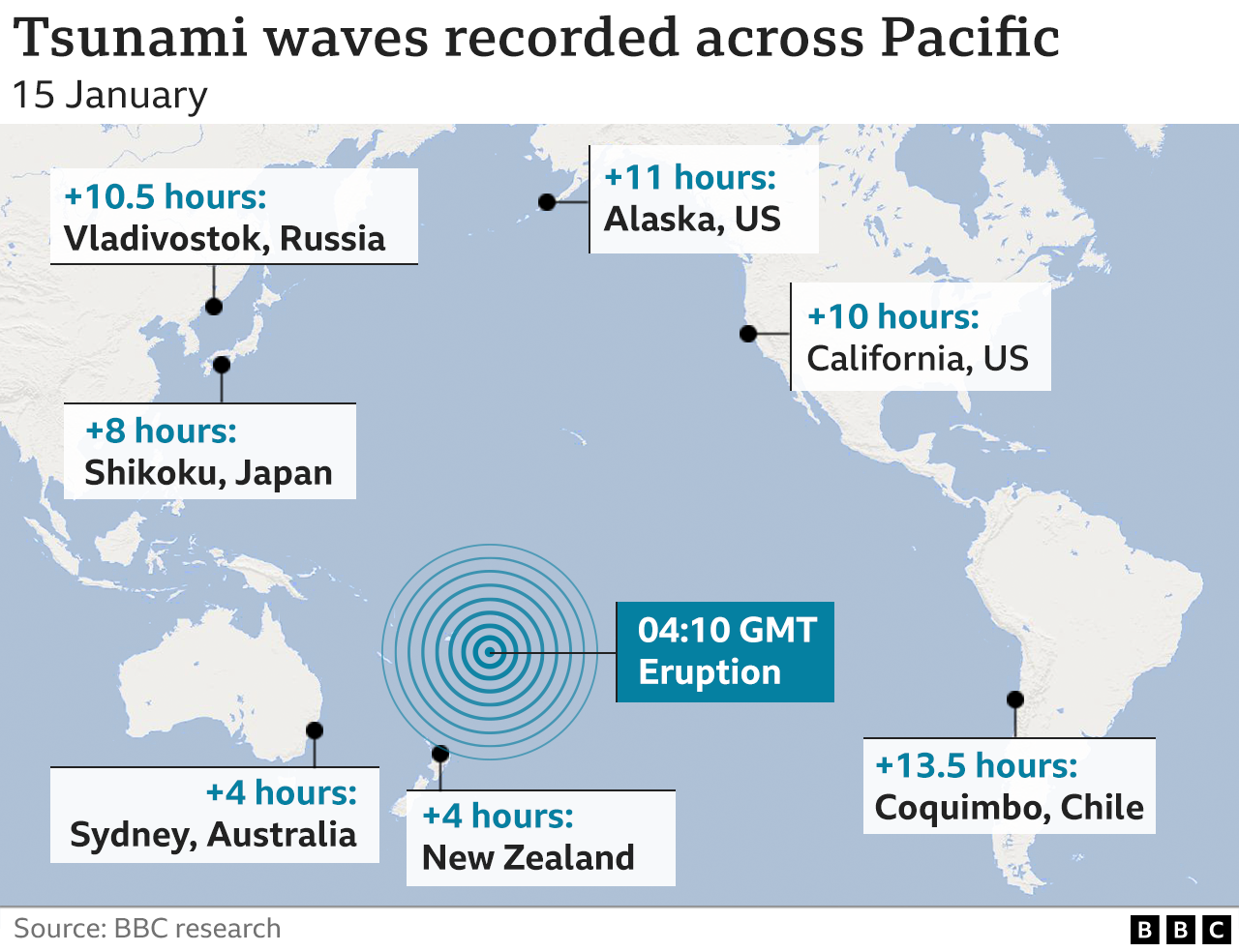
A massive volcanic eruption in Tonga, on Saturday, triggered a tsunami that spread across the Pacific in a matter of hours.
Waves hit Australia, New Zealand and Japan as well as the west coasts of North and South America, and an atmospheric shockwave was detected around the world.
Thousands of people in Tonga are thought to be in need of outside help, with buildings destroyed and communications disrupted.
Here’s what we know about how and why it spread so widely and violently.
Where is Tonga?
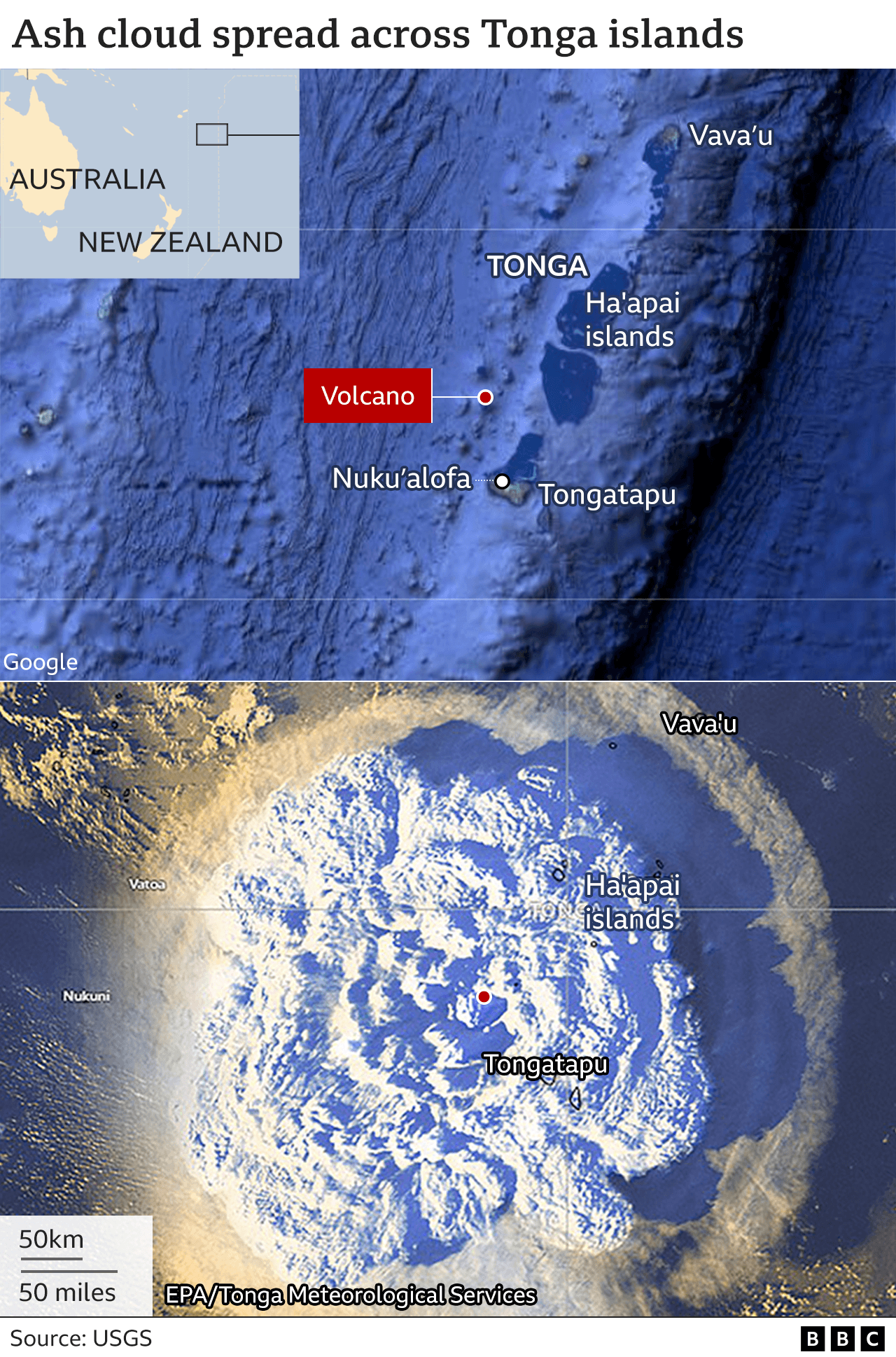
Tonga is made up of about 170 islands, many uninhabited, about 2,000 miles (3,300km) east of Australia.
The volcano, Hunga-Tonga-Hunga-Ha’apai, sits 40 miles north of the capital, Nukuʻalofa.
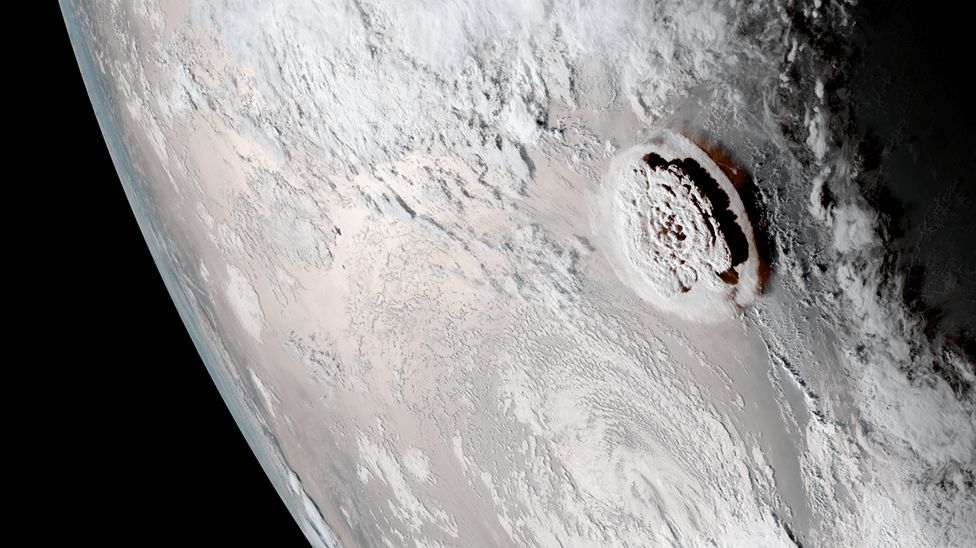
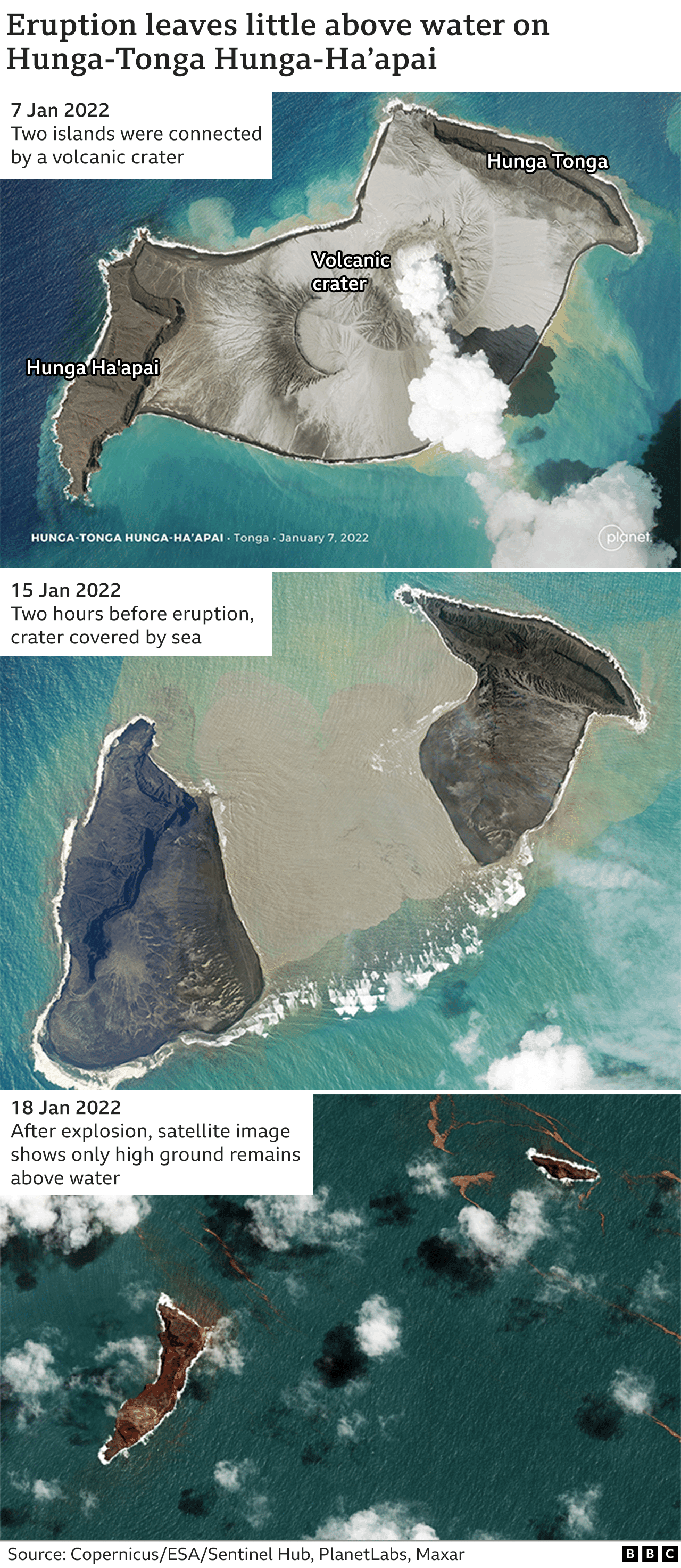
On Saturday, the centre of the volcano sank, disappearing under the sea.
About two hours later, it erupted, with devastating force.
When the eruption had ended, almost all of the volcano and the land around it had disappeared.
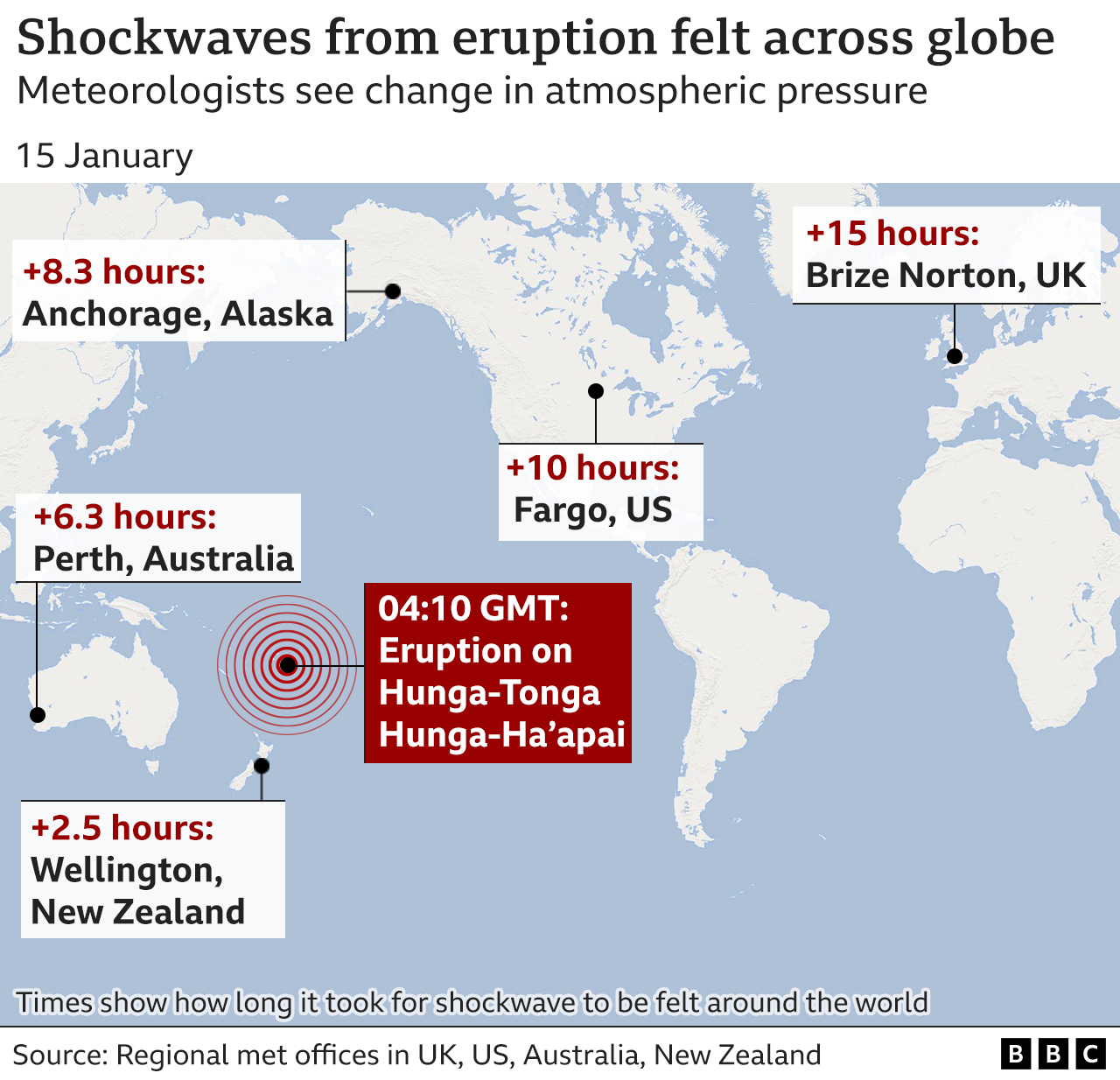
The eruption set off a massive atmospheric shockwave travelling at about 300m (1,000ft) per second.
Pressure changes were detected on the other side of the world, in Europe, 15 hours later.
The explosion was heard across the Pacific, from Fiji to Alaska.
How quickly did the tsunami spread?
Waves from the tsunami spread rapidly across the Pacific.
They took less than five hours to reach New Zealand, about 10 to reach Alaska.
Experts say the tsunami may have been caused by the collapse of debris on the ocean floor and boosted by the pressure wave pushing down on the surface of the water.
The waves continued through Sunday and were still being recorded in Australia on Monday.
Tsunami waves can be much more destructive than normal waves, even when they are not particularly high.
A normal wave might take 15 seconds to wash up the shore and flow back out.
Some of the tsunami waves in Australia were under 1m but lasted almost 30 minutes.
They kept moving onshore for 15 minutes and took about 15 minutes to move back out.
Why was the eruption so violent?
The exact reasons why this eruption was so violent are still being assessed by experts.
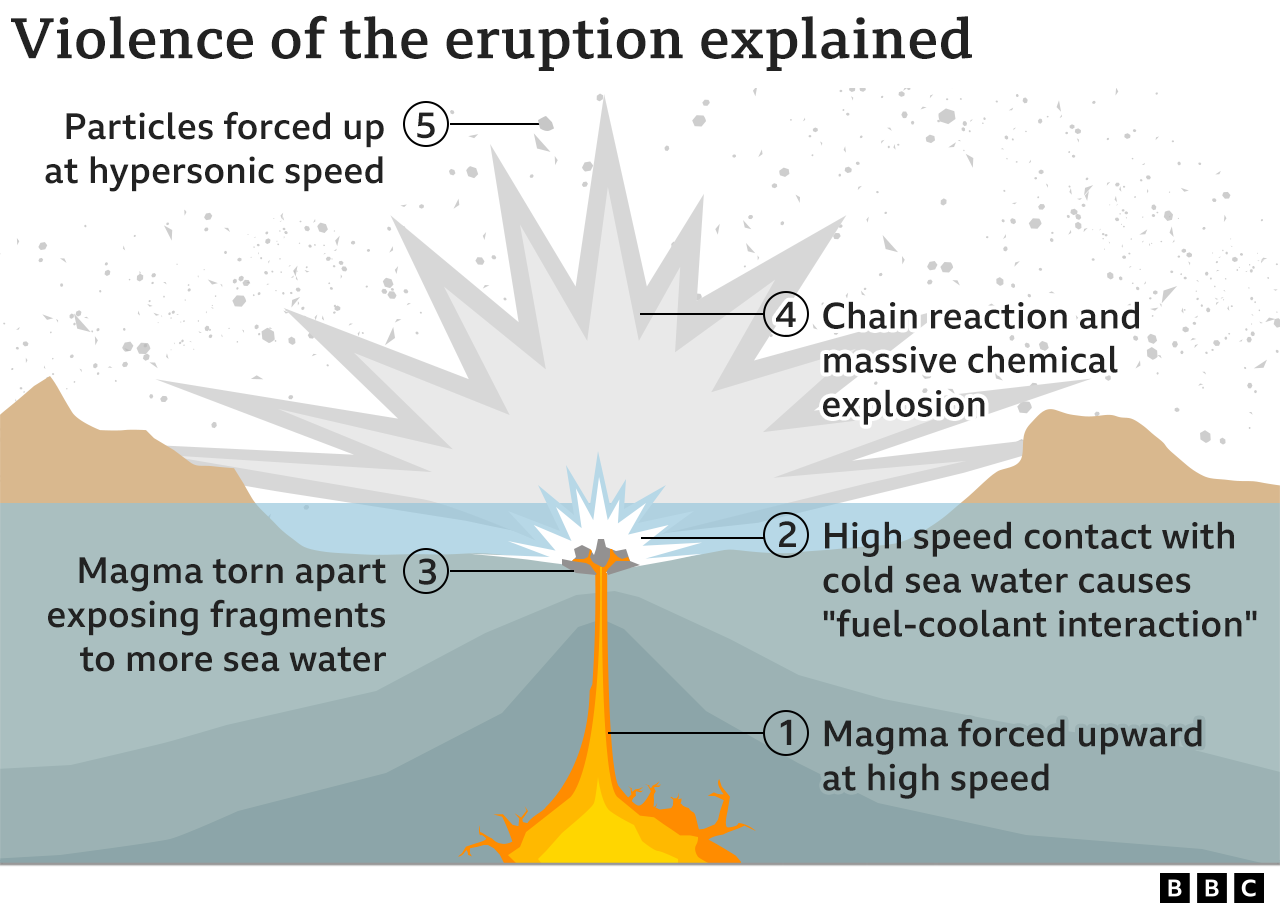
Some believe the speed with which the molten magma was blasted out of the volcano may have played a big part.
When magma filled with volcanic gas is forced through sea water at high speed, there is no time for a layer of steam to cool it.
And this “fuel-coolant interaction” causes a massive chemical explosion, researchers say.
Deeper water could have suppressed this – but the volcano’s surface was just 150-200m under the sea.
What is the situation on the ground now?
Communications with Tonga have been severely disrupted, making it difficult to assess the scale of the destruction.
On Tuesday, the Tongan government issued its first update since the eruption, saying the country had been hit by an “unprecedented disaster”.
Some of the smaller islands have been particularly badly affected, with all the houses destroyed on one and just two left on another.
Aid efforts have been hampered by ash falling from the volcano.
Volunteers have been sweeping the runway of the main airport to allow planes bringing much needed drinking water and supplies to land.
In its update, the Tongan government said the internet was down, but some local phone services were available and work was under way to restore full communications.
PARIS (AP) — France’s parliament approved a law Sunday that will exclude unvaccinated people from all restaurants, sports arenas and other venues, the central measure of government efforts to protect hospitals amid record numbers of infections driven by the highly contagious omicron variant.
The National Assembly adopted the law by a vote of 215-58. Centrist President Emmanuel Macron had hoped to push the bill through faster, but it was slightly delayed by resistance from lawmakers both on the right and left and hundreds of proposed amendments.
More than 91% of French adults are already fully vaccinated, and some critics have questioned whether the “vaccine pass” will make much of a difference.
Macron’s government is hoping the new pass will be enough to limit the number of patients filling up strained hospitals nationwide without resorting to a new lockdown. New confinement measures would strike another blow to the economy — and could also cloud Macron’s chances of reelection in the April 10 presidential vote.
What is this major malfunction with anti-vaxxers? Let Darwinism handle the situation.
WINNIPEG– Manitoba’s Crown Royal has been named the best whiskey in Canada at the Canadian Whiskey Awards.
The head judge says Noble Collection Winter Wheat won by a landslide.
Crown Royal also won best blended whiskey and sippin’ whiskey of the year.
All of it is made at the distillery of the year on 360 acres on the shores of Lake Winnipeg just north of Gimli.
The Gimli, Manitoba Whiskey Factory
Crown Royal is a blended Canadian whisky owned by Diageo, which purchased it when the Seagram portfolio was dissolved in 2000. It is the top-selling Canadian whisky in the United States.
The reigning monarch King George VI, and his wife, Queen Elizabeth, visited Canada in 1939. Crown Royal was introduced that year by Samuel Bronfman, president of Seagram, as a tribute to the royal visit. It was available only in Canada until 1964.
Today, Crown Royal is produced solely at the Crown Royal distillery at Gimli, on the shores of Lake Winnipeg, Manitoba, Canada. It was also produced in Waterloo, Ontario, until the plant there closed in 1992. Daily production of Crown Royal uses 10,000 bushels of grain and requires 750,000 imperial gallons (3,400,000 L; 900,000 US gal) of water. The whisky produced at the Manitoba distillery is stored in two million barrels, located in 46 warehouses over 5 acres (2 ha) of land. The whisky is then blended and bottled in Amherstburg, Ontario.
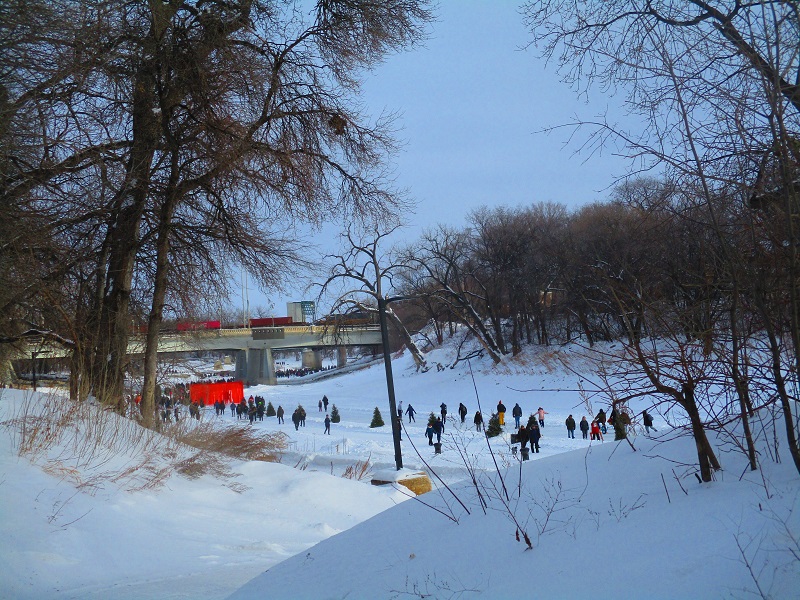
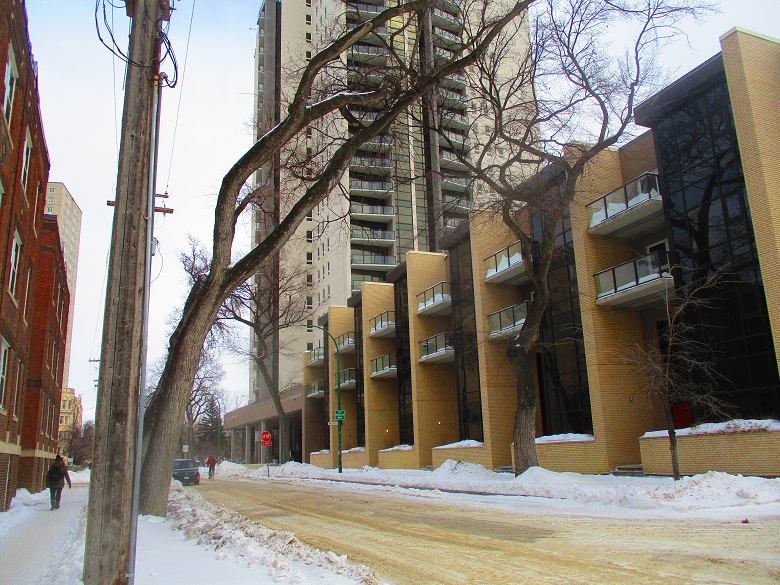
The city of Winnipeg has a couple not so flattering nicknames, Windypeg and Winterpeg. The city receives Chicago like winds year round and brutally cold temps in the winter months.
But the citizens endure and make the best of it. Today was a bit milder than the previous couple weeks and people were on the river skate and walking trails.
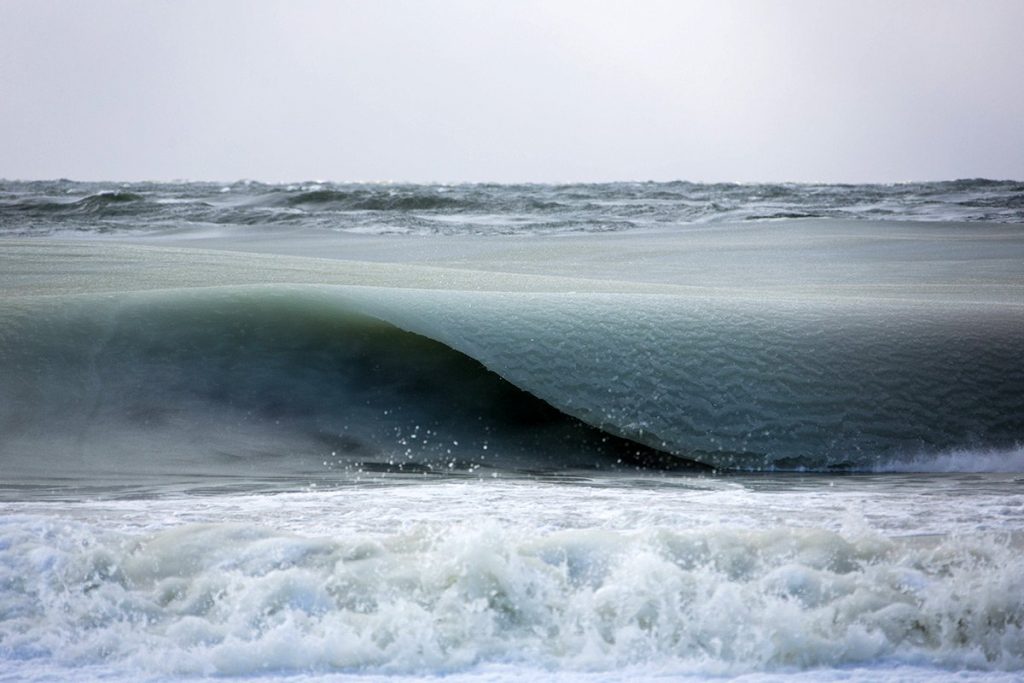
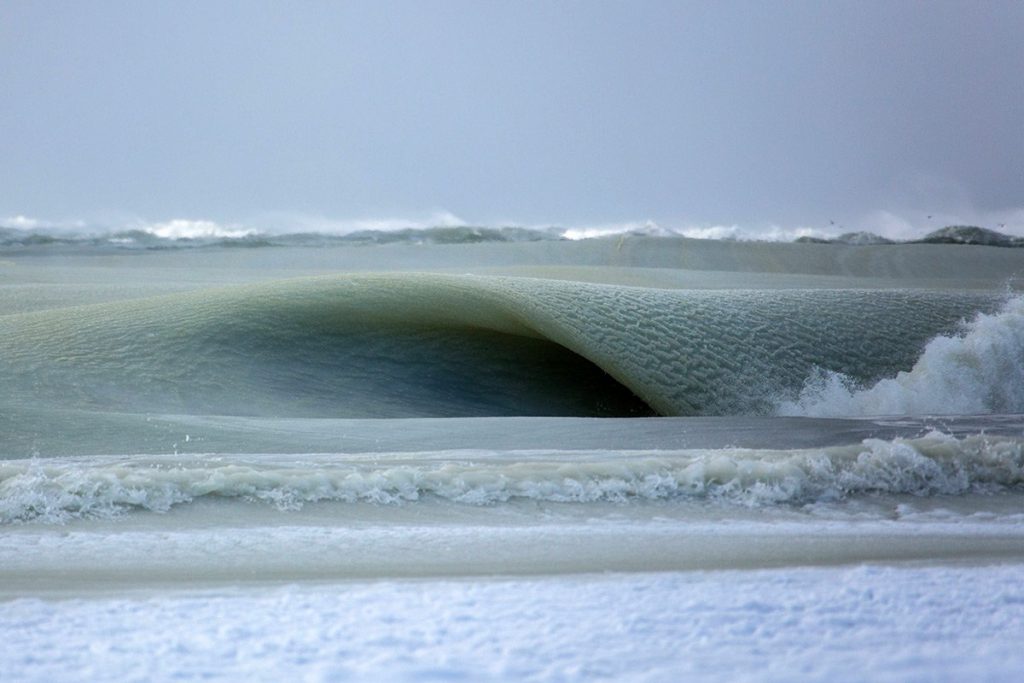
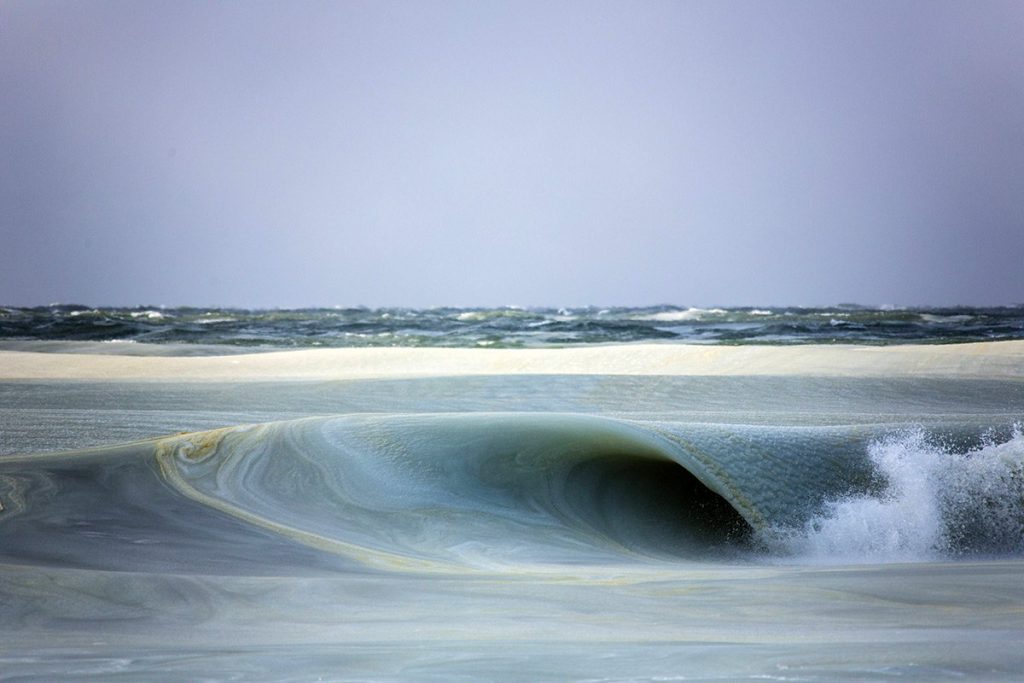
Beautiful, Giant, And Nearly Frozen Waves Are Captured On Camera By Nantucket Photographer
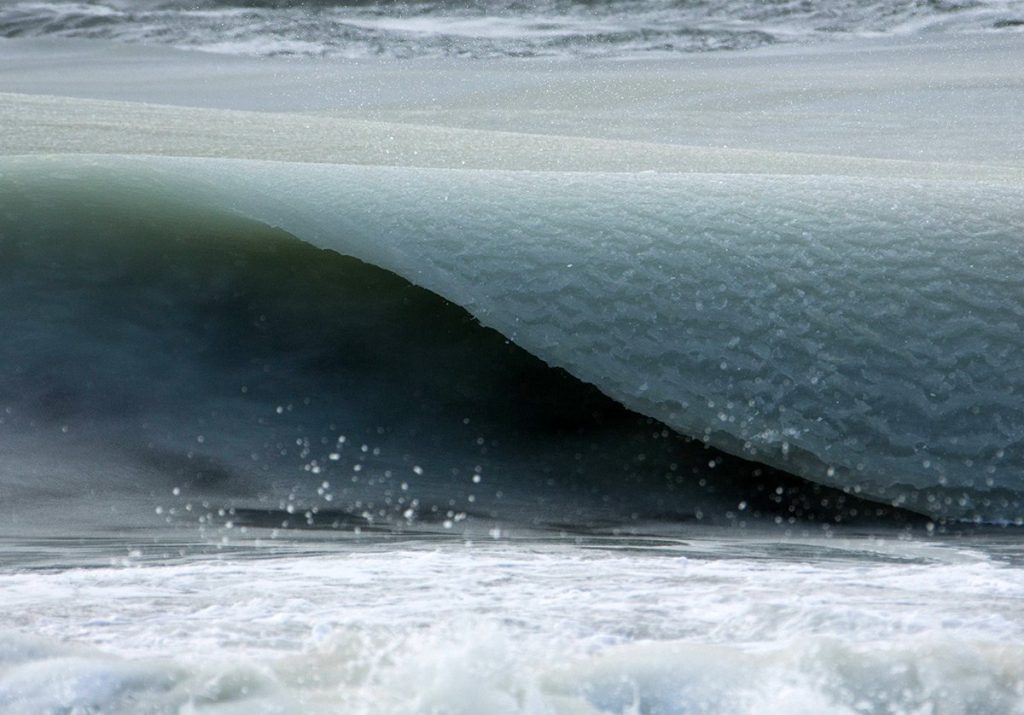
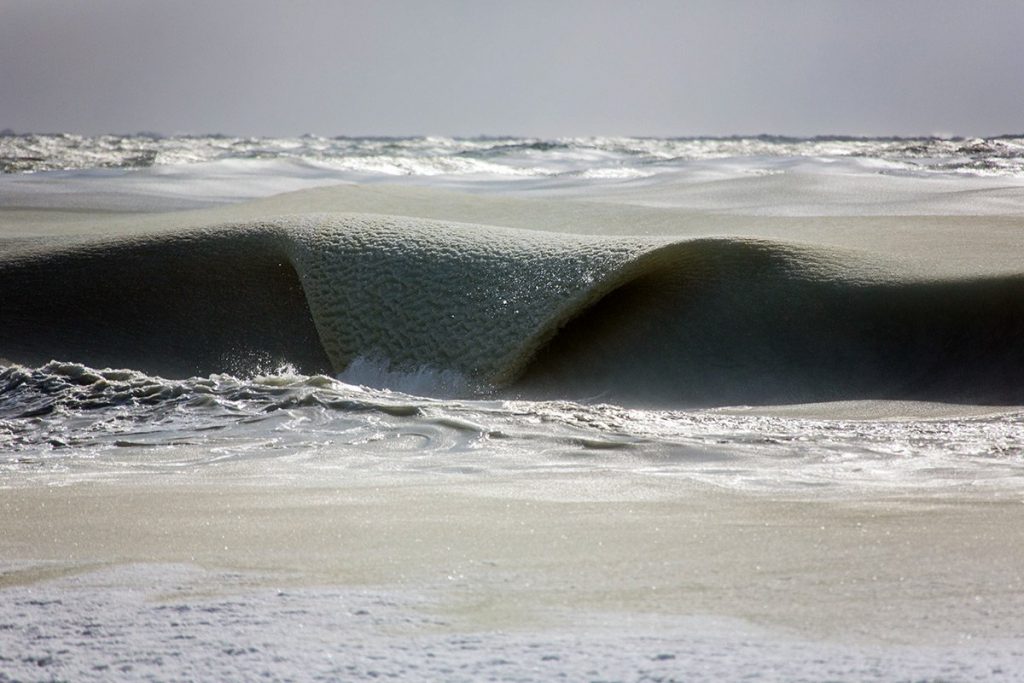
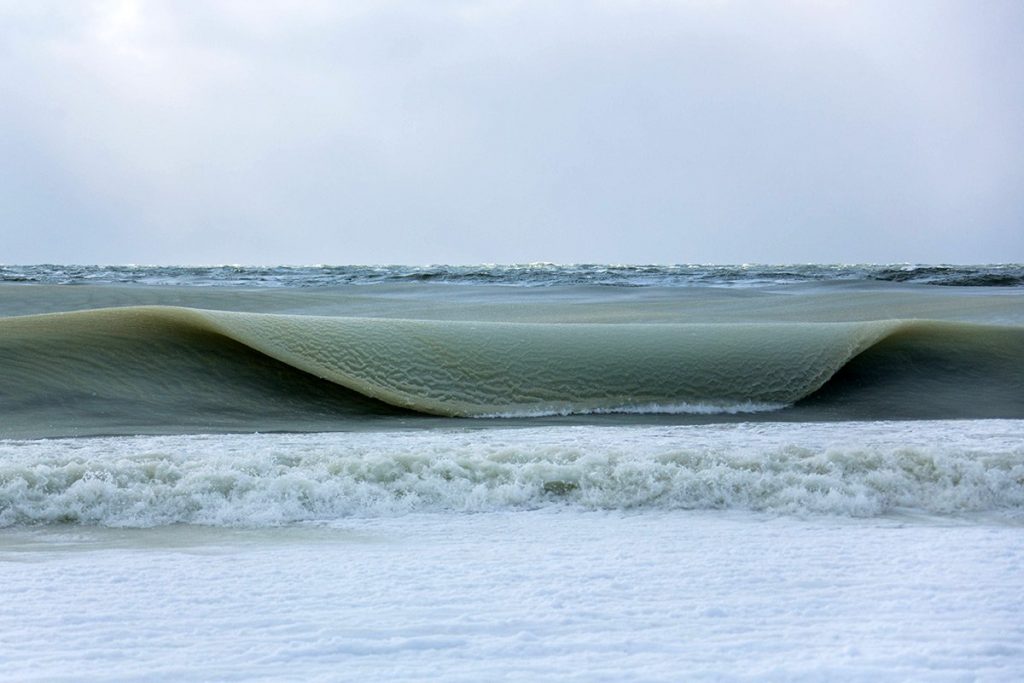
Photographer Jonathan Nimerfroh found himself staring at an ocean full of Slurpee. The waters of the Atlantic Ocean looked like it due to the unusually cold temperatures that were making it freeze. Lakes freeze every year, but oceans freezing is a rare sight.
The photographer/surfer/ocean enthusiast set out to capture the beauty of this rare event. While the partially-frozen waves churned and hit the shore, they appeared to be made out of something thicker than water. Jonathan describes the sight as follows, “The wind was howling from the southwest which would typically make rough or choppy conditions, not so good for surfing. But since the surface of the sea was frozen slush, the wind did not change the shape. They were perfect dreamy slush waves.” The pictures below show this bizarre phenomenon.
They were a strange, thick consistency.
His photo series “Slurpee Waves” is breathtaking.
The unusual look of the waves comes from the shifts in the water and air temperature.
When he took these photos, the temperature in Nantucket was 19°F.
In “Stay Wild Magazine,” he talked about the day he took the photos: “Just been super cold here. The harbor to the mainland is frozen solid … The day after I took these it actually froze up the shoreline for 200 yards out.”
Jonathan is “obsessed with the ocean,” and, in addition to his sea-centric photography, is an avid surfer.
Check out this video to see the Slurpee waves in action:















 The MarkoZen Blog