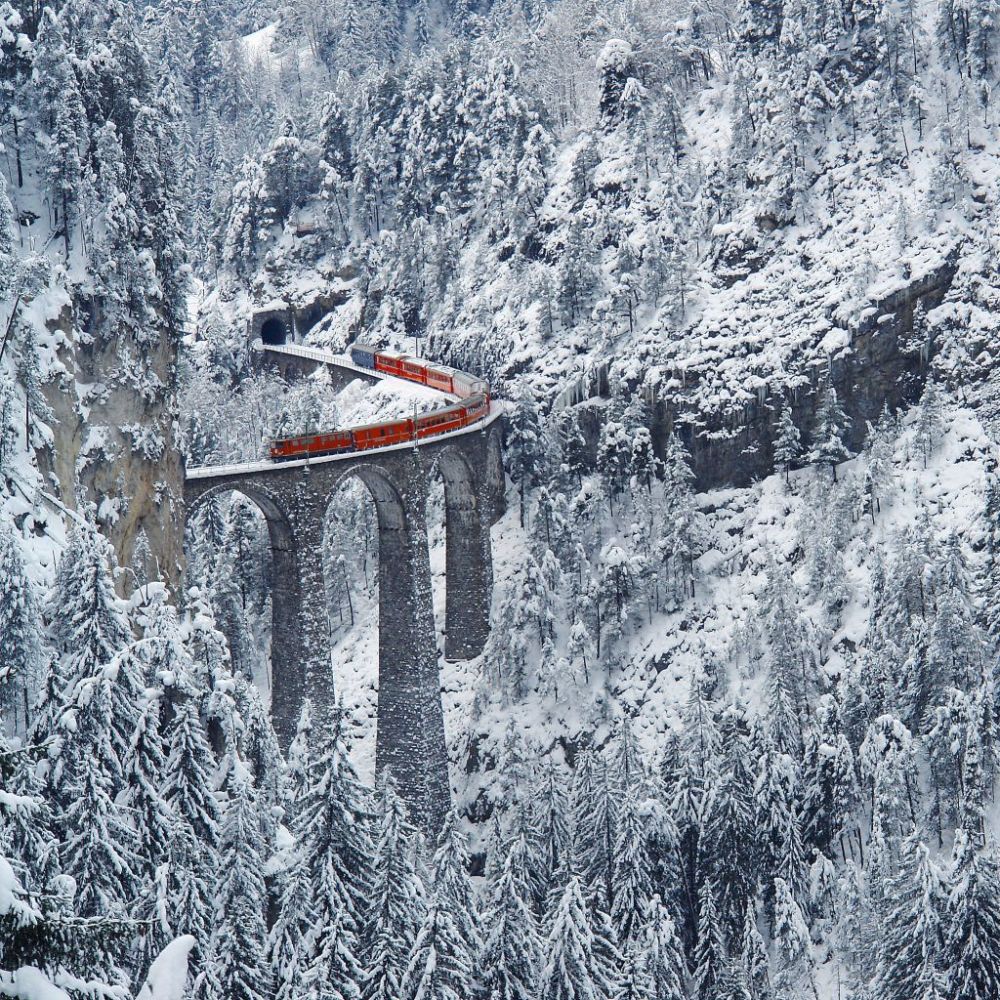
I heard the sounds of locomotion and a whistle’s plaintive cry of weakness, but the wheels were turning. Steel on steel the sole reply.
The sounds of force accelerating rhythmically as drums would play recalled a light and tender time, though made of steel the permanent way,
when near a depot long abandoned, waiting for a passing train, a child would sit alone for hours just to hear the steel refrain.
I heard the sounds of locomotion carrying a longing man with freight and cargo to a place that rails of steel alone could span.
“I looked out of the train, And I suddenly saw the empty station As we hurtled through, with a hollow roar . . . ‘Harviston End’ . . . It was dark and dead”
A quiet hymn to all that we’ve lost. It’s all here, the sights, sounds and smells of a country station about to close. I’ve searched my railway book shelves to see if Harviston End existed, but it appears not. But the word ‘end’ in the title goes much further than the white-pebbled station name.
I took a freight train to be my friend, O lord, You know I hoboed, hoboed, hoboed, Hoboed a long long way from home, O lord,
The Cincinnatian, Baltimore and Ohio steam locomotive 1956.
Belgium Atlantic Class steam locomotive, built 1939 Brussels to Ostend run.
The Mallard. World’s fastest steam locomotive timed at 125 miles per hour, Doncaster, England.
A 94-year-old Winnipeg man has pleaded guilty to killing his elderly neighbour by accidentally driving his car over him.
Edward Hudek admitted earlier this week to a Highway Traffic Act charge of backing a vehicle without due care. He was given a $1,000 fine and two-year driving prohibition.
Frederick Albert Tippen, 86, died in April 2010 after being struck by Hudek’s rented Suzuki SX4 in the parking lot of a St. Vital seniors residence.
Hudek, who has no prior criminal or driving record, told police he heard “knocking at the side of his car” as he reversed out of a stall. He then got out, saw nothing but went inside the Dakota House assisted living facility and told a staff member he might have “bumped into somebody.”
Police and paramedics arrived to find Tippen trapped underneath the vehicle, which had to be lifted to free him. The unconscious man was rushed to hospital but pronounced dead.
“This is a tragic, isolated incident in his life,” defence lawyer Martin Glazer told court.
Hudek surrendered his licence following the tragedy and has not driven since. He also wrote a letter of apology to Tippen’s family.
Glazer said his client was unfamiliar with the rental car and may not have seen Tippen in his blind spot while backing out.
The case has raised questions about how society handles a growing number of aging motorists. The ranks of seniors behind the wheel are expanding as baby boomers age, according to Manitoba Public Insurance.
In 1994, there were more than 80,000 Manitobans 65 and older with a valid driver’s licence, MPI said. In 2010, about 103,600 — 14 per cent — of the nearly 740,000 licensed drivers provincewide were 65 or older. It’s estimated 21 per cent of drivers in Manitoba will be over 65 by 2025.
Therefore driver testing for people who reach the age of 80 should be mandatory every 18 months. If these people can’t pass the test they can start taking cabs if they live in the city. If they live in rural areas they can move into an old folks complex. Friends and support staff will be there to help with the shopping, errands and appointments.
And it is not just the other drivers on the road that can be traumatized by bad senior citizen drivers, passengers are often affected as well.
Shopping can be provided by friends or companies that provide such services. Making it less hazardous in the parking lots.
Property damage, injuries and tying up the police could all be reduced if people in their later golden years had to take the mandatory drivers test.
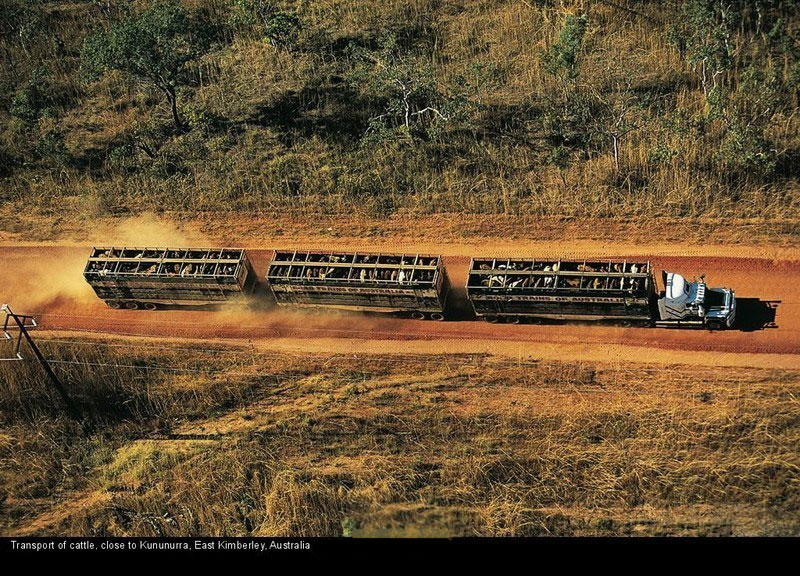
A road train or land train is a trucking vehicle of a type used in remote areas of Argentina, Australia, Mexico, the United States, and Canada to move freight efficiently. The term road train is most often used in Australia. In the United States, the terms triples, turnpike doubles, and Rocky Mountain doubles are commonly used for longer combination vehicles (LCVs). A road train has a relatively normal tractor unit, but instead of towing one trailer or semi-trailer, it pulls two or more of them.
Australia has the largest and heaviest road-legal vehicles in the world, with some configurations topping out at close to 200 tonnes (197 long tons; 220 short tons). The majority are between 80 and 120 t (79 and 118 long tons; 88 and 132 short tons).
Double (two-trailer) road train combinations are allowed in most areas of Australia, and within the environs (albeit limited) of Adelaide, South Australia and Perth, Western Australia. A double road train should not be confused with a B-double, which is allowed access to most of the country and in all major cities.
Here is one rolling through a flooded road
Triple (three-trailer) road trains operate in western New South Wales, western Queensland, South Australia, Western Australia and the Northern Territory, with the last three states also allowing AB-quads (B double with two additional trailers coupled behind). Darwin is the only capital city in the world where triples and quads are allowed to within 1 km (0.62 mi) of the central business district (CBD). Tasmania and Victoria do not allow the operation of road trains on any of their roads. Victoria had previously allowed double road trains to operate around Mildura for the vintage grape harvest.
Strict regulations regarding licensing, registration, weights, and experience apply to all operators of road trains throughout Australia.
Road trains are used for transporting all manner of materials: common examples are livestock, fuel, mineral ores, and general freight. Their cost-effective transport has played a significant part in the economic development of remote areas; some communities are totally reliant on regular service.
The multiple dog-trailers are unhooked, the dollys removed and then connected individually to multiple trucks at “assembly” yards when the road train gets close to populated areas.
When the flat-top trailers of a road train need to be transported empty, it is common practice to stack them. This is commonly referred to as “doubled-up” or “doubling-up”. See illustration. Sometimes, if many trailers are required to be moved at one time, they will be triple-stacked, or “tripled-up”.
Higher Mass Limits (HML) Schemes are now piloting in all jurisdictions in Australia, allowing trucks to carry additional weight.
Road trains arrives at Helen Springs Cattle Station, north of Tennant Creek NT.
The cattle are loaded onto the road train for their journey to Longreach QLD.
The Road Train then leaves on its long trip.
Interesting statistics. *There are 17 trucks with 3 trailers and 2 decks per trailer; that’s 102 decks of cattle.
*Approximately 28 cattle per deck; A total of 2,856 head of cattle. *The cattle will weigh approximately 500kg each (1102.3 lbs.) *The sale price for cattle at Longreach is approx. 165c/kg (75c/lb.) *Each animal will therefore be sold at $825. *Total revenue from this analysis is $2.356.200 *TYRES; Each truck has 2 front and 8 rear tyres, first trailer has 12 tyres and is dollied to the truck.
*2nd & 3rd trailers have 8 tyres at the front and 12 at the rear, that’s 20 tyres each. *Each truck has 62 tyres, that’s a total of 1.054 on the road. A lot of tyres!!!
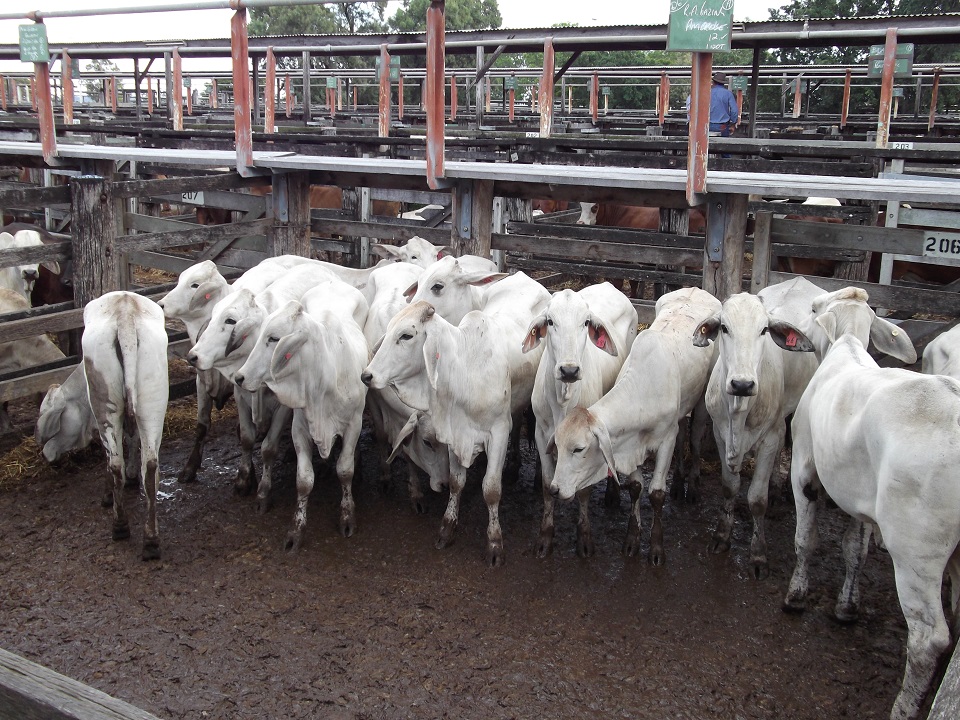
Australian cattle at stockyards in Rockhampton, Queensland.
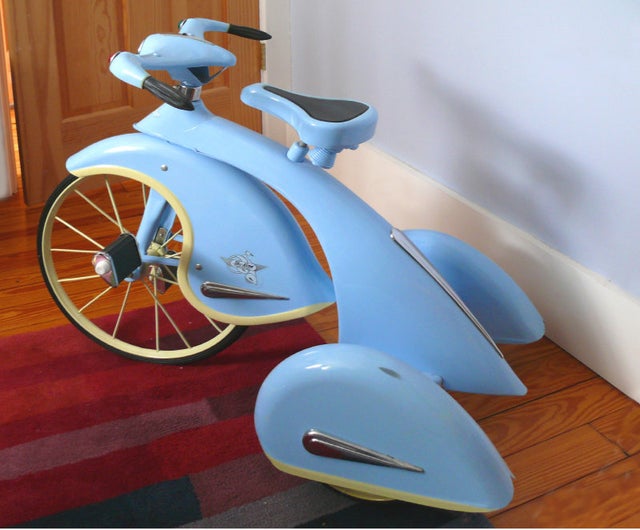
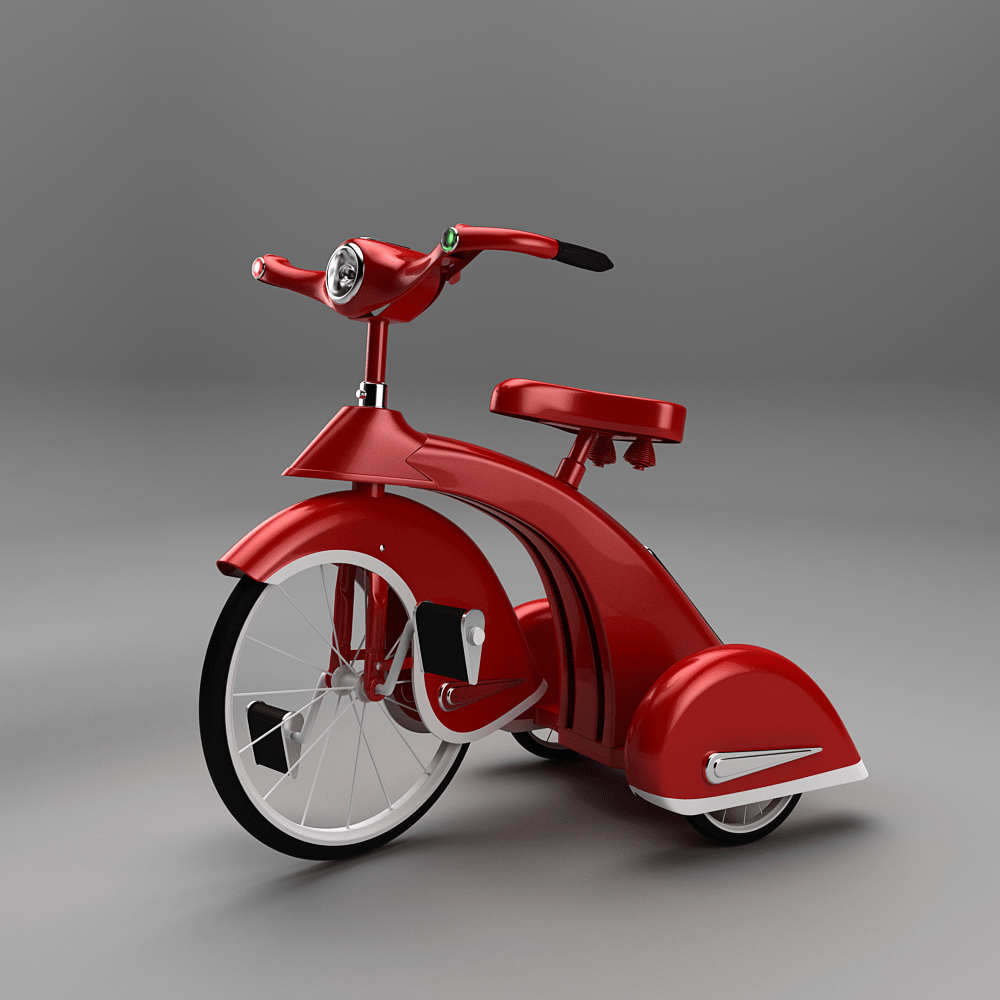
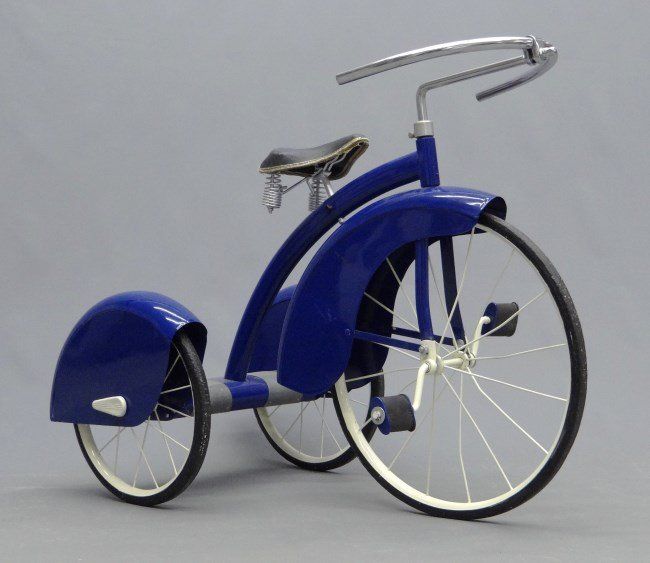
The 1936 Sky King tricycle applied aerodynamics to its steel frame. Made by Canadian toy company Junior Toy Corporation, it was named after an action television show about a pilot. The show was called Sky King.
The original 1936 models go for $3000, reproductions are made in Taiwan and go for around $345.
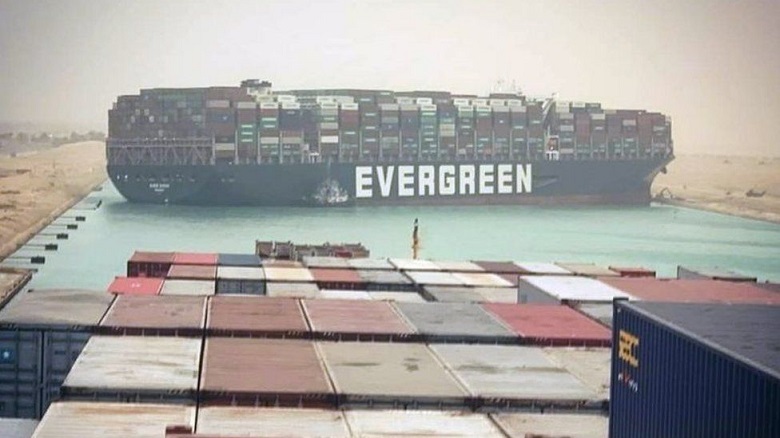
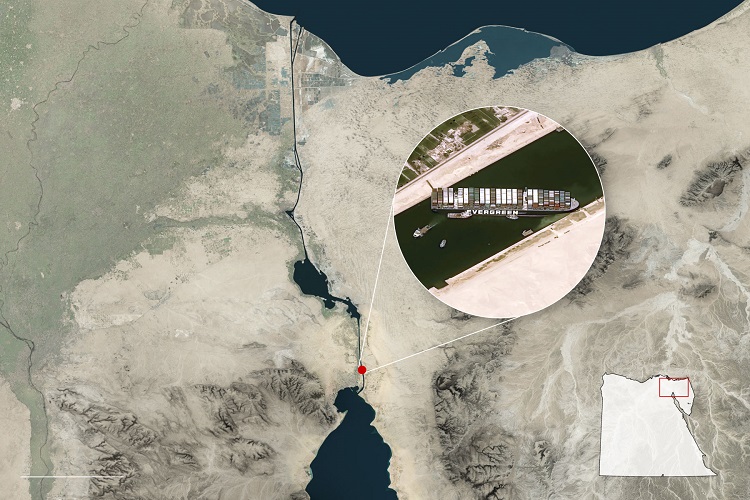
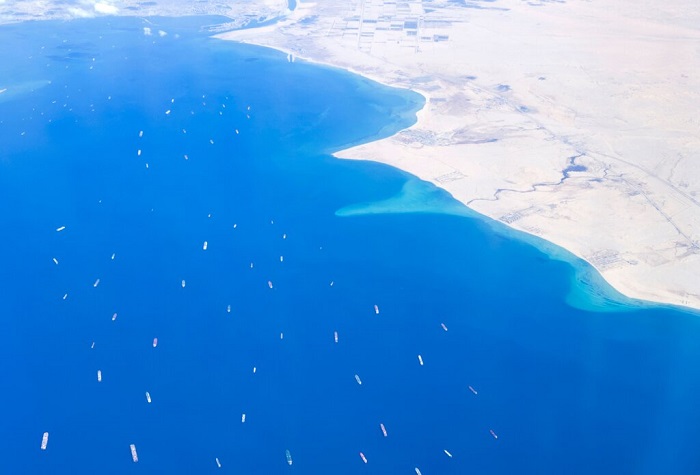
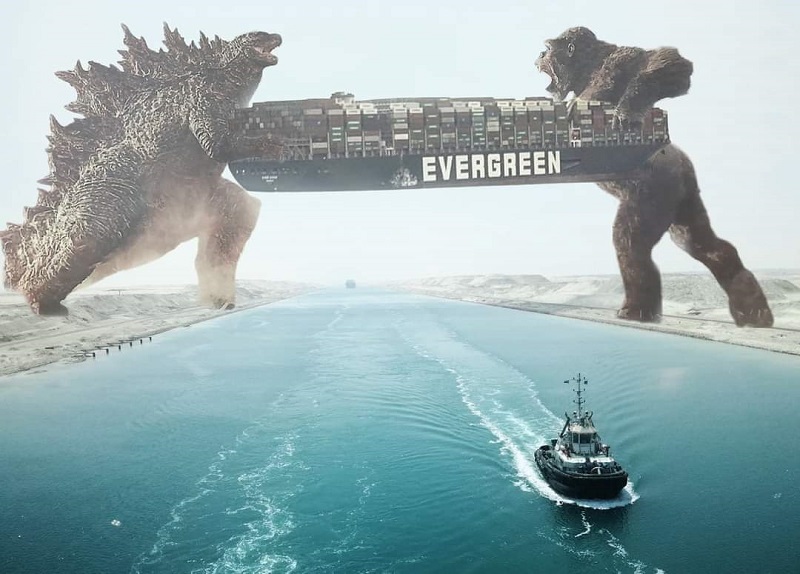
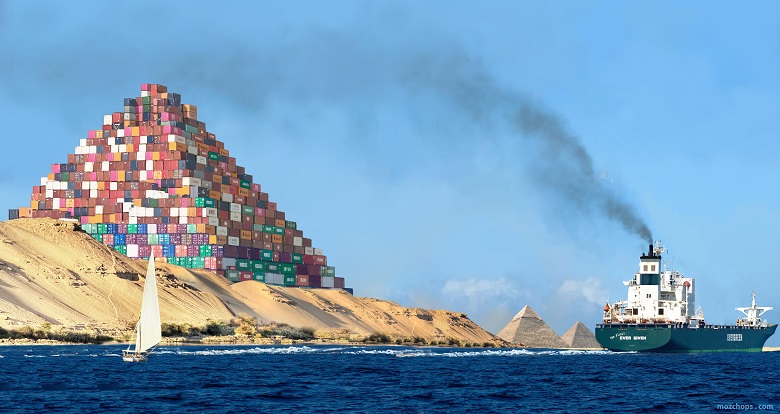
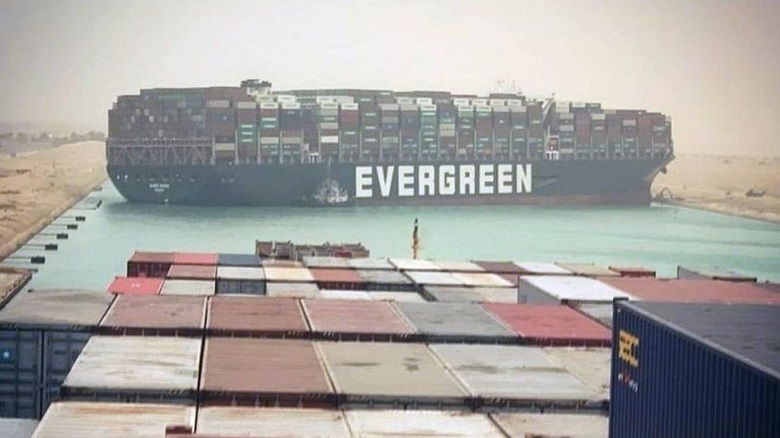
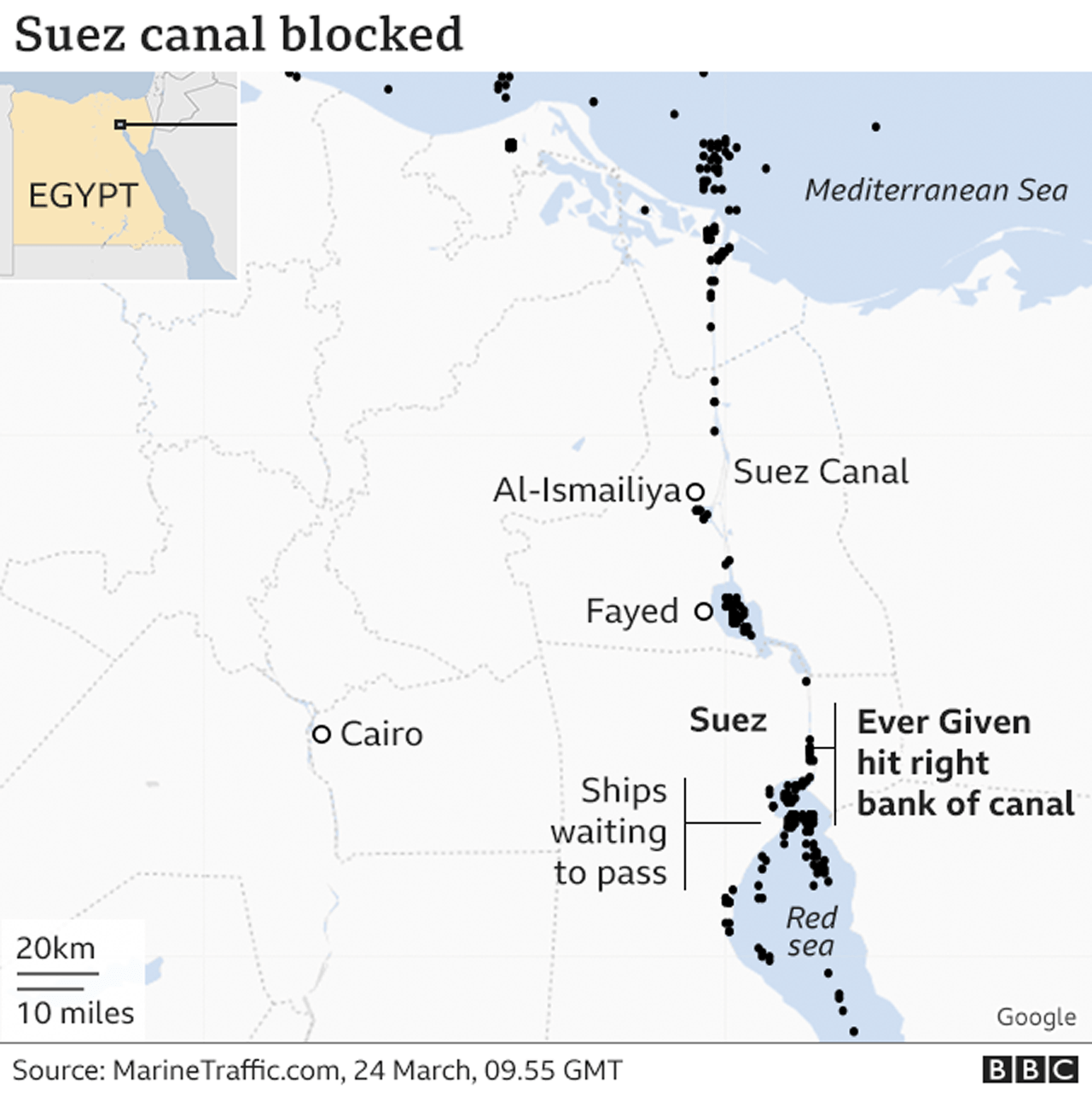
A giant container ship the length of four football pitches has become wedged across Egypt’s Suez Canal, blocking one of the world’s busiest trade routes.
Dozens of vessels are stuck, waiting for rescue boats to free the 400m-long (1,312ft) ship, which was knocked off course by strong winds.
Egypt has reopened the canal’s older channel to divert some traffic until the grounded ship can move again.
The blockage sent oil prices climbing on international markets.
About 12% of global trade passes through the Suez Canal, which connects the Mediterranean to the Red Sea and provides the shortest sea link between Asia and Europe.
The Ever Given, registered in Panama and operated by the shipping company Evergreen, was bound for the port city of Rotterdam in the Netherlands from China and was passing northwards through the canal on its way to the Mediterranean.
The 200,000 tonne ship, built in 2018 and operated by Taiwanese transport company Evergreen Marine, ran aground and became lodged sideways across the waterway at about 07:40 local time (05:40 GMT) on Tuesday.
At 400m long and 59m wide, the ship has blocked the path of other vessels which are now trapped in lines in both directions.
The company that manages the container ship, Bernhard Schulte Shipmanagement (BSM), has denied earlier reports that the ship had already been partially refloated.

 United States
 China
China India
India Russia
 Canada
 Germany
 Australia
 Argentina
 South Africa
 France
 Brazil
 Japan
Japan Italy
Italy Ukraine
 Romania
 Poland
 United Kingdom
 Mexico
 Spain
Spain Kazakhstan







 The MarkoZen Blog