


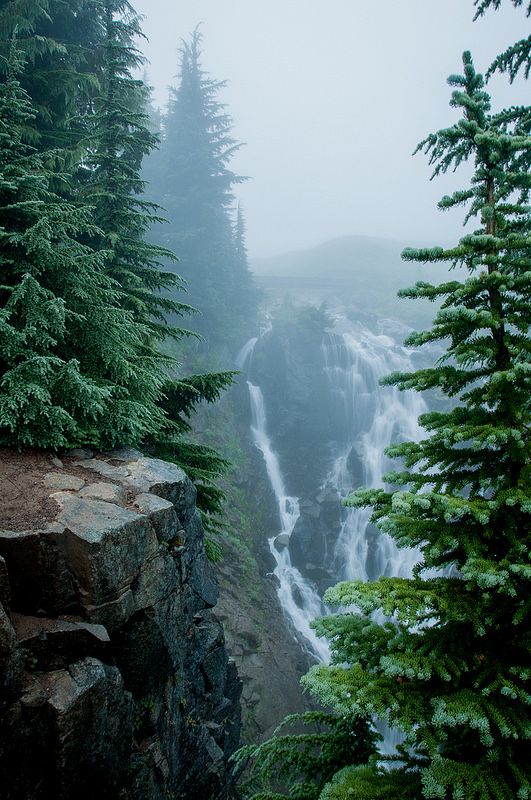


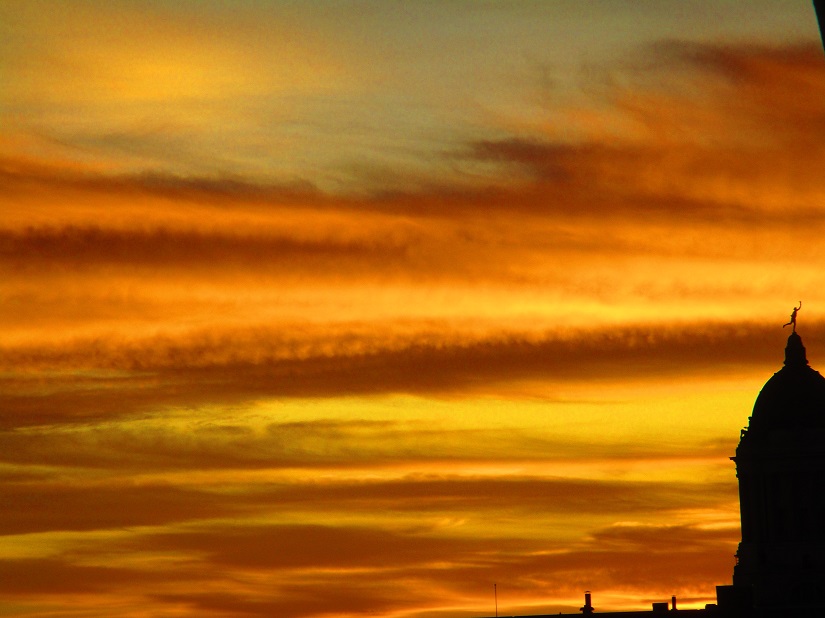
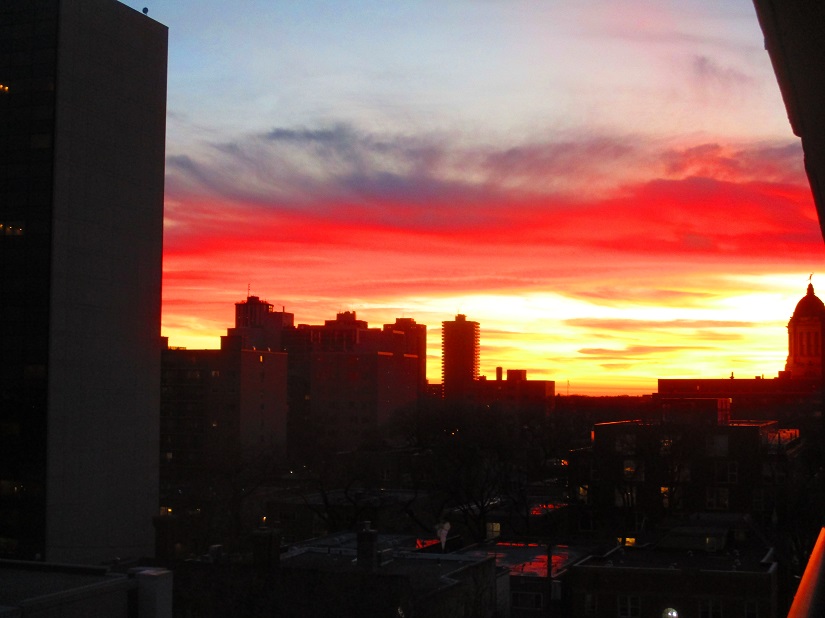
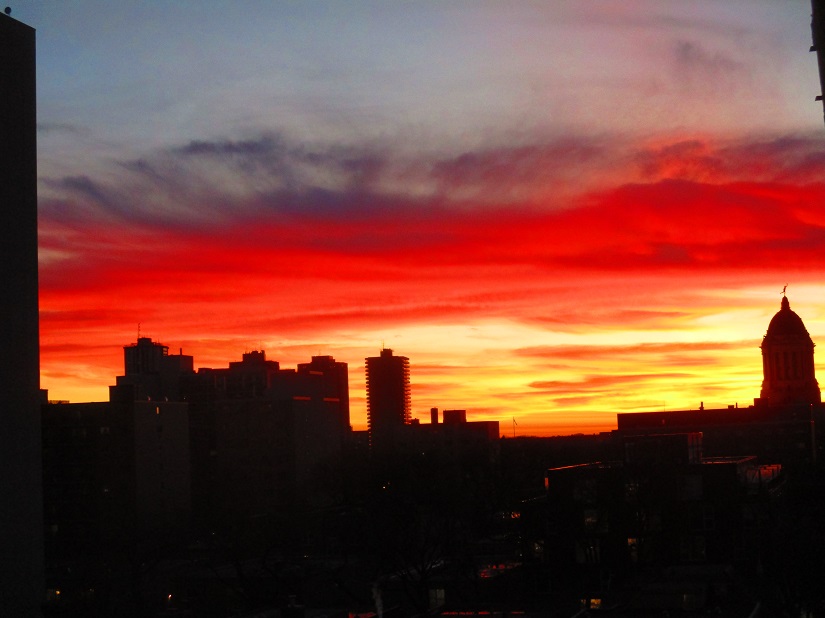
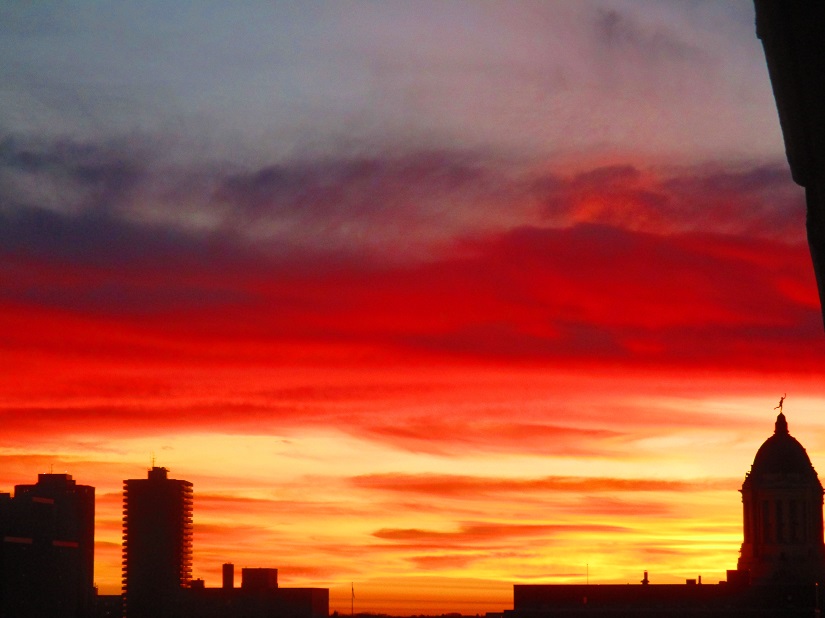
Wonder Mountain, Toronto


The biggest dust storm in living memory rolls into Phoenix on July 5, 2011, reducing visibility to zero. Desert thunderstorms kicked up the mile-high wall of dust and sand.

Fortified by a levee, a house near Vicksburg survives a Yazoo River flood in May 2011. Snowmelt and intense rains—eight times as much rainfall as usual in parts of the Mississippi River watershed—triggered floods that caused three to four billion dollars in damages.

Lightning cracks during an eruption of Iceland’s Eyjafjallajökull volcano in 2010.

The eruption of Hawaii’s Kilauea volcano inspires the formation of a waterspout in this undated photo.

A Lake Michigan lighthouse takes the brunt of a frigid winter in Saint Joseph, Michigan.

A funnel cloud rips through a trailer park near Cheyenne, Wyoming, in this undated photo. The photographer snapped this shot from a quarter mile away before taking cover in his basement.

A waterspout parallels a lightning strike over Lake Okeechobee in Florida. A sister of the tornado, waterspouts are generally less powerful.

A tornado heads toward two cars on a country road near Campo, Colorado.

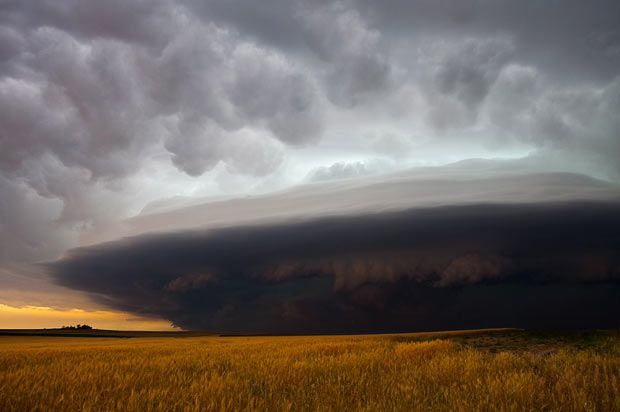
In a dramatic display of summer atmospheric conditions, lightning marks the end of an impressively long shelf cloud in the Midwestern U.S.

Dark clouds loom over a beach on Grand Cayman Island.

Landslide rubble buries a car in northern India’s Doda district in 2011. The devastating erosion was the result of a downpour that washed soil, rocks, and other debris onto the Doda-Batote highway.
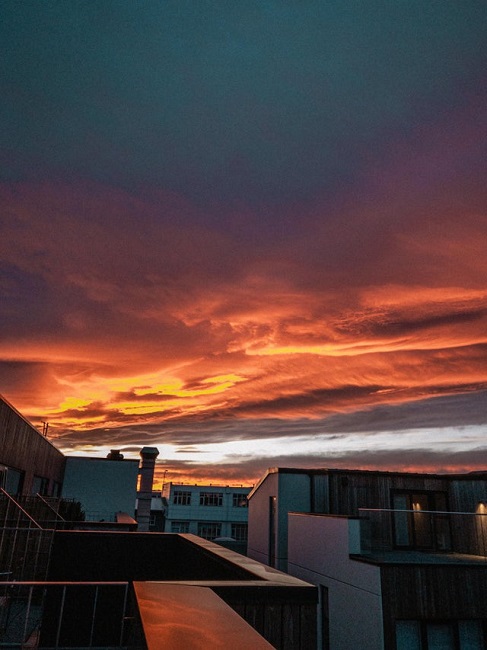
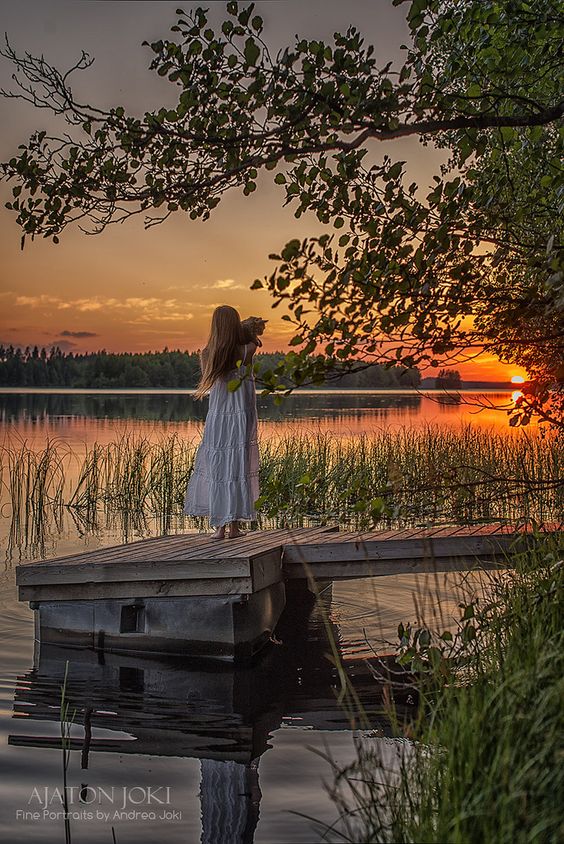
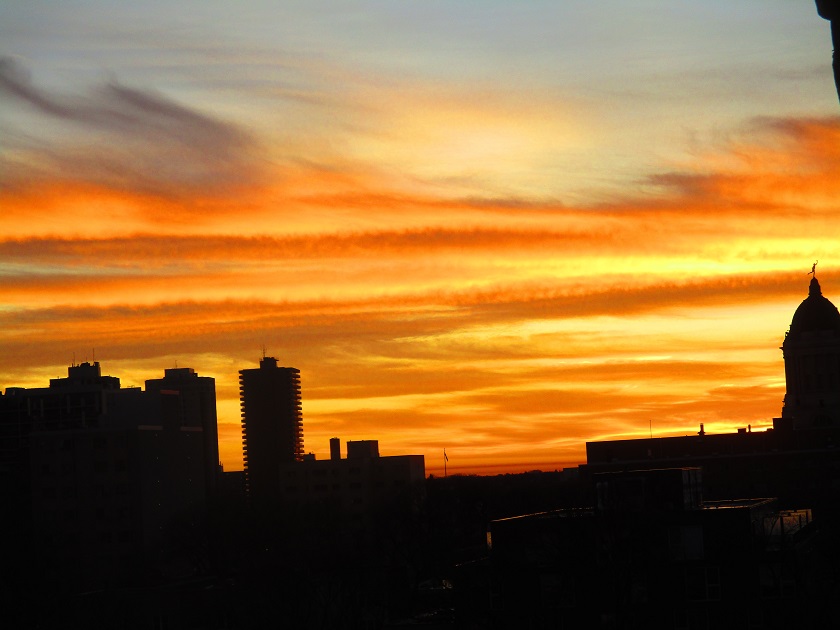
Amazing sunsets.




View from the International Space Station.

Smoke from the numerous wildfires in northern California has caused a red haze over the Bay area.

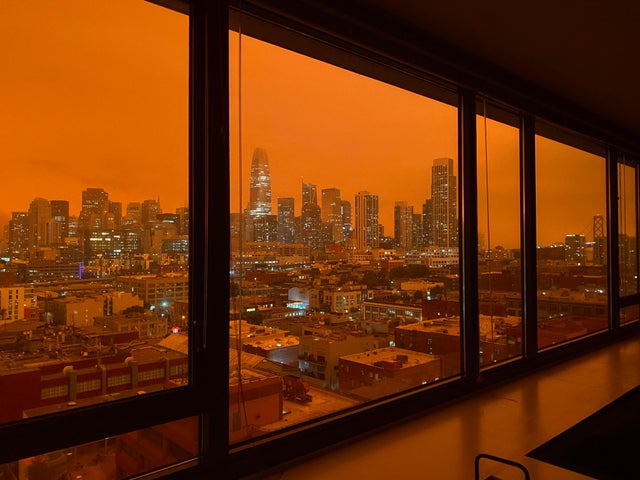

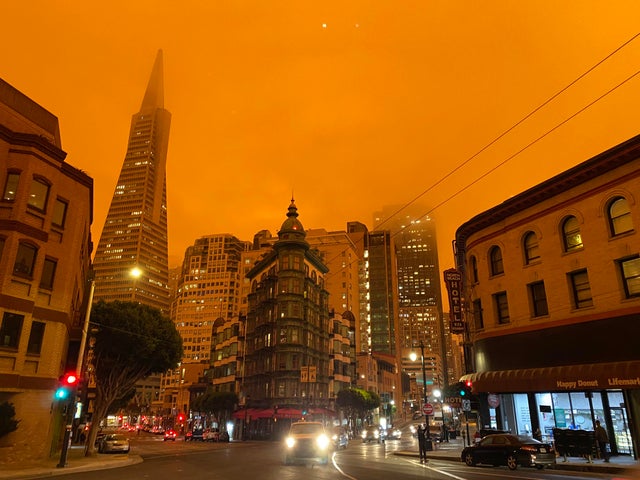
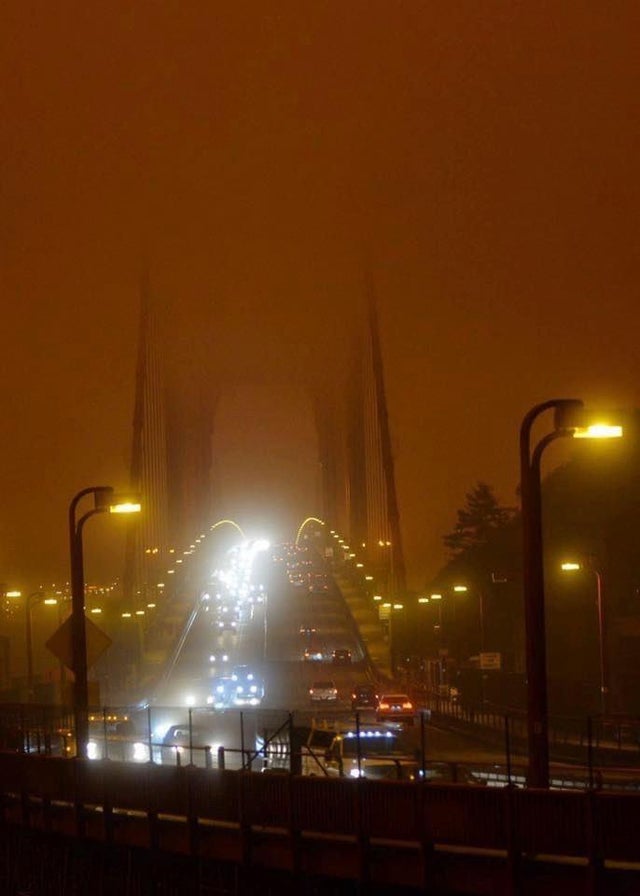
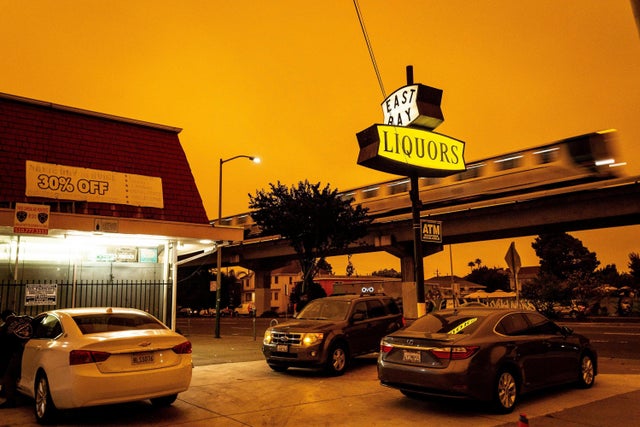
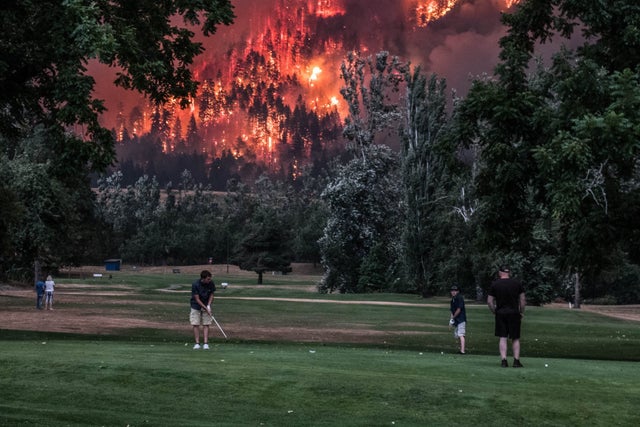
Wildfire in Oregon adjacent to a golf course. Amazes me the focus that golfers have. The wrath of the Rapture could be in hellish progress and the golfers would be kneeling on the green lining up a putt.
On Monday, the El Liceu opera house in Barcelona hosted a special concert for 2,292 house plants. The event, organized by Spanish conceptual artist Eugenio Ampudia, took place just as Spain lifted its three-month state of emergency. Reaffirming the value of art and music, the theatre kicked off its re-opening with this performance as a kind of roadmap for returning to normalcy.
Ampudia said the inspiration for the idea came from his getting back in touch with nature during the quietude of the pandemic. The plants will be donated to local health care workers as a token of appreciation for their hard work.
.
Dracaena cinnabari, the Socotra dragon tree or dragon blood tree, is a dragon tree native to the Socotra archipelago in the Arabian Sea. It is so called due to the red sap that the trees produce.

The dragon blood tree has a unique and strange appearance, with an “upturned, densely packed crown having the shape of an uprightly held umbrella”. This evergreen species is named after its dark red resin, which is known as “dragon’s blood”. Unlike most monocot plants, Dracaena displays secondary growth, D. cinnabari even has growth zones resembling tree rings found in dicot tree species. Along with other arborescent Dracaena species it has a distinctive growth habit called “dracoid habitus”. Its leaves are found only at the end of its youngest branches; its leaves are all shed every 3 or 4 years before new leaves simultaneously mature. Branching tends to occur when the growth of the terminal bud is stopped, due to either flowering or traumatic events (e.g. herbivory).

Socotra, also spelled Soqotra, is an island and a small archipelago of four islands in the Arabian Sea. Socotra is part of Yemen. It had long been a part of the Aden Governorate. In 2004 it became attached to the Hadhramaut Governorate, which is much closer to the island than Aden (although the nearest governorate was the Al Mahrah Governorate). In 2013, the archipelago became its own governorate.


Bison from ancient to modern

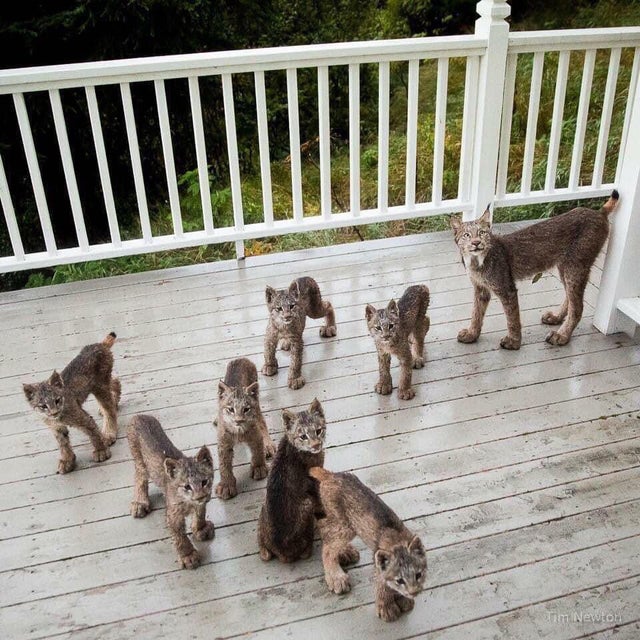
A herd of lynx
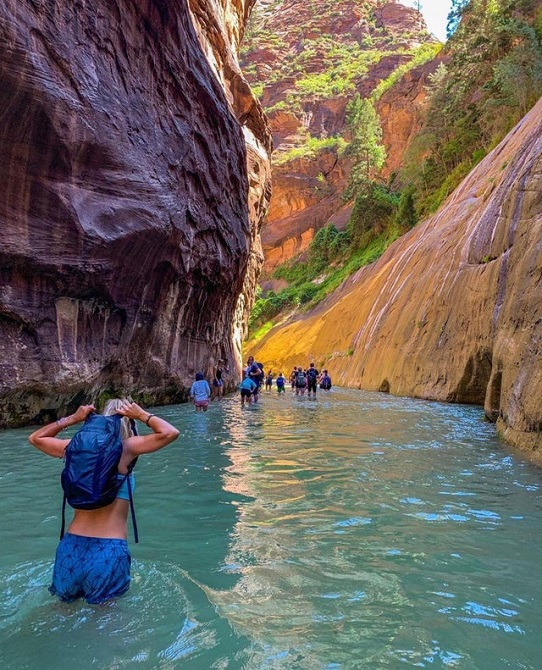
Zion national park in Utah








 The MarkoZen Blog