Mother Nature’s Ire

The biggest dust storm in living memory rolls into Phoenix on July 5, 2011, reducing visibility to zero. Desert thunderstorms kicked up the mile-high wall of dust and sand.

Fortified by a levee, a house near Vicksburg survives a Yazoo River flood in May 2011. Snowmelt and intense rains—eight times as much rainfall as usual in parts of the Mississippi River watershed—triggered floods that caused three to four billion dollars in damages.

Lightning cracks during an eruption of Iceland’s Eyjafjallajökull volcano in 2010.

The eruption of Hawaii’s Kilauea volcano inspires the formation of a waterspout in this undated photo.

A Lake Michigan lighthouse takes the brunt of a frigid winter in Saint Joseph, Michigan.

A  funnel cloud rips through a trailer park near Cheyenne, Wyoming,  in  this undated photo. The photographer snapped this shot from a  quarter  mile away before taking cover in his basement.

A  waterspout parallels a lightning strike over Lake Okeechobee in Florida. A sister of the tornado, waterspouts are generally less   powerful.

A tornado heads toward two cars on a country road near Campo, Colorado.

In  a dramatic display of summer atmospheric conditions, lightning marks the end of an impressively long shelf cloud in the Midwestern U.S.

Dark clouds loom over a beach on Grand Cayman Island.

Landslide  rubble buries a car in northern India’s Doda district in 2011. The  devastating erosion was the result of a downpour that washed soil,  rocks, and other debris onto the Doda-Batote highway.
Dolphins, tigers and turtles in focus

A tiger in Ranthambore National Park, Rajasthan, India.
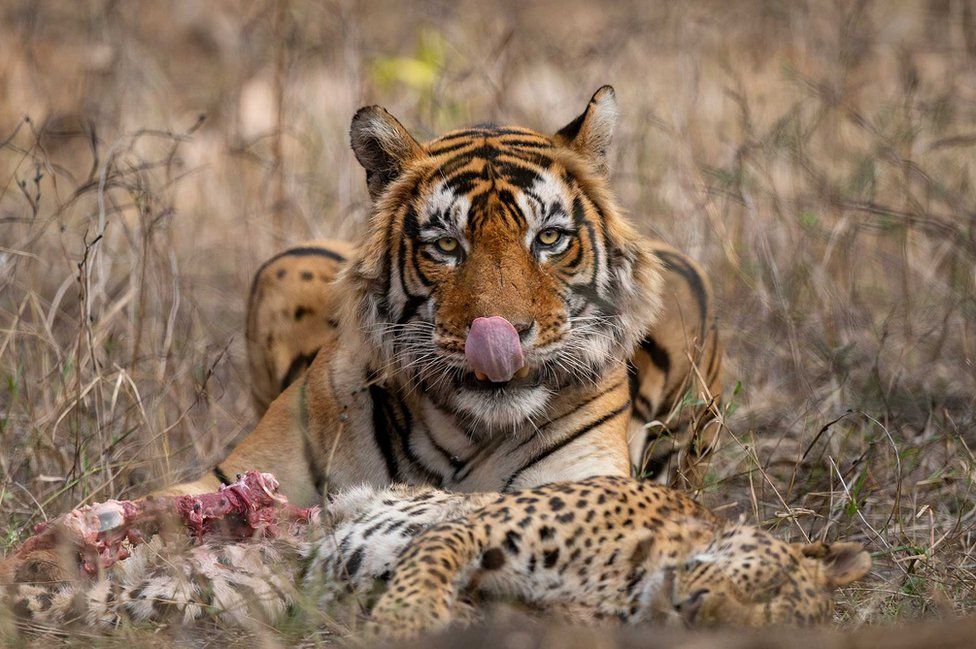
Image caption,A tiger eating a leopard in Ranthambhore National Park, Rajasthan, India. (Special Mention, Animal Behaviour)

Nature inFocus describes itself as “a photo-led exploration into India’s wilderness – a definitive platform for sharing stories and photography that enables relevant knowledge-sharing and curation for everything nature.” Its competition received 24,000 images from more than 1,500 entrants.

Winners are chosen in the categories of Animal Behaviour, Animal Portraits, Conservation Focus, Creative Nature Photography, Wildscape & Animals in Their Habitat and Photographer of the Year – Portfolio.

Here is a selection of the winning entries.

Animal Behaviour

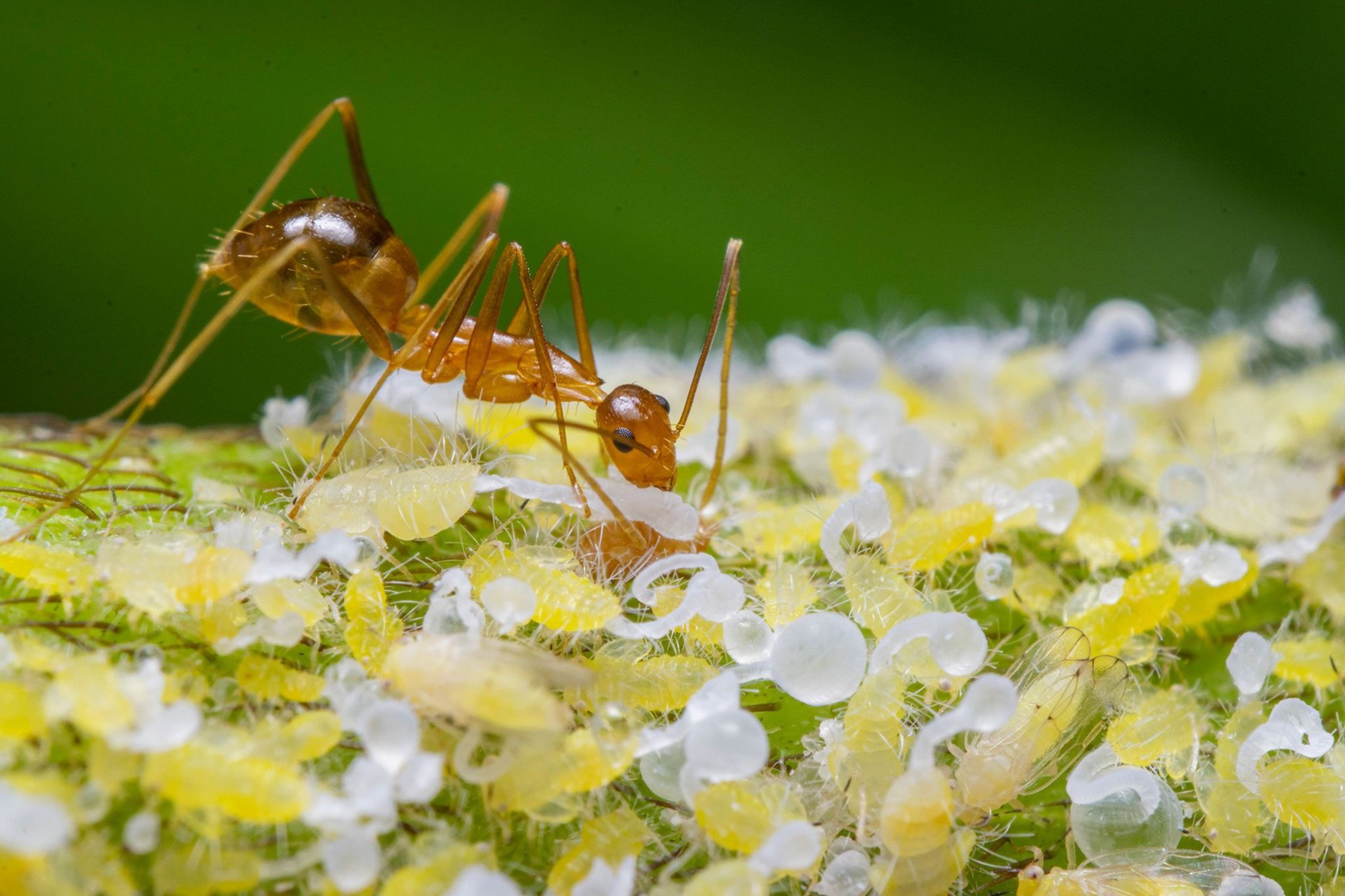
An ant and honeydew secreting aphids

Avinash PC triumphed for this shot of an ant and some honeydew-secreting aphids in Kannur, Kerala, India.

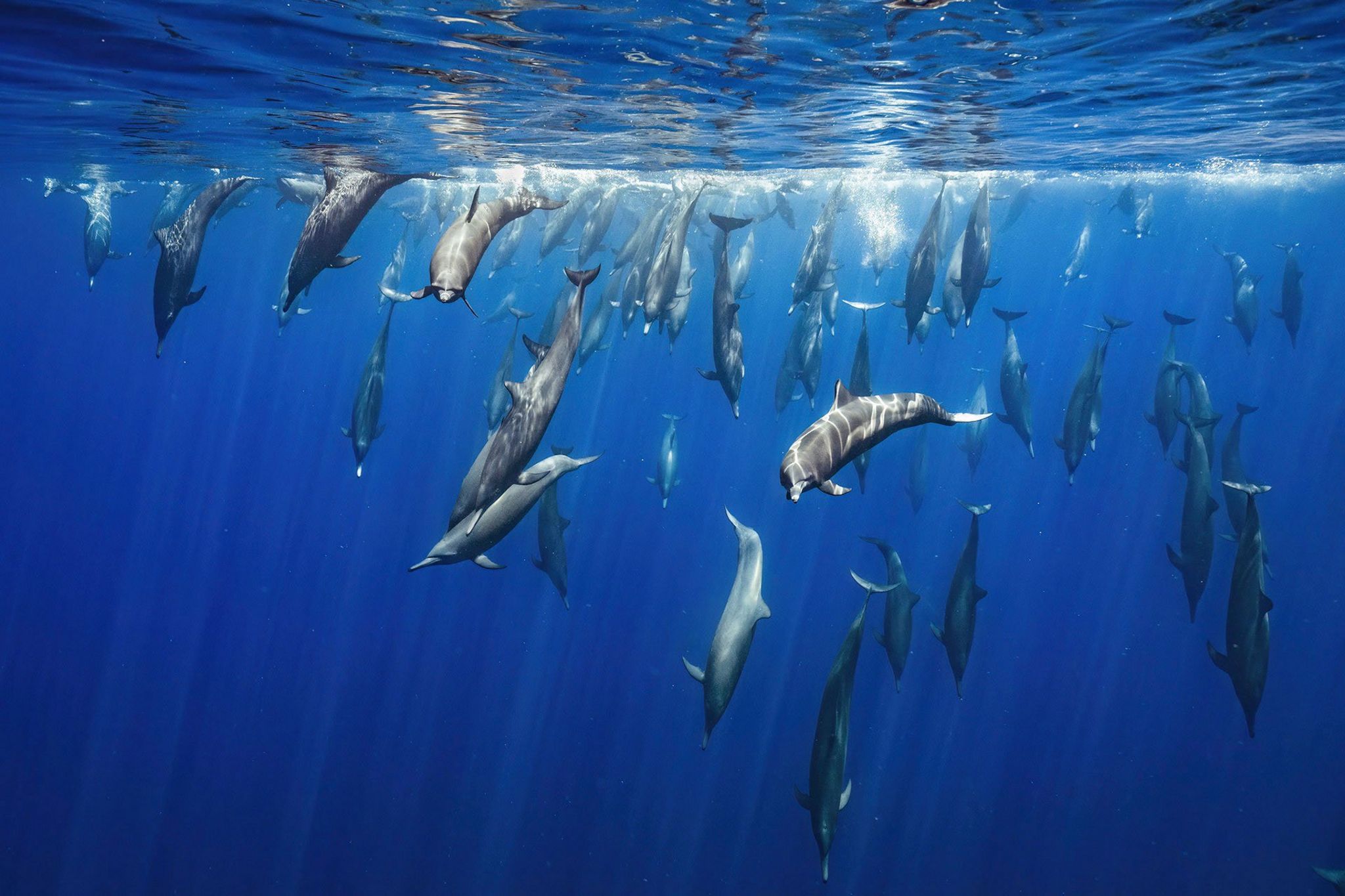
A pod of Spinner Dolphins dives back into the beautifully lit waters of the Pacific Ocean

A special mention went to Spanish photographer, Merche Llobera, for this image of a pod of spinner dolphins in the waters of the Pacific Ocean, near Costa Rica.

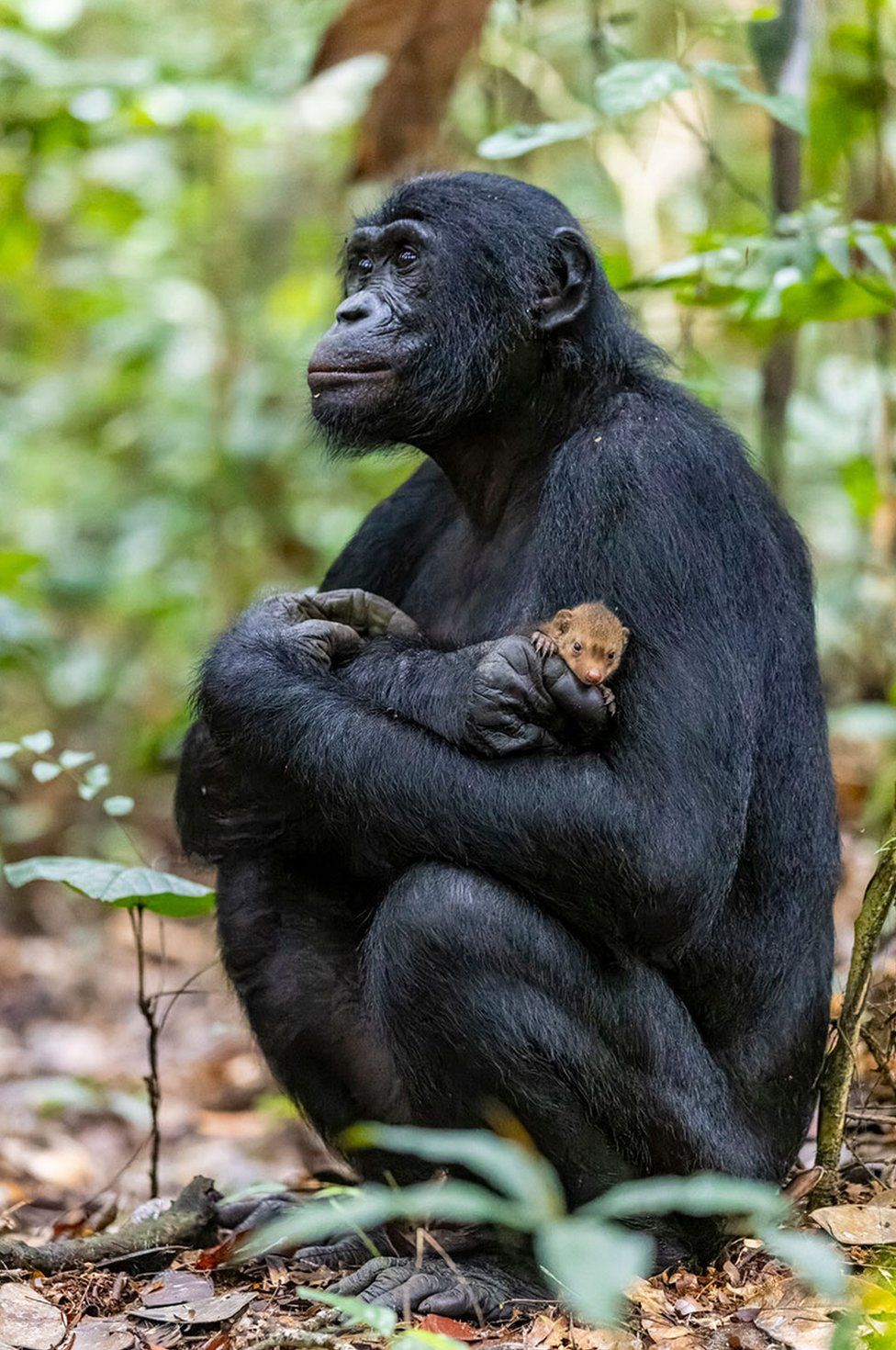
A bonobo holding a mongoose pup, LuiKotale, Near Salonga National Park, Democratic Republic of the Congo

Christian Ziegler’s image of a bonobo holding a mongoose pup was taken in LuiKotale, near Salonga National Park, Democratic Republic of the Congo.

The ape later released the animal unharmed.

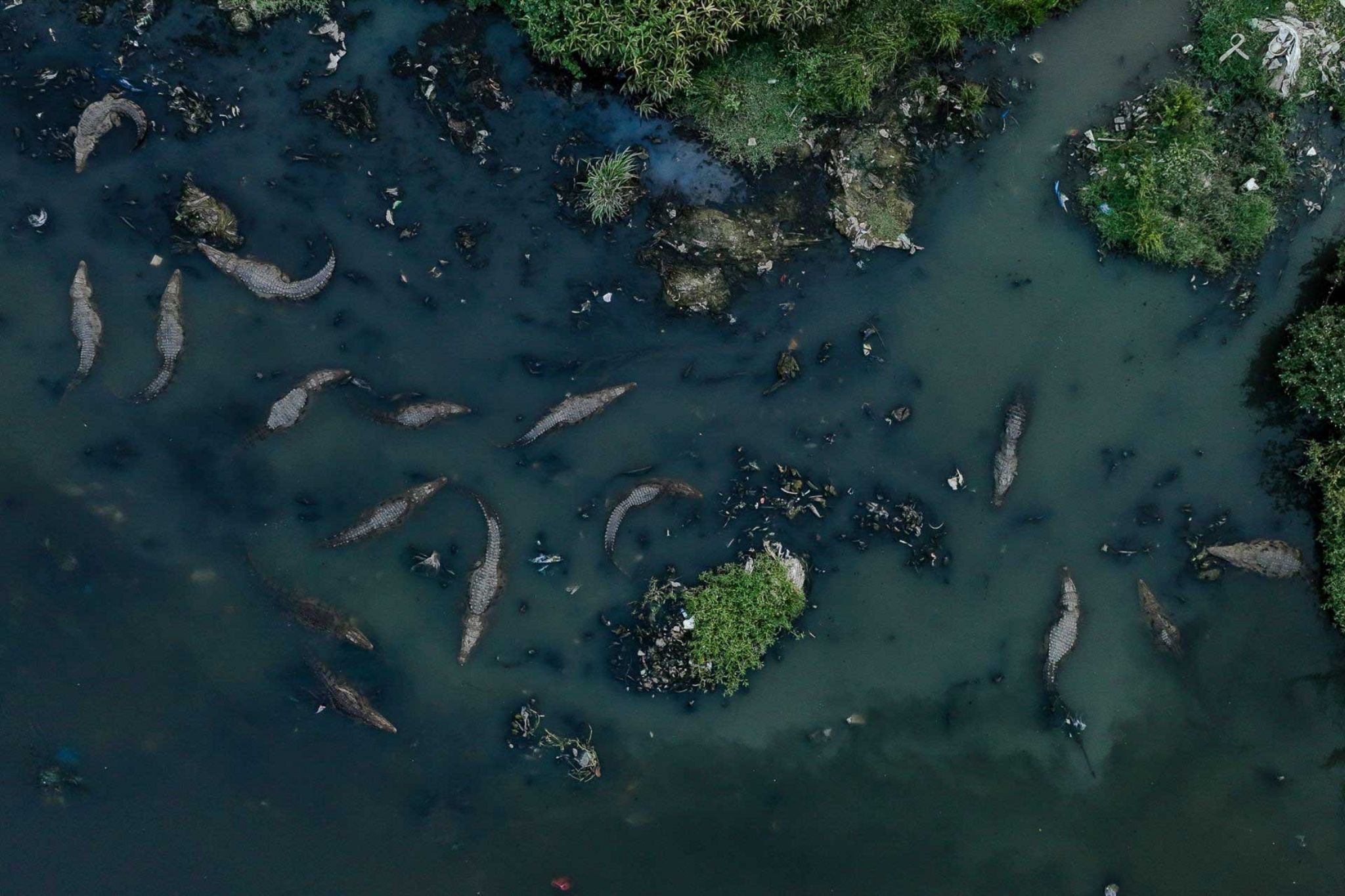
Crocodiles in a polluted river near Vadorara in Gujarat, India

Hiren Pagi’s photograph aims to highlight the conditions in which crocodiles coexist with humans.

The river, near Vadorara, Gujarat, India, has become cluttered with rubbish, causing a threat to their habitat and polluting the water.

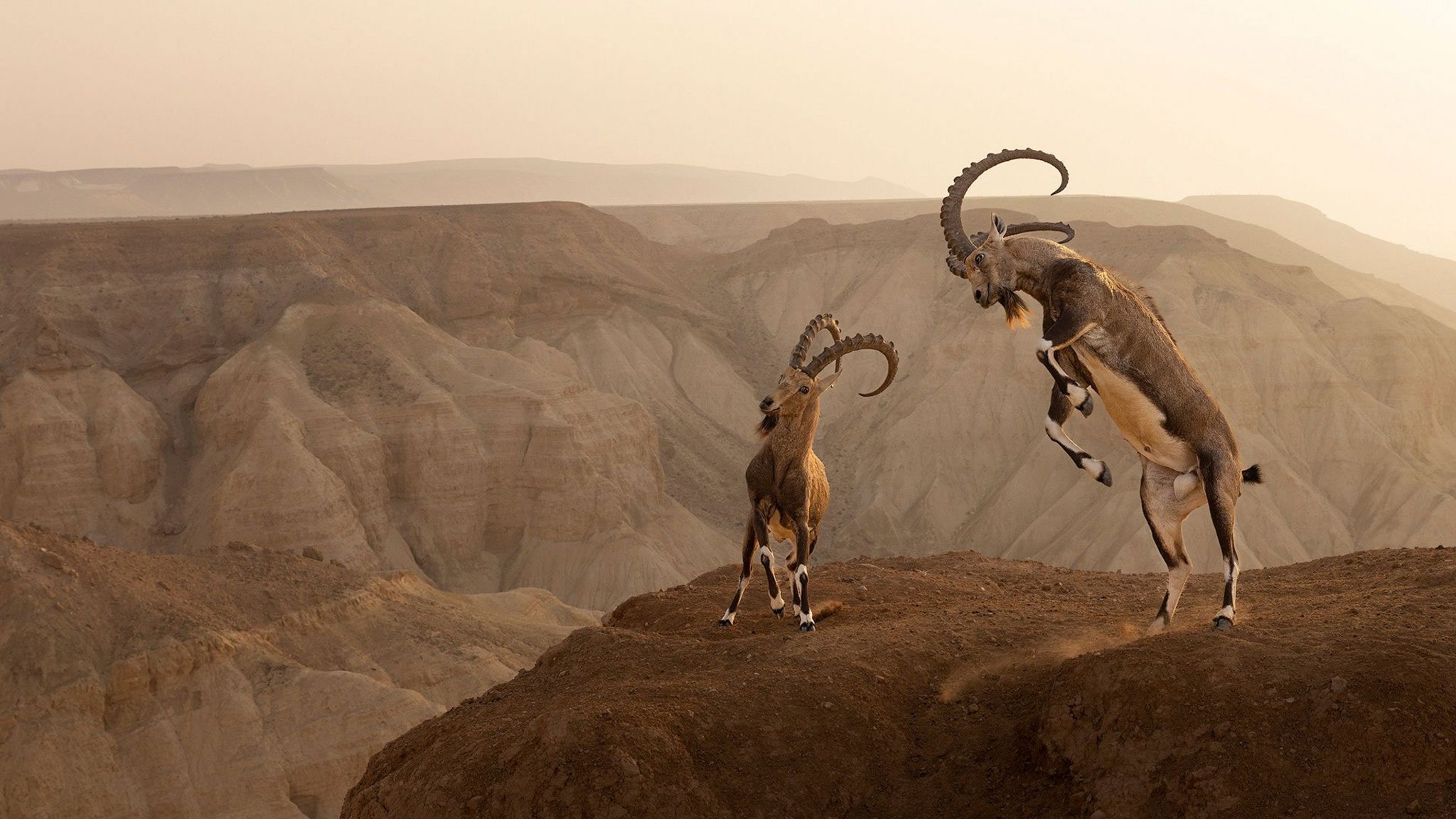
Nubian Ibexes show horns in a display of dominance

For Nubian Ibexes, the high-altitude rocky terrains are home.

Displays of dominance begin with showing off their impressive horns, captured in this shot by Amit Eshel in the Zin Desert, Israel.

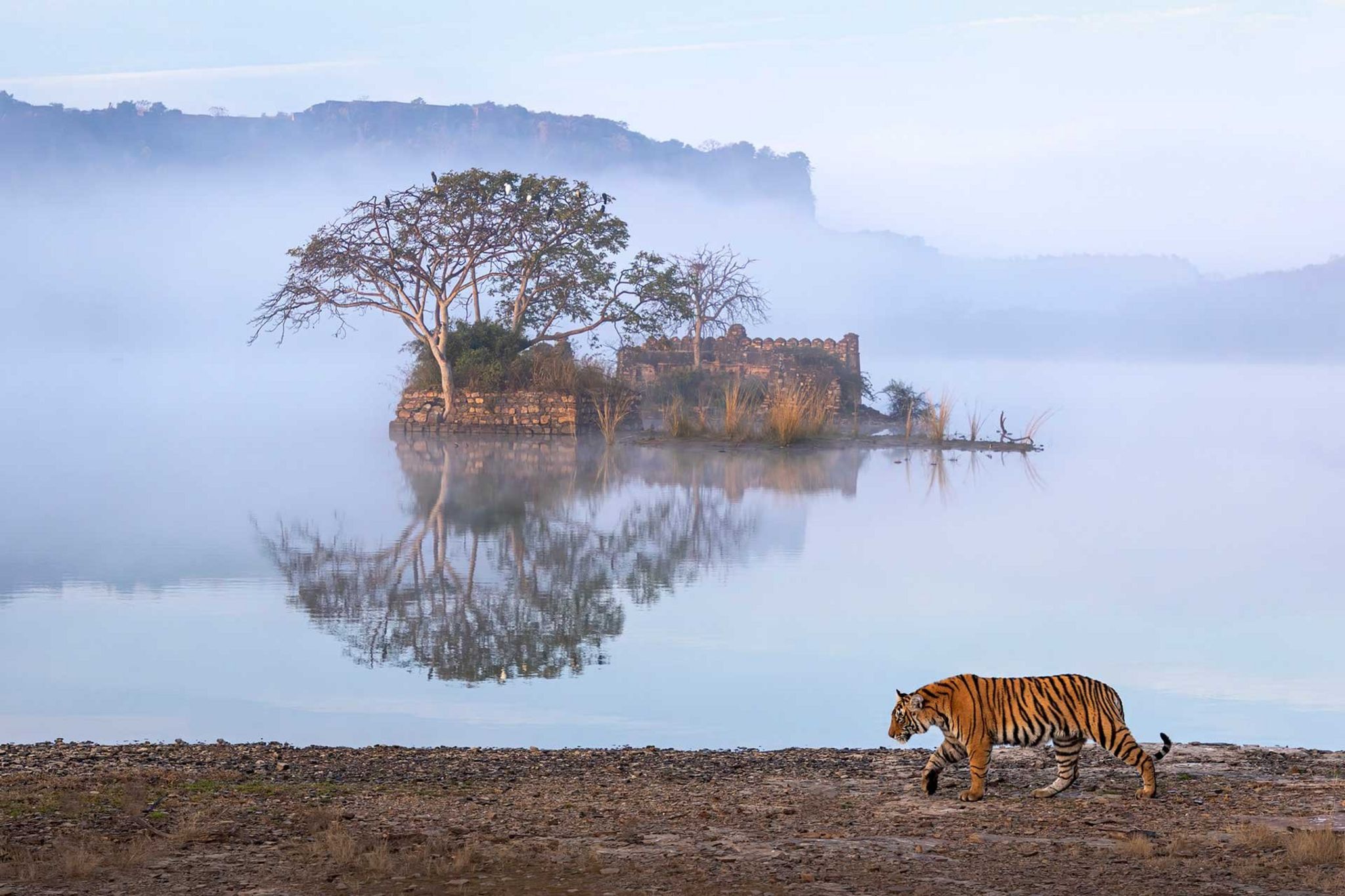
A tiger in Ranthambore National Park, Rajasthan, India.

A special mention went to Amit Vyas for this picture of a tiger in Ranthambore National Park, Rajasthan, India.

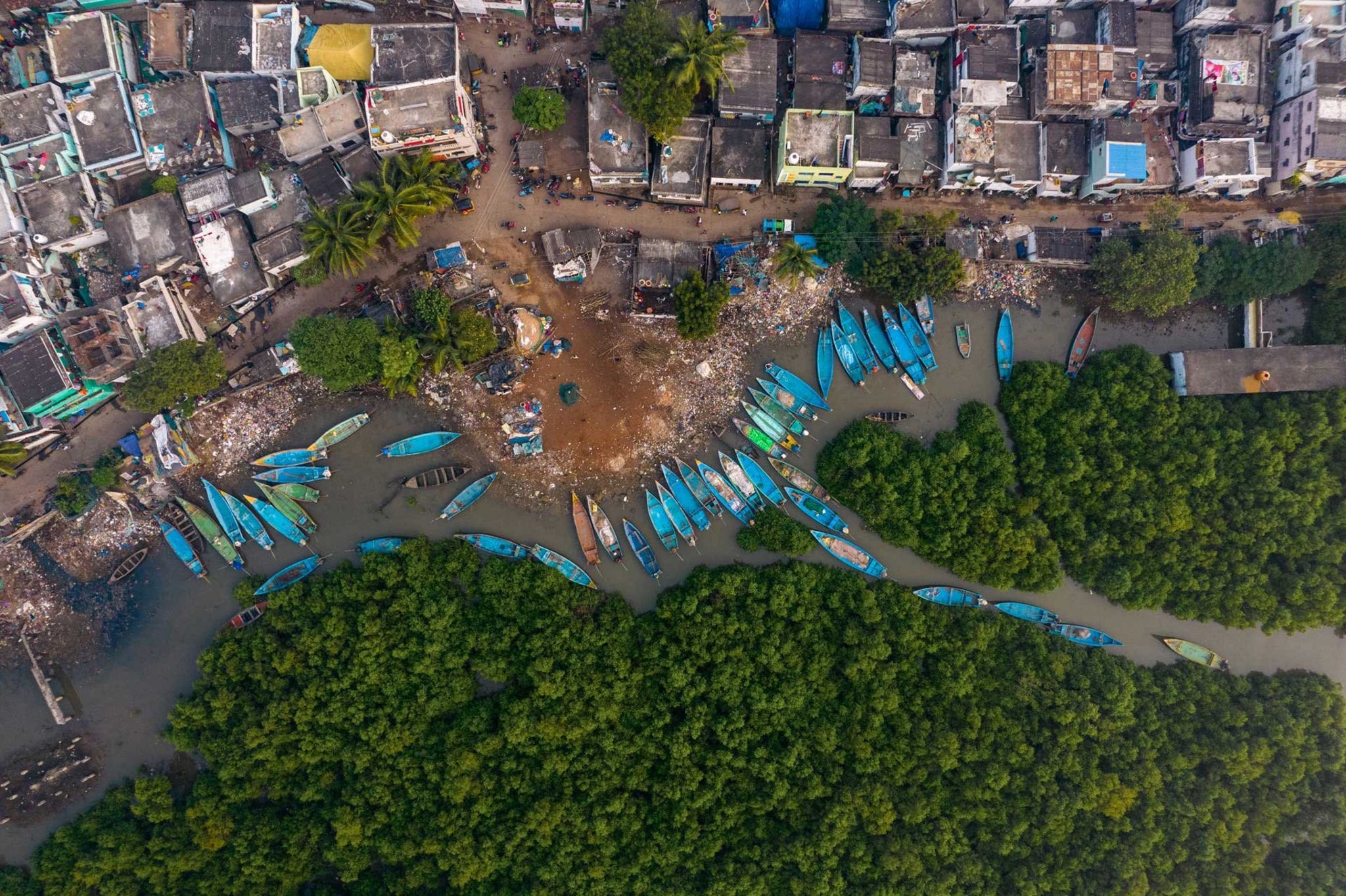
Drone image of coast and mangrove

Srikanth Mannepuri’s winning portfolio documents the threat to mangrove forests, and the vast diversity of fish, bird and reptile species which populate the habitat.

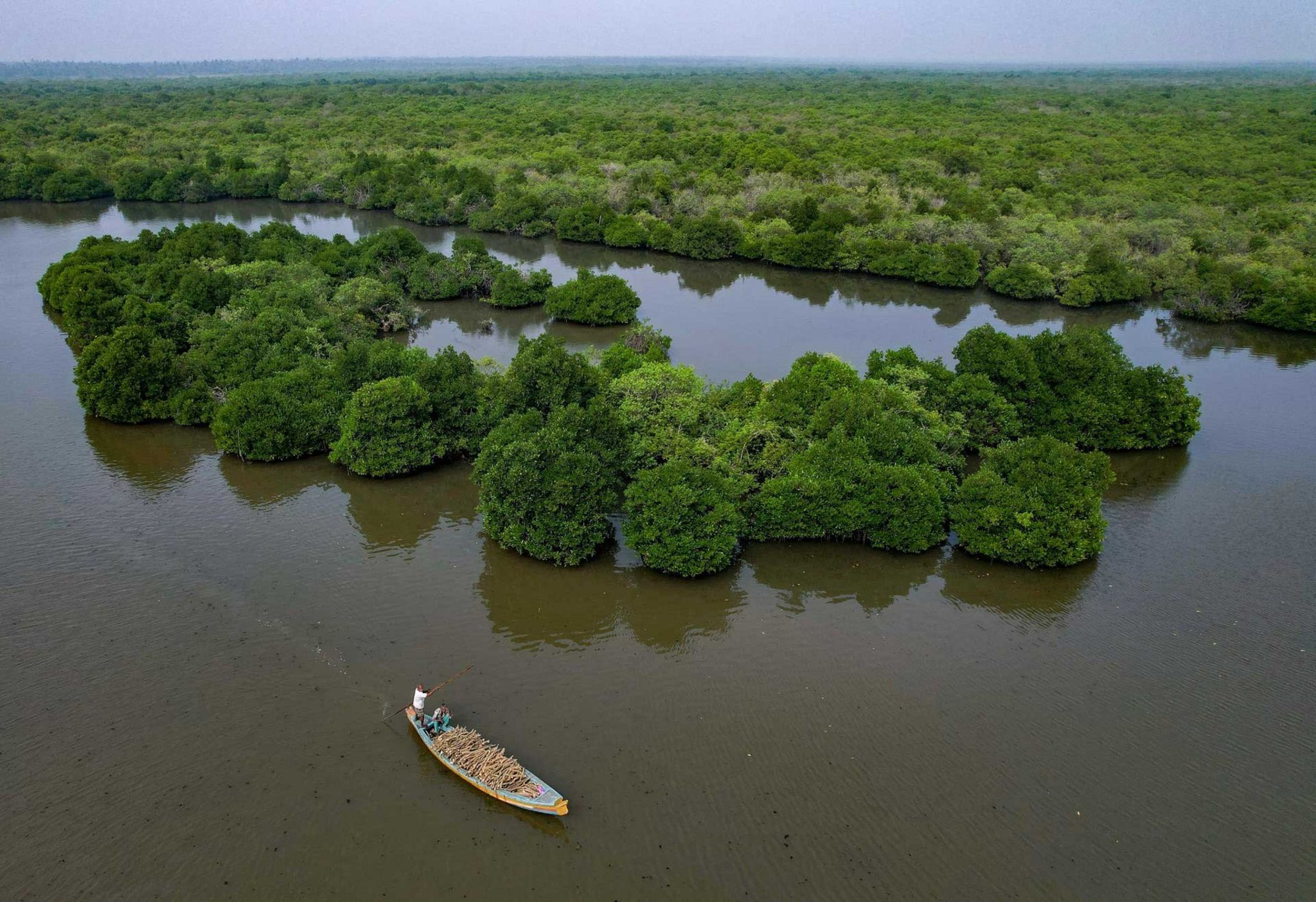
A small boat carrying timber collected from the mangrove forests flanking the canal leaves for the nearby coastal village.

Entirely shot from a drone, the photographer zooms out from the mangrove forests of coastal Andhra Pradesh, to capture the magnitude of the threats this unique ecosystem is facing.

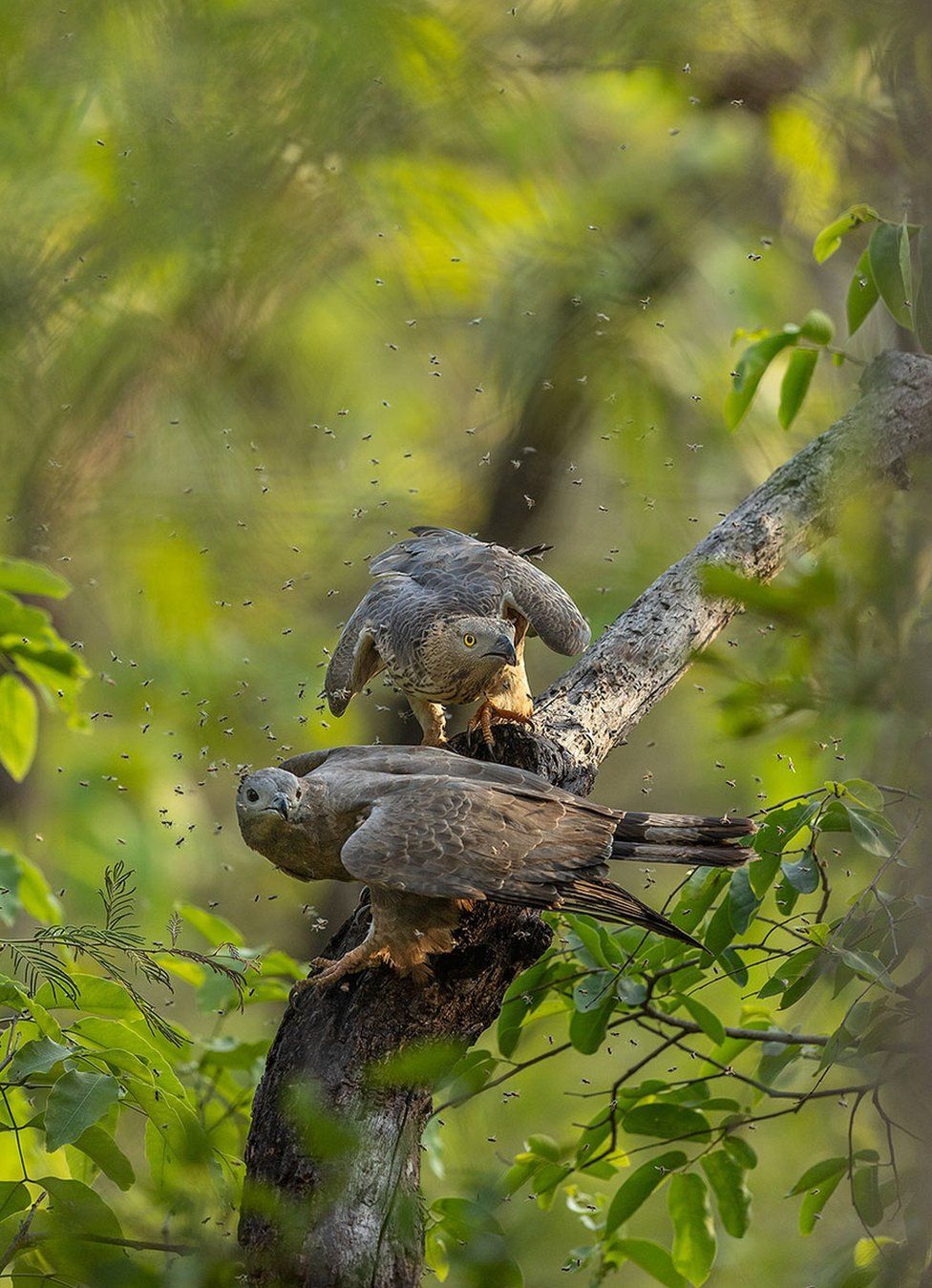
A pair of Oriental Honey Buzzards raid a beehive.

In the dense forests of Satpura National Park, Madhya Pradesh, India, a pair of Oriental Honey Buzzards raid a beehive.

Pranav Mahendru embarked on his journey as a wildlife photographer from a young age, driven by a deep fondness for nature and wildlife.

Hunga Tonga–Hunga Haʻapai

Hunga Tonga–Hunga Haʻapai (listen (help·info)) is a submarine volcano in the South Pacific located about 30 km (19 mi) south of the submarine volcano of Fonuafoʻou and 65 km (40 mi) north of Tongatapu, Tonga’s main island. It is part of the highly active Kermadec-Tonga subduction zone and its associated volcanic arc, which extends from New Zealand north-northeast to Fiji, and is formed by the subduction of the Pacific Plate under the Indo-Australian Plate. It lies about 100 km (62 mi) above a very active seismic zone.

Its most recent eruption in January 2022 generated a tsunami that reached as far as the coasts of Japan and of the Americas and a volcanic plume that reached 58 km (36 mi) into the mesosphere. As of May 2022 the eruption is the largest volcanic eruption in the 21st century. Hunga Tonga–Hunga Haʻapai likely had a previous major explosive eruption in the late 11th or early 12th century (possibly in 1108). Several known historical eruptions occurred in 1912, 1937, 1988, 2009, 2014–15 and 2021–22.
Fantastisch Wasserfällen

Markozen.com's avatarThe MarkoZen Blog

Water and gravity = Fantastisch Wasserfällen

awater 7 sisters norway

Seven Sisters Waterfall Norway

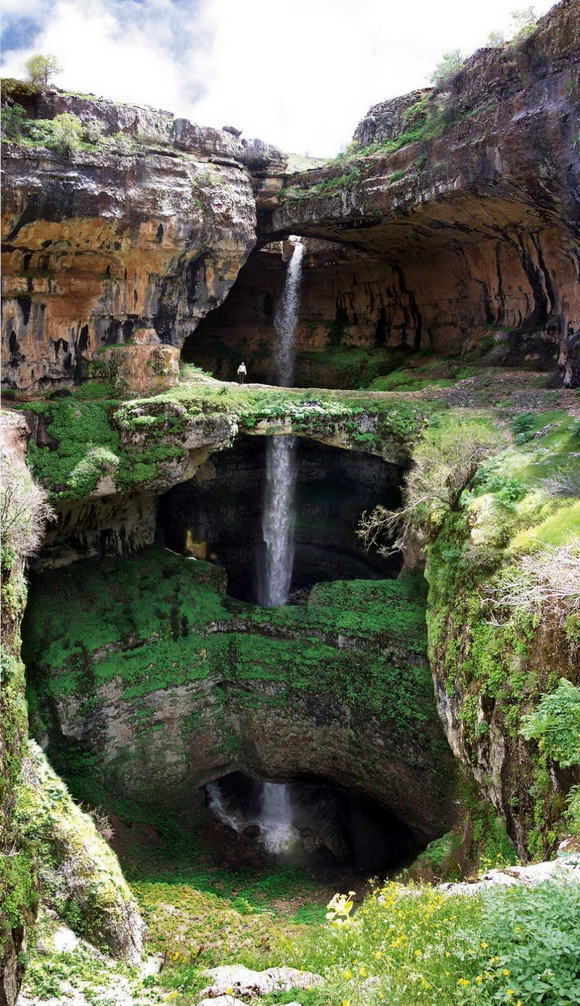
awater Baatara Gorge Waterfall, Lebanon

Baatara Gorge Waterfall Lebanon

awater dettifoss iceland prometheus

Dettifoss Waterfall Iceland, yes this is the one from the movie Prometheus.

awater dietan china vietnam

Dietan Waterfall, on the border of China and Vietnam

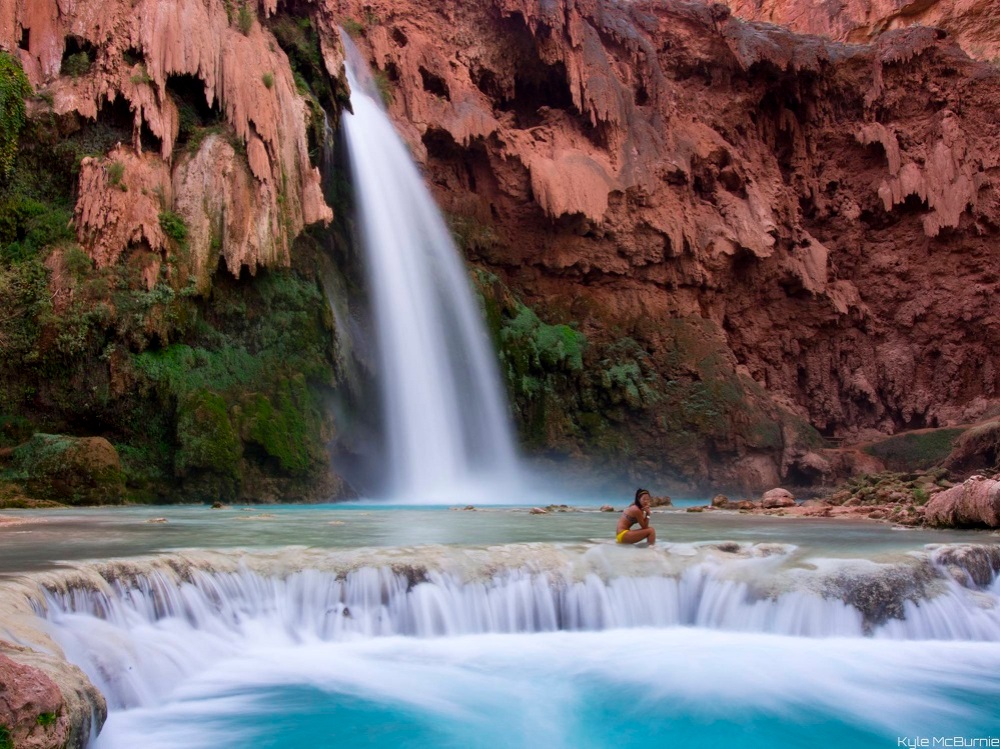
awater grand canyon

Paradise in the Grand Canyon, USA

awater greenland

Glacial waterfall in Greenland

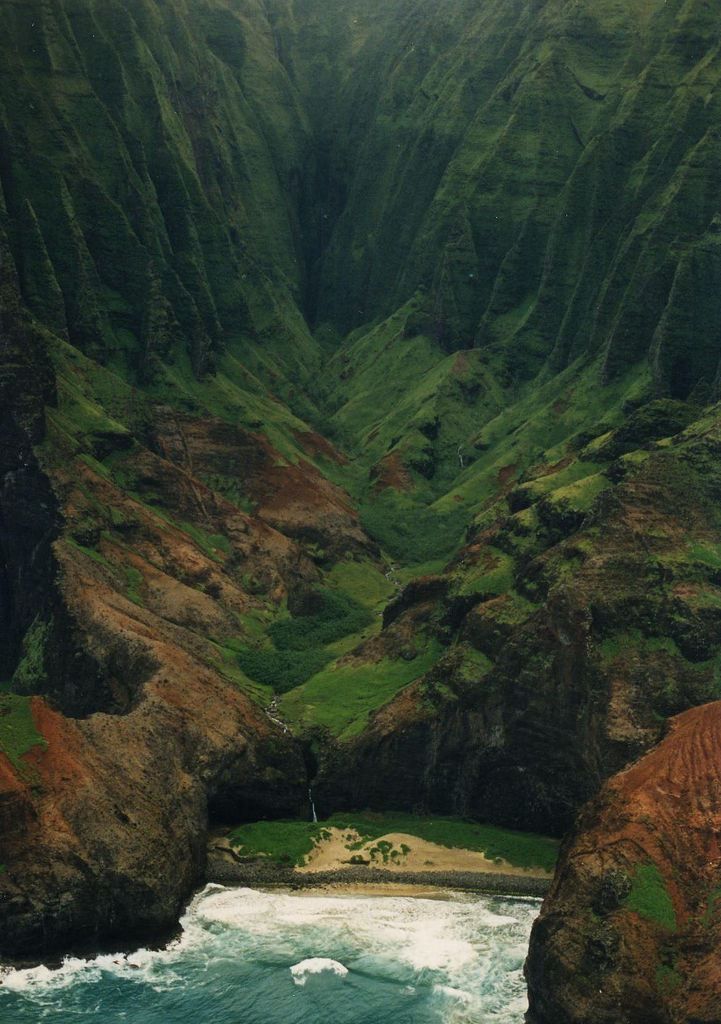
awater hawaii

Waterfall and isolated beach in Hawaii

awater iceland

Iceland

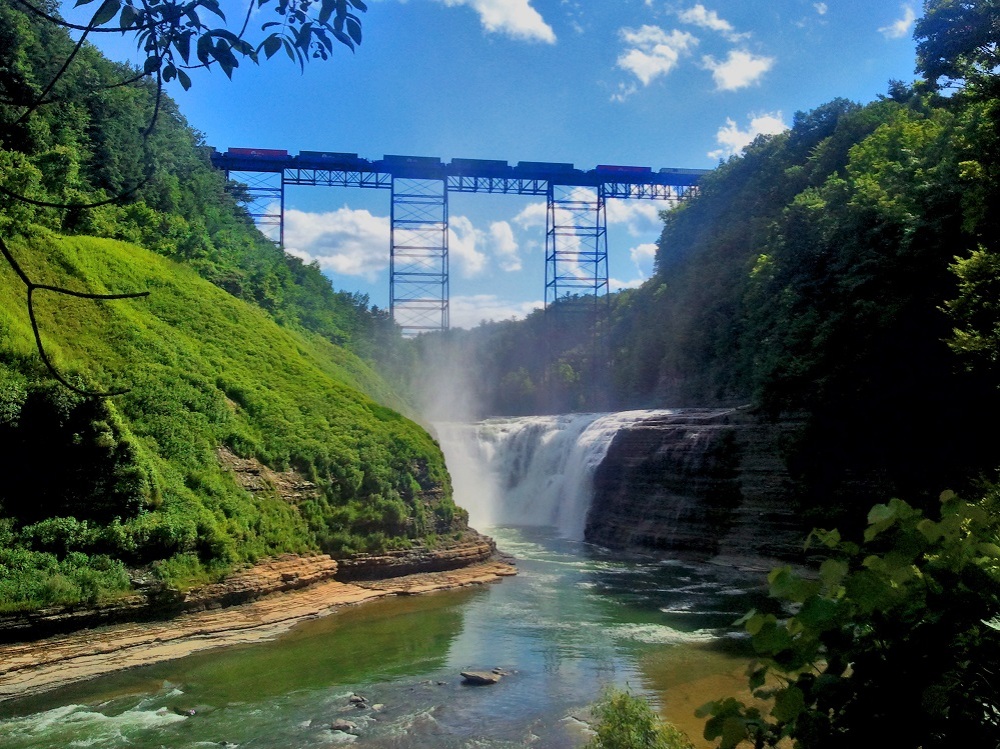
awater letchworth state park ny

Train bridge over a waterfall in Letchworth State Park, New York

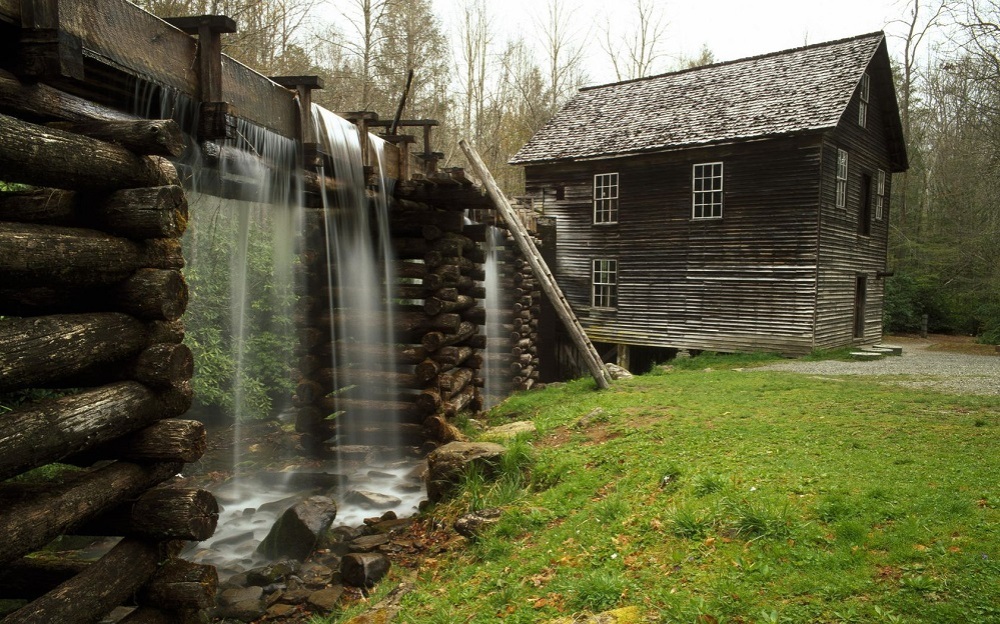
awater Migus mill North Carolina

Migus Mill North Carolina. An aqueduct was built to power a corn mill.

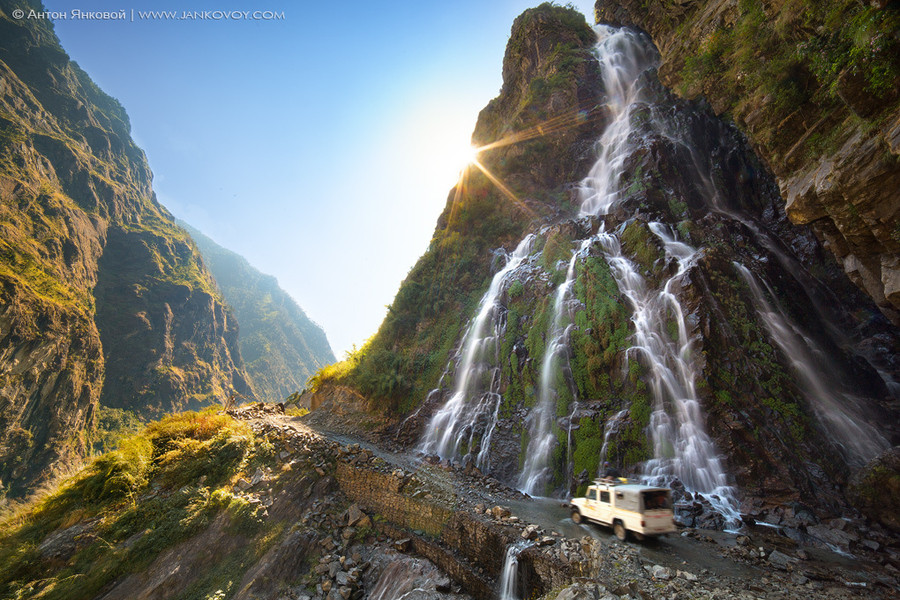
awater nepal

Nepal

awater norway

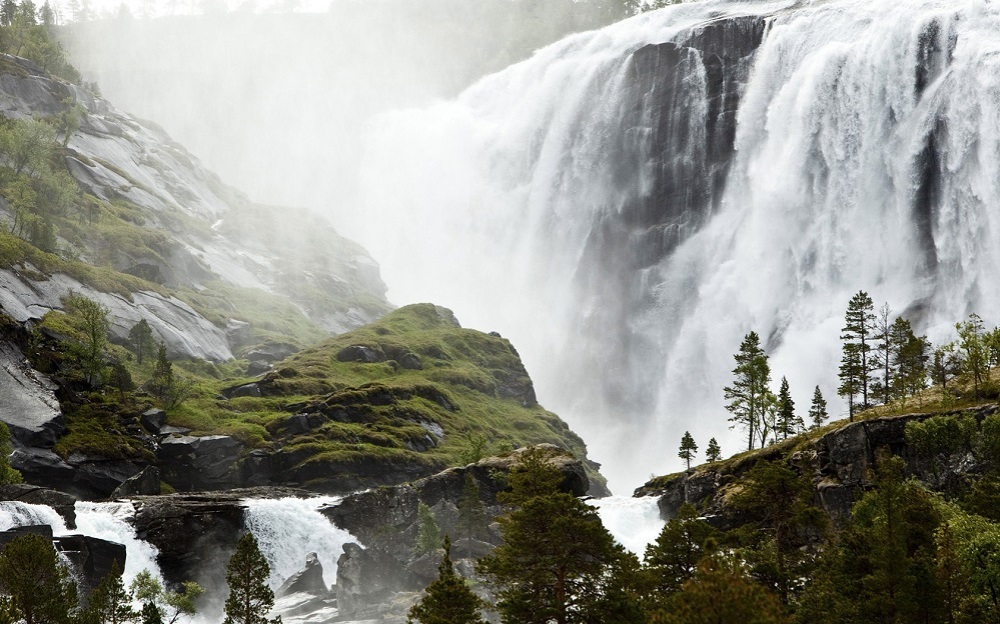
Norway

awater pearl waterfall china

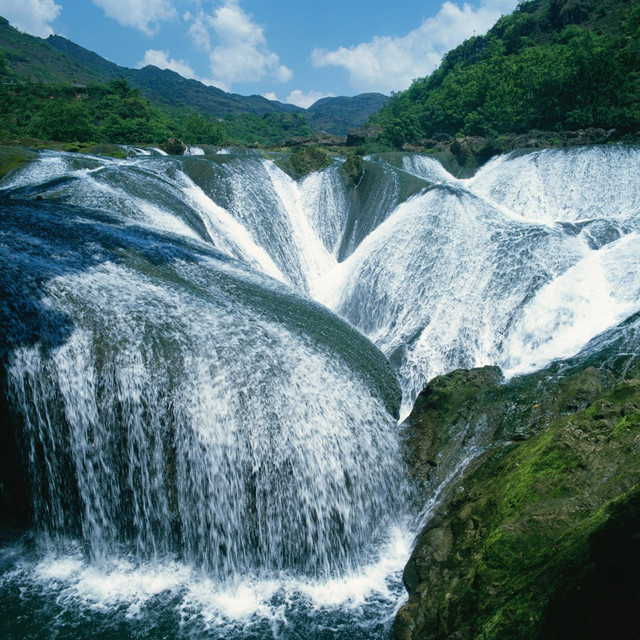
Pearl Waterfall, China

awater romania

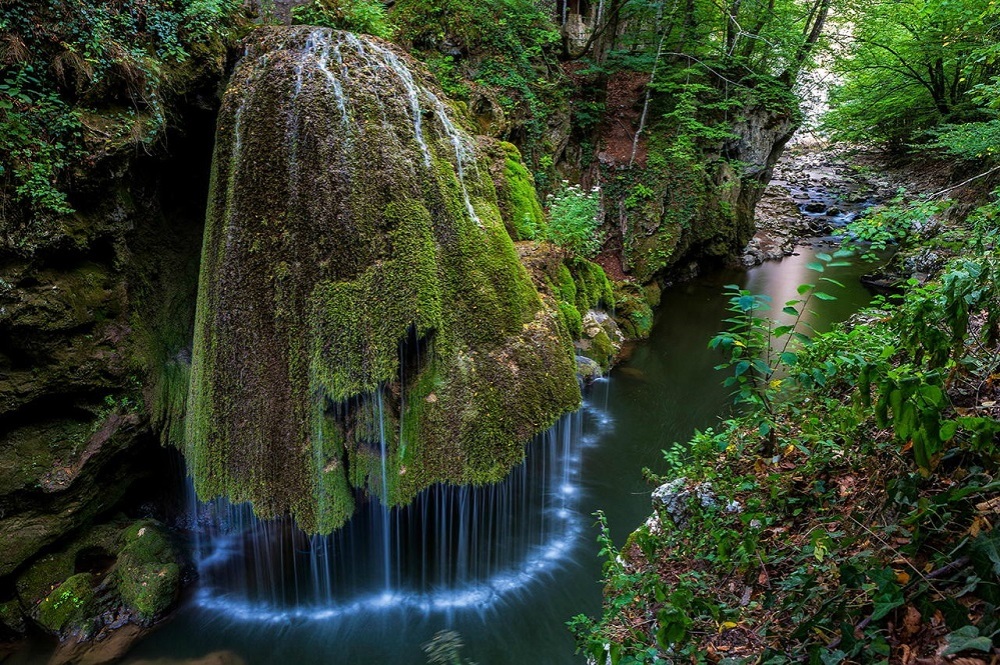
Strange moss waterfall in Romania

awater Seljalandsfoss Waterfall, Iceland

Seljalandsfoss Waterfall, Iceland

awater tibet

Tibet

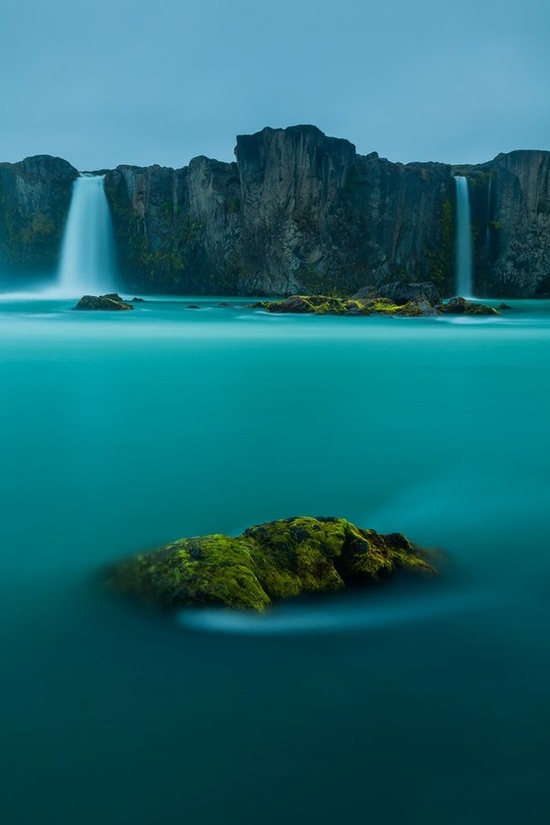
awater waterfall of the gods iceland

Waterfall of the Gods, Iceland

awater zion np utah

Zion National Park, Utah

View original post

Mapped: 2022’s lightning strikes

Florida took the top prize for the most lightning flashes last year, and the Southwest experienced significantly more lightning than usual, according to data from Vaisala, which operates a national lightning detection network.

In a warming world, the total amount of lightning is expected to increase. Shifts in lightning hot spots can provide clues to major storm events and how storm corridors are changing over time.

Now this is one big giant hole in the ground! 

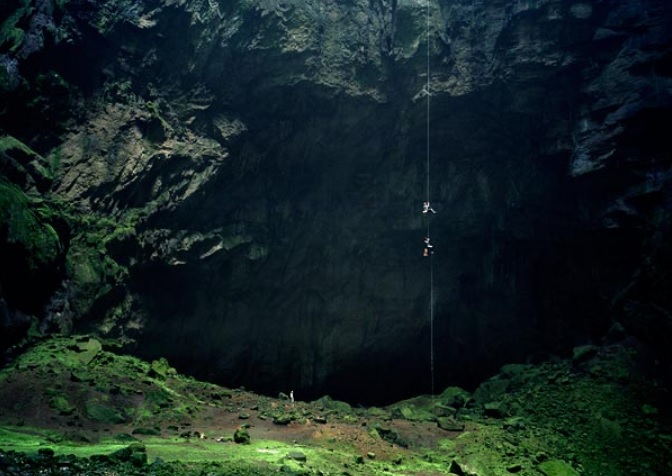
The Cave of Swallows, also called Cave of the Swallows (Spanish: Sótano de las Golondrinas), is an open air pit cave in the Municipality of Aquismón, San Luis Potosí, Mexico. The elliptical mouth, on a slope of karst, is 49 by 62 meters wide and is undercut around all its perimeter, further widening to a room approximately 303 by 135 meters wide.  The floor of the cave is a 333-meter freefall drop from the lowest side of the opening, with a 370-meter drop from the highest side,  making it the largest known cave shaft in the world, the second deepest pit in Mexico and perhaps the 11th deepest in the world.  A skyscraper such as New York City’s Chrysler Building could easily fit wholly within it.

Opened up by water erosion in a fault on an impermeable limestone plain and with a roughly conical shape, the cave has been known to the local Huastec people since ancient times. The first documented exploration was on 27 December 1966 by T. R. Evans, Charles Borland and Randy Sterns.

Temperatures in the cave are low. Vegetation grows thickly at the mouth, where rains can cause waterfalls cascading into the cave.  The cave floor is covered with a thick layer of debris and guano on which “millipedes, insects, snakes, and scorpions” live.  There is also a narrow sinkhole in a fault of lower Cretaceous limestone which goes down at least a further 512 m.

These people rappel down to the floor of the cave where the scorpions and deadly snakes are waiting.  Why?

And then there are the crazy thrill seekers who want to parachute down into the cave where the scorpions and deadly snakes are waiting.  Why?  Why?

The cave is a popular vertical caving destination. The high side of the mouth is covered with heavy foliage, so cavers most often fix their ropes on the low side, where bolts have been fixed into the rock and the area is clear of obstructions.  Rappelling to the floor takes about twenty minutes, in which time abseil equipment and rope can heat up to hazardous levels. Climbing back out may take from forty minutes to more than two hours. A person without a parachute would take almost ten seconds to freefall from the mouth to the floor, hence the pit is also popular with extreme sporting enthusiasts for BASE jumping.  An average-sized hot air balloon has been navigated through the 160-foot (49 m) wide opening and landed on the floor below.  Base jumpers can get out in about 10 minutes via an extraction rope.