Top 5 World’s Biggest Mining Excavators

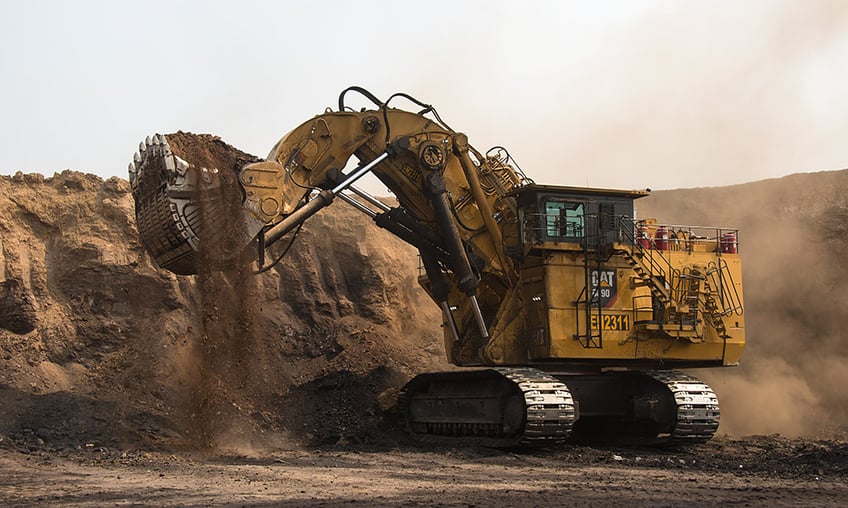
1 – Caterpillar 6090 FS Excavator
caterpillar-6090-FS

At an operating weight of an astounding 1,000 tonnes, the 6090 FS is the world’s largest excavator. With twin Cummins QSK60 engines, it boasts and total engine rating of 3360 kW / 4500 HP. When Caterpillar expanded their mining capabilities with a purchase of Bucyrus in 2011, they based the 6090 FS on the Bucyrus RH400, which was originally launched in 1997. It can fill the largest Caterpillar dump truck (the 797) in only four passes based on its 52 m3 bucket with 93.6 tonne payload.

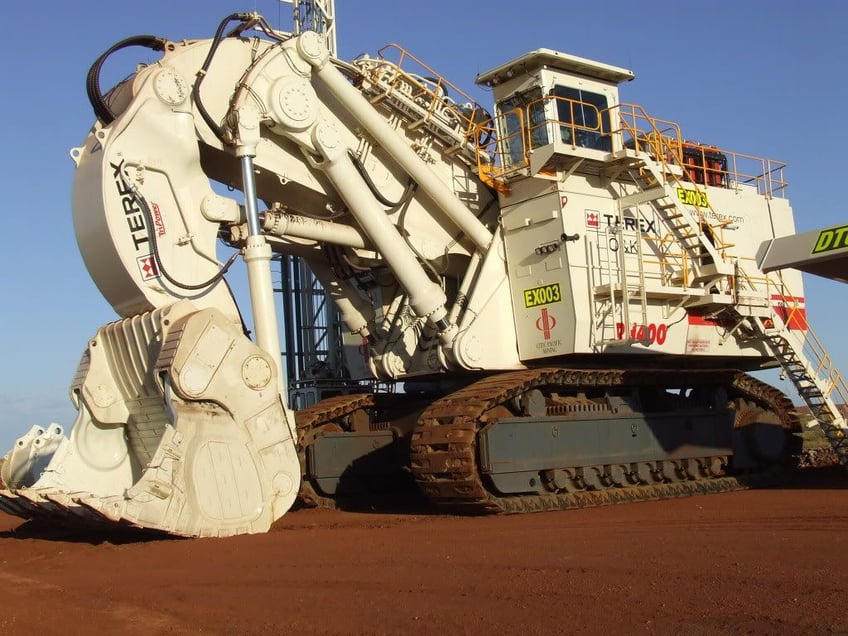
2 – Bucyrus RH 400 Excavator
bucyrus-RH-400

Originally launched as the Terex RH 400 and rebranded when Bucyrus purchased the Terex mining division in 2010, this model has an operating weight of 980 tonnes. With identical engine capacity to the Caterpillar 6090 RS, it requires six car batteries to simply start the engines. It has previously set the hydraulic mining excavator world record for the ability to move up to 9,900 tonnes of material in a single hour. It previously held the title of world’s largest excavator, prior to the release of the Cat 6090 FS.

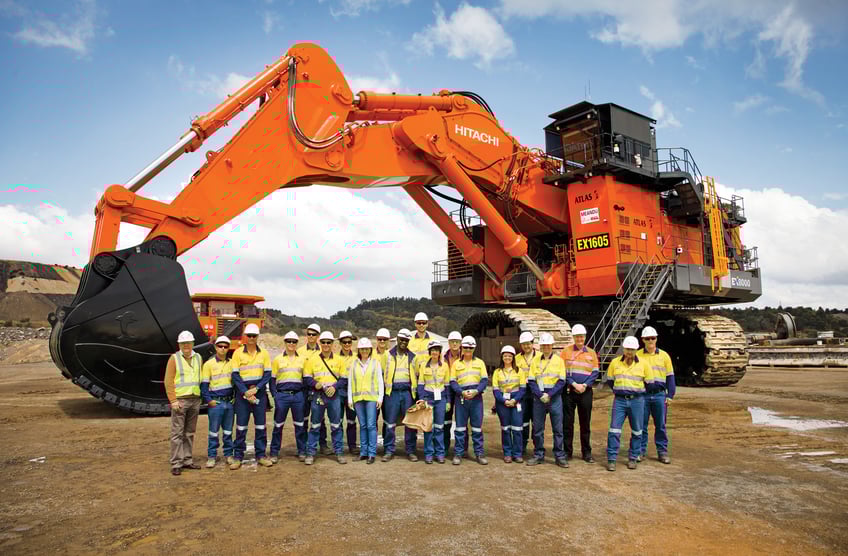
3 – Hitachi EX8000-6 Excavator
hitachi-EX8000-6

The largest excavator in the Hitachi fleet, the EX8000-6 offers the versatility of being fitted with either a 43.3 m3 backhoe bucket or a 40 m3 loading shovel. Boasting an operating weight up to 837 tonnes, it can fill the largest Hitachi dump truck (EH4000AC-3) in just five passes. The twin Cummins engines give a combined capacity of 2900 kW / 3888 HP. For perspective Hitachi’s flagship mining excavator the EX1200-6, has an engine capacity one sixth the size of this!

4 – Liebherr R9800 Excavator
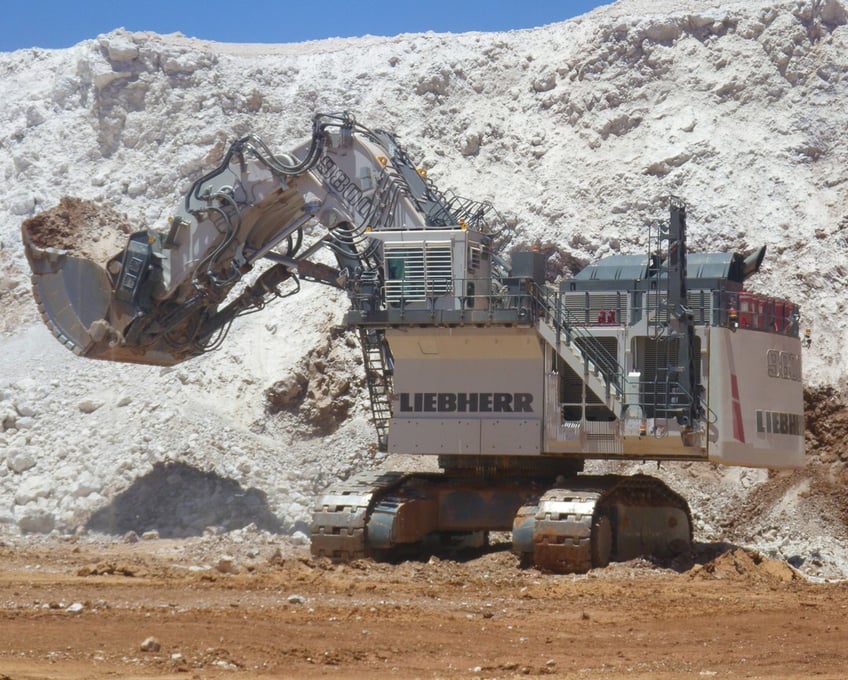
liebherr-R9800

With an operating weight up to 810 tonnes, the R9800 from Liebherr comes with the option of either MTU or Cummins diesel engines, or an electric drive version. The electric version is rated up to 2984 kW / 4000 HP. It’s 42 m3 shovel capacity or 47.5 m# backhoe capacity are designed to pair with the Liebherr T 264 or T 284 dump trucks for maximum efficiency.

5 – Komatsu PC8000-11 Excavator
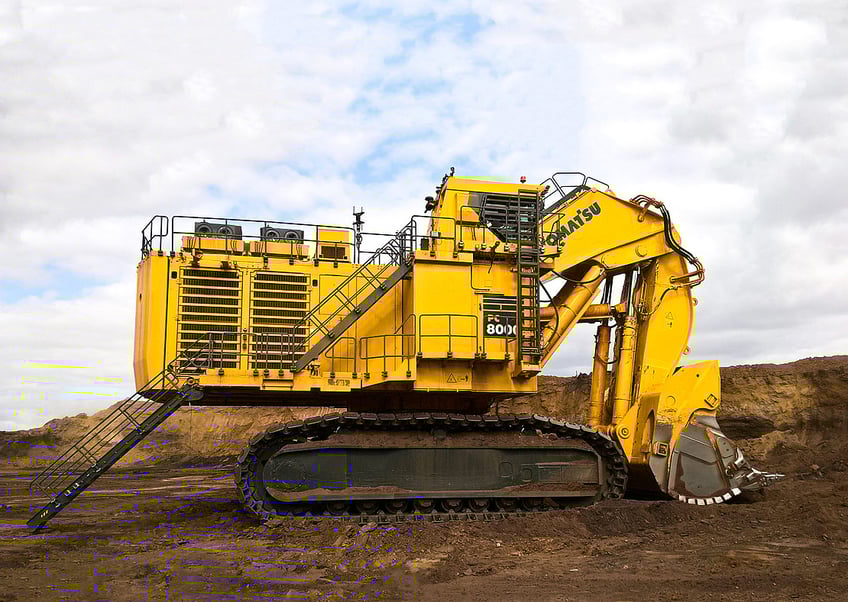
komatsu-PC8000-11

Weighing up to 773 tonnes, this is the largest excavator in the Japanese manufacturers portfolio. Komatsu’s most frequently used model in the Australian/New Zealand market is the PC200-8 and it weighs over 36 times less than this behemoth. Its twin diesel engines give it a rating to 3000 kW / 4020 HP and it has shovel and backhoe capacity of 42 m3 (designed to integrate with trucks between 240 – 400 tonnes). 

It’s all about the ingredients in the concrete 

Two structures, one ancient and one very modern, that used super-strength concrete.

The Pantheon is a building in Rome, Italy, on the site of an earlier building commissioned by Marcus Agrippa during the reign of Augustus (27 BC – 14 AD). The present building was completed by the emperor Hadrian and probably dedicated about 126 AD. He retained Agrippa’s original inscription, which has confused its date of construction.
The building is circular with a portico of large granite Corinthian columns (eight in the first rank and two groups of four behind) under a pediment. A rectangular vestibule links the porch to the rotunda, which is under a coffered concrete dome, with a central opening (oculus) to the sky. Almost two thousand years after it was built, the Pantheon’s dome is still the world’s largest unreinforced concrete dome. The height to the oculus and the diameter of the interior circle are the same, 43.3 metres (142 ft).

Pantheon_Rome-The_Dome

The 4,535 metric tons (4,999 short tons) weight of the Roman concrete dome is concentrated on a ring of voussoirs 9.1 metres (30 ft) in diameter that form the oculus, while the downward thrust of the dome is carried by eight barrel vaults in the 6.4 metres (21 ft) thick drum wall into eight piers. The thickness of the dome varies from 6.4 metres (21 ft) at the base of the dome to 1.2 metres (3.9 ft) around the oculus. The materials used in the concrete of the dome also varies. At its thickest point, the aggregate is travertine, then terracotta tiles, then at the very top, tufa and pumice, both porous light stones. At the very top, where the dome would be at its weakest and vulnerable to collapse, the oculus actually lightens the load.

Pantheon_0918_2013

No tensile test results are available on the concrete used in the Pantheon; however, Cowan discussed tests on ancient concrete from Roman ruins in Libya, which gave a compressive strength of 20 MPa (2,900 psi). An empirical relationship gives a tensile strength of 1.47 MPa (213 psi) for this specimen. Finite element analysis of the structure by Mark and Hutchison found a maximum tensile stress of only 128 kPa (18.5 psi) at the point where the dome joins the raised outer wall.

Pantheon-Roof-from-Gianicolo-2012

The stresses in the dome were found to be substantially reduced by the use of successively less dense aggregate stones, such as small pots or pieces of pumice, in higher layers of the dome. Mark and Hutchison estimated that, if normal weight concrete had been used throughout, the stresses in the arch would have been some 80% greater. Hidden chambers engineered within the rotunda form a sophisticated structural system. This reduced the weight of the roof, as did the elimination of the apex by means of the oculus.

Pantheon-occulus

One World Trade Center (also known as the Freedom Tower1 World Trade CenterOne WTC and 1 WTC) is the main building of the rebuilt World Trade Center complex in Lower Manhattan, New York City. It is the tallest building in the Western Hemisphere, and the fourth-tallest in the world. The supertall structure has the same name as the North Tower of the original World Trade Center, which was completely destroyed in the terrorist attacks of September 11, 2001. The new skyscraper stands on the northwest corner of the 16-acre (6.5 ha) World Trade Center site, on the site of the original 6 World Trade Center. The building is bounded by West Street to the west, Vesey Street to the north, Fulton Street to the south, and Washington Street to the east.

1 wtc8

In early 2010, Eastern Concrete Materials, a U.S. Concrete company, began producing high-strength concrete for One World Trade Center (WTC). Within three years, the New York City-based producer had supplied 150,000 cubic yards of ready-mix for the tower’s superstructure—with a concrete strength that has never been used on such a scale in building construction. Collavino Construction Co. then pumped this mix as high as 103 stories.

1 wtc9

Construction began in 2006 and was completed in 2014. Its supporting columns are made of steel and concrete ranging in strength from 8600 psi to 14,000 psi. Columns on the first 40 floors are made from 12,000-14,000-psi concrete and the upper floors with 8,600–10,000-psi mix designs.

The ready-mixed concrete was pumped by Collavino’s crews to the highest elevation to which concrete has ever been pumped in the Americas. Because the mix design was so workable, pumping was accomplished with a single pump that moved the concrete directly from the ground to the top story, instead of to an intermediate station where it would have been remixed before being transferred to a second pump.

The Trump World Tower, the tallest all-residential building in the world when completed in 2001 and the tallest in New York until the 76-story Beekman Tower, engineered by WSP Cantor Seinuk, brought another technological marvel to New York: “super” cement. The super or high-strength concrete is produced by blending fly ash, slag cement and silica fume with concrete. Super high-strength concrete cannot be produced with only concrete.

Typically, the high-strength concrete used in skyscraper cores (in the 1990’s) would have a compressive strength of 8,000 to 10,000 pounds per square inch (psi). Because Trump World Tower is a rather slender high-rise, WSP Cantor Seinuk specified concrete compressive strength of 12,000psi for the first time in New York City.

“On One World Trade Center WSP Cantor Seinuk’s engineers worked on specifying the compressive strength and modulus of elasticity,” says Marcus. “But we needed even higher compressive strength—14,000 psi—for the taller One World Trade building.”

1wtc (3)

View from the top

Most of the concrete has gone into the tower’s monolithic pedestal. From a footprint of 200-by-200 feet, it rises up for 70 feet. Above ground, this has specially reinforced concrete to defend the building from the blast of a street-level bomb. Below grade, the reinforced-concrete structure is engineered to protect the tower’s structural integrity from a bomb even bigger than the one that exploded in 1993 in the World Trade Center’s parking garage.

cement

Flying Kisses

Since it opened in 2020, the Flying Kiss attraction near Chongqing has garnered a lot of attention – but not necessarily for the right reasons.

It has been described as the “world’s only Gemini interactive flying island” but despite some impressive engineering, it’s not the type of attraction many would like to see replicated – while some netizens claim the Flying Kiss is cute and romantic, the attraction was voted one of the ugliest structures in China last year.

Located in a beautiful natural scenic area, part of the Wulong Baima mountains, and perched right beside a kilometre-high cliff edge, the attraction consists of two 52-metre-tall (170ft) statues, a ‘Prince Charming’ and a nymph or fairy woman.

For the visitor experience, visitors board one of the rotating observation decks where they can freely roam around. The decks are then ‘held’ in the raised hands of the gigantic semi-naked figures.

The statues lie horizontally, top to toe, but when the ride starts, they gradually rise and circle to a standing position, eventually meeting with their faces close together at the top in a gesture that’s supposed to represent the kiss.

If you’d like to ride, a ticket costs about RMB120 (£13, US$18) and despite its looks, the Flying Kiss will offer some fantastic views of the surrounding area.

Town in Iceland Paints 3D Zebra Crosswalk To Slow Down Speeding Cars

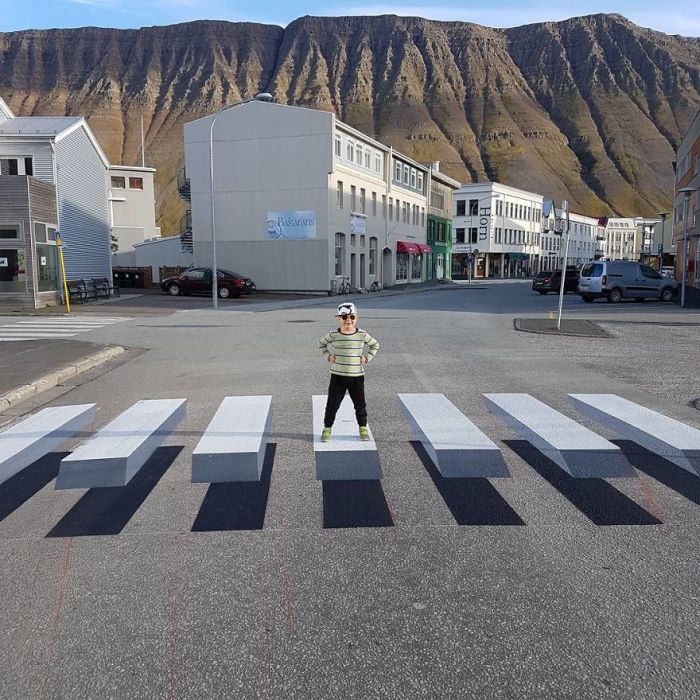
In the small fishing town of Ísafjörður, Iceland, an exciting development in road safety has just popped up – almost literally. A new pedestrian crossing has been painted that appears to be 3D by way of a cleverly-detailed optical illusion.

cross

Not only does the innovative design give foot-travelers the feeling of walking on air, it also gets the attention of drivers, who will be sure to slow down their speed once they spot the seemingly floating ‘zebra stripes.’ Icelandic environmental commissioner Ralf Trylla called for its placement in Ísafjörður after seeing a similar project being carried out in New Delhi, India. With the help of street painting company Vegmálun GÍH, his vision became a reality.

Scroll down to see photos of the fascinating installment taken by Ágúst G. Atlason of Gústi Productions, and let us know if you’d like to see one of these crosswalks in your own city.

cross1
cross2
cross3
cross4

Why we are in ‘the age of artificial islands’

BBC

We are building more islands than ever before. In the latest edition of our photographic series Anthropo-Scene, we explore the striking results of humanity’s attempts to colonise the world’s lakes and oceans with new land.H

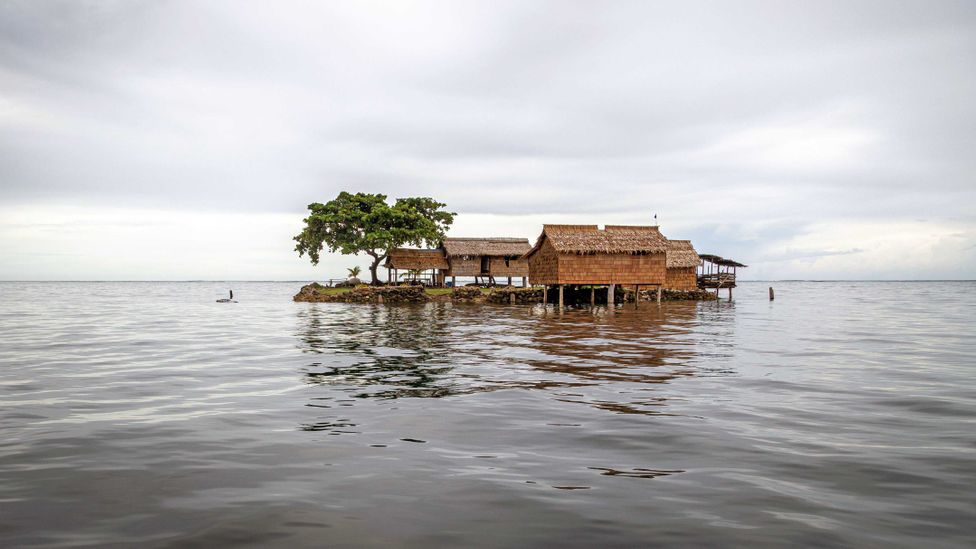
Hundreds of years ago, the Lau people of the Solomon Islands built around 80 artificial islands in a lagoon, placing bits of coral and rock into the water, piece by piece. It took them centuries.

Throughout history, humans have sought to create dry land within lakes, rivers and oceans, which they could then populate. But the 21st Century has brought a new ambition – and perhaps a touch of hubris – to this endeavour.

We are living in an “age of islands”, according to the social geographer Alastair Bonnett of Newcastle University, UK. “New islands are being built in numbers and on a scale never seen before.”

This new generation of islands are bolder, grander – and potentially more damaging – than anything our ancestors constructed, writes Bonnett in his book Elsewhere: A Journey Into Our Age Of Islands.

The geographer visited human-made islands all over the world, exploring a variety of constructions. Giant artificial archipelagos, created by pouring millions of tonnes of sand into the ocean. Concrete-coated “Frankenstein” atolls, designed to consolidate military and political power. And dizzyingly tall oil rigs extending hundreds of metres down to the seafloor.

While some artificial structures have been reclaimed by nature, that process takes time. Often, there’s little life beneath the waters surrounding man-made islands. “All too often artificial islands are dead zones. Trying to make them live again is hard work,” writes Bonnett. In places like the South China Sea, “once pristine and untouched reefs…have been horribly mutilated: squared off and concreted over”.

But nonetheless, Bonnett found himself drawn to these artificial creations, to try and understand how they were built, and why they came to be. Whether you approve of them or not, they will tell future generations a story of how humanity saw itself in the early Anthropocene.

A traditional house on an artificial island in Lau Lagoon in the Solomon Islands (Credit: Alamy)

A traditional house on an artificial island in Lau Lagoon in the Solomon Islands (Credit: Alamy)

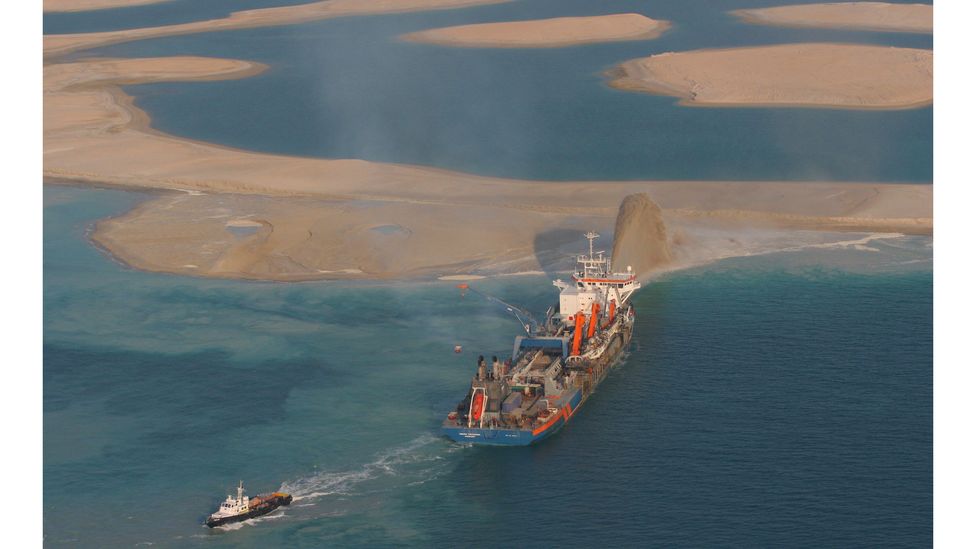
A ship in the Persian Gulf pumping tonnes of sediment into the sea, gradually growing an island (Credit: Getty)

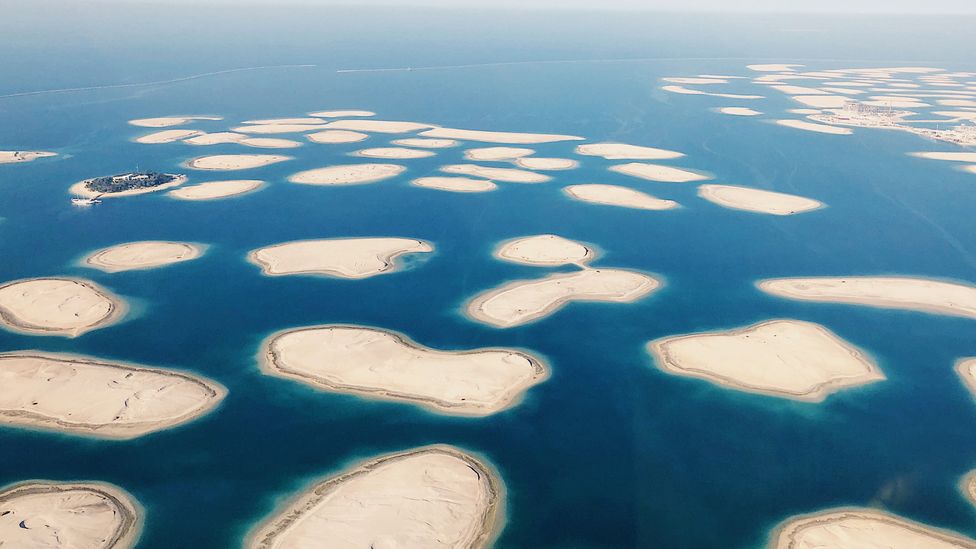
A ship in the Persian Gulf pumping tonnes of sediment into the sea, gradually growing an island (Credit: Getty)Dubai's map-like The World was intended for the super-wealthy, but many of the islands remain sand, while others are for retail, hotels and apartments (Credit: Getty Images)

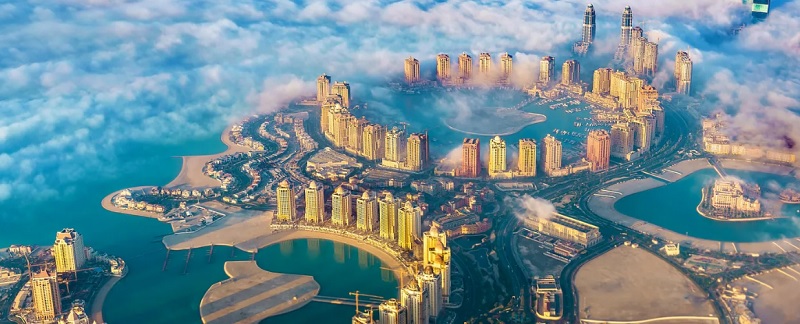
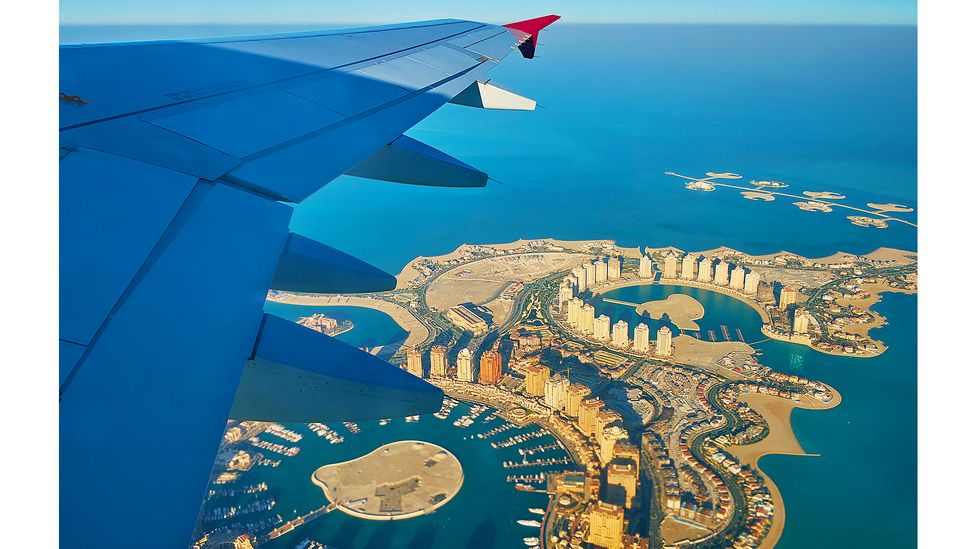
Dubai’s map-like The World was intended for the super-wealthy, but many of the islands remain sand, while others are for retail, hotels and apartments (Credit: Getty Images)The man-made Pearl island, in Qatar, spans nearly 4 million sq metres and cost billions to build (Credit: Alamy)

The man-made Pearl island, in Qatar, spans nearly 4 million sq metres and cost billions to build (Credit: Alamy)Swan Island in Paris was created in the early 1800s to protect the city's bridges (Credit: Getty Images)

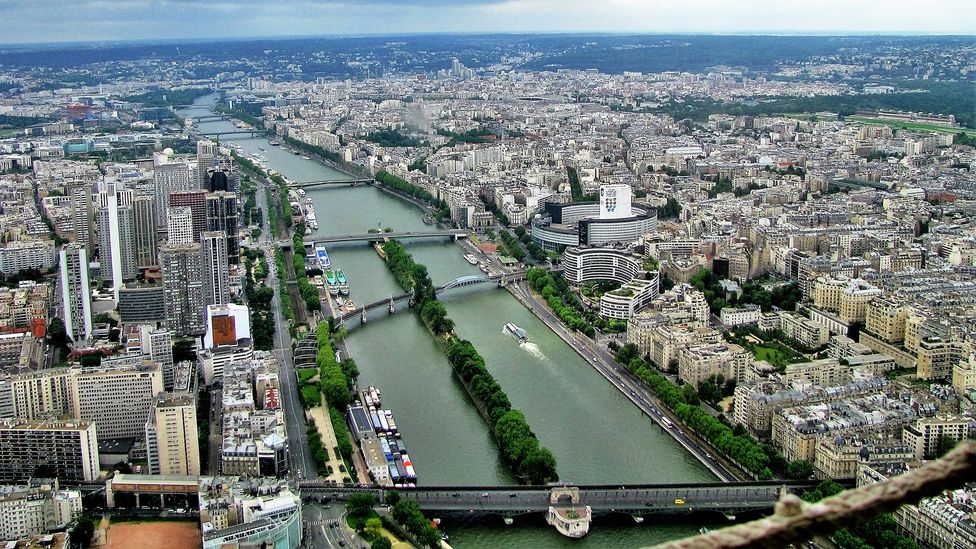
Swan Island in Paris was created in the early 1800s to protect the city’s bridges (Credit: Getty Images)Built in the early 20th Century, property on the six Venetian Islands of Miami was sold while they were still underwater (Credit: Alamy)

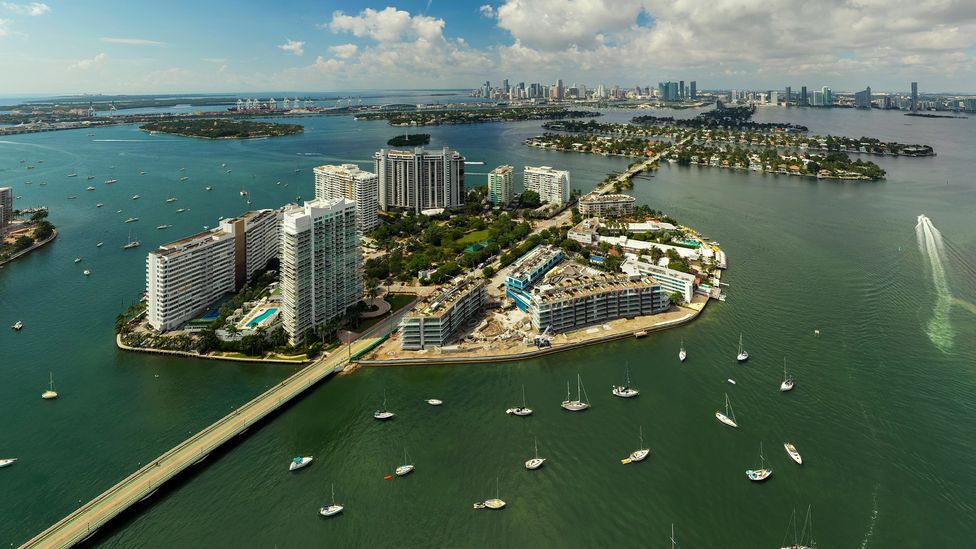
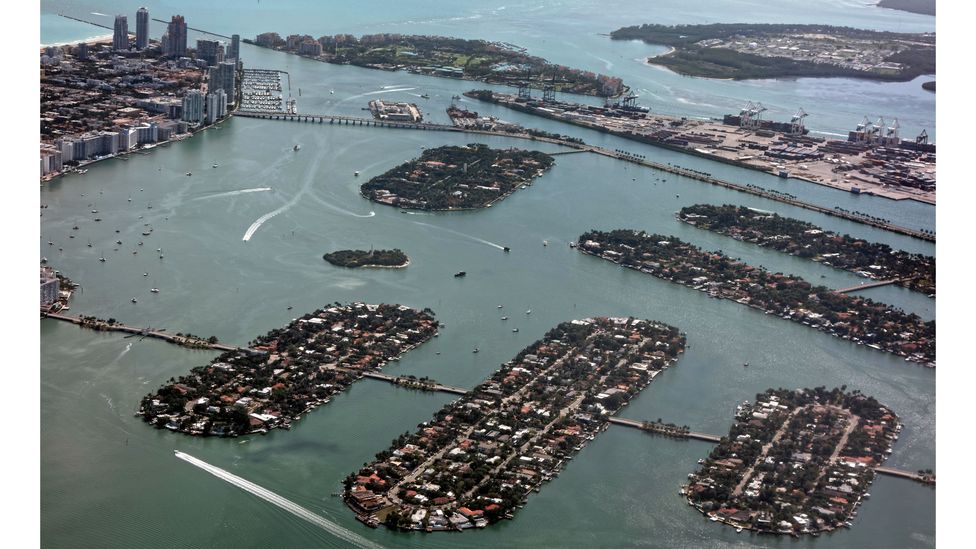
Built in the early 20th Century, property on the six Venetian Islands of Miami was sold while they were still underwater (Credit: Alamy)The Venetian project was meant to be much bigger – but then a hurricane, property bubble and the Great Depression happened (Credit: Alamy)

The Venetian project was meant to be much bigger – but then a hurricane, property bubble and the Great Depression happened (Credit: Alamy)The Palm, in Dubai, required 120 million cubic metres of sand to build (Credit: Getty Images)

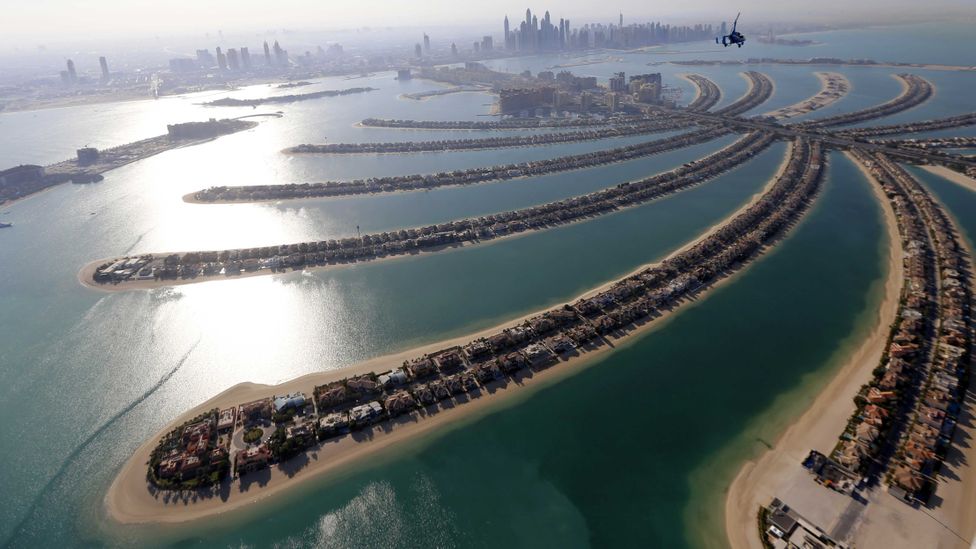
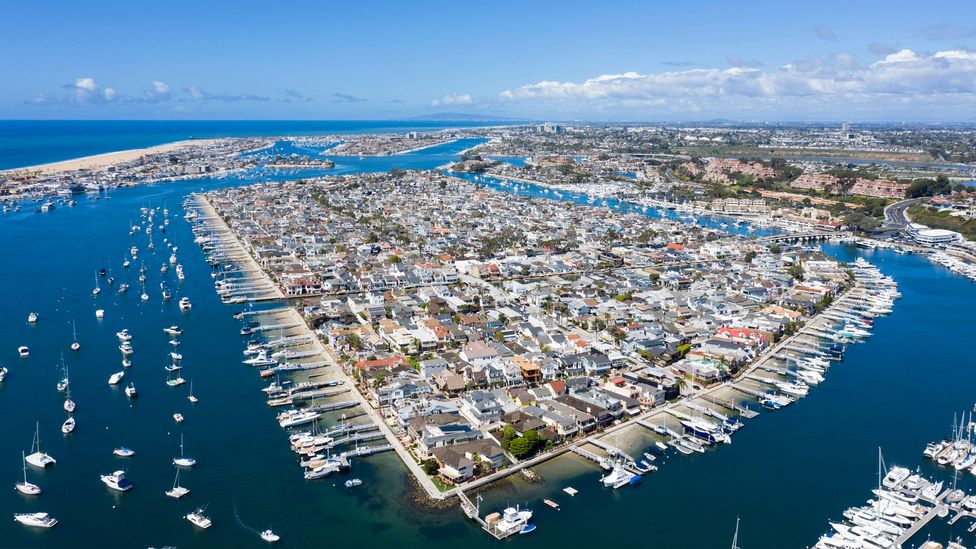
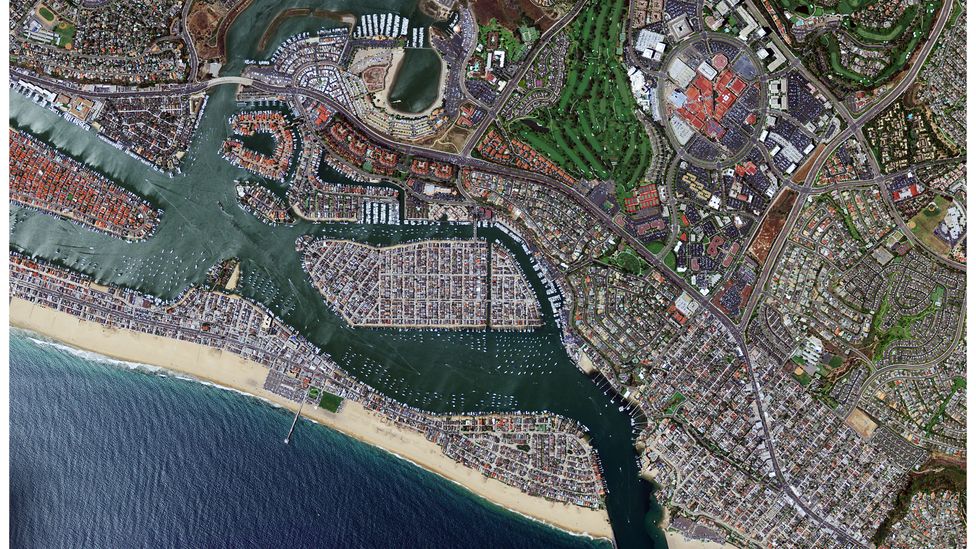
The Palm, in Dubai, required 120 million cubic metres of sand to build (Credit: Getty Images)Balboa Island in California was built on a mudflat, and for years residents struggled with poor infrastructure (Credit: Alamy)

Balboa Island in California was built on a mudflat, and for years residents struggled with poor infrastructure (Credit: Alamy)Now it's one of the most expensive real estate markets in the US, populated by 3,000 people (Credit: Alamy)

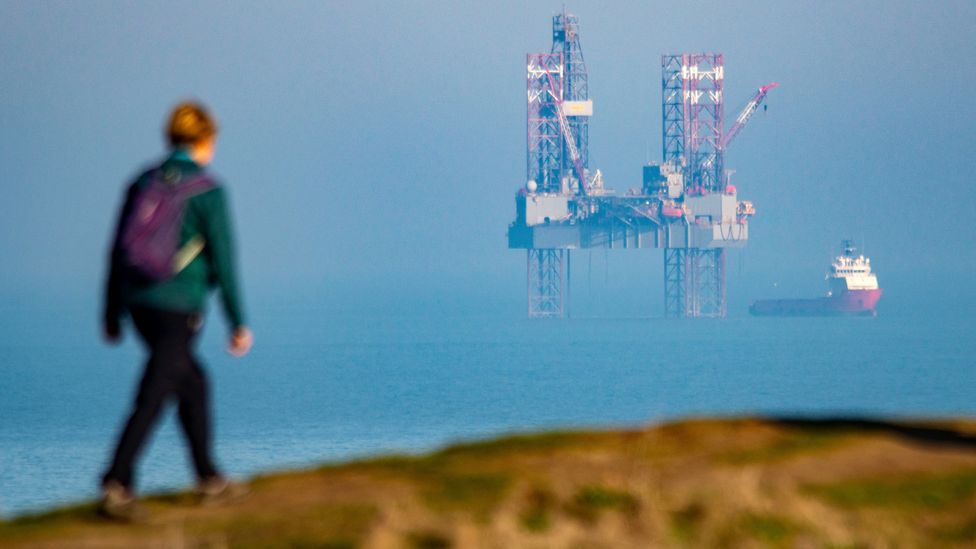
Now it’s one of the most expensive real estate markets in the US, populated by 3,000 people (Credit: Alamy)While oil rigs might not seem to qualify as islands, many emerge from the seafloor, sitting on columns taller than skyscrapers (Credit: Getty Images)

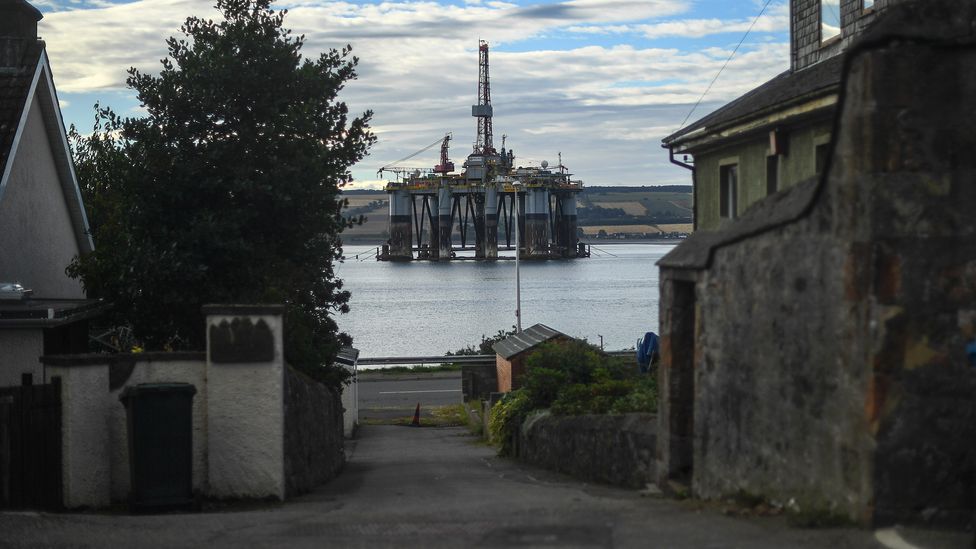
While oil rigs might not seem to qualify as islands, many emerge from the seafloor, sitting on columns taller than skyscrapers (Credit: Getty Images)From the dry land of a Scottish village, an oil rig can seem like an alien structure… (Credit: Getty Images)

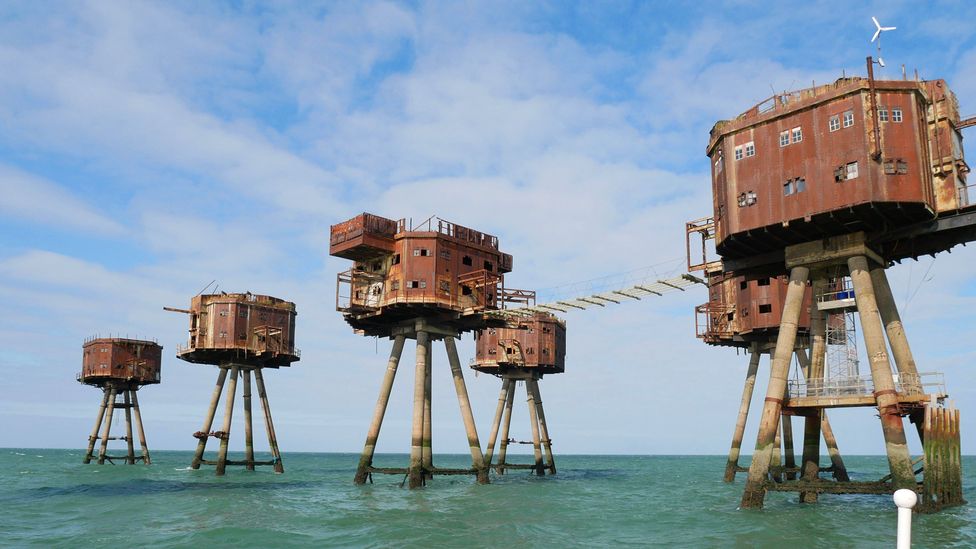
From the dry land of a Scottish village, an oil rig can seem like an alien structure… (Credit: Getty Images)…but there are few structures more alien-like than the Red Sands Fort in the Thames Estuary, UK, built for anti-aircraft guns in WW2 (Credit: Alamy)

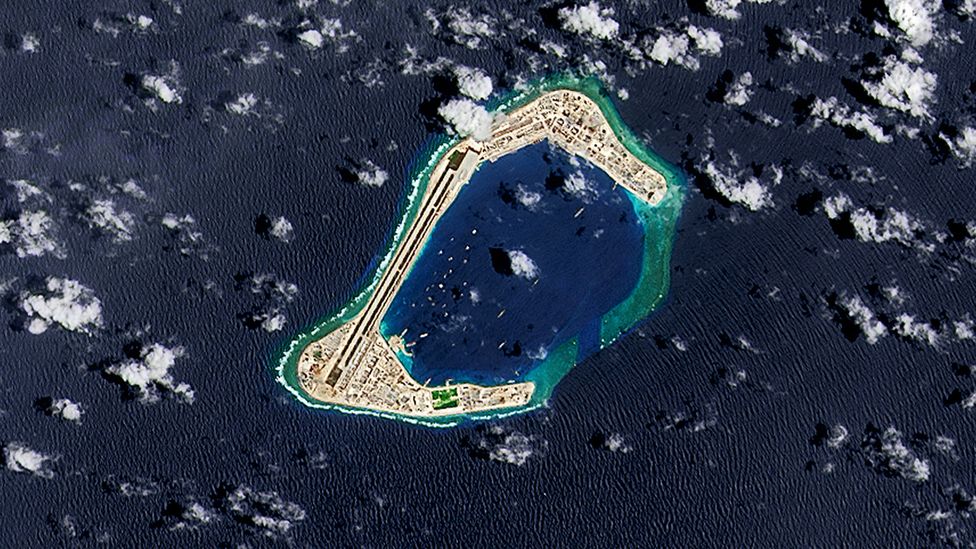
…but there are few structures more alien-like than the Red Sands Fort in the Thames Estuary, UK, built for anti-aircraft guns in WW2 (Credit: Alamy)The future of islands? Subi Reef is one clue, part of a huge Chinese island-making project in the South China Sea (Credit: Getty Images)

The future of islands? Subi Reef is one clue, part of a huge Chinese island-making project in the South China Sea (Credit: Getty Images)As well as accruing geopolitical power, artificial islands are also helping China access oil, like this one called Qingdong-5 (Credit: Getty Images)

As well as accruing geopolitical power, artificial islands are also helping China access oil, like this one called Qingdong-5 (Credit: Getty Images)