Collision Course With Earth in 2032

2024 YR4 turned heads when it became the most dangerously rated asteroid earlier this week.

The potentially hazardous asteroid 2024 YR4 caused consternation over the last few weeks as its odds of hitting Earth in 2032 dramatically rose. Now, those odds have plummeted to near-zero, as astronomers’ calculations of the asteroid’s path have been updated to indicate that Earth is almost certainly not in the space rock’s plans.

Almost. According to NASA’s Center for Near-Earth Object Studies (CNEOS), the asteroid’s current chance of hitting the planet in 2032 is 0.28%, or a 1-in-360 shot. That is a far cry from just earlier this week, when models had the asteroid’s impact probability at a staggering 3.1%, or 1-in-32 odds. It’s safe to say we’re out of the woods—but perhaps still in the backyard of uncertainty? A beleaguered analogy, but suffice it to say that the odds are not zero—but the sudden plummet from such a (relatively) high probability is a sigh of relief.

Though 2024 YR4 isn’t a gigantic asteroid—its size estimates range from 130 to 300 feet wide (40 to 90 meters)—it still is large enough to destroy a large city or region if hit Earth. It just wouldn’t cause a global cataclysm. Hardly reassuring stuff. The asteroid’s impact probability made it a 3 on the Torino Impact Hazard Scale, which measures the danger posed by asteroids. Torino 3s have “a 1% or greater chance of collision capable of localized destruction,” according to CNEOS.

Since the asteroid’s impact odds are now 1-in-360, the asteroid’s Torino risk is rated 1, meaning a “routine discovery in which a pass near the Earth is predicted that poses no unusual level of danger. Current calculations show the chance of collision is extremely unlikely with no cause for public attention or public concern.”

When 2024 YR4’s odds rose earlier this week, it became more hazardous than the head-turning asteroid Apophis, which was one of the most hazardous asteroids when discovered in 2004, but was found in 2021 to not be at risk of hitting Earth for at least a century.

The Asteroid Terrestrial-impact Last Alert System (ATLAS) first spotted 2024 YR4 just after Christmas, when the rock was 515,116 miles (829,000 kilometers) from Earth. Within a month, the asteroid’s odds crept up to a 1.2% chance—which sounds small, but is still a serious number when we’re talking about the chances of an asteroid with the potential to raze an entire city or region on our verdant little world. The odds kept growing, from a 1.58% chance of impact on February 2 to a 2.2% chance of striking on February 10.

But as experts told Gizmodo, this steady movement in the odds was expected. That’s because, as astronomers narrowed the range of potential paths for the asteroid, Earth remained in it. So while the total pool of paths shrank, Earth’s placement in the path meant its footprint covered more of the total possible area. Now, the asteroid’s potential path window has shrunk enough that it seems very unlikely that the rock will hit Earth.
Interesting Planet

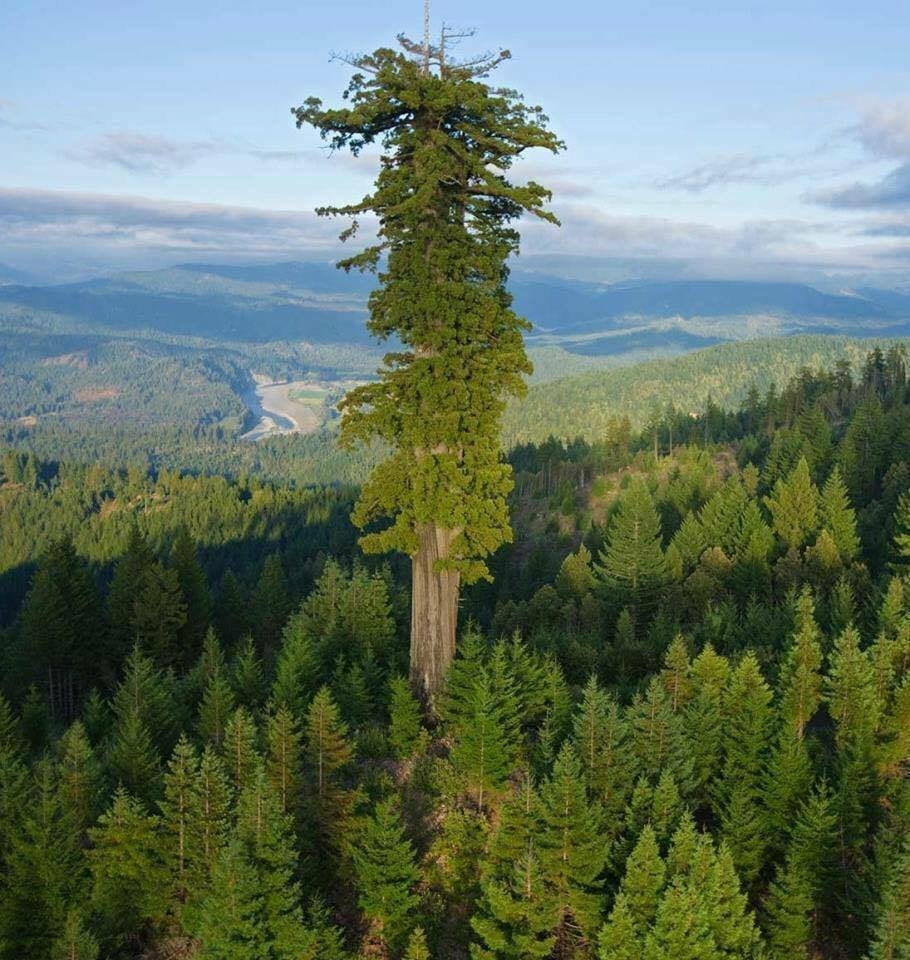
Hyperion, the world’s tallest living tree.Hyperion is the name of a coast redwood (Sequoia sempervirens) in California that was measured at 115.92 m (380.3 ft), which ranks it as the world’s tallest known living tree.

Comet Leonard in the frigid Canadian night. Spectacular photo!

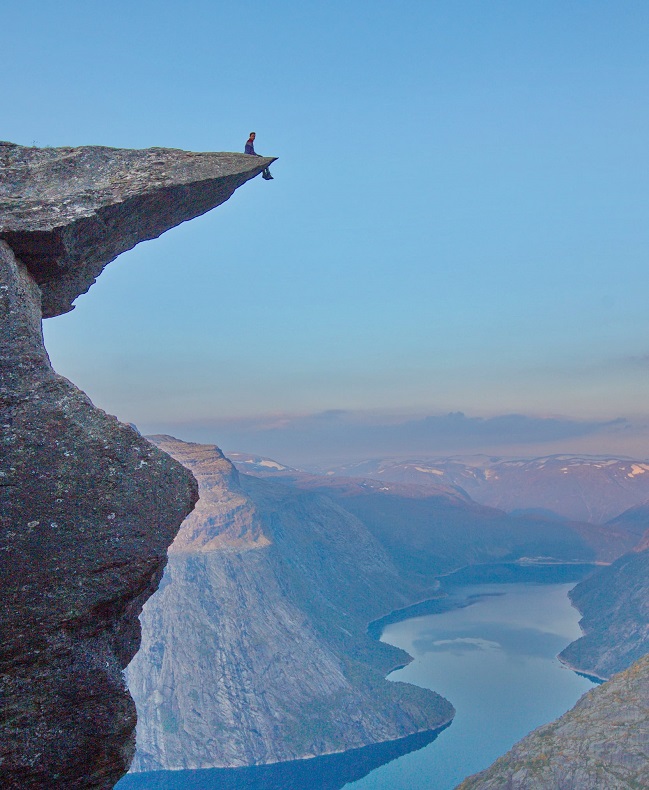
Jølster, Norway!

A gentle reminder.

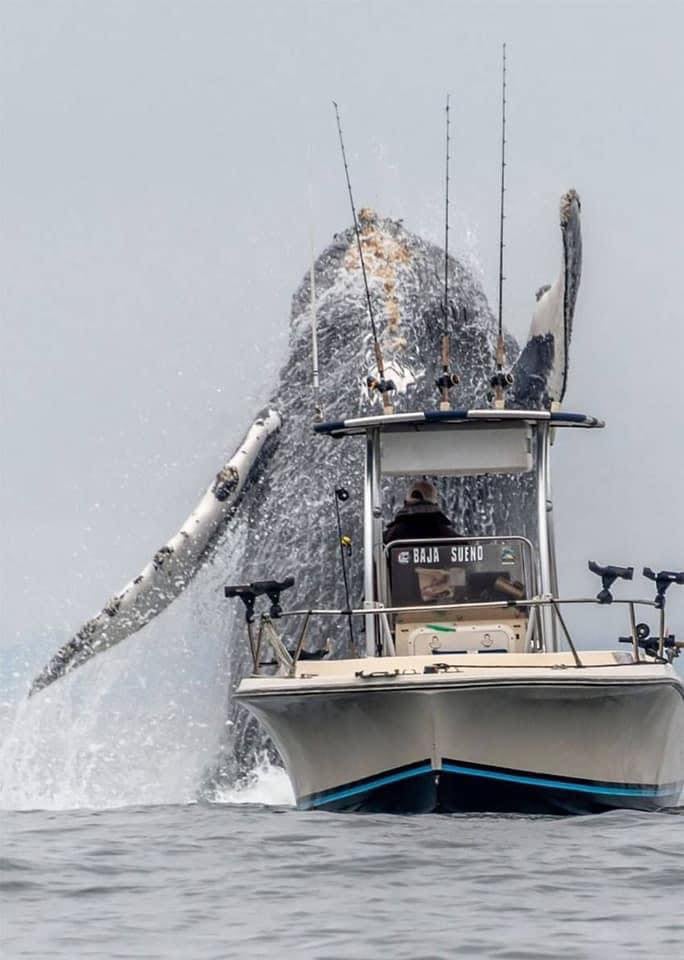
Humpback whale salute In Monterey Bay, California.

Rainbow 🌈 as seen from a plane 

Solar Eclipse from Space…

A highland storm over Loch Etive, Scotland

Snowy owl 🤍🦉

Dog-sledding under the Northern lights in Norway.

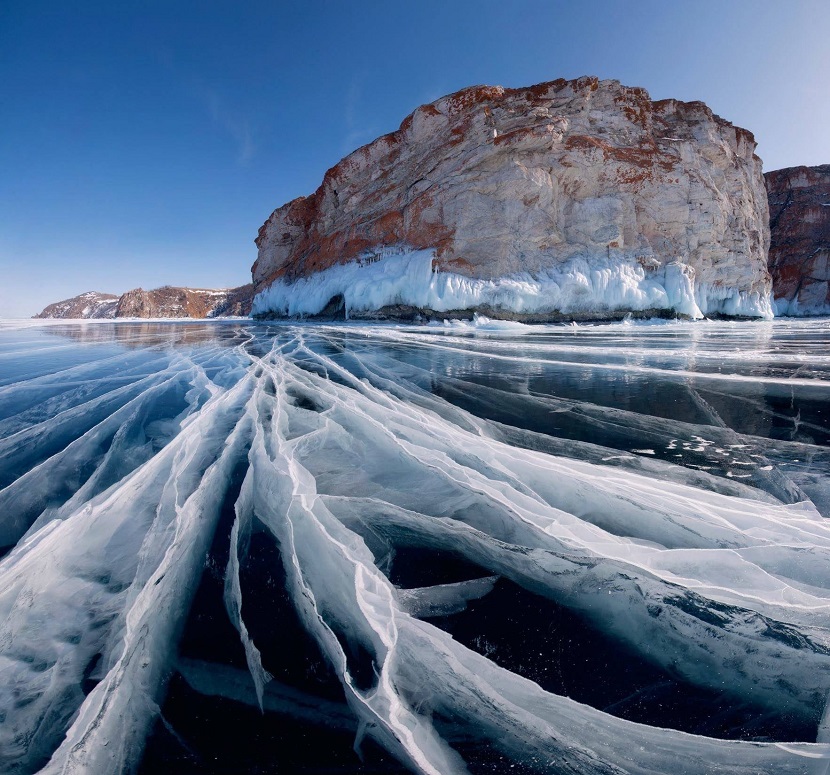
Frozen Lake Baikal in Siberia, Russia

The Wave is a sandstone rock formation located in Arizona, United States, near its northern border with Utah. The formation is situated on the slopes of the Coyote Buttes in the Paria Canyon-Vermilion Cliffs Wilderness of the Colorado Plateau.
Granada, Spain

Magical sunset.

A lighthouse in Michigan, before and after major ice storm.

Rainy Day in Paris, France 🇫🇷🌧

The Hellish Gold Mine that was Serra Pelada 

August 1985, Brazil --- Thousands of saqueiros (sack carriers) working on the Serra Pelada gold mine, which was known rather descriptively as "the Ant Hill". The mine was closed down at the end of the 1980s. Brazil. --- Image by © Stephanie Maze/CORBIS

August 1985, Brazil — Thousands of saqueiros (sack carriers) working on the Serra Pelada gold mine, which was known rather descriptively as “the Ant Hill”. The mine was closed down at the end of the 1980s. Brazil. — Image by © Stephanie Maze/CORBIS

aaline

In 1979, Genésio Ferreira da Silva, a farmer in the remote interior of Brazil, discovered a nugget of gold on his property and hired a geologist to see whether there was more to find.

Within days, word had spread and a gold rush had begun. After five weeks, 10,000 speculators were scratching through the soil and finding nuggets as large as 13 pounds.

By May 1980, 4,000 miners had laid claim to two-by-three-meter plots in the rapidly deepening and expanding hole in the ground. Workers known as garimpeiros collected the muddy soil into 40-pound sacks, which they then carried up hundreds of feet of rickety wood and rope ladders to the lip of the mine for sifting.

At its peak, an estimated 100,000 garimpeiros worked in the yawning mine. A shantytown sprung up near the chasm, where some 60 to 80 murders went unsolved every single month.

In 1986, flooding forced mining operations to end. In six years, the officially recorded yield was 44.5 tons of gold — but it was estimated that as much as 90 percent of the gold found was smuggled out and sold on the black market.

Today, the mine is a small, polluted lake, which still sits on top of tons of undiscovered precious metal.

aaline
mine1

Mine surveyors measure off a single plot 2 metres by 3metres

aaline
mine2
aaline
mine3
aaline
mine4
aaline
mine5
aaline

August 1985, Brazil --- 70,000 workers or hormigueros, "ants", carry sacks of dirt down the mountain at the Serra Pelada, or Naked Mountain, gold mine in Brazil. The dirt is sifted at the bottom of the mountain for gold nuggets. --- Image by © Stephanie Maze/CORBIS

August 1985, Brazil — 70,000 workers or hormigueros, “ants”, carry sacks of dirt down the mountain at the Serra Pelada, or Naked Mountain, gold mine in Brazil. The dirt is sifted at the bottom of the mountain for gold nuggets. — Image by © Stephanie Maze/CORBIS

aaline
August 1985, Brazil --- 70,000 workers or hormigueros, "ants", carry sacks of dirt down the mountain at the Serra Pelada, or Naked Mountain, gold mine in Brazil. The dirt is sifted at the bottom of the mountain for gold nuggets. --- Image by © Stephanie Maze/CORBIS
aaline
mine8

As Colonel Kurtz from Apocalypse Now said: “The Horror, The Horror!”

aaline
Overview 1983
aaline
overview1