Aviation







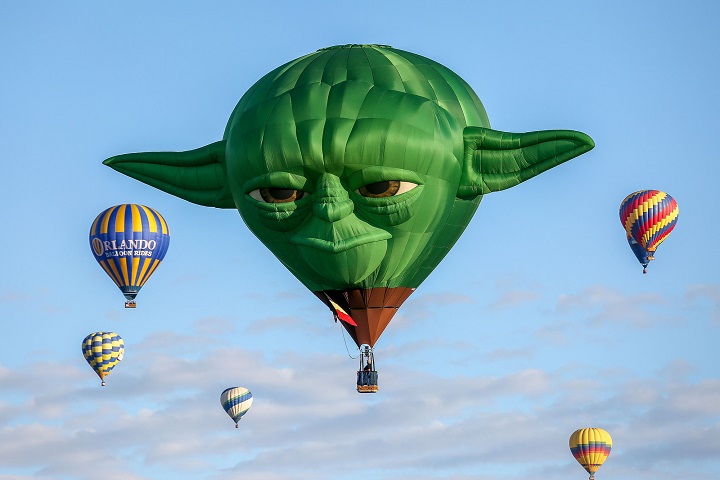
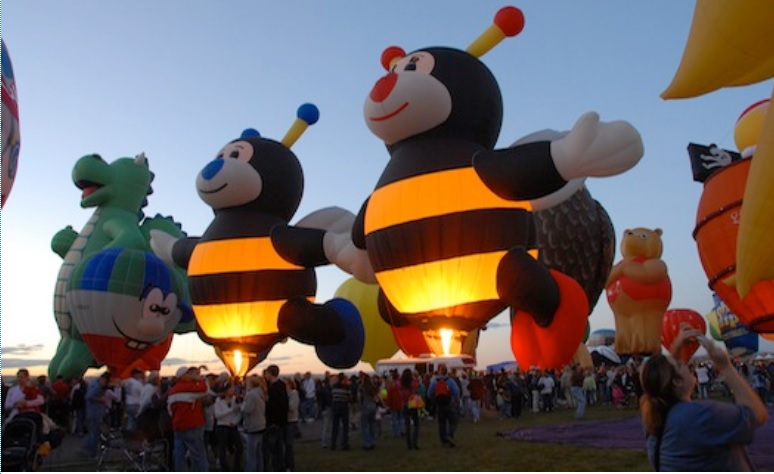
The Albuquerque International Balloon Festival Special Shapes
The Albuquerque International Balloon Fiesta is a yearly hot air balloon festival that takes place in Albuquerque, New Mexico, during early October. The Balloon Fiesta is a nine-day event occurring in the first full week of October, and has over 500 hot air balloons each year far from its humble beginnings of merely 13 balloons in 1972. The event is the largest balloon festival in the world, followed by the Grand Est Mondial Air in France.

This is how to fly, if you have the big money.
In the compendium of complaints about air travel, we have not yet encountered “I do not have an unencumbered, horizon-to-horizon view of the entire planet.” At some point, we surmise, someone must have shared that frustration, because Windspeed Technologies has come up with a solution.
The company’s SkyDeck is a clear bubble that pokes up out of the top of an airplane. One or two passengers access this viewing dome via a staircase, or (rather showily) in an elevator. Once they are head and shoulders above the fuselage, they may rotate their seats to view some particular object — the sunset, or a constellation, or a cloud that looks a lot like a bunny. The bubble is made of the same material as the canopies of a supersonic fighter jet, and it’s a teardrop shape mounted just before the tail to have the smallest possible effect on aerodynamics. Its feasibility has been studied a thousand different ways, patents and trademarks have been applied for, and an aircraft manufacturer has begun offering it as an option on its custom builds — though there are not yet reports of orders taken.


Does the SkyDeck seem a bit… erm… over the top? Yes, but certainly that is the point. Windspeed identifies business and VIP aircraft as their primary market, where amenities like the SkyDeck make sense because airplanes made of solid gold are too heavy to fly. But the company also sees a commercial application, where, they say, “Current in-flight entertainment offerings have not changed much over the decades” (as if SkyDeck were the logical successor to seatback entertainment systems). In this bright future, airlines would charge passengers for a trip up to the SkyDeck, providing an additional revenue stream for beleaguered airlines that have not yet found enough things to charge for.
Still, it’s awesome. To merely propose cutting a hole in the top of a jet — and then actually figuring out how to make it happen — is an admirable engineering feat. And who hasn’t imagined what the view might be like the outside of a plane, rather than through the tiny windows we’re now supposed to keep shuttered so as not to interfere with the seatback entertainment systems? Given the chance, we’d certainly spend a few minutes enjoying a 360° at 36,000 feet — though we admit to having some concerns about the availability of beverage service up there.

Airplanes


U.S. Air Force F-15 Eagle pilots based out of Alaska.


Magnificent Jet Airplanes

San Francisco International
♦

Five giants: three Airbus A380’s, a Boeing 747 and 777.
♦

Qantas A380
♦

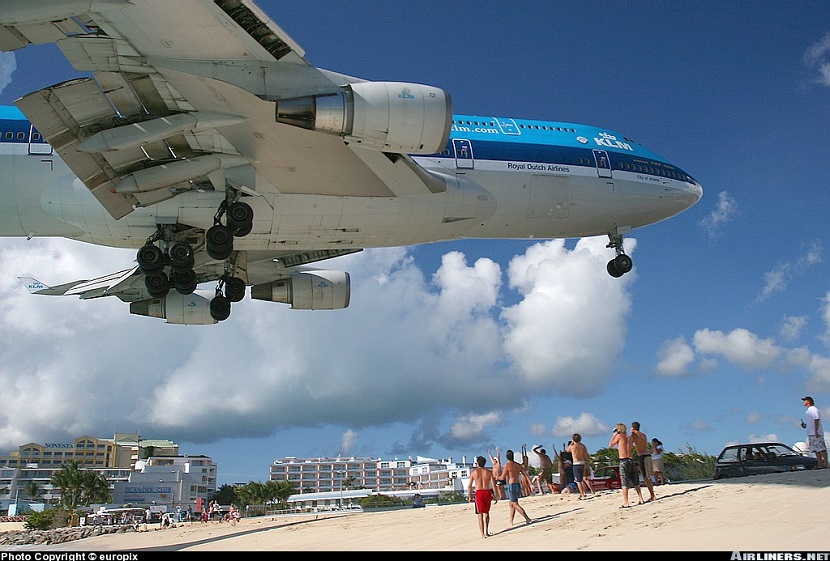
747 coming in extremely low at St. Martens.
♦

The infamous “Gimli Glider”. Air Canada 767 made an emergency landing at an abandoned airstrip in Gimli, Manitoba. The plane ran out of fuel when a technician made a mistake converting gallons into litres.
♦

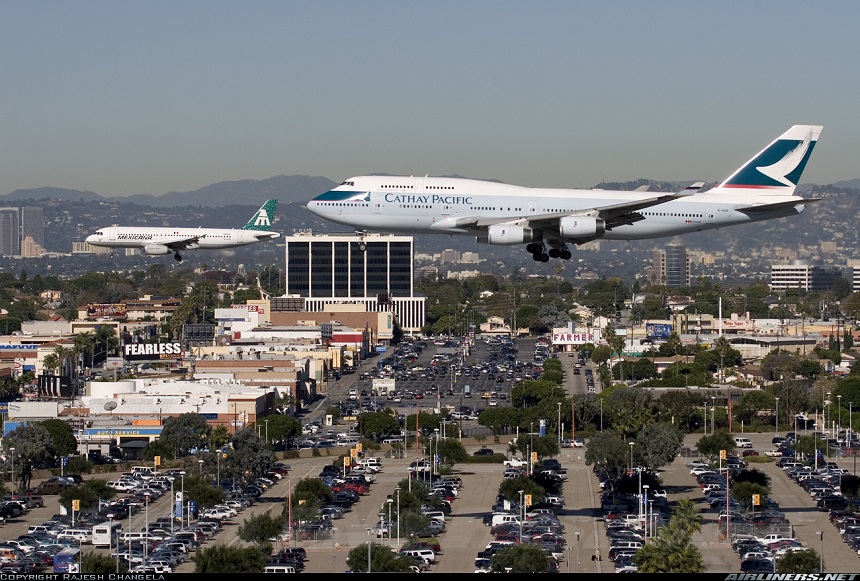
Up and away at LAX
♦

Berlin Airshow. The American section with the giant C-5 Galaxy dwarfing everything else.
♦

The Russian Anotov AN-225 Mriya. Biggest plane in the world.
♦

Crosswinds
♦
More Crosswinds

♦

747 into the sunset
♦

Car-go
♦

Thunderbirds over Nevada
♦

F-100 Super Sabre alongside FedEx MD-111 Mojave, California.
Tennessee Passes Geoengineering “Chemtrail” Ban
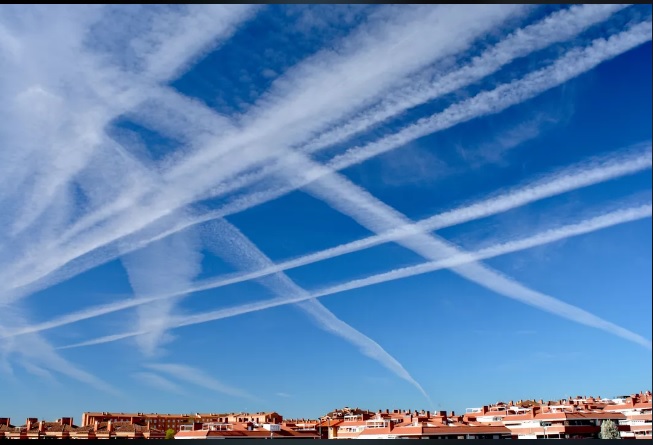
Tennessee House lawmakers last week passed a ban on geoengeering – or the process of impacting the climate by injecting chemicals or other substances into the atmosphere – after the Senate passed the bill the previous week. Geoengeering has been suggested by some as a solution to global warming; for instance, by injecting small reflective particles into the upper atmosphere to reflect some sunlight and heat back into space before it can reach the Earth’s surface. The Tennessee bill specifically focused on the “intentional injection, release, or dispersion, by any means, of chemicals, chemical compounds, (or) substances,” into the atmosphere.
Critics of the move, though, say there are no large scale plans to do so by local or federal governments, and that the legislature is wasting time better spent on other issues; like economic development, job growth and creation, and reducing the cost of living. Some opposition politicians mocked it by linking it to protections for “Yetis, or Sasquatch, or Bigfoot.” But the bill’s sponsor, Monty Fritts, said the bill was a “common-sense” approach, stating, “Everything that goes up, must come down, and those chemicals that we knowingly and willingly inject into the atmosphere simply to control the weather, or the climate, are affecting our health.”
It was this language, and language from other supporters of the bill, which linked it directly to ideas about chemtrails. While some used the term to make fun of the legislation, tying it to conspiracy theories, others were sincere in their belief that chemicals are being purposely injected into the atmosphere for any of various reasons, and that doing so should be regulated.
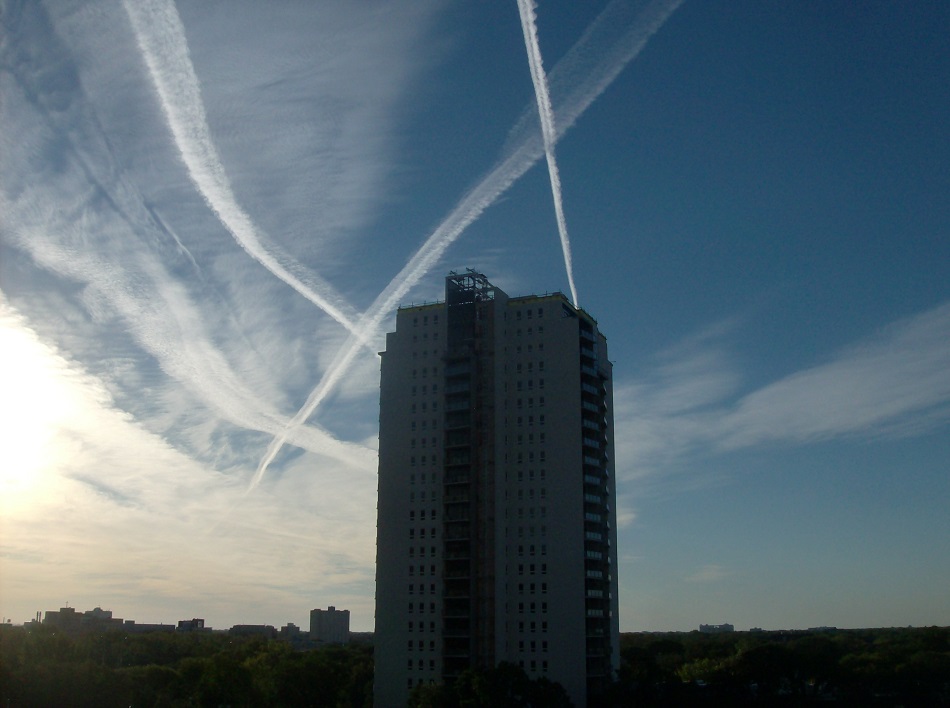
Senator Frank Niceley, during a hearing for the bill last month, told colleagues, “This will be my wife’s favorite bill of the year. She has worried about this, I bet, ten years. It’s been going on a long, long time.” Niceley referenced the criss-cross of contrails that could be seen in the skies on some days, adding, “For years they denied they were doing anything.

 The MarkoZen Blog