The Pigeons Who Took Photos

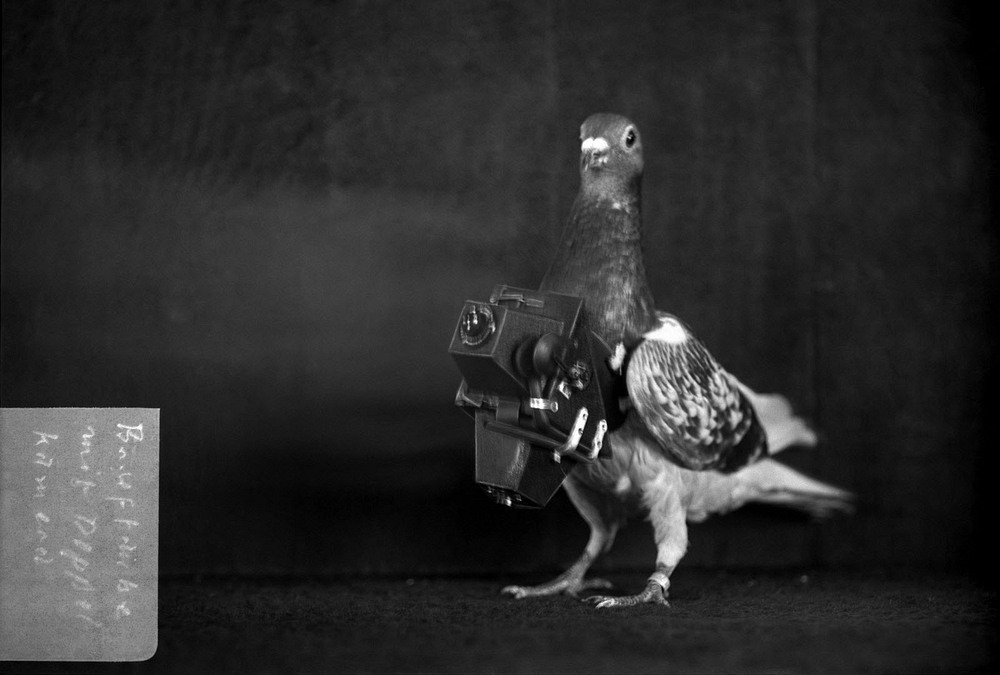
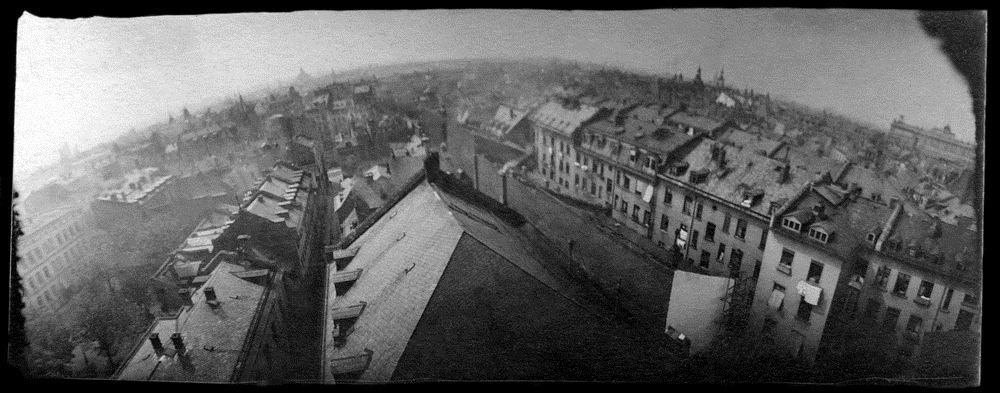
At the turn of the last century, when aviation was still in its infancy, a German named Julius Neubronner submitted a patent for a new invention—a miniature camera that could be strapped to the breast of a pigeon so that the bird could take flight and snap pictures from the air.

Julius Neubronner was an apothecary who employed pigeons to deliver medications to a sanatorium located near his hometown Kronberg, near Frankfurt. An apothecary is one who makes medicines. A pharmacist is a more modern word, but in many German speaking countries, such as Germany, Austria and Switzerland, pharmacies are still called apothecaries.
neubronner-pigeon-photography-12

Apothecary was Julius Neubronner’s family profession. His father was an apothecary, and so was his grandfather. In those days, homing pigeons were used extensively to carry messages and small supplies. It was Julius’s father’s idea to use pigeons to receive prescriptions from the sanatorium and send out medicinal supplies in a hurry—a practice that continued for more than half a century until the sanatorium closed.

One day, Neubronner let out a pigeon on an urgent errand but it didn’t return. When several days passed and there was still no sign of the bird, Neubronner assumed the pigeon was lost, or it got caught and killed by predators. A month later, the lost messenger showed up unexpectedly at Neubronner’s place. The bird appeared well fed, which got Neubronner into thinking. Where had he gone? Who had fed him?

Neubronner decided that he would start tracking his pigeons’ future travels.
julius-neubronner

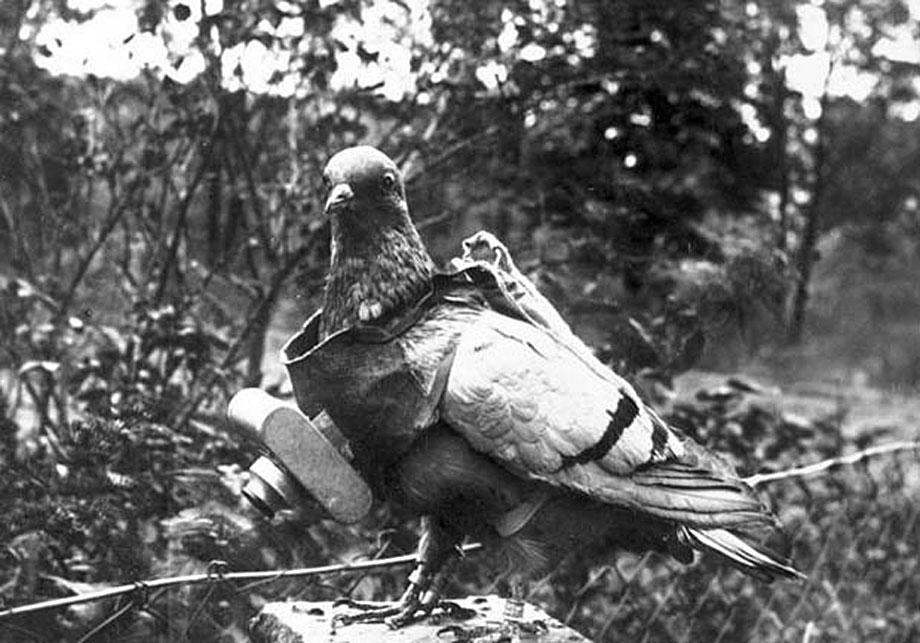
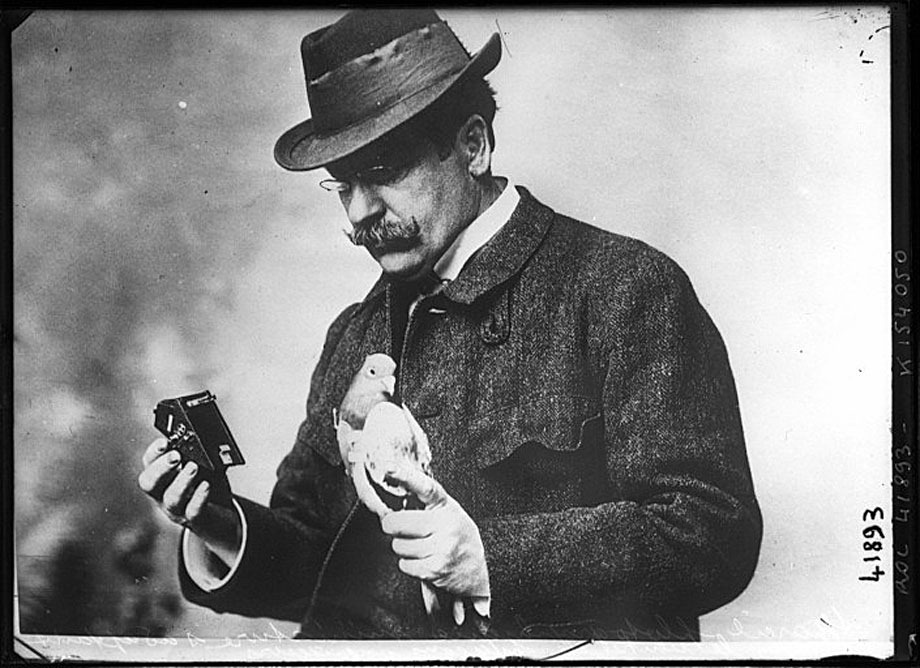
Julius Neubronner with one of his pigeons.

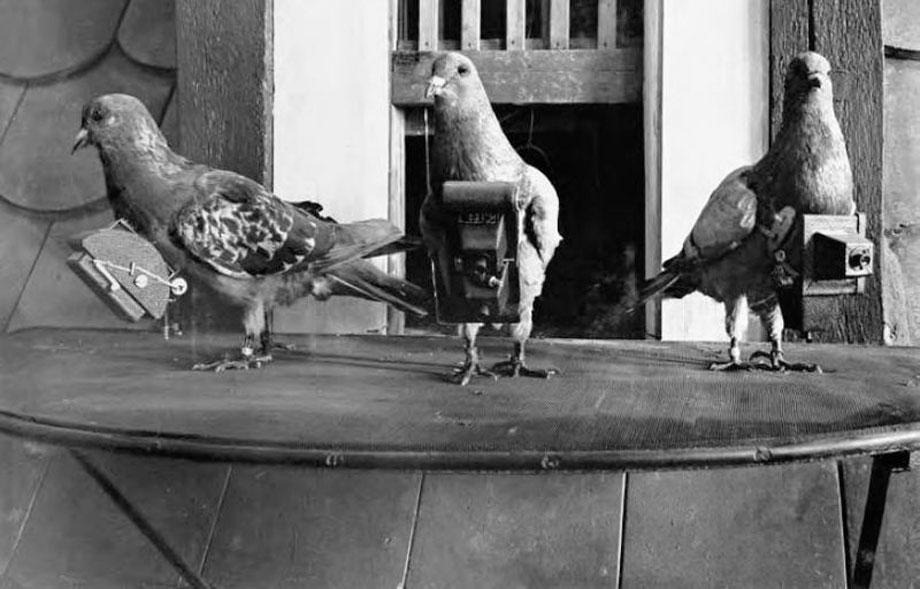
Being a passionate do-it-yourself amateur photographer, it didn’t take long for Neubronner to fashion a miniature wooden camera which he fitted to the pigeon’s breast by means of a harness and an aluminum cuirass. A pneumatic system in the camera opened the shutter at predetermined intervals and the roll of film, which moved along with the shutter, took as many as thirty exposures in a single flight. The entire rig weighed no more than 75 grams—the maximum load the pigeons were trained to carry.

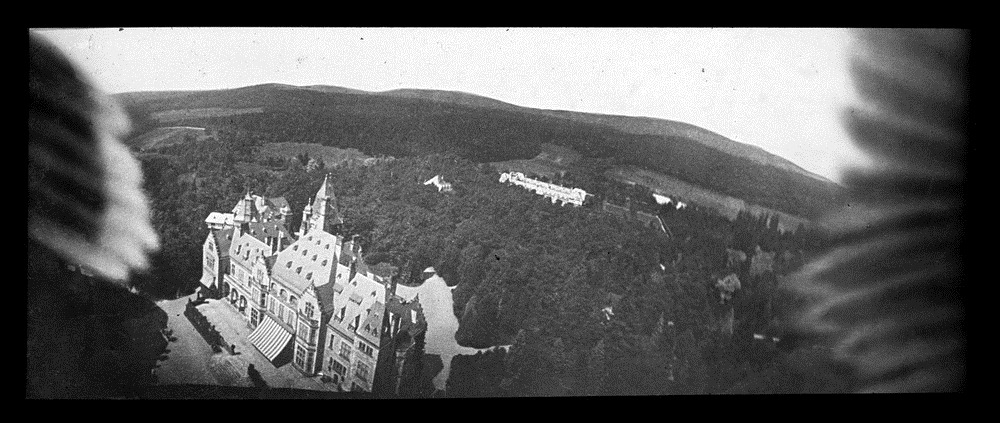
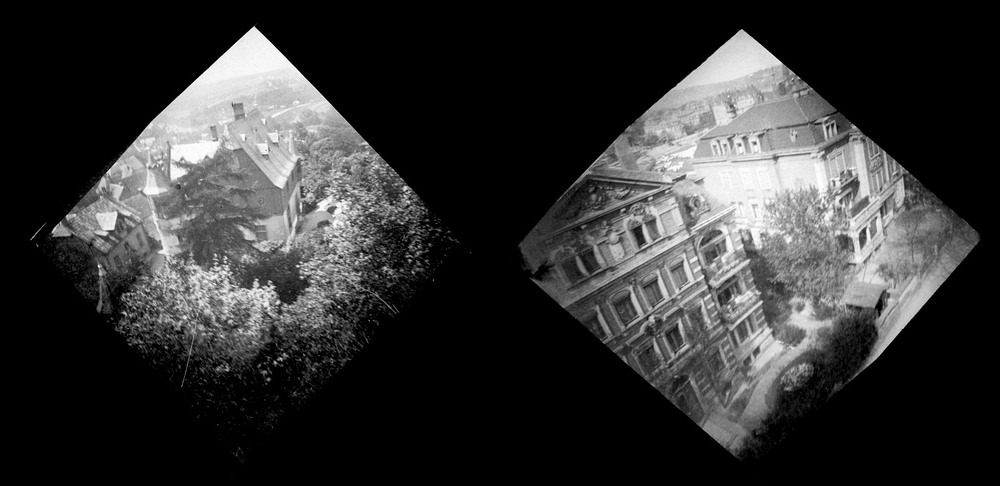
The pictures turned out so good that Neubronner started making different models. One system, for instance, was fitted with two lenses pointing in opposite directions. Another one took stereoscopic images. Eventually, Neubronner applied for a patent, but the patent office threw out his application citing that such a device was impossible as they believed a pigeon could not carry the weight of a camera. But when Neubronner presented photographs taken by his pigeons, the patent was granted in 1908.
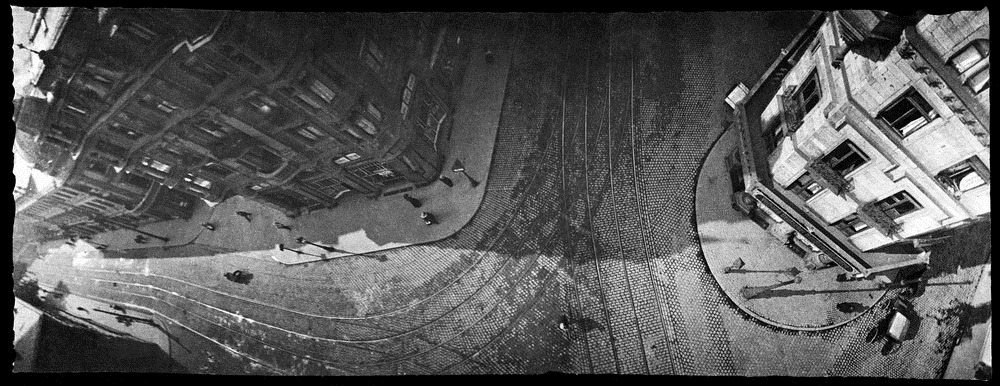
neubronner-pigeon-photography-3

Aerial photograph of Frankfurt.

neubronner-pigeon-photography-9

Aerial photograph of Schlosshotel Kronberg.
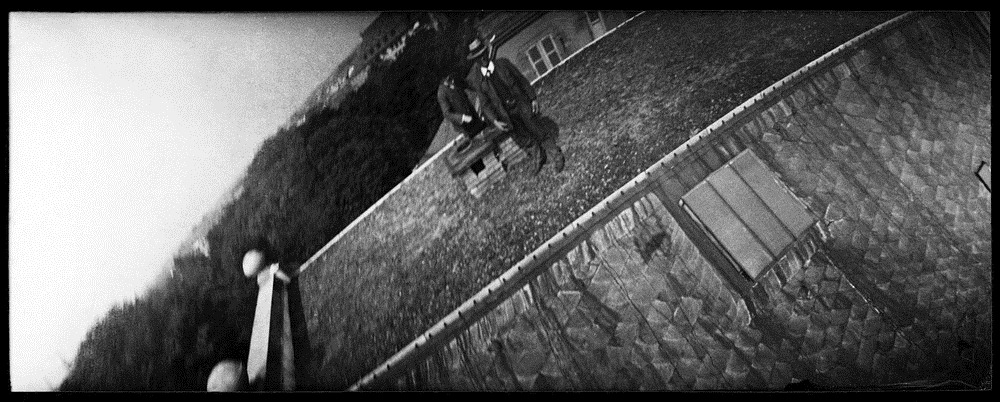
neubronner-pigeon-photography-4

Neubronner exhibited his photographs in several international photographic exhibition gaining him accolades. In one such exhibition in Dresden, spectators watched as the camera-equipped carrier pigeons arrived at the venue, and the photos were immediately developed and turned into postcards which they could purchase.

The technology was soon adapted for use during the First World War, despite the availability of surveillance aircraft then. Pigeons drew less attention, could photograph enemy locations from a lower height, and were visibly indifferent to explosions on a battlefield.

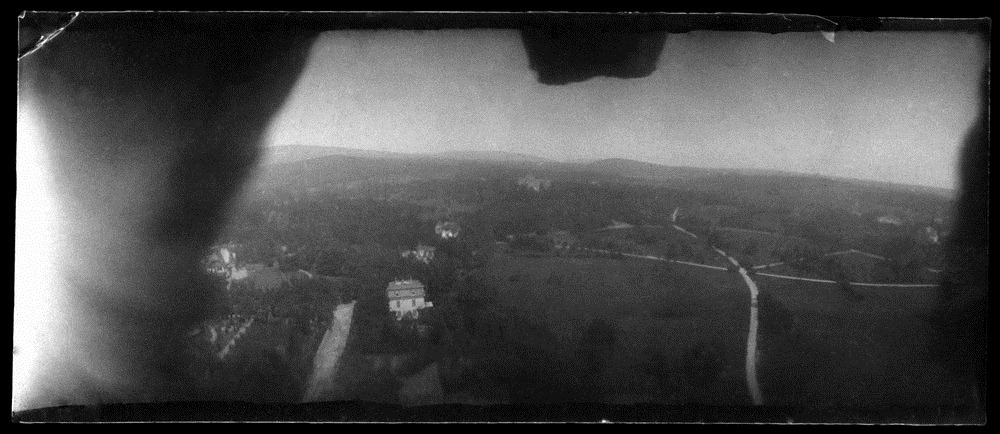
Neubronner’s avian technology saw use in the Second World War too. The German army developed a pigeon camera capable of taking 200 exposures per flight. The French too claimed they had cameras for pigeons and a method to deploy them behind enemy lines by trained dogs. Around this time, Swiss clockmaker Christian Adrian Michel perfected a panoramic camera and an improved mechanism to control the shutter. Pigeon photography was in use as late as the 1970s, when the CIA developed a battery-powered pigeon camera, though the details of the camera’s use are still classified.
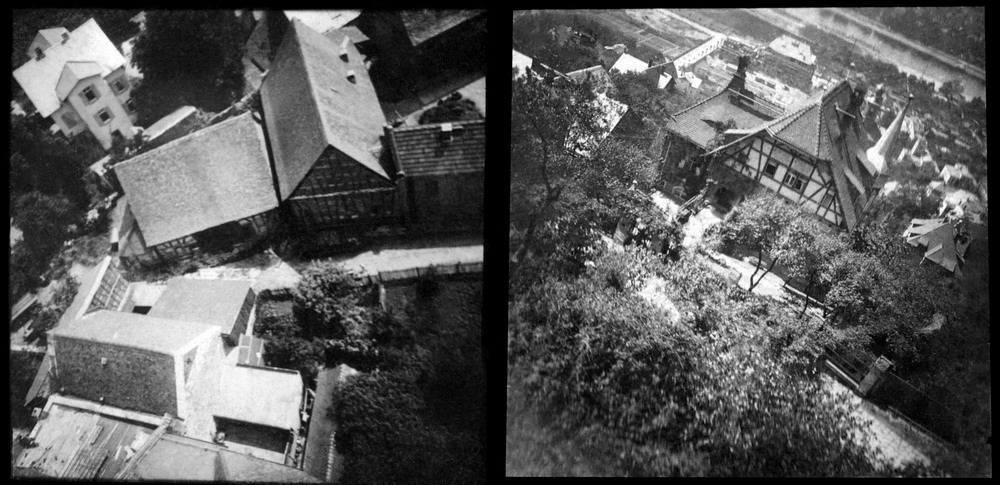
neubronner-pigeon-photography-21

Aerial photographs of Dresden.

neubronner-pigeon-photography-22

Today, aerial photography has been replaced by aircrafts, satellites, and more recently, by affordable drones. But the legacy of Julius Neubronner’s pigeon photography lives on in these images which are among the very early photos taken of Earth from above.

Bonus fact: So what happened to Neubronner’s pigeon who stayed away from the owner for a month and returned fattened up? It had flown away to Wiesbaden, some twenty kilometers away, and was taken care of by a restaurant chef.
neubronner-pigeon-photography-5
neubronner-pigeon-photography-10
neubronner-pigeon-photography-14
neubronner-pigeon-photography-15

Insect Photo Competition

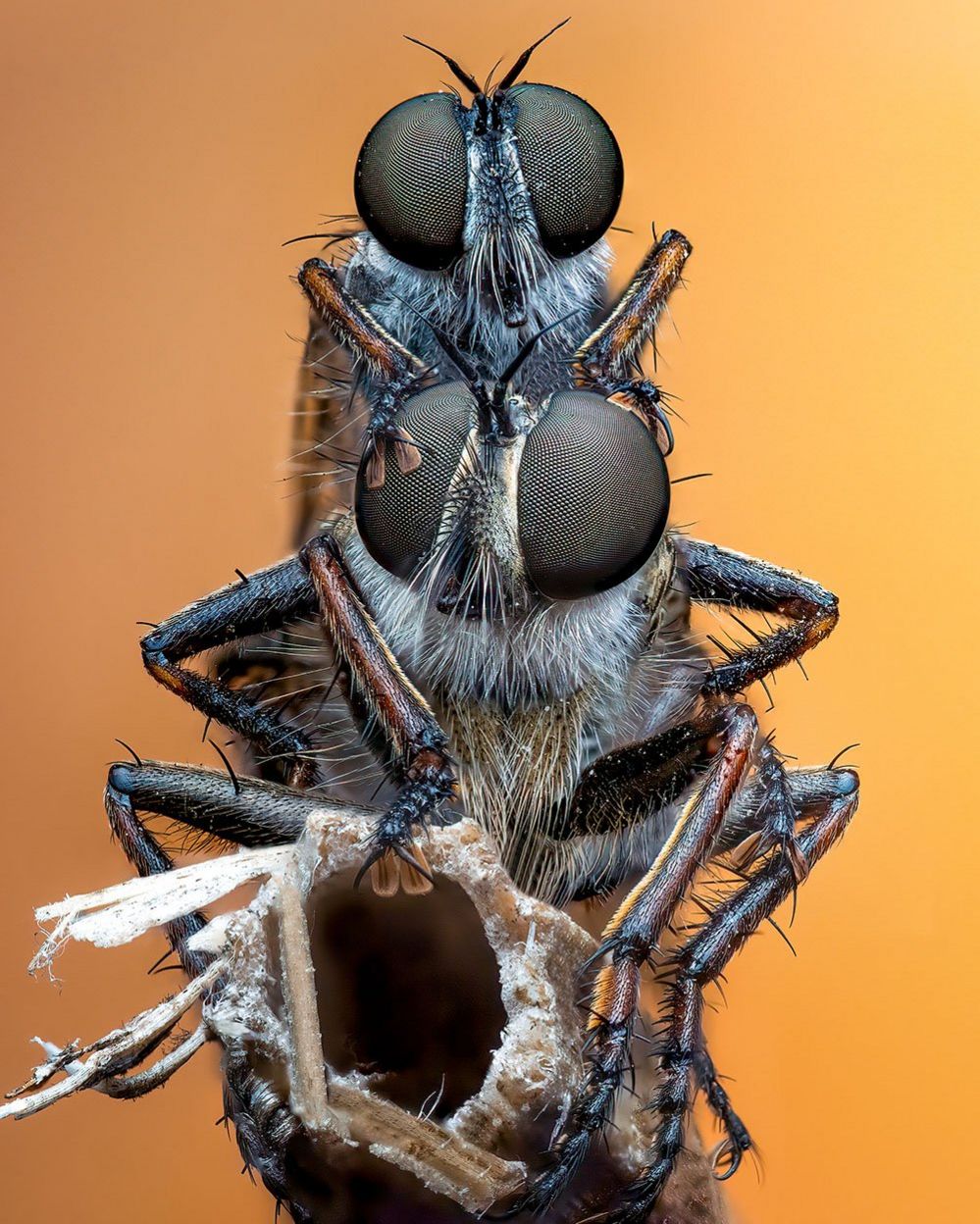
A photograph of a mating pair of golden-tabbed robber flies, entitled It Takes Two by Pete Burford from Shrewsbury, has been crowned overall winner of the Royal Entomological Society Insect Week competition.

Mating pair of golden-tabbed robber flies
Image caption,Pete Burford’s winning image of golden-tabbed robber flies.

The annual amateur competition attracted more than 700 entries from 34 countries, with a total of 24 images receiving commendations this year.

Mr Burford took up macro photography during lockdown and publishes his work on Instagram and TikTok.

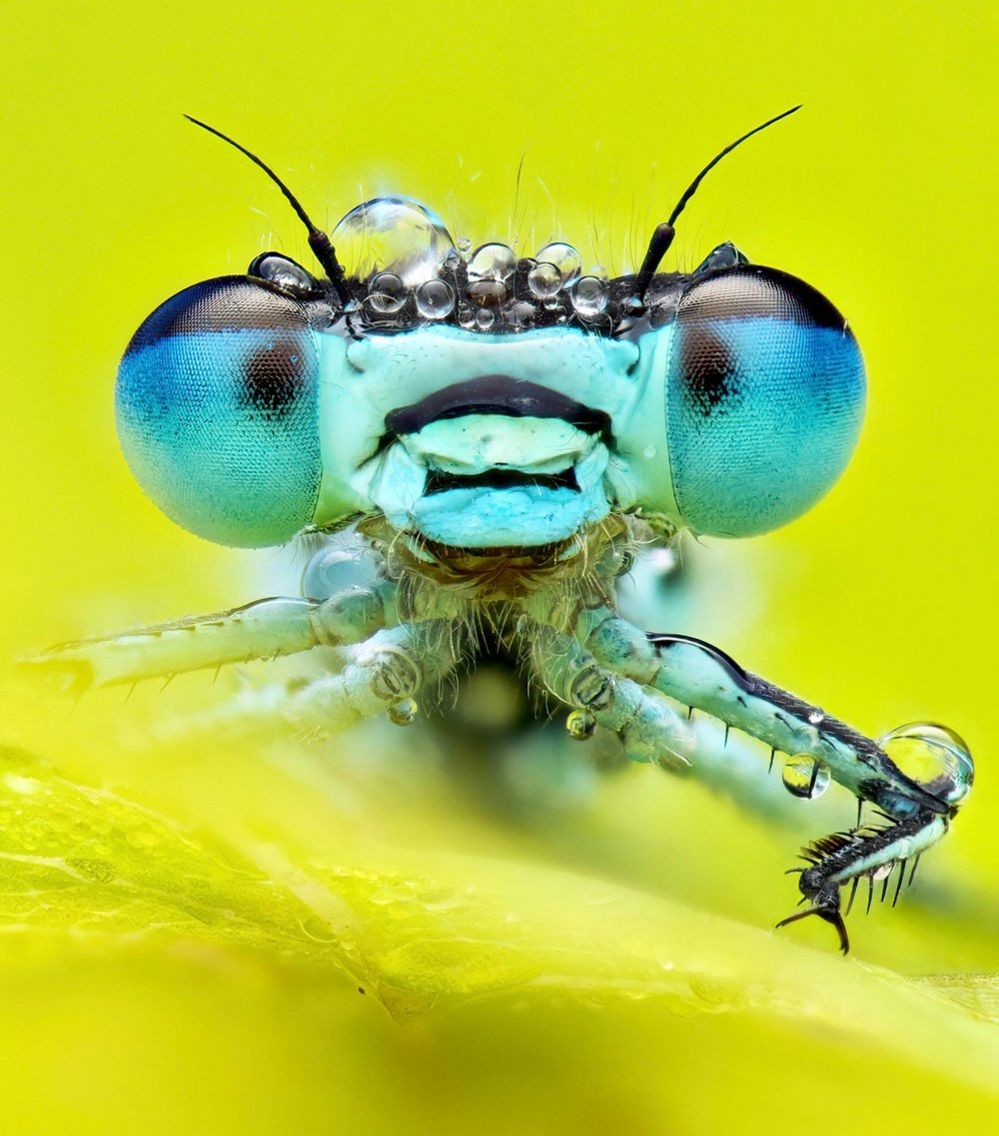
Gustav Parenmark, 16, from Sweden, won the under-18 category with a picture of a blue-tailed damselfly, entitled Fresh Out Of The Shower.

A blue-tailed damselfly
Image caption,Gustav Parenmark won the under-18 award with his image.

“Each year this competition becomes more difficult to judge as the standard of amateur insect photography continues to improve,” said Tim Cockerill, head judge and senior lecturer at Falmouth University.

“Interest in insects, in all their fascinating glory, is increasing as we begin to better understand the role insects play in our lives, and the role humans must play in theirs.”

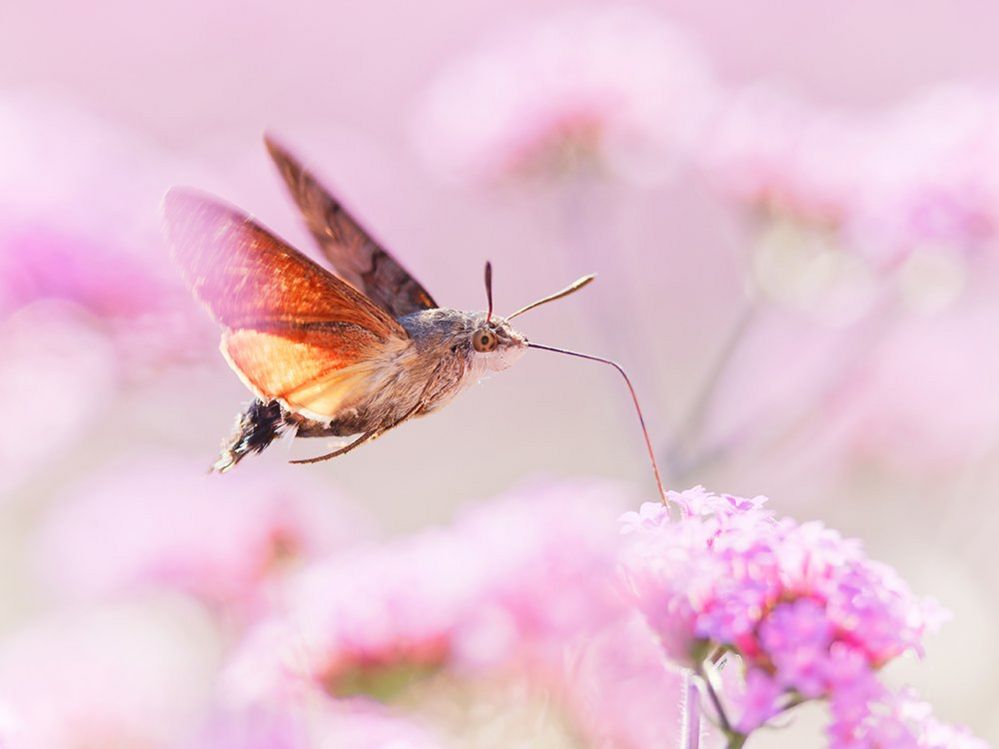
Marc Brouwer’s picture of a hummingbird hawk moth was awarded second place in the over-18 category.

Hummingbird hawk moth
Image caption,Marc Brouwer’s snap of a hummingbird hawk moth.

Organised by the Royal Entomological Society, Insect Week runs from 19 to 25 June and you can find out more details or enter the new photographic competition on their website.

This is a selection of the pictures that caught the judges’ eye.

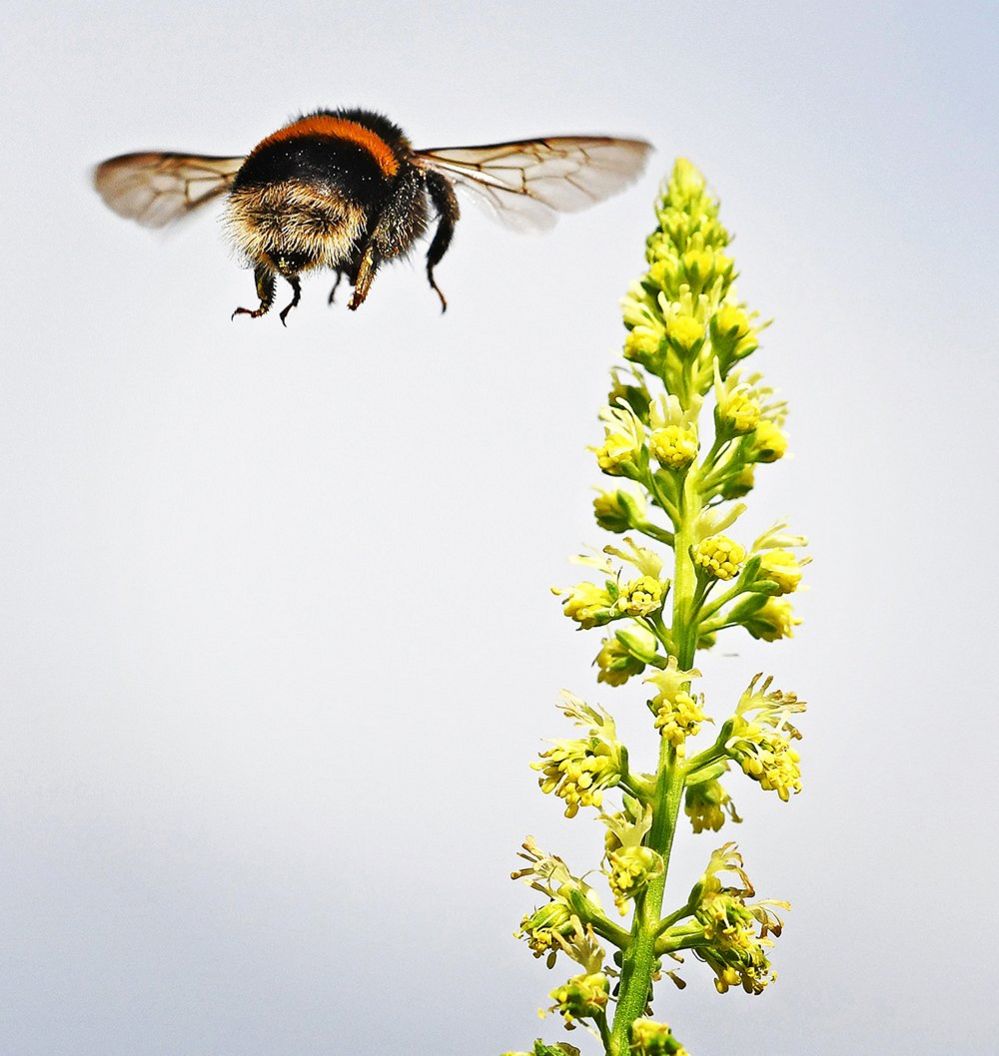
Bumble bee
Image caption,Raymond J Cannon captured a common bumble bee in flight.
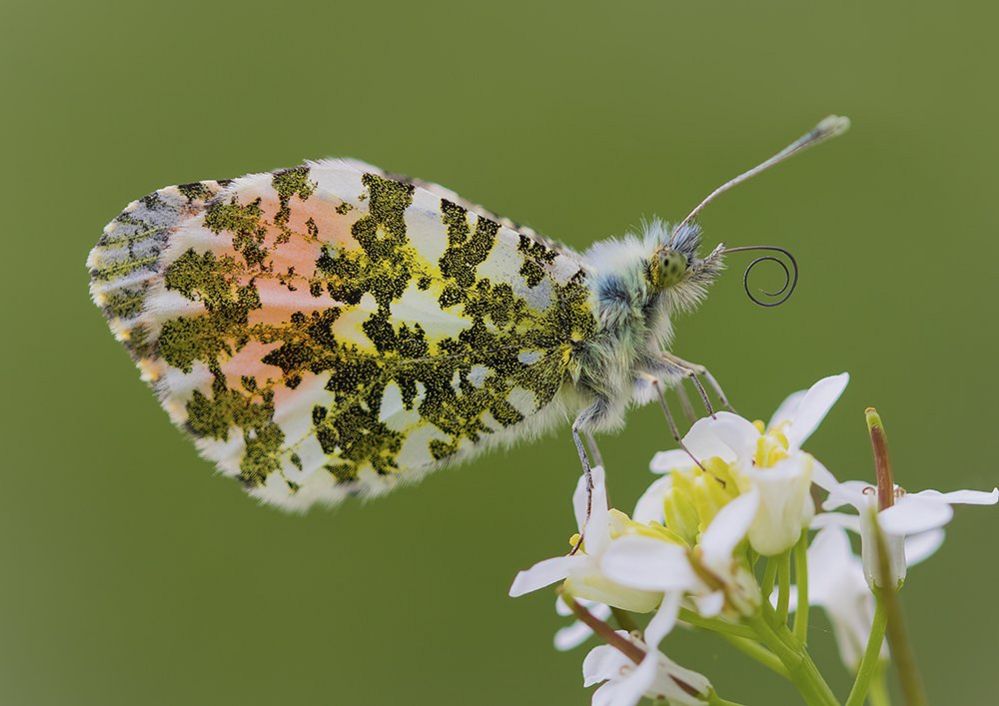
Orange Tip butterfly
Image caption,Sarah Perkins photographed an orange-tip butterfly backlit by the afternoon sun.
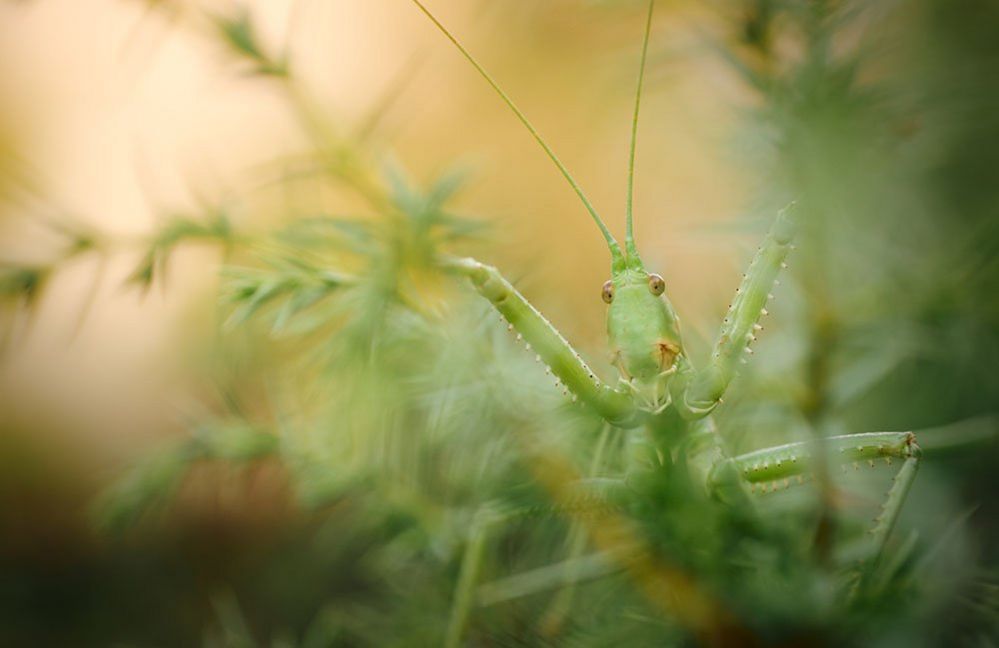
Low angle shot of a Saga hellenica
Image caption,This low angle shot of a saga hellenica bush cricket was taken by Panagiotis Dalagiorgos.
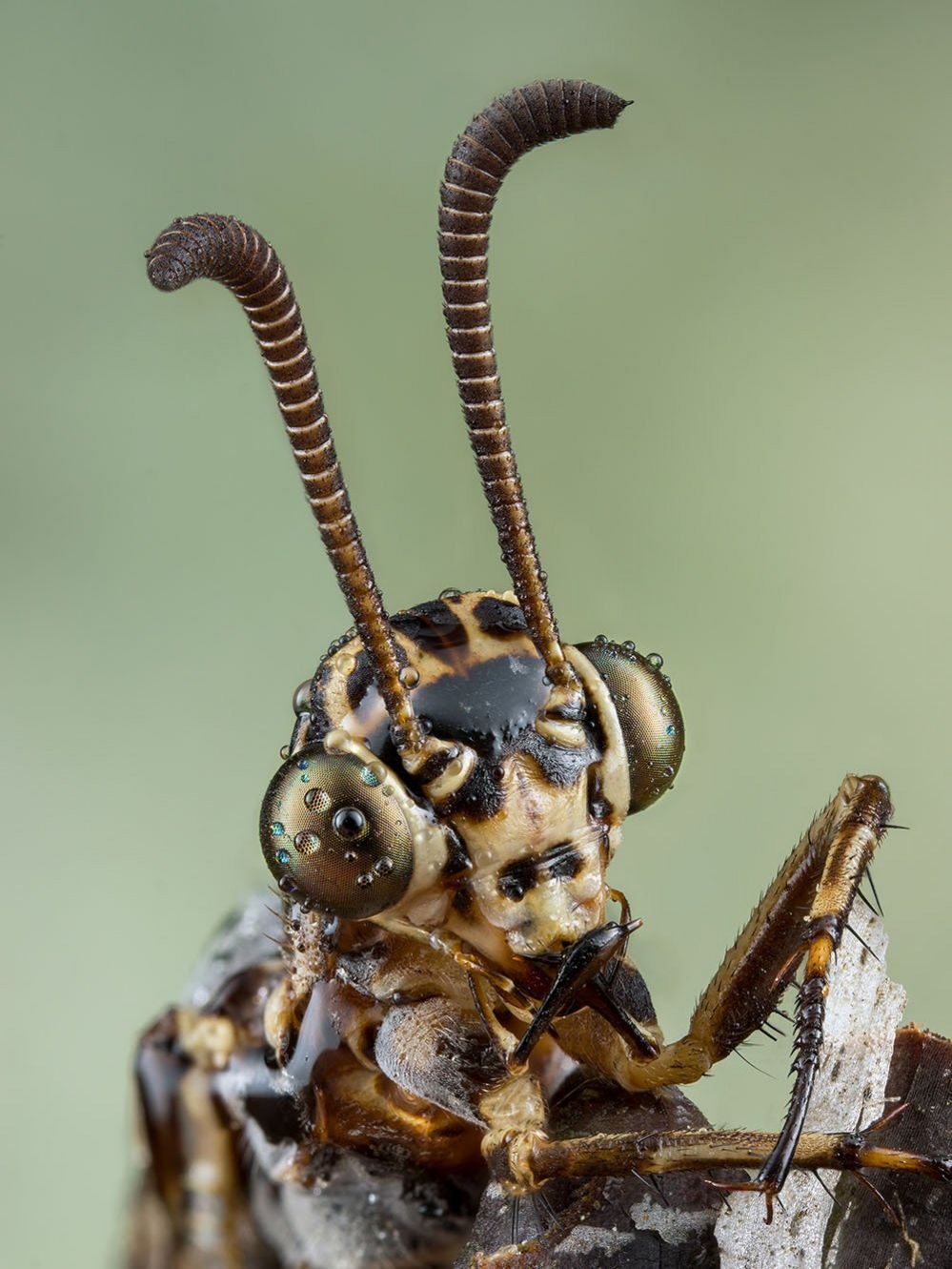
An ant lion
Image caption,Dennis Teichert said: “This beautiful ant lion was found late at night after a rain storm.”
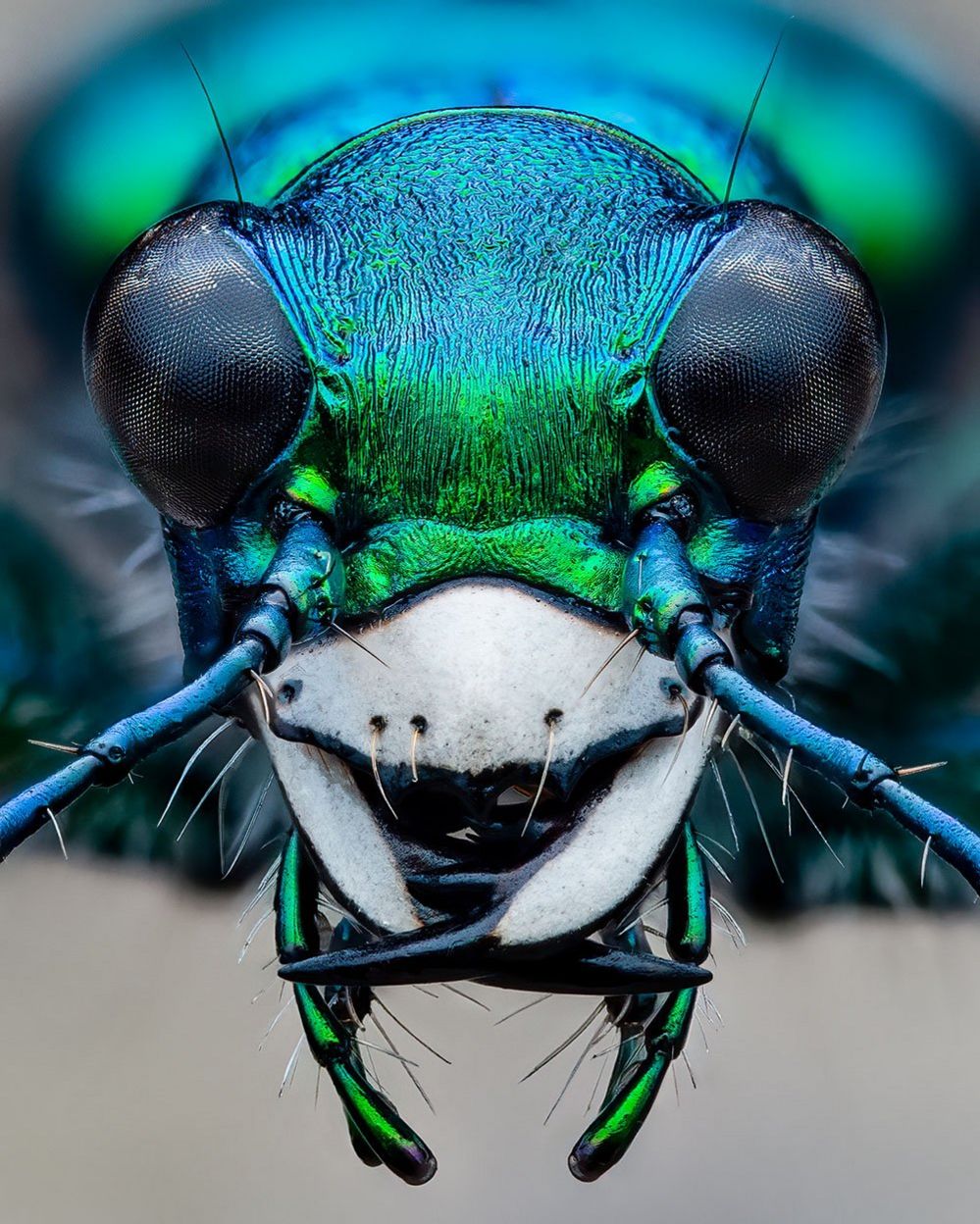
Six-Spotted Tiger Beetle
Image caption,A six-spotted tiger beetle photographed by Benjamin Salb.
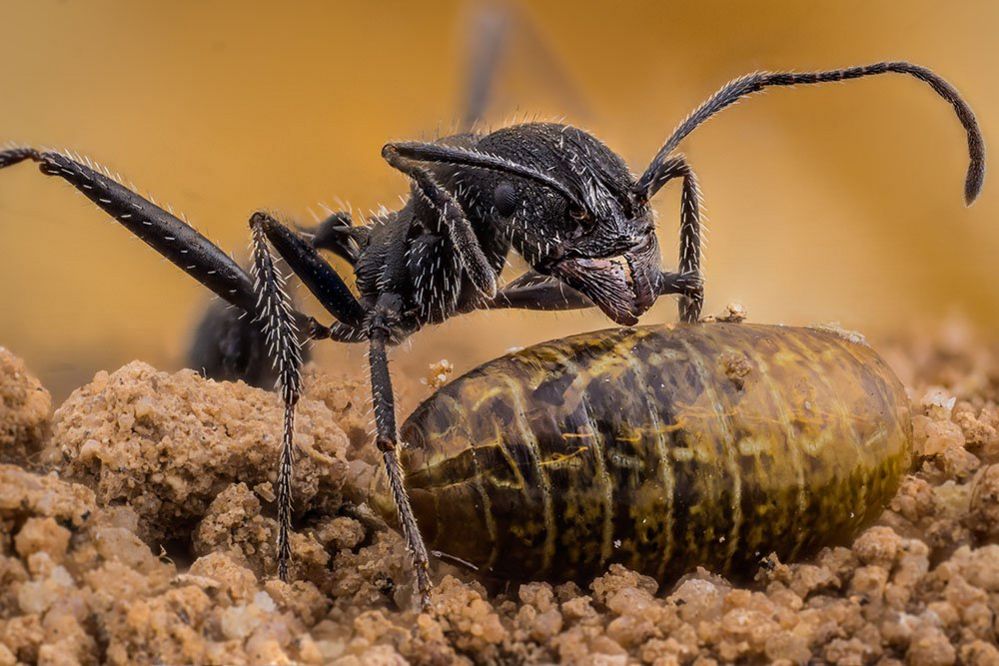
Aphaenogaster Iberica
Image caption,Ángel Plata photographed an Aphaenogaster iberica: “As the name suggests, this ant is native to the Iberian Peninsula, but also Morocco.”
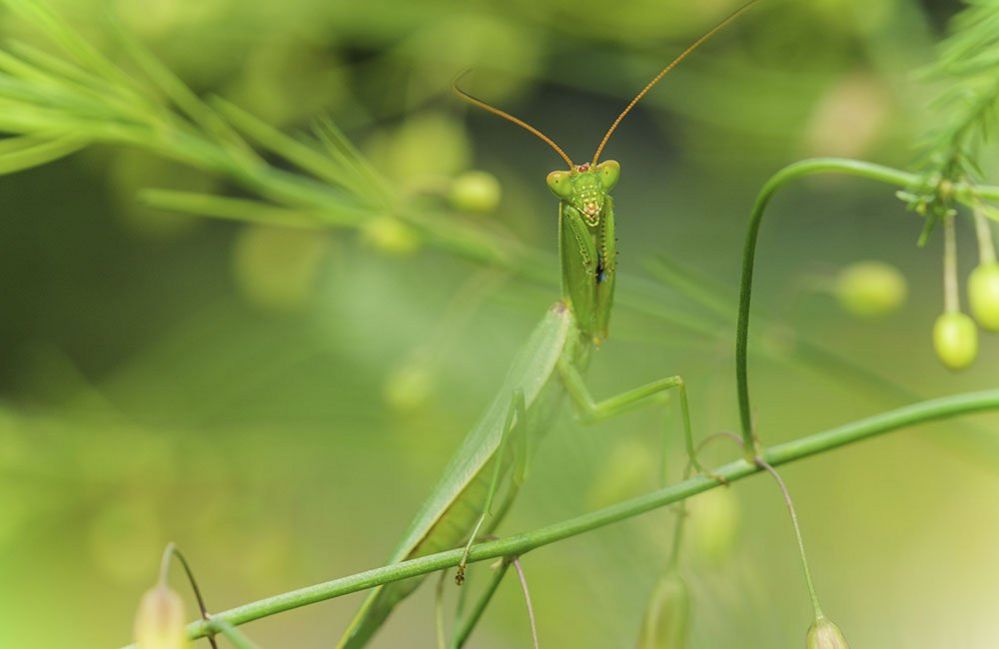
New Zealand Praying Mantis
Image caption,Rosa Dunbar, 17, was awarded second place in the under-18 category for this picture of a New Zealand praying mantis.
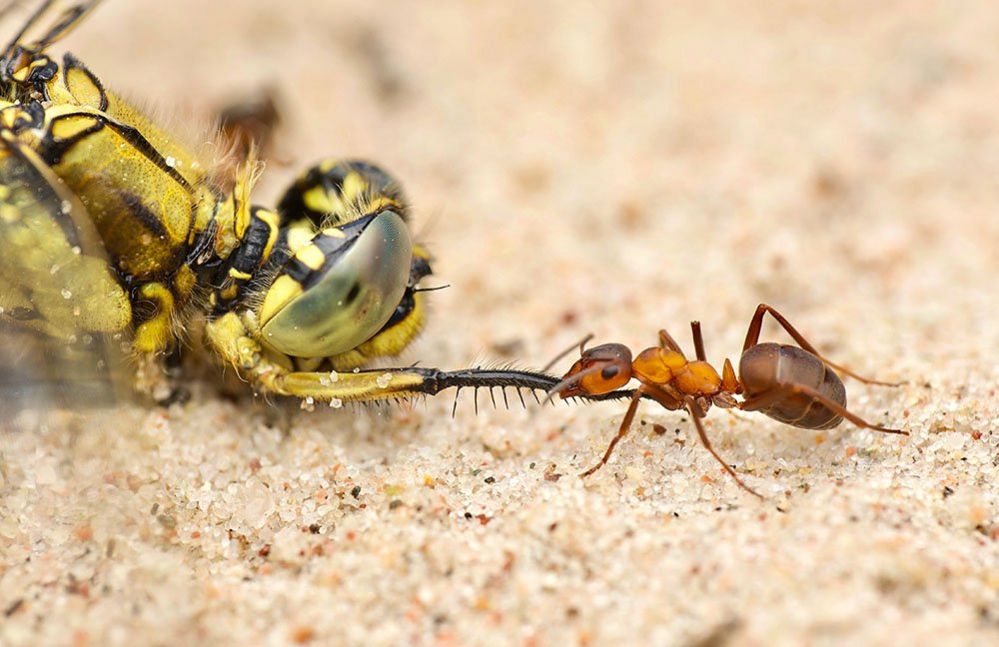
An ant wrestles with its prey
Image caption,Gustav Parenmark, 16, entitled this picture Tug of War.

Shark Attacks


A diver has died after being attacked by a shark in front of his daughter, off the Tasmanian coast in Australia. The pair were collecting scallops near the town of Triabunna on Saturday morning when the attack happened.

The woman returned to their boat with the shellfish, but became concerned after her father, who was in his late 40s, did not resurface. She jumped back into the water to check on him and saw him being mauled by “a very large shark”, according to police.

“She immediately returned to the surface where she raised the alarm through setting off a flare and by making an emergency phone call,” said Tasmania Police Inspector David Wiss.

sharkattack_1778841a


Earlier sighting

Sailors in the area rushed to the scene and hauled the man from the sea using the air line he was attached too.

But his injuries were too severe and he was pronounced dead.

sharkx

The term shark attack is used to describe an attack on a human by a shark. Every year around 75 attacks are reported worldwide. Despite their relative rarity, many people fear shark attacks after occasional serial attacks, such as the Jersey Shore shark attacks of 1916, and horror fiction and films such as the Jaws series. Out of more than 480 shark species, only three are responsible for two-digit number of fatal unprovoked attacks on humans: the great white, tiger and bull; however, the oceanic whitetip has probably killed many more castaways, not recorded in the statistics.

shark

sharkx1

Guy on a Buffalo

Buffalo Rider is a 1976 American Western film co-directed by John Fabian, George Lauris and Dick Robinson. The films character of Buffalo Jones bears no relation to Charles “Buffalo” Jones who the producers did not know existed until years after.

Buffalo Rider Tells the story of a man named Buffalo Jones with Rick Guinn playing the role of Jones. Jones is depicted as a loner who tames and rides a buffalo and hunts down murderous buffalo hunters.

In 2011, the Austin-based band The Possum Posse created “Guy on a Buffalo”, a narrated song set to clips from the movie Buffalo Rider.

India puts Gujarat lions on trial after three people killed  

asia2

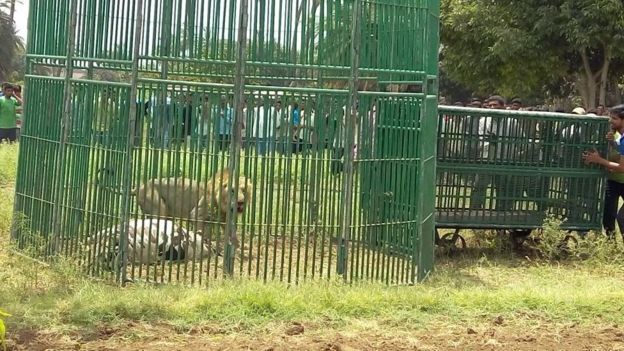
Officials in India have “arrested” 18 lions as they try to find a man eater suspected of killing three people.

Forest officials in Gujarat state will test the lions’ prints and excrement in an attempt to identify the killer.

The “guilty lion” will be kept in a zoo for life while the others will be released back into the Gir sanctuary, the officials told BBC Hindi.

Six attacks on humans have been reported recently near the sanctuary, the only habitat of the Asiatic lion.

Gujarat’s top forest official, JA Khan, said that the lions had been “arrested” over the past two months and were now being held in separate cages while tests were carried out.

“We think we have pinpointed the guilty lion, but we are still awaiting the results of nine more animals,” he said.

asia

Innocent lions will be released back into the Gir forest

Wildlife expert Ruchi Dave told the BBC that the “tests” involved studying the pug marks and faecal matter of the lions.

“The officials are also studying the animals’ behaviour. Man eating lions usually get aggressive at the sight of a human being,” she said.

Another wildlife expert Revtubha Raizada said the man-eating lion would be caged for the rest of its life, as it was too unsafe to release it back into the wild.

Some experts feel that the thriving lion population in Gir forest is to blame for the “unusual” behaviour by the lions.

Govind Patel, the former chief wildlife warden of Gujarat, told the Indian Express newspaper that Gir could accommodate only 270 lions, forcing some prides to settle outside the boundaries of the sanctuary.

India’s Supreme Court has ruled that Gujarat needed to relocate some of its lions to other states to avoid the possibility of disease or other disaster wiping out the entire population.

However the state has expressed reluctance and has not yet complied with the order.

asia1

Six cases of lions attacking humans have been recently reported near the Gir forest

The Asiatic lion (Panthera leo persica), also known as the Indian lion or Persian lion, is a lion subspecies that exists as a single population in India’s Gujarat state. It is listed as Endangered by IUCN due to its small population size. Since 2010, the lion population in the Gir Forest National Park has steadily increased.

In May 2021, the 14th Asiatic Lion Census was conducted over an area of about 20,000 km2 (7,700 sq mi); the lion population was estimated at 523 individuals, comprising 109 adult males, 201 adult females and 213 cubs.

asiatic4

asiatic5

Asiatic lion at Gir Forest National Park.