Incredibly Rare Spotless Giraffe Born at Tennessee Zoo

An incredibly rare spotless giraffe was recently born at a zoo in Tennessee and the wondrous creature is believed to be the only one of its kind in the world. The remarkable animal was reportedly born in late July at Bright’s Zoo in the city of Limestone. In announcing the peculiar creature’s arrival on Monday, they marveled that “giraffe experts believe she is the only solid-colored reticulated giraffe living anywhere on the planet.” The zoo’s founder, Tony Bright, recalled that the animal’s uniqueness was apparent from the moment of its birth as it clearly sported a coat of brown fur rather than the characteristic pattern of spots seen on nearly every other creature of its kind.

Following the arrival of the surprising-looking animal, zoo director David Bright said they began contacting other facilities “all over the country” to gauge just how unusual the creature might be and the response that they repeatedly received from seasoned professionals was that nobody had seen such a giraffe before. In fact, the only other record of a spotless version of the animal born in captivity occurred at a Japanese zoo in the 1970s. The zoo also performed blood work on the creature to ascertain if there might be some kind of illness that caused her curious condition, but the results indicated that it was perfectly healthy and no different from another giraffe that had been born at the facility a few weeks earlier.

Now standing a whopping six-feet-tall after just a few weeks, the spotless giraffe has seemingly seamlessly adjusted to life within her herd as the zoo indicated that the creature is “thriving.” The circumstances surrounding the animal’s birth are actually rather fortuitous, Tony Bright mused, as “in the wild, they use those spots for camouflage.” so the creature would have faced something of a perilous life had it been born in the wild. The zoo has yet to settle on a name for the animal and have opened up the process to the public by way of a vote on their Facebook page wherein people can choose among the four options of Kipekee, Firyali, Shakiri, and Jamella with the winner being announced on Labor Day.

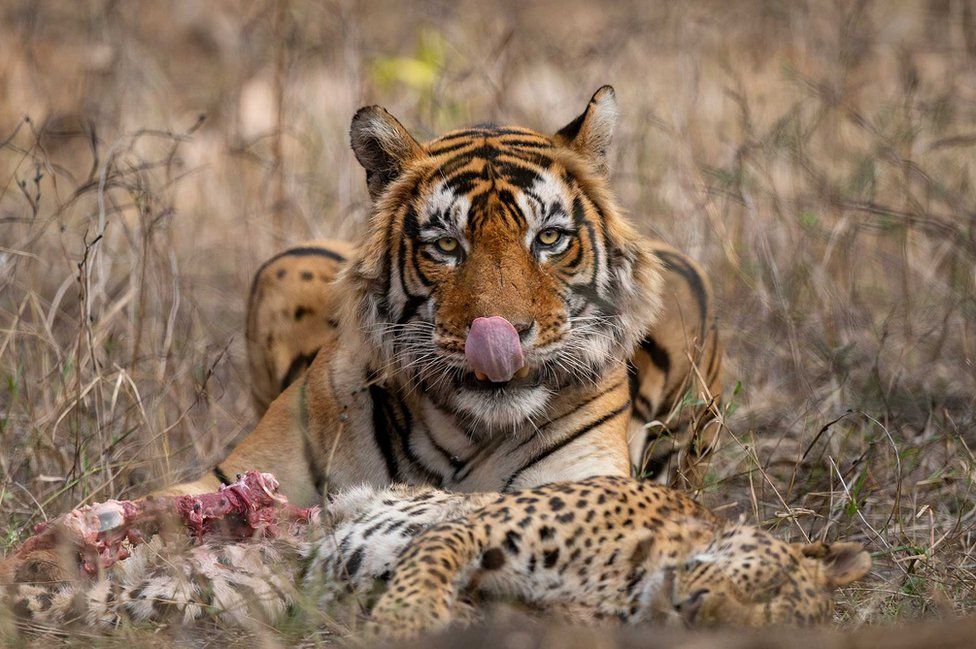
Dolphins, tigers and turtles in focus

A tiger in Ranthambore National Park, Rajasthan, India.
Image caption,A tiger eating a leopard in Ranthambhore National Park, Rajasthan, India. (Special Mention, Animal Behaviour)

Nature inFocus describes itself as “a photo-led exploration into India’s wilderness – a definitive platform for sharing stories and photography that enables relevant knowledge-sharing and curation for everything nature.” Its competition received 24,000 images from more than 1,500 entrants.

Winners are chosen in the categories of Animal Behaviour, Animal Portraits, Conservation Focus, Creative Nature Photography, Wildscape & Animals in Their Habitat and Photographer of the Year – Portfolio.

Here is a selection of the winning entries.

Animal Behaviour

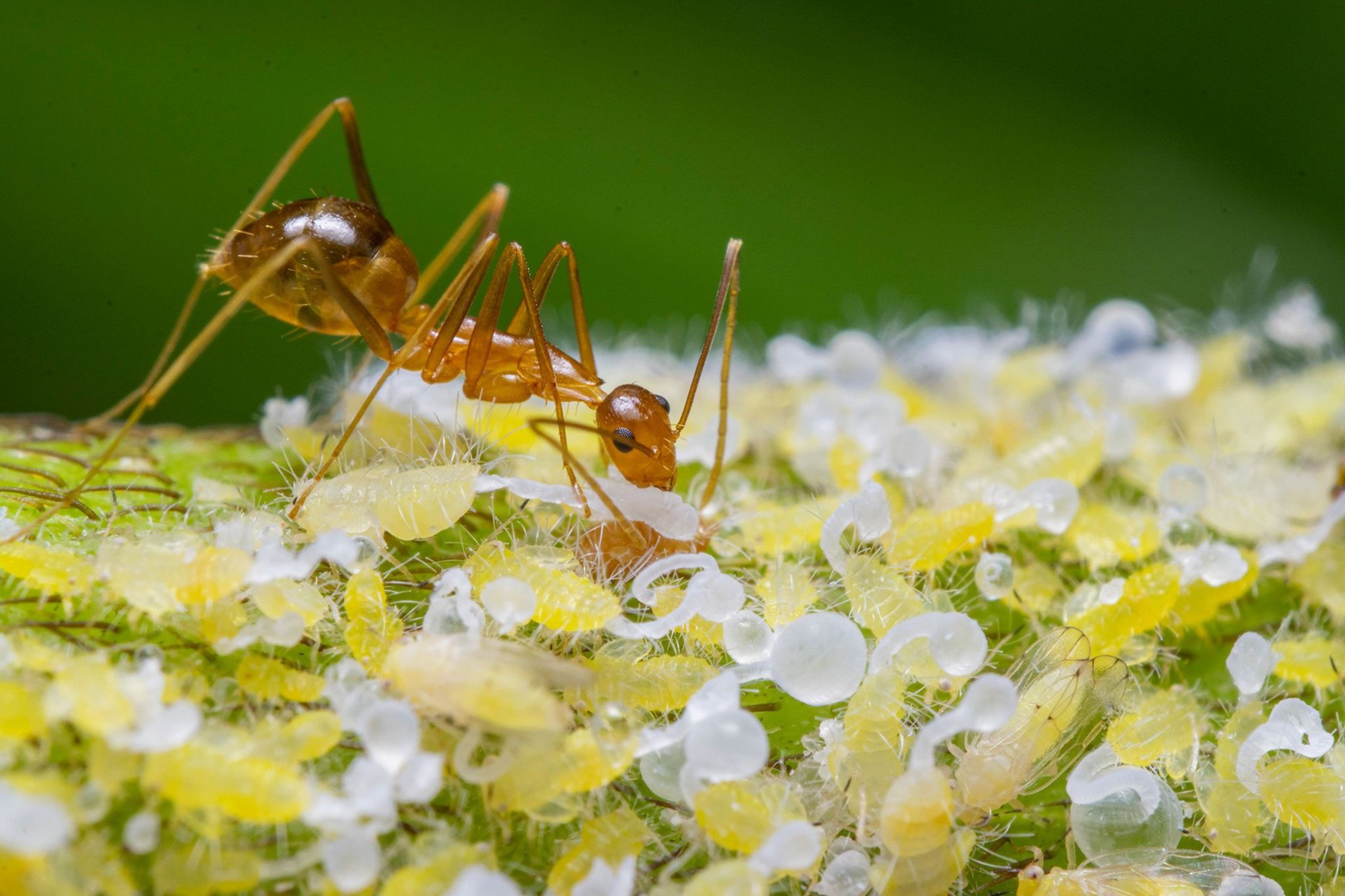
An ant and honeydew secreting aphids

Avinash PC triumphed for this shot of an ant and some honeydew-secreting aphids in Kannur, Kerala, India.

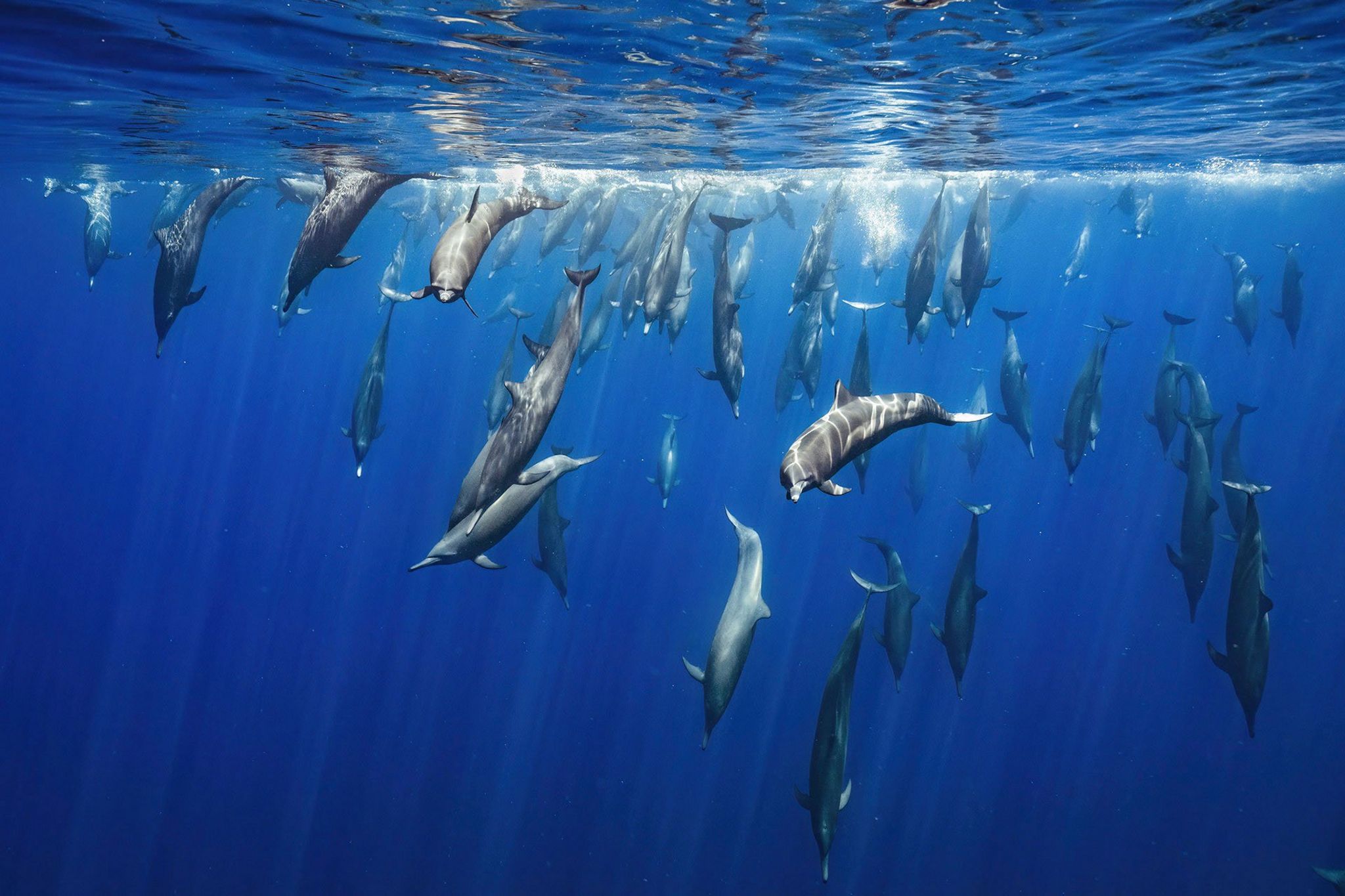
A pod of Spinner Dolphins dives back into the beautifully lit waters of the Pacific Ocean

A special mention went to Spanish photographer, Merche Llobera, for this image of a pod of spinner dolphins in the waters of the Pacific Ocean, near Costa Rica.

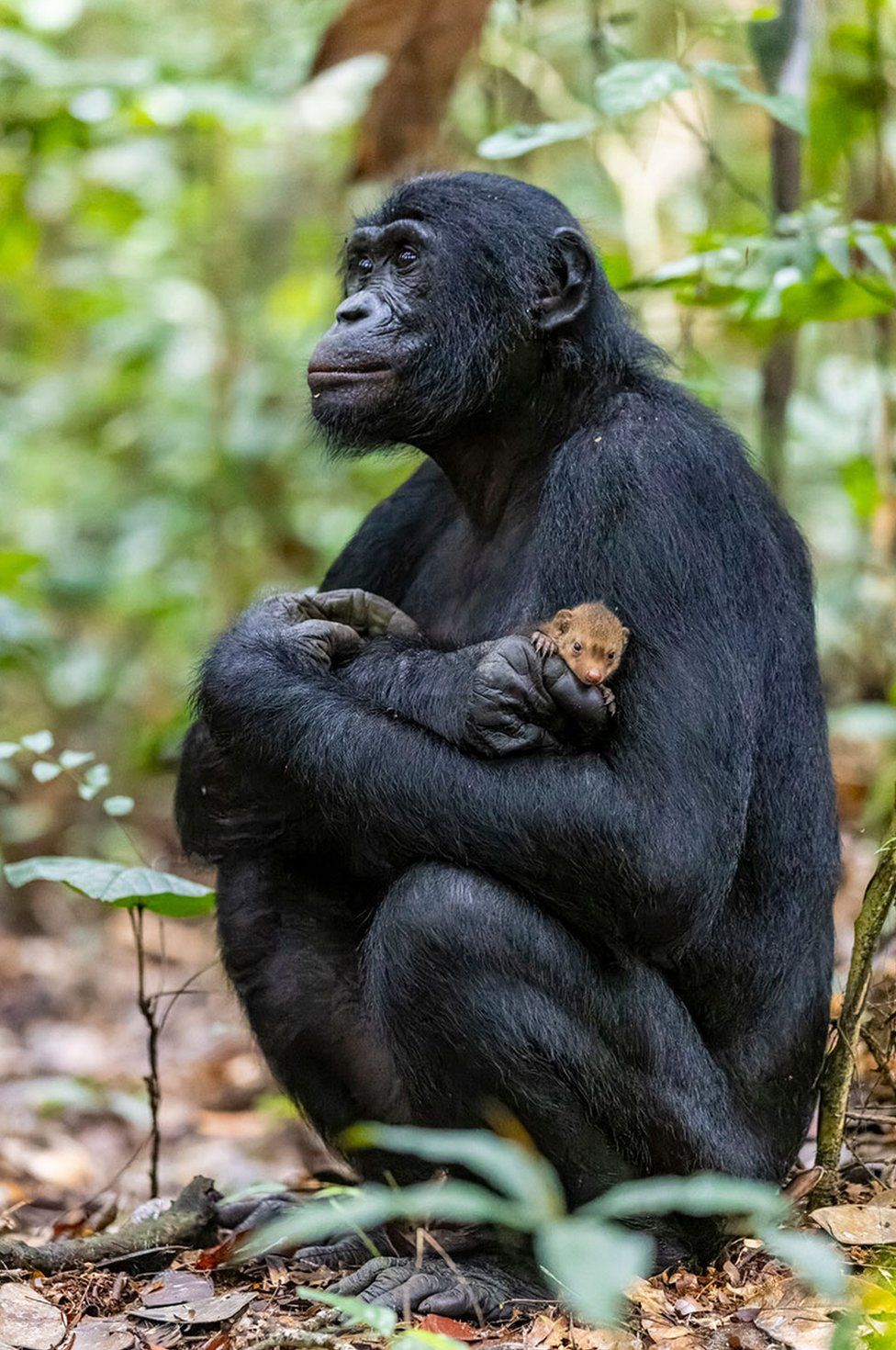
A bonobo holding a mongoose pup, LuiKotale, Near Salonga National Park, Democratic Republic of the Congo

Christian Ziegler’s image of a bonobo holding a mongoose pup was taken in LuiKotale, near Salonga National Park, Democratic Republic of the Congo.

The ape later released the animal unharmed.

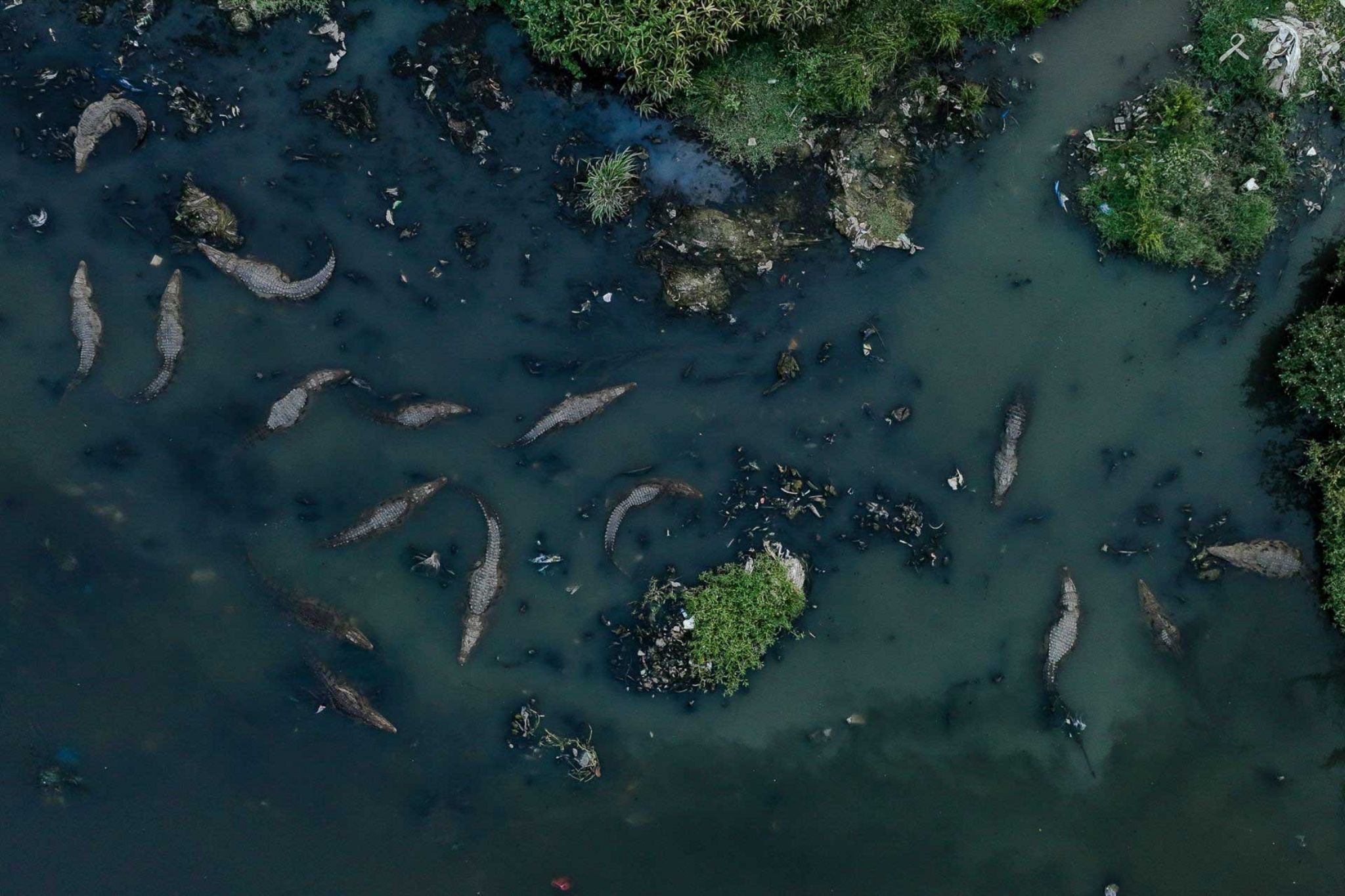
Crocodiles in a polluted river near Vadorara in Gujarat, India

Hiren Pagi’s photograph aims to highlight the conditions in which crocodiles coexist with humans.

The river, near Vadorara, Gujarat, India, has become cluttered with rubbish, causing a threat to their habitat and polluting the water.

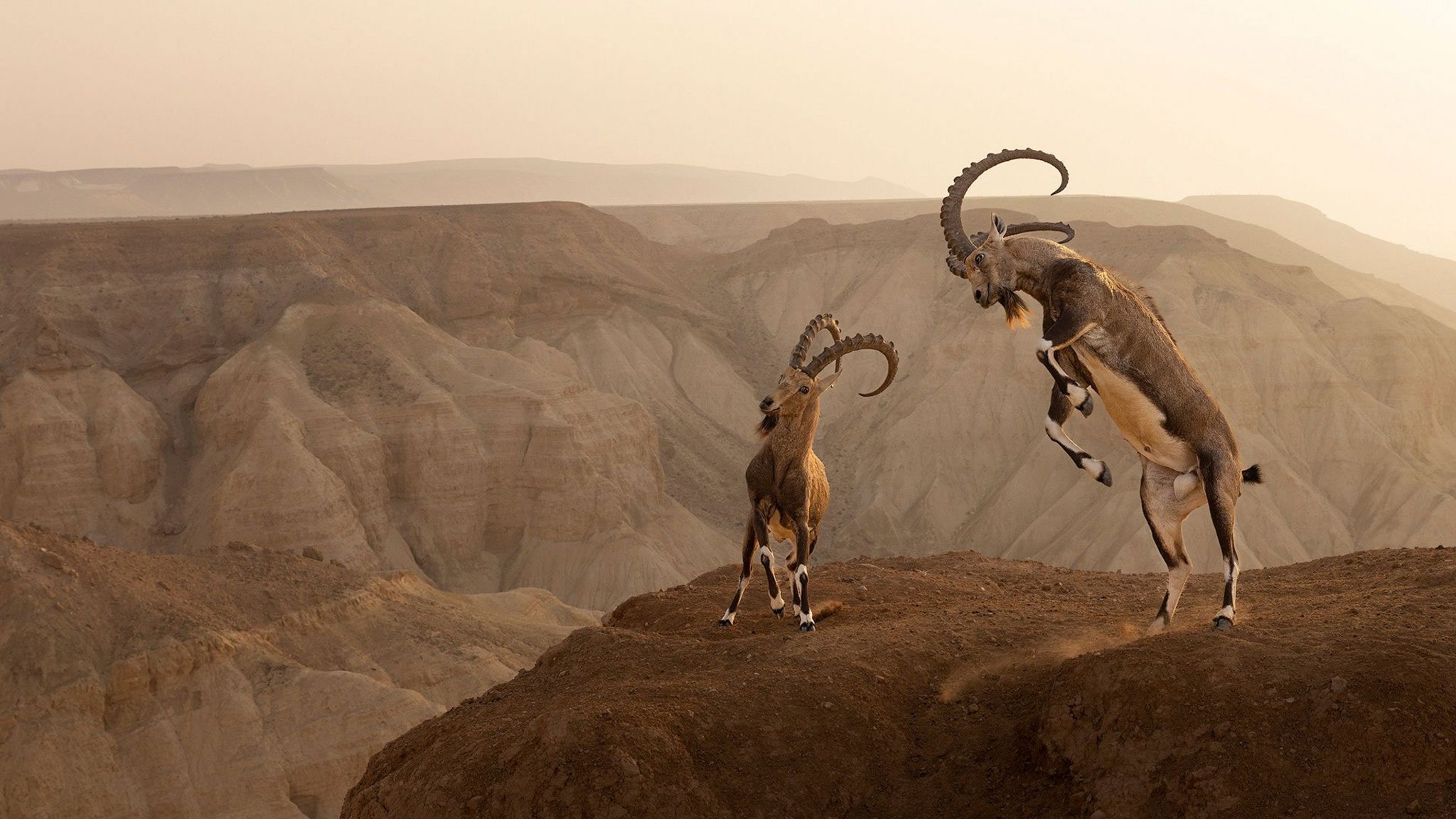
Nubian Ibexes show horns in a display of dominance

For Nubian Ibexes, the high-altitude rocky terrains are home.

Displays of dominance begin with showing off their impressive horns, captured in this shot by Amit Eshel in the Zin Desert, Israel.

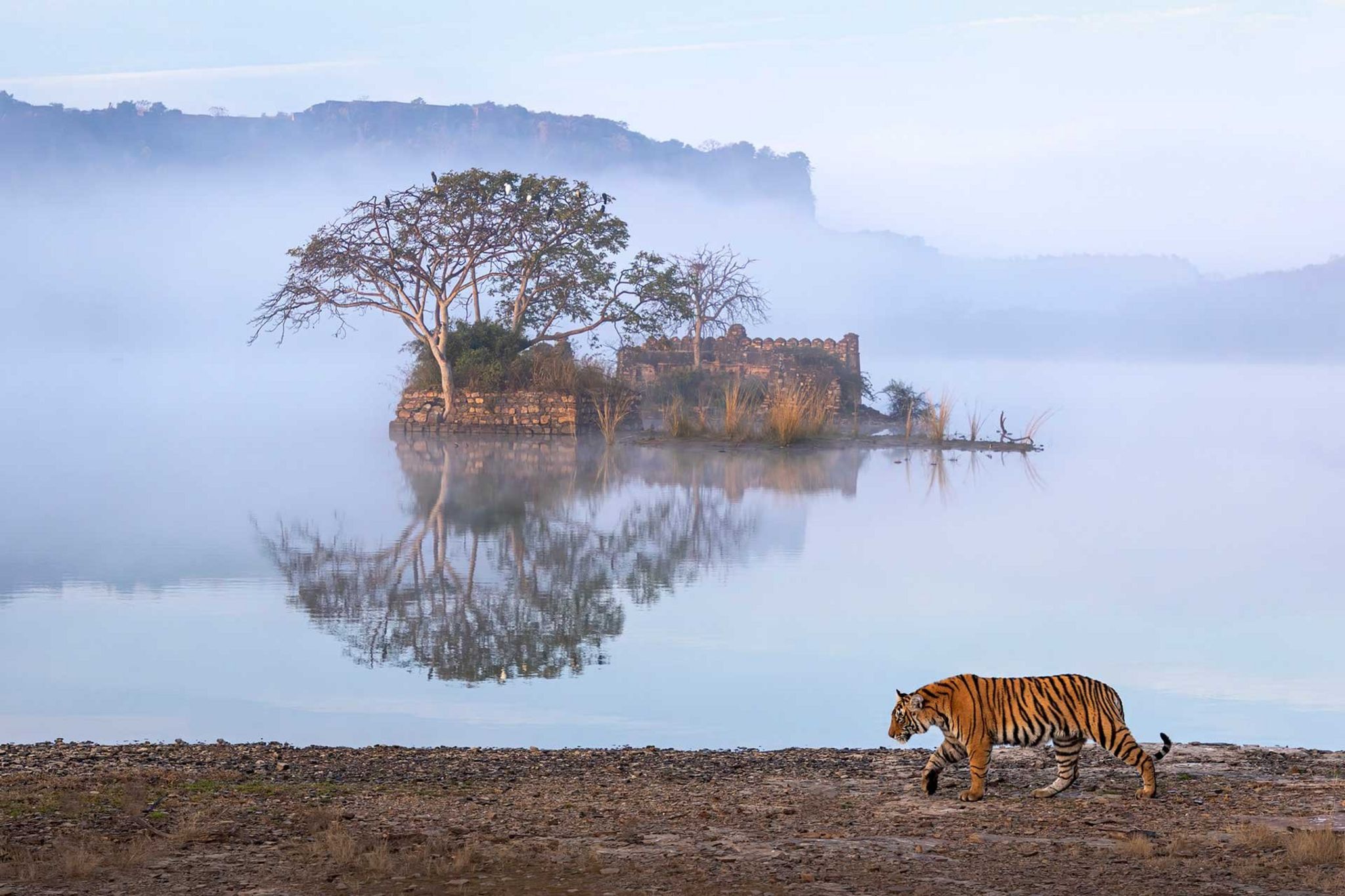
A tiger in Ranthambore National Park, Rajasthan, India.

A special mention went to Amit Vyas for this picture of a tiger in Ranthambore National Park, Rajasthan, India.

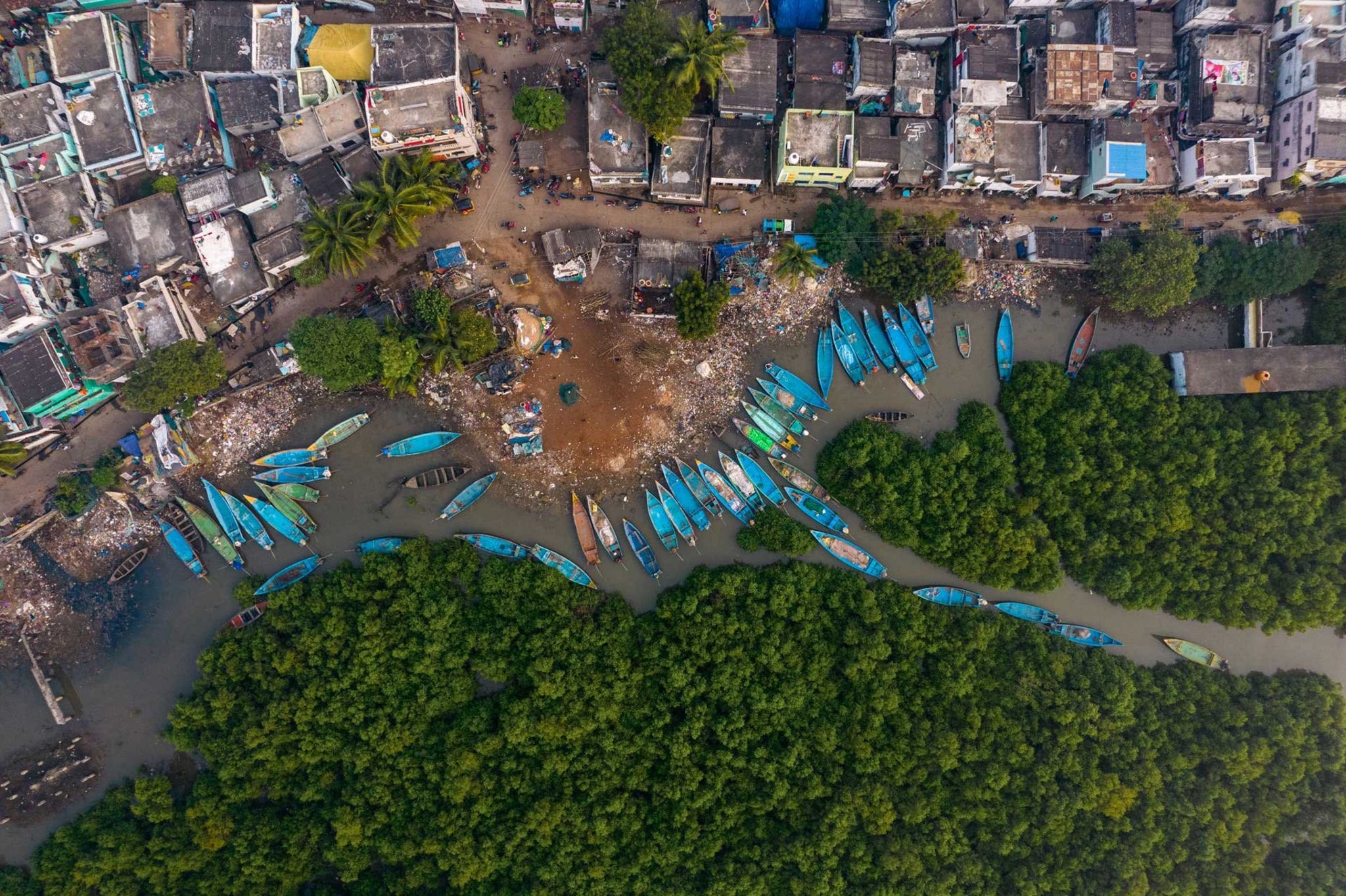
Drone image of coast and mangrove

Srikanth Mannepuri’s winning portfolio documents the threat to mangrove forests, and the vast diversity of fish, bird and reptile species which populate the habitat.

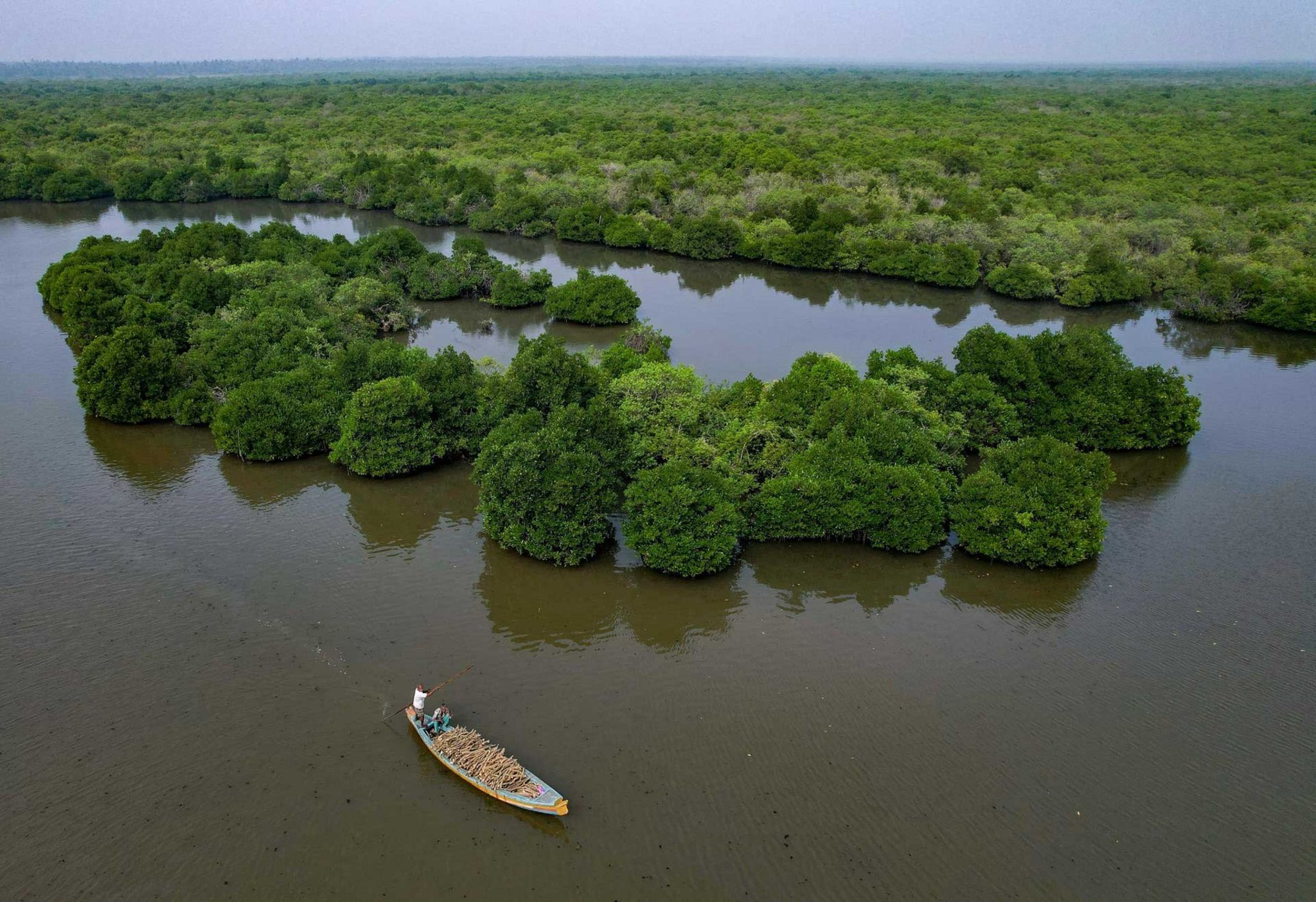
A small boat carrying timber collected from the mangrove forests flanking the canal leaves for the nearby coastal village.

Entirely shot from a drone, the photographer zooms out from the mangrove forests of coastal Andhra Pradesh, to capture the magnitude of the threats this unique ecosystem is facing.

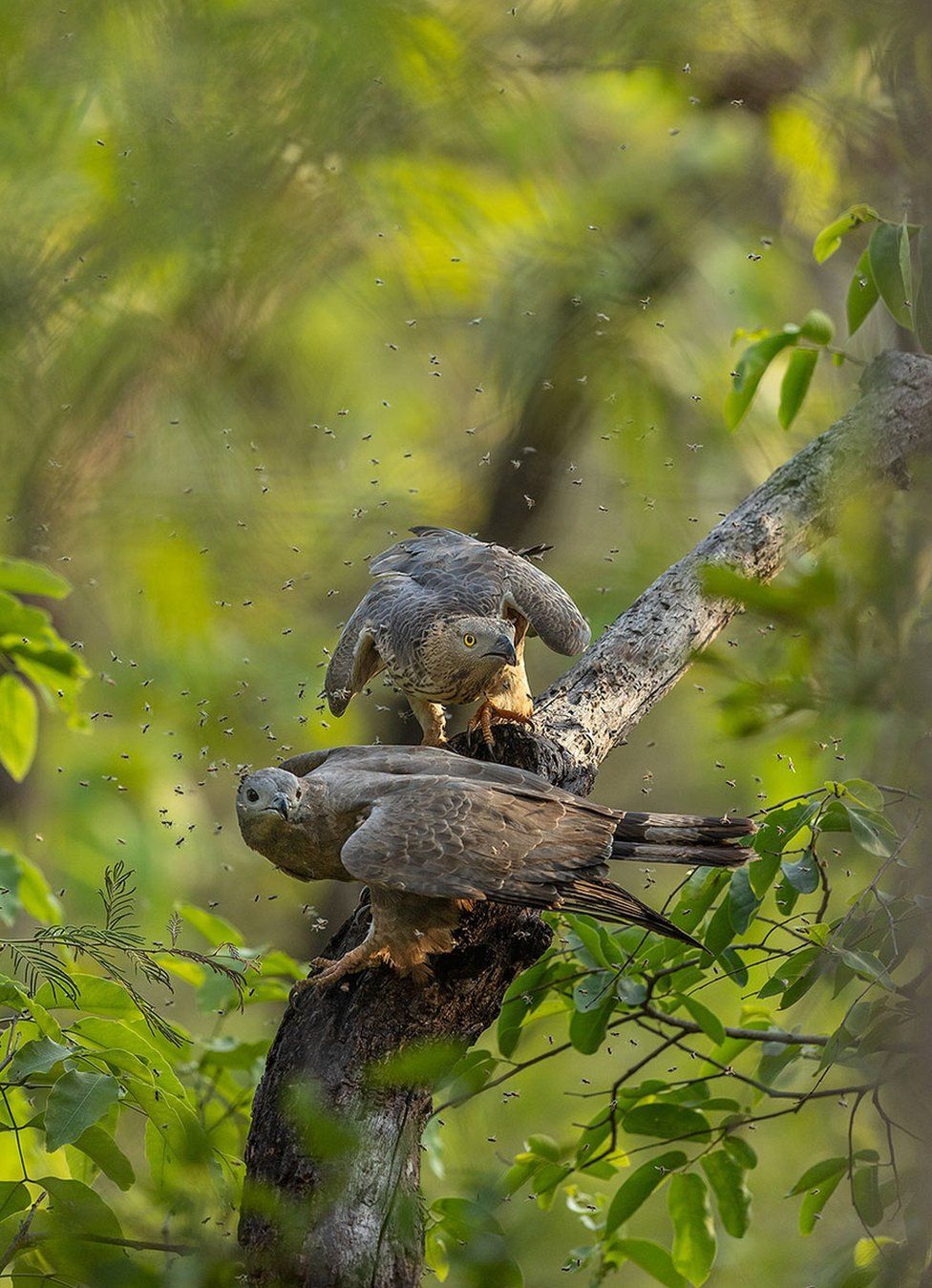
A pair of Oriental Honey Buzzards raid a beehive.

In the dense forests of Satpura National Park, Madhya Pradesh, India, a pair of Oriental Honey Buzzards raid a beehive.

Pranav Mahendru embarked on his journey as a wildlife photographer from a young age, driven by a deep fondness for nature and wildlife.

Give Me Back My Wig

Who would think up a song like this?

Give me back my wig
Honey, now let your head go bald.
Give me back my wig
Honey, now let your head go bald.
Really didn’t have no business
Honey, buyin’ you no wig at all.

Takin’ me downtown
say four forty nine,
When I get down there
I swear, nine ninety nine.

You just give me back my wig
Honey, now let your head go bald.
Really didn’t have no business
Honey, buyin’ you no wig at all.

Yeah my Mama told me
and your good friend too,
When you get that wig
That’s the way you gonna do.

You just give me back my wig
Honey, now let your head go bald.
Really didn’t have no business
Honey, buyin’ you no wig at all.

Goodbye little more fun
All I got to say.
Give me back my wig and be
On your merry way.

You just give me back my wig
Honey, now let your head go bald.
Really didn’t have no business
Buyin’ you no wig at all

Greenland Whale Fisheries

In eighteen hundred and forty-six
And of March the eighteenth day,
We hoisted our colors to the top of the mast
And for Greenland sailed away, brave boys,
And for Greenland sailed away.

The lookout in the crosstrees stood
With spyglass in his hand;
There’s a whale, there’s a whale,
And a whalefish he cried
And she blows at every span, brave boys
She blows at every span.

The captain stood on the quarter deck,
The ice was in his eye;
Overhaul, overhaul! Let your gibsheets fall,
And you’ll put your boats to sea, brave boys
And you’ll put your boats to sea.

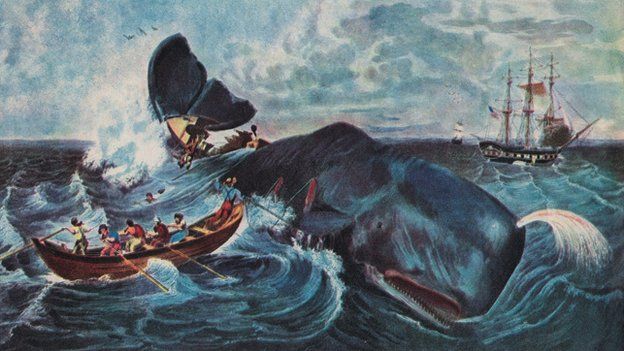
Our harpoon struck and the line played out,
With a single flourish of his tail,
He capsized the boat and we lost five men,
And we did not catch the whale, brave boys,
And we did not catch the whale.

The losing of those five jolly men,
It grieved the captain sore,
But the losing of that fine whalefish
Now it grieved him ten times more, brave boys
Now it grieved him ten times more.

Oh Greenland is a barren land
A land that bares no green
Where there’s ice and snow, and the whalefishes blow
And the daylight’s seldom seen, brave boys
And the daylight’s seldom seen.