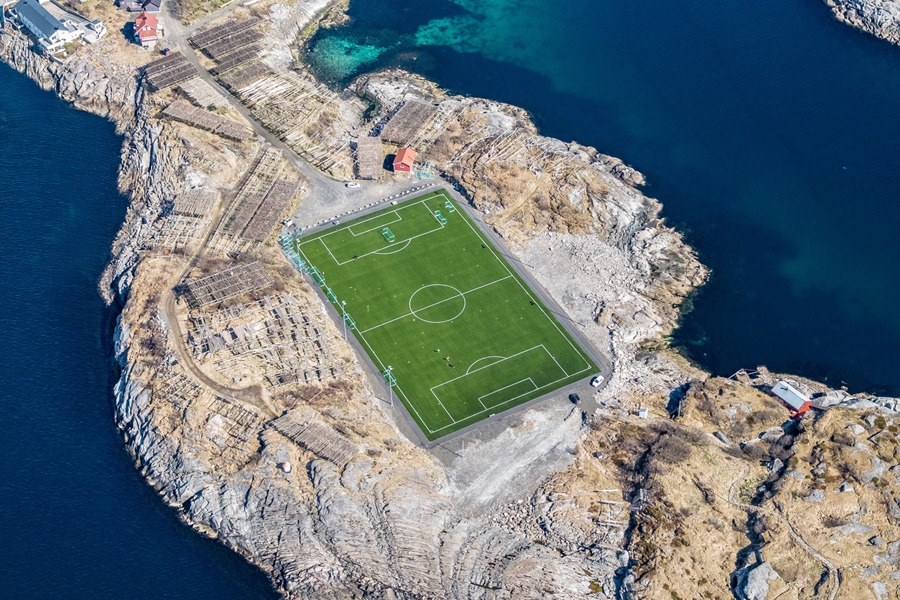
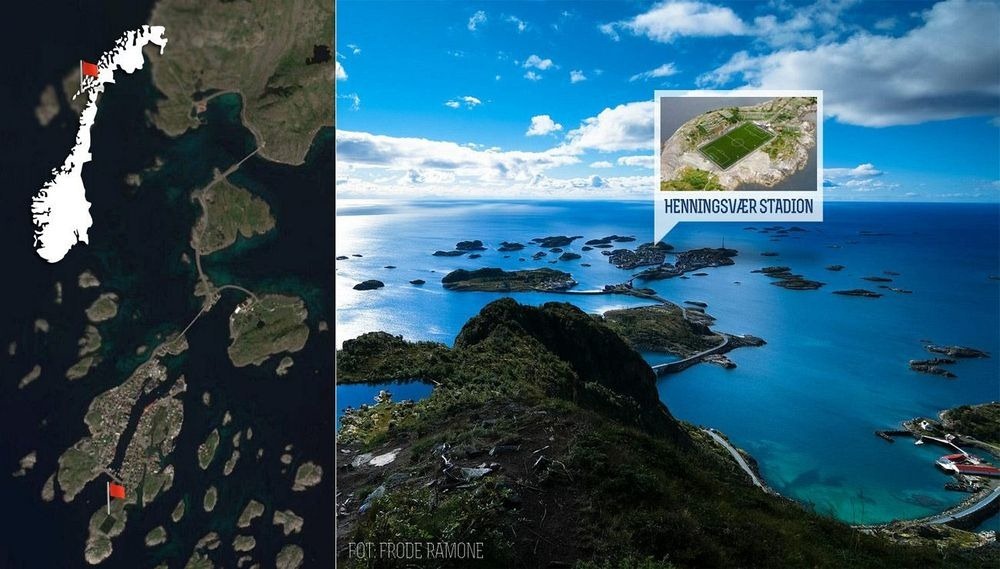
The Henningsvær Idrettslag Stadion in the small fishing village of Henningsvær, located on two small islands off Lofoten, in Norway, can hardly be called a stadium; it has got no stands—just a couple of meters of asphalt poured around the field—and is used only for amateur football. But its location is majestic.
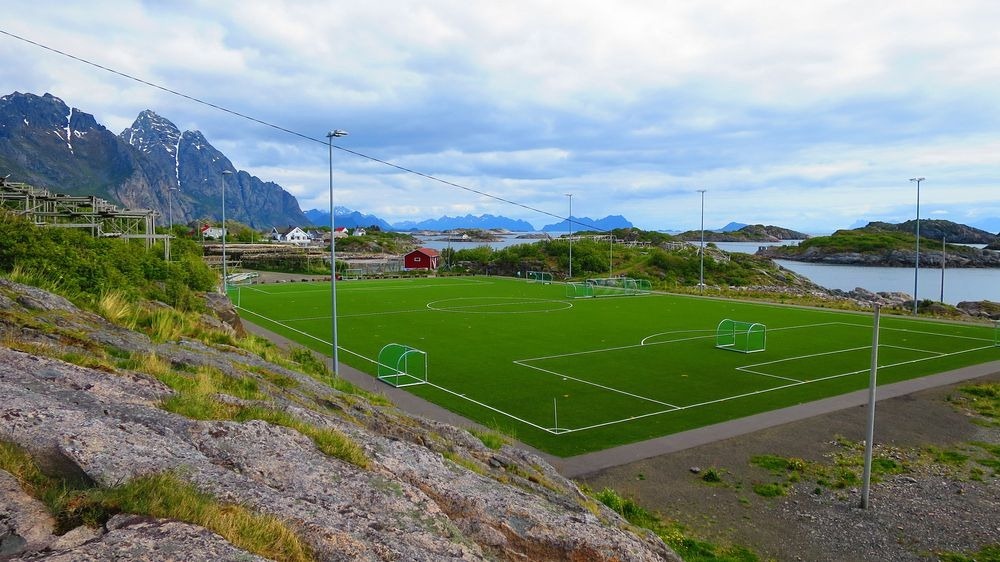
The stadium is located on a rocky islet surrounded by stunning views consisting of dramatic mountains and jagged peaks, open sea and sheltered bays. The football pitch was laid by leveling the solid bedrock of the southernmost part of the Hellandsøya island, resulting in a very rough landscape, decorated by overwhelming number of racks for drying cod. Around the perimeter of the field is a strip of asphalt that serves both as the crowd stand and as car parking. The stadium’s tiny capacity seems sufficient since the village of Henningsvær has only about 500 inhabitants.
The stadium itself has an artificial turf that is mostly used by members of the amateur club Henningsvær IL to train local kids. It has floodlights for evening games.
Thai fraudster sentenced to 13,275 years in prison
A Thai court has sentenced a fraudster to more than 13,000 years in prison.
Pudit Kittithradilok, 34, admitted running a Ponzi scheme whereby he promised investors artificially high financial returns.
About 40,000 people were persuaded to pour more than $160m (£120m) into his companies.
The court found he engaged in illicit lending and some 2,653 counts of fraud. Thanks to his confession, it halved his sentence to 6,637 years and six months.
Prosecutors told the court that Pudit organised seminars where attendees were encouraged to invest in what he said were businesses linked to property development, beauty, used cars and exports, among other things.
According to the Bangkok Post, investors were promised generous returns, plus incentives to bring new members on board.
As with any pyramid scheme, these new cash injections would then be used to pay off the earlier backers.
Pudit had been held in Bangkok Remand Prison since his arrest in August, when he was denied bail.
The court fined his two companies the equivalent of $20m each. Pudit and the firms were ordered to repay around $17m to the 2,653 identified victims, with 7.5% yearly interest.
Temperatures across Europe have caused governments to issue health warnings.
Portugal, Spain and France have seen temperatures rise well above 40C (104F), and in the UK, the government has issued an extreme weather notice.
Experts say heatwaves and droughts are becoming more frequent and extreme because of climate change.
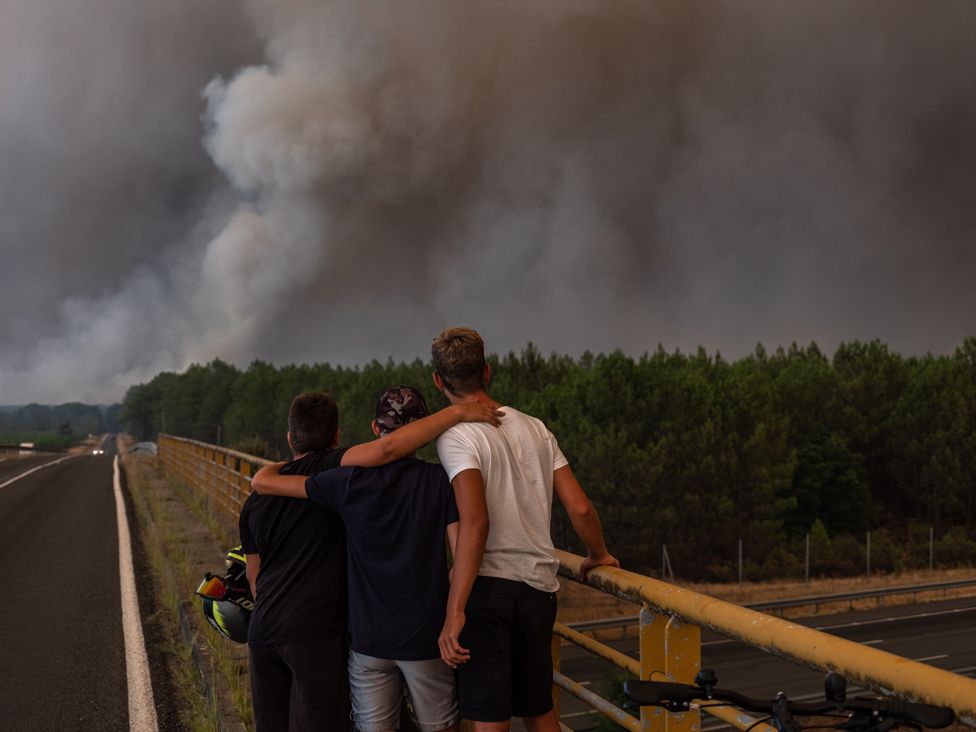
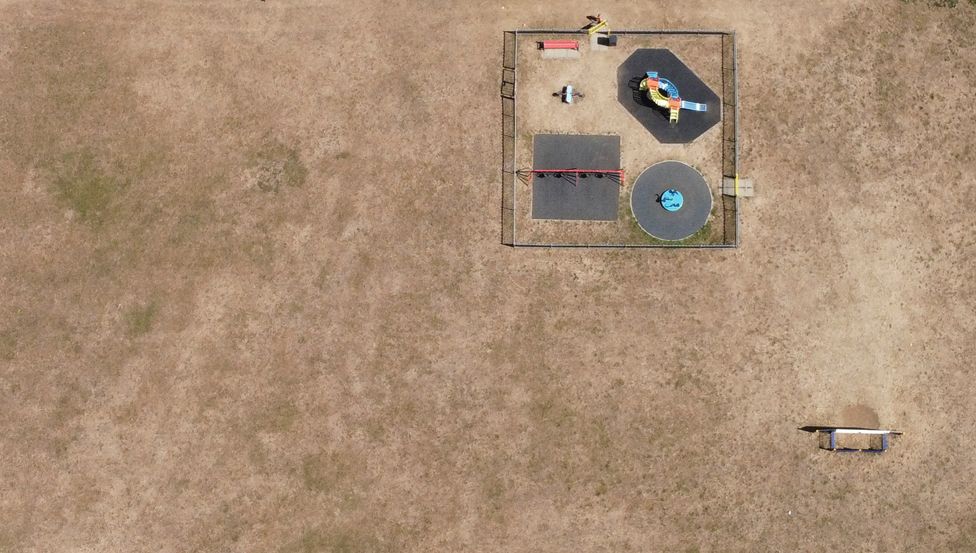
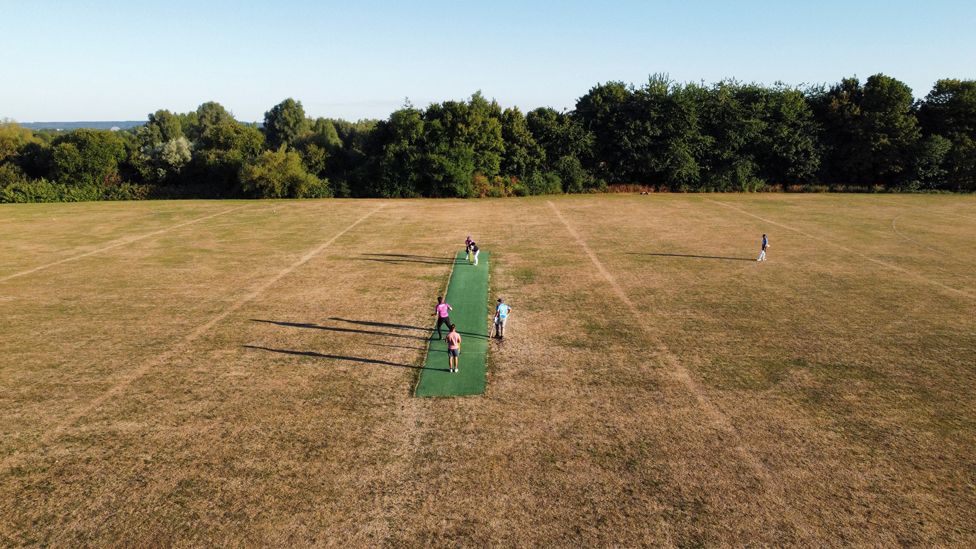
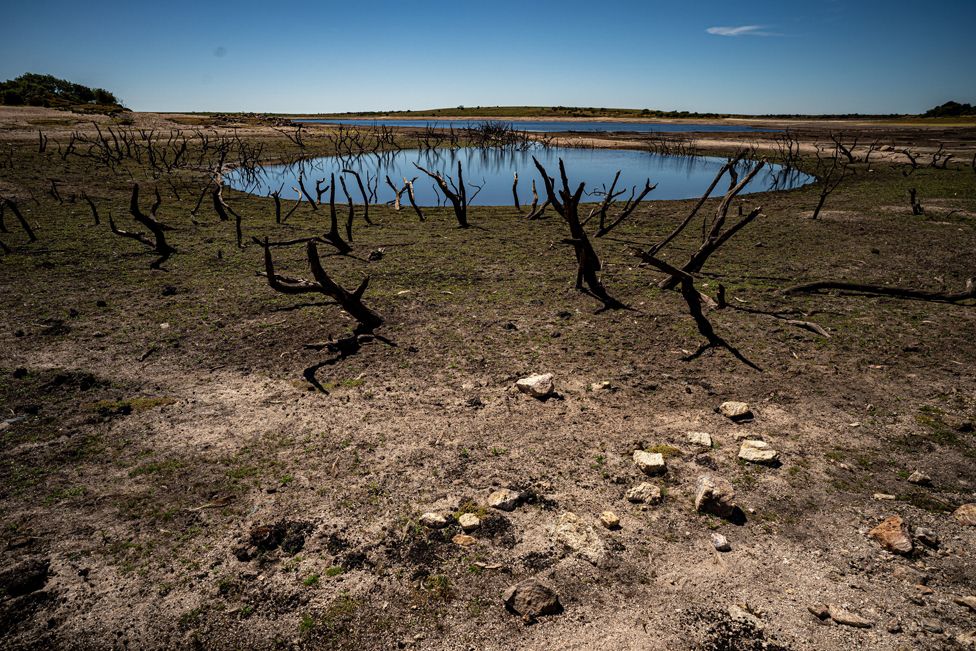
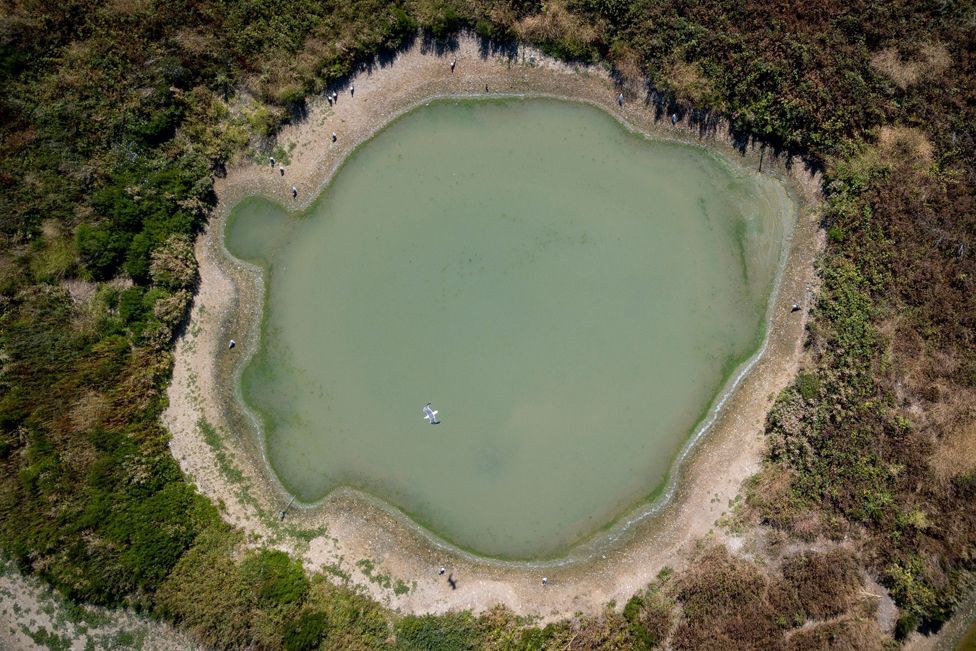
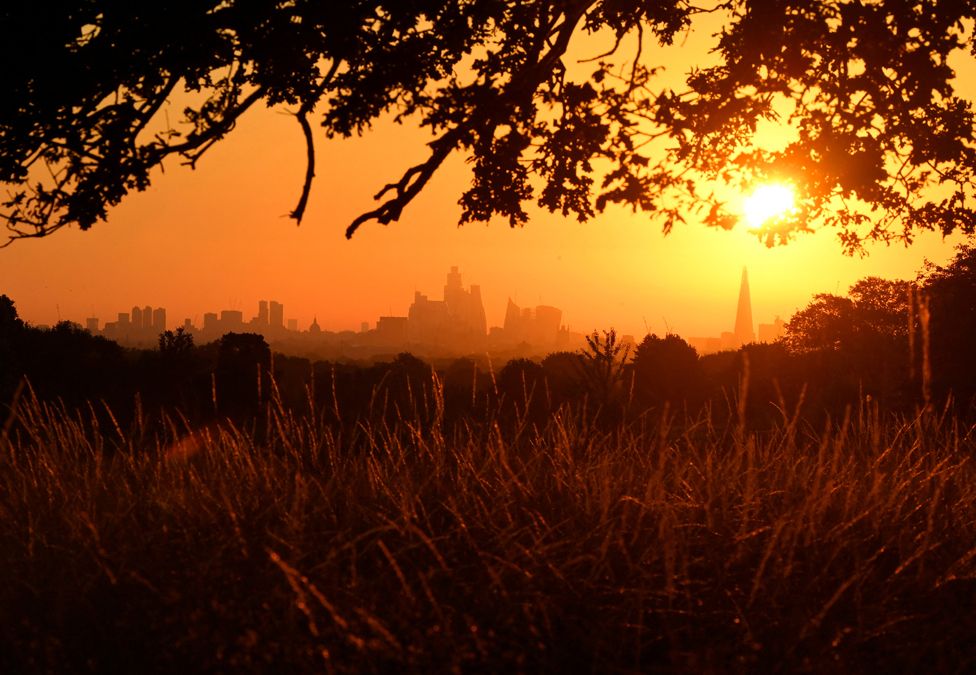
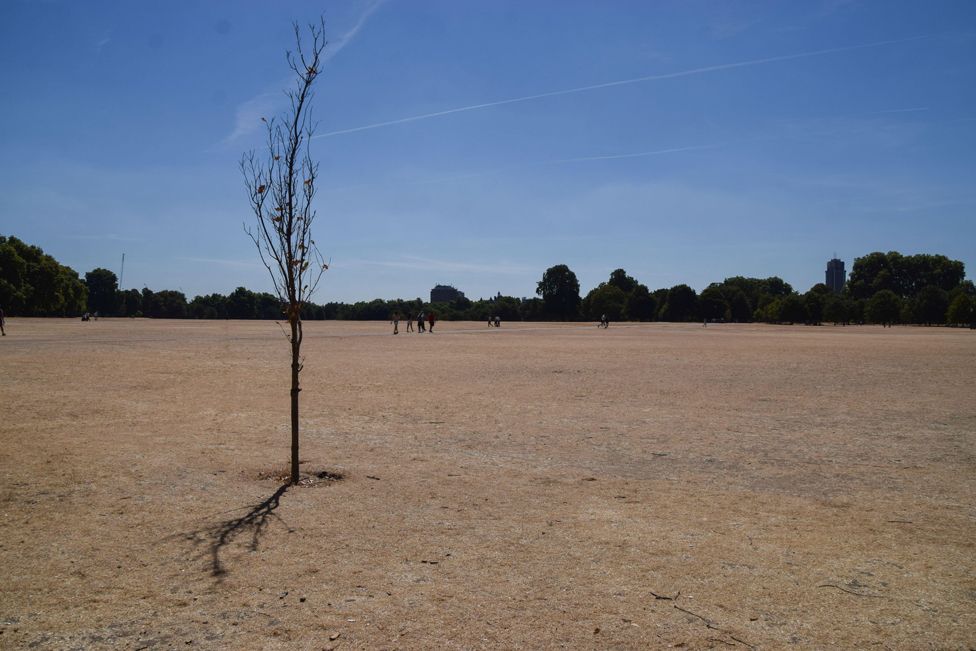
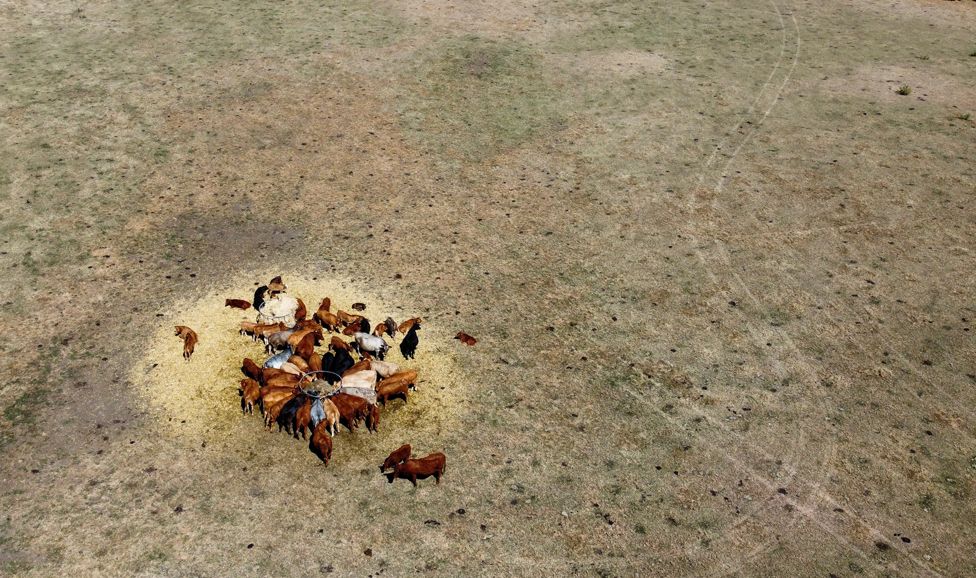
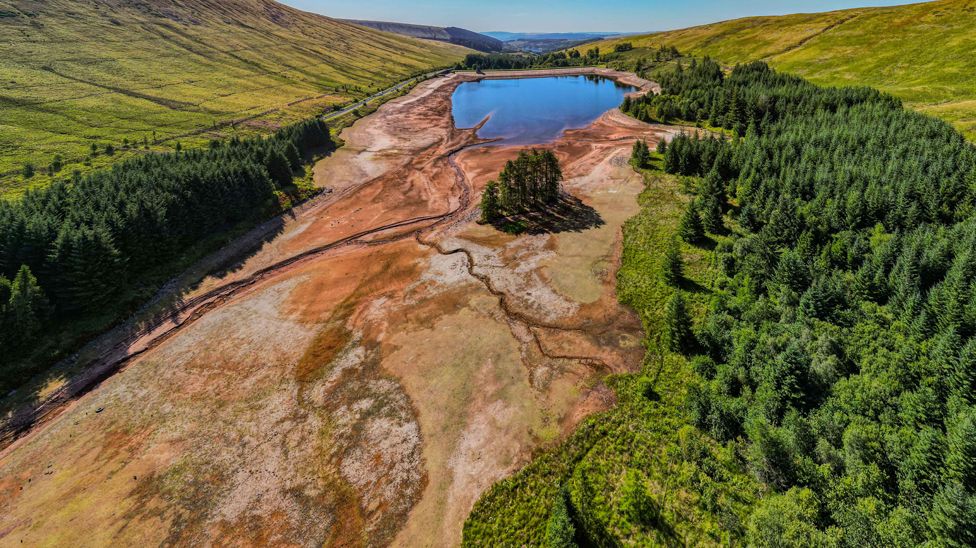
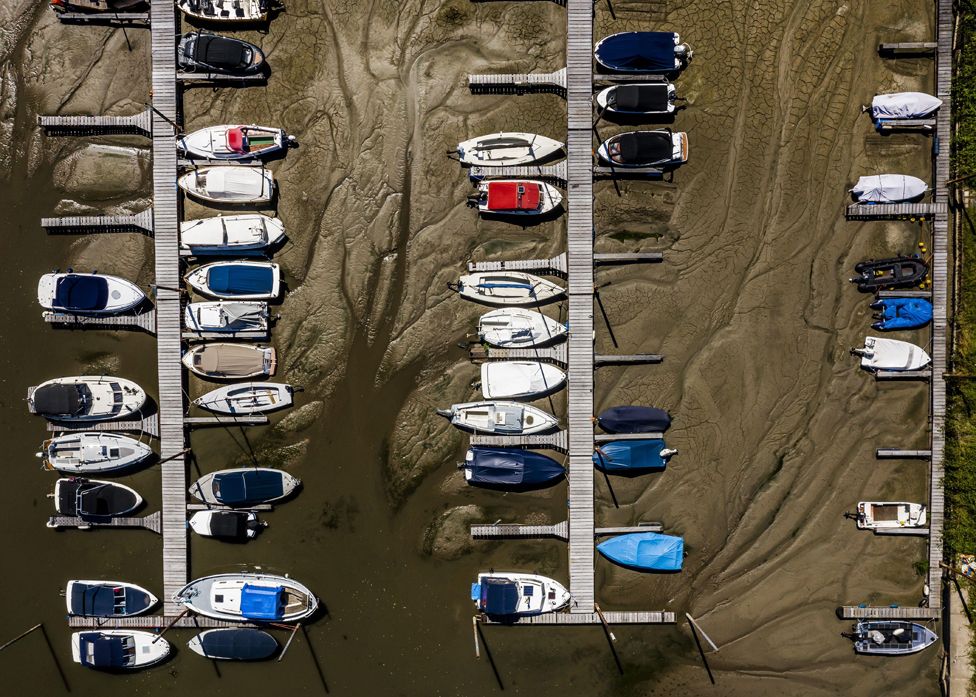
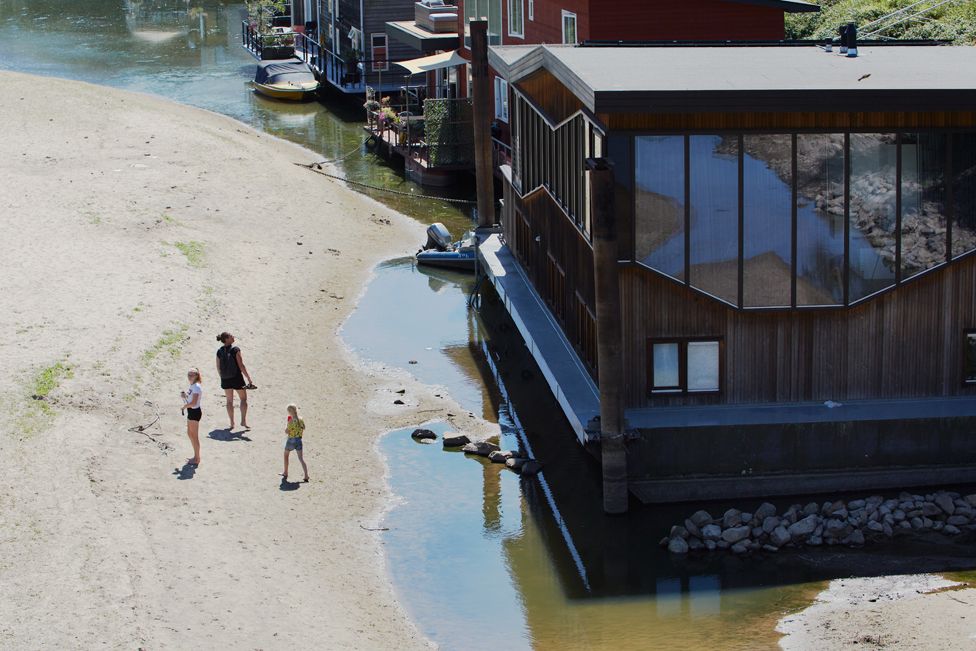
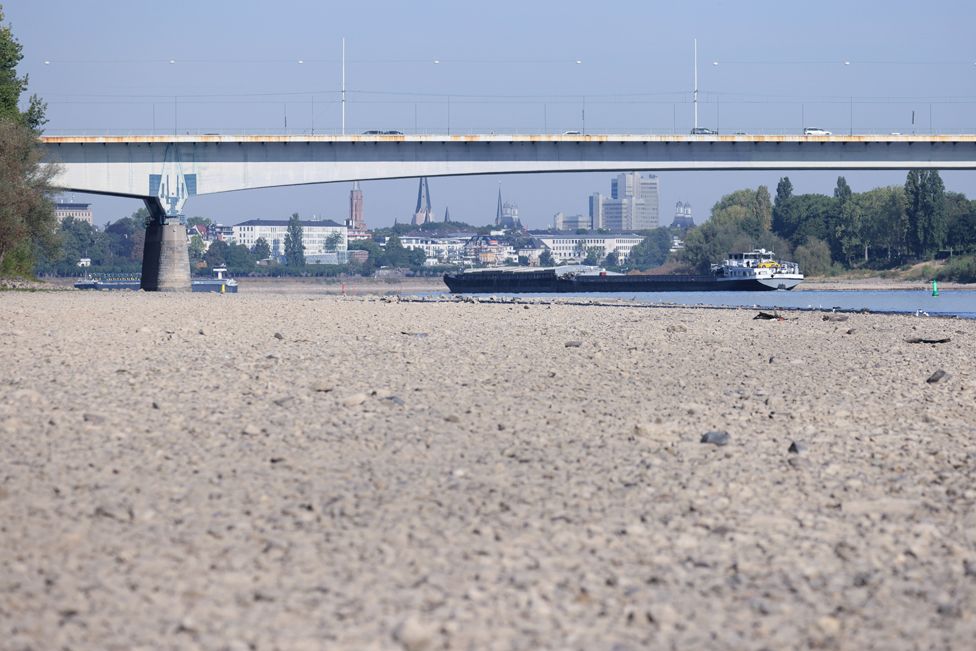
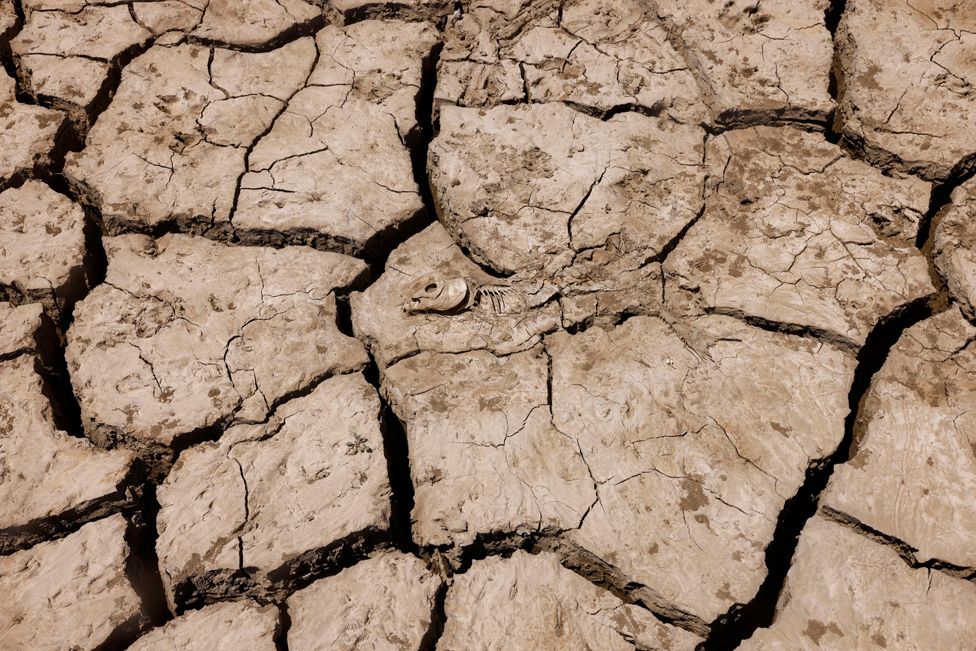
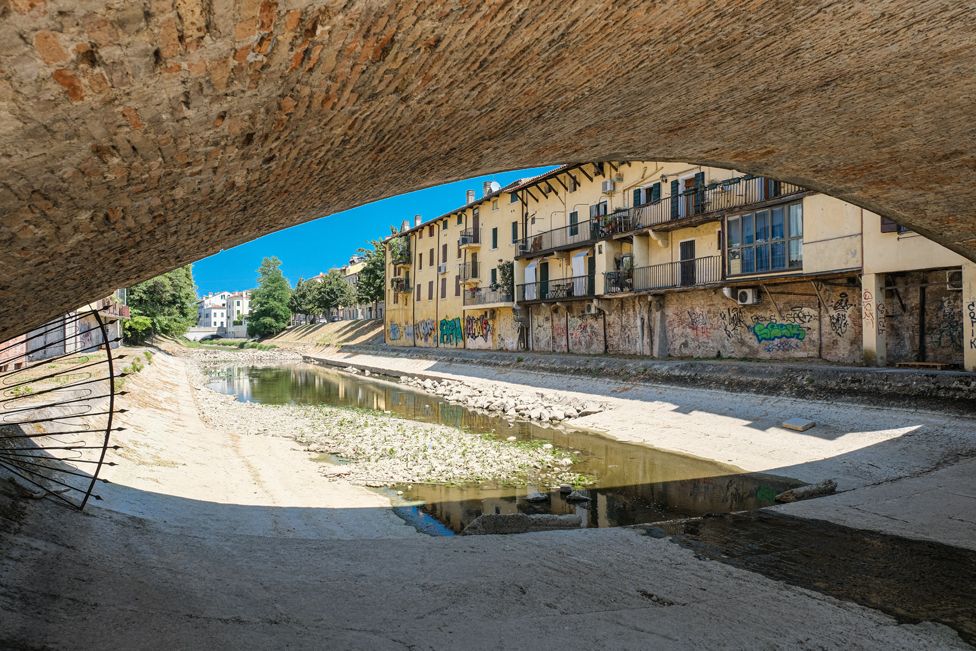
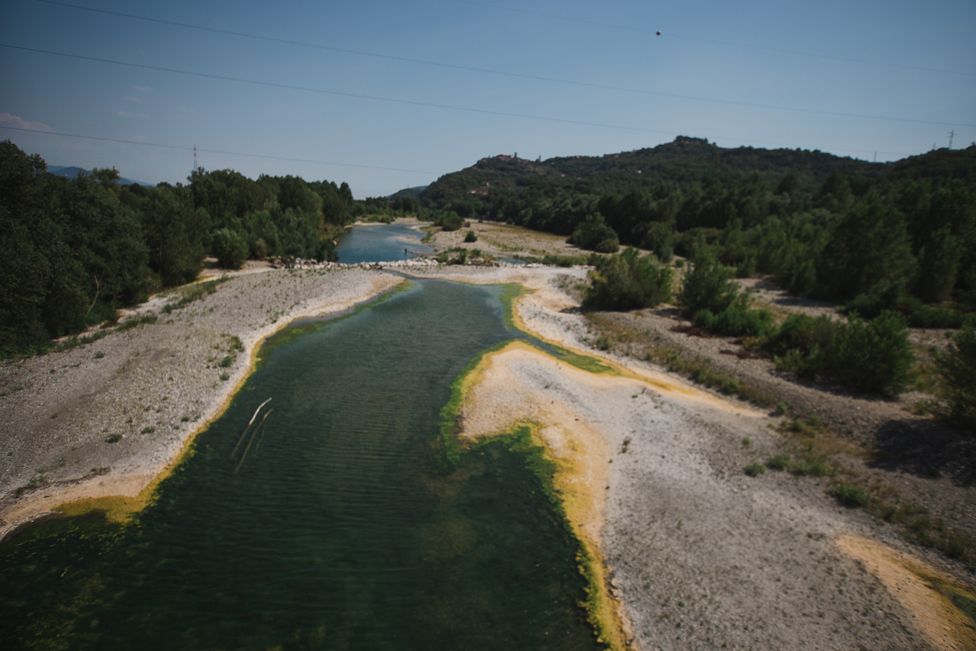
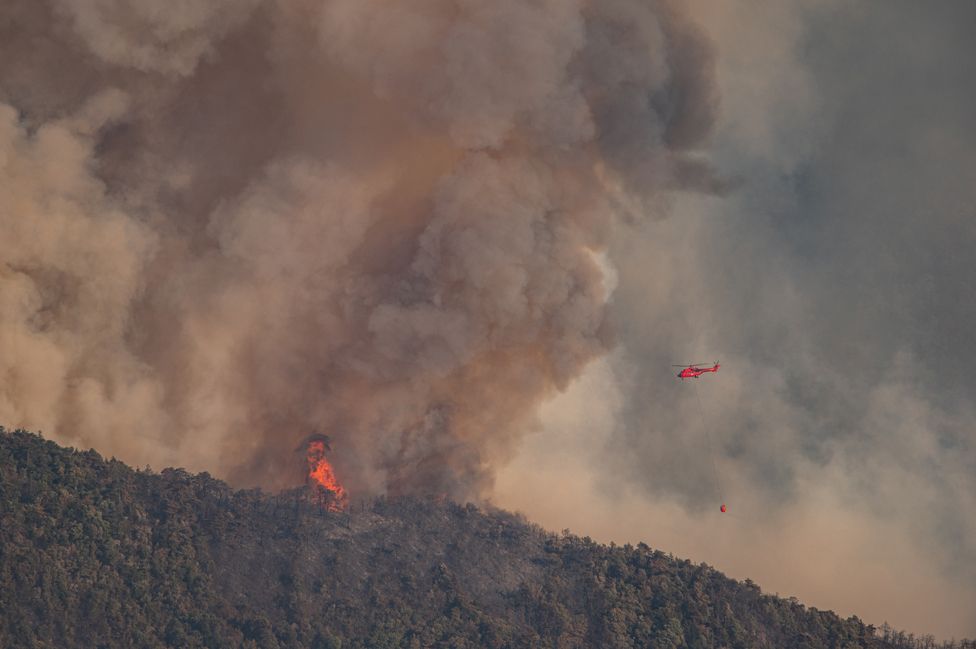
In south west France, more than 1,000 firefighters have been battling a massive wildfire near Bordeaux, for a third day, as blistering temperatures continue to rise.Thousands of people have been evacuated from their homes as dozens of properties and large areas of forest are destroyed.The fire in the Gironde region, is one of several major blazes burning in France.An amber extreme heat warning has come into force in the UK, with temperatures forecast to hit 37C (99F) in some parts over the next four days. Many parks and fields have dried out following a long period of little rainfall.A cricket match between MK Stallions and MK Super Kings went ahead in the middle of a dried outfield in Milton Keynes, England.Water levels have severely dropped, exposing the unseen trees and rocks at Colliford Lake, a reservoir on Bodmin Moor in Cornwall, England.Low water levels are seen at the reservoir at Walthamstow Wetlands in London. Thames Water, which operates London’s water supply, plans to introduce hosepipe ban in order to save water.The sun rises above the London skyline. The heatwave will likely affect health, transport and working conditions.The current warning follows the driest July for England since 1935. A bare tree stands in a parched Hyde Park in London, England.Bottles of water are stacked on the village green following a loss of domestic water supply in the village of Northend, near Henley-on-Thames, England.Cows eat straw and grass silage which is normally a winter feed at a farm in Harpole, near Northampton, England. The cows have been on the supplementary food since the start of August due to hot, dry weather and lack of grass.Large areas of grass have turned yellow due to the dry conditions in Holyrood Park, Edinburgh. The Scottish Fire and Rescue Service (SFRS) issued a ‘very high’ risk of wildfires alert across southern and eastern Scotland with long, dry sunny spells expected over the coming days.Cantref Reservoir in Nant-Ddu, in the Brecon Beacons. The area is normally one of the wettest in the UK and supplies Cardiff and large parts of South Wales with water.Boats lie in the mud in the marina at Beusichem, Netherlands. The drought and low water level has caused problems in the Lek and many other rivers.People walk near boat houses on the banks of the Waal River in Nijmegen, Netherlands. The ongoing drought has cut operation capacities by half along the lower Rhine from Rotterdam to Germany.A ship travels on the Rhine in Bonn, Germany despite low water levels. Cargo ships are currently unable to travel with full loads, driving up shipping prices.A dead fish lies on the cracked ground of La Vinuela reservoir during a severe drought in La Vinuela, near Malaga, southern Spain.A view of the Roman camp Aquis Querquennis, located on the banks of the Limia river in the As Conchas reservoir, in Ourense, Spain. The camp is usually submerged but is exposed due to the low water level.Northern Italy is battling its worst drought in 70 years, with the government recently declaring a state of emergency in five regions due to a lack of rain and sweltering temperatures. The river under the Ponte di Sant’Agostino di Padova, Padua, has almost run dry.The Magra river, which is at an all-time low, originates in Tuscany from Mount Borgognone and flows into the Tyrrhenian Sea at Bocca di Magra, in Liguria.A tributary of the Bacchiglione di Padova, with the Specola in the background.A water bomber helicopter is mobilised on a major forest fire that broke out near the town of Romeyer in south-east France. The fire has destroyed more than 225 hectares of forest.Grapes wither on the vine in Wettolsheim, north-eastern France.France’s worst drought since records began has caused crops to shrivel.
The extinct superpredator megalodon was big enough to eat orcas, scientists say
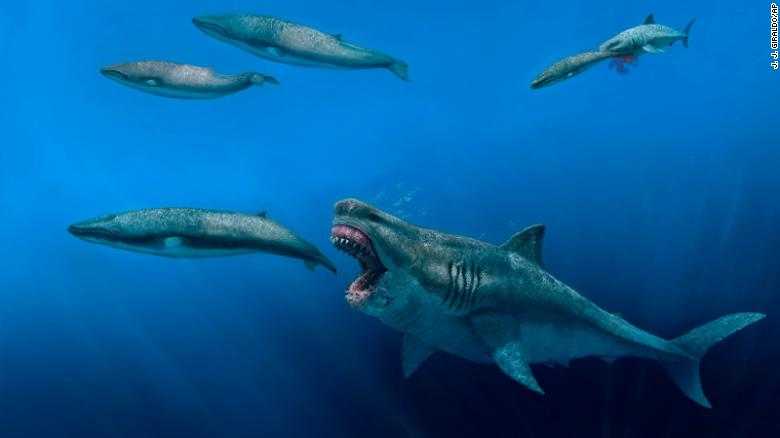
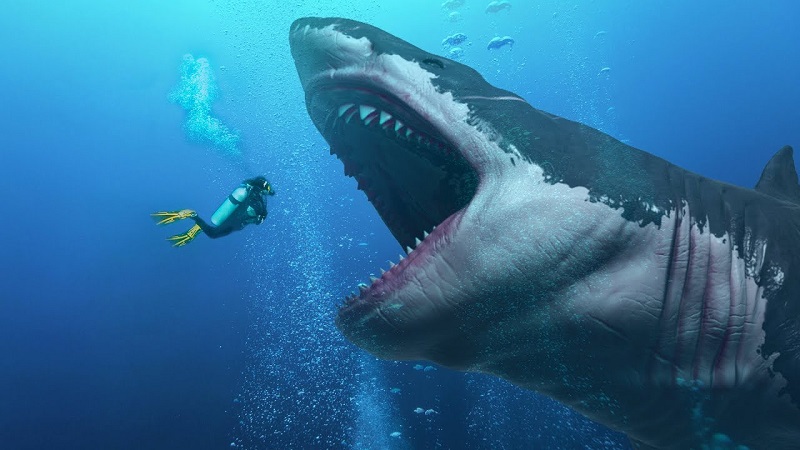
This illustration depicts a 52-foot Otodus megalodon shark predating on a 26-foot Balaenoptera whale in the Pliocene epoch, between 5.4 to 2.4 million years ago.
(CNN)Faster than any shark alive today and big enough to eat an orca in just five bites: A new study suggests the extinct shark known as a megalodon was an even more impressive superpredator than scientists realized before.
The Otodus megalodon, the inspiration behind the 2018 film “The Meg,” lived more than 23 million years ago. Fossils of the extinct giant are hard to come by: While there are plenty of fossilized shark teeth, their bodies mainly consist of cartilage rather than bones, and are rarely preserved.
A research team led by Jack Cooper, a paleobiologist at Swansea University, set out to use 3D modeling from a rare and exceptionally well-preserved megalodon spinal column to extrapolate information about the shark’s movement and behavior. Their research was published in Science Advances Wednesday.
“We estimate that an adult O. megalodon could cruise at faster absolute speeds than any shark species today and fully consume prey the size of modern apex predators,” wrote the researchers.
Most of what we know about megalodons come from scientific inferences: Scientists have estimated the extinct sharks could be as long as 65 feet through a comparison with great white sharks, thought of as their “best available ecological analog,” since they both occupy the top rung in the food chain, according to the article.
The researchers used a megalodon vertebral column from Belgium, a tooth from the United States, and the chondrocranium — the cartilaginous equivalent of a skull — from a great white shark to build their 3D skeleton. Then they used a full-body scan of a great white shark to estimate how flesh would sit on the megalodon’s skeleton.
With a complete 3D rendering, they came up with estimates for the volume and body mass of the shark’s whole body. By comparing the figures to the size of modern sharks, they estimated the shark’s swimming speed, stomach value, calorie needs, and prey encounter rates.
The megalodon they modeled would have been almost 16 meters, or 52 feet, long. It weighed around 61,560 kilograms, or 135,717 pounds, according to their estimates.
They estimated the megalodon would have been able to devour prey the size of orca whales — which can be up to 26 feet long and weigh over 8,000 pounds — in just five bites.
Prey the size of a modern humpback whale would have been too big for a megalodon to eat in full, according to the researchers. Eating large prey may have given the megalodon a competitive edge over other predators. Eating large amounts at a time would have also allowed them to travel great distances without eating again, much like modern great white sharks.
An adult megalodon would have needed to eat a whopping 98,175 calories per day, 20 times higher than an adult great white shark. They could have met their energetic needs by eating around 31.9 kilograms of shark muscle, according to the researchers’ estimates. The megalodon was also faster than any shark alive, with a theoretical average cruising speed of around 3.1 mph. This speed would have allowed it to encounter more prey, helping it meet its massive caloric demands. Overall, the data extrapolated from the 3D model paints the portrait of a “transoceanic superpredator,” say the researchers. Luckily, today’s orcas don’t have to worry about running into the massive shark. The megalodon went extinct around 3.6 million years ago, according to the United Kingdom’s Natural History Museum, for reasons scientists are still trying to understand.
Gigantopithecus blacki (Greek and Latin for “Black’s giant ape”) is an extinct species of ape.
The only known fossils of G. blacki, or “Giganto,” are a few teeth and mandibles found in cave sites in Southeast Asia. As the name suggests, these are appreciably larger than those of living gorillas, but the exact size and structure of the rest of the body can only be estimated in the absence of additional findings. Recent research using high-precision absolute-dating methods has shown that after existing for about a million years, G. blacki died out as recently as 100,000 years ago. This means that it coexisted with (anatomically) modern humans (Homo sapiens) for a few dozen thousands of years, and with the most immediate ancestors of H. sapiens before that.
Based on the fossil evidence, paleontologists speculate that Gigantopithecus had an adult standing height of over three meters (ten feet) and a weight of 550 kg (1200 lb), and was thus much larger and heavier than current-day gorillas.
The species lived in Asia and probably inhabited bamboo forests, since its fossils are often found alongside those of extinct ancestors of the panda. Most evidence points to Gigantopithecus being a plant-eater. Some believe that being a plant-eating species, G. blacki was placed at the losing end of the evolutionary competition with humans.
The species’ method of locomotion is uncertain, as no pelvic or leg bones have been found. The dominant view is that it walked on all fours like modern gorillas and chimpanzees. However, a minority opinion favors bipedal locomotion, most notably as championed by the late Grover Krantz. It should be noted that this assumption is based only on the very few jawbone remains found, all of which are U-shaped and widen towards the rear. This widening, in Krantz’s view, allowed room for the windpipe to be positioned within the jaw, allowing the skull to sit squarely upon a fully-erect spine like modern humans, rather than roughly behind it, like the great apes.
Krantz’s studies of Bigfoot, which he called “Sasquatch,” (an Anglicization of the Halkomelem word sásq’ets meaning “wild man”) led him to believe that this was an actual creature. He theorized that sightings were due to small pockets of surviving gigantopithecines, with the progenitor population having migrated across the Bering land bridge, which was later used by humans to enter North America. (Gigantopithecus lived alongside humans but is thought to have gone extinct 300,000 years ago in eastern Asia).
Dr. Grover Krantz was the most vocal supporter of the theory that Gigantopithecus blacki traversed the ice bridge from Asia to North America and exists today as the creature known as bigfoot.
After seeing footage stills of the Patterson-Gimlin film which appeared on the February 1968 cover of Argosy, Krantz was skeptical, believing the film to be an elaborate hoax, saying “it looked to me like someone wearing a gorilla suit” and “I gave Sasquatch only a 10 percent chance of being real.” After years of skepticism, Krantz finally became convinced of Bigfoot’s existence after analyzing the “Cripplefoot” plaster casts gathered at Bossburg, Washington in December 1969. Krantz later studied the Patterson-Gimlin film in full, and after taking notice of the creature’s peculiar gait and purported anatomical features, such as flexing leg muscles, he changed his mind and became an advocate of its authenticity. While in Bossburg, he also met John Willison Green and the two remained friends until Krantz’s death.
The Cripplefoot tracks, left in snow, purportedly showed microscopic dermal ridges (fingerprints) and injuries tentatively identified as clubfoot by primatologist John Napier. Krantz asked Dutch professor A.G. de Wilde of the University of Groningen to examine the prints, who concluded that they were “not from some dead object with ridges in it, but come from a living object able to spread its toes.” Krantz also attempted to have both the FBI and Scotland Yard study the dermal ridge patterns, and was told by renowned fingerprint expert John Berry, an editor of the journal Fingerprint Whorld, that Scotland Yard had concluded the prints were “probably real.” To his disappointment, a subsequent 1983 article in the journal Cryptozoology, titled “Anatomy and Dermatoglyphics of Three Sasquatch Footprints,” was largely ignored.
The massive, sucker-covered carcass of a giant squid washed onto the rocky shore of Scarborough Beach in Cape Town, South Africa, Tuesday (Aug. 16). The beast, which measured nearly 14 feet (4.3 meters) long, was the second giant squid to crop up on a beach in the region this year, according to the South African news site news24(opens in new tab).
The last known giant squid (Architeuthis dux) to wash ashore near Cape Town showed up about 6 miles (10 kilometers) northwest of Scarborough Beach, on Long Beach in Kommetjie, on April 30, Live Science previously reported. That cephalopod measured roughly 11.5 feet (3.5 m) long. For comparison, the largest giant squid ever seen measured a whopping 43 feet (13 m) long, and some studies suggest that the creatures could potentially reach 66 feet (20 m) long, although no squid of such size has ever been spotted.
The squid that washed onto Scarborough Beach this week seemed to be another A. dux specimen, said Mike Vecchione, a National Oceanic and Atmospheric Administration invertebrate zoologist stationed at the Smithsonian’s National Museum of Natural History in Washington, D.C. “Although other large squids exist, I am fairly certain this is a true giant squid,” he told Live Science in an email.
Without an examination of its internal organs, it’s difficult to guess how the Scarborough Beach squid perished, Vecchione said. “Note that most of the skin has abraded and some of the arms are broken off, but this (especially the skin abrasion) can result from washing up on the rocky shore.” The remaining skin on the squid’s mantle — the muscular sheath that houses its organs — gleamed ghostly white in the sun.
It may be that the squid ventured into shallow, near-shore waters to feed and got struck by a ship propeller, “but this is difficult to prove without witnesses,” Dylan Clarke, a marine scientist and curator at Iziko South African Museum, told news24. “The literature … suggests that they come up into shallower waters because they display a behaviour called diel vertical migration. In other words, they venture into shallower waters during the evening to feed and migrate back to deeper waters during the day.”
Giant squid generally live in frigid waters some 1,640 to 3,280 feet (500 to 1,000 m) beneath the ocean surface, and they use their dinner plate-size eyes to peer through the inky darkness, according to the Smithsonian. Based on where the animals have washed ashore, scientists think the squids may inhabitat all the world’s oceans, but they’re most frequently seen on the shores of New Zealand and Pacific islands, on the east and west sides of the North Atlantic, and in the South Atlantic along the African coast.
“Strandings of Architeuthis on South African shores are not unusual at all,” Vecchione told Live Science. “It is one of several places around the world where they show up regularly.”
Officials gathered tissue samples from the squid carcass on Scarborough Beach, and these will soon be examined by researchers at the Iziko South African Museum, Gregg Oelofse, the City of Cape Town coastal manager, told news24. Scientists could use such samples to sequence the animal’s DNA and run chemical analyses to detect pollutants and stable isotopes — nonradioactive chemical elements with varying numbers of neutrons in their nuclei — in its flesh, Vecchione said. The isotope analysis would provide hints about the squid’s feeding history, as would an examination of the animal’s digestive system.
In addition, scientists could determine how old the squid was based on its reproductive organs and statoliths, small mineralized masses that sit inside sensory organs in the squid’s head and accumulate “growth rings” over time, Vecchione said. Past studies of these statoliths suggest that giant squid can live to be about 5 years old, according to the Smithsonian.
“The availability of information on giant squids is relatively poor and is either based on dead or dying animals that have been washed ashore or captured in commercial trawl nets,” Clarke told news24. The newfound Scarborough Beach squid will join a collection of giant squid specimens at the Iziko South African Museum that were largely acquired through such strandings or incidental catches during bottom trawls, he said.























 The MarkoZen Blog