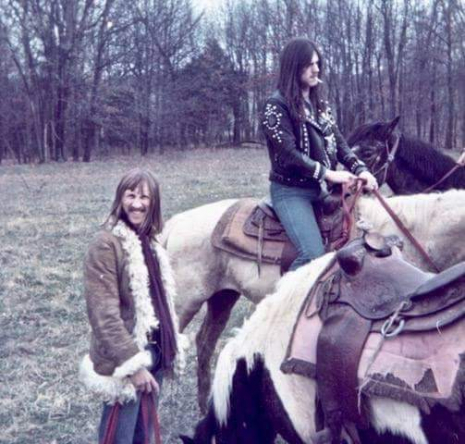
When it came time for author David Calcano to pen the graphic novel take on Motörhead’s illustriously loud, 40-year career, he, the folks at Fantoons, and illustrator Mark Irwin (fittingly a former art director for Heavy Metal magazine), took the project very seriously. You may recall that Calcano has authored various other music-related graphic novels on artists such as Billie Holliday, and a few eclectic coloring books featuring Frank Zappa and Marillion (!). Calcano’s latest graphic novel, the 144 page Motörhead: The Rise of the Loudest Band in the World, (due on September 7th, 2021), begins Motörhead’s debaucherous story with Lemmy (as it should) back when Kilmister was working as a tutor/instructor at a horse riding school in North Wales. At the time, the teenager and soon-to-be-hellraiser thought working with horses was what he would do for a living. It was, after all, according to Lem, a great way to “get along with women.” To back up this legend about the legendary Lemmy, here is a shot of Lem and his horse friends.
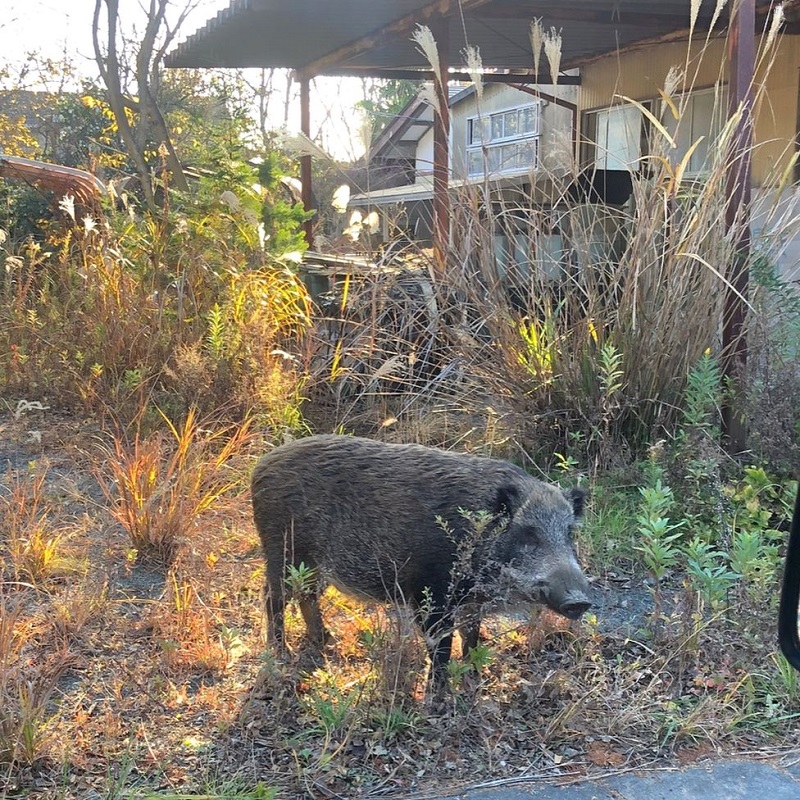
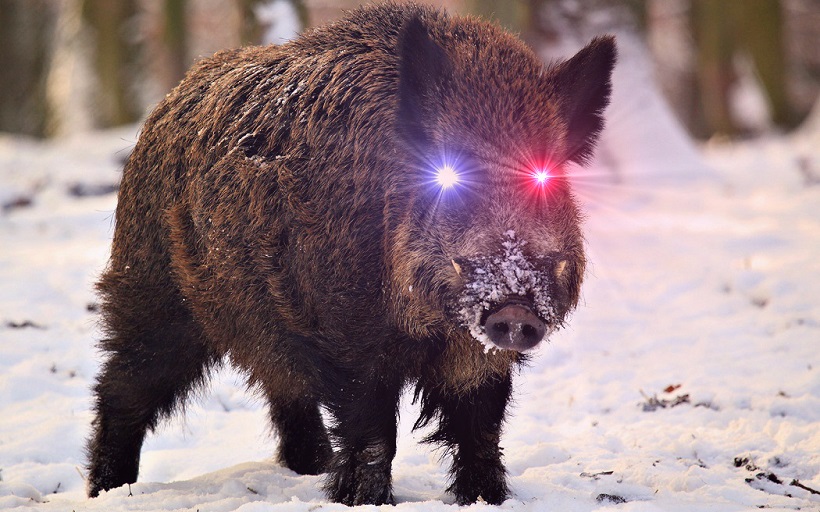
“Once people were gone, the boar took over,” explains Donovan Anderson, a researcher at Fukushima University in Japan.
His genetic study of the wild boar that roam in an area largely abandoned after Japan’s 2011 nuclear disaster – has revealed how the animals have thrived.
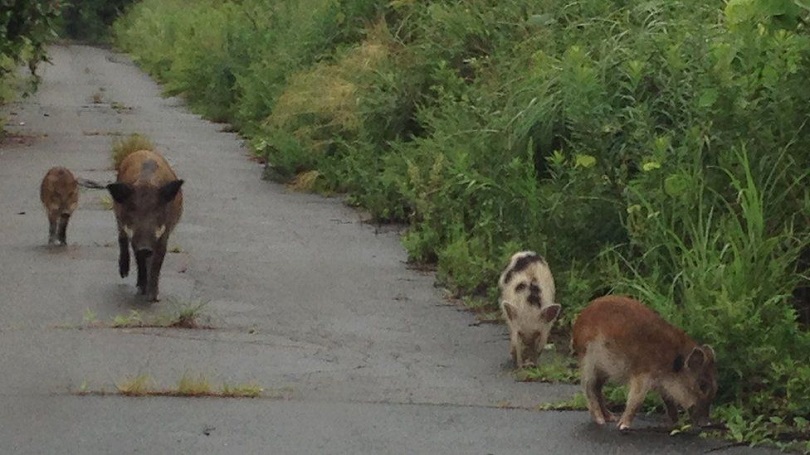
Using DNA samples, he also discovered that boar have bred with domestic pigs that escaped from farms.
This has created wild pig-boar hybrids that now inhabit the zone.
“While the radiation hasn’t caused a genetic effect, the invasive domestic pig species has,” Mr Anderson explained.
Spotted wild boar are indicative of the interbreeding with domestic pigs following the 2011 disaster
The disaster at Fukushima’s nuclear power plant was caused by the biggest earthquake ever to hit Japan. A gigantic wave surged over defences and flooded the nuclear reactors. Subsequently, a zone surrounding the damaged plant – akin to Chernobyl’s exclusion zone – was evacuated.
The findings, published in the journal Proceedings B, paint a biological picture from a vast experiment that was caused by a nuclear disaster. The scientists used DNA to track the legacy of the event on the landscape – finding out what happens to wild animals in a radiation-contaminated area that is suddenly deserted by humans and, at the same time, invaded by domestic livestock.
Examining the DNA of the wild boar and escaped domestic pigs showed that what researchers called a “biological invasion” could be seen in the boar’s genes.
It also revealed that those domestic pig genes have been gradually “diluted” over time.
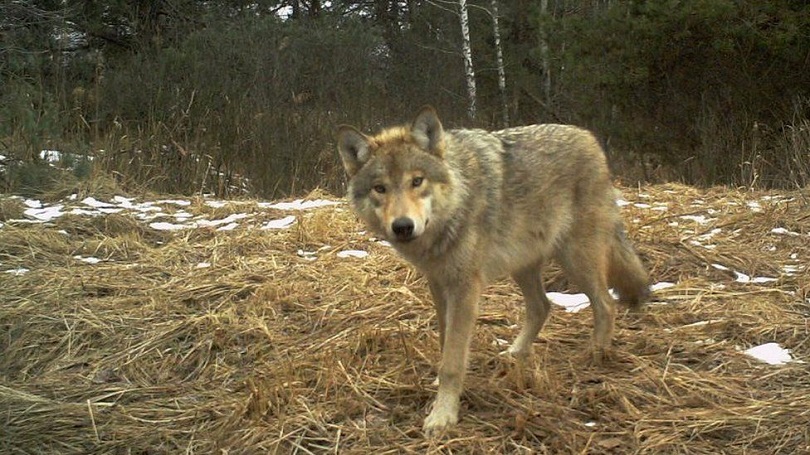
Lack of hunting by humans may have contributed to the success of wolves in the Chernobyl exclusion zone
“I think the pigs were not able to survive in the wild, but the boar thrived in the abandoned towns – because they’re so robust,” explained Donovan Anderson.
So, he said, while the evacuated area was the origin of this hybridisation, or cross-breeding, the hybrid pigs then go on to breed with wild boar. As Prof Shingo Kaneko from Fukushima University’s Institute of Environmental Radioactivity put it: “Those invasive genes are disappearing, and the natural situation is coming back.”
Since 2018, people have started to move back into previously abandoned areas near Fukushima.
“Humans are really the only predators for these wild boar,” said Mr Anderson. “So as people come back, it’ll be really interesting to see what the boar do.”
Thankfully no mutations have occurred. Or did they?
A Slovakian company working on developing a flying car took a big step forward this week when their prototype successfully completed an inter-city test flight. Dubbed simply ‘AirCar,’ the wondrous vehicle took flight from the city of Nitra on Monday morning and, over the course of 35 minutes, journeyed approximately 45 miles to the Slovakian capital city of Bratislava. Upon landing, the creators of the craft provided a fantastic display of its feasibility by immediately transforming it from an aircraft into a car, which is a process with takes less than three minutes, and then cruising into the center of the city where they were met by reporters.
Powered by a 160 horsepower BMW engine running a fixed propeller positioned at the back of the vehicle, the flying car is the brainchild of inventor Stefan Klein, who heads the company Klein Vision alongside co-founder Anton Zajac. According to the group, Monday’s flight was the latest in a series of milestones for the AirCar, which has already demonstrated the ability to reach an altitude of 8,200 feet and a cruising speed of 118 miles per hour. Klein Vision now hopes to take the insights gleaned from this initial prototype and create a more sizeable second test vehicle that will be equipped with a 300 horsepower engine. “AirCar is no longer just a proof of concept,” declared Zajac in a press release, “it has turned science fiction into a reality.”
While pulling off a successful flight from one city to another is undoubtedly an impressive achievement for the company, one may wish to temper their expectations as far as when the average person might be able to get behind the wheel of a flying car. As one can imagine, there are all manner of challenges that need to be overcome before such vehicles become commonplace, least of which are logistical issues that will come from having skies filled with such craft. That said, given the fact that a working flying car seemingly now exists, that long-imagined symbol of the future just might be closer than we think.
Godzilla vs. Megalon (ゴジラ対メガロ, Gojira tai Megaro) is a 1973 Japanese kaiju film directed by Jun Fukuda, written by Fukuda and Shinichi Sekizawa, and produced by Tomoyuki Tanaka, with special effects by Teruyoshi Nakano. Produced and distributed by Toho Studios, it is the 13th film in the Godzilla franchise, and features the fictional monster characters Godzilla, Megalon, and Gigan, along with the mecha character Jet Jaguar.
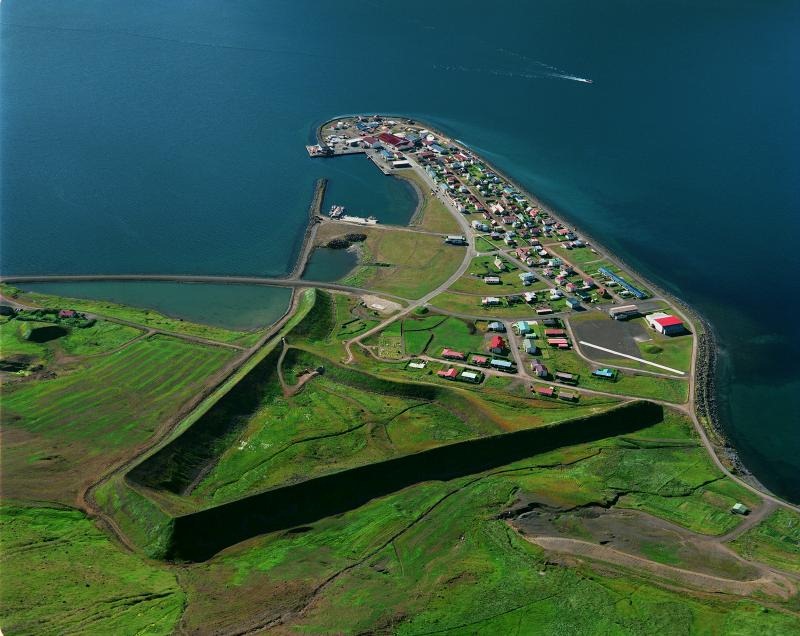
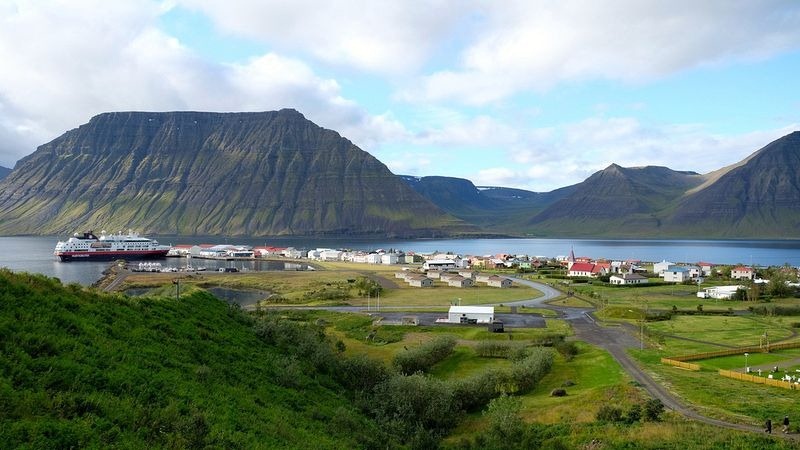
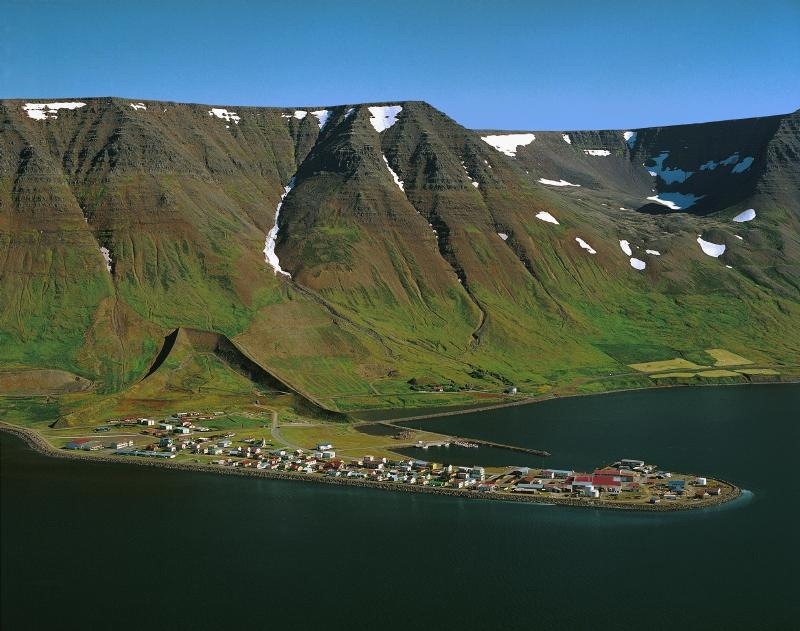
Flateyri is a small fishing village located on a narrow strip of land at the edge of the sea in the picturesque Westfjords, in northwest Iceland. The village of only 300 has been a trading post since 1792 and saw its heyday in the 19th century when it became a major whaling center and base for shark-hunting. The fishing industry has always been vital for the villages in the Westfjords, and Flateyri had successfully married this tradition with tourism making the village a very popular destination for foreign sea anglers.
Like so many Icelandic villages, Flateyri is located on the seaside at the base of a steep, treeless mountain called Skollahvilft. The mountain is but steeper than usual and remains covered with snow for much of the year making it susceptible to avalanches. However, no major incident had occurred until one October morning in 1995.
It was 4 am on the 27th, and the residents of Flateyri were sleeping. Suddenly, they were awakened by a deafening roar as ice, rocks, and snow came crashing down the mountain. Seventeen homes, only one of which was thought to lie in the avalanche danger zone, were buried under snow and rocks. Local residents immediately attempted a rescue effort, but the snow had erased all landmarks and they had trouble locating where the houses were. The darkness made matters worse. Twenty people were killed that day. It took search parties two long and grueling days to locate all the bodies.
The disaster was the second deadly avalanche in the same region in ten months. In January, the people in the fishing village of Suðavík suffered a devastating avalanche where sixteen residents lost their lives. After that incident, people living in avalanche-prone areas became more prepared and cautious. As winter began the following October, high winds in the West Fjords prompted evacuations across the region. Hundreds of electric poles were snapped by the winds like twigs. Several avalanches occurred the day before the disaster at various places. In Langidalur, a herd of 18 horses were killed, while another slide destroyed a storage building in Sugandafjor.
Two deadly avalanches struck the Westfjords in 1995. One hit the town of Súðavík in January, killing 14, the other struck Flateyri in October, killing 20. Photo/GVA
In 1998, a special A-shaped earthen dam was built up the mountain to protect Flateyri from future avalanches. The structure consist of two deflecting dams that form a wedge or A-shaped structure in the mountain side. There is a small catching dam that extends between the two deflecting dams in the lowermost part. The walls are 600 meters long and 15-20 meters tall, while the catching dam is 10 meters high and 350 meters long.
Only a year after the dam was completed, in February of 1999, a large avalanche from the mountain came crashing down into the eastern side of the dam and went into the sea. The village was saved. The next winter, in March, another huge avalanche from the mountain slammed into the western wall and the village was protected again. Other smaller avalanches have occurred regularly, and each time the protection wall has deflected the snow safely away from the village.
Little Boy Blue come and blow your horn Sheep’s in the meadow, and the cow’s in the corn. All the king’s horses and all the king’s men Say they love the way you play that thing.
The king’s slave is a busy man, But he loves the sound of your rock ‘n’ roll band. The sheeps get a rhythm, and the cows get the tune. Ain’t nobody out, “Go, Little Blue!”
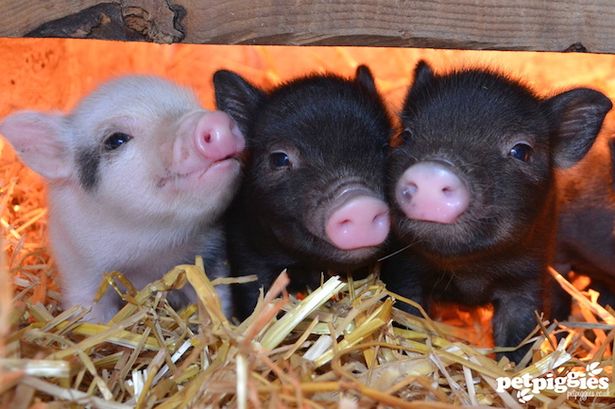
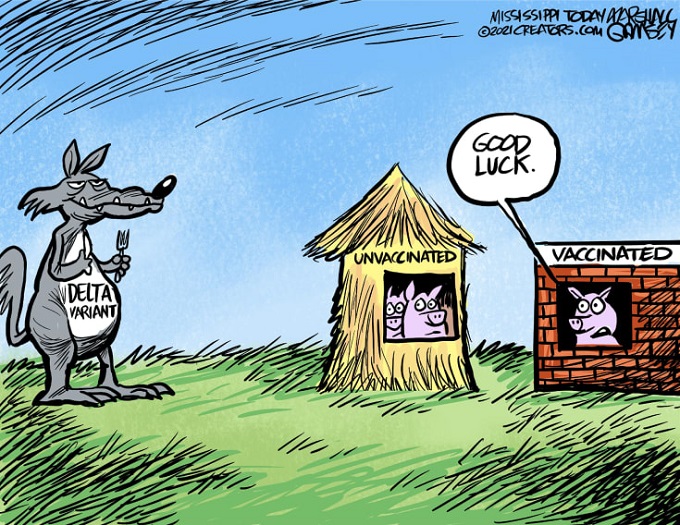
Three Little Pigs were going to the hop, But the Big Bad Wolf wouldn’t let them stop. Little Boy Blue played a crazy beat, And knocked the Big Bad Wolf off his feet.
[Instrumental Interlude]
Little Boy Blue played a crazy sound. The whole castle come a-rocking down. Wise men, old men, Cinderella, too. They all got together in the Ballroom ado.
Three Little Pigs were going to the hop, But the Big Bad Wolf wouldn’t let them stop. Little Boy Blue played a crazy beat, And knocked the Big Bad Wolf off his feet.
Little Boy Blue made the whole town dance, The swingin’est shepherd in all the land. The Queen calls down, “Award him with a kiss.” “Ah, your highness, ain’t nothing to this.”
Three Little Pigs were going to the hop, But the Big Bad Wolf wouldn’t let them stop. Little Boy Blue played a crazy beat, And knocked the Big Bad Wolf off his feet.














 The MarkoZen Blog