Year: 2021

Sharks Stalk Surfers at Bondi Beach
Some of these people have more balls than I will ever have. They knowingly take the risk.
Aerial footage captured by a news helicopter over Bondi beach in Sydney, Australia, shows several sharks lurking only meters away from dozens of unaware surfers and swimmers. The apex predators were drawn to the area by large schools of bait fish. “This is the one place that I would not be, I would not be amongst a big school of fish like that,” said marine biologist Culum Brown. Lifeguards deployed jet skis to warn those in the water and attempt to lure the sharks away from the popular beach.


Giant 3D Cat Comes to Life on Tokyo Billboard
On a 1,666-square-foot curved LED screen in Tokyo’s Shinjuku district, a gigantic cat looms over the crowd near a busy railway station. Part of an experiment in “digital signage,” the scale of the feline is startling. Finally a pet cat worthy of Godzilla!
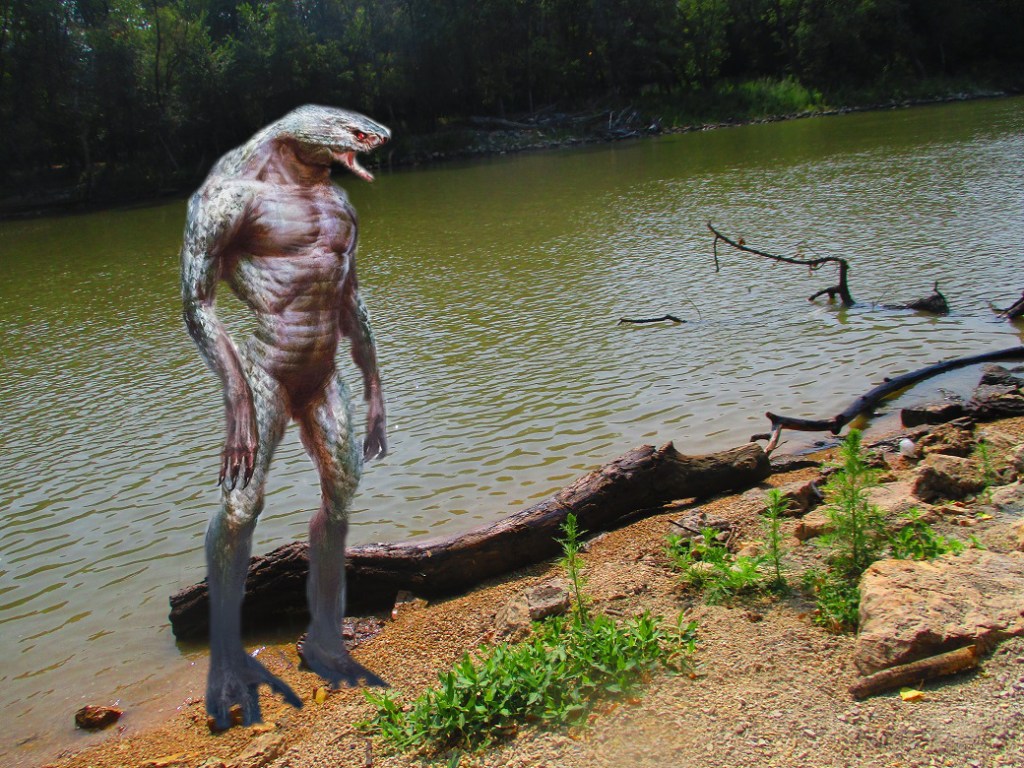
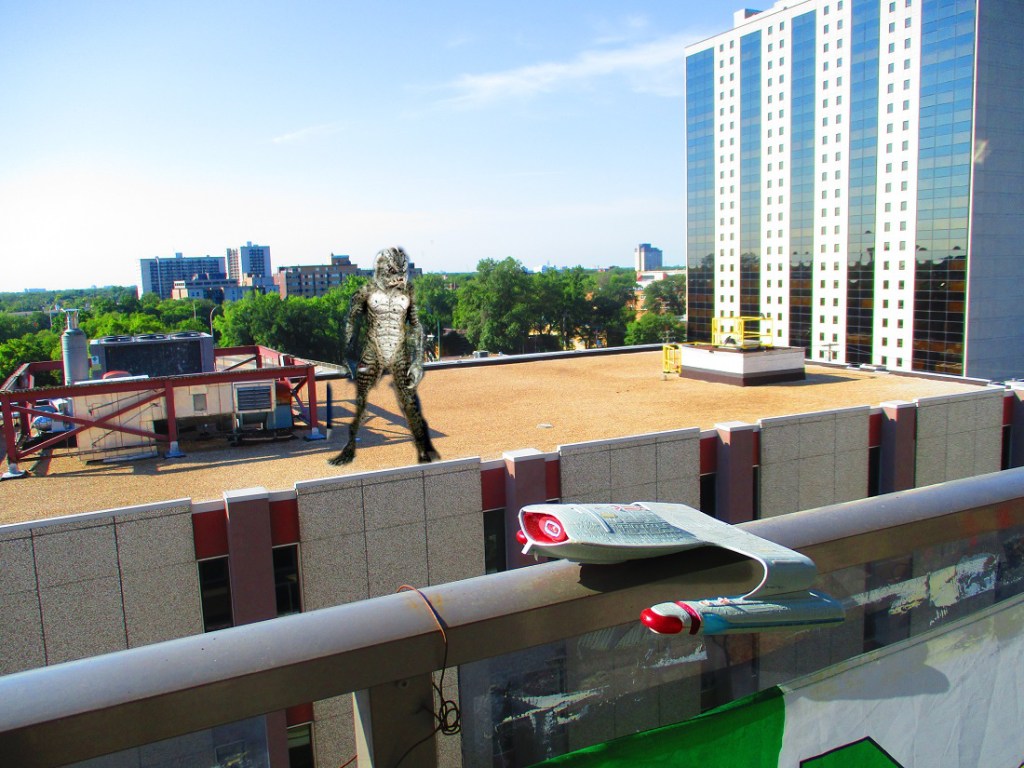
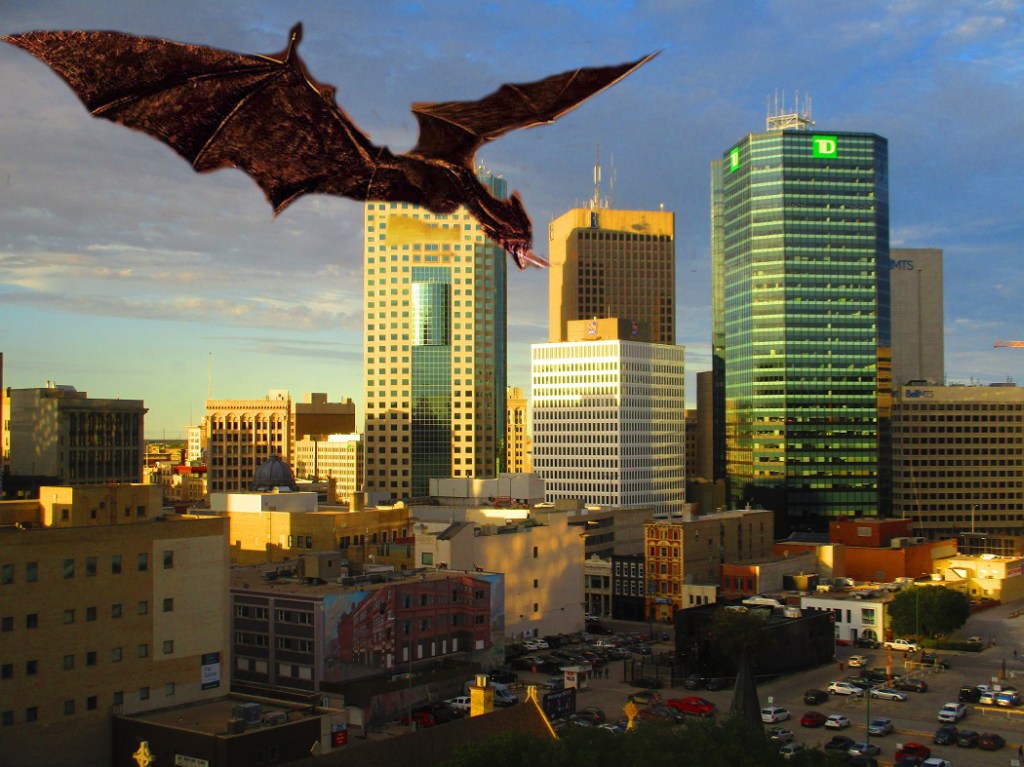
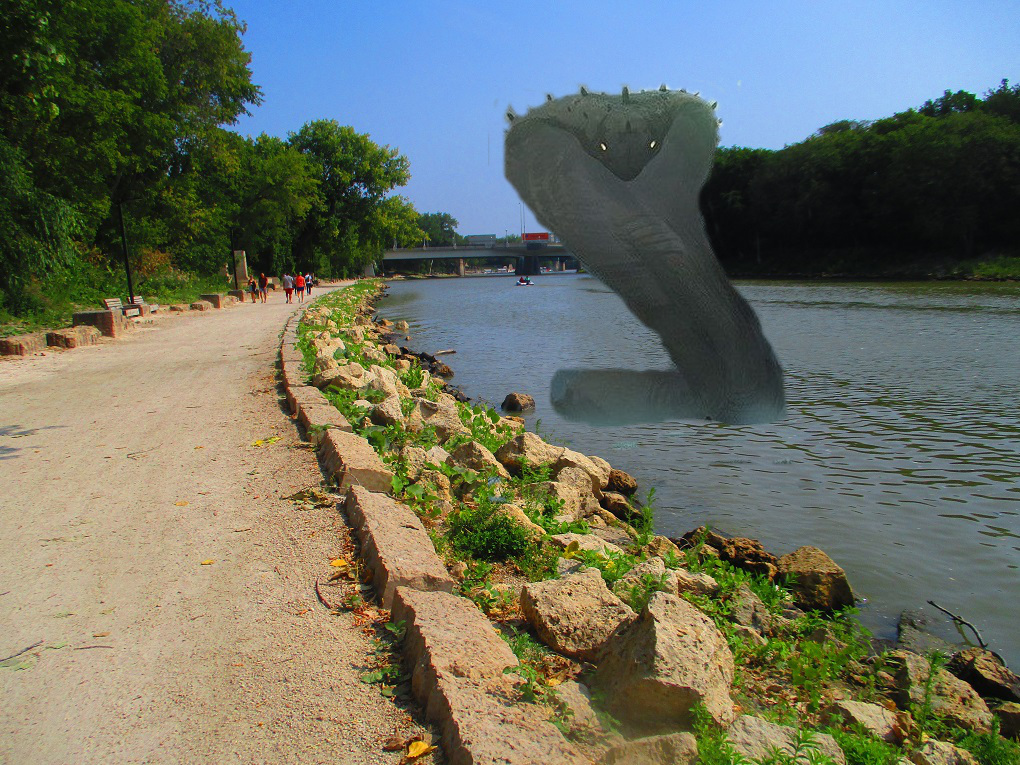
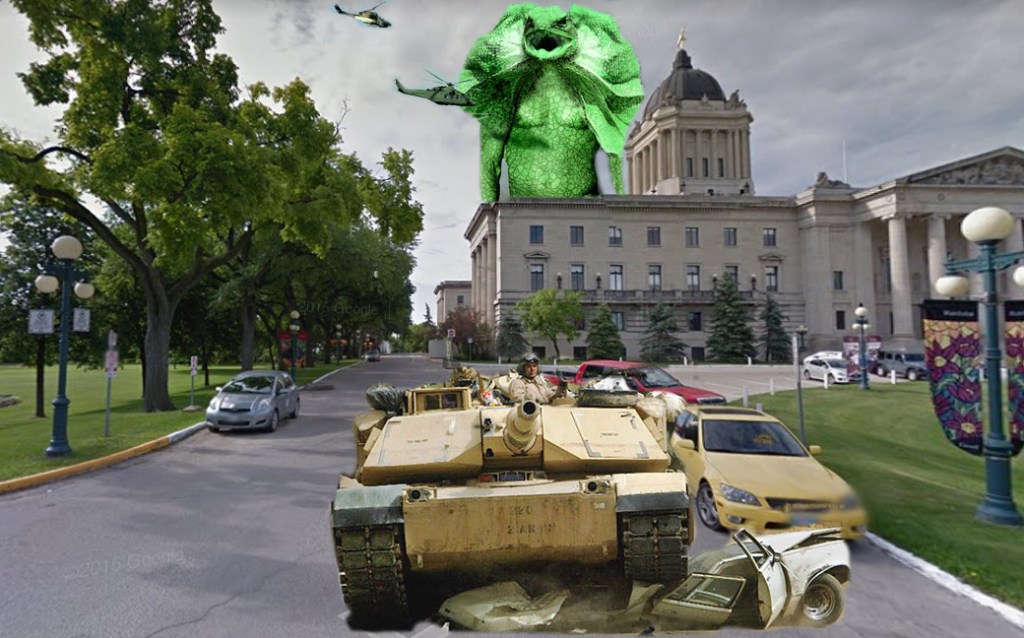
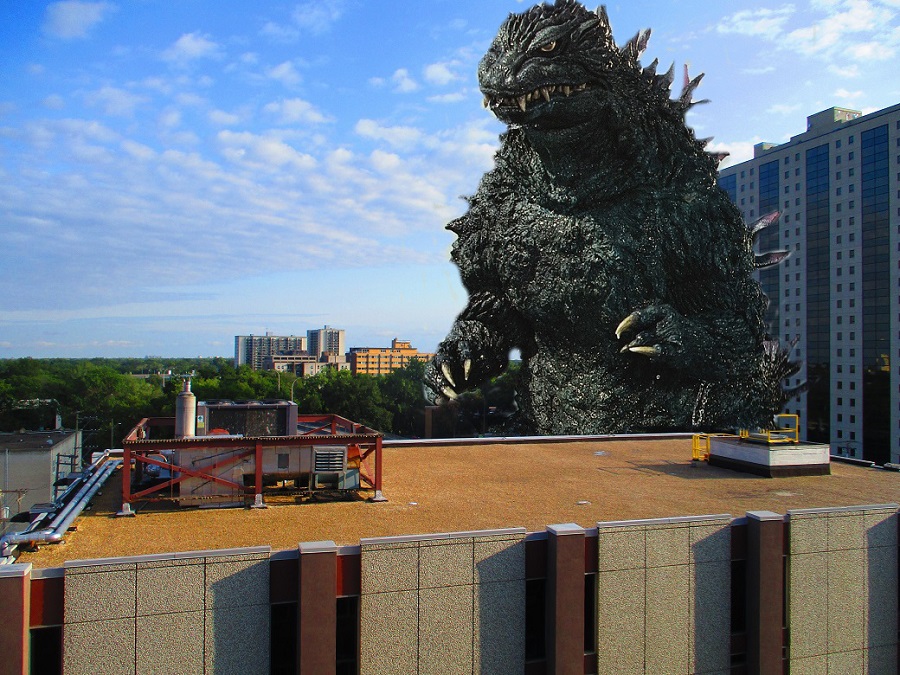
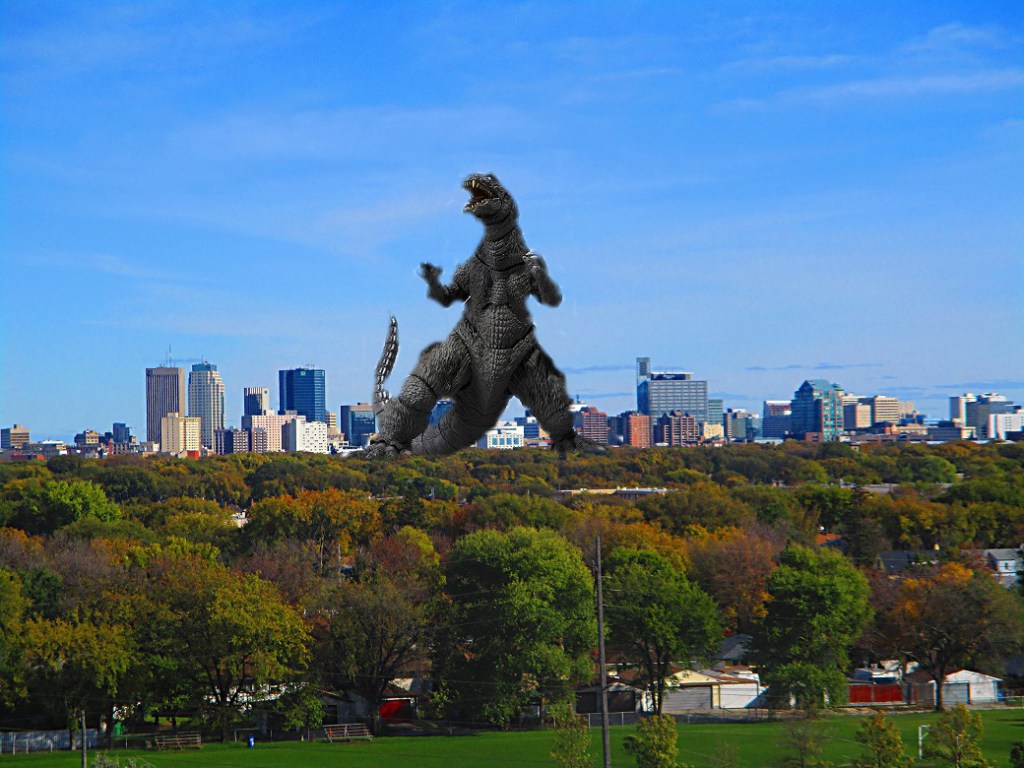
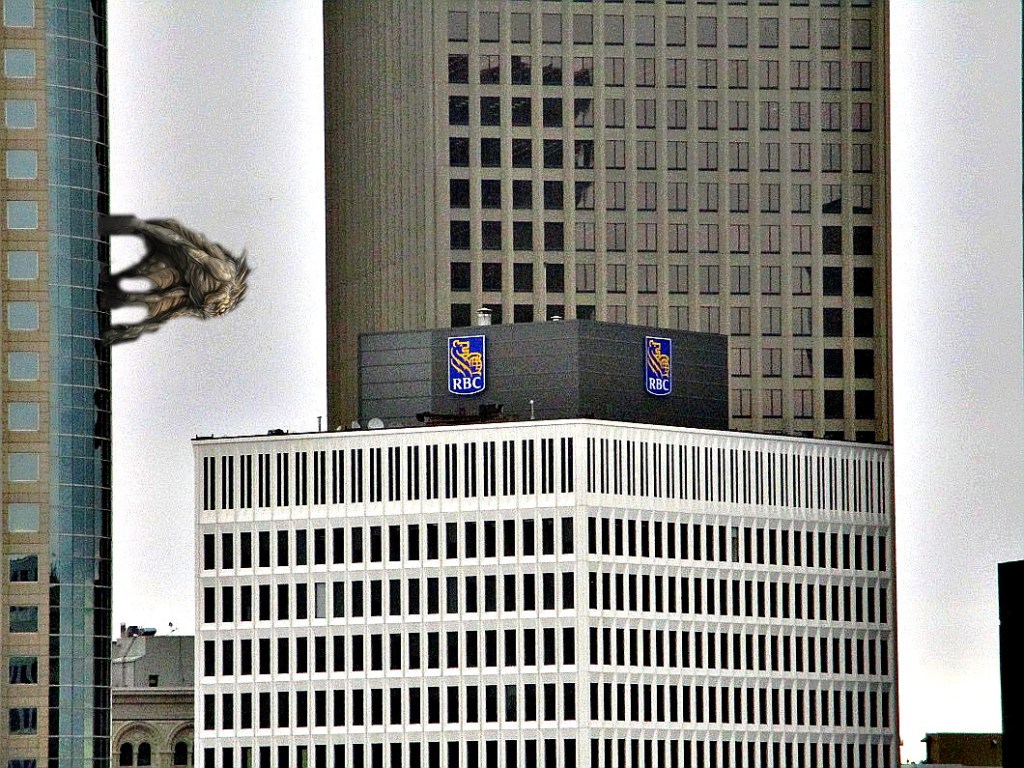
Monsters in Winnipeg!
Why? Where did they come from? What do they want!?
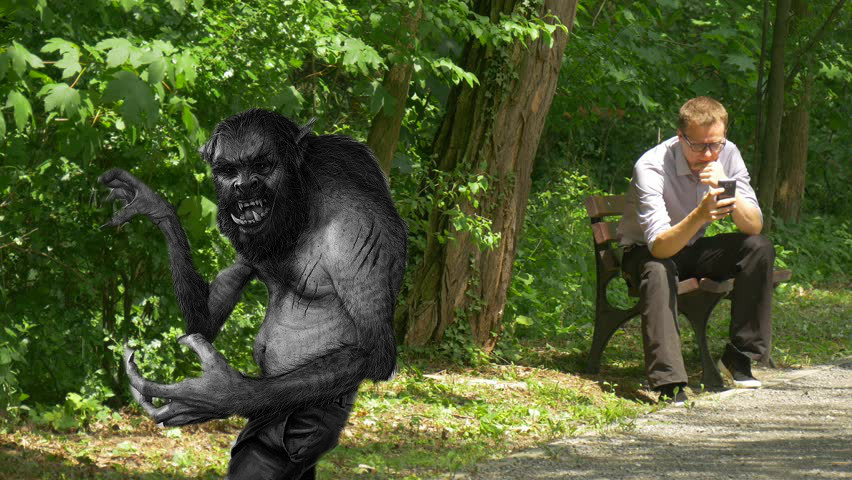
Sasquatch Provincial Park
Sasquatch Provincial Park is a provincial park in Kent, British Columbia, Canada.
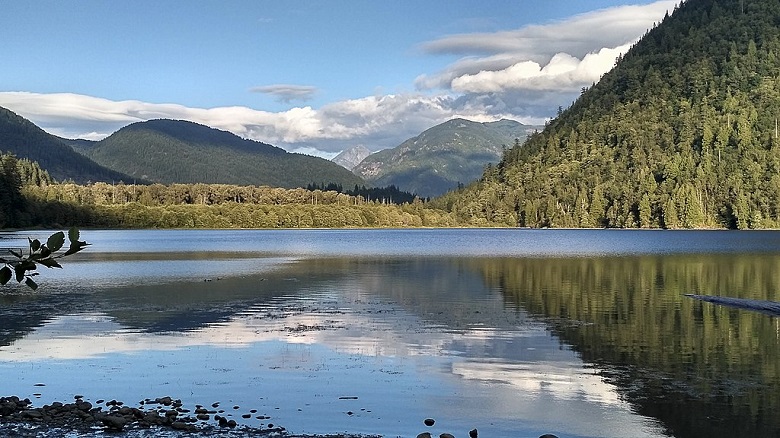
The park was established 1968, in its present condition. It actually began in 1959 as a 20 hectare inland fjord called Green Point Park, which was expanded into a picnicking area in 1960. Eight years later the park was expanded greatly and renamed. It was named after Sasquatch (a Halkomelem Salish word), the cryptid said to be endemic to the area.

The park is 1217 hectares in size. It is characterized by a series of pocket lakes, a unique second-growth and birch forest, and scenic mountain ridges.
The park is located in the District of Kent, 6 kilometres north of Harrison Hot Springs, British Columbia.
Conservation
Wildlife: tailed frogs, beavers, mountain goats, bears, deer, and Sasquatch
Fish: sturgeon, smelt, rainbow trout, cutthroat trout, brook char, salmon, catfish, and stickleback
Birds: bald eagles, woodpeckers, warblers, and vireos
Insect: black petaltail dragonfly


Sasquatch sightings go back as far as the 1800s when prospectors and miners from the Klondike Gold Rush in the Yukon told stories of wild ape-men. In British Columbia, over 200 Sasquatch sightings have been reported in the area of Harrison Hot Springs, Pitt Lake, Whistler and Squamish, Hope, Mission, and on Vancouver Island. People have also reported hearing the Sasquatch making high-pitched screams and howling at night across British Columbia.
The last sighting on record was in 2014; Global News reported that a Sasquatch-like creature was seen trudging through snow in a remote area near Whistler.
Northumberlandia: The Lady of the North
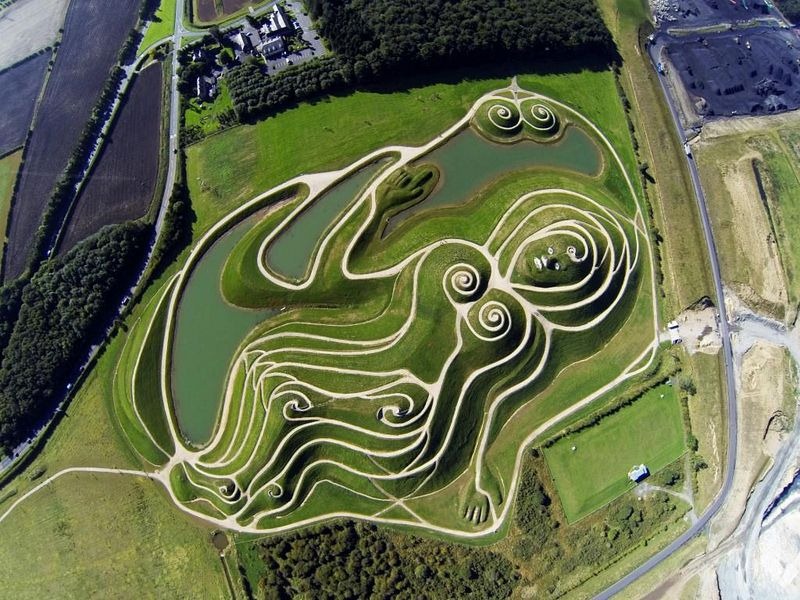
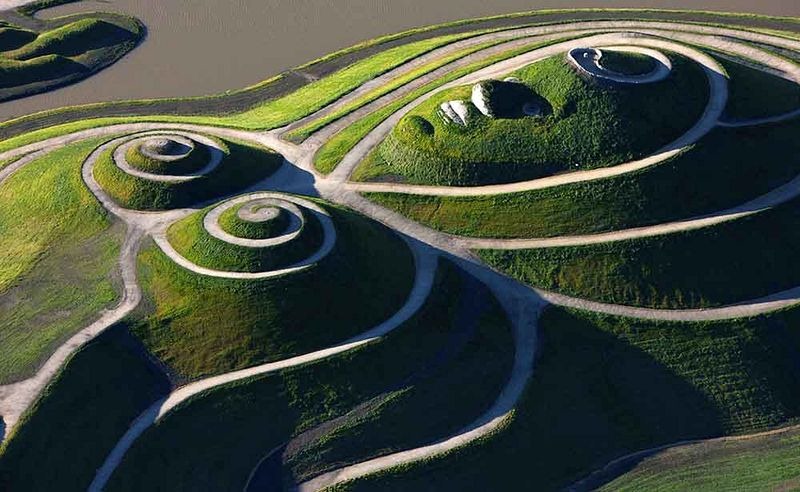
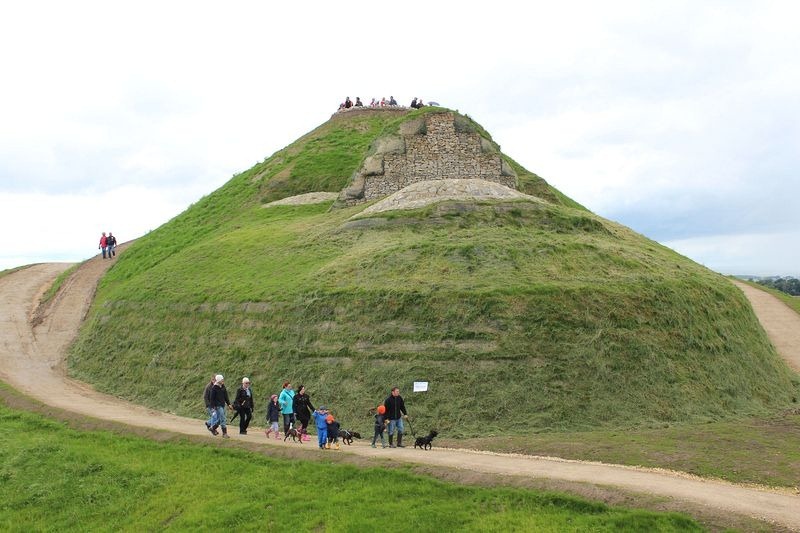
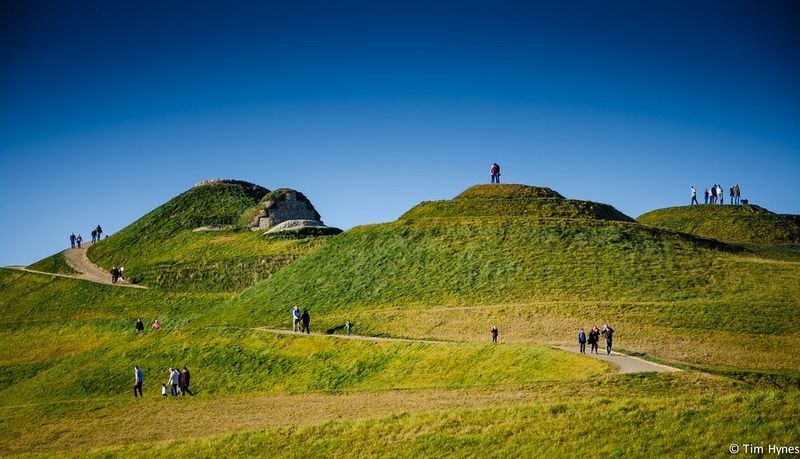
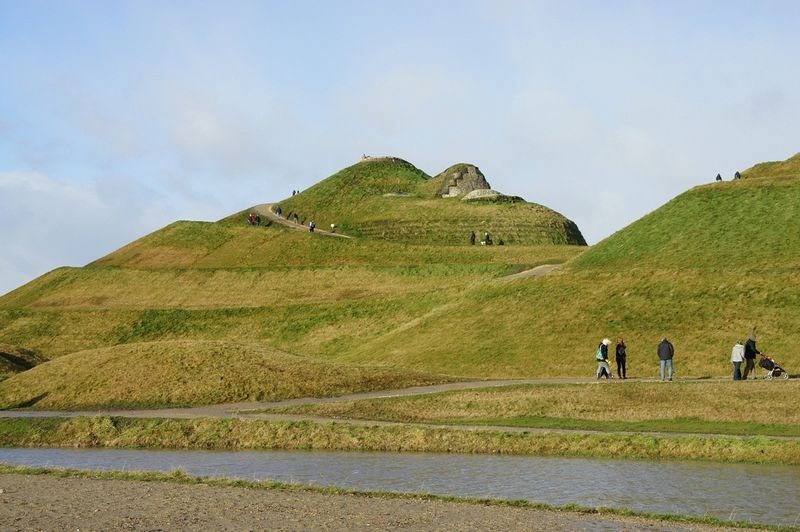
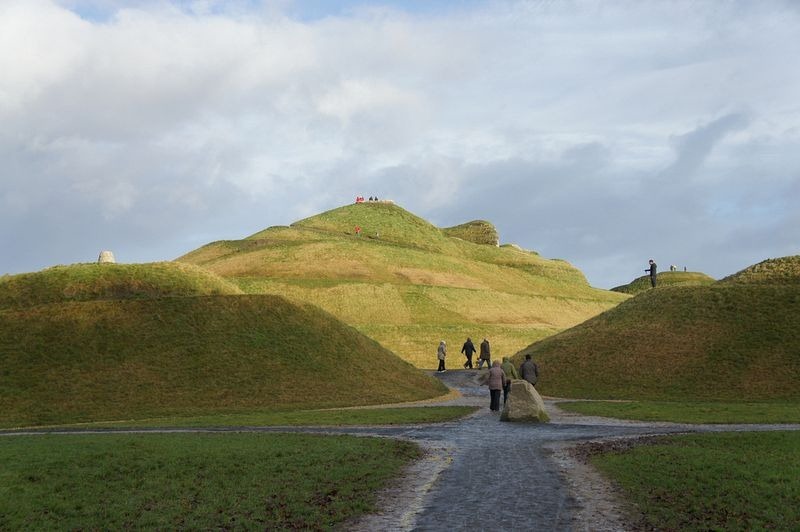
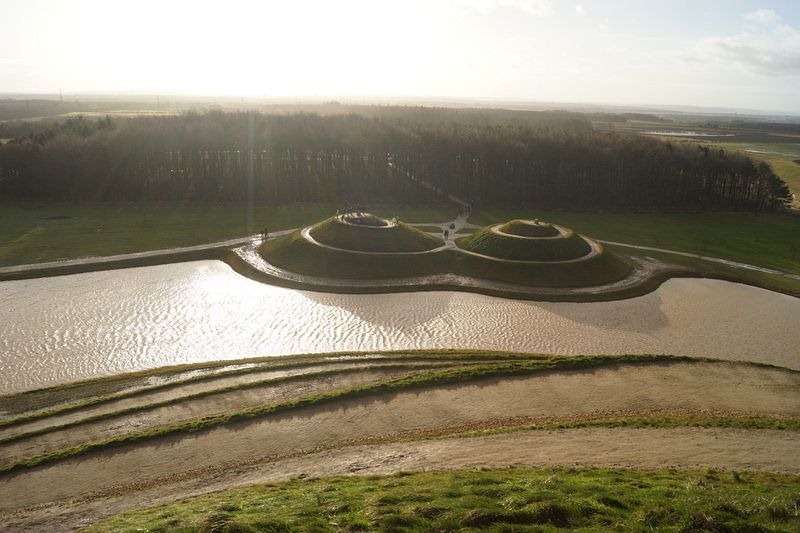
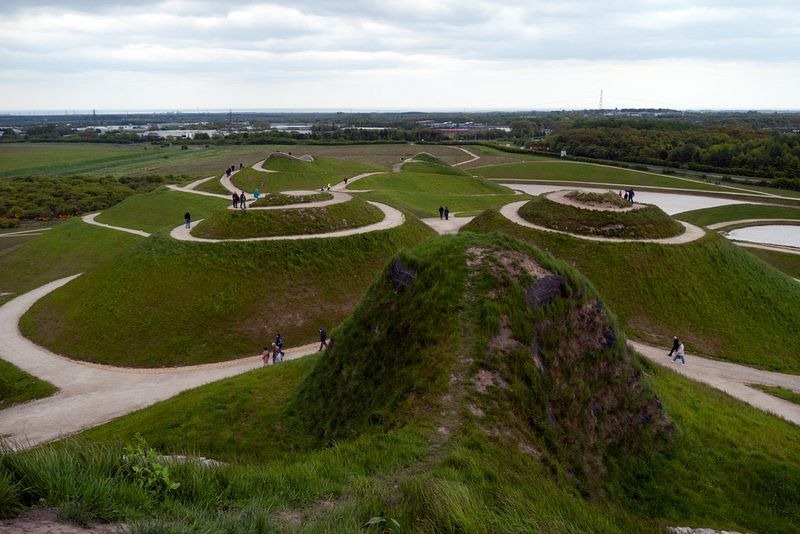
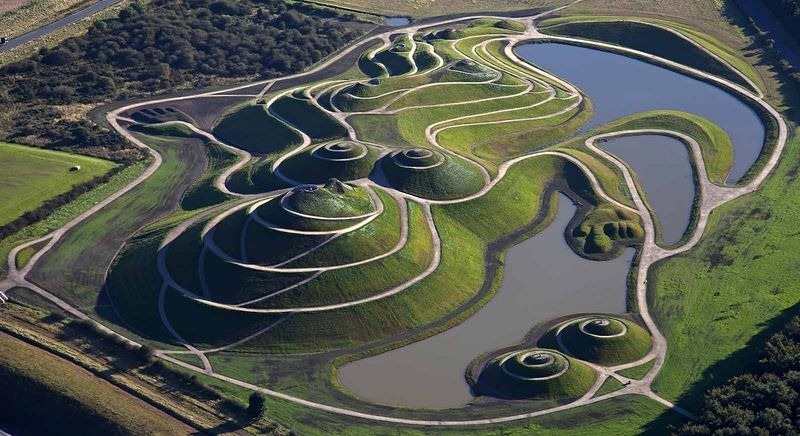
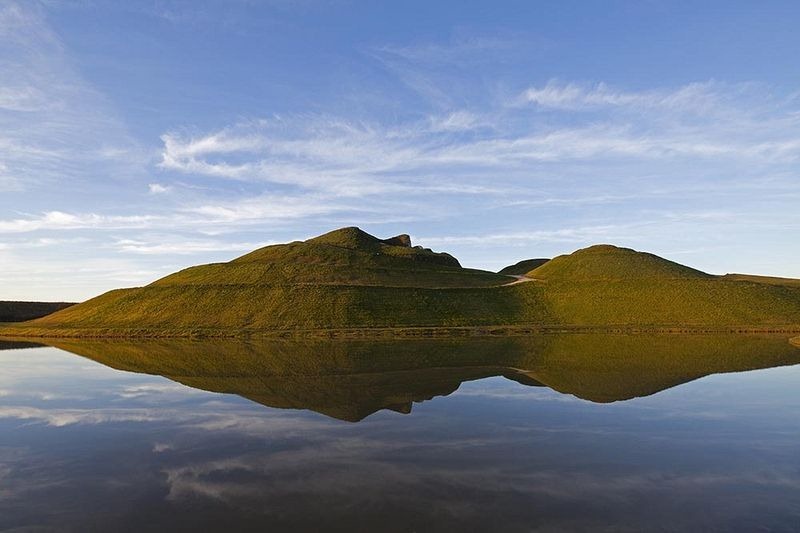
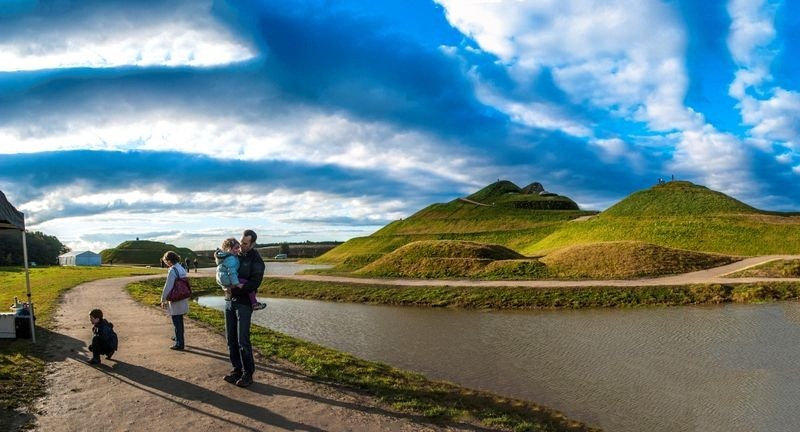
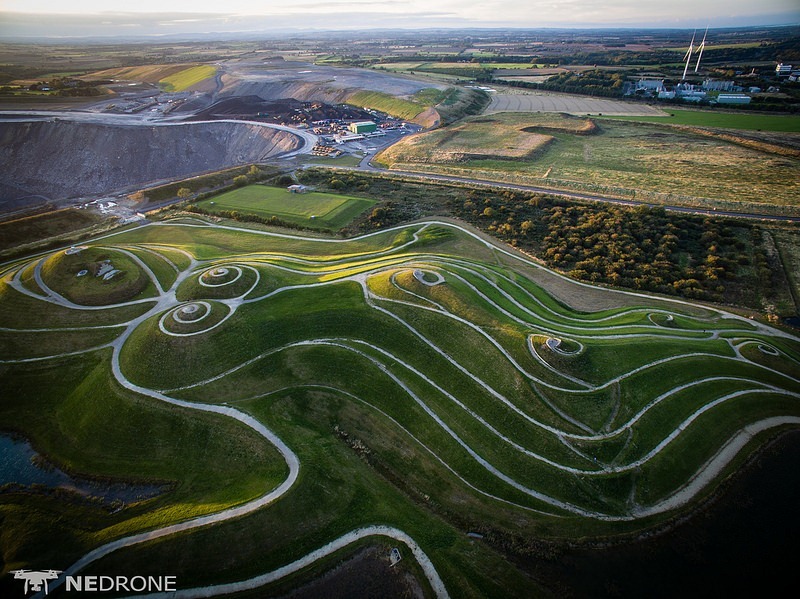
In the former coal mining town of Cramlington, Northumberland, North East England, is a gigantic piece of land art in the shape of reclining naked lady named ‘Northumberlandia’. She is more than a hundred feet tall at her tallest point, her forehead, and a quarter of a mile long. She lies on her back, with her hairs spread out, upper body in supine position and her lower torso twisted towards her left, as if she is dancing. Created by American landscape architect and designer Charles Jencks, Northumberlandia is said to be largest human landform sculpture in the world.
It is intended to be a major tourist attraction, with the developers hoping that it will attract an additional 200,000 visitors a year to Northumberland. It was officially opened by Anne, Princess Royal on 29 August 2012. A day-long Community Opening Event on 20 October 2012 marked the park becoming fully open to the public.
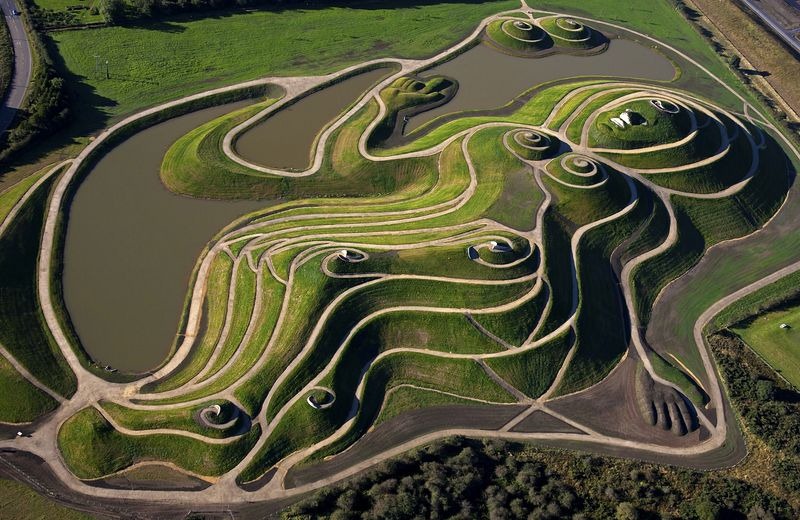
Northumberlandia was created from the by-products of an opencast mine in Shotton owned by Banks Group and Blagdon Estates. While digging for coal the employers realized that there was a splendid opportunity to creatively reuse all the rocks and dirt dug out of the ground instead of dumping them into bland hills. So they contacted renowned artist Charles Jencks to see what could be done and Northumberlandia was born.
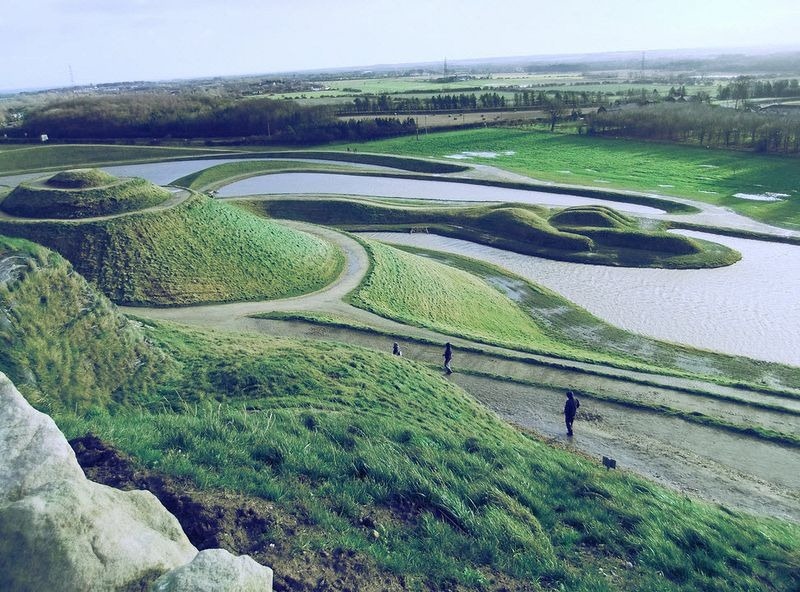
It took Charles Jencks two years to build and shape her curvaceous figure and sensual limbs out of 1.5m tonnes of rock, clay and soil discarded from the mine. Her core is made of rocks, layered over with clay and topped with soil over which a fine grass now grows. Some of her features are artistically highlighted with stone from the mine that is often used for the restoration of old buildings. The figure provides a series of resting and viewing platforms, the uppermost on the forehead, from which you can get a view of the open cast mine from where she came.




 The MarkoZen Blog