An enormous sandstorm swept over the capital city of Niger earlier this week and briefly turned the sky an unsettling blood red color. The eerie incident reportedly occurred on Monday afternoon in Niamey when an enormous wall of sand, dust and other debris slowly crept across the community. Although such events are not altogether unusual in the region around this time of year, this storm was particularly sizeable to the point that one person described the experience as “utterly terrifying.”
Several residents of the city captured the event on film as it unfolded and subsequently posted the footage to social media, providing some truly breathtaking perspectives on the storm. At one point, when it had fully engulfed the area, the sky turned an unnerving red color for a few minutes before rain eventually arrived and dissipated the cloud.
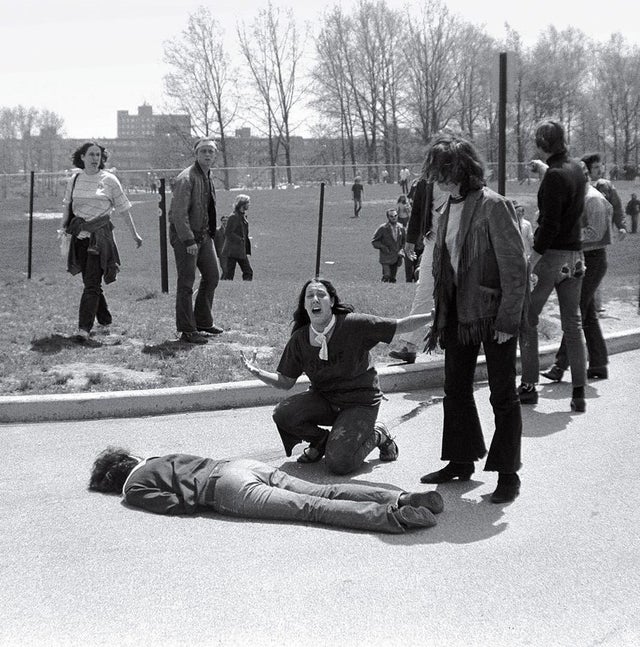
The Kent State shootings (also known as the May 4 massacre or the Kent State massacre), were the shootings on May 4, 1970, of unarmed college students by the Ohio National Guard at Kent State University in Kent, Ohio, during a mass protest against the bombing in neutral Cambodia by United States military forces. Twenty-eight National Guard soldiers fired approximately 67 rounds over a period of 13 seconds, killing four students and wounding nine others, one of whom suffered permanent paralysis.
Tin soldiers and Nixon’s coming
We’re finally on our own
This summer I hear the drumming
Four dead in Ohio
Gotta get down to it
Soldiers are gunning us down
Should have been done long ago
What if you knew her and
Found her dead on the ground
How can you run when you know
Ah, la la la la…
Gotta get down to it
Soldiers are gunning us down
Should have been done long ago
What if you knew her and
Found her dead on the ground
How can you run when you know
Tin soldiers and Nixon’s coming
We’re finally on our own
This summer I hear the drumming
Four dead in Ohio
Four dead in Ohio
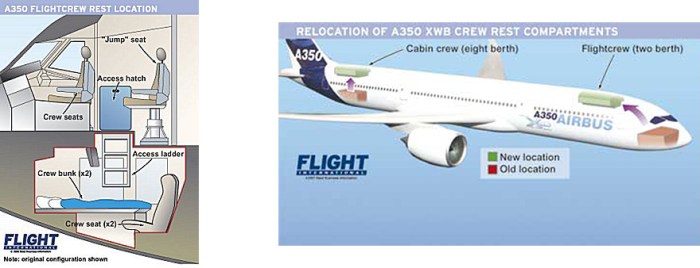
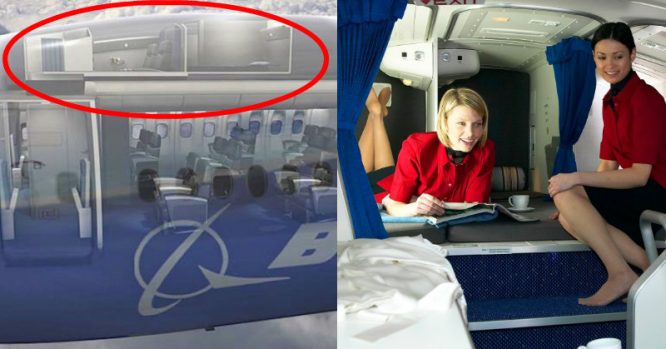
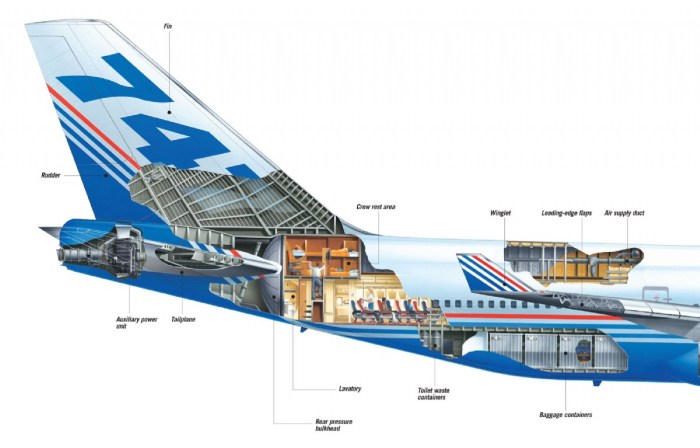
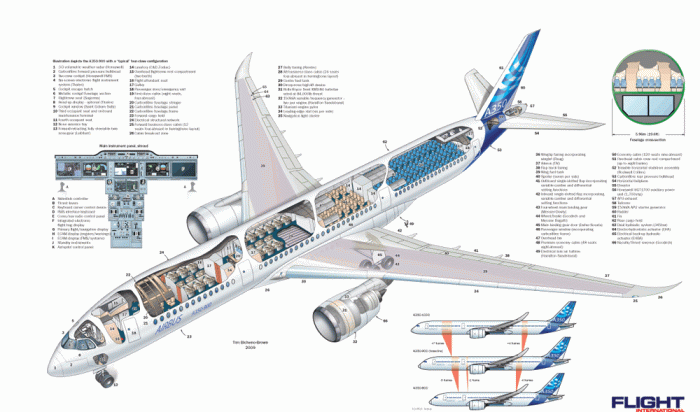
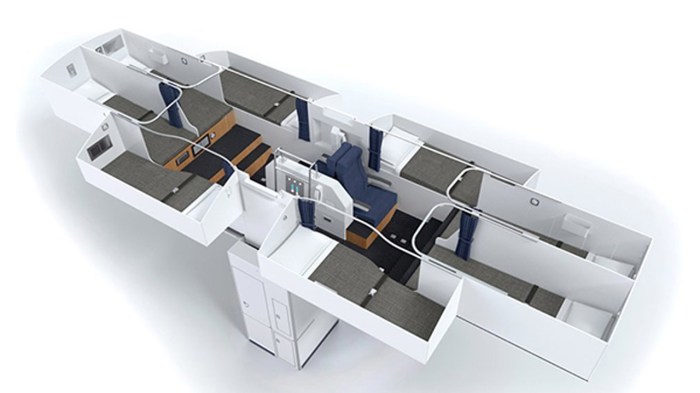
A crew rest compartment (crew rest) is a section of an airliner dedicated for breaks and sleeping by crew members, usually located above or adjacent to the passenger compartment. Crew rest compartments are normally segregated, with separate compartments for the flight crew and the cabin crew.
On long flights, crew members may sleep in crew rest compartments during off-duty periods. Federal Aviation Regulations have provisions requiring crew rest areas be provided in order to operate a long flight by using multiple crew shifts.
Passengers are restricted from accessing crew rest compartments by regulations, additionally their entrances may be secured by locks and may require ascending a ladder for access.
Barbara Lynn (born Barbara Lynn Ozen, later Barbara Lynn Cumby, January 16, 1942) is an American rhythm and blues and electric blues guitarist, singer and songwriter. She is best known for her R&B chart-topping hit, “You’ll Lose a Good Thing” (1962). In 2018, Lynn received the National Heritage Fellowship.
She was born in Beaumont, Texas, and attended Hebert High School. She played piano as a child, but switched to guitar, which she plays left-handed. Inspired by blues artists Guitar Slim and Jimmy Reed, and pop acts Elvis Presley and Brenda Lee, and winning several local talent shows, she created an all-female band, Bobbie Lynn and Her Idols.
She began performing in local clubs in Texas. Singer Joe Barry saw her and introduced Lynn to producer Huey P. Meaux, who ran SugarHill Recording Studios and several record labels in New Orleans. Her first single, “You’ll Lose A Good Thing”, co-written by her and Meaux, was recorded at Cosimo Matassa’s J&M studio with session musicians including Mac Rebennack (Dr. John). Released by Jamie Records, it was a number 1 US Billboard R&B chart hit and Top 10 Billboard Hot 100 hit in 1962. The song was later recorded by Aretha Franklin and became a country hit record for Freddy Fender. Reggae artist Mikey Dread also based the melody of his 1989 single “Choose Me” on this song. Lynn also released an album, also titled You’ll Lose A Good Thing, which featured ten of her compositions.
At 11 foot 8 inches, the Norfolk Southern–Gregson Street Overpass, located in Durham, North Carolina, United States, is a bit too short. The federal government recommends that bridges on public roads should have a clearance of at least 14 feet. But when this railroad trestle was built in the 1940s, there were no standards for minimum clearance. As a result, trucks would frequently hit the bridge and get its roof scrapped off.
Durham resident Jürgen Henn has been witnessing these crashes for years from across the street where he worked. Wishing to share these hilarious mishaps with the rest of the world, Henn set up a video camera in April 2008 and began recording them for his ever popular website 11foot8.com. By the end of 2015, more than one hundred trucks had their tops violently ripped off. These scalping videos, which are also available on his Youtube channel, have racked up millions of views bringing this particular bridge —nicknamed ‘the can opener’— a fair amount of international fame.
As Jürgen Henn explains in his website, the bridge cannot be raised because doing so would require the tracks to be raised for several miles to adjust the incline. North Carolina Railroad doesn’t want to pay for the enormous expense it would entail. The bridge cannot be lowered either because there is a major sewer line running only four feet under the street.
Instead, the city authorities installed an alert system that detects when an over-height truck tries to pass under and flashes yellow warning lights several feet ahead of the bridge. But many drivers either do not pay attention or fail to heed the warning, and crash into the bridge. The railroad department, who owns the bridge, installed a heavy steel crash beam in front of the bridge that takes most of the impact, protecting the actual structure of the train trestle. This crash beam is hit so often that it had to be replaced at least once.
As far as both parties are concerned —the city of Durham and North Carolina Railroad— adequate steps have been taken to solve the problem. The railroad authorities’ concern is with the bridge and the rails above, not the trucks. Hence, the beam. The city, on the other hand, has posted prominent “low clearance” signs from 3 blocks away leading up to the trestle, over and above the automatic warning system that is triggered by vehicles that are too tall.
Apparently, these measures are not enough to prevent accidents. On average there is one crash every month.
When Henn interviewed a few drivers as they deflated their tires to lower their vehicles enough to free them, some told him that they didn’t know their trucks’ heights, while others insisted they didn’t see the signs.
Durham officials are now trying out a new tactic. A few months ago, they installed a traffic signal at the intersection before the bridge, and hooked up the height sensor to it. When an over-height truck approaches the intersection, the light turns red, and stays red for a long time. The light eventually turns green, but the city hopes that the long delay will give the drivers enough time to realize their truck will not fit under the bridge. Unfortunately for the drivers, and to the delight of the rest, the bridge continues to shave the tops of over-height vehicles.
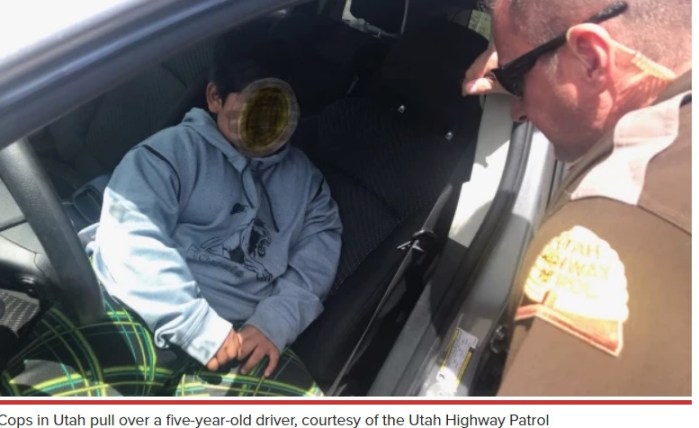
A 5-year-old boy was caught driving his parents’ car on a freeway in Utah on Monday — apparently on his way to California to buy a Lamborghini.
The kid driver made it a handful of miles, from his home in Ogden to I-15’s 25th Street offramp, Utah State Police said.
Troopers initially thought they’d stumbled upon an impaired driver, but soon found their perp was actually a child with a penchant for luxury cars.
The boy told them he left home after an argument with his mom, in which she refused to buy him a Lamborghini.
So he decided to go get one himself.
“He might have been short on the purchase amount, as he only had $3 dollars in his wallet,” state police posted on Twitter.
Their post included a photo of the boy in a grey sweatshirt and patterned shorts, wringing his hands inside his parents’ car.
UHP Sgt. Nick Street confirmed to local outlet KSL that the boy is indeed 5 years old, though the angle at which the photo was taken may have made him look older.
Cops didn’t mention a punishment for the boy — but going to bed without dinner could be in his future.
Popular Science magazine had many articles devoted to automobile safety back in the 1930’s, 1940’s, 50’s and 60’s. The car explosion in those decades revealed many problems and concerns as cars became bigger and faster. Many of the tips Pop Sci brings up from back in the day could be utilized in today’s world of mass automobile use.
Keep your eyes on the road!
If this cover image doesn’t terrify you into driving safely, we don’t know what will. According to the illustrator, driving 30 miles and hour is as dangerous as driving on the roof of a building.
Manitoba Public Insurance should start preaching these same basic rules. I don’t know about the one of suspecting every pedestrian of suicide.
1. Learn to judge the conditions of the road and the drivers. 2. It isn’t how fast you can go, it’s how fast you can stop. 3. Keep one car length between you and the car in front of you for every 10 miles on your speedometer. 4. Suspect every pedestrian of suicide. 5. Every intersection is a crash point, so slow down. 6. Signal properly. 7. Expect the worst from the other car.
Get those brakes checked regularly
Speed limits in certain States back in 1960 was 30 mph. That would be about 52 kph.
Keep those tires up to date and checked out regularly











 The MarkoZen Blog