



Rubʿ al-Khali, (literally “Empty Quarter” in Arabic), also spelled Al-Rabʿ al-Khali, is a vast desert in the southern Arabian Peninsula, covering about 250,000 square miles (650,000 square km) in a structural basin that takes in substantial portions of Saudi Arabia, as well as parts of Oman, Yemen, and the United Arab Emirates. It is the largest area of continuous sand in the world. It holds roughly half as much sand as the Sahara, which is 15 times the Empty Quarter’s size but composed mostly of graveled plains and rocky outcrops.
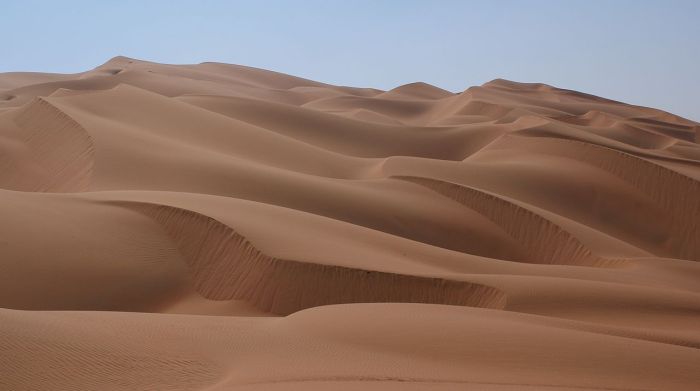
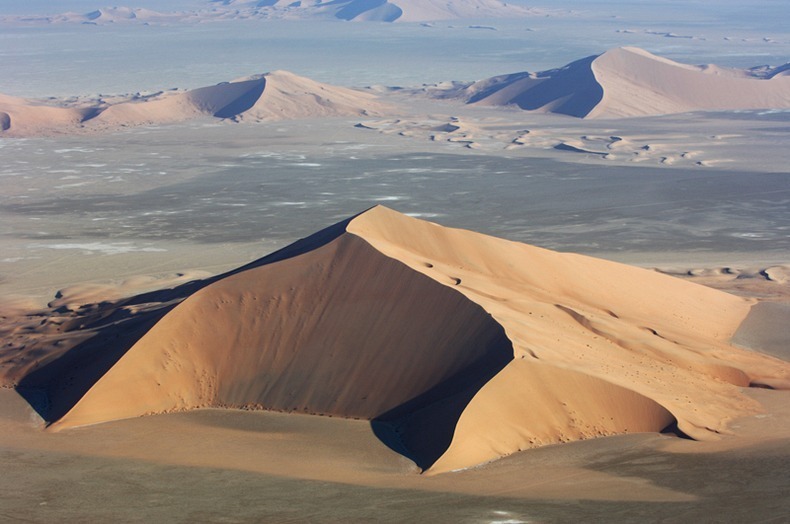
The desert is 1,000 kilometres long, and about 500 kilometres wide, and its topography is varied. In the west the elevation is as high as 2,000 feet (610 metres) and the sand is fine and soft, while in the east the elevation drops to 600 feet (183 metres) with sand dunes, salt flats, and sand sheets. The terrain is covered with sand dunes with heights up to 250 metres (820 ft), interspersed with gravel and gypsum plains.
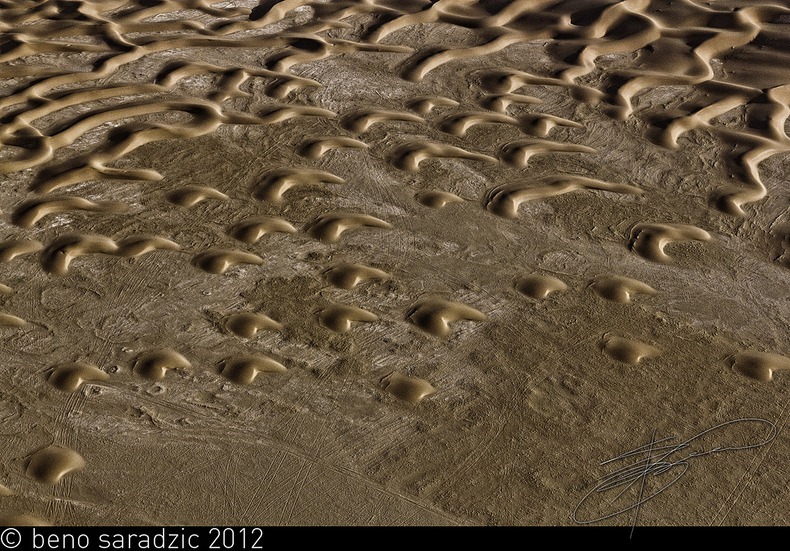
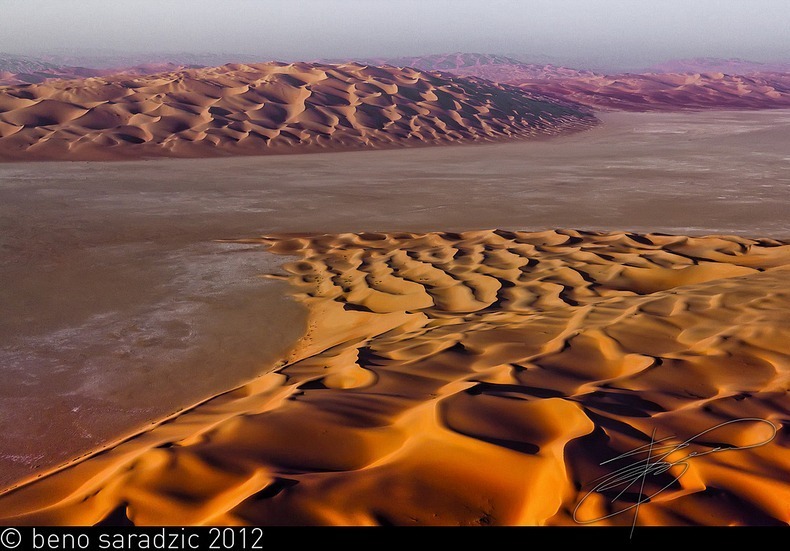
Aerial image of the sand dunes of Rub’ al Khali.
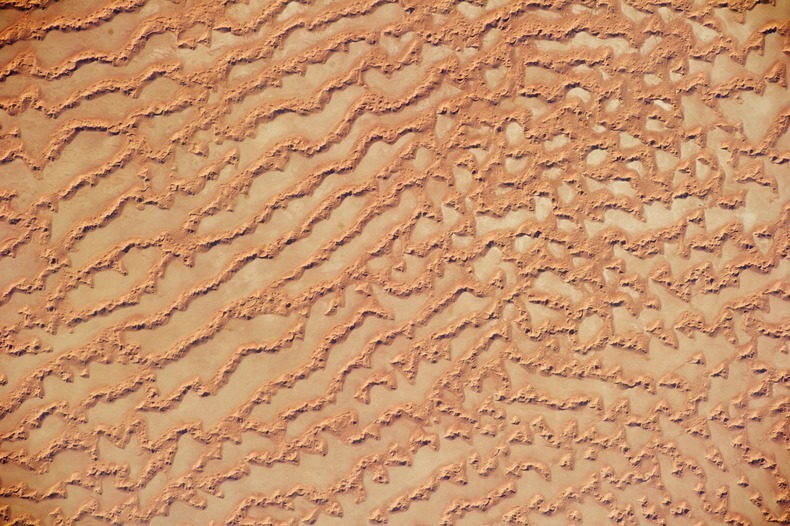
The image above was taken on May 16, 2011, by the crew of the International Space Station. Parallel rows of salmon-pink and white alternate to create a rippling pattern. White salt flats, known as sebkhas or sabkhas, separate the dunes. These salt-encrusted plains vary in hardness, in some places creating a surface strong enough to drive a vehicle over, in other places disappearing into sand.
The orientation of the linear dunes lies at a right angle to northwesterly trade winds that originate in Iraq, known as the Shamal winds. Secondary barchan (crescent-shaped) dunes and star dunes—with crests originating from a single point and stretching in several directions—can form atop the linear dunes when southwesterly winds blow during the monsoon season (Kharif winds). The long, linear dunes begin to break up into isolated large star dunes to the northeast and east (image right). This is likely the result of wind pattern interactions and of changes in the sand supply.
The Empty Quarter was so named because the hyper arid climate and difficulty of travel through the dunes has long discouraged permanent settlement within the region. The first documented journeys made by Westerners were those of Bertram Thomas in 1931 and St. John Philby in 1932. With daytime temperatures reaching 55 degrees Celsius, and dunes taller than 330 meters, the desert may be one of the most forbidding places on Earth.
There is however, evidence of human activity at Rub’ al Khali dating from 3,000 to 2,000 years ago, including chipped flint tools, but no actual human remains have been found. Several fossil remains of animals such as hippopotamus, water buffalo, and long-horned cattle also indicates the presence of water once in the distant past.
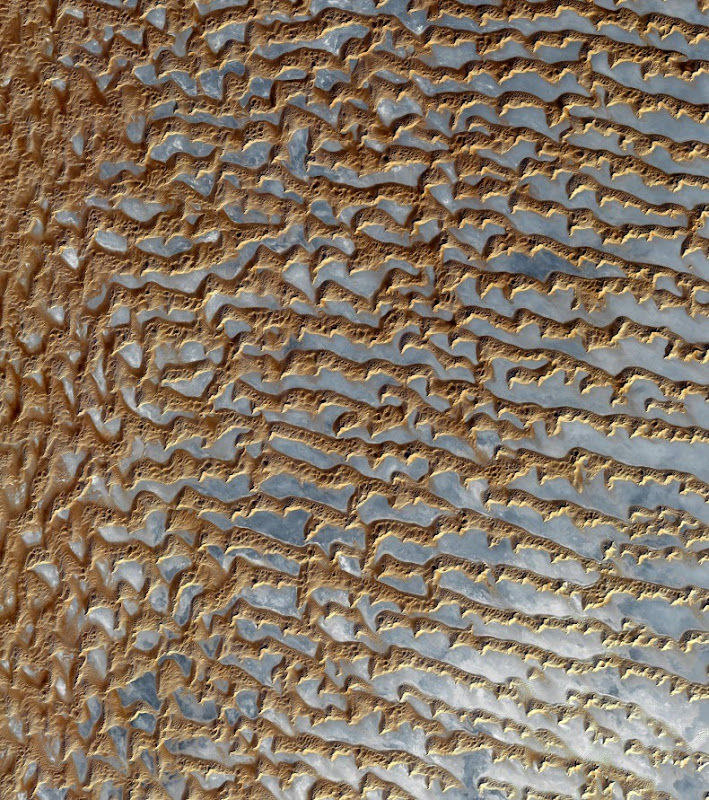
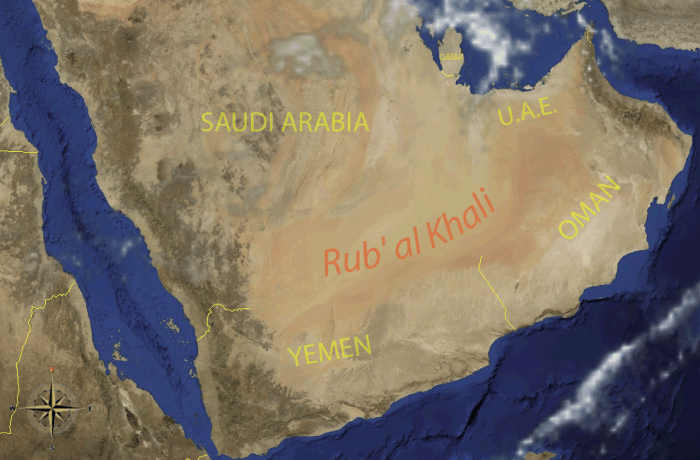
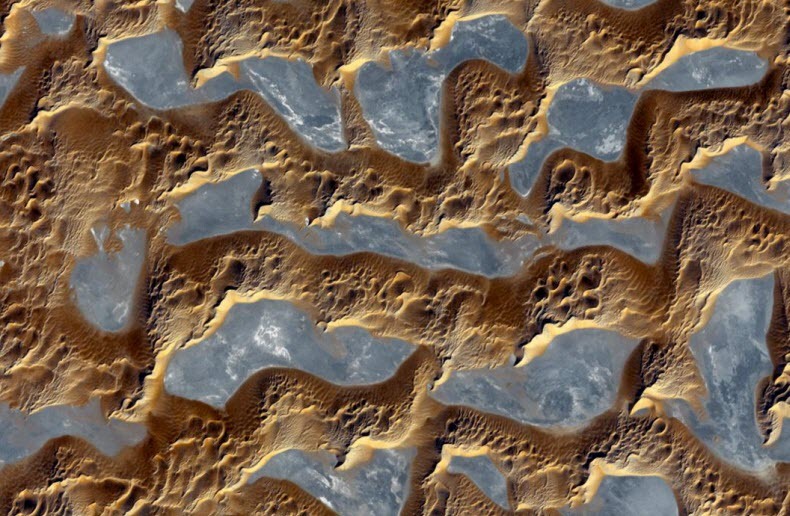
Photo credit: NASA
Rolling Stones for Rice Krispies
The Misfits belting out the music in this one.
Bubba Ho-Tep is a 2002 American comedy horror film written, co-produced and directed by Don Coscarelli. It stars Bruce Campbell as Elvis Presley—now a resident in a nursing home. The film also stars Ossie Davis as Jack, a black man who claims to be John F. Kennedy, explaining that he was patched up after the assassination, dyed black, and abandoned.
It is based on novella of the same name by Joe R. Lansdale, which originally appeared in the anthology The King Is Dead: Tales of Elvis Post-Mortem. Originally the film was “roadshowed” by the director across the country. Only 32 prints were made and circulated around various film festivals, though these garnered critical success. By the time it was released on DVD, it had already achieved cult status due to positive reviews, lack of access, and inclusion of (and similar on-the-road hard work by) Campbell.
While the novella and film revolve around an ancient Egyptian mummy (played by Bob Ivy) terrorizing a retirement home, Bubba Ho-tep also deals with the deeper theme of aging and growing old in a culture that values only the young. The film also features a cameo by Reggie Bannister from Coscarelli’s Phantasm series.
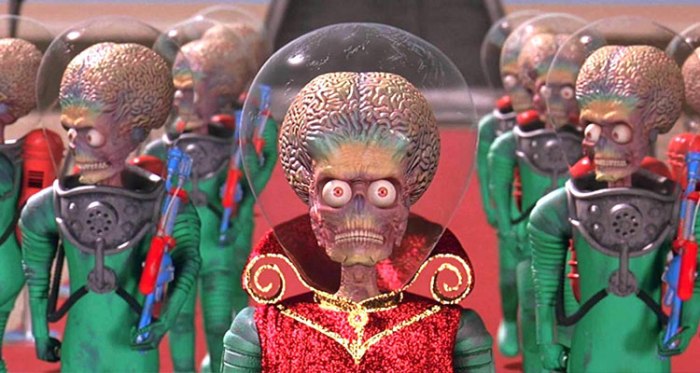
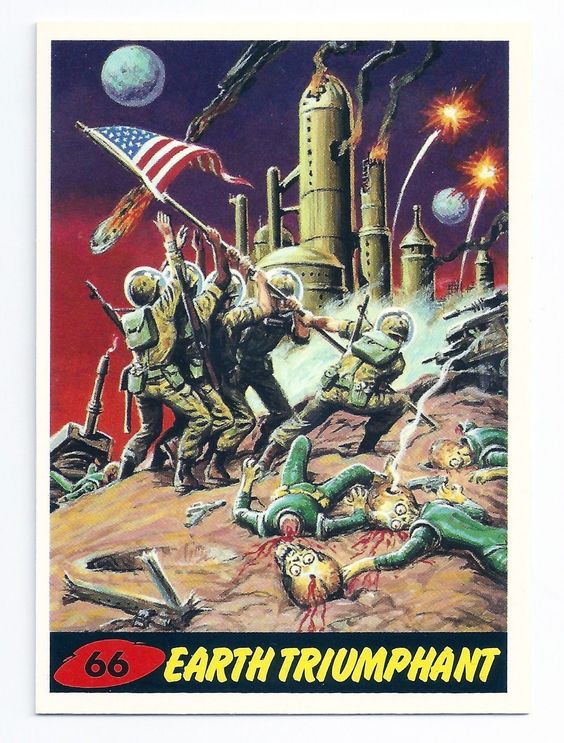
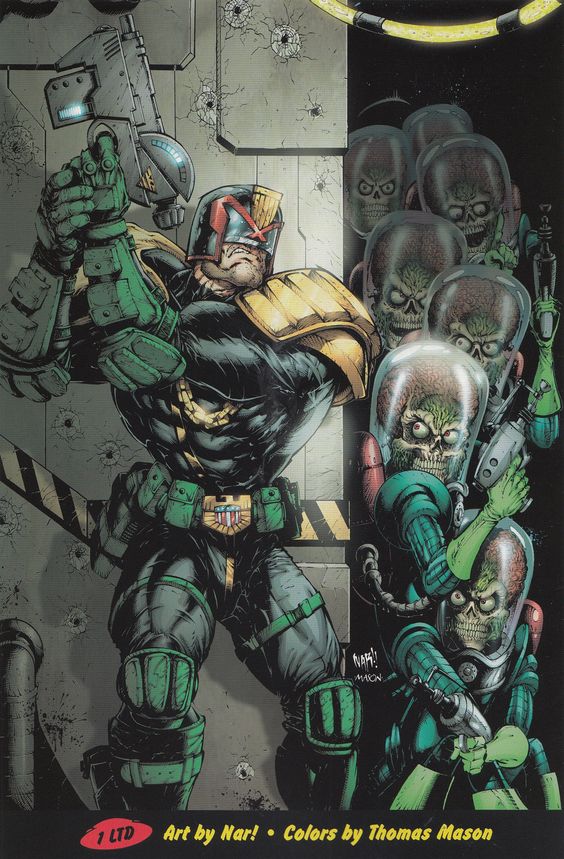
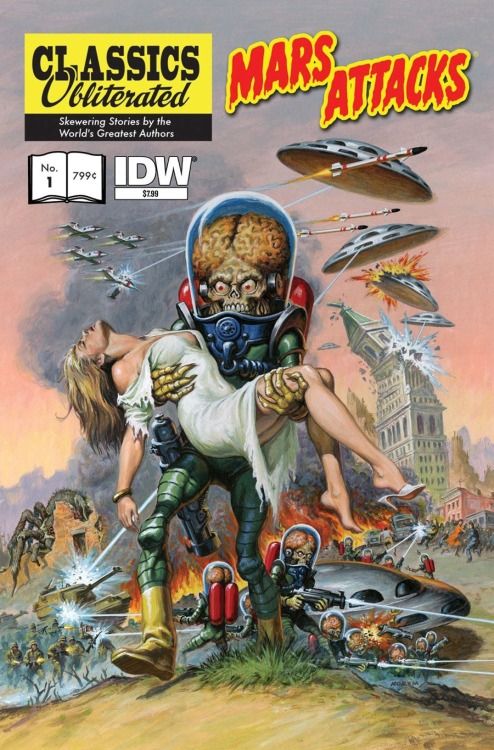
Mars Attacks! is a 1996 American comic science fiction film directed by Tim Burton.
Earth is invaded by Martians with unbeatable weapons and a cruel sense of humor.
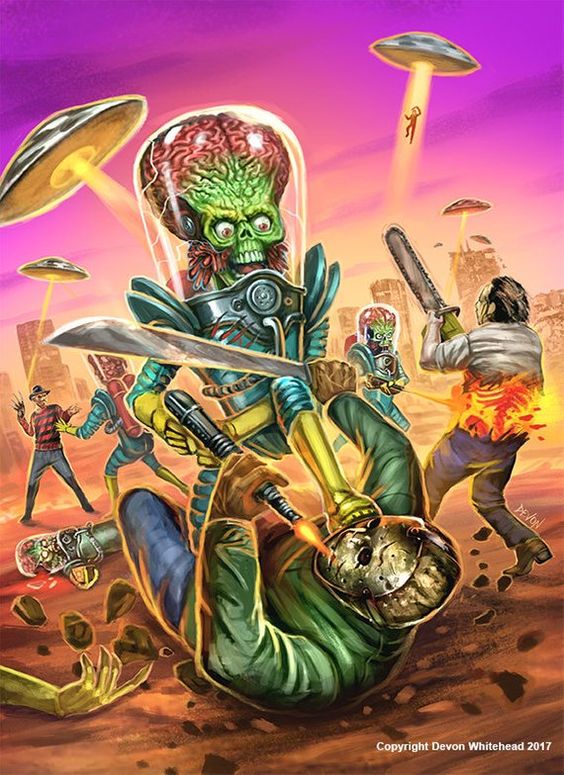
Alternative scenarios:





Downtown


The steps
| Population (2013) | |
|---|---|
| • City | 305,841 |
| • Rank | US: 62nd |
| • Density | 5,540/sq mi (2,140/km2) |
| • Urban | 1,733,853 (US: 27th) |
| • Metro | 2,360,867 (US: 22nd) |
| • CSA | 2,659,937 (US: 20th) |
| • GMP | $131.3 billion (23rd) |


 –
–
 –
–
 –
–
 –
–
 –
–
 –
–
 –
–
 –
–
 –
–
 –
–

One of my favourite magazines of all-time.
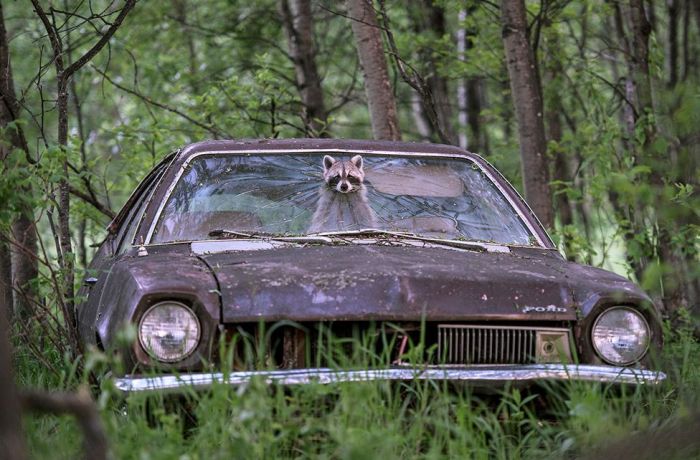
A raccoon pokes her face out of a 1970s Ford Pinto on a deserted farm in Saskatchewan, Canada. She was using the car as a safe place to bring up her young. The hole was too small for predatory coyotes to pass through. Category – Urban Wildlife.
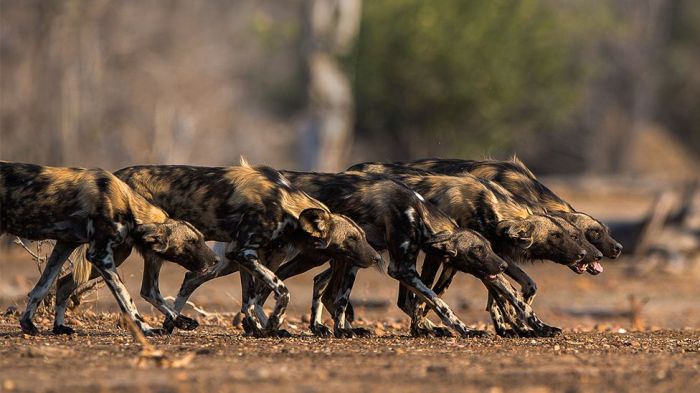
Wild Dogs of Zimbabwe
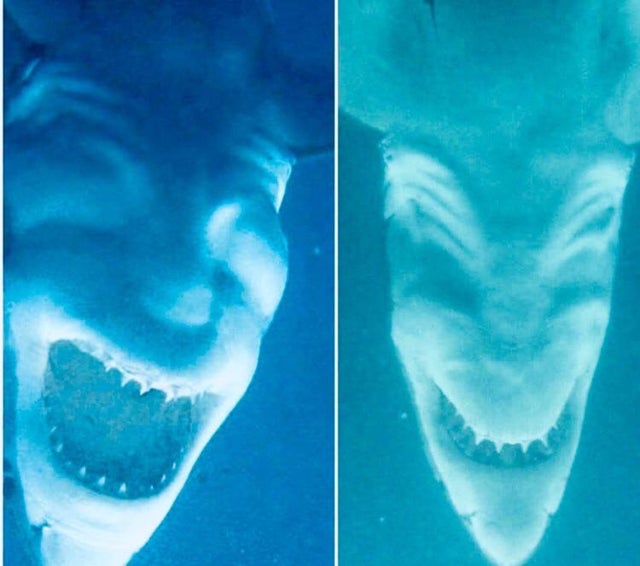
Sharks photographed upside down.
Dutch photographer Marsel van Oosten won the grand title with his photo of critically endangered golden snub-nosed monkeys in China.

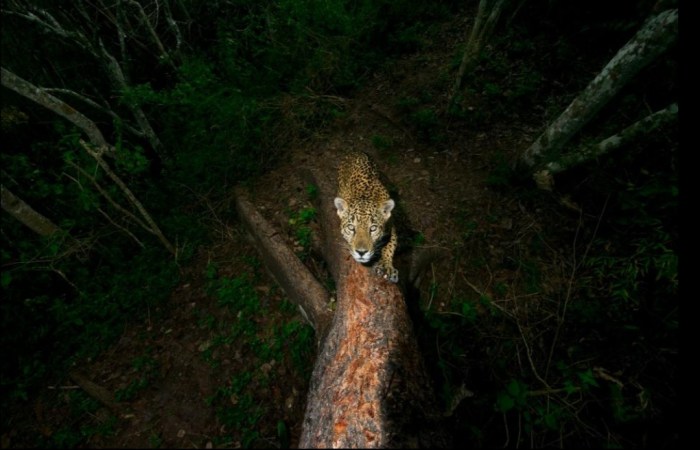
Jaguar in Mexico
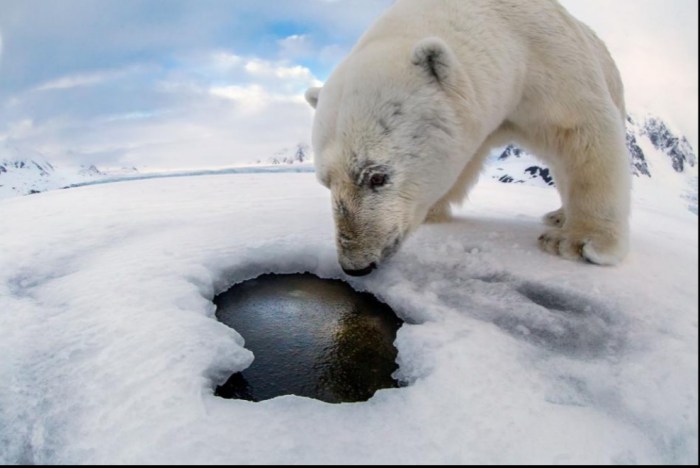
Motion sensor camera captures a polar bear waiting for seals at hole in the ice.
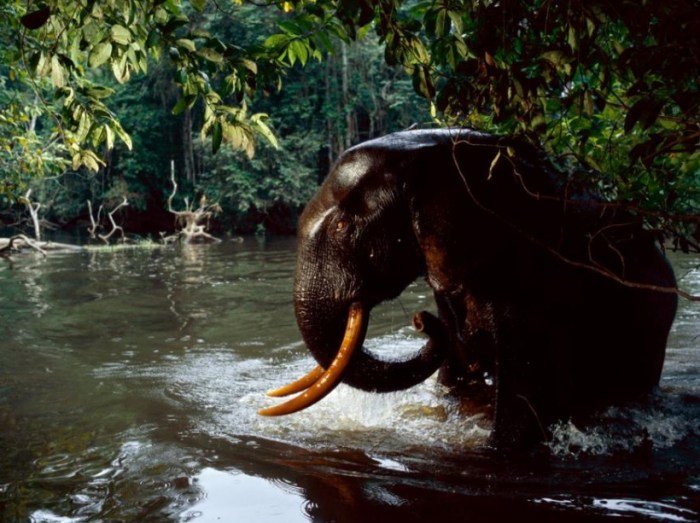
A camera trap captures a forest elephant wading through water. Gabon, Africa.
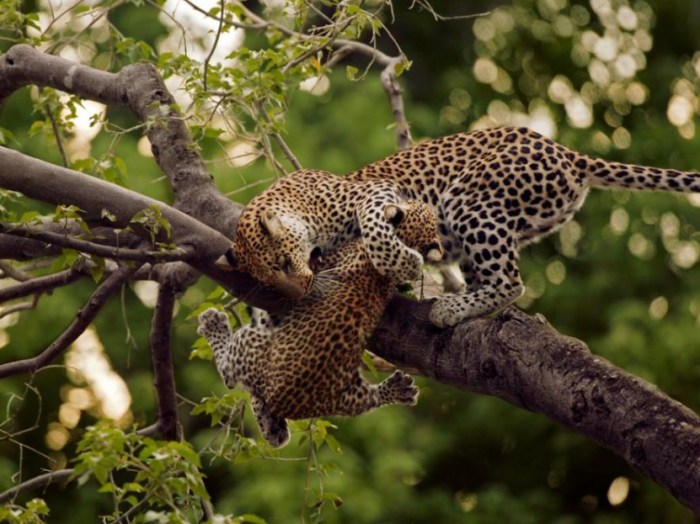
A mother holds onto her cub as it dangles from a high tree branch in Botswana’s Okavango Delta.
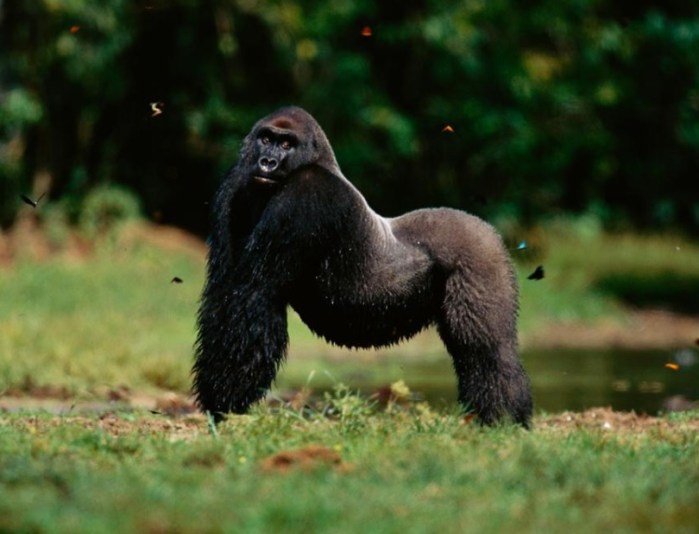
SILVERBACK GORILLA, REPUBLIC OF THE CONGO
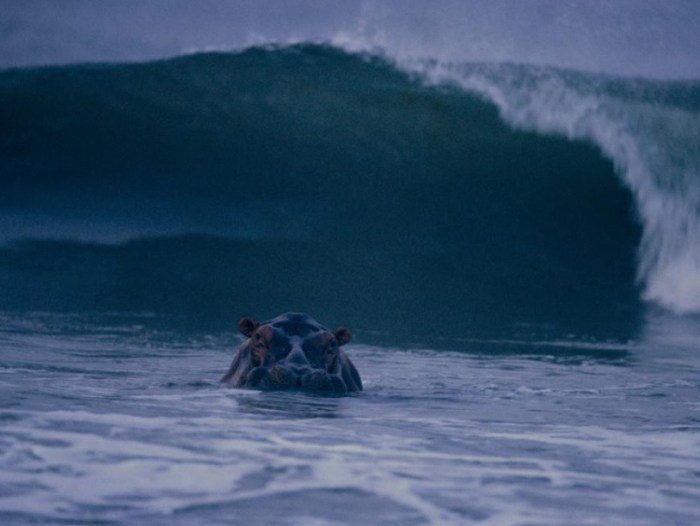
A hippopotamus surfs the waves off the coast of Gabon.
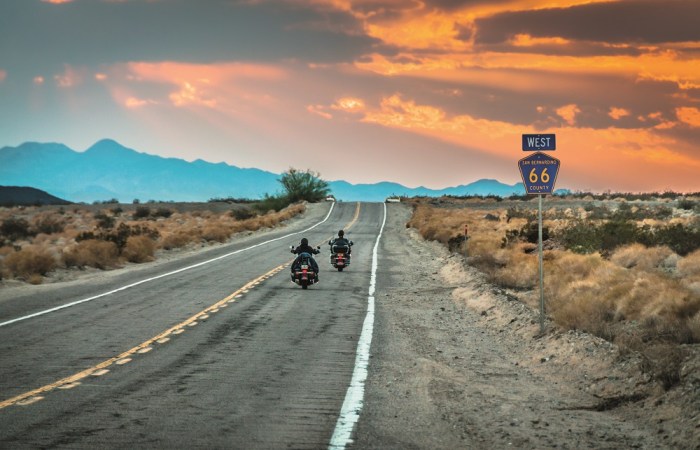
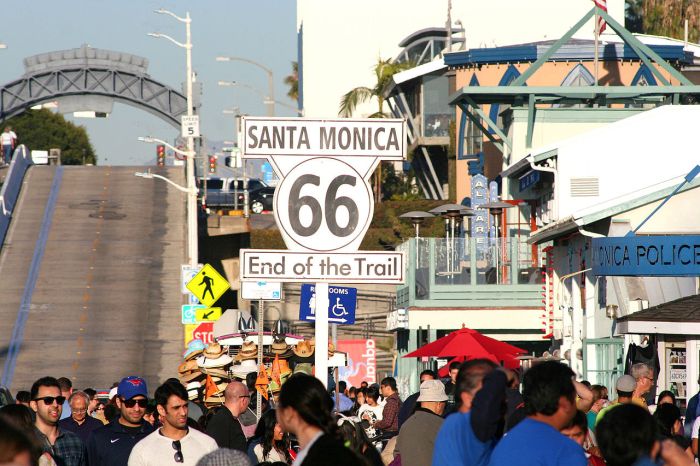
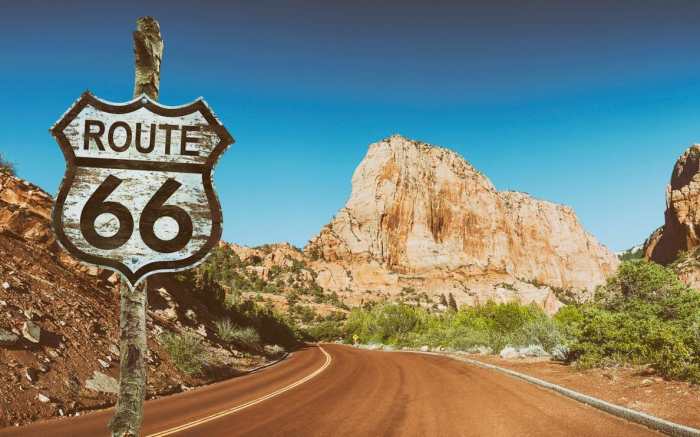
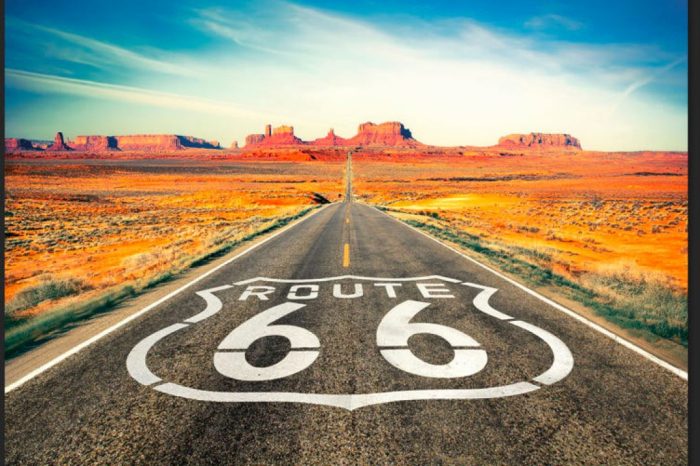
U.S. Route 66 or U.S. Highway 66 (US 66 or Route 66), also known as the Will Rogers Highway, the Main Street of America or the Mother Road, was one of the original highways in the U.S. Highway System. US 66 was established on November 11, 1926, with road signs erected the following year. The highway, which became one of the most famous roads in the United States, originally ran from Chicago, Illinois, through Missouri, Kansas, Oklahoma, Texas, New Mexico, and Arizona before ending in Santa Monica in Los Angeles County, California, covering a total of 2,448 miles (3,940 km). It was recognized in popular culture by both the hit song “(Get Your Kicks on) Route 66” and the Route 66 television series, which aired on CBS from 1960 to 1964. In John Steinbeck’s classic American novel, The Grapes of Wrath (1939), the road “Highway 66” symbolized escape and loss.
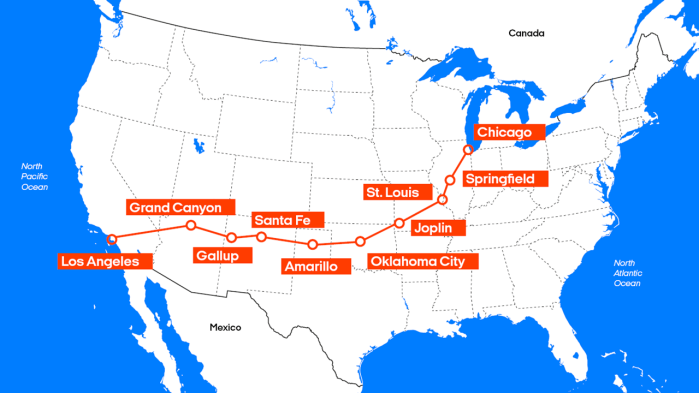
US 66 served as a primary route for those who migrated west, especially during the Dust Bowl of the 1930s, and the road supported the economies of the communities through which it passed. People doing business along the route became prosperous due to the growing popularity of the highway, and those same people later fought to keep the highway alive in the face of the growing threat of being bypassed by the new Interstate Highway System.
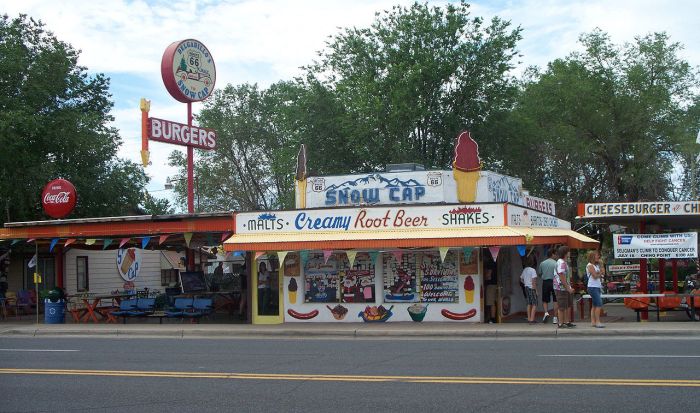
American pop-culture artists publicized US 66 and the experience, through song and television. Bobby Troup wrote “(Get Your Kicks on) Route 66”, and the highway lent its name to a TV series in the 1960s.
The end of the road at the Santa Monica pier
 The MarkoZen Blog