
Year: 2018
Art on the Skating Trail
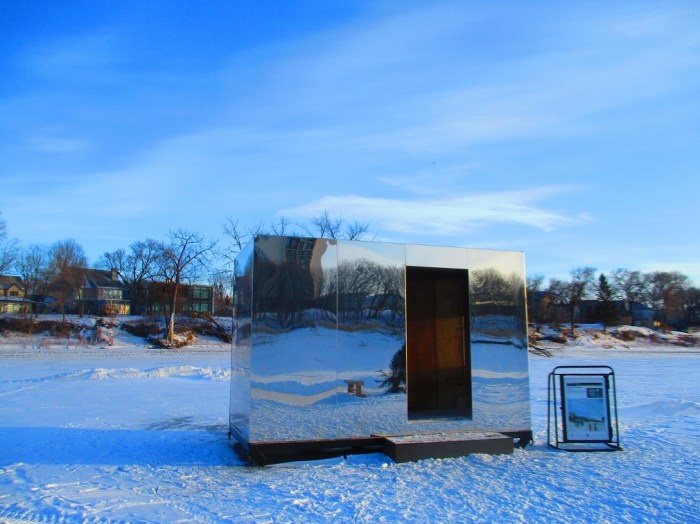
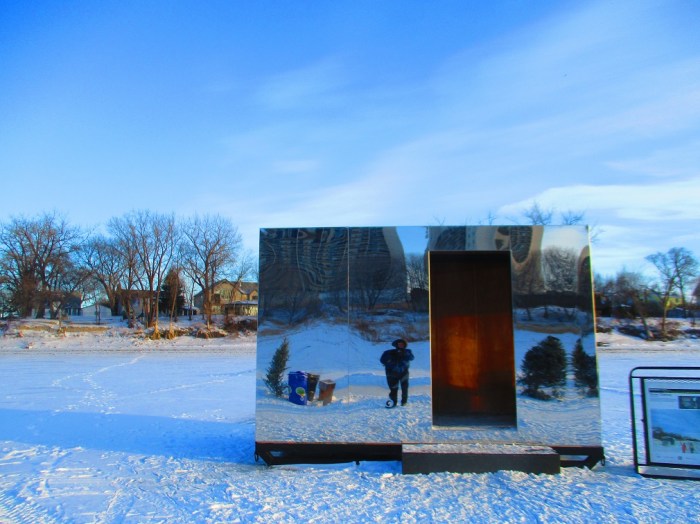
Every year in Winnipeg there is a competition on The Forks skating trail. The competition is between warming huts. Artists build the huts and they are displayed along the trail. They are not what you would think to be a typical hut. They take all shapes and forms. Some are not huts at all, but innovative art work. I checked them out today.
The first one is something called ‘Open Borders’.
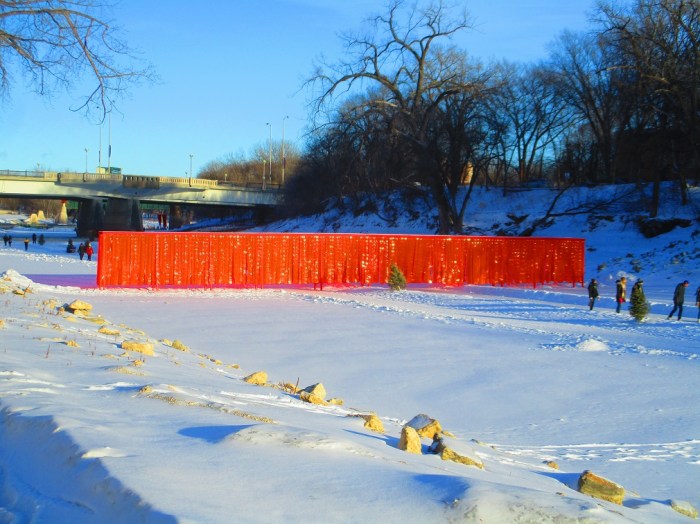
A string of nylon orange ribbons that dazzles in the sunlight.
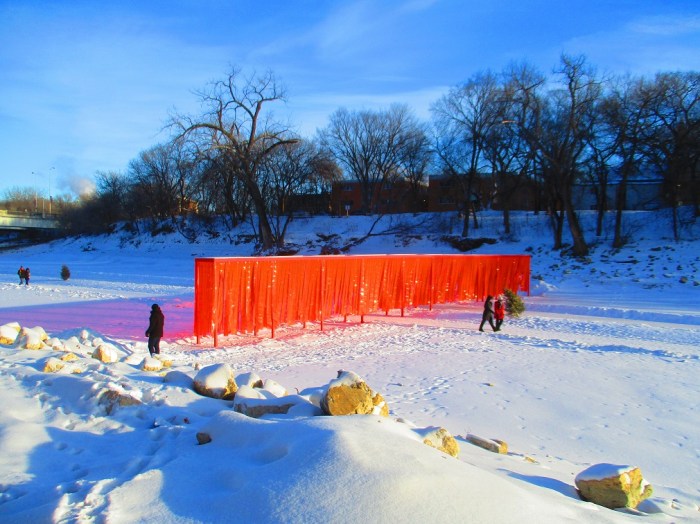
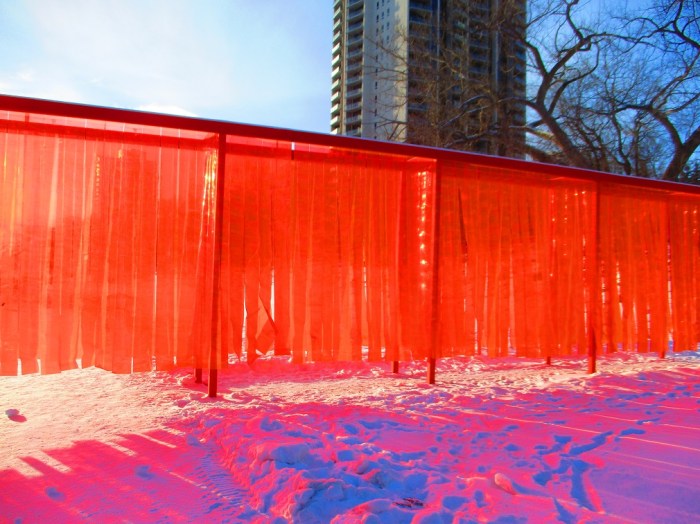
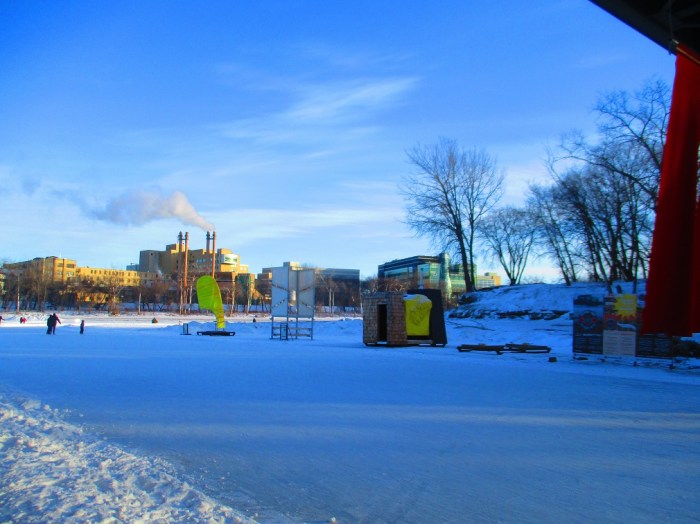
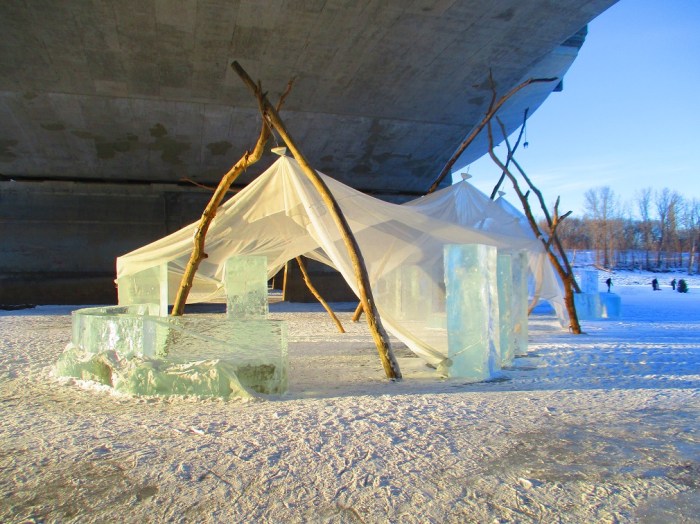
Temple of Lost Things. Created by Winnipeg filmmaker Guy Maddin.
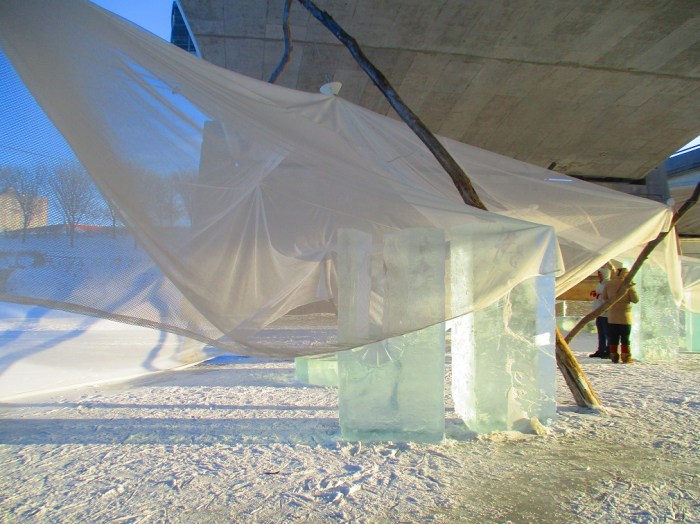
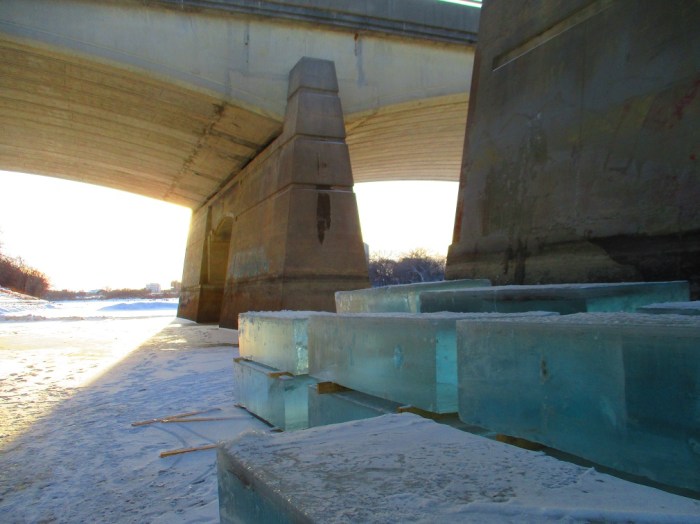
Really big slabs of ice cut out of the red River.
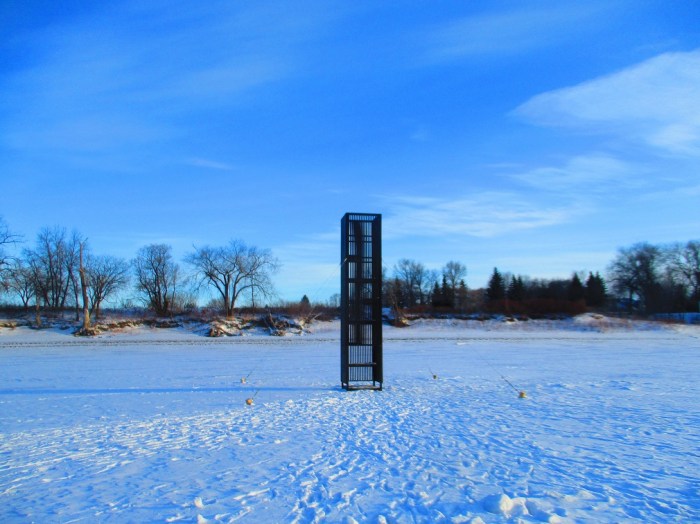
The Totem. People can climb up the structure to a height of 4.5 meters.
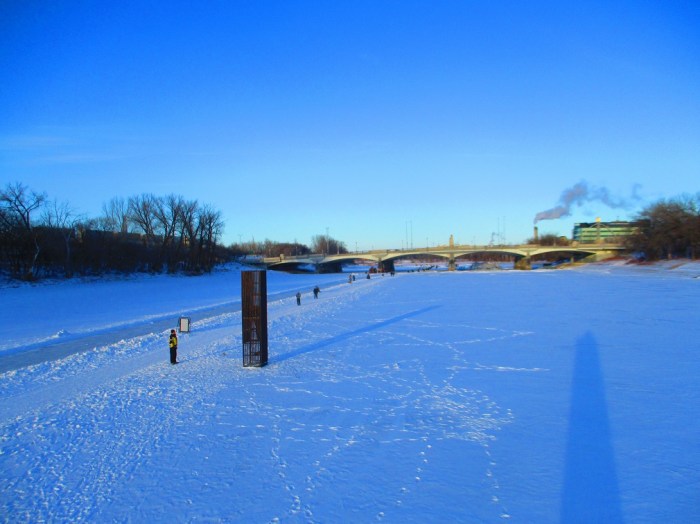
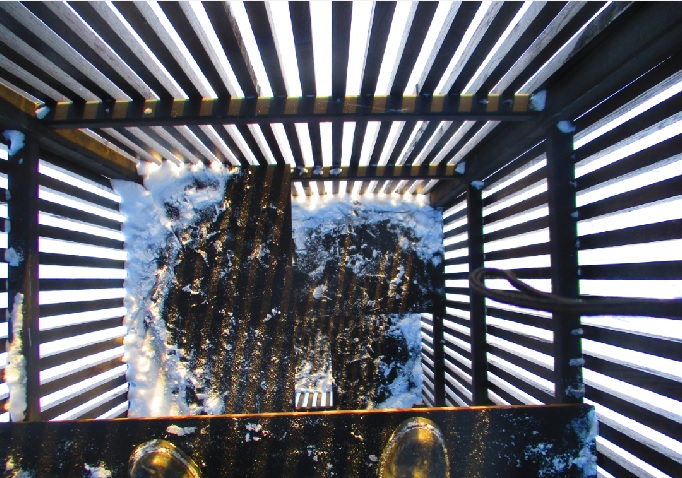
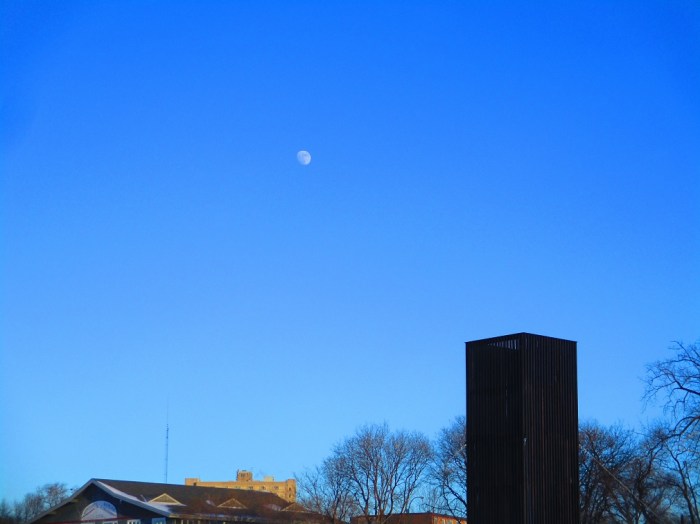
A mirrored hut

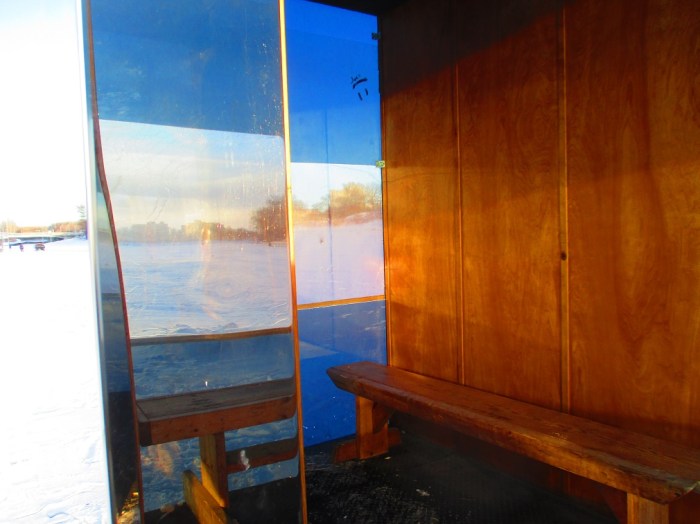

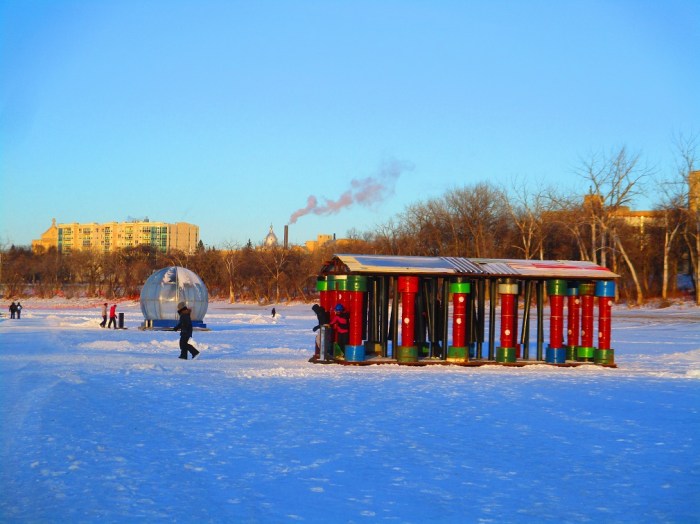
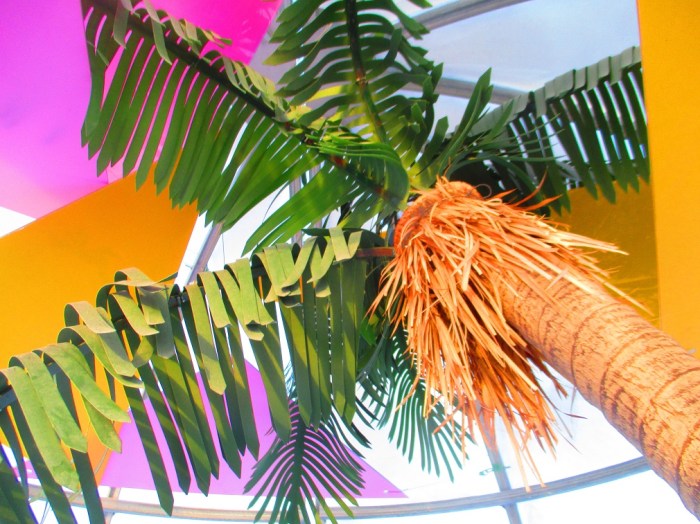
This one is called Bubble Beach

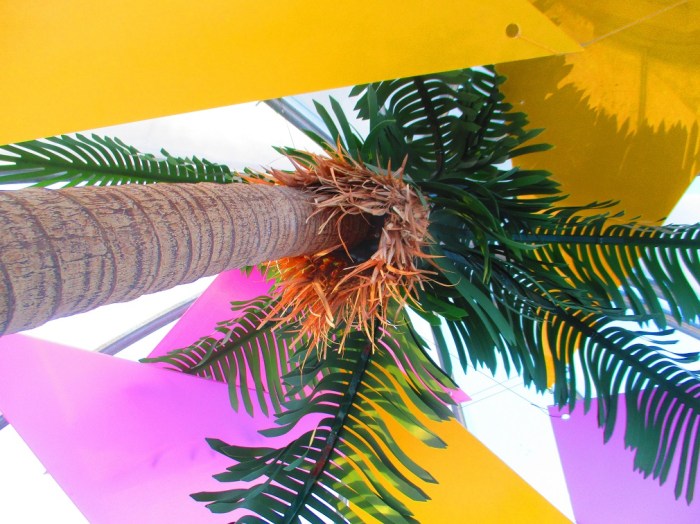
Back to the Assiniboine River
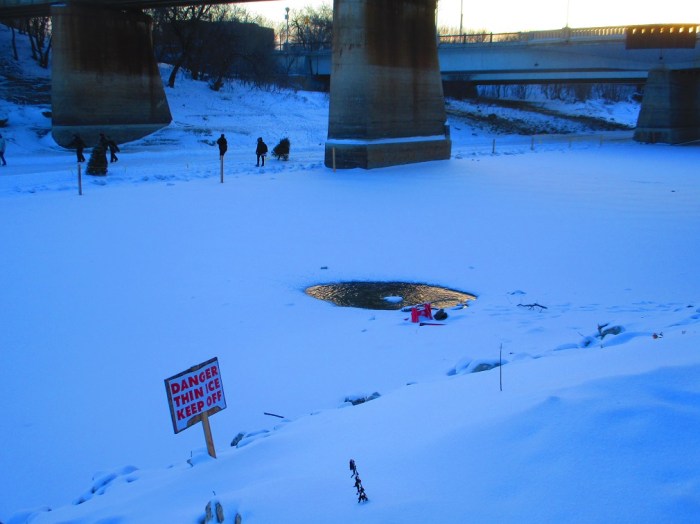
Portraits of Canada’s Ice Fishing Huts
Lake Winnipeg ice fishers reeling in ‘fish of a lifetime’ thanks to 1997 flood, says veteran angler
‘It’s probably the best walleye fishing in the world right now,’ says nature guide and fisher Lee Nolan
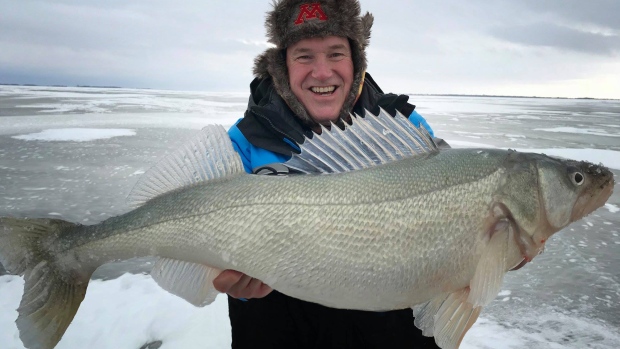
The Flood of the Century may have spawned the largest walleye that Lake Winnipeg ice fishers have seen in recent memory.
Veteran ice fisher and nature guide Lee Nolan said this year, fishers are finding giant walleye in Manitoba’s largest lake — and he said it all started with excellent spawning seasons.
“So back in 1997 and 2000, when we had very high water, walleye had a very, very good spawn,” said Nolan. “So you’ve got year classes of fish.”
The 1997 spring flood that affected large parts of Manitoba is considered the Flood of the Century, meaning the water reached the highest point it’s expected to reach in a century.
“Those fish are getting very mature now, so that’s why you’ve got a higher percentage of the biomass in the lake [that] is actually very, very, large fish.”
So how big are the fish?
“I believe the current ice-fishing record is about 35, 36 inches [roughly 90 centimetres] and I think there’s some fish that size out there,” said Nolan, adding so far, the biggest one he’s caught was 32 inches (81 centimetres).
“They’re very healthy, girthy fish.… It’s probably the best walleye fishing in the world right now for large walleye,” he said.
“We’ve got a good shot at breaking a world record up here this year, I think. There’s lots of people catching fish of a lifetime out there right now.”
Walleye weigh roughly one to two kilograms (two to four pounds) in a normal year, said Nolan. This year, they’re seeing seven-kilogram (or 15-pound) fish.
Staying on topic with ice fishing, below is a collection of Canadian ice fishing huts compiled by Modern Farmer.

As with any fishing trip, trolling the Great White North for char, smelt, and salmon requires a pole, bait, and enough beer to keep your buddies in good spirits. But given the potential for -40° temperatures and howling winds, Canadian anglers insist on shelter, too.
Not that it has to be sophisticated. The basic requirements include a roof, four walls, and a hole cut in the floor through which to lure the catch of the day. Scrap plywood and repurposed two-by-fours constitute the most popular materials. Indoor amenities range from a woodstove or propane heater to a kitchenette or satellite TV. Though Quebecois are known for kitsch and Newfoundlanders for dogged wit, a certain patriotic scrappiness reigns supreme, which is why Toronto architectural photographer Richard Johnson turned his lens toward the makeshift homesteads. “All the work I do for architects is highly polished,” he explains. “I was drawn to ice huts because they are crooked and textured and every one is so different.”
Beyond Photoshopping out the inevitable yellow pee stains around these man caves, Johnson took a hyperrealistic approach—employing a straight-on angle, gray-sky lighting, and a chest-high horizon line—to bring the unique qualities of each shack into sharp focus. “I see them as portraits of the hut owners without the owners present.”

Saskatchewan Though the antlers are purely decorative, those red reflectors serve a purpose: protecting this Anglin Lake hut from post-dusk snowmobilers.

Saskatchewan Pickup-truck campers are prevalent in Regina Beach. Note the gas-powered auger—the power tool of choice for making a hole in the ice.

Prince Edward Island Windowless huts dot the island’s 1,100 miles of coastline, allowing spearfishermen a clear view of their prey beneath the ice. This “darkhouse,” set atop skis, can be easily towed by a snowmobile, a four-wheeler, or a few gruff guys.

Ontario Snapped on March 14, the last day of Ontario’s winter fishing season, this image depicts a hobbit-sized hut about to be pulled off Lake Simcoe atop a sled.

Ontario Temporary power lines from the mainland allow the owner of this dwelling—part of a small village that appears every winter on the Ottawa River—to fish after sunset on a winter’s eve.

Ontario An Ottawa River shack exuberantly complies with the province’s license-number laws.

New Brunswick Heavy snowstorms left much of the province—including this camouflaged Kennebecasis River cabin—inaccessible last year.

Newfoundland What this remote island lacks in material wealth, its people make up for in ingenuity. The owner of this shack MacGyvered an old washing machine to serve as a wood-burning stove. “They repurpose whatever they can,” says Johnson of Newfoundlanders.

Manitoba The upside of Lake Winnipeg’s brutal winters? Extra-thick ice able to withstand the weight of relatively luxurious RVs.

Manitoba This plywood hut sports an “addition” on one end. “When a family expands,” Johnson explains, “they’ll knock out walls and build on.

Nova Scotia No bigger than an outhouse, this one-person shelter can be flipped on its side and scooted off the ice via side-mounted skis whenever Silver Lake’s mild maritime climate experiences a thaw.

British Columbia In Canada’s least wintry province, “most people just drill a hole and sit on lawn chairs,” says Johnson, making this Charlie Lake structure a rarity.

Alberta The folks of Alberta, known as “the Texas of Canada,” live large. Good thing, then, that the winter ice is thick enough to support six-person huts.

Alberta Like Texans, Albertans don’t hesitate to express regional pride.
The World’s Largest Cemetery
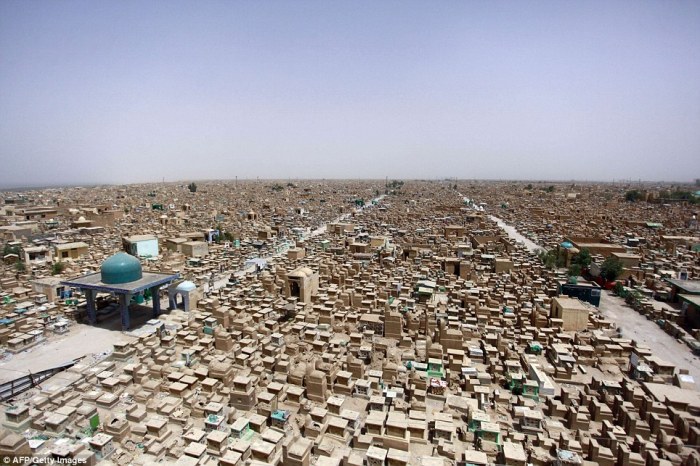
Wadi Al-Salaam (Arabic وادي السلام; Valley of Peace) is an Islamic cemetery, located in the Shia holy city of Najaf, Iraq. It is the largest cemetery in the world. The cemetery covers 1,485.5 acres (601.16 ha; 6.01 km2; 2.32 sq mi) and contains over 5 million bodies. It also attracts millions of pilgrims annually.

The cemetery is located near the shrine of Imam Ali ibn Abi Talib, the fourth Sunni Caliph and the first Shia Imam. Thus, many Shi’ites in Iraq request that they be buried in this cemetery. As a result of improved transportation methods, Shi’ites from across the globe are (or seek to be) buried in the cemetery. However, burial at the cemetery “means being placed in one of the cemetery’s many catacombs.” According to an undertaker at the cemetery, each crypt can hold up to 50 bodies. The burial plots are controlled by Marja’.
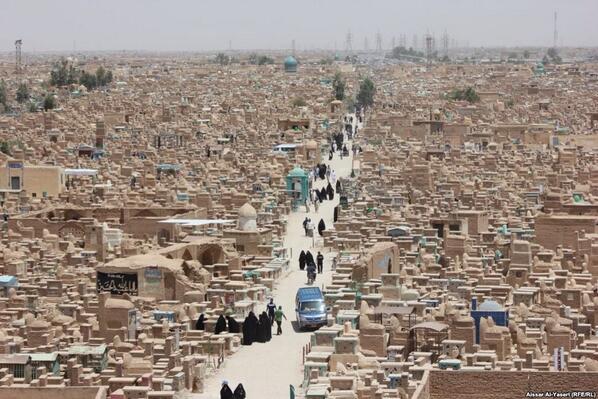
Daily burials have been on going for over 1,400 years and the site is on the Tentative List of UNESCO’s World Heritage sites. Burials in Najaf have been documented as early as the Parthian and Sassanid eras and ancient Mesopotamian cities often had similar cemeteries, where there was an accumulation of tombs.
It is estimated that during the Iraq War about 200 to 250 corpses were buried there daily, however, in 2010 this number had decreased to less than 100. Approximately 500,000 new bodies are interred in the cemetery annually from across the globe. This figure is an increase on the approximately 20,000 bodies, primarily from Iran, that used to be interred annually in the early 20th century. Most Iraqi and many Iranian Shi’ites have a relative buried in the cemetery.
As of 2014—coinciding with conflict against ISIL—it has been reported that burial plots are running out, resulting in many being stolen, illegally resold or improvised. According to one gravedigger: “I’ve never had it so busy. Not even after 2003 or 2006 [the height of Iraq’s civil war].”
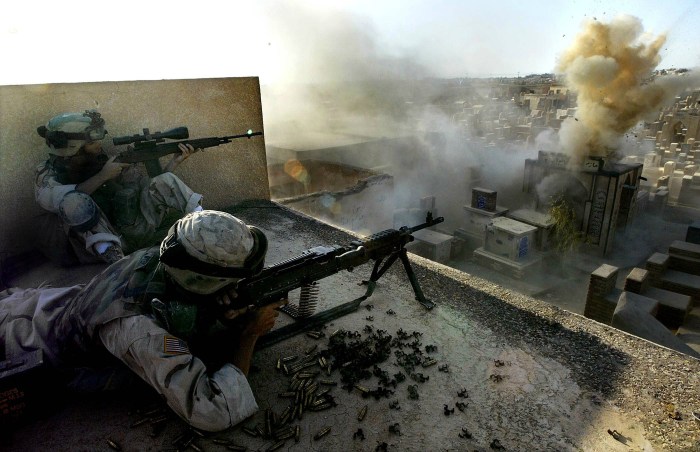
The Battle of Najaf was fought between United States and Iraqi forces on one side and the Islamist Mahdi Armyof Muqtada al-Sadr on the other in the Iraqi city of Najaf in August 2004. The battle spilled over into the Wadi Al-Salaam.
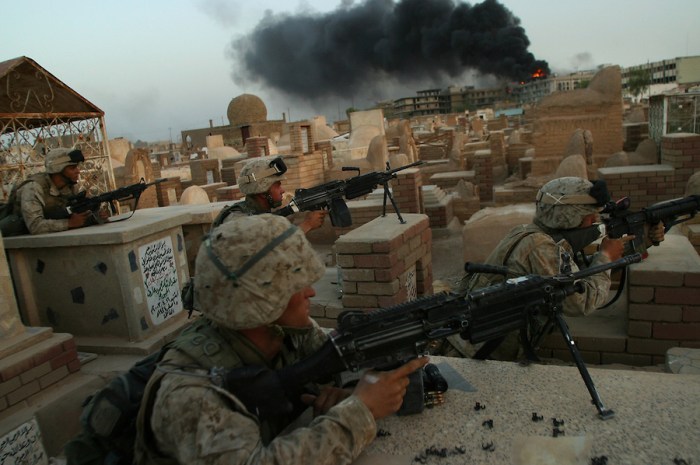
Major conflict began on 5 August, when the Mahdi Army (MA) attacked an Iraqi Police Station at 1 am. Their first attack was repelled but the MA regrouped and attacked again at 3 am. Soon after, a quick reaction force (QRF) from the U.S. Marine Expeditionary Unit (MEU) was dispatched at the request of the governor of An Najaf. Around 11 am the QRF came under heavy machine gun and mortar fire from the Mahdi Army within the Wadi-us-Salaam. The cemetery has been layered over the centuries resulting in large underground tombs, tunnels and surface monuments, many reaching two stories tall. The U.S. soldiers of 1st battalion, 1st Cavalry Division fought across this inhospitable terrain and under it in some of the first tunnel fighting seen since Vietnam.

Elephant Thwarts Lion Attack on Baby
An incredible video out of Kenya features the dramatic moment when a lion attempts to pounce on a baby elephant but is rebuffed by the creature’s monstrous mother.
Captured at the Samburu National Reserve earlier this month, the breathtaking video begins with Nablus, as she is known by wildlife workers, walking along with her baby behind her.
Suddenly, a ferocious-looking lion comes charging out of the brush headed straight for the unsuspecting calf.
Either by the sound of the grass swooshing as the big cat approached or perhaps mother’s instinct, Nablus deftly pivots around at the very last moment, causing the lion to pass on the attack and scurry away.
Clearly unhappy with what had just transpired, the enormous elephant throws dirt in the air to create almost a cover for her baby and stands guard over the calf in case any other danger was afoot.
Week in pictures: 20 – 26 January 2018
BBC
Photographs taken around the world this week.
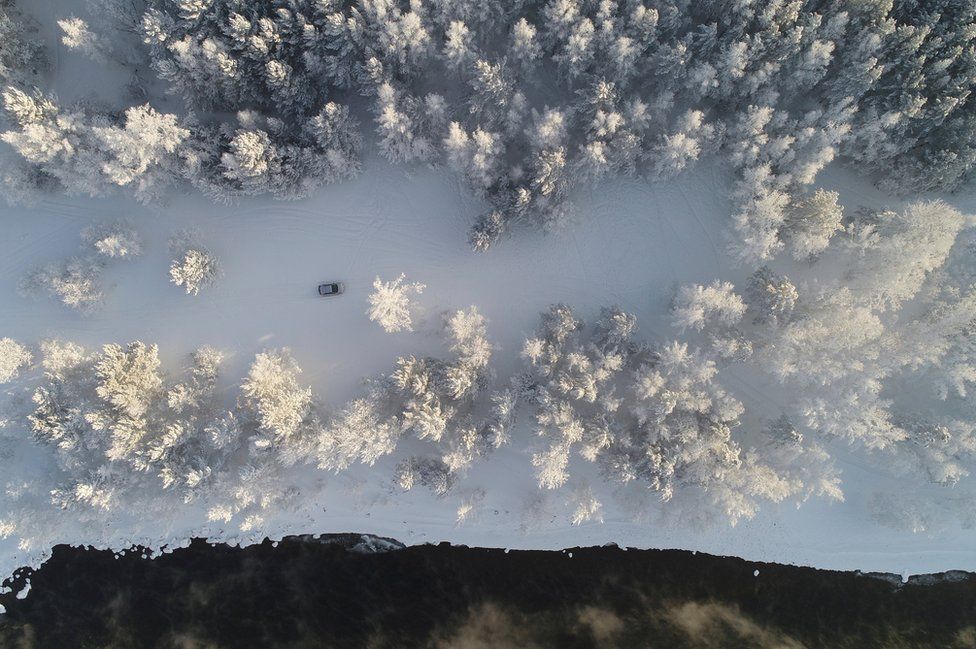 Image copyrightILYA NAYMUSHIN/REUTERS
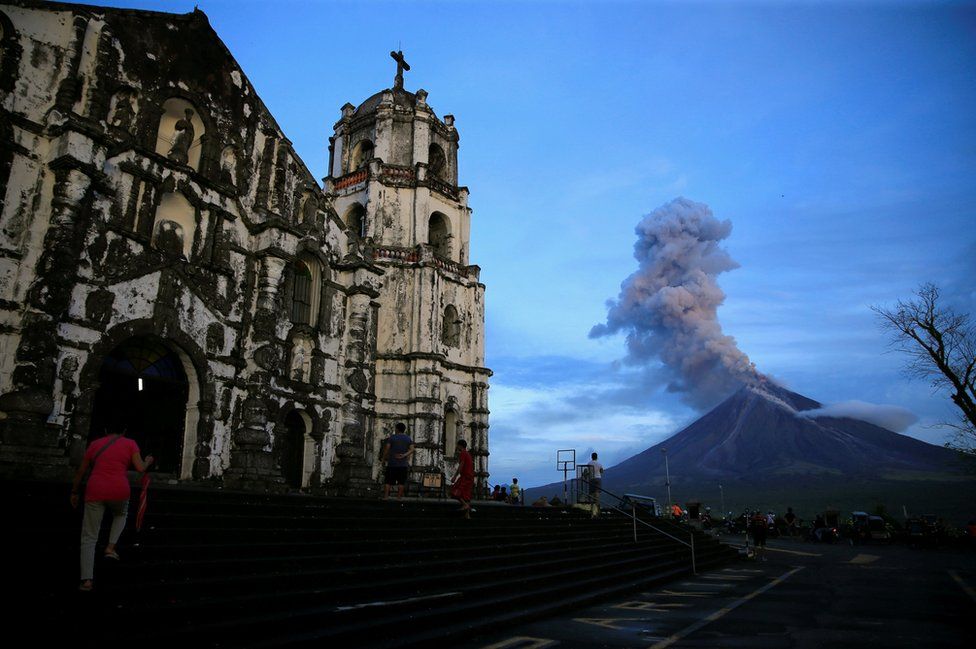 Image copyrightROMEO RANOCO/REUTERS
 Image copyrightHANNAH MCKAY/REUTERS
 Image copyrightABIR ABDULLAH/EPA
 Image copyrightCHINA DAILY VIA REUTERS
 Image copyrightCHRIS J RATCLIFFE/GETTY IMAGES
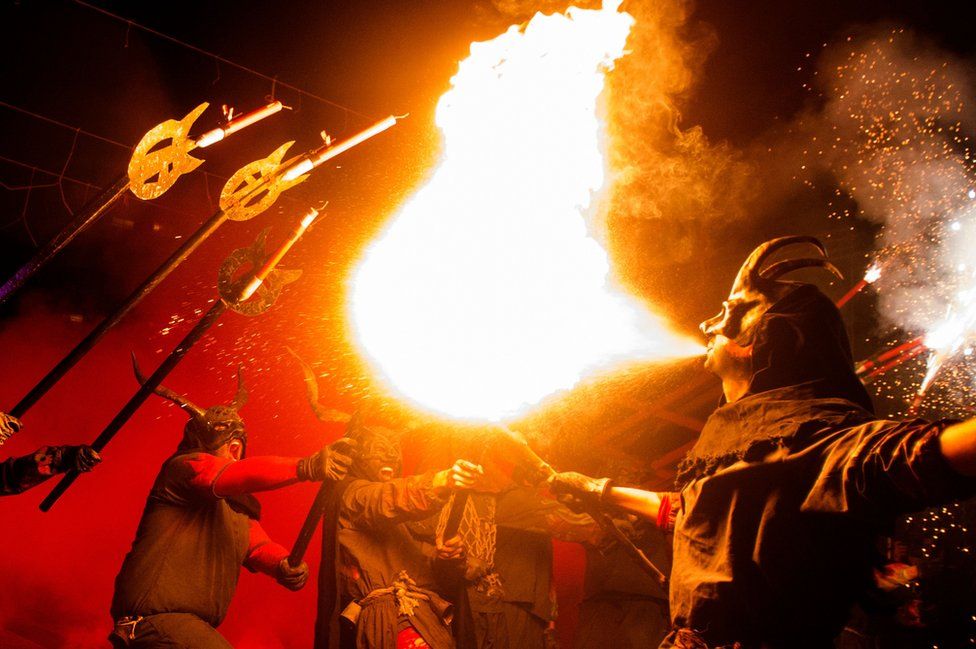 Image copyrightJAIME REINA/AFP
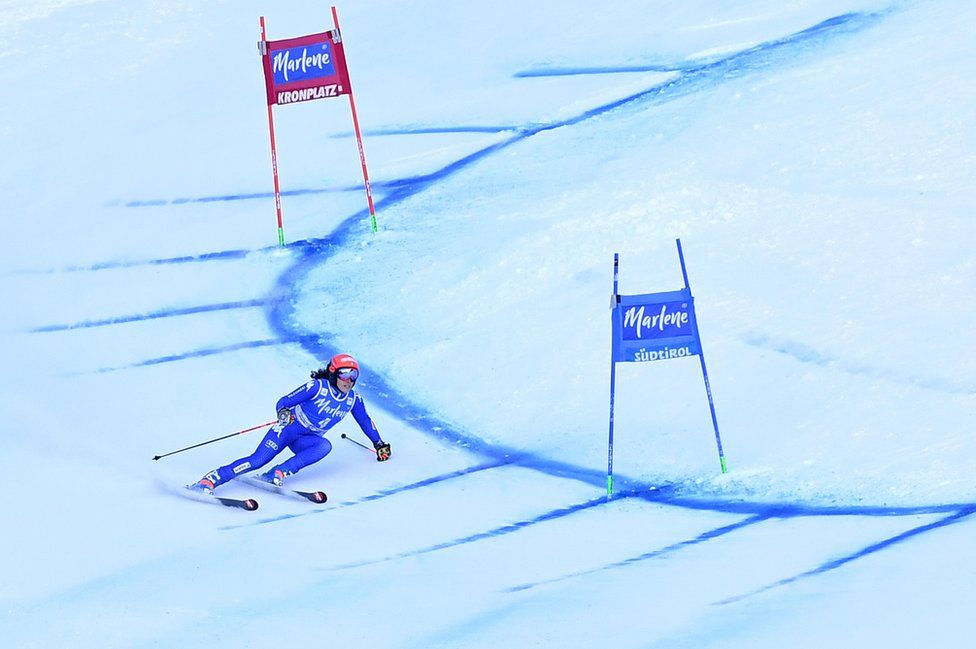 Image copyrightTIZIANA FABI/AFP
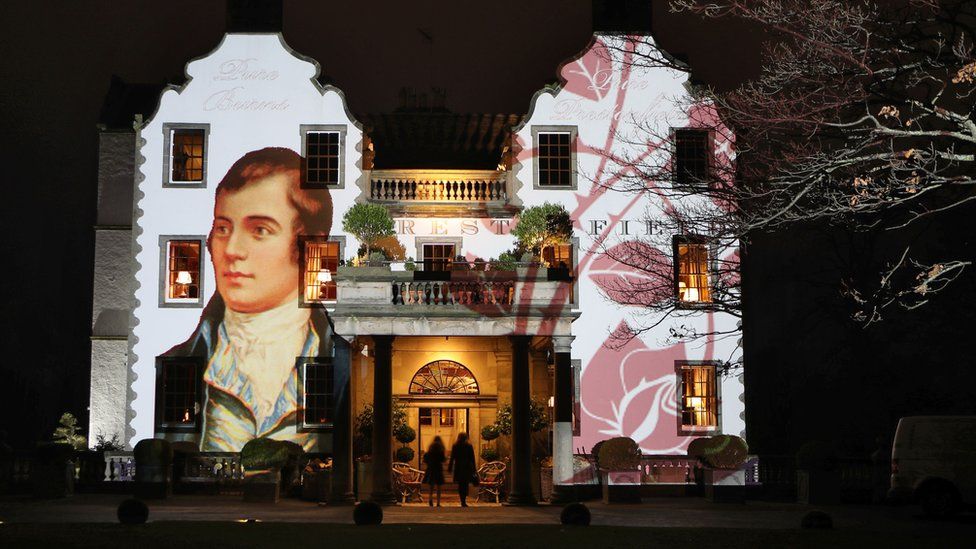 Image copyrightJANE BARLOW/PA
 Image copyrightMENAHEM KAHANA/AFP
Hot Off the Presses
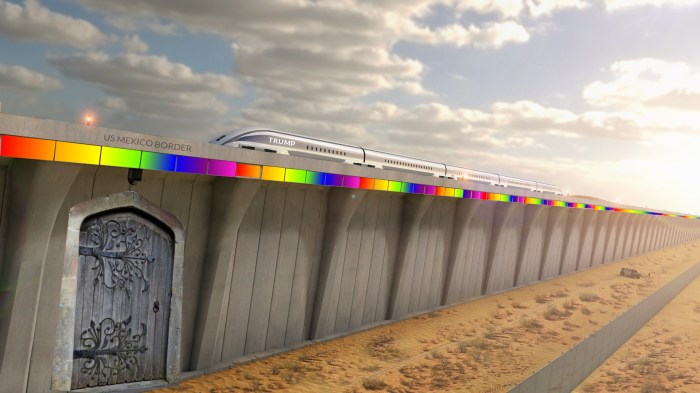
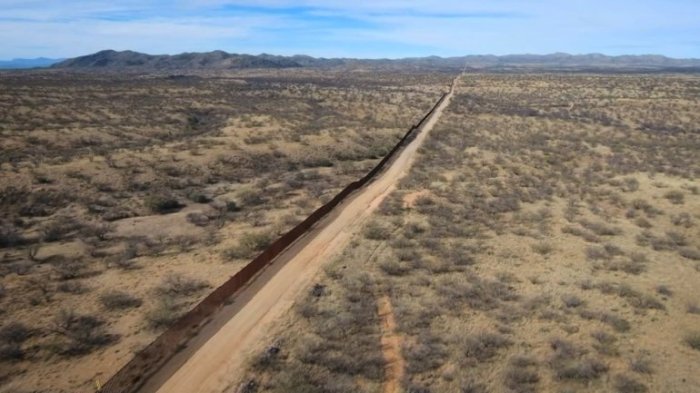
Trump demands $25 billion from Congress for his ‘Great Wall’.
In his dreams

Reality
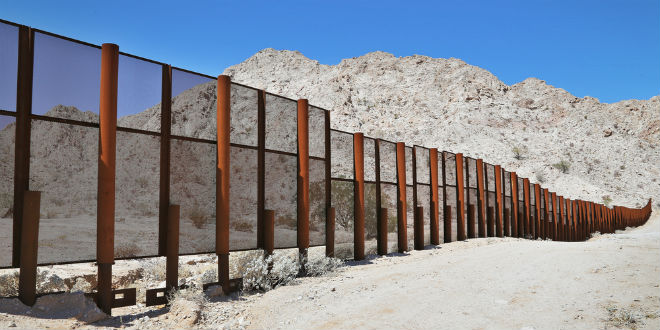
The drug cartels are already working on plans to counter the wall.



 The MarkoZen Blog