Trump using the carriers to send a message to that Twist in North Korea.
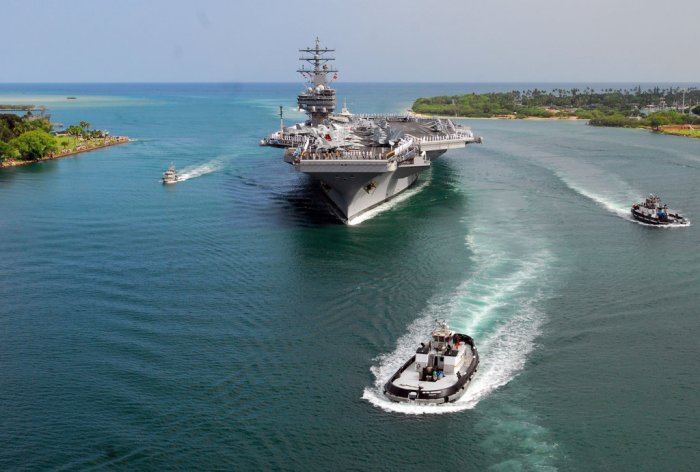


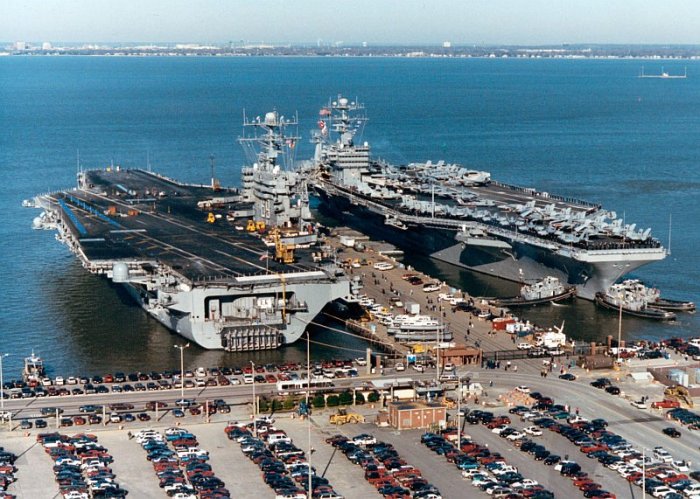
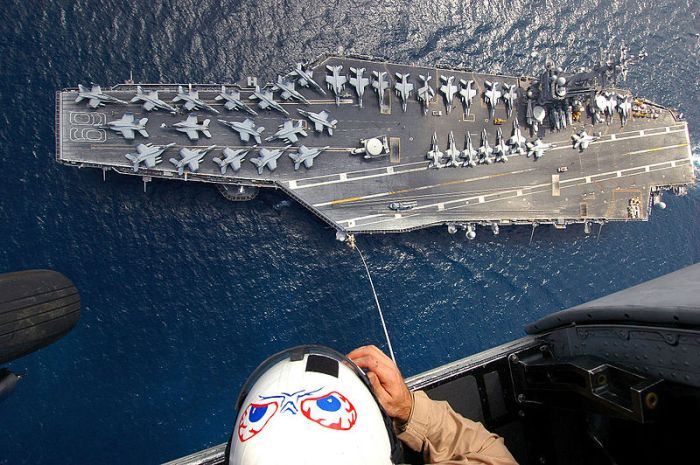


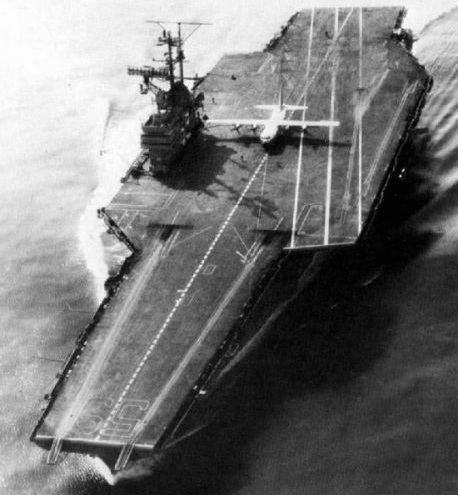
Trump using the carriers to send a message to that Twist in North Korea.
The National Geospatial-Intelligence Agency (NGA) is both a combat support agency, under the United States Department of Defense, and an intelligence agency of the United States Intelligence Community, with the primary mission of collecting, analyzing, and distributing geospatial intelligence (GEOINT) in support of national security. NGA was known as the National Imagery and Mapping Agency (NIMA) until 2003.
NGA headquarters is located at Fort Belvoir in Springfield, Virginia, and operates major facilities in the St. Louis, Missouri area, as well as support and liaison offices worldwide. The NGA campus, at 2.3 million square feet (214,000 m2), is the third-largest government building in the Washington metropolitan area after The Pentagon and the Ronald Reagan Building.
In addition to using GEOINT for U.S. military and intelligence efforts, the NGA provides assistance during natural and man-made disasters, and security planning for major events such as the Olympic Games.

NGA Campus East is the headquarters of the agency. The building features trapezoidal windows, color-coded interior sections, and is bisected by an atrium that is large enough to hold the Statue of Liberty.
NIMA was established on October 1, 1996, by the National Defense Authorization Act for Fiscal Year 1997. The creation of NIMA followed more than a year of study, debate, and planning by the defense, intelligence, and policy-making communities (as well as the Congress) and continuing consultations with customer organizations. The creation of NIMA centralized responsibility for imagery and mapping.
NIMA combined the DMA, the Central Imagery Office (CIO), and the Defense Dissemination Program Office (DDPO) in their entirety, and the mission and functions of the NPIC. Also merged into NIMA were the imagery exploitation, dissemination, and processing elements of the Defense Intelligence Agency, National Reconnaissance Office, and the Defense Airborne Reconnaissance Office.
NIMA’s creation was clouded by the natural reluctance of cultures to merge and the fear that their respective missions—mapping in support of defense activities versus intelligence production, principally in support of national policymakers—would be subordinated, each to the other.
With the enactment of the National Defense Authorization Act for Fiscal Year 2004 on November 24, 2003, NIMA was renamed NGA to better reflect its primary mission in the area of GEOINT. As a part of the 2005 Base Realignment and Closure (BRAC) process, all major Washington, D.C.-area NGA facilities, including those in Bethesda, Maryland; Reston, Virginia; and Washington, D.C., would be consolidated at a new facility at the Fort Belvoir proving grounds. This new facility, called the NGA Campus East houses several thousand people and is situated on the former Engineer Proving Ground site near Fort Belvoir. NGA facilities in St. Louis were not affected by the 2005 BRAC process.
The cost of the new center, as of March 2009, was expected to be $2.4 billion. The center’s campus is approximately 2,400,000 square feet (220,000 m2) and was completed in September 2011.

NGA employs professionals in aeronautical analysis, cartography, geospatial analysis, imagery analysis, marine analysis, the physical sciences, geodesy, computer and telecommunication engineering, and photogrammetry, as well as those in the national security and law enforcement fields.
The NGA is one segment of the vast United States Intelligence Community.
The United States Intelligence Community (IC) is a federation of 16 separate United States government agencies that work separately and together to conduct intelligence activities considered necessary for the conduct of foreign relations and national security of the United States. Member organizations of the IC include intelligence agencies, military intelligence, and civilian intelligence and analysis offices within federal executive departments. The IC is headed by the Director of National Intelligence (DNI), who reports to the President of the United States.
Among their varied responsibilities, the members of the Community collect and produce foreign and domestic intelligence, contribute to military planning, and perform espionage. The IC was established by Executive Order 12333, signed on December 4, 1981, by U.S. President Ronald Reagan.
C.I.A. Headquarters

Sixteen agencies:
| Agency | Parent Agency | Federal Department | Date est. |
|---|---|---|---|
| Twenty-Fifth Air Force | United States Air Force | Defense | 1948 |
| Intelligence and Security Command | United States Army | Defense | 1977 |
| Central Intelligence Agency | none | Independent agency | 1947 |
| Coast Guard Intelligence | United States Coast Guard | Homeland Security | 1915 |
| Defense Intelligence Agency | none | Defense | 1961 |
| Office of Intelligence and Counterintelligence | none | Energy | 1977 |
| Office of Intelligence and Analysis | none | Homeland Security | 2007 |
| Bureau of Intelligence and Research | none | State | 1945 |
| Office of Terrorism and Financial Intelligence | none | Treasury | 2004 |
| Office of National Security Intelligence | Drug Enforcement Administration | Justice | 2006 |
| Intelligence Branch | Federal Bureau of Investigation | Justice | 2005 |
| Marine Corps Intelligence | United States Marine Corps | Defense | 1978 |
| National Geospatial-Intelligence Agency | none | Defense | 1996 |
| National Reconnaissance Office | none | Defense | 1961 |
| National Security Agency/Central Security Service | none | Defense | 1952 |
| Office of Naval Intelligence | United States Navy | Defense | 1882 |


The U.S. intelligence budget (excluding the Military Intelligence Program) in fiscal year 2013 was appropriated as $52.7 billion, and reduced by the amount sequestered to $49.0 billion. In fiscal year 2012 it peaked at $53.9 billion, according to a disclosure required under a recent law implementing recommendations of the 9/11 Commission. The 2012 figure was up from $53.1 billion in 2010, $49.8 billion in 2009, $47.5 billion in 2008, $43.5 billion in 2007, and $40.9 billion in 2006.
Wikipedia

An enormous amount of resources is provided to U.S. intelligence. These are life-long professionals who have the best interests of the country at heart. The president-elect should maybe listen to what it has to say.
The founder of K-Tel died today in Winnipeg. Phil Kives started the company selling anything and everything. His big breakthrough was a non-stick frying pan. And this was just the beginning. In the 70’s and 80’s K-Tel sold everything from the pocket fisherman to the vegie-matic, the miracle brush to bionic glue. Any crazy and obscure product he could find out there, Phil would offer it to the world via TV advertising.
But K-Tel didn’t have all the crazy products. The list below has some products even more bizarre than K-Tel’s most outrageous contraptions.

The weight of one massive jug on top of the other has been plaguing big-breasted side sleepers for ages. Or so the makers of this item claim.

Contain your lunch and expose your OCD.

The Better Marriage Blanket
Protect yourself from deadly farts with “the same fabric used by the military to protect against chemical weapons.”

The Backup
A bedside gun rack so you can shoot an intruder without hesitating long enough to notice it’s just your girlfriend.

FIR-Real Portable Sauna
Leave a little bit of your ball sweat every place you visit with this traveling torture chamber.
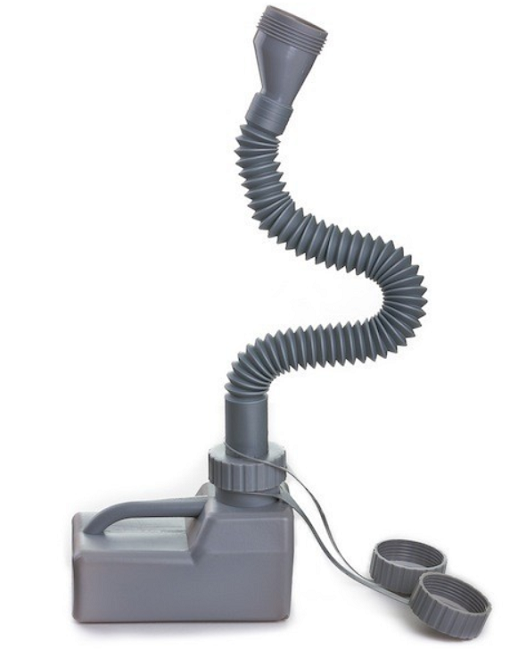
This product for the prostate challenged was recently included in a Father’s Day Gift Guide … written by the worst son ever.

Gangnam Style Singing Toothbrush
Hear this maddening tune two times a day for two minutes straight and try not to kill yourself. It’s like Fear Factor.

The Tush Turner
A lazy Suzan for your fat ass that’s guaranteed to make it even fatter.

The UroClub
Douse your friends in urine when you accidentally swing this pee-filled tube instead of your three iron.

The Fat Magnet
Suck the grease—and fun—out of every meal.

Hand Fitness Trainer
Type so hard you break the goddamn keys!

Bigfoot Garden Yeti
A sculpture that ensures a neighbor will never come knocking.

Organic Woombie Baby Swaddle
Finally, a newborn straitjacket!
Lily Munster, Countess of Shroudshire (née Dracula), is a fictional character in the CBS sitcom, The Munsters, originally played by Yvonne De Carlo. The matriarch of the Munster household, Lily is a vampire.
Lily was born in 1827 to Sam Dracula (Grandpa) and his 166th wife (referred to only as “Grandma”). She lived with Grandpa for some time in Transylvania (a region in Romania) before meeting Herman Munster and marrying him in 1865. She, Grandpa, and Herman moved to America sometime before the mid-1940s and adopted her sister’s child, Marilyn. In the mid-1950s, she gave birth to Eddie, her and Herman’s only child.
Her name is presumably derived from the tradition of the lily as a flower of death, or a vague reference to Lilith, a female demon of Jewish mythology.

Lily is the matriarch of the Munster family. She is very close with her niece, Marilyn. She has a werewolf for a brother, who appears in one episode, and a sister who is mentioned a few times who is Marilyn’s mother. Lily is the voice of reason in the Munster household, often relied upon to set problems right, and typically mediates when Herman and Grandpa squabble.

Lily and Herman
Lily also has a fiery temper. While she is deeply in love with Herman (“Pussycat,” as she calls him), she also frequently gets very angry at him (due to his frequent stupidity and occasional selfishness), and Herman often meekly discloses his fear (to others) of being on the receiving end of her wrath. She also has reprimanded her own father (Grandpa) on several occasions for his own foolish actions and stubborn self-righteousness.
Lily is a beautiful and slender woman who appears to be in her middle age years, although she is actually hundreds of years old. A white streak in her hair recalls the monster’s mate from Bride of Frankenstein. Lily usually dresses in an ankle-length pale pink gown that appears faded and old, and she sometimes also wears a scarf. Her necklace features a bat-shaped medallion. When away from the Munster house, she sometimes wears a long silver cape with a hood. In the episode “Munsters Masquerade”, Lily demonstrates the ability to float in the air while dancing.

Gothic Underwear
Herman loves it


The US has carried out a missile attack against an air base in Syria in response to a suspected chemical weapons attack on a rebel-held town.
The Pentagon said 59 Tomahawk cruise missiles were fired at 04:40 Syrian time (01:40 GMT) from destroyers in the eastern Mediterranean.
In a televised address, President Donald Trump said the base was the launch point for the chemical attack.
He called on “all civilised nations” to help end the conflict in Syria.
The business end of a Tomahawk cruise missile
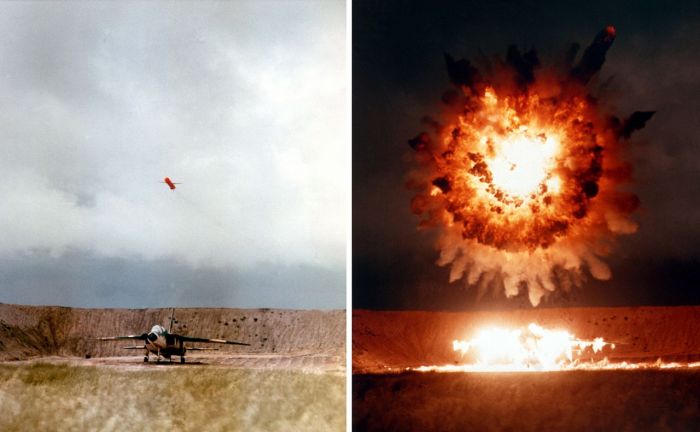
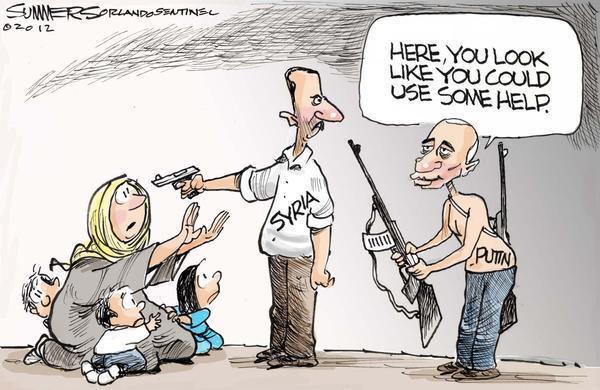
Trump finally did something I agree with. This was a perfect strategic military strike on that brutal dictator Assad. The Russians still back this butcher because they have hardly any allies left in the world. The Russkies do not understand democracy, they never will, so they provide unfaltering allegiance to cutthroat dictators like Assad.
The fat psychotic child emperor in North Korea with the wacky hairdo is surely taking notice.

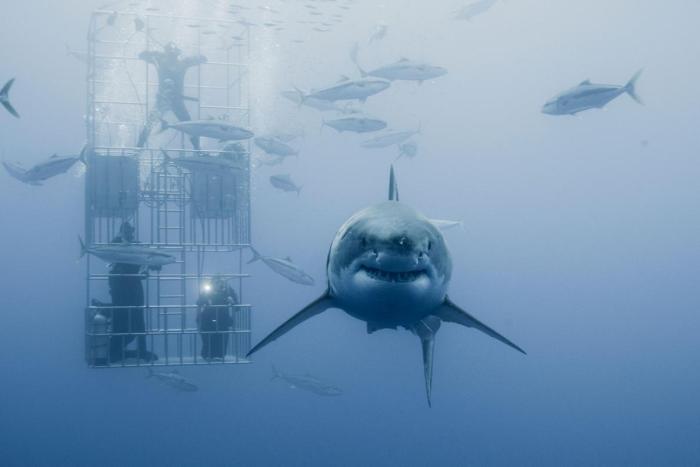
Fantastic wave
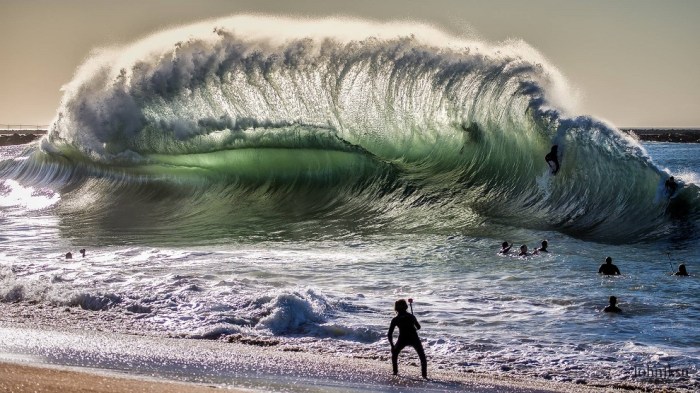
Very clear lakes

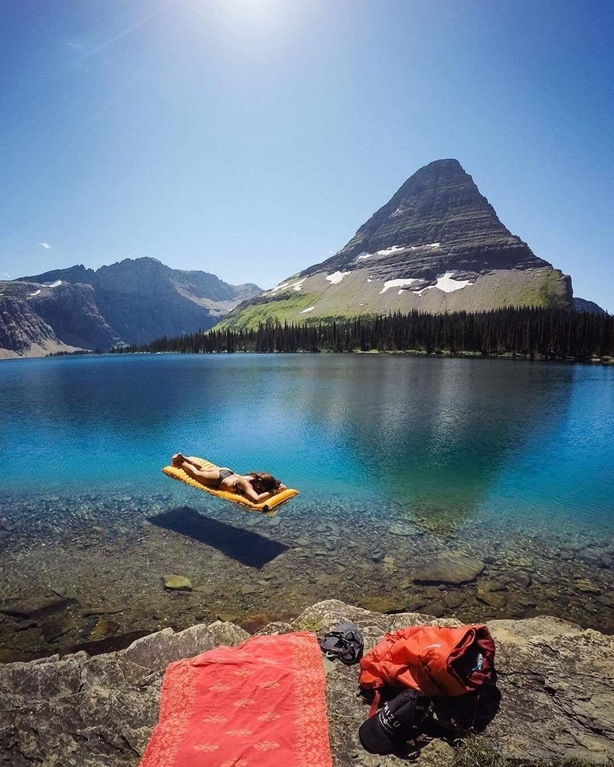
Zigzag shore

Going for a midnight stroll
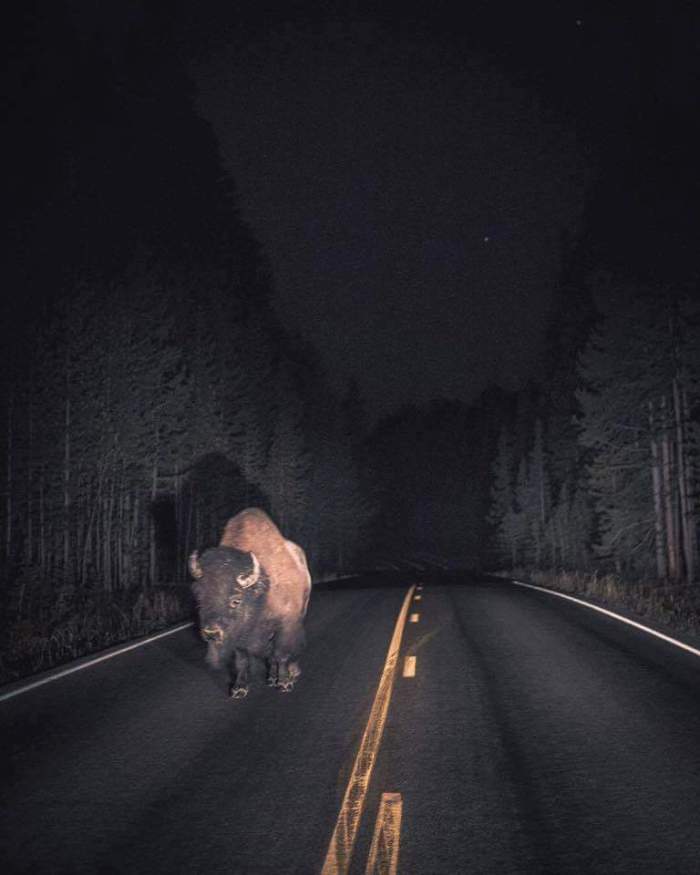
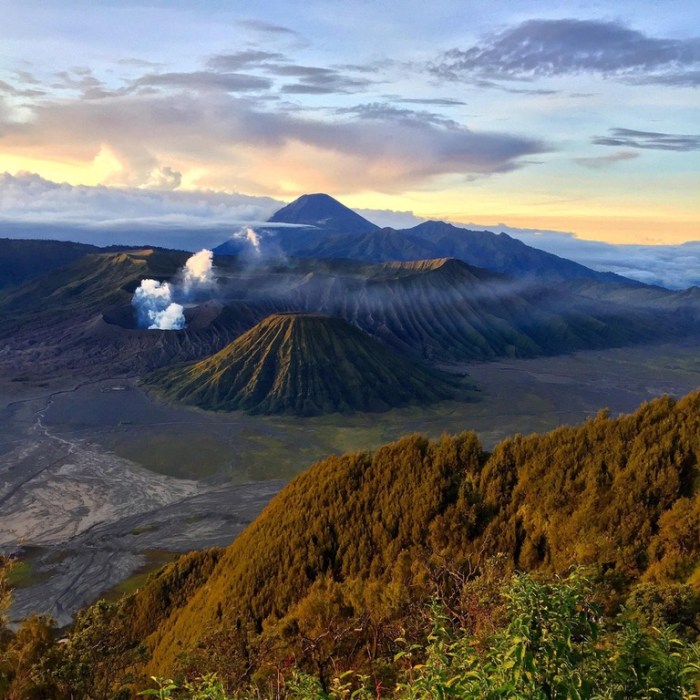
Indonesian active volcano
Historical buildings in Winnipeg

Winnipeg’s White House

Crazy rock climbers


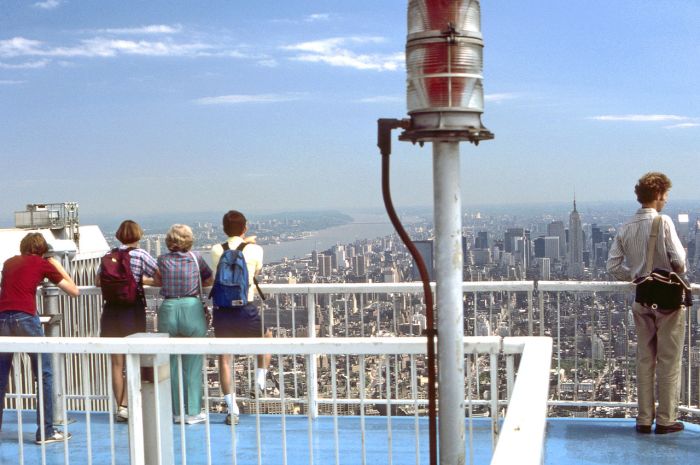
The observation deck on the destroyed World Trade Center South Tower
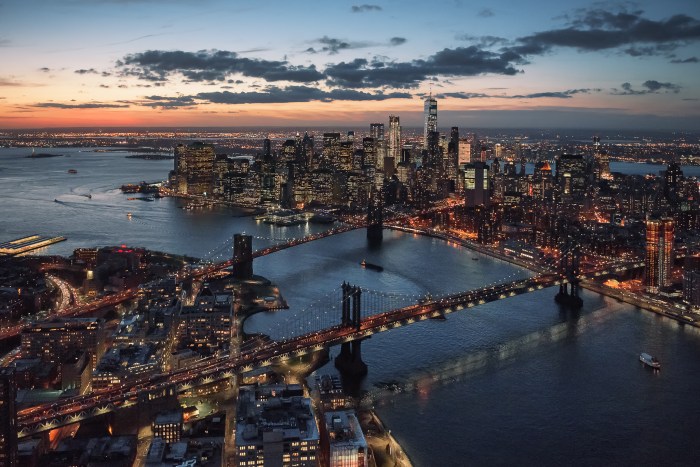
The New World Trade Center site: From right to left. 7 WTC, 1 WTC, 3 WTC and 4 WTC.


A number of young Russians are making names for themselves by posting videos of life-threatening stunts online. What drives these extreme selfie daredevils?
He’s got a camera strapped to his head and he teeters on the edge of the roof in a nine-storey apartment block in Siberia.
“Are you filming?” he asks, as a friend hands him a flaming torch. Orange flames engulf his legs and suddenly he jumps, somersaulting in the air like a stricken warplane before landing with a thud into a deep pile of snow.
Remarkably, he’s unhurt – if a little winded. Police tell a gaggle of onlookers to stop filming, but within hours, footage of this potentially deadly jump goes viral – various videos of the stunt filmed from different angles were watched millions of times on YouTube.
Many people were incredulous, even angry. “Is this the stupidest stunt ever?” screamed one headline.
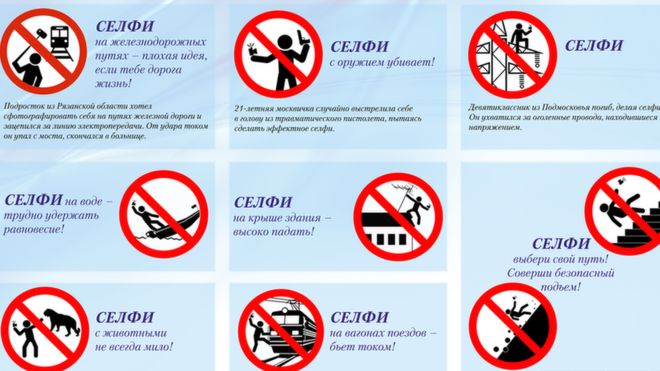
The young man’s appetite for risk is unusual but not unique. In fact a growing number of deaths and injuries, suffered by Russians who among other things have fallen from buildings and moving trains whilst taking pictures, have prompted the Russian Interior Ministry to launch a “safe selfie” campaign.
Despite the deadly peril, some of the risk takers are attracted by fame and the possibility of becoming social media stars. In many places in Russia, tall buildings are accessible and fines for trespassing are low, if they exist at all. And one enthusiastic participant says extreme stunts can alleviate the boredom and pent up energy of many Russian men.
But what really drives some of the most notable Russian selfie daredevils?
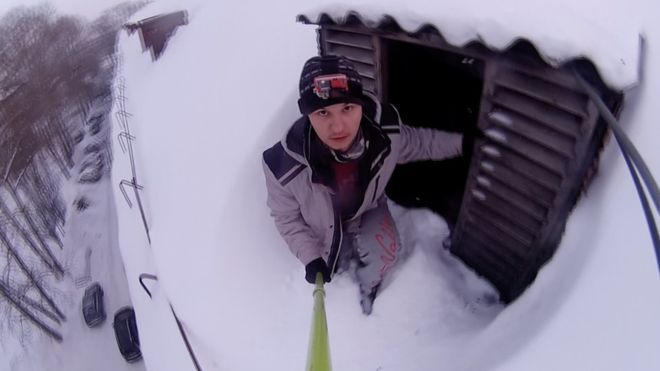
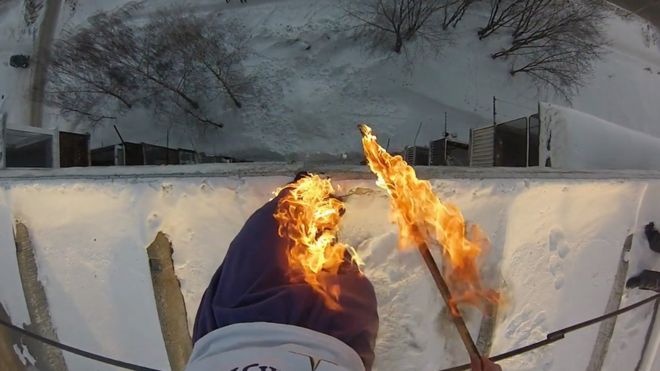
The man jumping off of that Siberian apartment block, 23-year-old Alexander Chernikov, lives on the outskirts of Barnaul – 4,000km east of Moscow.
Even though it’s -18C and thick ice cakes the pavements, he’s dressed in a shiny burgundy bomber jacket, jeans and cowboy boots. The place where he made his infamous jump is a dreary, Soviet-era building with rusty balconies covered in satellite dishes.
“Up there you feel that you’re standing on the line between life and death – your life is hanging by a thread – that if something goes wrong you may die,” he says.
Alexander claims he is not afraid of death. “What’s the point of being scared? It’s inescapable. It comes to us all,” he says.
But would he go to such lengths if there were no cameras? “Probably not,” he admits. “I would find a different way to get on in life.”
Alexander sometimes gets temporary work as a labourer on building sites – there are also local jobs in factories or unloading cargo trains. But he dreams of a career as a stunt man or even a film star. He’s desperate to get out of the sleepy village where he still lives with his parents.
Soon after Alexander’s notorious jump, which has been viewed more than 10 million times online, he was invited onto a TV show in Moscow where a film director promised him a screen test. But on the show, he and his family were treated like country bumpkins.

The daughter of a trapeze artist from Moscow’s best known circus, Angela has more than 400,000 followers on her Instagram account. Travel firms, fashion brands and camera companies sponsor her dangerous adventures in Russia and beyond.
Like Alexander Chernikov, the 24-year-old art student was invited onto a TV show to talk about her stunts. But unlike him, she was applauded and received a bouquet of pink roses from the presenter.
In one of her most extreme videos, Angela and her boyfriend climb what is said to be the world’s tallest crane in Tianjin, China.
She also climbs high buildings to perform eye-popping feats like a yoga backbend on a narrow ledge, or a ballerina’s arabesque on a turret. Sometimes she is pictured smiling casually under a selfie-stick with the ground hundreds of metres below her.
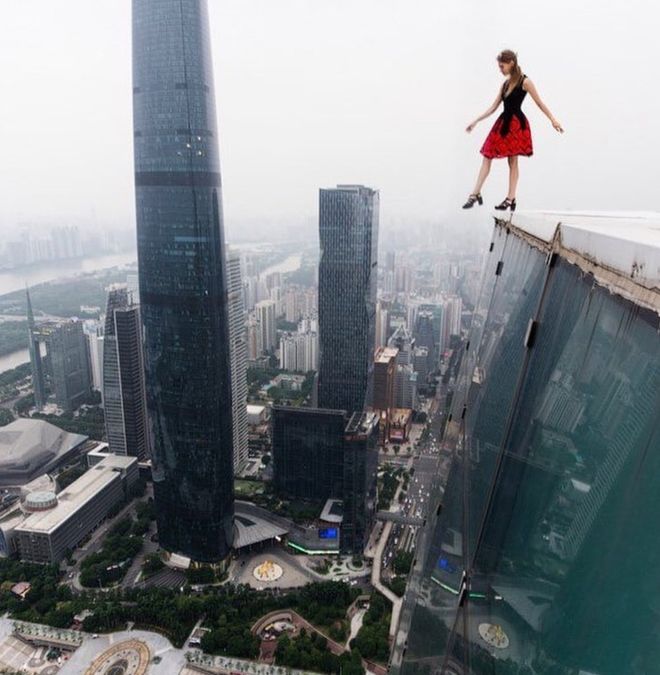

Angela says her grandmother was so upset when she first saw her photos, that she pretended they were Photoshopped.
For her, the presence of the camera is a key part of what she calls her art – although few artistic pursuits are as clearly dangerous.
“Sometimes I just climb up a building without a camera just to see a colourful sunrise or sunset,” she says. “But if you are asking why I film myself, imagine an artist painting all alone in his studio – painting, painting, painting for five years until he is practically drowning in his own work. And he thinks who am I doing this for – is there any point in my work? We need an audience – that is just part of the human condition.”
BBC and YouTube.
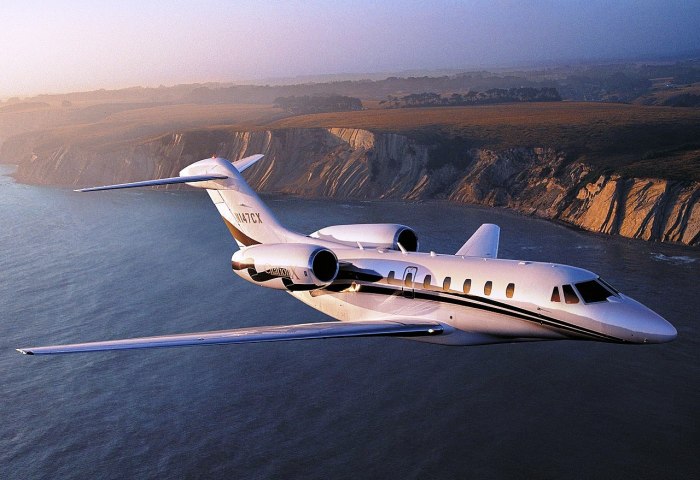
The table below presents the top 50 countries by the number of business jets in operation. It will come as no surprise that the number of aircraft registered in the US is far greater than anywhere else in the world. Out of all of the 50 countries below, the US alone accounts for 67 per cent of business jets and 63 per cent of the global fleet.

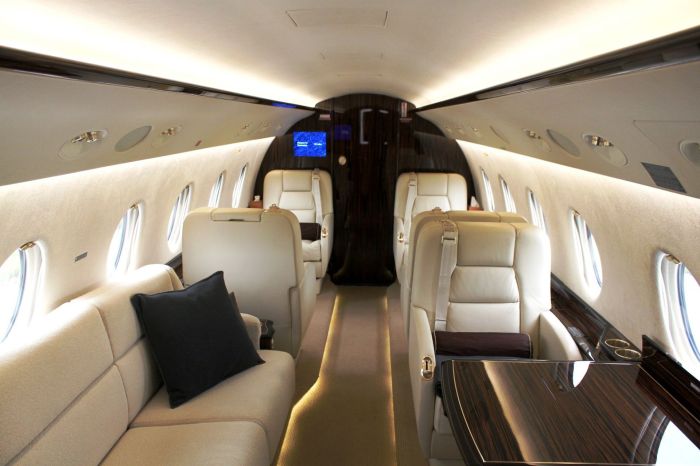
Gulfstream G650. Highest rated business jet
In sixth position with 264 aircraft, the Isle of Man, located off the coast of the UK, opened for business in May 2007 and is continuing to be seen as a popular and quick place to register aircraft.
Latin American occupies three places in the top 10, with Brazil and Mexico in second and third Venezuela at number 10. Brazil, in particular, is a vast country that takes time to travel across, so the number of smaller aircraft provide businesses with vital links between towns and cities. Although no age analysis is available, the number of older aircraft in both Mexico and Venezuela is noticeable and with little official information available, it is proved difficult to obtain true numbers of aircraft that are still currently active.
Austria’s position at number seven is partly due to a number of aircraft with Russian owners. Russia’s own import duty and tax payable on aircraft placed on the Russian register makes Austria a very attractive alternative country to register aircraft – something that also benefits the Isle of Man.
The number of business jets registered in China excludes aircraft registered in Hong Kong, Macao and Taiwan, each of which appear under their own entries. If we were to consolidate the three countries, China would jump two places in the list to number seven. Hong Kong, in particular, has a large number of aircraft registered and appear at 35th place with 32 business jet on the register.
| Position | Registered Country | No. of Aircraft |
| 1 | United States | 12,051 |
| 2 | Brazil | 764 |
| 3 | Mexico | 704 |
| 4 | Canada | 483 |
| 5 | Germany | 387 |
| 6 | Isle of Man | 264 |
| 7 | Austria | 244 |
| 8 | United Kingdom | 241 |
| 9 | China | 203 |
| 10 | Venezuela | 168 |
| 11 | South Africa | 160 |
| 12 | Australia | 154 |
| 13 | Argentina | 142 |
| 14 | India | 140 |
| 15 | Portugal | 138 |
| 16 | France | 132 |
| 17 | Switzerland | 123 |
| 18 | Bermuda | 117 |
| 19 | Cayman Islands | 114 |
| 20 | Turkey | 110 |
| 21 | Spain | 100 |
| 22 | Italy | 99 |
| 23 | Denmark | 62 |
| 24 | United Arab Emirates | 61 |
| 25 | Saudi Arabia | 56 |
| 26 | Russian Federation | 53 |
| 27 | Luxembourg | 48 |
| 28 | Belgium | 45 |
| 29 | Aruba | 45 |
| 30 | Nigeria | 41 |
| 31 | Japan | 36 |
| 32 | Sweden | 36 |
| 33 | Malta | 35 |
| 34 | Czech Republic | 34 |
| 35 | Hong Kong | 32 |
| 36 | Philippines | 32 |
| 37 | Indonesia | 27 |
| 38 | Netherlands | 27 |
| 39 | Finland | 26 |
| 40 | Morocco | 26 |
| 41 | Thailand | 25 |
| 42 | Ukraine | 24 |
| 43 | Egypt | 23 |
| 44 | Chile | 20 |
| 45 | Serbia | 17 |
| 46 | Bulgaria | 16 |
| 47 | Kazakhstan | 16 |
| 48 | Colombia | 16 |
| 49 | Greece | 15 |
| 50 | Pakistan | 15 |
Most popular business jet: Cessna Citation series with over 7000 built
Looking for a smaller aircraft, the Honda Jet








 The MarkoZen Blog