At its closest point, known as the perigee, the Moon is only 363,104 km (225,622 miles). And at its most distant point, called apogee, the Moon gets to a distance of 406,696 km (252,088 miles).


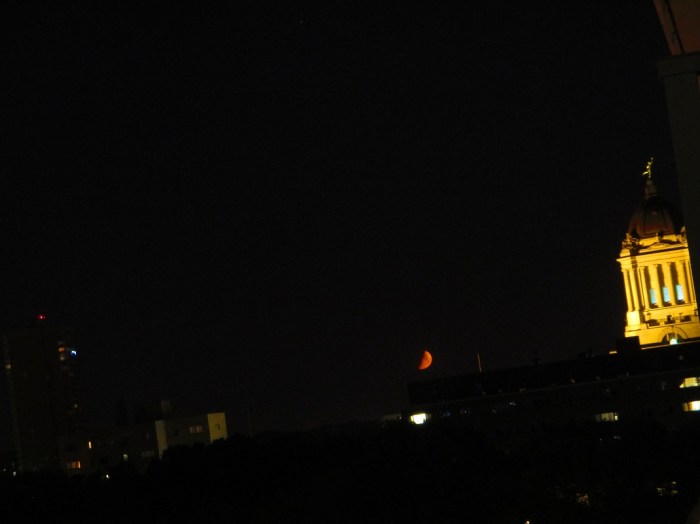
At its closest point, known as the perigee, the Moon is only 363,104 km (225,622 miles). And at its most distant point, called apogee, the Moon gets to a distance of 406,696 km (252,088 miles).
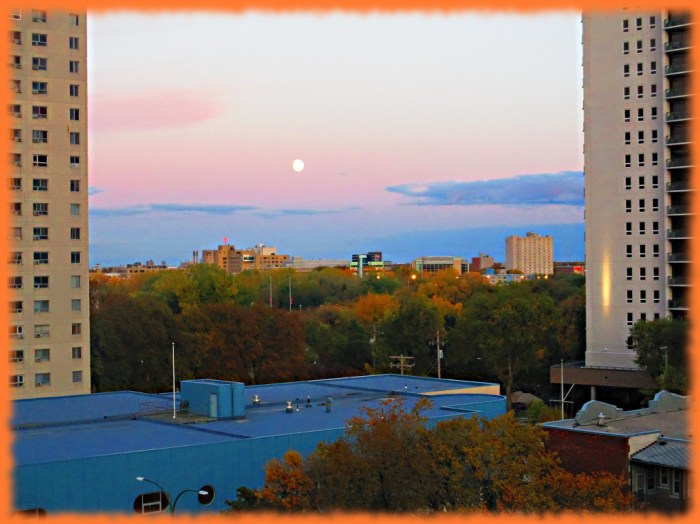


The vast majority of Muscovite’s live in apartment buildings. In the Soviet era private property was sacrilegious. It was a communal society from top to bottom. Under the later Soviet regimes people could apply to live in the Dachas – country houses just outside the city. To get into a Dacha one had to be extremely pro-regime and wait on a very long list. It was a type of reward.
Almost a 100 percent of Moscow residents live in high-rise apartment buildings.

Because there are so many tall apartment buildings, Moscow has more elevator lifts than any other city in the world.
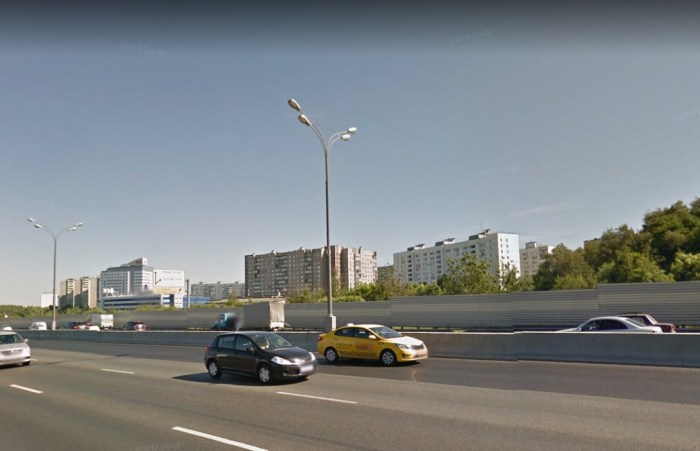

How about living in the suburbs? Some people do indeed live at their dachas (and in that case these are more like country houses), but there is no such thing as suburbia in the “American way of thinking”. People do not move to suburbs when they start families and want to raise kids. People want to have an apartment in the city as the permanent home and dacha as a summer-house for weekends. And those people, who do live outside of the city, but work in the center are heavily penalized for the opportunity to have fresh air by sitting in traffic jams on their way to and from work for many hours every day.
So, 99% of Russians, living in the city do live in apartments. To have a private house within the city limits is super rare. There are just several townhouse communities in Moscow and all of them were established in the recent decade or two.*
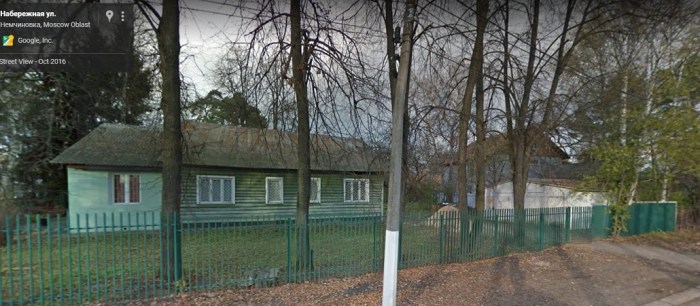
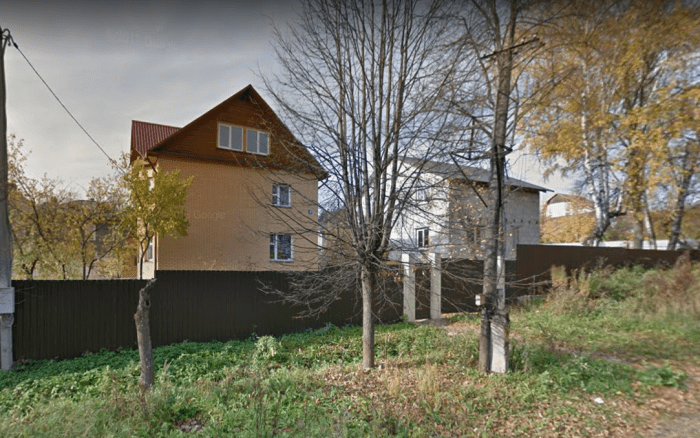
They all have big fences surrounding the houses.

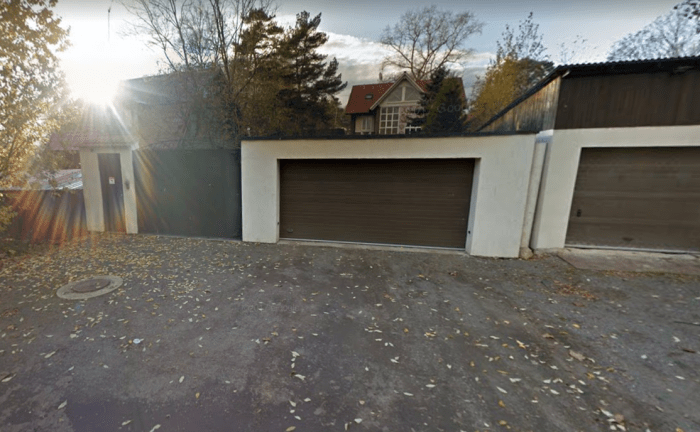
This looks like a 4 car garage.
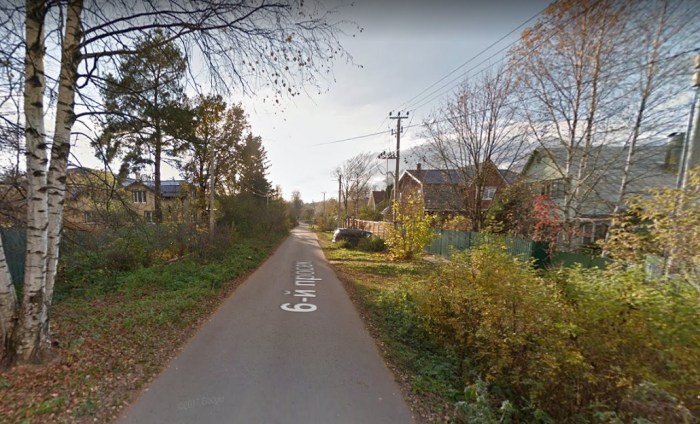
The Dachas are not really lined on streets, in the North American sense, but narrow back lanes.
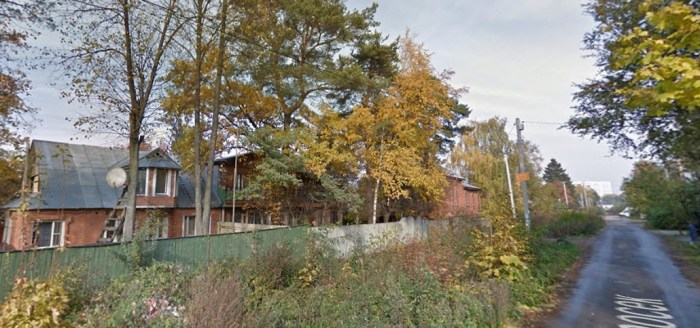
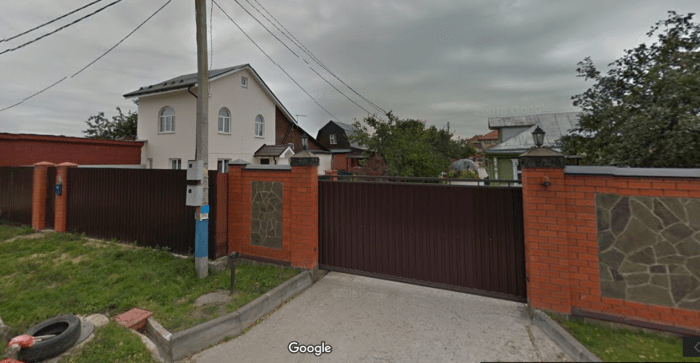
Some have really impressive fences and gates.

Back in the city, strange parking arrangement. Going over a curb.

Source: Google maps, *understandrussia.com

Politics and government are the main economic activities in Astana the capital, which also forms a Special Economic Zone. Astana has seen one of the world’s greatest building projects, as oil money has been spent on government buildings, a massive home for the president, a mosque, and numerous parks and monuments. The project is designed to make the town the centre of not only Kazakhstan, but all of Central Asia.
After Kazakhstan gained its independence in 1991, the city and the region were renamed “Aqmola”, literally meaning “White Shrine”.
In 1995, the city was designated as the future capital of the newly-independent country, and the capital was officially moved from Almaty on December 10, 1997. The new name, Astana, was bestowed in 1998.
Government officials cited several problems with keeping the capital in Almaty, such as the city’s risk of seismic activity, insufficient room for expansion, and proximity to international borders. Additionally, parts of northern Kazakhstan are populated primarily by ethnic Russians, which raised fears of possible irredentist activity. Moving the capital to this area may have been an attempt to anchor it more closely with the rest of the country.
To some Kazakhs, the move remains controversial. Critics cite the city’s isolated location in the center of the Kazakh steppe and the forbidding climate in winter. Financially, some resent the massive expenditure of public funds to build the new government complexes, as well as the continuing cost of airfare and hotel expenses for the many government workers who still live in Almaty.

Floral flourishes decorate Nurzhol Boulevard, or “Radiant Path.”

The Baiterek, towering over Astana’s central promenade, flares green against a dappled evening sky. Intended as a symbol of the new capital, the 318-foot monument evokes a giant tree with a golden egg in its branches. In the Kazakh myth of Samruk, a sacred bird lays a golden egg in the branches of a poplar each year.

A flock of giant doves flutters on a stained-glass conference room ceiling at the Palace of Peace and Harmony. The 203-foot-high pyramid designed by Norman Foster provides spaces for worshippers of all religions.


Kazakhstan’s new capital is the opposite of understated. After dark, government buildings change hues as the night progresses, creating a theme park atmosphere. The presidential palace suggests a gaudy version of the White House. Prize-winning British architect Norman Foster is one of many foreigners who helped shape the city. His purple Khan Shatyr shopping mall has an indoor sand beach and wave pool on the top floor.

Flanked by traditional Kazakh dancers, a bride awaits her formal unveiling at an opulent wedding palace, where she has just been married in a ceremony capped by the release of two white doves. The revelry begins when the veil is lifted.

McMansions that could have been airlifted from any American suburb are among the more incongruous sights in Astana, whose architectural style is nothing if not eclectic.

Like thousands of educated young professionals in Astana, these cardplayers at a riverside park grew up in other parts of Kazakhstan and moved to the new capital for the opportunities it promised. A baby boom has accompanied the influx.
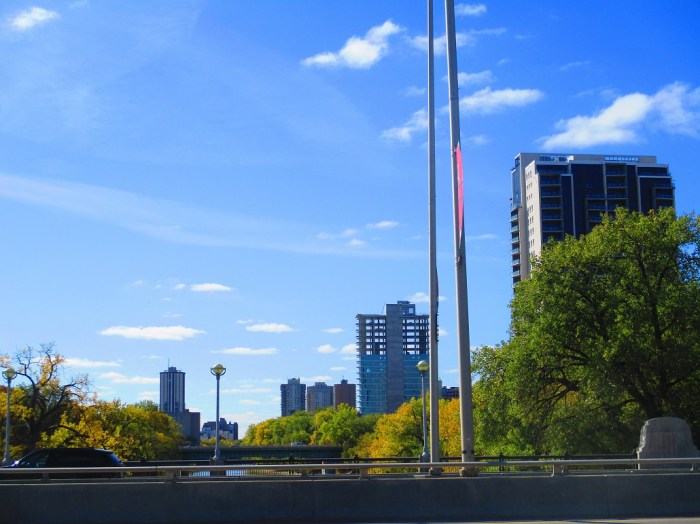
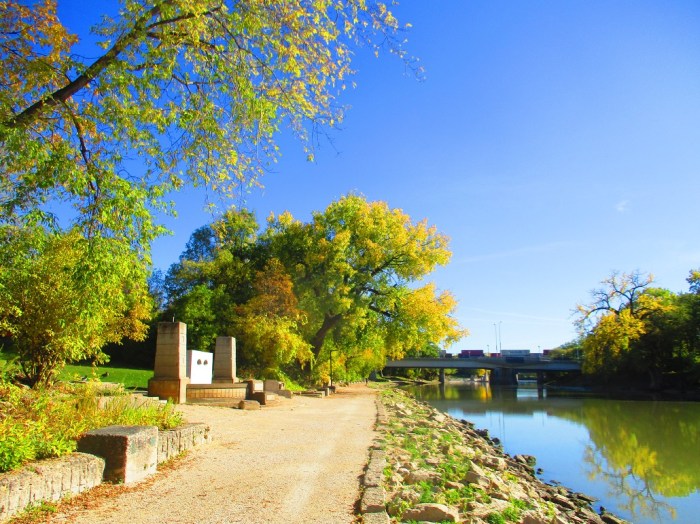
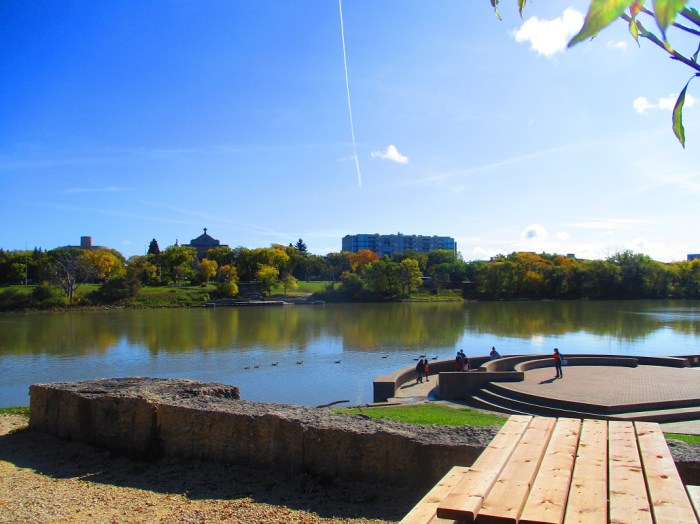
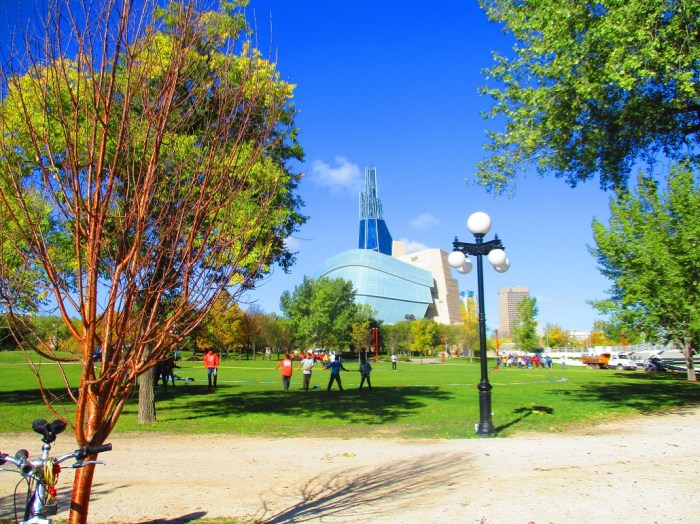
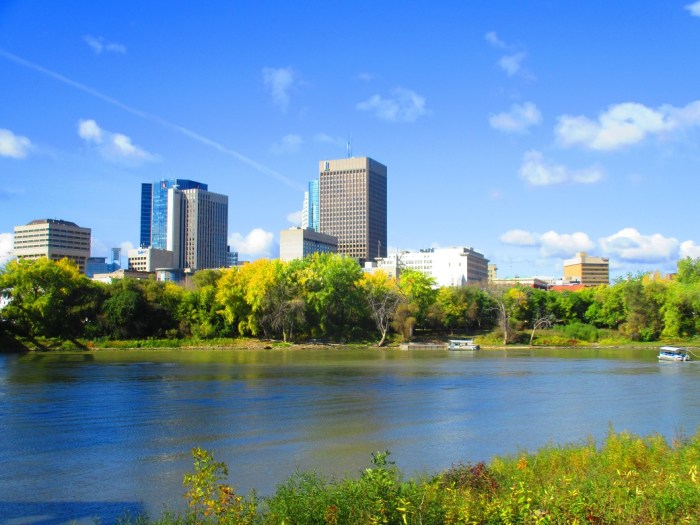
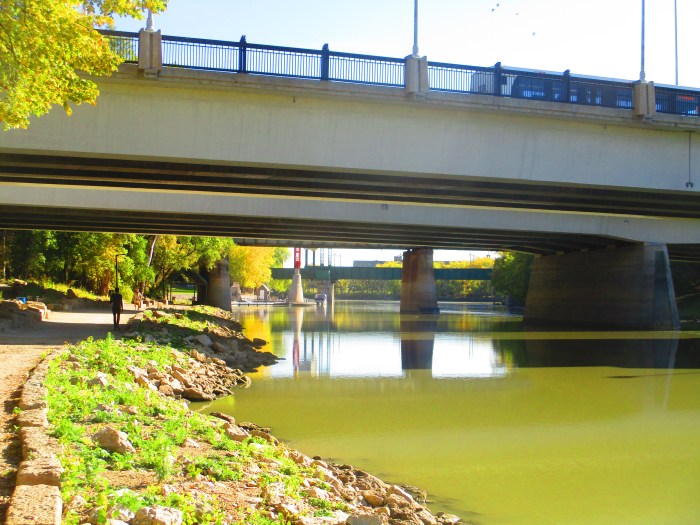
Winnipeg

The Terror of Tiny Town is a 1938 American film produced by Jed Buell, directed by Sam Newfield, and starring Billy Curtis. It is the world’s only musical Western with an all-dwarf cast. The film was filmed at a sound studio in Hollywood and partly at Placeritos Ranch in Placerita Canyon, California. The inspiration of the film came when Jed Buell overheard an employee jokingly say “If this economic dive keeps going, we’ll be using midgets as actors”.
Using a conventional Western story with an all dwarf cast, the filmmakers were able to showcase gags such as cowboys entering the local saloon by walking under the swinging doors, climbing into cupboards to retrieve items, and dwarf cowboys galloping around on Shetland ponies while roping calves.
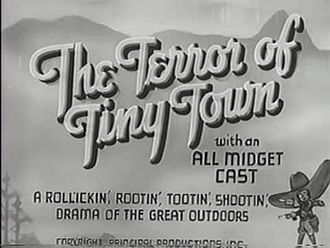
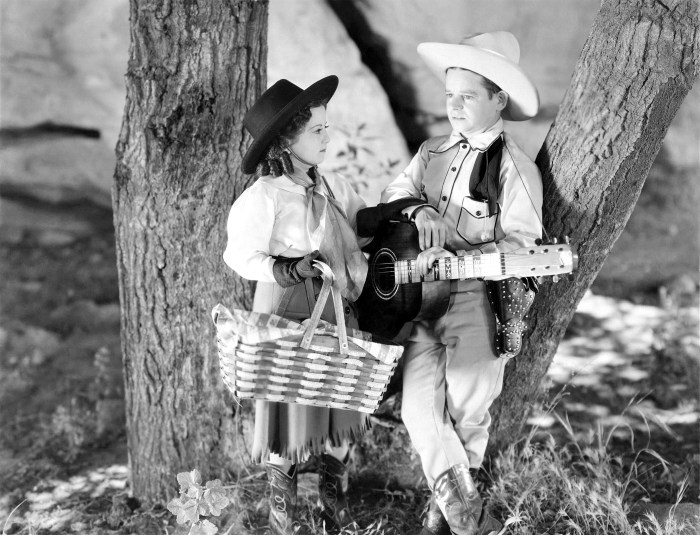
Jed Buell was able to find about sixty cast members for the film, with an average height of 3’8”. He found most of them through talent agencies, newspaper ads, and radio broadcasts. The film presents Jed Buell’s Midgets. Many of the actors were former members of the performing troupe, Singer’s Midgets., and played Munchkins in The Wizard of Oz, released in 1939.
The bunnies have faces that are totally disarming. They do not look like terror creatures. Too cuddly.
Night of the Lepus, also known as Rabbits, is a 1972 American science fiction horror film based on the 1964 science fiction novel The Year of the Angry Rabbit.
Released theatrically on October 4, 1972, it focuses on members of a small Arizona town who battle thousands of mutated, carnivorous killer rabbits. The film was the first science fiction work for producer A. C. Lyles and for director William F. Claxton, both of whom came from Western film backgrounds. Character actors from Westerns the pair had worked on were brought in to star in the Night of the Lepus, including Stuart Whitman, Janet Leigh, Rory Calhoun, and DeForest Kelley.
Shot in Arizona, Night of the Lepus used domestic rabbits filmed against miniature models and actors dressed in rabbit costumes for the attack scenes.

Before its release, Metro-Goldwyn-Mayer (MGM) renamed the film from its original name of Rabbits and avoided including rabbits in most promotional materials to try to keep the featured mutant creatures a secret. However, the studio itself broke the secret by issuing rabbit’s foot-themed promotional materials before the release. Widely panned by critics for its premise, bad directing, stilted acting and laughable special effects, the film’s biggest failure was considered to be the inability to make the rabbits seem scary. Night of the Lepus has gained cult status for its poor quality and was released to home video for the first time in October 2005 when it was released to Region 1 DVD. It has been featured in Rifftrax, the comedy troupe of Mike Nelson, Kevin Murphy and Bill Corbett, former members of the Mystery Science Theater 3000 ensemble.


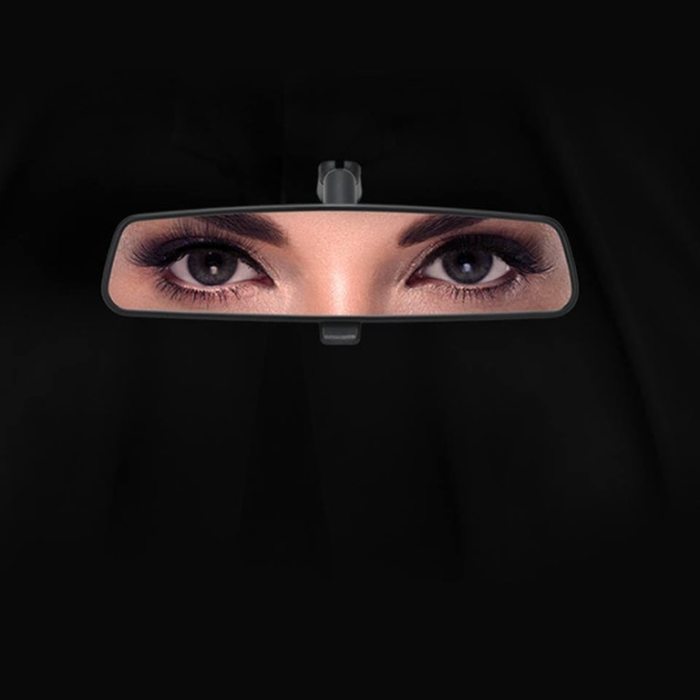
Ford’s clever advertising after women in Saudi Arabia became allowed to drive.
The first episode of Star Trek: TNG aired 30 years ago today. A lot of Sci-Fi design doesn’t age well, but the Enterprise-D remains one of the most gorgeous Starships ever designed.

Stored locomotives in the Arizona desert. With a BEAST at the front.

Taking the knee in defiance of Trump

If Arnie wasn’t a liberal all his life, he sure is now.

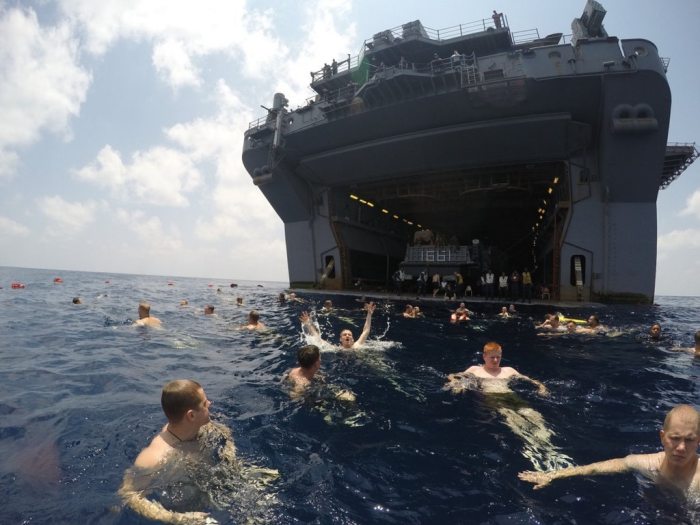
U.S. Marines and Sailors taking a dip in the ocean.
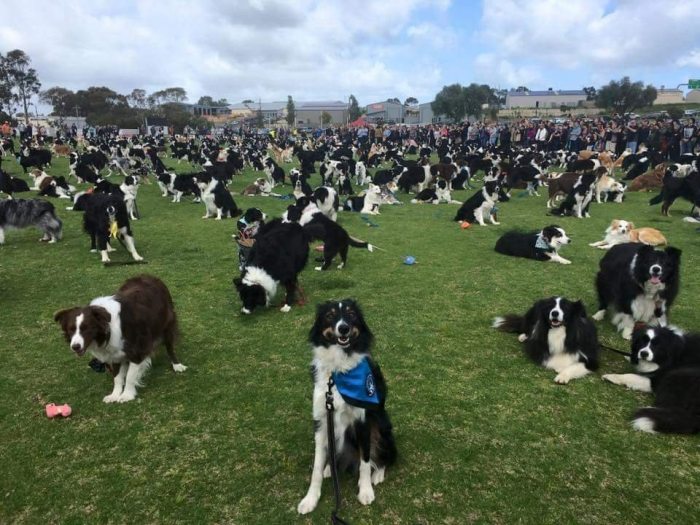
Border Collie convention

Major rebar action in NYC

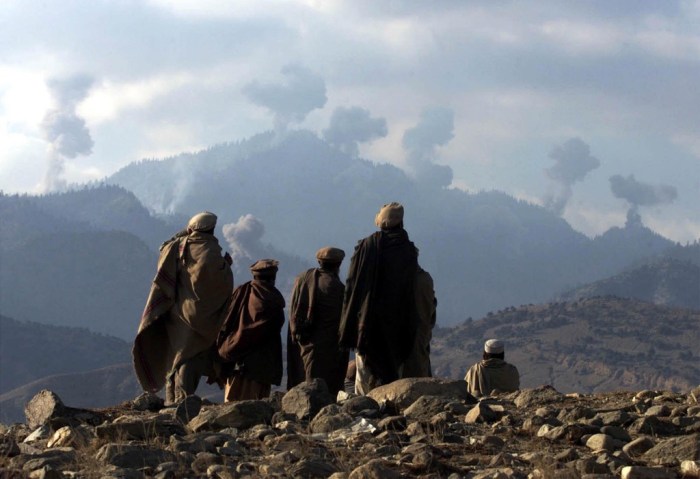
Afghans watching the U.S. bombing blitz of Tora Bora in 2001. They bombed Bin Laden’s cave complex non-stop for 4 straight days. When it started Bin Laden had a black beard, when it ended half his beard was grey.
Filmed at Wing Over Illawarra airshow 2014, at Illawarra Regional Airport, in New South Wales, on May 4, the following footage shows two RAAF F/A-18B Hornets taking off in strong crosswinds from the airfield located about 50 kilometers to the southeast of Sydney, Australia.
Strong crosswinds prevented the majority of aerobatic displays at WOI airshow. Nevertheless, the two Hornets were able to launch, even if sensibly shaken by the 30 – 40 knot crosswind!
Note the skid marks (or tracks left in the dust) left on the runway by two Hornets!

Canadian CF-18 Hornets use fake cockpits painted on the bottom of the jets to confuse the enemy. Photo shows bottom of aircraft.


 The MarkoZen Blog