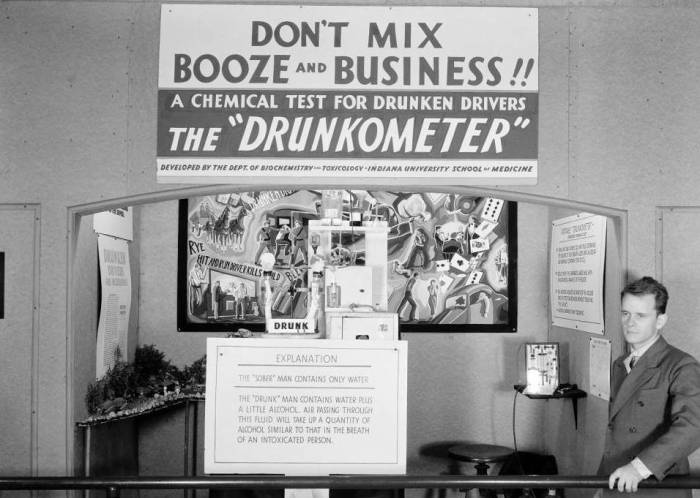
Thanks to the end of Prohibition and a boom in car sales, drunk driving had become a fast-growing problem in America in the 1930s. But on this New Year’s Eve, police in Indianapolis, Indiana went out armed with a new weapon to fight against people who had gotten behind the wheel after having too much to drink.
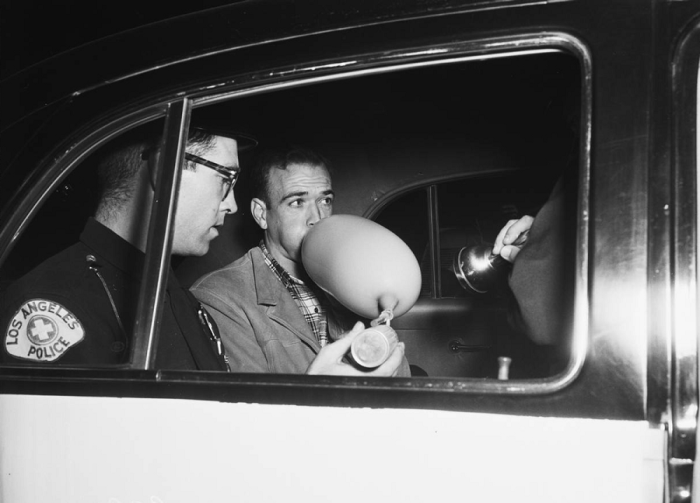
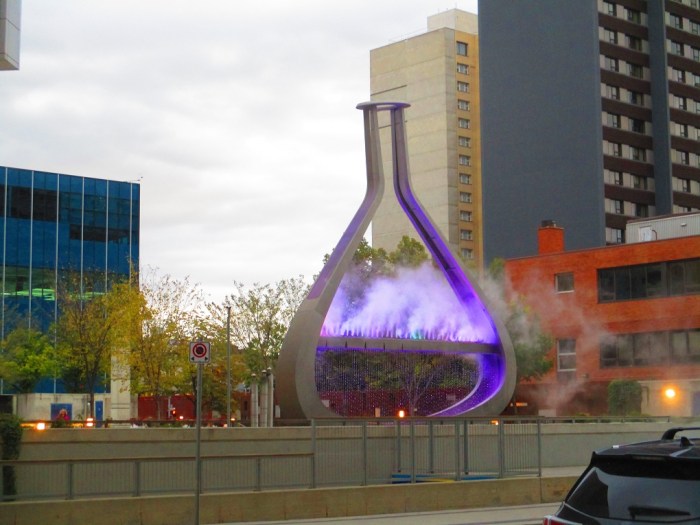
It’s a contraption called a “drunkometer” and it’s the invention of an Indiana University chemist named Rolla Harger. He had been working on the device since the early 1930s and had patented it two years earlier. The concept behind the drunkometer was pretty basic. Drivers suspected of being drunk were asked to breathe into a rubber balloon, which was attached to a tube of purple liquid—a weak solution of potassium permanganate in sulphuric acid.
If there was alcohol on their breath, the chemical solution changed color–the darker it got, the more alcohol they had in their system. From the shade of the liquid, the cops could use a simple equation to estimate the alcohol level in a person’s bloodstream. Previously, the only way police could check a driver’s alcohol level was to get a blood or urine sample; Neither was a very practical option on the roadside. While the drunkometer looked a bit like a mini chemistry set, it was portable, able to fit into a small suitcase.
Harger made the device as simple as possible so that judges and juries would understand how it worked and police officers could easily be trained to use it. He also made the drunkometer hard to beat. Experiments showed that no illness affected the result, and that nothing a person might eat – garlic, cloves, strong onions – would make any difference. Once police started using it, the drunkometer was found to have another advantage. A dramatic change in the color of the liquid could often make people admit how much they had drunk.
Sometimes Harger would ride along with the police to see how his invention was being used. What he discovered was that a lot more people were driving drunk than he ever imagined.
The drunkometer was used by police departments all over the country until the 1950s when it was replaced by the breathalyzer, invented by another Indiana University professor, Robert Borkenstein. The breathalyzer is a much smaller and more sophisticated device that uses infrared spectroscopy to measure blood alcohol levels.
President Donald Trump addresses the 72nd Annual UN General Assembly in New York on September 19, 2017. Trump at UN: ‘Rocket Man’ Kim Jong Un ‘is on a suicide mission’ President Donald Trump addresses the 72nd Annual UN General Assembly in New York on September 19, 2017. Trump at UN: ‘Rocket Man’ Kim Jong Un ‘is on a suicide mission’
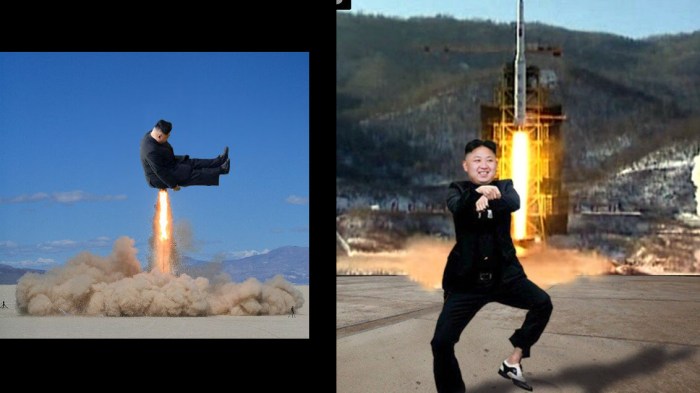
A wave of shock rippled through Twitter and the media after President Trump called North Korean President Kim Jong Un a “Rocket Man” in his speech before the United Nations Tuesday.
“‘Rocket man’ made the TelePrompTer?!?!” “Meet the Press” host Chuck Todd tweeted.
Another person wrote on Twitter that Trump’s use of the term showed that he doesn’t grasp the severity of the situation.
Oh, I think Trump knows EXACTLY what he is doing.
Remember when he ran against “Lyin’ Ted” Cruz and “Little Marco” Rubio in the primaries? Then, when he beat all of his GOP contenders, he ran – and won – against “Crooked Hillary” Clinton in the presidential election.
Kim Jong Un might be using missiles as his weapon of choice but when President Trump goes into battle, his weapon of choice seems to be ridicule – and a catchy nickname to make it stick.
Trump first debuted the nickname “Rocket Man” on Twitter over the weekend but pulled it out again at the United Nations on Tuesday, saying in his speech to the U.N. General Assembly:
“No nation on Earth has an interest in seeing this band of criminals arm itself with nuclear weapons and missiles. The United States has great strength and patience, but if it is forced to defend itself or its allies, we will have no choice but to totally destroy North Korea. Rocket man is on a suicide mission for himself and for his regime. The United States is ready, willing, and able, but hopefully this will not be necessary. That’s what the United Nations is all about. That’s what the United Nations is for. Let’s see how they do.”
Oh, it’s hard to count the multitude of ways this new moniker in the Trump ridicule machine works on so many levels. It’s insulting without being vulgar. It pigeonholes Kim down to his missile-test mania. And it’s even the title of one of the most popular pop songs of all time making it so easy to remember, parody, and enjoy. So you know who’s responsible when you hear “Rocket Man” on the radio even more than the usual 150 times per week right now.
President Trump may be the Commander-in-Chief, but he’s really the Marketer-in-Chief. And he may now be on the verge of marketing Kim Jong Un right out of power.
Think about it: Kim Jong Un’s most important commodity at his disposal is fear. That nuclear and missile program-created fear makes him a factor in a world that would otherwise not even care if he existed. Kim is certainly not loved outside his own country, and maybe not even in his own country, but he is not ignored or taken lightly.
Look for the president and the entire Trump team to start using this title when discussing Kim Jong Un more and more in the coming days and weeks. Trump’s already made it clear that he’s not afraid to use it anywhere — even on the floor of the United Nations.
The other brilliant marketing move President Trump used in his U.N. speech was repeating the term “America first” and explaining that idea in front of the entire world. That kind of naked patriotism may seem out of style in many parts of the world, but it’s part of the branding that got Trump elected especially in heartland states like Pennsylvania, Wisconsin, and Michigan. And saying something as nationalist as “America first” in the very building where nationalism is supposed to be supplanted by international common ground is brilliant marketing from a president who won’t ever stop branding and marketing himself.
If the U.N. weren’t such an abject failure in its stated mission to stamp out nationalism and aggression, perhaps President Trump’s words today would be an outrage. But the U.N. has failed to quell everything from North Korea’s nuclear tyranny, Iran’s funding of worldwide terror, a Syrian civil war that’s left hundreds of thousands dead, Russia’s bullying of its neighbors, and these are just the bad things that are happening this year.
Only a cloistered group of academics and self-important pundits would miss the fact that rhetorically defusing one of the world’s most feared dictators by calling him “Rocket Man” is a winning move.
Getting a ridiculous name, along with the catchy song it evokes, to stick will be absorbed by the populous and will likely help Trump gain support from voters in whatever strategy he decides to implement against Kim Jong Un – even if it’s something drastic like a removal strategy.
Think about it: If people have been saying “Rocket Man” and “suicide mission” around the water cooler for six months, they’re going to be a lot less shocked if they hear something in the news about Trump wanting to take out Kim Jong Un – and a lot more supportive of the solution.
Donald Trump may still be a political neophyte. But he knows marketing and branding and, if we’ve learned anything in the past year, it’s that it works.
God knows what the little devil is up to here?
That green soylent must be pure steroids. In the Soylent Green movie (1973 starring Charlton Heston), the stuff is dead human remains processed into food. Mass cannibalism.
I’m not much of a car person. These days, with a few exceptions, cars all look-a-like to me. Little boxes with wheels that are fighting each other for space on the streets. The pick-up trucks are even worse. Big metal contraptions driven by incompetent drivers who bully the little cars for space on the streets. Lets go shopping at the mall and I’ll park my armoured personnel carrier (F-250 pick-up) in the multi-level parkade with the low ceiling, concrete pillars and tight spaces. This is the kind of mind-set the body shop owners love.
There are some good looking vehicles out there like the Corvette, Camaro and PT Cruiser. I kid about the latter. And conversely there are many ugly cars out there. The Nissan Cube looks like it was made for a timid family of nerdy geeks.
Nissan Cube
But throughout time there have been some magnificently ugly cars out there. And here is a list of the top ten ugliest of all time. m
#10
Pontiac Aztek
Malformed atrocity with a big body that is way too big for the wheels.
#9
Mercedes Benz G-class
You can’t argue with its capabilities, but the Geländewagen won’t win any beauty contests. Like a lot of Teutonic heavy metal, it was designed to do a job and do it well. Little attention was paid to the aesthetics, and so the G-wagen is a stout, dour fraulein.
#8
Fiat Multipla
It came wrapped in sheetmetal that resembled nothing less than a tumor growing on the face of some poor unwitting car.
#7
Yugo GV
Yugoslavia’s attempt at mass automobile production, enough said.
#6
Chevrolet Chevette
The Chevette has no redeeming qualities, except for maybe that so few of these atrocious little cars are still around.
#5
Ford Mustang II
The Mustang II, which was essentially a Ford Pinto with a pony emblem on the grill.
#4
AMC Pacer
From the asymmetrical doors to the big-forehead (think Neanderthal) profile of the greenhouse, it’s simply not a looker. Is it any wonder that AMC went under after crafting such a turd?
#3
Citroen 2CV
French attempt to make a Beetle. In addition to looking like a metal snail, it was possibly as slow as one, starting out with a 9-HP two-cylinder.
#2
VW Thing
VW knew it was weird looking– I mean, who names their car a Thing without consciously being aware of the fact that its appearance can best be described as bizarre.
#1
Reliant-Regal
The Regal is notable for having just 3 wheels. And that’s about it. It’s slow, unsafe, and didn’t sell very well. And the word ugly is to complimentary. A real chick magnet Eh!
When my breaks finally arrive, I go outside and walk around. In this part of the south arctic we have to take advantage of the warmer weather before the polar vortex storms down from the north pole.
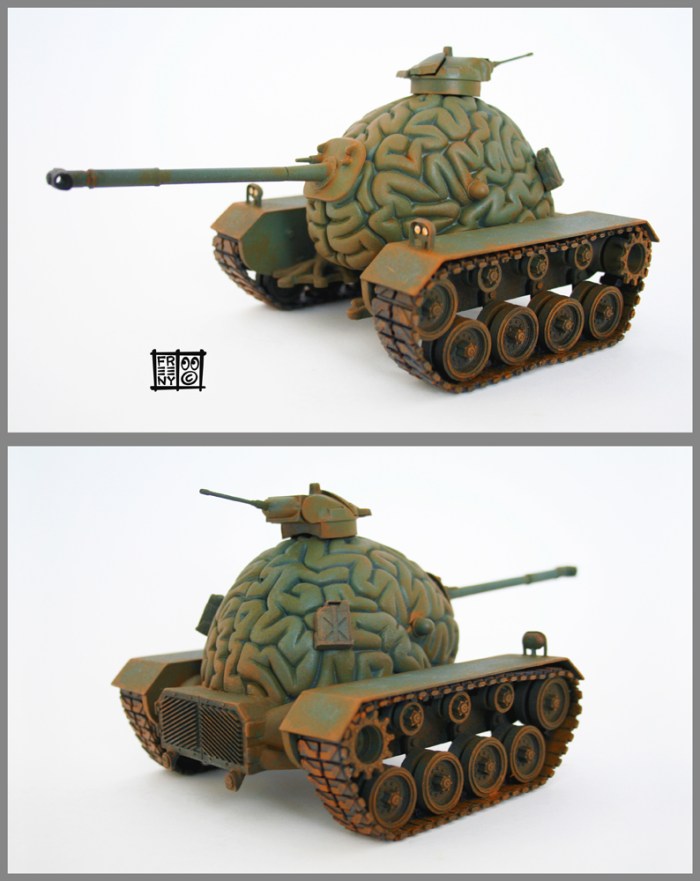
I find current affairs programs are always bringing on experts from think tanks. I got thinking about the term think tank and realized the two words just don’t go together very well. Think connotes an intellectual endeavor, tank on the other hand conjures up images of big metal or glass containers. Not to mention battle tanks.
The two words are completely incongruous together. No matter, I digress, what are these think tanks?
A think tank, policy institute, or research institute is an organisation that performs research and advocacy concerning topics such as social policy, political strategy, economics, military, technology, and culture. Most policy institutes are non-profit organisations, which some countries such as the United States and Canada provide with tax exempt status. Other think tanks are funded by governments, advocacy groups, or businesses, or derive revenue from consulting or research work related to their projects.
One of the biggest Think Tanks in the world is RAND Corporation. RAND (“Research and development”) is an American nonprofit global policy think tank originally formed by Douglas Aircraft Company to offer research and analysis to the United States Armed Forces. It is financed by the U.S. government and private endowment,corporations,universities and private individuals. The organization has expanded to work with other governments, private foundations, international organizations, and commercial organizations on a host of non-defense issues, including healthcare. RAND aims for interdisciplinary and quantitative problem solving via translating theoretical concepts from formal economics and the physical sciences into novel applications in other areas, that is, via applied science and operations research.*
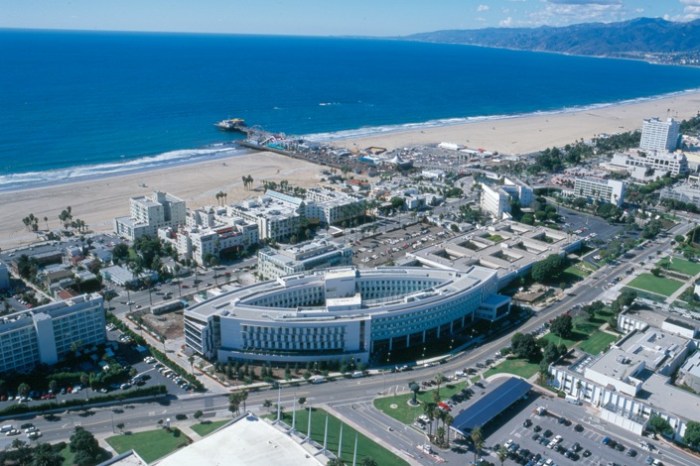
Headquarters in Santa Monica. Right off the beach, nice.
RAND has approximately 1,700 employees. Its American locations include: Santa Monica, California (headquarters); Arlington, Virginia; Pittsburgh, Pennsylvania; the San Francisco Bay Area; and Boston, Massachusetts. The RAND Gulf States Policy Institute has an office in New Orleans, Louisiana. RAND Europe is located in Cambridge, United Kingdom, and Brussels, Belgium. RAND Australia is located in Canberra, Australia.
Here’s how the insane vehicles were created in ‘Mad Max: Fury Road’
Talks of the twisted metal and high octane vehicles that would populate “Mad Max: Fury Road” began when director George Miller showed production designer Colin Gibson three walls filled with storyboards of the film 15 years ago.
“He said, ‘One day this could all be yours,’” Gibson recalls to Business Insider of what Miller presented him. Gibson just didn’t realize how far away that “one day” would be.
Gibson began building the cars to be featured in the film as far back as 2003, when it was originally going to be shot in South Africa with Mel Gibson returning as Max, a loner in a post-apocalyptic world who navigates through the different gasoline-starved tribes in order to survive.
But the plug was pulled on the film leading up to the Iraq War, and the project lingered in development hell until four years ago.
The final version is an action-adventure film starring Tom Hardy as Max and Charlize Theron as Imperator Furiosa. Responsible for driving the massive “War Rig” to replenish her village’s gasoline needs, Furiosa goes rogue and dashes in the truck to parts unknown in hopes of freedom, picking up Max along the way. The village’s evil ruler, Immortal Joe (Hugh Keays-Byrne) unleashes his “War Boys” and their gonzo fleet of vehicles to hunt them down.
Built over 11 months before production began in late 2011, the close to 200 vehicles Gibson created range from a sedan with massive metal spikes sticking out of it to a giant truck covered with stereo speakers.
The iconic vehicle from the “Mad Max” franchise is Max’s 1973 Ford Falcon XB GT. The super-charged car made its first appearance in “Mad Max” in 1979 when Max was chasing down bad guys with it while he was still a cop. It returned in “The Road Warrior” (1981) where Max used it to escape the clutches of the evil forces who want to take it from him for the gasoline.
Gibson knew the importance of the car, so he didn’t make many changes to its look. “All we had to do with it was make it another 45 years older,” he said. “More rust. More rattle. Less original parts.” But with Hardy now as Max, Gibson also saw the car as a passing of the torch. “When we changed Maxes, it becomes even more important that we have that particular handoff.”
Like in “The Road Warrior,” much of the action in “Fury Road” is on a massive 18-wheeler. But like all things in the movie, it’s unlike any you’ve ever seen. With two V8 engines, and modified cabins throughout, Gibson created a vehicle that the audience wouldn’t get tired of looking at half-way through the movie.
“War Rig was one built more to a prescription than an imagination,” he explains. “It was such an important part of the story that George and the storyboard artists had come to a greater consensus of what was required.” Gibson points out that there are up to 13 different characters inside the rig at any one time through the movie. Gibson said the classic John Wayne western, “Stagecoach,” was an inspiration for creating a moving location where the drama plays out over a long stretch of time.
War Rig
Perhaps the most challenging vehicle, for all involved in the film, was the bandwagon that follows Immortal Joe’s armada of twisted vehicles into battle. “George said every army has a little drummer boy and ours was Spinal Tap on acid,” said Gibson.
The Doof Wagon is a big rig strapped with massive drums in the rear, endless speakers in front of it, and a stage where the blind and disfigured Coma the Doof Warrior rocks out on his flam-throwing guitar. Gibson said it was the most difficult vehicle to run as its six foot wheels (which they took from old mining tractors) would get buried in the sand. And then there was the noise. “George Miller has very expansive tastes so everything has to be real,” said Gibson. That means the speakers blared music all the time. “Some of the actors could barely hear themselves act,” he said. But Gibson made the error of when creating the flame-throwing guitar that it did not also play. “I foolishly built it as a prototype,” he said. “George was most emphatic that the guitarist had to be able to play, so we went back to the drawing board and made something that could play and shoot flames.”
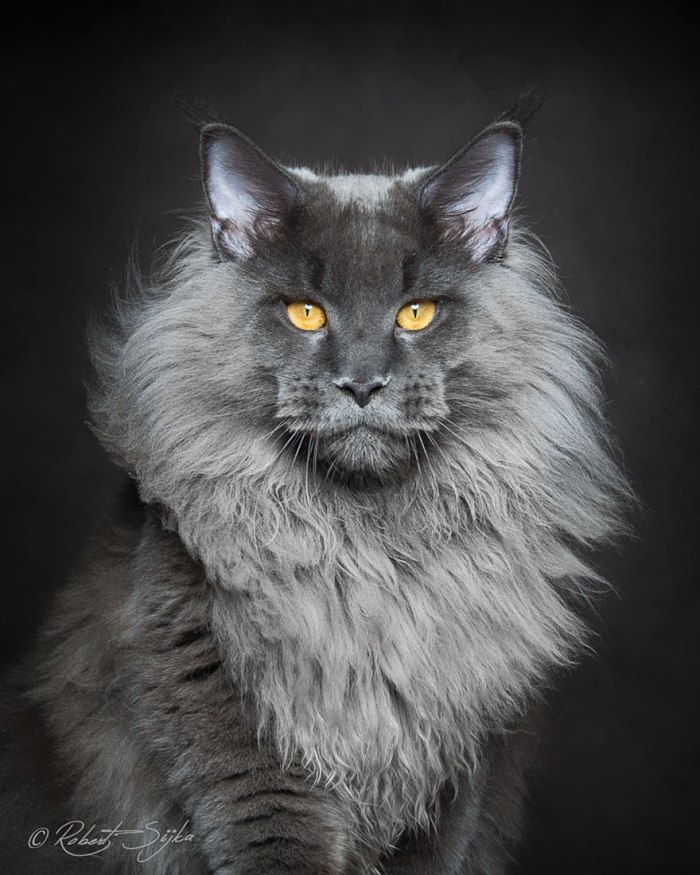
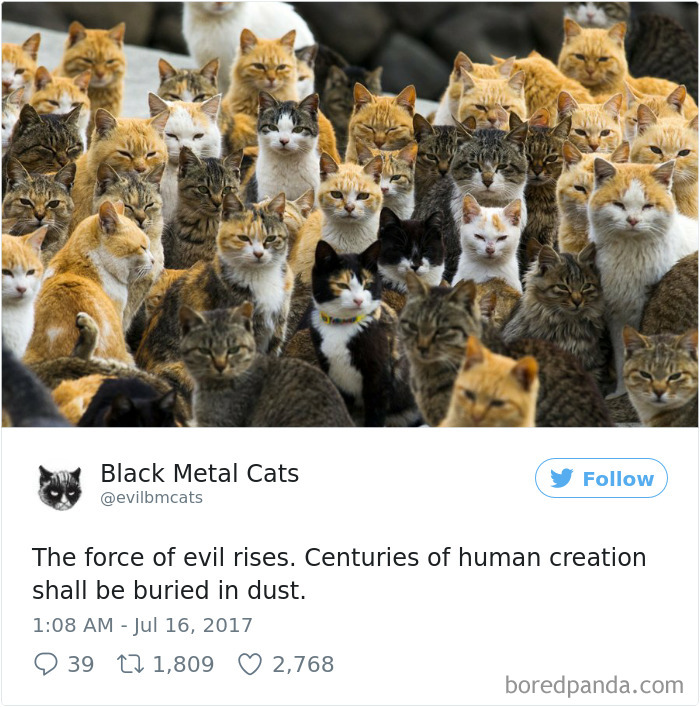
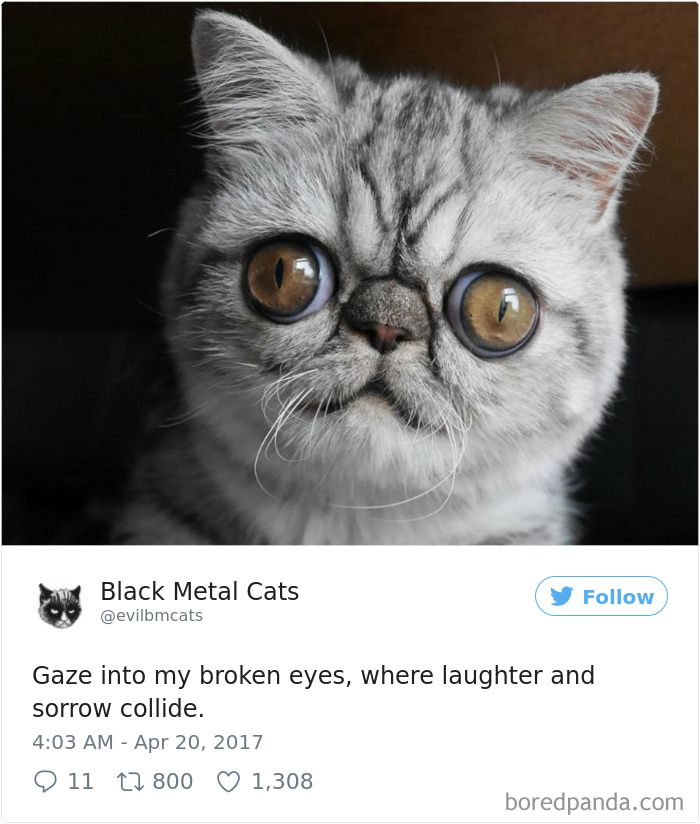
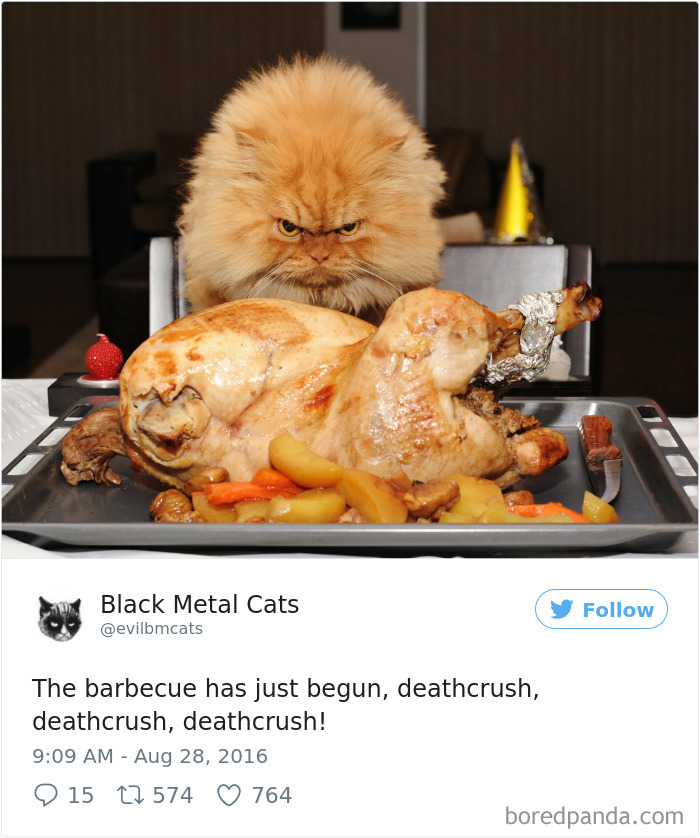
Cats. We Love ‘em! Cute, cuddly, intelligent and independent, they are part of the family for millions of us. However we all know about their reputation for dabbling in the darker side.
Since the Middle Ages cats have been associated with witchcraft and demons, kept by witches as familiars “those hellish imps that took the forms of animals to assist witches in their evil deeds”. Sounds pretty metal! Even today, some of these these stereotypes have survived. You’ve probably heard the one about black cats bringing bad luck, right?
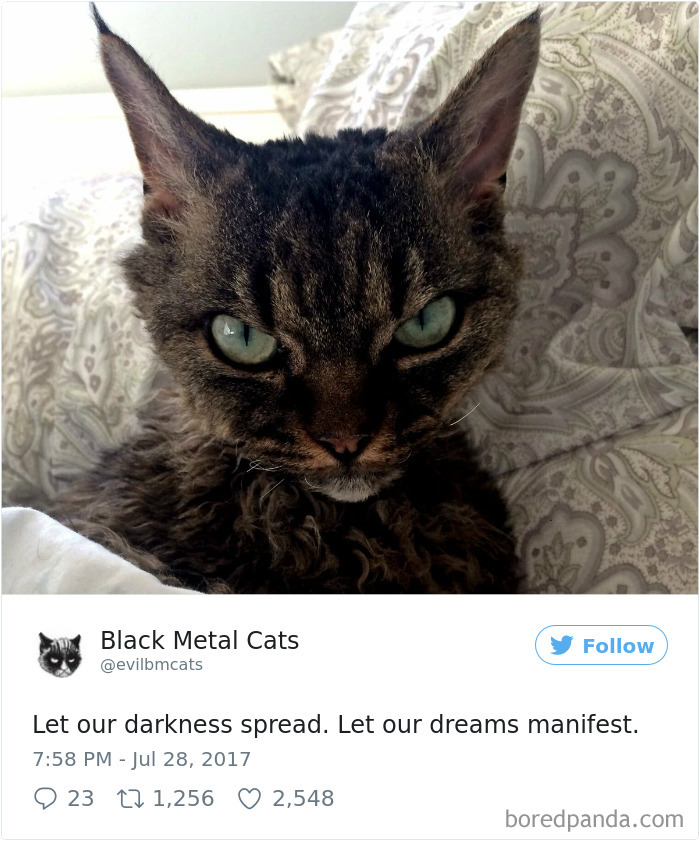
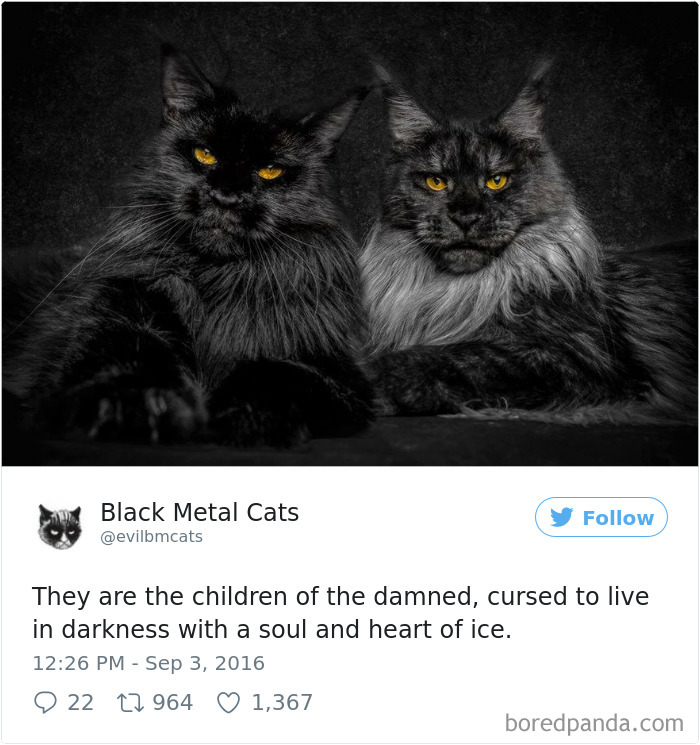
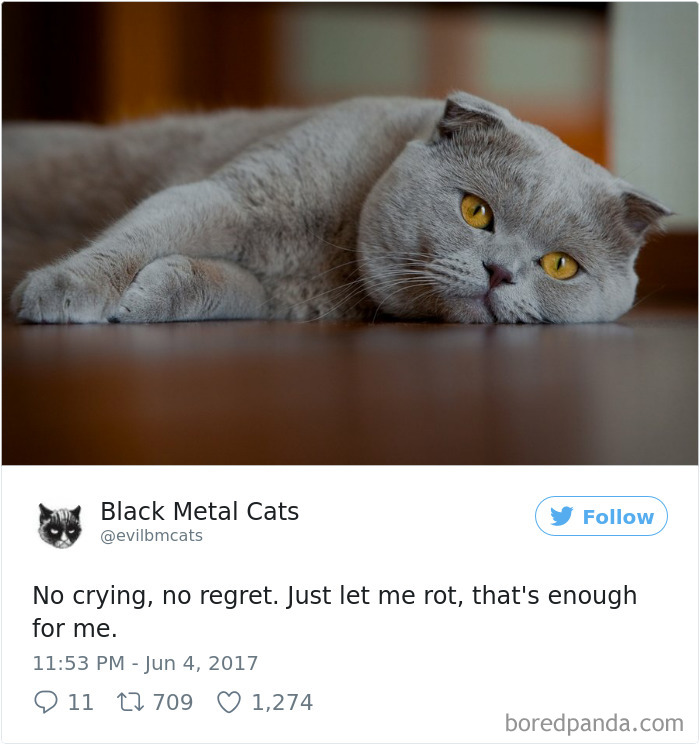
Black Metal Cats is a Twitter account that celebrates the inherent doom that our feline friends possess. Bored Panda has compiled our favourite tweets from the account, perfectly pairing dark, black metal lyrics with brooding pictures of cats that hilariously capture the mood. Best viewed with slow, heavy metal music playing in the background.
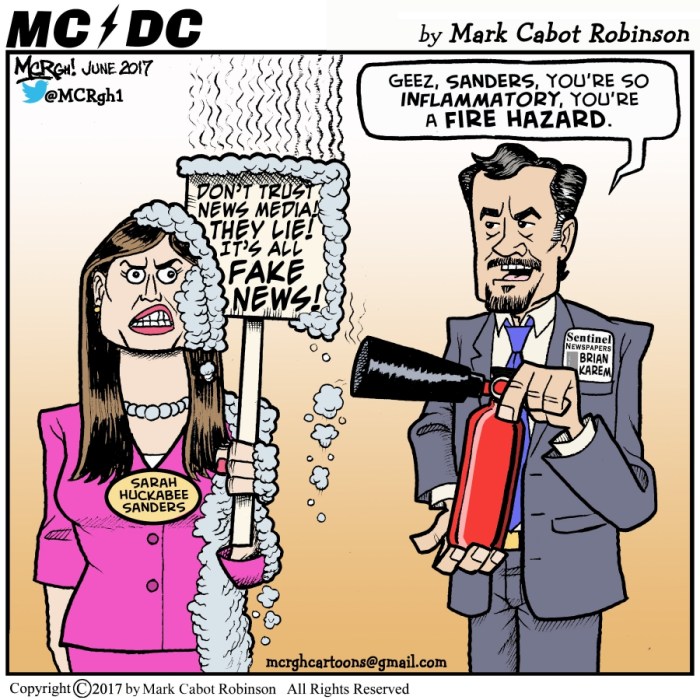
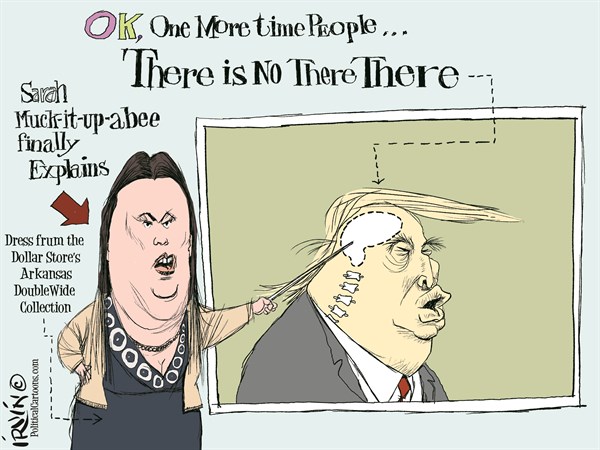
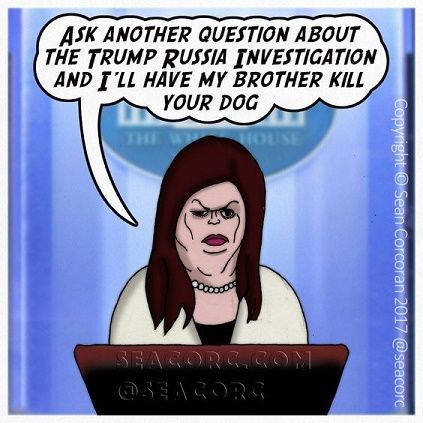
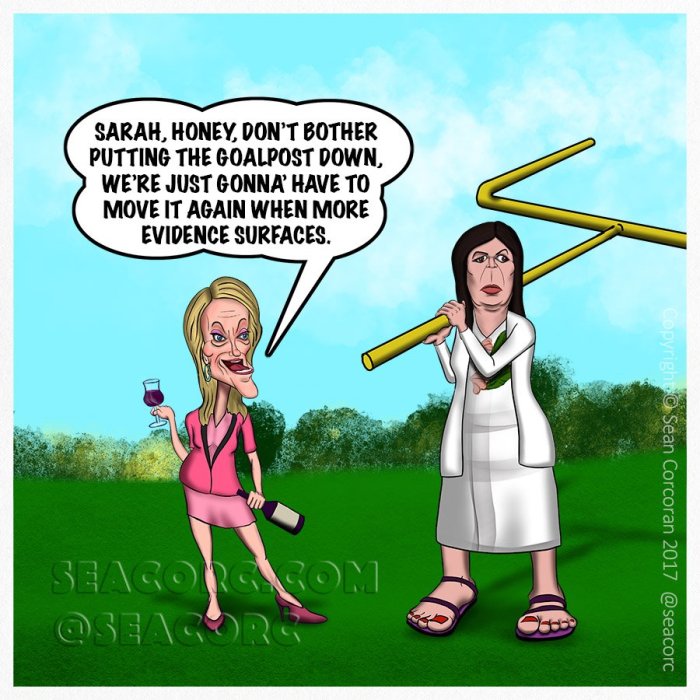
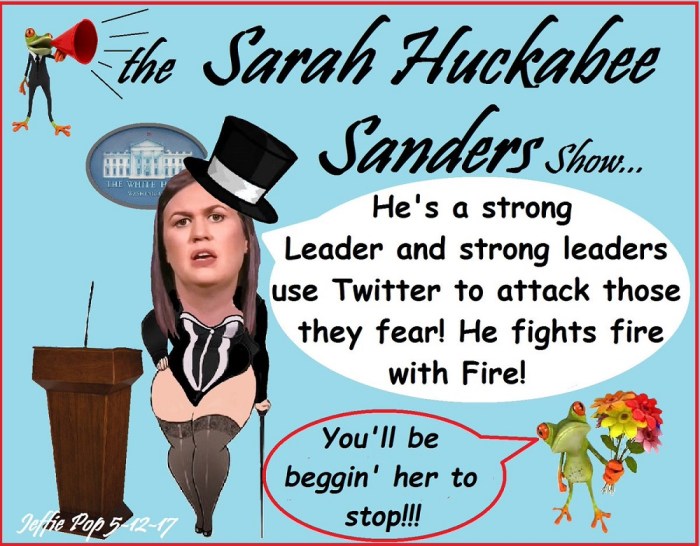
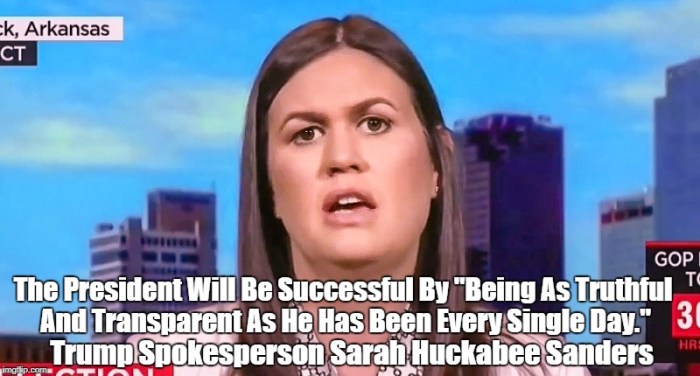
The current White House press secretary Sarah Huckabee Sanders is almost as elusive as her predecessor Sean ‘Spicey’ Spicer was.
Getting a concise answer with pertinent information out of her is like trying to get blood out of a stone. Her answers are vague, elusive and very abrupt. However, when you are trying to communicate the cacophony of confusion coming out of the Trump circus, being clear as dishwater is one of the only ways a press secretary can stay sane.





















![adeadvlei-9[5]](https://markozen.com/wp-content/uploads/2017/09/adeadvlei-95.jpg?w=700)



















 The MarkoZen Blog