Donald Trump’s Fast Food Diet

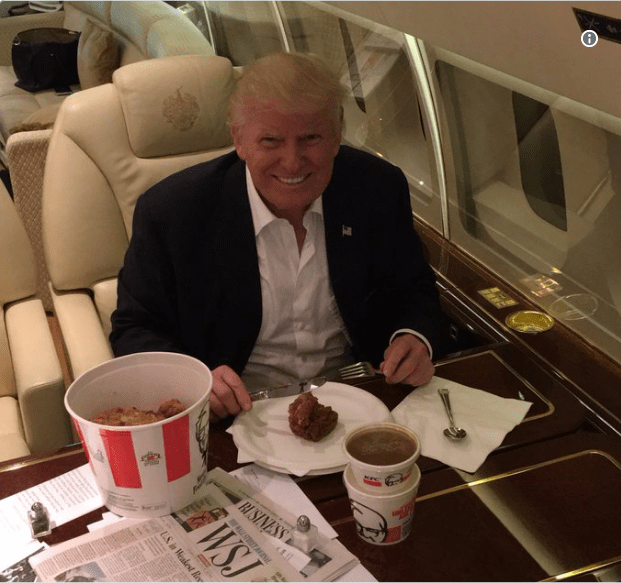
Lots of fast food. Almost no sleep. And practically no exercise, aside from the occasional cart-supported round of golf.

donald-trump-eating-a-french-fry

This is a routine that a doctor wouldn’t advise for a 20-year-old, yet it’s the standard for the routine-loving President Donald Trump, according to Axios’ “Trump 101” series, which notes that the 70-year-old is the oldest president to ever enter office.

On the campaign trail, the “three staples” of Trump’s diet were Domino’s, KFC, and McDonald’s (Big Macs on silver platters), an aide told Axios, the new news website. That love for fast food is largely because of its consistency and the idea that fast-food companies maintain a standard of hygiene, according to an interview Trump conducted with Anderson Cooper that was cited in The New York Times.

Still, Axios reports that in the White House, Trump is more likely to favor well-done steaks, crab, and shrimp and the occasional side salad or vegetable to go along with that hunk of red meat (cooked until gray).

Regular consumption of red meat significantly raises the risk of death, especially from cancer and heart disease, according to the National Institutes of Health — and that consumption is also strongly linked with increased risk for Type 2 diabetes.

For a healthy diet, one should “eat plenty of vegetables and fruits; balance calories; don’t eat too much junk food,” according to Marion Nestle, the Paulette Goddard professor of nutrition, food studies, and public health at New York University.
donald2

As far as Trump’s diet goes, it doesn’t look as if he’s getting much in the way of any of these categories, via either his main meals or his snacks, according to the aide. For snacks on his plane, the president reportedly relies on Lay’s potato chips and Keebler Vienna Fingers.

As for exercise, standard guidelines say the average person needs at least 150 minutes of moderate activity each week. Exercise improves general health and heart health, reduces stress, boosts mental clarity, improves sleep, and more, which is probably why both Barack Obama and George W. Bush were dedicated to their fitness routines while they were president. Lack of activity isn’t new for Trump, who said back in 1997 that he worked out “on occasion … as little as possible.”

As for sleep, Trump has said he needs only three or four hours a night. Most people need seven to nine hours of sleep, though about 1% of the population is able to get by on four to six hours. Most of the rest of us are as impaired as if we were drunk after several nights of short sleep, even though we usually can’t tell.

The Axios story says Trump believes in genetic gifts that will keep him healthy (and he doesn’t smoke or drink, though he’s a big fan of Diet Coke, which he drinks throughout the day). Trump’s father, Fred, lived to be 93 and had Alzheimer’s for the last six years of his life, according to an obituary. Still, aging takes a physical and mental toll on everyone — most people who manage to stave off those effects do so with intense physical and mental exercise, along with sufficient sleep and adequate nutrition.

As for how it’s working out for Trump, that remains to be seen. He reportedly takes a statin to lower cholesterol and takes the hair-loss-prevention drug finasteride (brand name Propecia). At a Dr. Oz interview, his height and weight were given as 6-foot-3 and 236 pounds, which would give him a BMI of 29.5 and put him firmly in the overweight category (earlier reports had put his weight at 267 pounds).

Trump is far from the only president to prefer an unhealthy diet — James K. Polk reportedly would request cornbread instead of eating from a banquet of French cuisine. And he may have some genetic traits that help him out a bit.

Still, from a health perspective, science suggests that if he wants to thrive, he should work on those eating, sleeping, and exercise habits.

Businessinsider.com

Some very big little airplanes

Model aircraft have gotten very big. Big enough that they have to be powered by miniature jet engines.

model7

 F-14 Tomcat

A major development is the use of small jet turbine engines in hobbyist models, both surface and air. Model-scale turbines resemble simplified versions of turbojet engines found on commercial aircraft, but are in fact new designs (not based upon scaled-down commercial jet engines.)

The first hobbyist-developed turbine was developed and flown in the 1980s by Gerald Jackman in England, but only recently has commercial production (from companies such as Evojet in Germany) made turbines readily available for purchase. Turbines require specialized design and precision-manufacturing techniques (some designs for model aircraft have been built from recycled turbocharger units from car engines), and consume a mixture of A1 jet fuel and synthetic turbine engine or motorcycle-engine oil.

These qualities, and the turbine’s high-thrust output, makes owning and operating a turbine-powered aircraft prohibitively expensive for most hobbyists, as well as many nations’ national aeromodeling clubs (as with the USA’s AMA) requiring their users to be certified to know how to safely and properly operate the engines they intend to use for such a model. Jet-powered models attract large crowds at organized events; their authentic sound and high speed make for excellent crowd pleasers.

model SR71

SR-71 Blackbird

model2

U.S. Coast Guard C-130J Hercules, this monster does get airborne.

model3

Airbus A-380

model4

B-52 Stratofortress bomber

model5

C-17 Globemaster

model6

British Vulcan bomber. Fire extinguisher? Oh oh.

model8

Israeli F-16 Fighting Falcon

model9

Boeing 747-400. See vid below.

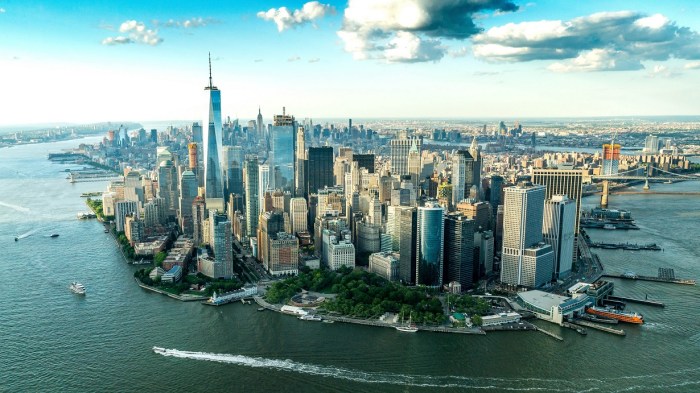
New York City Skyline

sky1

skyscraper

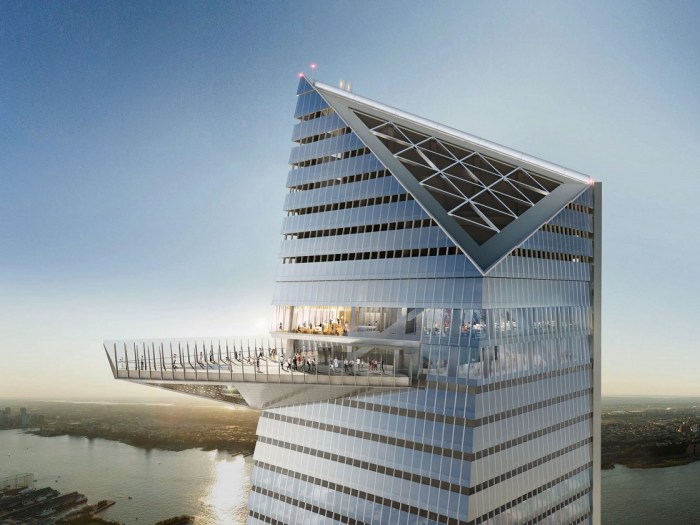
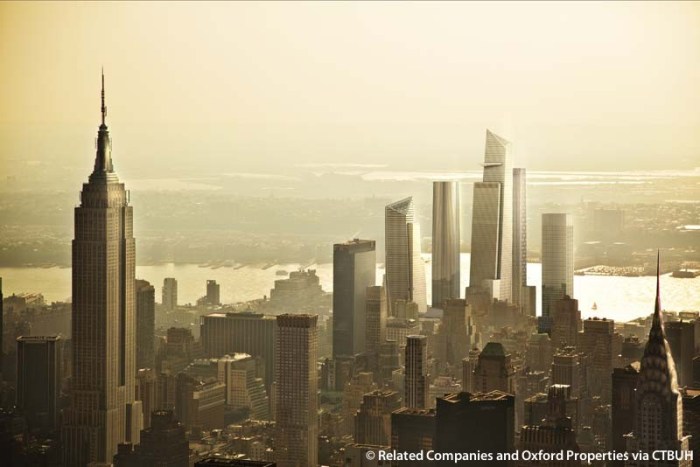
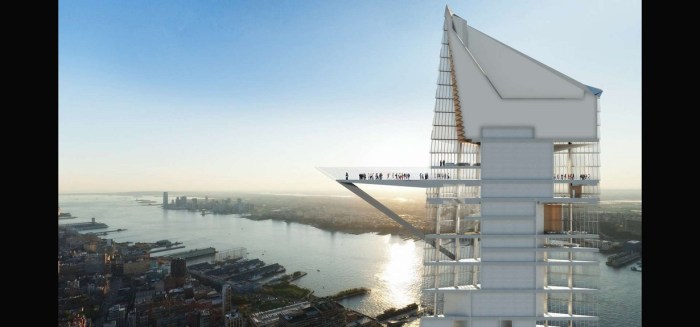
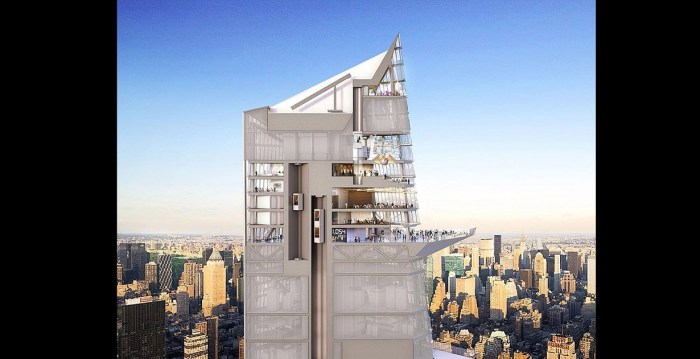
The changing skyline. The Hudson Yards development will add 5 huge new skyscrapers to the skyline. The main tower will be 30 Hudson Yard. It will have one of the most spectacular outdoor observation decks in the world. The building is scheduled for completion in 2019.

sky2

sky1a

sky3

sky4

sky5

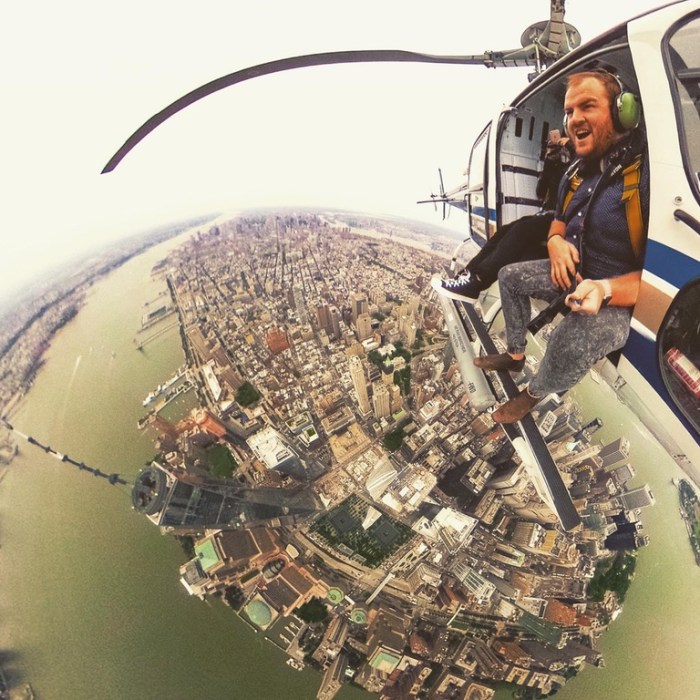
Heights don’t scare some people. Is that guy wearing yoga pants?

helicopter

The Lighthouse Hotel

Described by some as the “loneliest hotel in Germany,” the Roter Sand lighthouse, some 30 miles off the coast of Bremerhaven, Lower Saxony, has been welcoming guests for over 10 years. But the lighthouse itself is 125 years old.

The Roter Sand was built in 1885, and was considered a technical marvel at that time as it was the first ever structure built on the sea floor at a depth of 22 metres. For almost 80 years the red, white and black lighthouse was the first thing sailors saw on their way into the port city, and the last thing millions of emigrants saw before their ships reached the North Sea on their journey to the New World. But by 1964 its steel foundations became unstable and the lighthouse was decommissioned.

roter-sand1

In1987, a spectacular rescue action restored the 31-metre tall building’s foundation, and following a restoration of the interior, the German Foundation for Monument Protection (DSD) worked to open the protected lighthouse to the public. Since the first visitors scaled the stairs of the Roter Sand in 1999, the lighthouse has welcomed some 5,500 day trippers and 800 overnight guests.

Earlier the lighthouse keepers were hauled up to the lighthouse in a large basket. Guests are however afforded the luxury of a step-bridge between the structure and a tugboat to enter which is more secure than traveling on a basket.

roter-sand3

A picture from 1929 shows the use of the basket.

With room for up to six overnight guests, the tower comprises one communal bedroom, a combined kitchen and living area, and a bathroom. Guests must supply their own sleeping bags and towels but will arrive to find a fully-stocked kitchen, although they must do their own cooking. There is also no electricity or heating.

There is also a ban on alcohol in the lighthouse due to the 70 well-worn steps between this room and the toilet.

roter-sand5

Day trips to the Roter Sand run around €75. Two days with one overnight stay are a little pricier at €488 per person, and three days with two nights costs €573 per person. But those hoping to visit the Roter Sand will have to be patient. The tugboat “Goliath” can only make the trip to the lighthouse on calm seas, which means that bookings – available only June through September – can be cancelled at the last minute. The guests who stay in the lighthouse can also get stuck if the weather turns bad overnight preventing their pickup the next day.

The Roter Sand celebrated its 125th birthday on November 1, last year. In honor of the lighthouse’s birthday, the German tourism board plans to spend €150,000 on renovations next year.

roter-sand2

A postcard from 1907.

roter-sand10

roter-sand9

roter-sand7

Image credit: Dharion

roter-sand8

Image credit: Lemark

Amusing Planet

Chinese Elevated Bus Will Travel Over Vehicles

bus

Engineers in China have designed a novel new transportation method in the form of an enormous elevated bus which may make traffic jams a thing of the past.

The innovative vehicle, dubbed the ‘Transit Elevated Bus,’ would cruise along Chinese highways passing over cars and trucks that are driving below it.

Propelled via rails embedded in the road, the giant bus is designed to seat an incredible 1,200 passengers in its three massive carriages.

The engineer tasked with implementing the project contends that construction of the bus should cost a fraction of what it would take to build a new subway and accrue considerably less maintenance costs as well.

And, despite its futuristic appearance, the jaw dropping vehicle looks to be comparatively easy to construct as Chinese officials expect to begin testing the first ‘mega bus’ later this year.

Provided the trial period goes well, the Transit Elevated Bus could be in widespread use throughout Chinese cities sometime in the next year or two.

Whether the unique vehicle makes it way over to America in the future remains to be seen, but we’re hopeful that it does, because it looks like an incredibly fun way to travel and an awesome way to beat the traffic.

VLT gambling control card could stop a lot of grief 2 comments

Many people are inclined to take the leap into the dark and deep abyss that is Video Lottery Terminal addiction.  Once they sit down in front of the electronic bandits they can’t pull away until the mortgage payment or rent money has been swallowed up by the little mechanized devils.  For a small percentage of the population VLT’s have become a major problem.  A drain and burden financially and psychologically.

Since the widespread introduction of the gambling machines back in the early 1990’s in Canada provincial governments have become addicted to the revenue they generate.  In Manitoba some half-hearted attempts have been made to reduce the negative impact the mesmerizing metal buckets inflict on addicts.  Reducing the number of machines in establishments was one effort.  Come to think about it, that was the only effort.  Now hard-core VLT addicts have to drive around to different lounges and bars to find an open machine.  But if that doesn’t work they can drive to one of the provincially run casinos where there are hundreds of the contraptions waiting to suck dry the last hundred dollars from a down and out addict.

But there may be an idea out there that will help control the out of control gamblers.  The good people of Norway came up with the idea after experiencing many social problems caused by VLT addiction.  It is a VLT gambling control card.  VLT’s are configured where they can’t take coins or bills, only government issued cards.  A player can only get credits of $400 to $500 on the card per month.  When the $500 is used up the player has to wait until the 1st of the next month to get back into the action.  $500 is still not pocket change, but some addicts report spending thousands of dollars a month on the hazardous machines.

But before this takes place the Libertarians will be screaming about more government regulations affecting the average Joe’s life.  If the idiot can’t control his gambling urges tough luck.  Stay out of our lives government, the strong and righteous will prevail.  After all what is next?  Spending limit cards on beer consumption.  A person will only be allowed to spend $400 dollars a month on beer.  Where does it end?  Will there be spending limit cards on potato chips and chocolate bars?  The government is trying to control every aspect of our lives. Vive laissez-faire!

But if this control card idea can stop the horrid gambling problems that certain people face let’s go ahead with it.  Governments started this VLT blitz on society, it should be the government’s responsibility to help rectify gambling addiction.