Going a bit further back
Going a bit further back
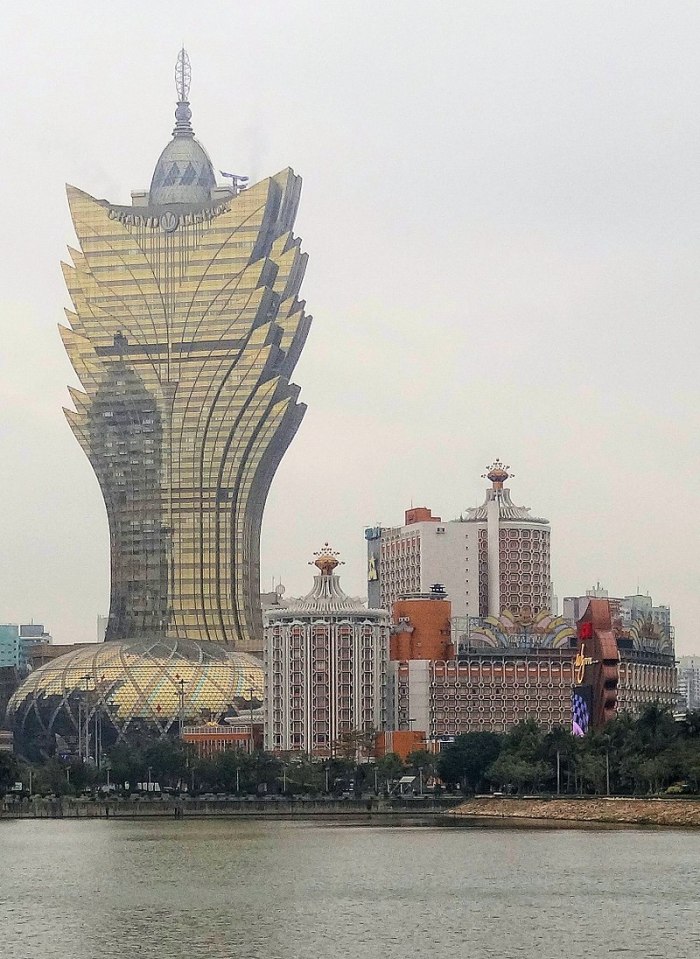
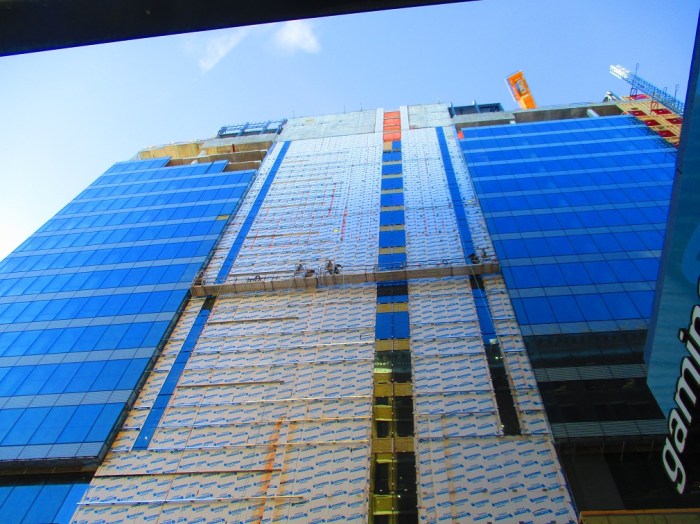
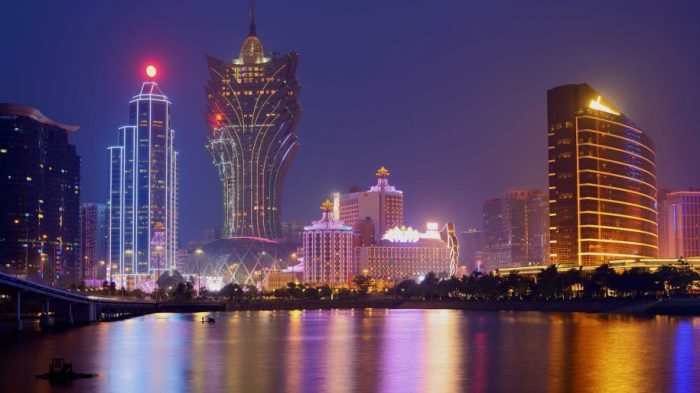
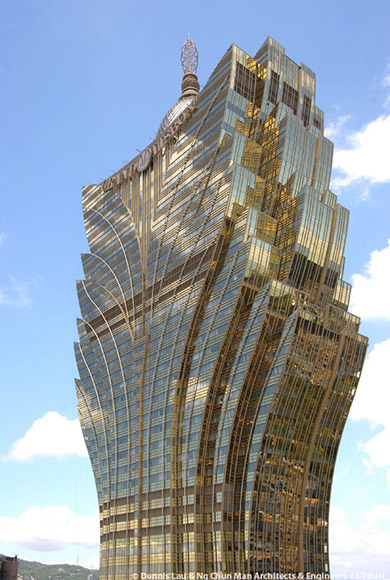
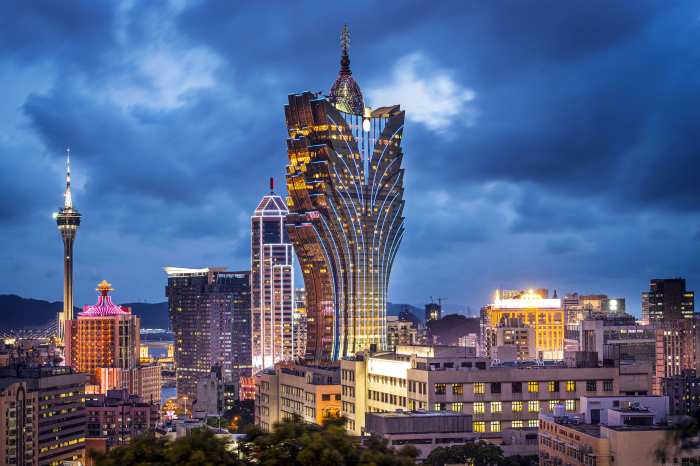
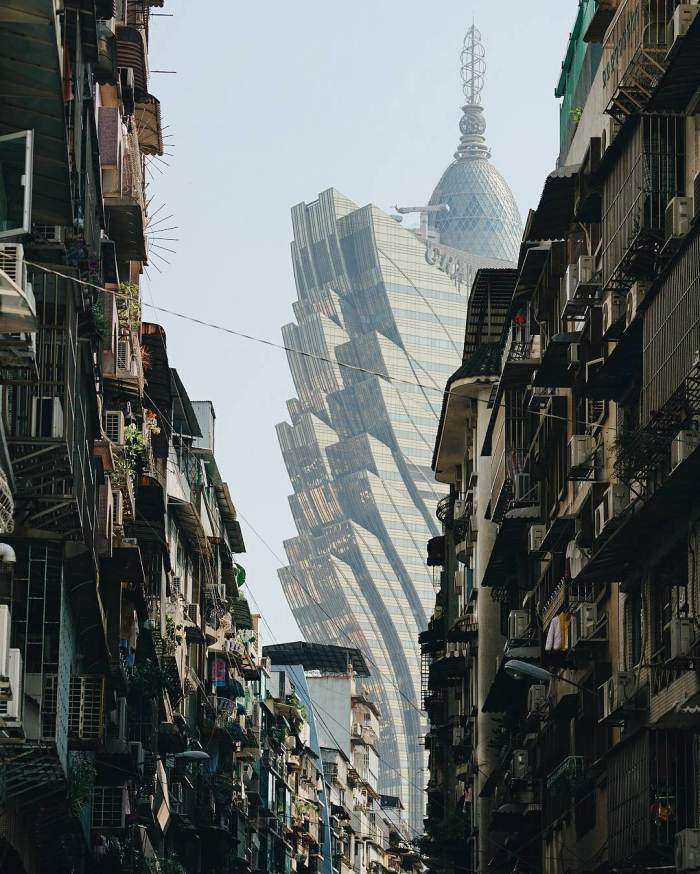
Grand Lisboa is a 47-floor,[1] 261-metre-tall (856 ft) hotel in Sé, Macau, China. It is owned by Sociedade de Turismo e Diversões de Macau and designed by Hong Kong architects Dennis Lau and Ng Chun Man. Its casino and restaurants were opened on February 11, 2007, while the hotel was opened in December 2008. The casino offers 800 gaming tables and 1,000 slot machines. The hotel contains 430 hotel rooms and suites. The Grand Lisboa is the tallest building in Macau and the most distinctive part of its skyline.
The casino is the first in Macau to offer Texas hold ’em poker ring games. It was also the first to offer craps, though several other casinos in Macau now offer the game.
In 2017 it was reported that the Grand Lisboa suffered a decline in revenue and profits during 2016.
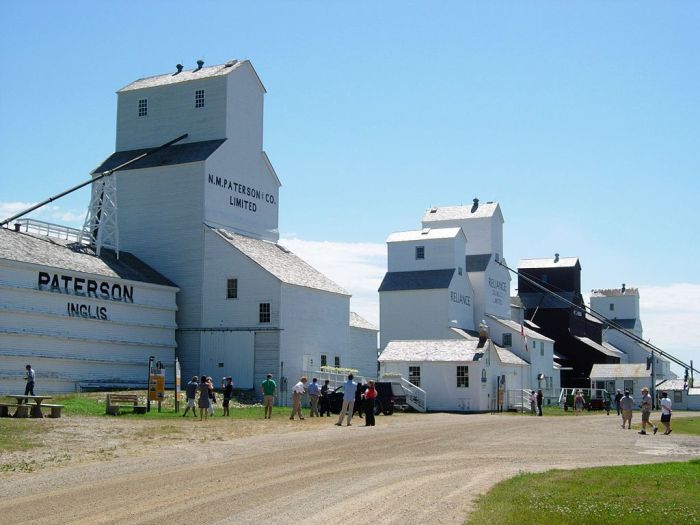
Inglis elevator row is a row of five wooden grain elevators located alongside the former Canadian Pacific Railway track bed, in the village of Inglis, Manitoba, Canada. Because so many grain elevators have been demolished throughout Western Canada, the Inglis elevator row preserves rare examples of a formerly common sight from “the golden age of grain.” In recognition of the elevators in Inglis being the last elevator row in Canada, they have been protected as a National Historic Site of Canada.
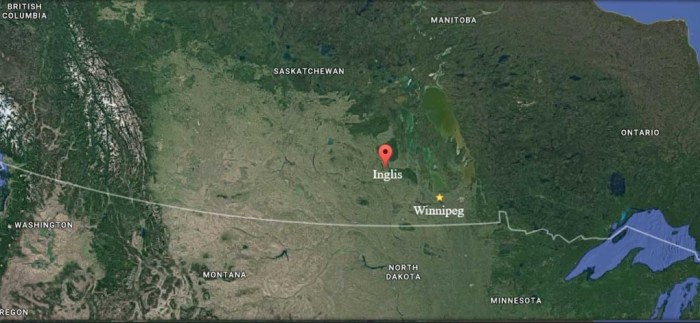
The arrival of the railroad in the smaller communities of Manitoba offered both risk and reward for villages. When the railroad reached Inglis in 1922, allowing grain from the area to reach distant markets, the nearby town of Asessippi was quickly abandoned. By the end of 1922, four of the five elevators in Inglis were already built, quickly followed by a number of shops and businesses. The Inglis row consists of five wood-crib elevators:
N. M. Paterson Company, built in 1922 using then-state of the art dust control systems.
Reliance elevators, built by Matheson-Lindsay in 1922 as a single elevator. The elevator was then taken over by Province Elevator Co. later becoming Reliance Elevators in the 1930s. By 1941 a new “twin” elevator was added for more space. Manitoba Pool bought the elevators in 1952 and lastly sold to United Grain Growers in 1971. The elevators have since been fully restored back to their original signage as Reliance elevators.
United grain growers elevator, originally built by United Grain Growers in 1922 but replaced after it was destroyed by fire in 1925. Annexes were added 1949.
National elevator, built by the Northern Elevator Co. in 1922 later taken over by National in the 1940s and then Cargill and last Paterson Grain in 1979. The elevator has been completely restored as a gift shop.
With the loss of wooden grain elevators across western Canada, the “Five Prairie Giants” of Inglis have become a popular tourist destination and were named one of Manitoba’s top ten architectural icons.
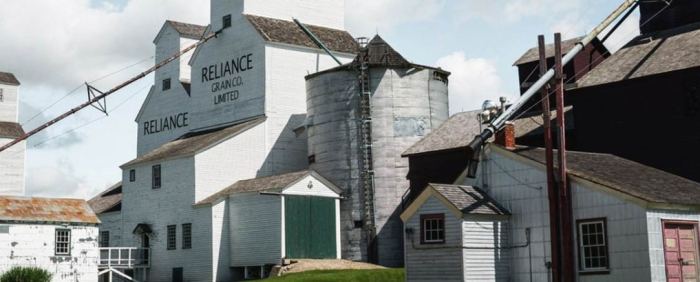
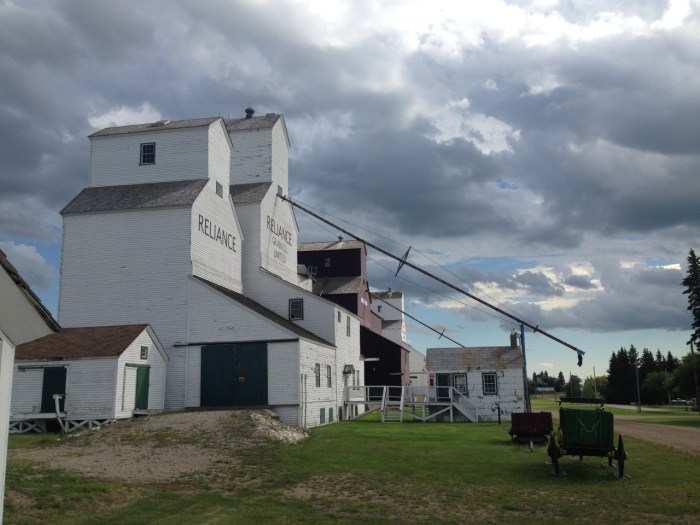
The grain elevators of the present time. Huge concrete structures.

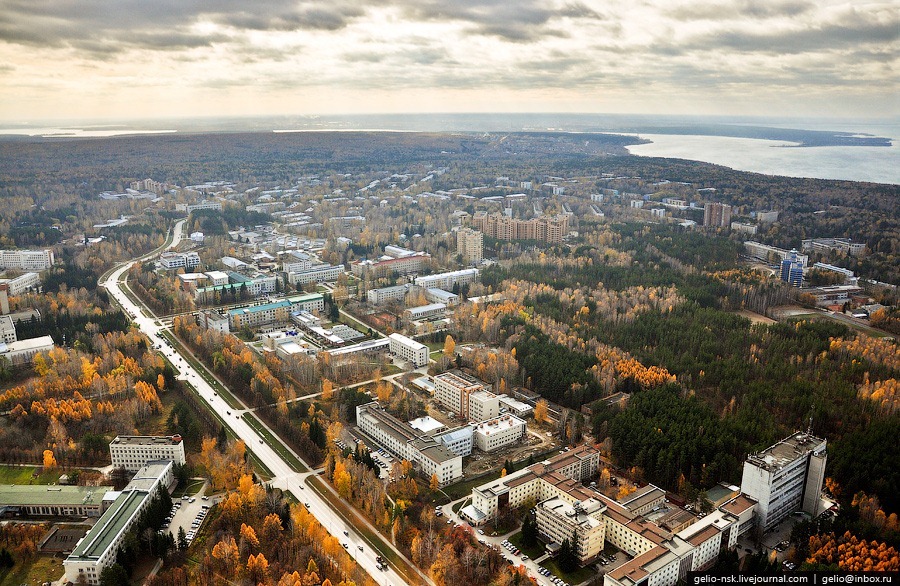
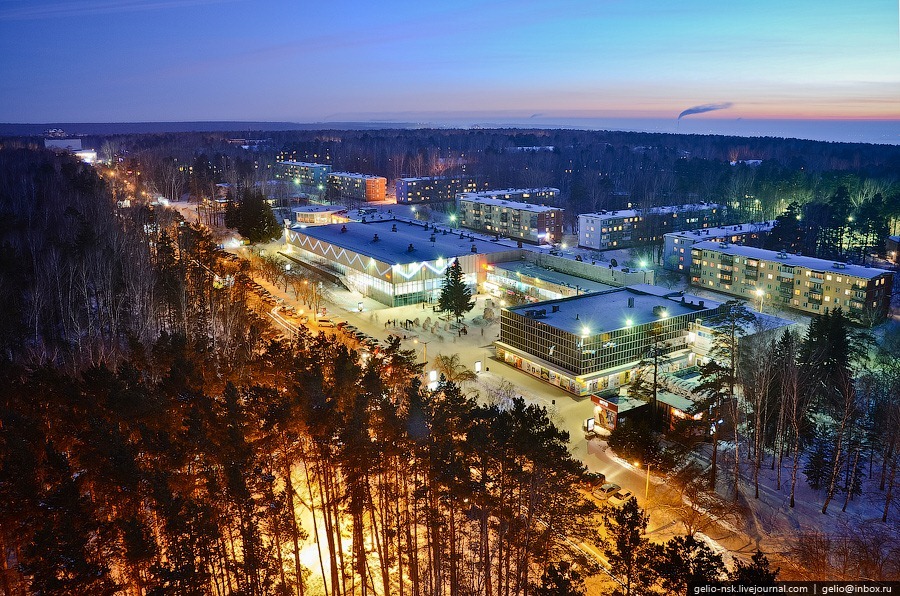
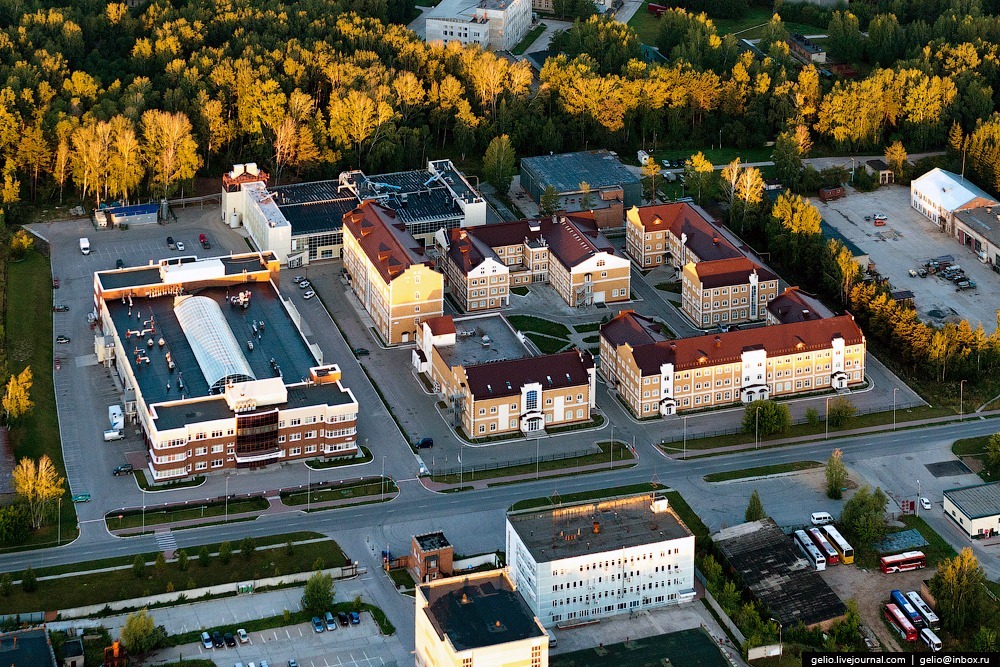
Tucked away in a remote forest of birch and pine in the heart of Siberia, 3,000 km away from Moscow, at a place where winters are six months long with temperatures dropping to minus 40 degree Celsius and summers are swaddled with mosquitos, is a city built for scientists and researchers. This frozen wasteland is more suited for polar bears than scientific endeavors, but Nikita Khrushchev felt the distance from Moscow was necessary so that the country’s sharpest scientific minds could work together on fundamental research away from the prying eyes of bureaucracy. This is Akademgorodok, or “Academic Town”—the Soviet Union’s answer to America’s Silicon Valley.
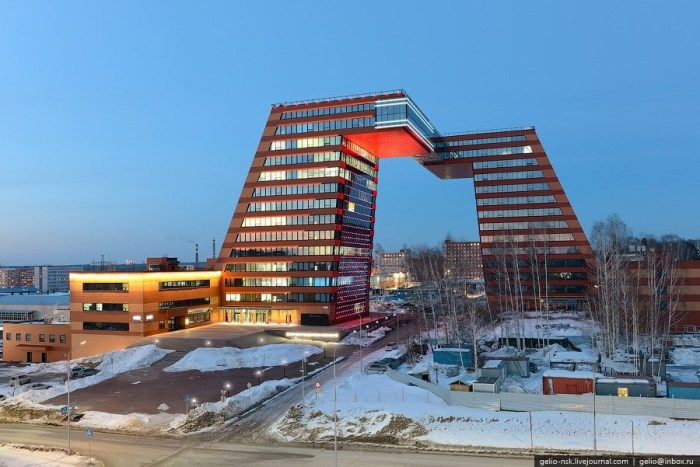
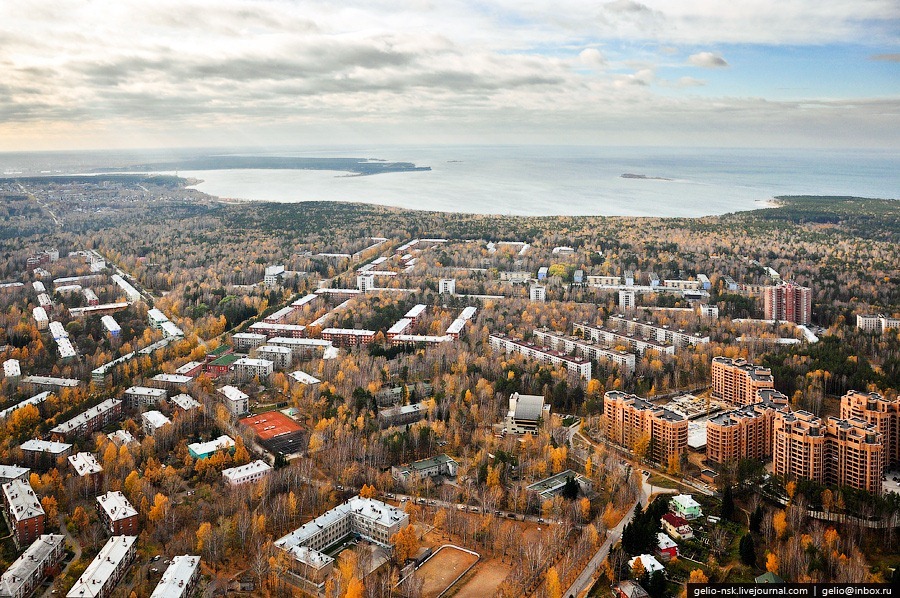
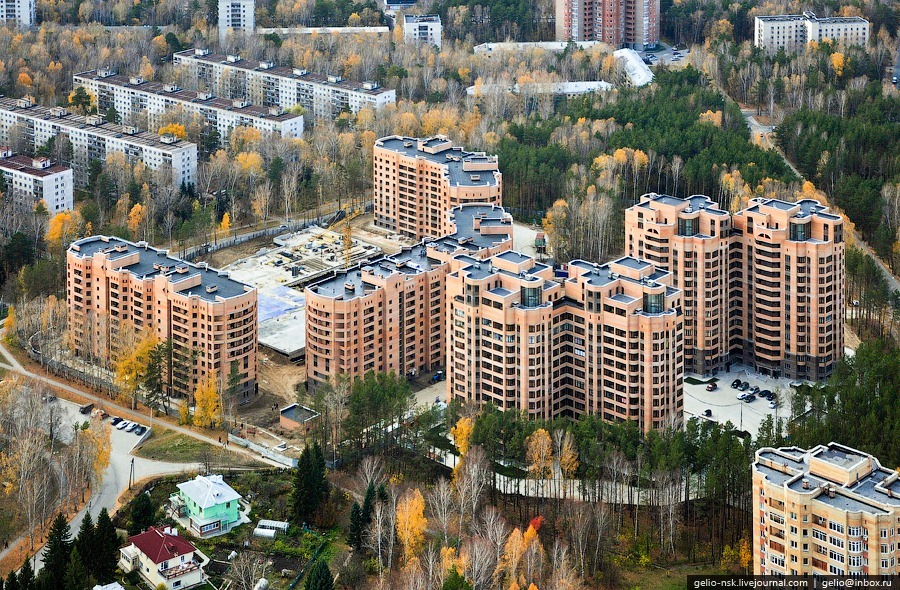
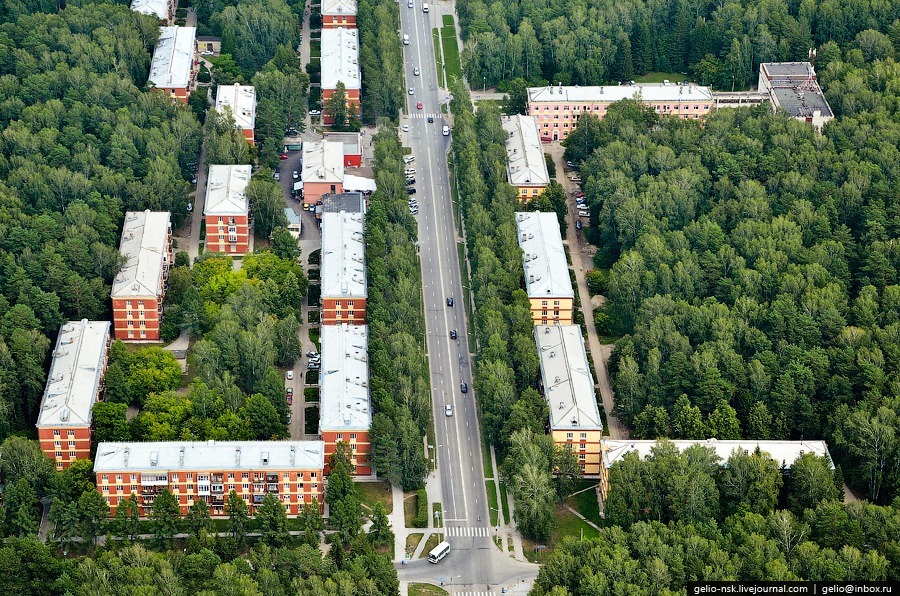
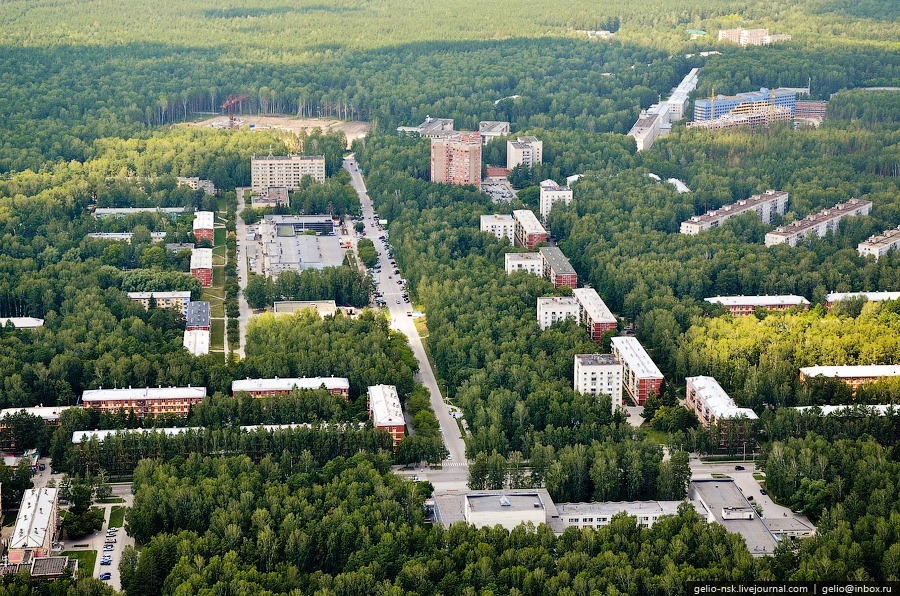
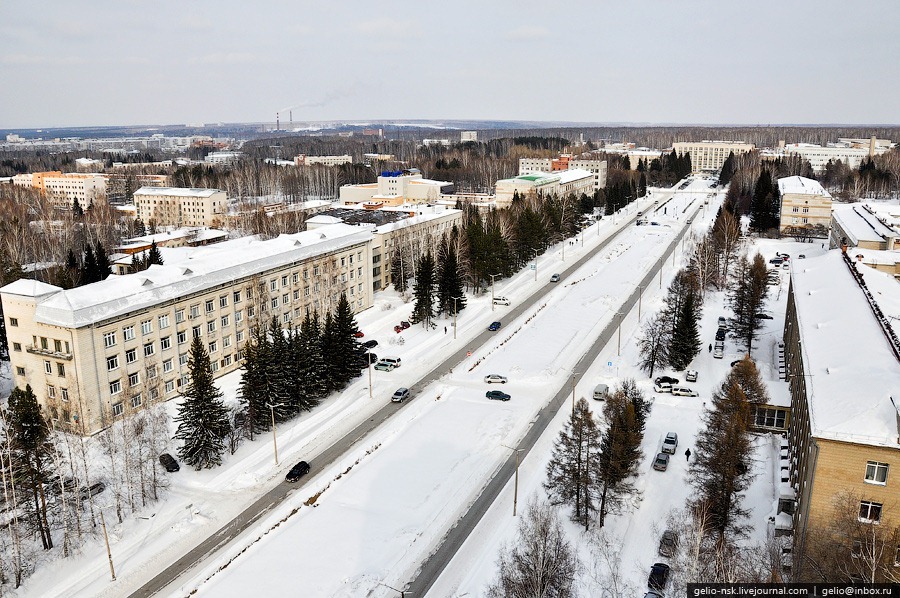
Akademgorodok is situated in the middle of a forest 30 km south of Novosibirsk city. It is one of several Akademgorodoks built between the late 1950s and mid-1970s in Siberia; the Akademgorodok outside Novosibirsk is the most successful one. Located within Akademgorodok is Novosibirsk State University, 35 research institutes, a medical academy, apartment buildings and houses, and a variety of community amenities including stores, hotels, hospitals, restaurants and cafes, cinemas, clubs and libraries. Less than two kilometer away is an artificial beach created by dumping hundreds of tons of sand along the edge of the Ob reservoir.
At its peak, Akademgorodok was home to 65,000 scientists and their families. It was a privilege to live there, and many scholars in the 60s escaped to the frozen hinterland as a sort of voluntary exile in order to be far from the totalitarian rule of the Soviet capital, and lured by the promise of new housing and professional advancement.
Residents enjoyed great levels of freedom and indulged in activities unheard of in any other corner of the Soviet empire. They discussed the foundations of Marxist theory and about economic reforms, read books, listen to poets and singers not approved by the regime. Scientific research in areas dismissed as dangerous pseudoscience in Moscow, such as cybernetics and genetics, flourished.
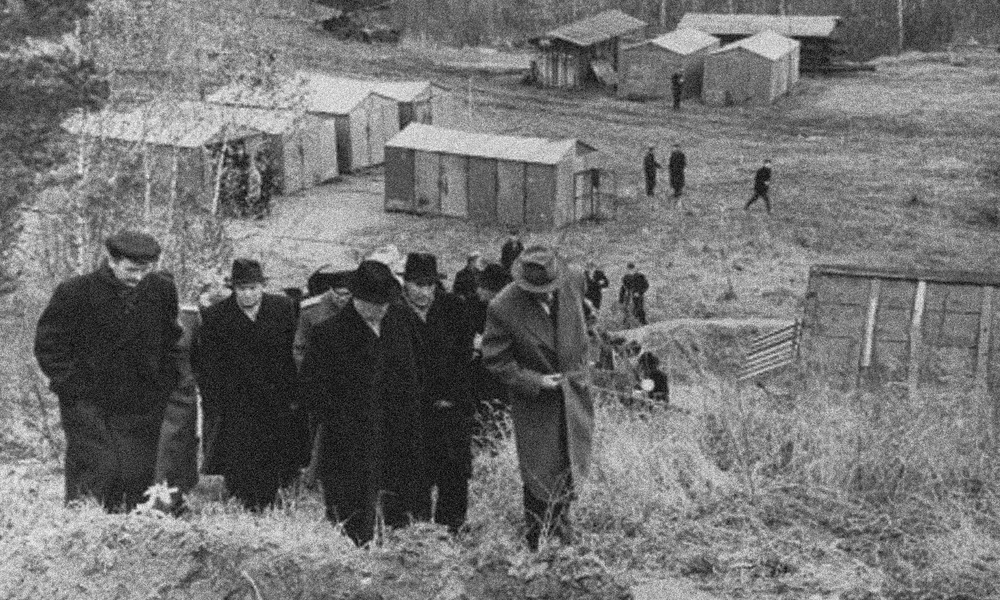
Nikita Khrushchev, foreground center, visits Akademgorodok during construction in the 1950s.
Living standards in Akademgorodok were also higher than in the rest of the country. Shops were stocked with subsidized foodstuffs not easily obtainable elsewhere, and apartments were well-furnished. Those who obtained a doctorate were given a special food delivery service, which provided them a wider selection of groceries than the general population could avail. Members of the Academy of Sciences had access to even higher level of services and were allotted single-family residences rather than apartments.
But the utopian vision of no bureaucratic interference proved impossible in the Soviet Union. Freedoms got severely curtailed in the 1970s during the rule of Leonid Brezhnev. Then when the Soviet Union collapsed in the 1990s, many of the former communist nation’s best minds fled to the west. But economic reforms brought about by the end of communism saw the beginning of private investment and venture funding in Akademgorodok. From USD 10 million in 1997, this rose to USD 1 billion by 2015. There are some 300 companies operating at Akademgorodok today dabbling on everything from nano-ceramics to motion graphics for the American entertainment industry. Its current population stands at over 100,000.
While the figures pale in comparison to that of other countries and even elsewhere in Russia—Skolkovo, an emerging tech hub on the outskirts of Moscow, for example, has over 1,100 startups generating over USD 1 billion in revenue alone at the end of 2014—Akademgorodok will remain as Russia’s original Silicon Valley.
:focal(925x114:926x115)/https://public-media.smithsonianmag.com/filer/36/51/36514c21-0a85-437f-aebc-16b7fa8b7ed2/osiris-1.png)
Earth and Moon seen from 3 million miles away on October 2, 2017. (NASA/OSIRIS-REx team and the University of Arizona)
Smithsonianmag.com
OSIRIS-REx tested its cameras by taking a gorgeous photo of its home planet
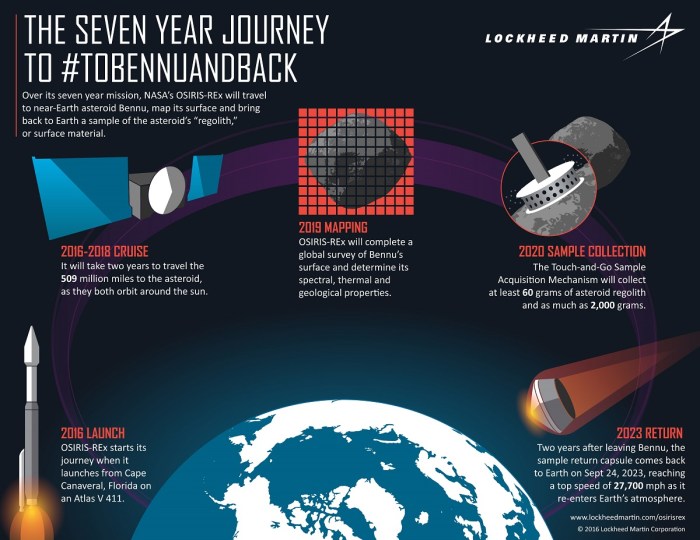
The image comes from spacecraft OSIRIS-REx—an acronym for Origins, Spectral Interpretation, Resource Identification, and Security-Regolith Explorer—which is on a mission to study the asteroid Bennu. When it arrives in December 2018, it will map the space rock, then capture a sample to return to Earth by 2023. The mission will help scientists better understand asteroids, which can provide clues into the formation of our solar system. But the study is also a stepping-stone on NASA’s longer journey to develop the skills and technology to mine asteroids in space.
OSIRIS-REx launched in September 2016, using Earth as a slingshot the following year for help redirecting its path to Bennu. During the maneuver, it turned its mid-range scientific camera MapCam towards the Earth, snapping some pics of our planet in space.
The above image is a composite of photographs captured on October 2, 2017. The images were taken using three color filters, then the contrast on the moon was stretched to make it brighter and more visible. Although pretty, the true purpose of the photograph was pragmatic, reports Emily Lakdawalla for The Planetary Society: to test the instruments, and to train them on Earth data to help calibrate them in advance of the spacecraft’s arrival at Bennu.
The camera captured the image when the spacecraft was 3,180,000 miles from planet—just over thirteen times the distance between the Earth and the Moon. However, because of of the spacecraft’s angle of retreat, Akshat Rathi calculated for Quartz, duo appear closer together than they actually are.
The simple image is a captivating reminder that each of Earth’s creatures—and every one that came before—all share this delicate outpost in the vast, dark vacuum of space.
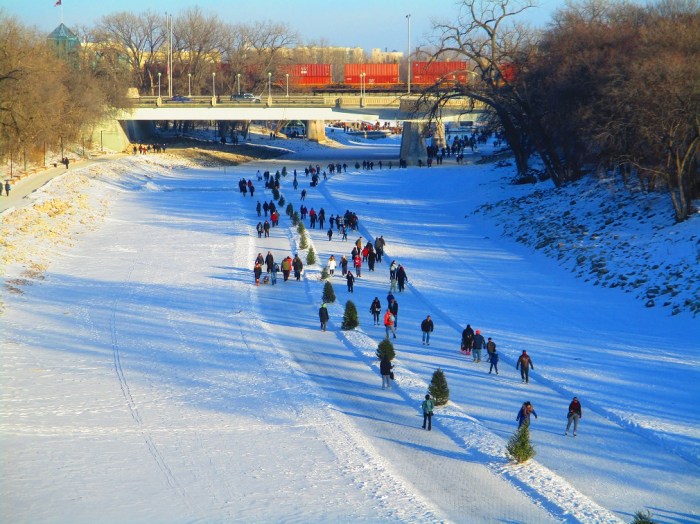
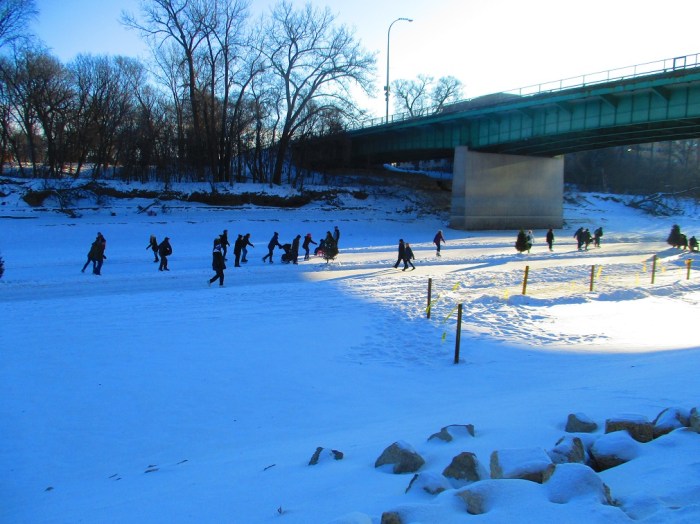
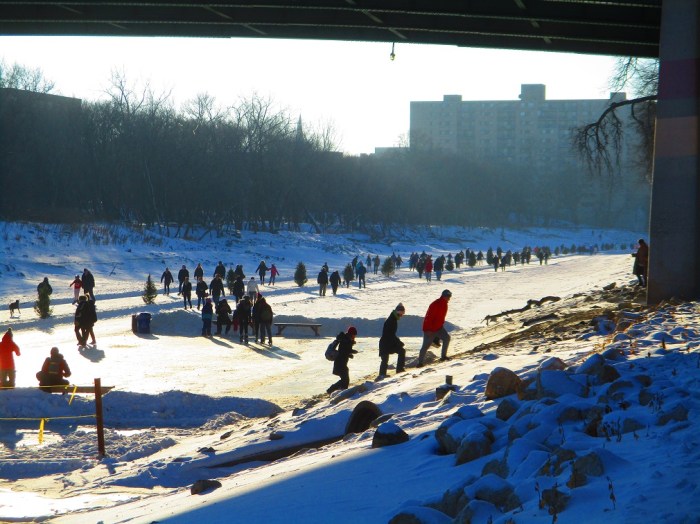
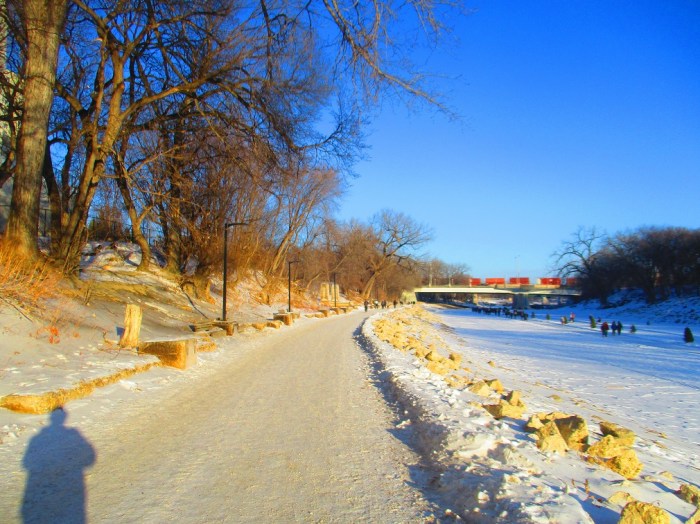
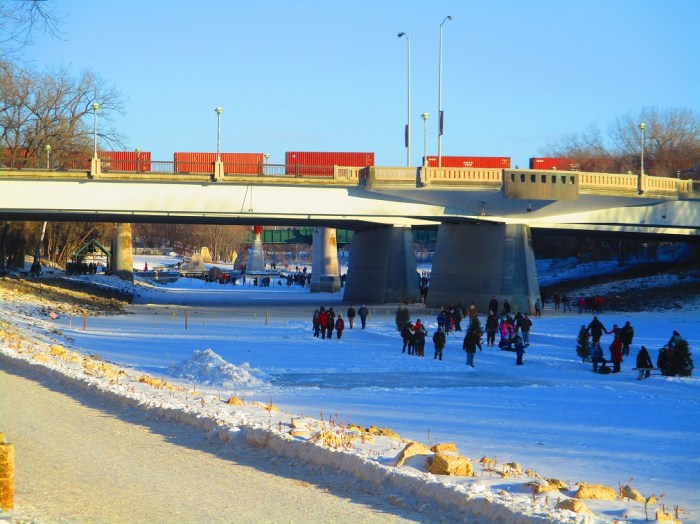
The Forks Skating Trail in Winnipeg.


An American-based company has reached a rather unique agreement with the Malaysian government to revive the search for infamous lost airliner MH370 using a remarkably sophisticated approach.
The ambitious expedition, put together by a group known as Ocean Unlimited, is expected to be announced next week and could begin in just a few days.
What makes this new search particularly promising is the incredible technology to be used by the group.
Oceans Unlimited plans to deploy a whopping eight unmanned submarines to scour a patch of the Indian Ocean believed to be where MH370 may rest.
Each of the UAV subs will communicate with an unmanned companion boat floating above them which will relay data back to a massive main vessel, allowing the search to fan out to an enormous area.
Even more reason to optimistic is that the batteries for the subs allow them to operate for two-and-a-half days at a time.
Incredibly, the previous multinational search that was ended last year only deployed one UAV submarine and it was far less advanced than the devices to be used by Oceans Unlimited.
And, adding another intriguing layer to this development, the agreement between the Malaysian government and Oceans Unlimited makes the search something of a gamble for the group.
That’s because the deal struck between the two parties says that Oceans Unlimited will not get any money from the Malaysian government for their work unless they find MH370.
Although the exact parameters of the ‘no find, no fee’ agreement have yet to be announced, it is believed that the group will receive somewhere between $20 and $70 million dollars should they be successful within 90 days.
And so in the next three months, we’ll either see the story of MH370 solved once and for all or some brave individuals will have lost a considerable sum of money to create the next chapter in the mystery.
Not to be left out of the equation.

This is fake.
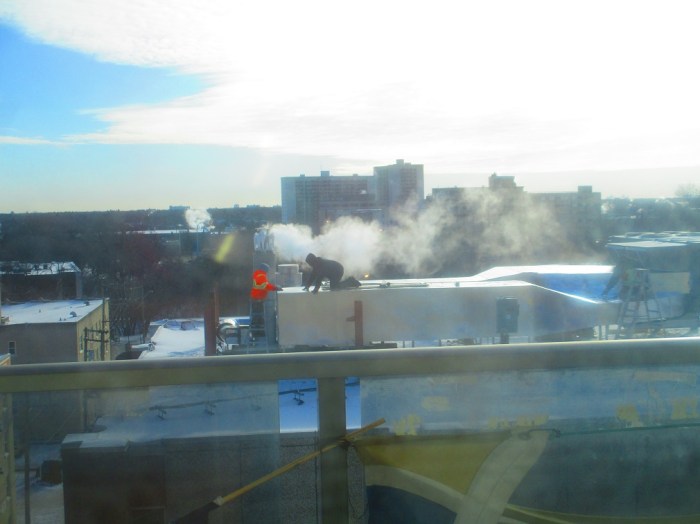
Construction workers in Winnipeg dealing with -35 Celsius windchill. Tough Guys.