Emotional Support Animals on a Plane

An emotional support animal (ESA) is a companion animal that a medical professional has determined provides benefit for an individual with a disability. This may include improving at least one symptom of the disability. Emotional support animals, typically dogs, but sometimes cats or other animals, may be used by people with a range of physical, psychiatric, or intellectual disabilities. In order to be prescribed an emotional support animal the person seeking such an animal must have a verifiable disability. To be afforded protection under United States federal law, a person must meet the federal definition of disability and must have a note from a physician or other medical professional stating that the person has that disability and that the emotional support animal provides a benefit for the individual with the disability. An animal does not need specific training to become an emotional support animal.

emotionnn2

The Air Carrier Access Act establishes a procedure for modifying pet policies on aircraft to permit a person with a disability to travel with a prescribed emotional support animal, so long as they have appropriate documentation and the animal is not a danger to others and does not interfere with others (through unwanted attention, barking, inappropriate toileting, etc.

emotionx

CNBC

Want to travel with an emotional support dog, duck or miniature horse? Starting next month, United Airlines will want passengers to show they can behave.

The airline is setting more stringent requirements for emotional support animals, joining Delta Air Lines in cracking down on a sharp increase in such animals in the cabin. Delta complained that some of the animals soiled cabins or bit travelers.

United said the number of customers bringing emotional support animals on board has risen 75 percent over the past year.

“The Department of Transportation’s rules regarding emotional support animals are not working as they were intended to, prompting us to change our approach in order to ensure a safe and pleasant travel experience for all of our customers,” United said.

Late last month, a Brooklyn artist tried to bring a peacock on board a cross-country United flight, but was turned away by the airline because of the bird’s weight and size.

emotionnn

“As a reminder, animals currently prohibited from traveling in the cabin include hedgehogs, ferrets, insects, rodents, snakes, spiders, reptiles, sugar gliders, non-household birds, exotic animals and animals not properly cleaned or carry a foul odor,” said United.

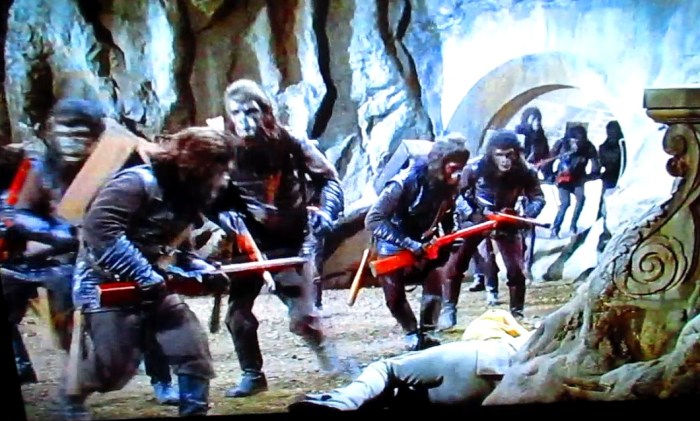
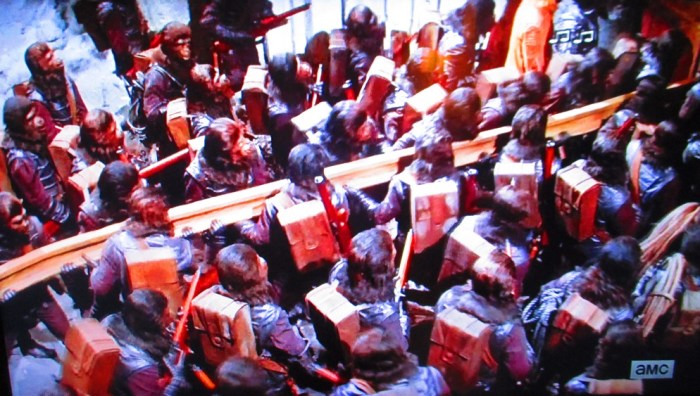
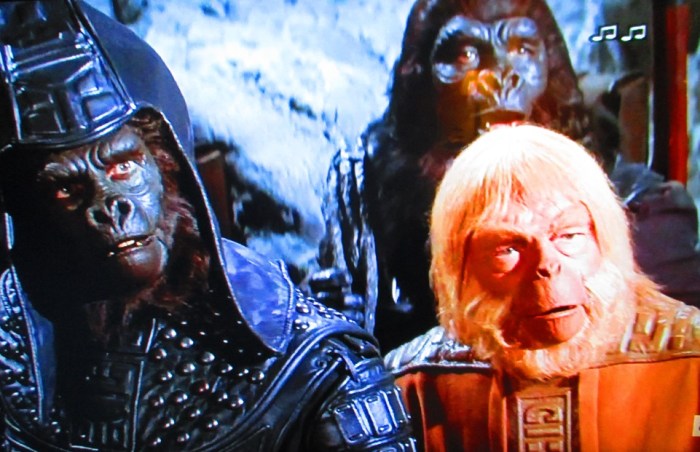
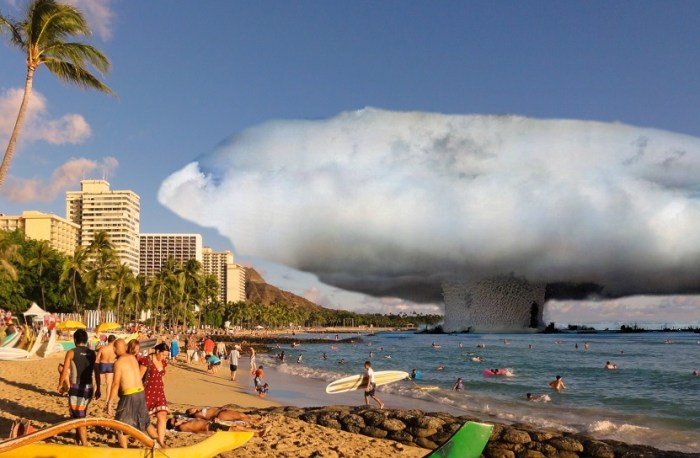
The animals below are not on the prohibited list.
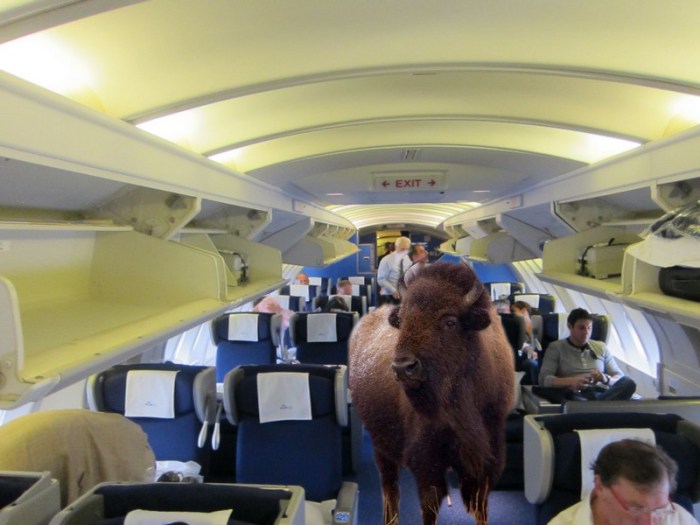
emotiondone

emotiondone1

Last 2 images above courtesy of Markozen photoshop.
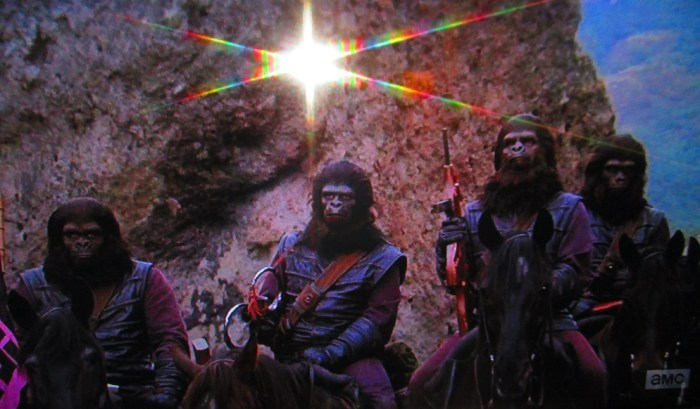
 

Why Makes People Do These Things?

orangess

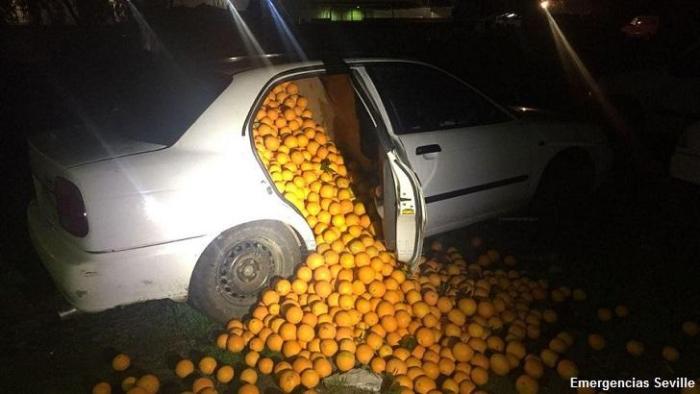
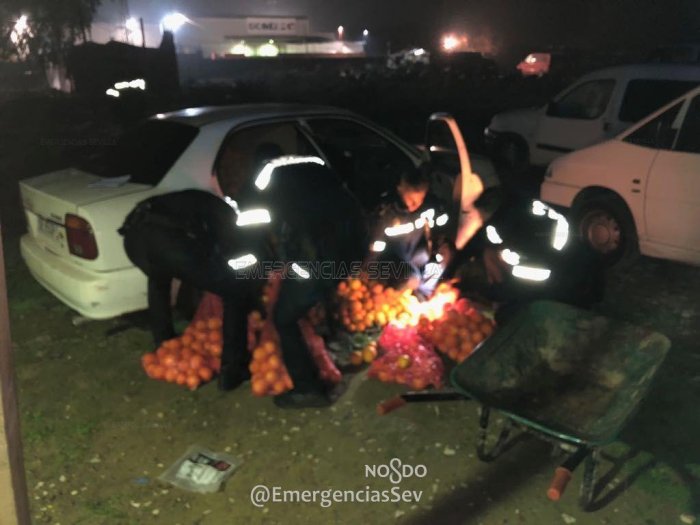
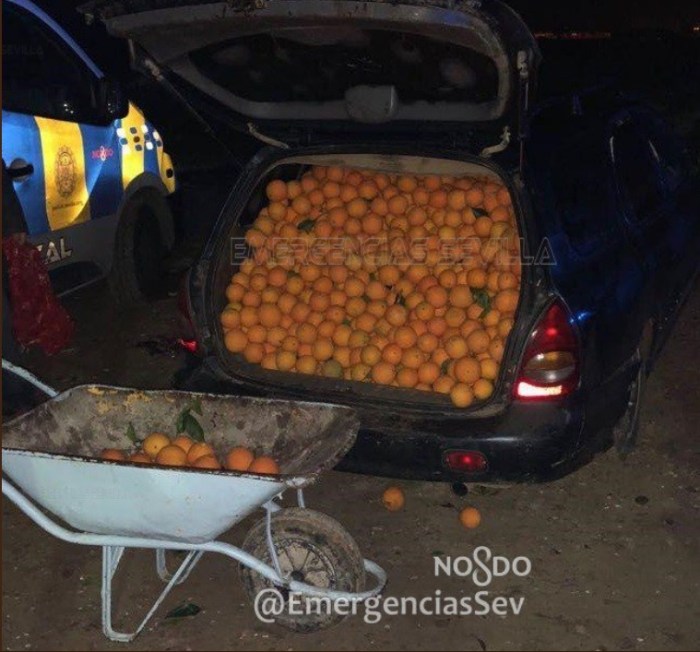
Authorities in the Spanish city of Seville busted a gang of ne’er-do-wells who were attempting to transport nearly 9,000 pounds of stolen oranges in their two cars!

After cops stopped the vehicles for driving suspiciously, officers were astounded to discover that the cars were crammed with hundreds of oranges.

The fruit was so haphazardly loaded into the cars that it actually came spilling out onto the street when police began trying to get to the bottom of what they’d uncovered.

When questioned about how they’d manage to accumulate so many oranges, the suspects coyly claimed that they had been collecting them throughout their travels.

As one can imagine, police found their claims to be pretty unbelievable, considering that there were more than four tons of oranges amassed among the vehicles.

Their doubts were confirmed when it was later found that the fruit was actually pilfered from a warehouse close to the city.

The group now faces robbery charges as well as whatever types of fines come from illegally transporting tons of fruit without the proper paperwork.

oranges

oranges1

A Man on a Mission

grizzly

Troy James Hurtubise (born November 23, 1963 in Hamilton, Ontario) is an inventor and conservationist from North Bay, Ontario, Canada noted for his often bizarre creations that he tests on himself. Some of these inventions include the Ursus personal armor suit, firepaste (an ablative heatproofing material), various ray generators, and recently, Trojan, which is a type of body armor.

Hurtubise built a metal suit for protection from grizzly bears; recorded as a National Film Board documentary and called Project Grizzly, in which Hurtubise tested the capabilities of the suit using himself as the test subject. This resulted in his Ig Nobel Prize for Safety Engineering in 1998.

Project_Grizzly_(film)


Cow walks on wild side with Polish bison

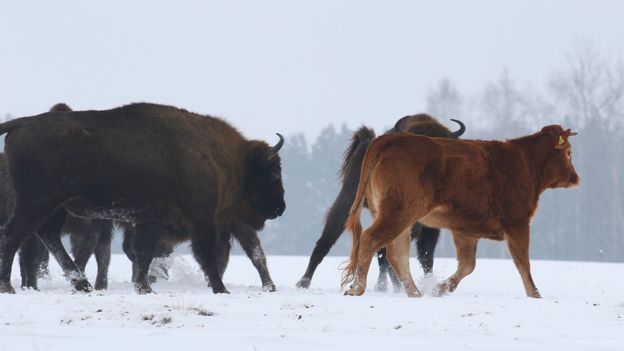
Cow among wild bison, Poland, January 2018Image copyrightRAFAL KOWALCZYK
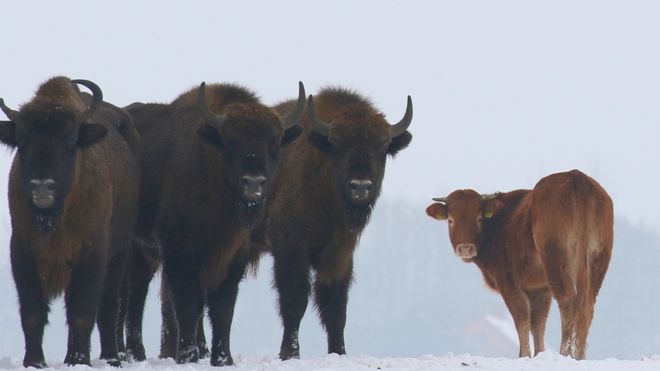
Image captionThe young cow stands out from the herd of bison

A domesticated cow has surprised Polish naturalists by spending the winter living with a herd of wild bison in the primeval Bialowieza Forest.

The cow “chose freedom” by running away from a farm late last autumn, and has been seen lingering on the fringes of a herd of some 50 bison in the forest on the Belarusian border, Poland’sTVN24 news portal reports.

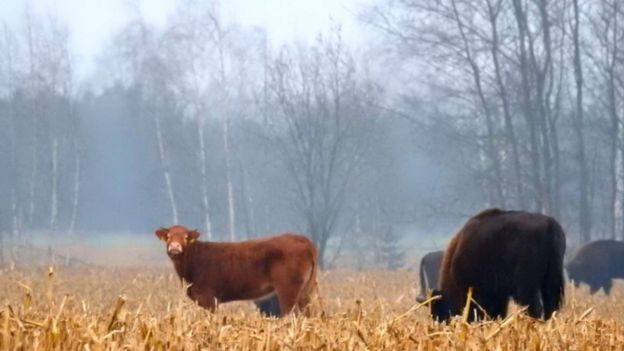
Ornithologist Adam Zbyryt was the first to spot the cow. He made the news in November when he told TVN24: “it’s not unusual to see bison near the Bialowieza Forest, but one animal caught my eye. It was a completely different light-brown shade from the rest of the herd. Bison are chestnut or dark brown”.

He dropped his initial idea that this was a mutation when he trained his binoculars on the creature, and saw that it was Limousin cow – a French breed popular in Poland. The young animal appeared healthy, and unthreatened by the larger animals. Naturalists assumed it would wander back to its pasture once winter set in.

Then biologist Rafal Kowalczyk spotted the cow again this week, still apparently healthy, and keeping pace with the herd.

Cow among wild bison, Poland, January 2018Image copyrightRAFAL KOWALCZYK
Image captionThe cow has survived the winter unscathed

Dr Kowalczyk told TVN24 that this is the first time he has seen a cow join a bison herd. “She is not very integrated with the group, as bison act like one organism and she stands out.” He added that the herd had probably saved her from the wolves that prowl the edges of the Bialowieza Forest through the winter.

Although the cow may be out of danger, Dr Kowalczyk warns she could pose a threat to the bison themselves.

The unusual friendship could lead to mating, which would contaminate the vulnerable population of about 600 Bialowieza bison with hybrids. “Another danger is that hybrid calves are large, and the cow could die giving birth,” the biologist told TVN24.

The interloper is still too young to breed, but it looks like her winter adventure must end in recapture before spring comes.

Cow among wild bison, Poland, November 2017Image copyrightADAM ZBYRYT
Image captionAdam Zbyryt first spotted the cow lingering among the bison last November
BBC

Reporting by Martin Morgan