Apocalyptic Photos from the Frontline of Australia’s Bushfires

Beyond the cataloging of these facts and figures, the situation in Australia defies description. The word “apocalyptic” comes constantly to mind. And it’s expected to worsen, with authorities warning that the infernos, spurred on by heatwaves and dry winds, could continue for months.

Every day more footage from the frontline reveals the extent of the devastation—of the armageddon and the aftermath—as communities around the country are swept up in one of the biggest climate disasters Australia has ever seen.
 

australia bushfire

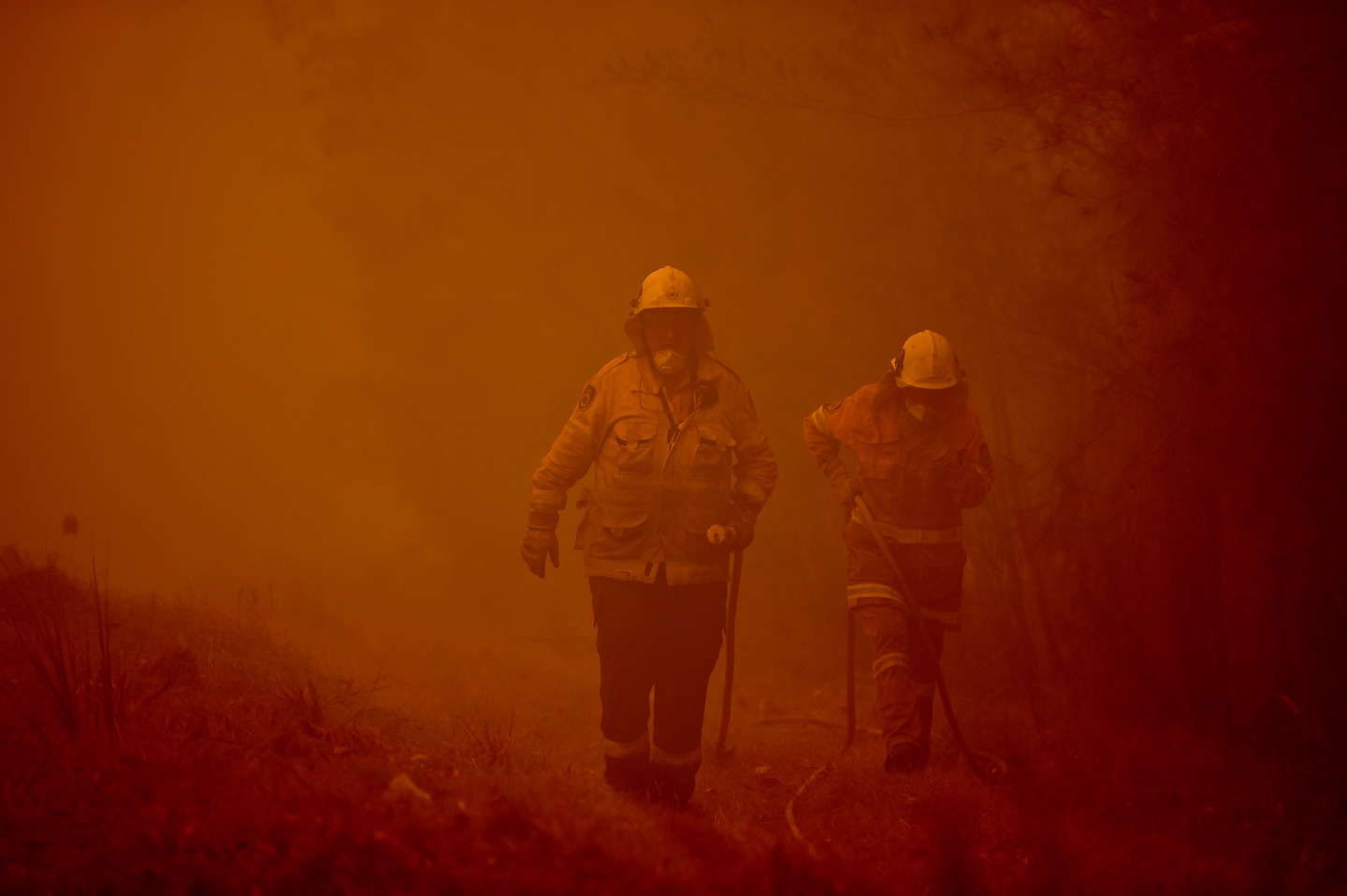
FIREFIGHTERS TACKLE A BUSHFIRE IN THICK SMOKE IN THE TOWN OF MORUYA, SOUTH OF BATEMANS BAY, IN NEW SOUTH WALES ON JANUARY 4, 2020. UP TO 3,000 MILITARY RESERVISTS WERE CALLED TO TACKLE AUSTRALIA’S RELENTLESS BUSHFIRE CRISIS ON JANUARY 4, AS TENS OF THOUSANDS OF RESIDENTS FLED THEIR HOMES AMID CATASTROPHIC CONDITIONS. PETER PARKS/AFP
australia bushfire

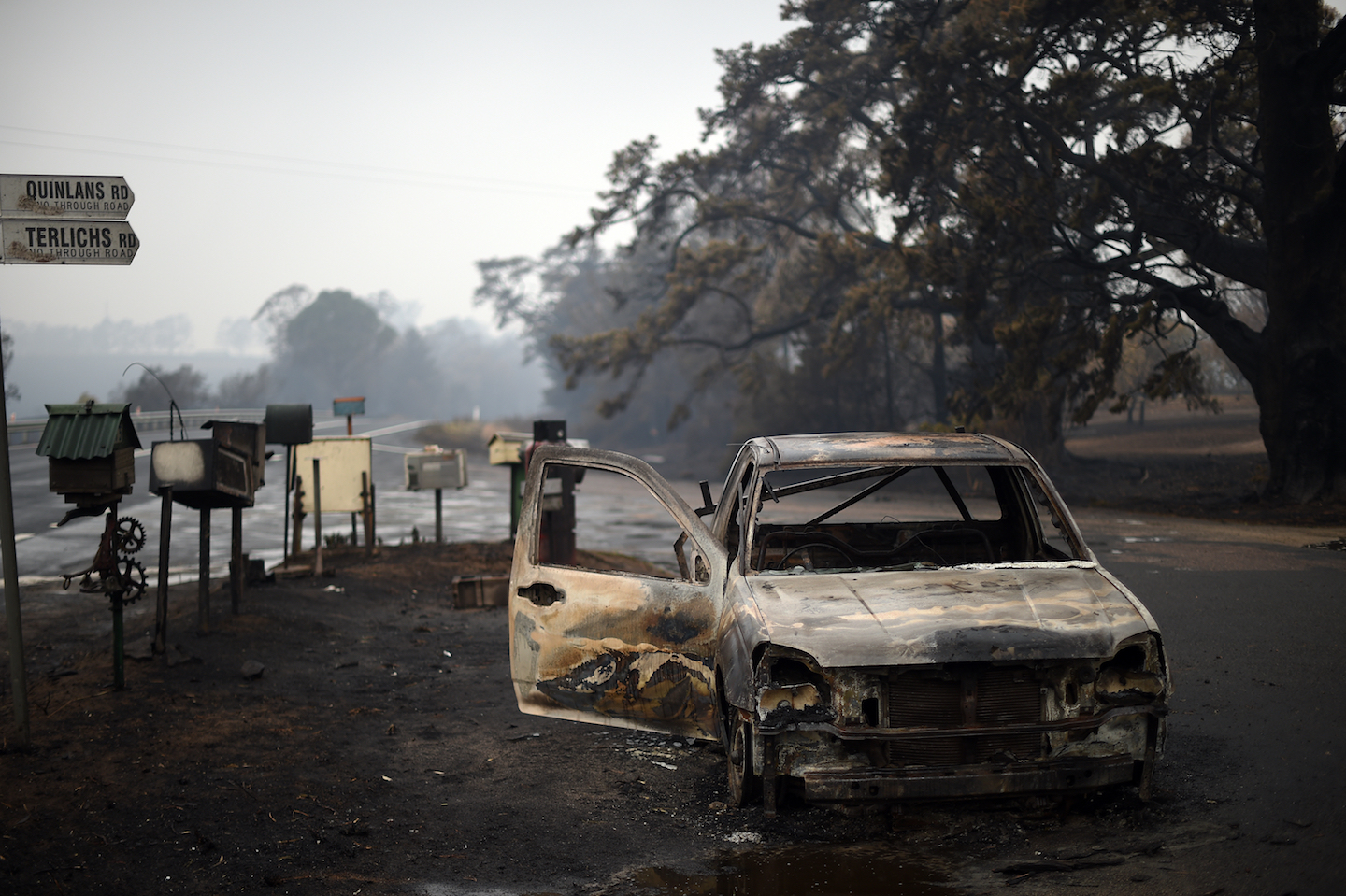
A BURNT VEHICLE IS SEEN ON QUINLANS STREET AFTER AN OVERNIGHT BUSHFIRE IN QUAAMA IN AUSTRALIA’S NEW SOUTH WALES STATE ON JANUARY 6, 2020. RESERVE TROOPS WERE DEPLOYED TO FIRE-RAVAGED REGIONS ACROSS THREE AUSTRALIAN STATES ON JANUARY 6, AFTER A TORRID WEEKEND THAT TURNED SWATHES OF LAND INTO SMOLDERING, BLACKENED HELLSCAPES. SAEED KHAN/AFP
australia bushfire

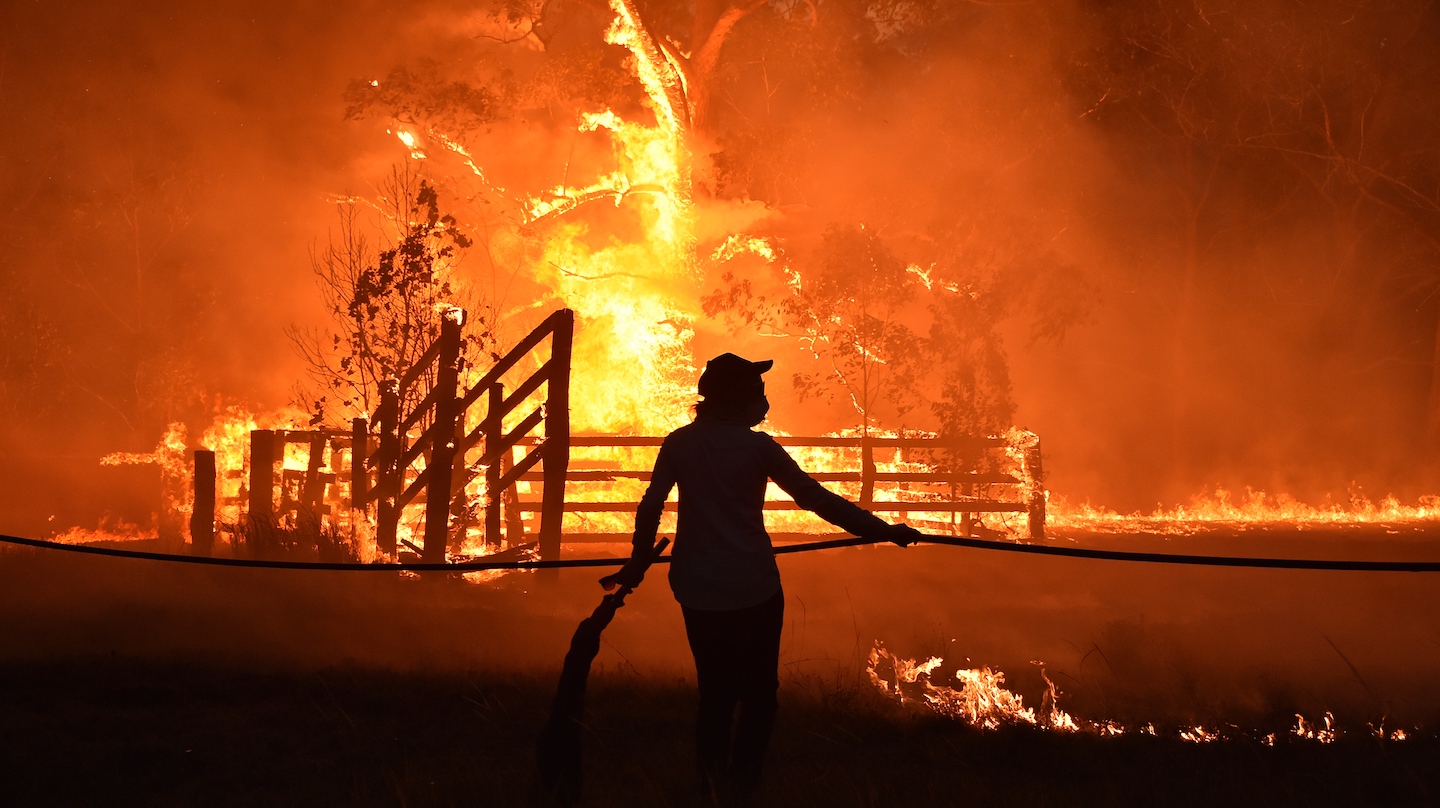
RESIDENTS DEFEND A PROPERTY FROM A BUSHFIRE AT HILLSVILLE NEAR TAREE, 350 KILOMETERS [217 MILES] NORTH OF SYDNEY ON NOVEMBER 12, 2019. A STATE OF EMERGENCY WAS DECLARED ON NOVEMBER 11 AND RESIDENTS IN THE SYDNEY AREA WERE WARNED OF “CATASTROPHIC” FIRE DANGER AS AUSTRALIA PREPARED FOR A FRESH WAVE OF DEADLY BUSHFIRES THAT HAVE RAVAGED THE DROUGHT-STRICKEN EAST OF THE COUNTRY. PETER PARKS/AFP
australia bushfire

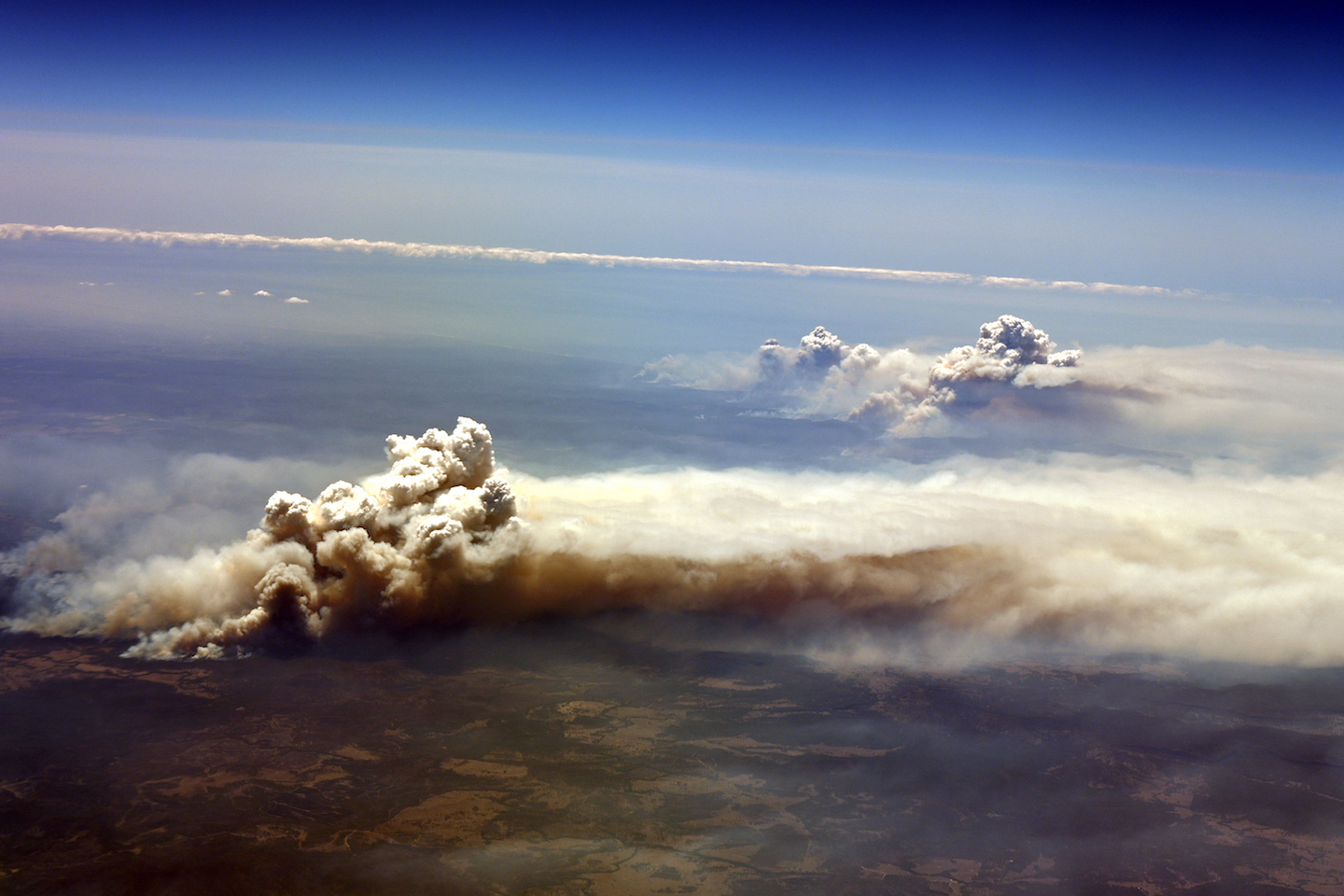
AN AERIAL VIEW OF THE BUSHFIRE BURNS OUT OF CONTROL IN THE RICHMOND VALLEY, OF THE NEW SOUTH WALES ON NOVEMBER 26, 2019. BUSHFIRE-PRONE AUSTRALIA HAS EXPERIENCED A HORRIFIC START TO ITS FIRE SEASON, WHICH SCIENTISTS SAY IS BEGINNING EARLIER AND BECOMING MORE EXTREME AS A RESULT OF CLIMATE CHANGE, WHICH IS RAISING TEMPERATURES AND SAPPING MOISTURE FROM THE ENVIRONMENT. SAEED KHAN/AFP
australia bushfire

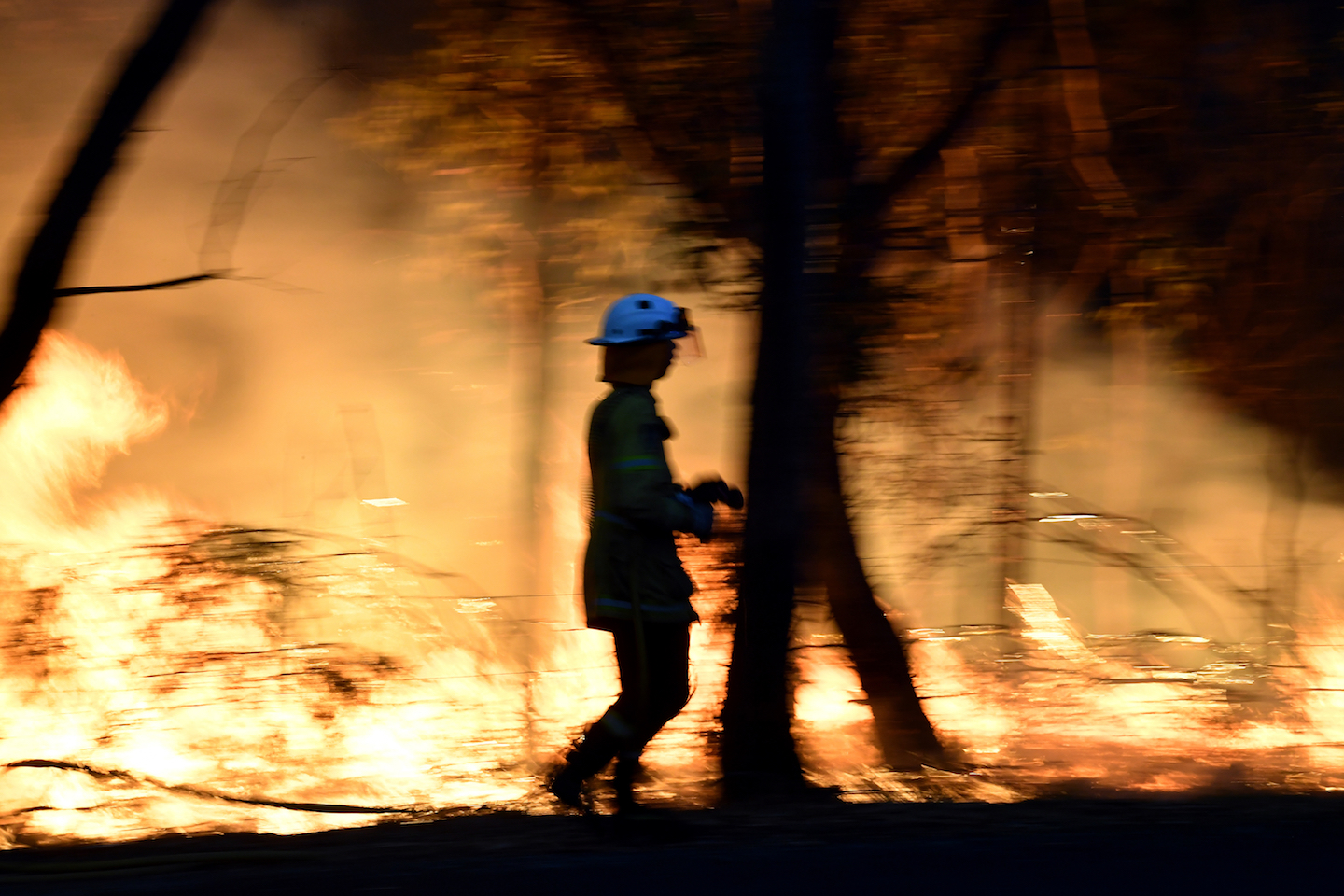
THIS PHOTO TAKEN ON DECEMBER 7, 2019 SHOWS FIREFIGHTERS CONDUCTING BACK BURNING MEASURES TO SECURE RESIDENTIAL AREAS FROM ENCROACHING BUSHFIRES AT THE MANGROVE AREA, SOME 90-110 KILOMETERS 55-68 MILES] NORTH OF SYDNEY. BUSHFIRES ARE COMMON IN THE COUNTRY BUT SCIENTISTS SAY THIS YEAR’S SEASON HAS COME EARLIER AND WITH MORE INTENSITY DUE TO A PROLONGED DROUGHT AND CLIMATIC CONDITIONS FUELED BY GLOBAL WARMING. SAEED KHAN/AFP
australia bushfire

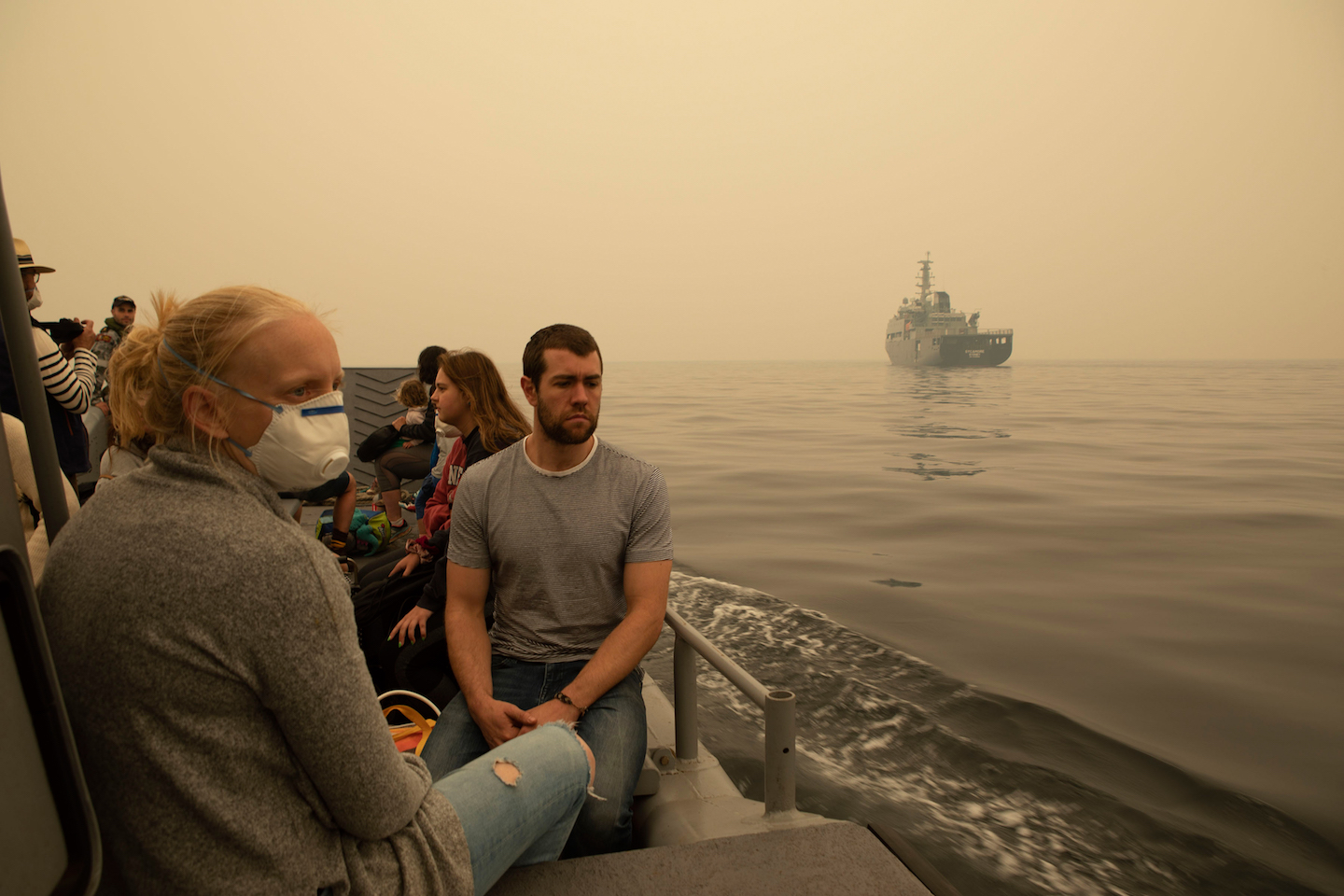
THIS HANDOUT PHOTO TAKEN ON JANUARY 3, 2020 AND RELEASED BY THE ROYAL AUSTRALIAN NAVY SHOWS PEOPLE BEING EVACUATED FROM MALLACOOTA, VICTORIA STATE ON A LANDING CRAFT TO MV SYCAMORE, DURING BUSHFIRE RELIEF EFFORTS. THE AUSTRALIAN MILITARY ON JANUARY 3 HAS BEGUN THE SEABORNE EVACUATION OF HUNDREDS OF PEOPLE TRAPPED IN A FIRE-RINGED SOUTHEASTERN TOWN, AS THE COUNTRY BRACED FOR MORE CATASTROPHIC CONDITIONS. SHANE CAMERON/ROYAL AUSTRALIAN NAVY/AFP
australia bushfire

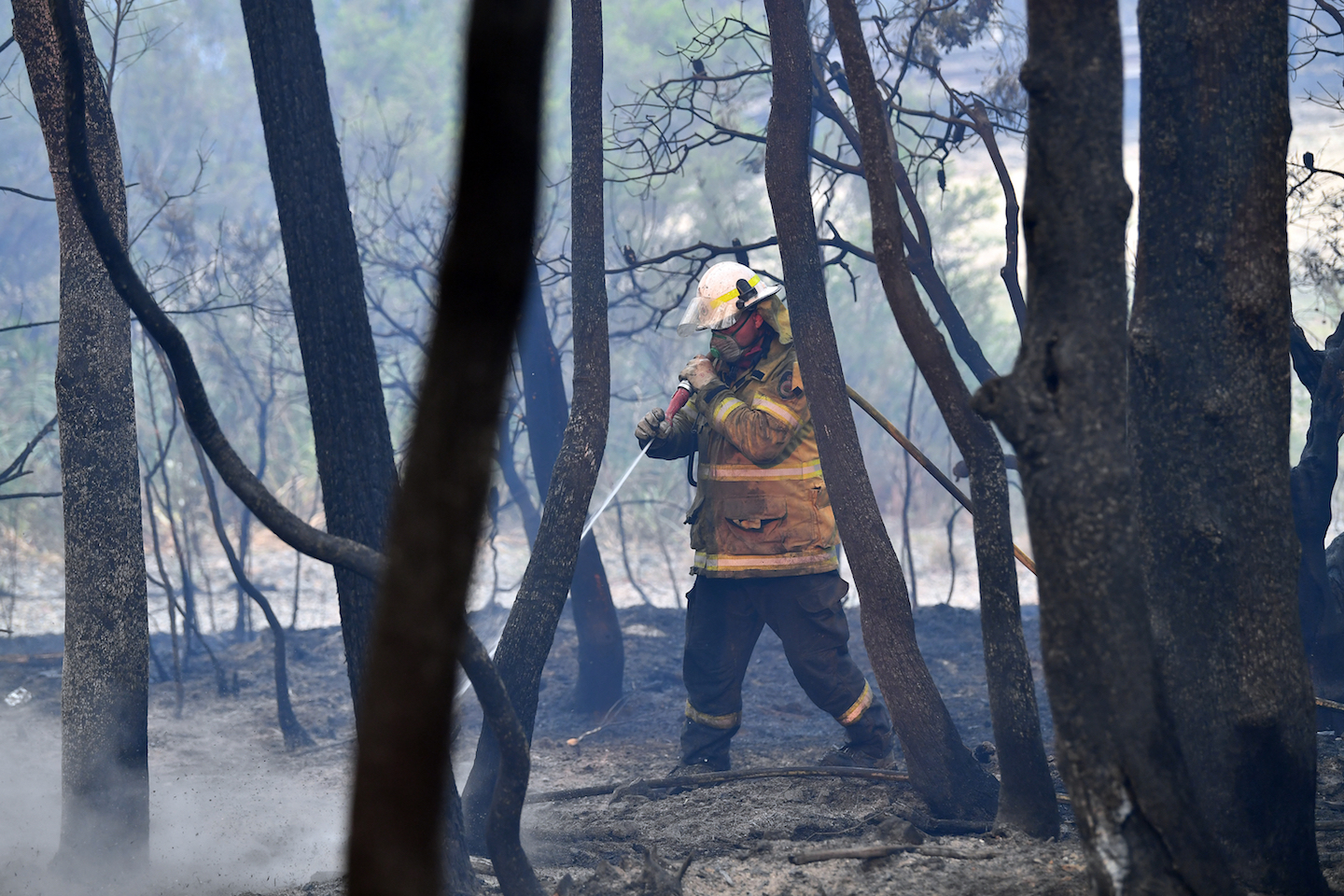
FIREFIGHTERS DOSE A BUSHFIRE IN DARGAN, SOME 130 KILOMETERS [80 MILES] NORTHWEST OF SYDNEY ON DECEMBER 18, 2019. AUSTRALIA THIS WEEK EXPERIENCED ITS HOTTEST DAY ON RECORD AND THE HEATWAVE IS EXPECTED TO WORSEN, EXACERBATING AN ALREADY UNPRECEDENTED BUSHFIRE SEASON, AUTHORITIES SAID ON DECEMBER 18. SAEED KHAN/AFP
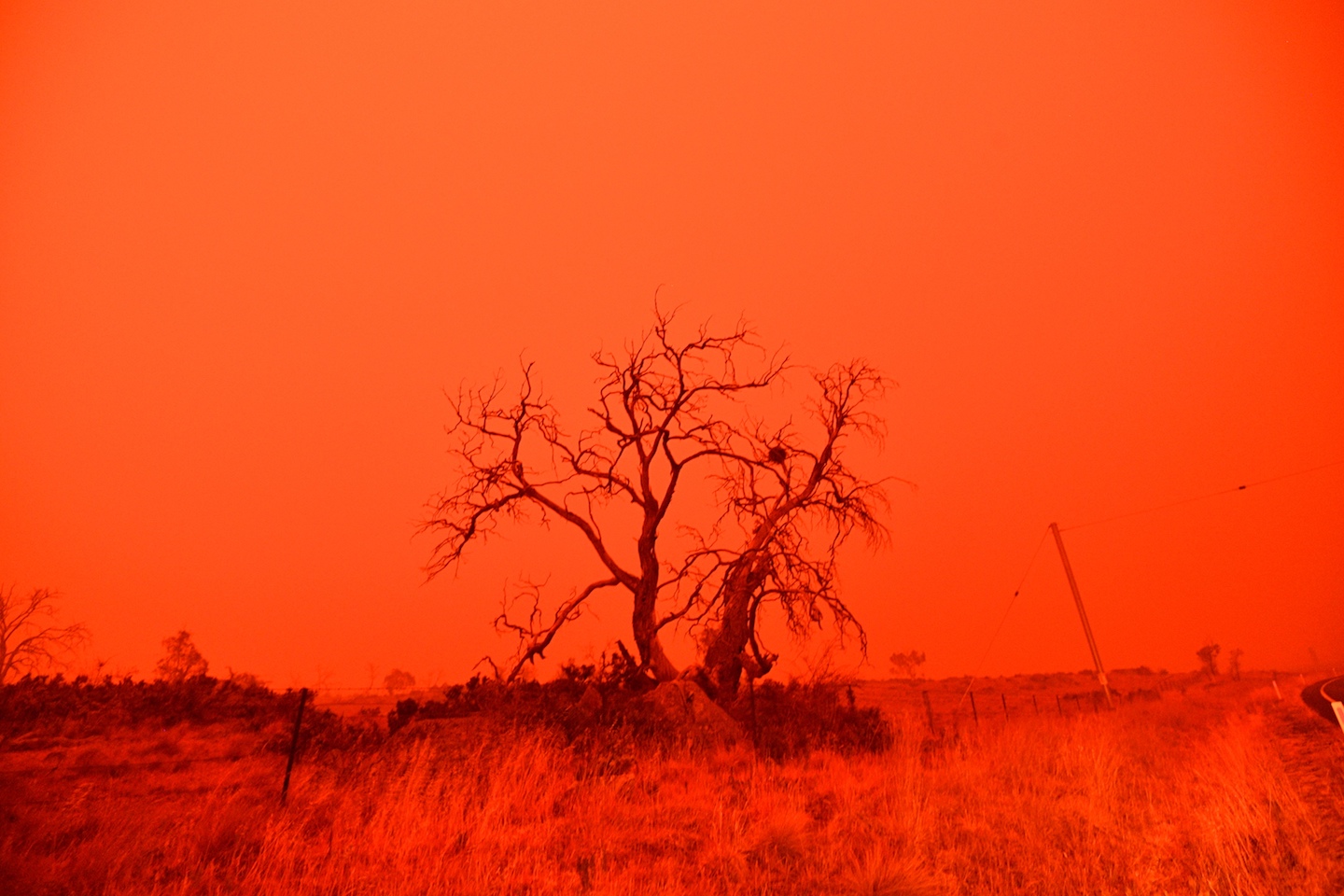
australia bushfire

THE SKY TURNS RED FROM SMOKE OF THE SNOWY VALLEY BUSHFIRE ON THE OUTSKIRTS OF COOMA ON JANUARY 4, 2020. UP TO 3,000 MILITARY RESERVISTS WERE CALLED UP TO TACKLE AUSTRALIA’S RELENTLESS BUSHFIRE CRISIS ON JANUARY 4, AS TENS OF THOUSANDS OF RESIDENTS FLED THEIR HOMES AMID CATASTROPHIC CONDITIONS. SAEED KHAN/AFP
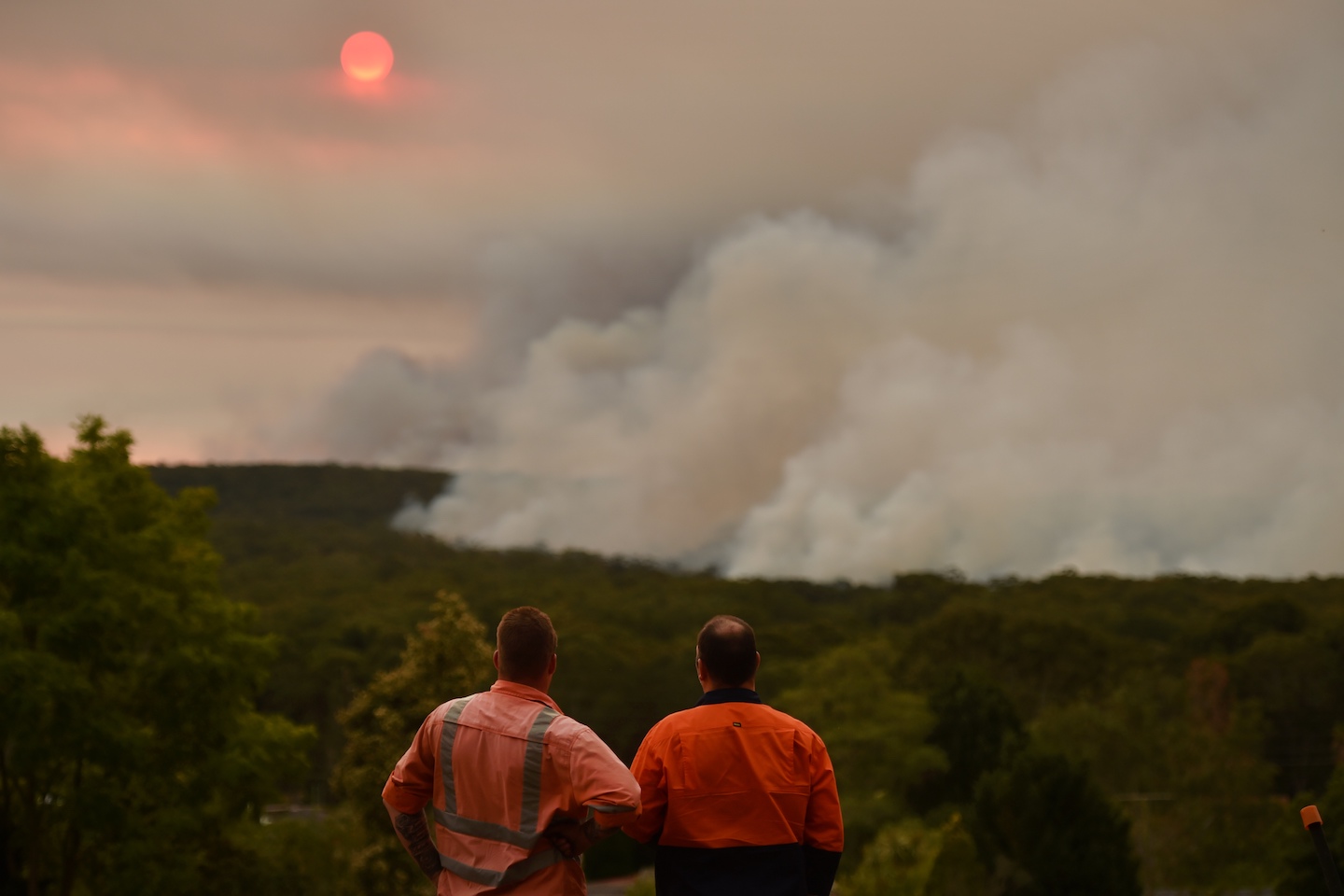
australia bushfire

RESIDENTS WATCH A LARGE BUSHFIRE AS SEEN FROM BARGO, 150 KILOMETERS [93 MILES] SOUTHWEST OF SYDNEY, ON DECEMBER 19, 2019. A STATE OF EMERGENCY WAS DECLARED IN AUSTRALIA’S MOST POPULATED REGION ON DECEMBER 19 AS AN UNPRECEDENTED HEATWAVE FANNED OUT-OF-CONTROL BUSHFIRES, DESTROYING HOMES AND SMOTHERING HUGE AREAS WITH A TOXIC SMOKE. PETER PARKS/AFP
Vice.com

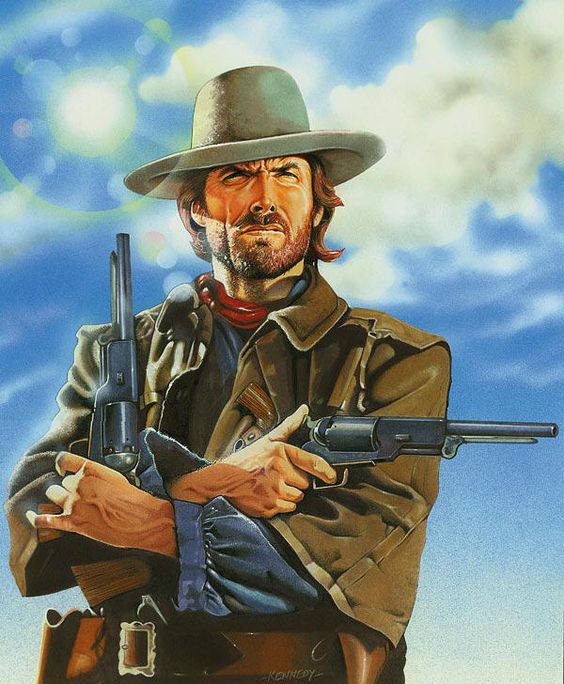
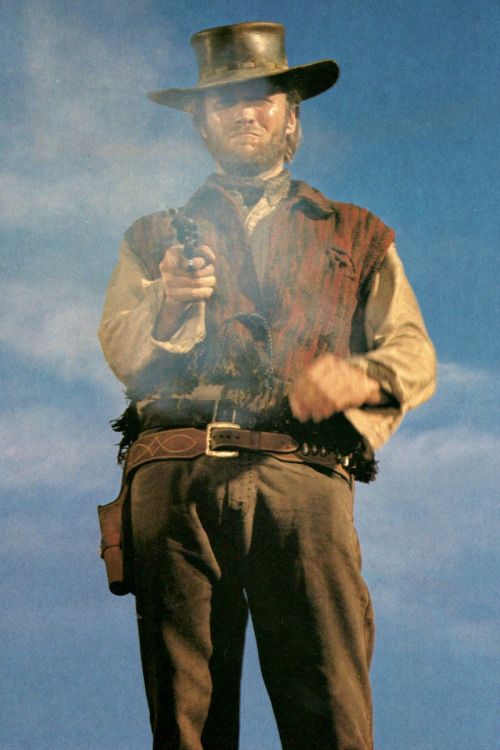
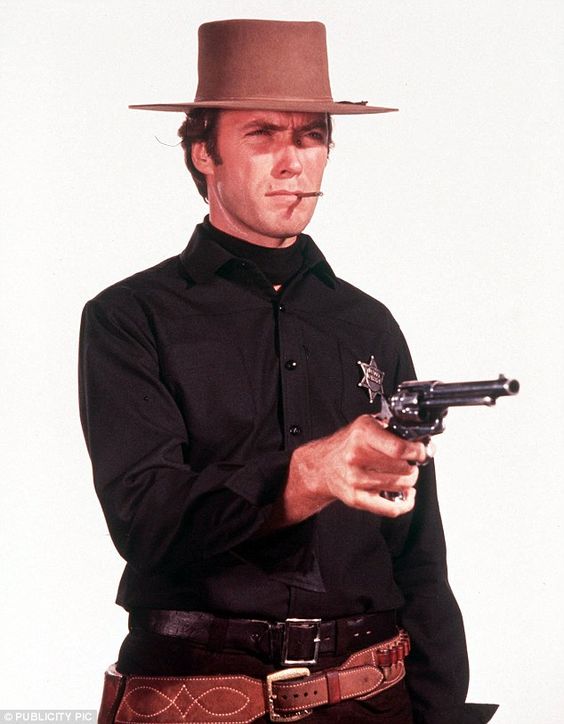
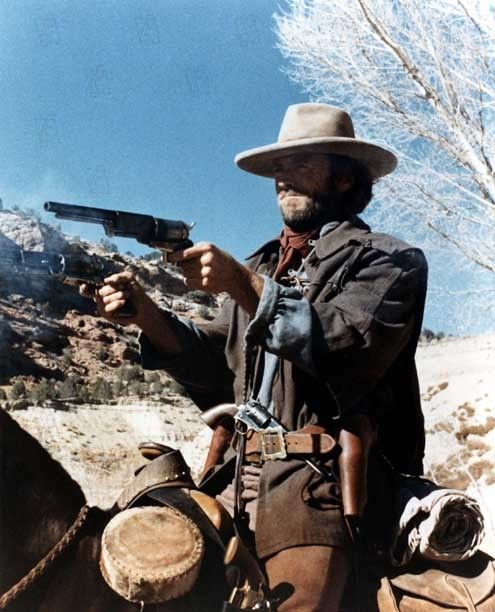
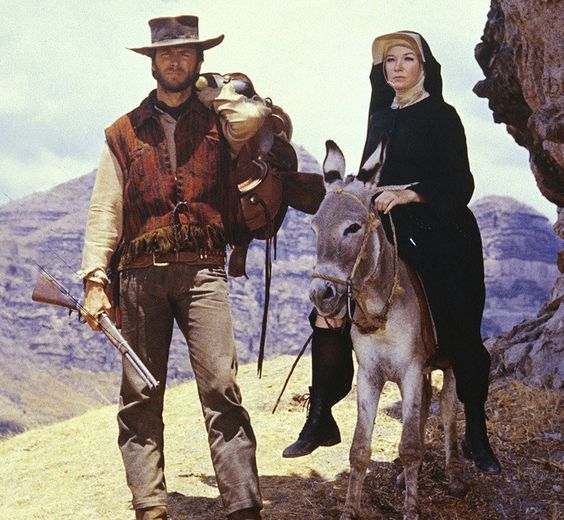
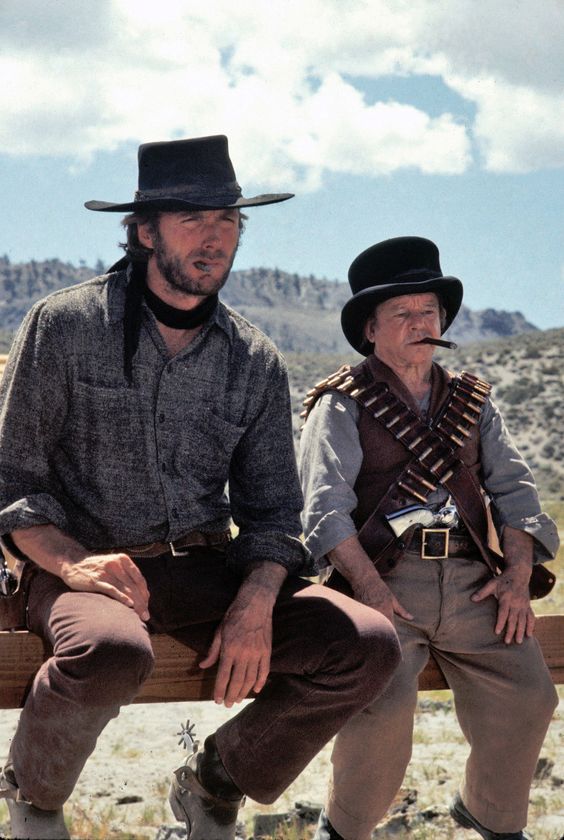
Clint Eastwood Spaghetti Westerns

Over six hundred European Westerns were made between 1960 and 1978. The best-known Spaghetti Westerns were directed by Sergio Leone and scored by Ennio Morricone, notably the three films of the Dollars Trilogy (starring Clint Eastwood as the main character)—A Fistful of Dollars (1964), For a Few Dollars More (1965) and The Good, the Bad and the Ugly (1966)—as well as Once Upon a Time in the West (1968, starring Charles Bronson). These are consistently listed among the best Westerns of any variety.

The last few pics shown here are not spaghetti westerns, but American movies.

See also: https://markosun.wordpress.com/2016/11/02/clint-eastwood-was-one-resourceful-actor-back-in-the-day/


Mysterious radio signal from space seems to have suddenly vanished

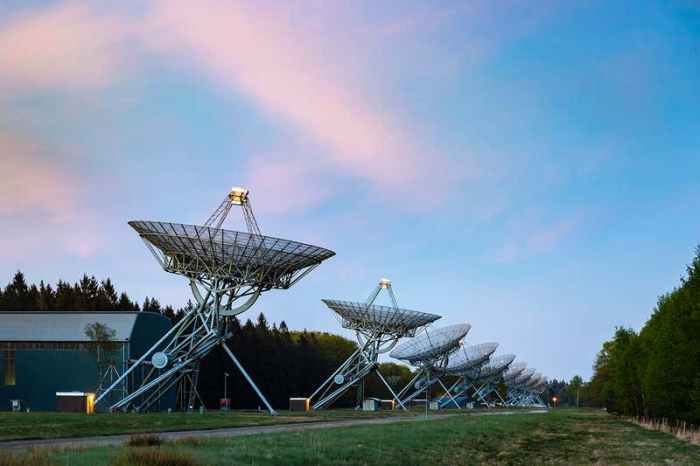
The Westerbork Synthesis Radio Telescope is scanning the skies

Strange radio signals from space are still baffling astronomers with their odd behaviour. Fast radio bursts (FRBs) are powerful blasts of radio waves that last just a few milliseconds. Some of these bursts have been seen to repeat, flickering on and off many times from the same point in space. They carry a huge amount of energy, but we don’t know what causes them.

The first repeating FRB, called FRB 121102 or R1, was discovered in 2012 and later traced to its host galaxy, a dwarf galaxy about three billion light years away. The second, nicknamed R2, wasn’t found until 2018.

Leon Oostrum at the Netherlands Institute for Radio Astronomy and his colleagues used the Westerbork Synthesis Radio Telescope (WSRT) in the Netherlands to watch R1 and R2 for 130 and 300 hours respectively, looking for more bursts that might help characterise them better and find R2’s host galaxy.

While they detected 30 bursts from R1, they didn’t see any from R2. The simplest explanation is that R2 isn’t detectable in the wavelengths at which WSRT observes, which are different from those used by the telescope which discovered it. It would be as if this FRB emits relatively red light, but WSRT can only see blue.

The other possible explanation Oostrum and his colleagues suggest is that R2 could have stopped emitting bursts. However, it is more likely that the telescope can’t detect the FRB’s wavelengths or that any bursts it emitted while Oostrum and his colleagues were observing were just too dim to see, says Jason Hessels, who is also at the Netherlands Institute for Radio Astronomy but wasn’t involved in this work. “Just because you don’t see anything at this time with this telescope doesn’t mean there’s nothing to see,” he says.

Regardless, it shows R1 and R2 are very different from one another. “If the two were similar, we should have seen that second repeater easily, and we didn’t,” says Oostrum. “They could be very different in how bright they are, how often they repeat, and basically any other parameters as well.”

They could also be in very different galaxies, as evidenced by new findings from a separate group led by Hessels. It traced a different repeating FRB called FRB 180916.J0158+65 to its host galaxy, only the fifth time any FRB has been tracked back and only the second repeater to be pinned down in this way.

Its galaxy is completely different from R1’s galaxy. It is a spiral more like our Milky Way instead of an irregularly-shaped dwarf galaxy. Its environment is also far less extreme, making some of the explanations for FRBs that came from analysis of R1 seem less likely.

“We’re in the situation where either a successful theory has to explain that diversity or we have to start thinking seriously about there being multiple different types of sources for FRBs,” says Hessels. If FRBs aren’t all the same but instead result from a variety of different types of events, that could explain why they all seem so different.

FRB 180916.J0158+65 is about six times closer to Earth than R1, so we will be able to observe it in more detail, and the next generation of huge telescopes should help explain FRBs too. “The main goal in the end is to find out what these things are, but for now, the more information we have, the more questions we have,” says Oostrum.

Owl Swims in Michigan Lake

A Michigan sheriff’s department captured some amazing and rather rare footage of an owl swimming in a lake. The odd scene reportedly took place early Monday morning at Lake St. Clair and was spotted by officers from the marine division of the Macomb County Sheriff’s Office. Fortunately, they managed to film the wondrous sight and subsequently shared it on their Facebook account.

Marveling that they had “a special guest this morning,” the sheriff’s office theorized that the creature was a “snowy owl that has been seen on several occasions in the area.” In the video, the bird swims along through the lake until it reaches the shore, where it climbs up onto a rock and shakes the water off from its feathers. The owl then takes off and flies away from the area, proving to be adept at air, sea, and land travel.

Since owls do not possess waterproof feathers, for them to swim is something of an unusual occurrence and, wildlife experts say, generally only happens when the creatures are forced into such a predicament. Although the sheriff’s office did not speculate as to what led this event unfold, they asked residents to “please remember to respect these beautiful animals by being a good observer” and keep their distance from the birds should they encounter them.

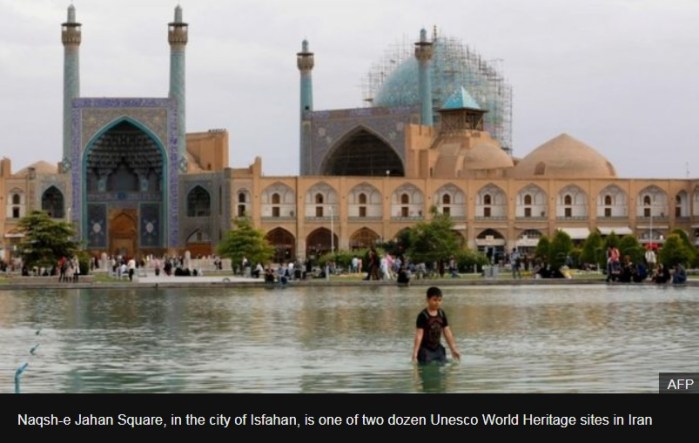
Trump under fire for threat to Iranian cultural sites

US President Donald Trump has faced growing criticism over his threats to attack Iran’s cultural sites.

Mr Trump made the threats amid fallout from the US assassination of Iranian commander Qasem Soleimani.

The president said cultural sites were among 52 identified Iranian targets that could be attacked if Iranians “torture, maim and blow up our people”.

But the UN’s cultural organisation and UK foreign secretary were among those to note that such sites were protected.

The US and Iran have signed conventions to protect cultural heritage, including during conflict. Military attacks targeting cultural sites are considered war crimes under international law.

Qasem Soleimani was killed in a US drone strike in Baghdad on Friday on the orders of Mr Trump. The killing has sharply increased regional tensions, with Iran threatening “severe revenge”.

What were the president’s threats?

The first came in a series of tweets on Saturday.

Mr Trump said the US had identified 52 Iranian sites, some “at a very high level and important to Iran and the Iranian culture”, and warned they would be “hit very fast and hard” if Tehran carried out revenge attacks on US interests or personnel.

Secretary of State Mike Pompeo appeared to try to soften the threat by saying the US would act within international law.

But the president later repeated his threat, saying: “They’re allowed to kill our people, they’re allowed to torture and maim our people, they’re allowed to use roadside bombs and blow up our people – and we’re not allowed to touch their cultural site? It doesn’t work that way.”

On Monday, White House adviser Kellyanne Conway defended the president, saying he had not said he was targeting cultural sites, only “asking the question”.

She also said: “Iran has many strategic military sites that you may cite are also cultural sites”, before later clarifying her remark to say she was not suggesting Iran had camouflaged military targets as cultural sites.

Defence Secretary Mark Esper was later asked if the US would target cultural sites, and said: “We will follow the laws of armed conflict.”

When asked if that meant no, “because targeting a cultural site is a war crime?”, he responded: “That’s the laws of armed conflict.”

What criticism did his comments draw?

The director general of the UN’s cultural organisation, Unesco, Audrey Azoulay, said both Iran and the US had signed a 1972 convention to protect the world’s natural and cultural heritage.

They have also both signed a 1954 convention protecting cultural property in the event of armed conflict. Mr Trump withdrew the US from Unesco in 2018, citing alleged anti-Israeli bias.

US Democratic senators Elizabeth Warren and Chris Murphy said Mr Trump was “threatening to commit war crimes”, echoing similar statements by Iran’s Foreign Minister Mohammad Javad Zarif.

On Monday, UK Foreign Secretary Dominic Raab said cultural sites were protected by international law, and Britain expected that to be respected.

The guy is a raving lunatic. You don’t attack cultural sites.

Inflatable extras in Hollywood movies

Computer Generated Imagery (CGI) is expensive and extras are difficult to handle, besides costing money. The Inflatable Crowd Company offers the alternative – plastic, inflatable mannequins, thirty thousands of them for use in movies where a large crowd is required. The company was formed in 2002 for creating crowd scenes for the Hollywood movie Sea Biscuit. Their inflatable crowd have since appeared in over 80 feature films including many memorable ones like The King’s Speech, Frost/Nixon, American Gangster, Spiderman 3 and many more. These plastic men and women were featured in many TV shows and commercials as well.

Blow up dolls are taken from their boxes and inflated for shooting in a commercial.


The dolls are then dressed. They still don’t have faces. These along with wig, hat etc. are fitted later.


A scene on the set of the movie American Gangster with 1,500 Inflatables.

A scene on the set of the movie Cinderella Man with 11,000 Inflatables.

A scene on the set of the movie We Are Marshall with 2,400 Inflatables.

A scene on the set of the movie The Changeling with 400 Inflatables.

A scene on the set of the movie Glory Road with 4,000 Inflatables.

550 inflatable dolls getting prepared for a scene in the movie Angels & Demons.

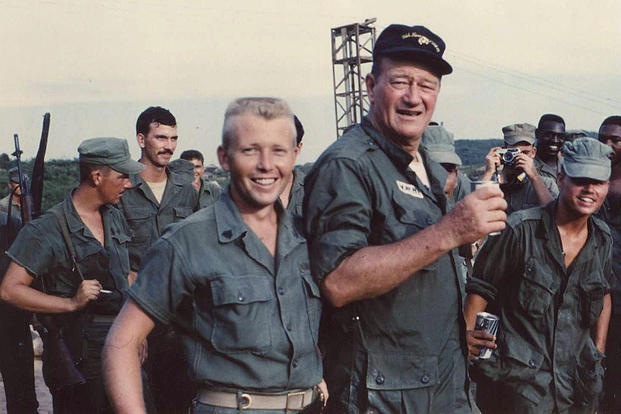
The KGB planned to assassinate John Wayne

How John Wayne Got Rid of the KGB Agents Hired to Kill Him

It seems like so many dictators just love movies. We all do, but absolute power takes it to a whole new level. Gaddafi had a channel set up just to play his favorite movie – his one favorite movie. Kim Jong-Il kidnapped his favorite actors and actresses to star in North Korea’s movies. Then, of course, the next natural step for these guys is directing movies.

Kim Jong-Il made several films. Benito Mussolini pitched to Columbia pictures. And even Saddam Hussein made a $30 million war epic. But Joseph Stalin was the Soviet Union’s “ultimate censor.”

At the time, global Communism was still very much a growing threat, one Stalin wanted to continue to spread around the world – under Soviet leadership.

He saw how much power and influence films – and the stars in them – held over large audiences. He saw it in Nazi German propaganda during the Second World War and he used it effectively himself to further his own personality cult.

So when he saw John Wayne’s power as an virulent anti-Communist on the rise, he ordered the actor killed and then sent (allegedly) more than one hit squad to do the job. He saw the Duke as a threat to the spread of Communism around the world – and especially in America.

According to the book John Wayne – The Man Behind The Myth, Soviet filmmaker Sergei Gerasimov told Wayne of the KGB plot in 1949. What the Duke and his Hollywood friends did to the hit squad is mind blowing.

Obviously not one to let a thing like Communist assassins get him down, Wayne and his scriptwriter Jimmy Grant allegedly abducted the hitmen, took them to the beach, and staged a mock execution. No one knows exactly what happened after that, but Wayne’s friends say the Soviet agents began to work for the FBI from that day on.

But there were other incidents. The book also alleges KGB agents tried to take the actor out on the set of 1953’s Hondo in Mexico. A captured sniper in Vietnam claimed that he was hired by Chairman Mao to take the actor out on a visit to troops there.

Stalin died in 1953. His successor, Nikita Khrushchev, met privately with John Wayne in 1958 and informed him that the order had been rescinded. Wayne told his friends Khrushchev called Stalin’s last years his “mad years” and apologized.

The entire time Wayne knew there was a price on his head, he refused the FBI’s offer of federal protection and didn’t even tell his family. He just moved into a house with a big wall around it. Once word got out, though, Hollywood stuntmen loyal to the Duke began to infiltrate Communist Party cells around the country and expose plots against him.

Wayne never spoke of the incidents publicly.