Astana, new capital of Kazakhstan has grandiose architecture


Politics and government are the main economic activities in Astana the capital, which also forms a Special Economic Zone.  Astana has seen one of the world’s greatest building projects, as oil money has been spent on government buildings, a massive home for the president, a mosque, and numerous parks and monuments. The project is designed to make the town the centre of not only Kazakhstan, but all of Central Asia.

After Kazakhstan gained its independence in 1991, the city and the region were renamed “Aqmola”, literally meaning “White Shrine”.

In 1995, the city was designated as the future capital of the newly-independent country, and the capital was officially moved from Almaty on December 10, 1997.  The new name, Astana, was bestowed in 1998.

Government officials cited several problems with keeping the capital in Almaty, such as the city’s risk of seismic activity, insufficient room for expansion, and proximity to international borders.  Additionally, parts of northern Kazakhstan are populated primarily by ethnic Russians, which raised fears of possible irredentist activity. Moving the capital to this area may have been an attempt to anchor it more closely with the rest of the country.

To some Kazakhs, the move remains controversial. Critics cite the city’s isolated location in the center of the Kazakh steppe and the forbidding climate in winter.  Financially, some resent the massive expenditure of public funds to build the new government complexes, as well as the continuing cost of airfare and hotel expenses for the many government workers who still live in Almaty.


Floral flourishes decorate Nurzhol Boulevard, or “Radiant Path.”


The Baiterek, towering over Astana’s central promenade, flares green against a dappled evening sky. Intended as a symbol of the new capital, the 318-foot monument evokes a giant tree with a golden egg in its branches. In the Kazakh myth of Samruk, a sacred bird lays a golden egg in the branches of a poplar each year.


A flock of giant doves flutters on a stained-glass conference room ceiling at the Palace of Peace and Harmony. The 203-foot-high pyramid designed by Norman Foster provides spaces for worshippers of all religions.


Kazakhstan’s new capital is the opposite of understated. After dark, government buildings change hues as the night progresses, creating a theme park atmosphere. The presidential palace suggests a gaudy version of the White House. Prize-winning British architect Norman Foster is one of many foreigners who helped shape the city. His purple Khan Shatyr shopping mall has an indoor sand beach and wave pool on the top floor.


Flanked by traditional Kazakh dancers, a bride awaits her formal unveiling at an opulent wedding palace, where she has just been married in a ceremony capped by the release of two white doves. The revelry begins when the veil is lifted.


McMansions that could have been airlifted from any American suburb are among the more incongruous sights in Astana, whose architectural style is nothing if not eclectic.


Like thousands of educated young professionals in Astana, these cardplayers at a riverside park grew up in other parts of Kazakhstan and moved to the new capital for the opportunities it promised. A baby boom has accompanied the influx.

Rugged Paradise

Get a boat, and along with some friends, go exploring this rugged yet beautiful paradise.


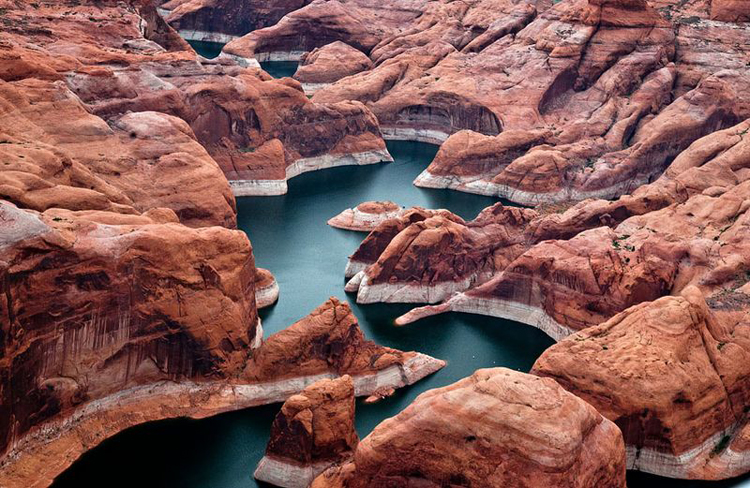
Scenic aerial of Lake Powell and rock formations. MICHAEL MELFORD/National Geographic


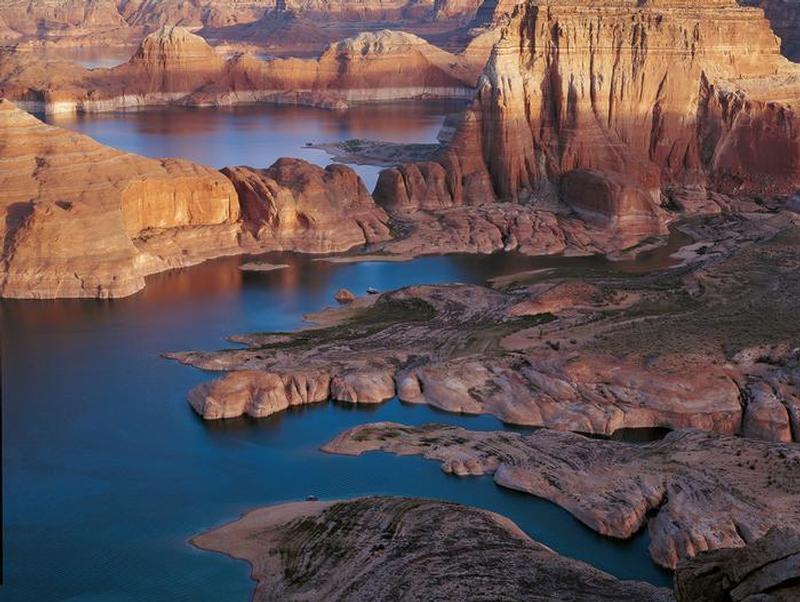
Lake Powell is a reservoir on the Colorado River, straddling the border between Utah and Arizona (most of it, along with Rainbow Bridge, is in Utah). It is a major vacation spot that around 2 million people visit every year. It is the second largest man-made reservoir by maximum water capacity in the United States behind Lake Mead, storing 24,322,000 acre feet (3.0001×10¹⁰ m3) of water when full. Due to high water withdrawals for human and agricultural consumption, and because of subsequent droughts in the area, Lake Powell is currently the largest reservoir in the United States in terms of capacity of water currently held, depth and surface area. Lake Powell was created by the flooding of Glen Canyon by the Glen Canyon Dam, which also led to the creation of Glen Canyon National Recreation Area, a popular summer destination. The reservoir is named for explorer John Wesley Powell, a one-armed American Civil War veteran who explored the river via three wooden boats in 1869.


Lake_Powell_Map


lake powell1


lake powell3


Young Woman relexing in waterhole laying on air matress, Lake Powell, Utah


lake powell5


lake powell6


Lake_Powell_-_Arizona


lake powell8

Lake_Powell_-_Arizona11


Lake_Powell_original_1205


LakePowell3


Lake-Powell-Arizona-6


LakePowellHouseboatRentalsMedia9-800x600


Glen Canyon Dam

Glen_Canyon_Dam_Lake_Powell,_Arizona


Sea Fort in the Middle of The Gulf of Mexico

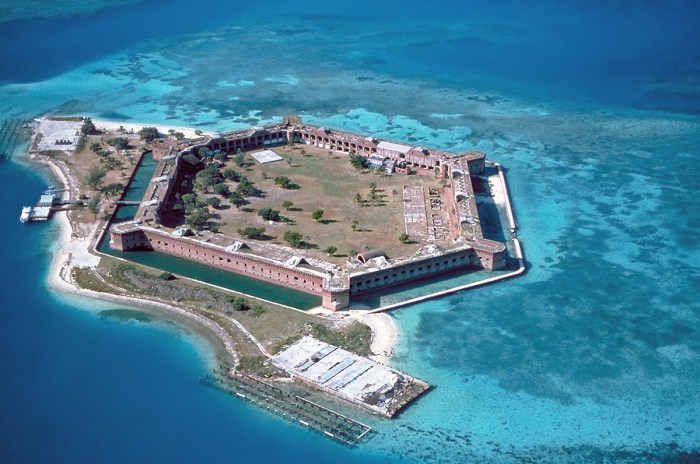
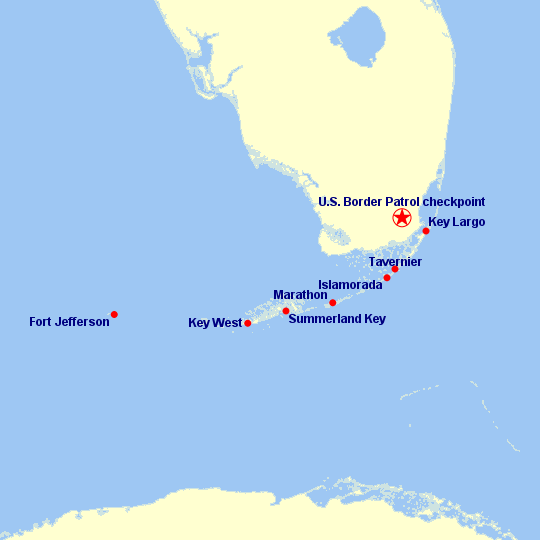
Fort Jefferson is a massive but unfinished coastal fortress. It is the largest brick masonry structure in the Americas, and is composed of over 16 million bricks. Among United States forts, only Fort Monroe in Virginia and Fort Adams in Rhode Island are larger. The fort is located on Garden Key in the lower Florida Keys within the Dry Tortugas National Park, about 70 miles (110 km) west of the island of Key West. The Dry Tortugas are part of Monroe County, Florida, United States.

Fort-Jefferson_Dry-Tortugas

The fort was built in 1861 and is located 90 miles west of Key West.  It’s now a national park.

It was built to maintain an American presence in the Gulf and to scare off pirates.  During the Civil War it was mainly a prison.  But it looks to me like it would be one great place to set up some tents, crack open the beer and let the festivities begin.


fortxx


fort jefferson

Chocolate Hills and Chocolate Mountains

Chocolate topography exists on the planet.  It is the colour of these high areas that lead to the names. There is one in the Philippines and one in California.

The Chocolate Hills

chocolate_hills

The Chocolate Hills (Filipino: Tsokolateng Burol) are a geological formation in the Bohol province of the Philippines. There are at least 1,260 hills but there may be as many as 1,776 hills spread over an area of more than 50 square kilometres (20 sq mi). They are covered in green grass that turns brown (like chocolate) during the dry season, hence the name.


chocolate1

The Chocolate Hills form a rolling terrain of haycock hills – mounds of a generally conical and almost symmetrical shape. Estimated to be from 1,268 to about 1,776 individual mounds, these cone-shaped or dome-shaped hills are actually made of grass-covered limestone. The domes vary in sizes from 30 to 50 metres (98 to 164 ft) high with the largest being 120 metres (390 ft) in height.


Chocolate-Hills_rend_tccom_966_544

The Chocolate Hills are conical karst hills similar to those seen in the limestone regions of Slovenia, Croatia, northern Puerto Rico, and Pinar del Río Province, Cuba. These hills consist of Late Pliocene to Early Pleistocene, thin to medium bedded, sandy to rubbly marine limestones. These limestones contain the abundant fossils of shallow marine foraminifera, coral, mollusks, and algae. These conical hills are geomorphological features called cockpit karst, which were created by a combination of the dissolution of limestone by rainfall, surface water, and groundwater, and their subaerial erosion by rivers and streams after they had been uplifted above sea level and fractured by tectonic processes. 


chocolate-hills-1


The Chocolate Mountains


choco mts


The Chocolate Mountains of California are located in Imperial and Riverside counties in the Colorado Desert of Southern California. The mountains stretch more than 60 miles (100 km) in a northwest to southeast direction, and are located east of the Salton Sea and south and west of the Chuckwalla Mountains and the Colorado River. To the northwest lie the Orocopia Mountains.


ChocolateMountainsArizonaDesert


The Chocolate Mountains form the northeast boundary of the Salton Trough extending as a narrow range some 80 miles (130 km) southeast from the Orocopia Mountains to the Colorado River valley. The mountains are located about 30 miles (48 km) west of the Chocolate Mountains of Arizona, but the two ranges are not connected. The range reaches an elevation of 2,475 feet (754 m) at Mount Barrow, and serves as a drainage divide for the Salton Watershed to the west.


choco mts1


chocolate-mountains-janusz-sobolewski


The mountain range is occupied by the Chocolate Mountain Aerial Gunnery Range, an aerial and gunnery practice area used by the US Navy and Marines. A large part of the Chocolate Mountains lies within the gunnery range, and is closed to the public.


bomb


The Sand Lakes of Brazil

The Lençóis Maranhenses National Park located in Maranhão state, in northeastern Brazil, is one of the most marvelous and unique places in the world. An area encompassing about 1000 square kilometers of white silky sands intercepted at regular intervals by endless cool oases of turquoise lakes.

At first glance Lençóis Maranhenses looks like an archetypal desert. In fact it isn’t actually a desert just like the Tottori Sand Dunes aren’t. Lying just outside the Amazon basin, the region is subject to a regular rain season during the beginning of the year. The rain water accumulates in the valleys in between sand dunes and forms clear blue and green lagoons that reach their fullest between July and September. The area is also surprisingly home to a variety of fish which, despite the almost complete disappearance of the lagoons during the dry season, have their eggs brought from the sea by birds. Mangroves, deserted beaches, buritis – a graceful kind of palm tree – and the Preguiças River help compose the park’s diversity.


Lençóis Maranhenses has been formed over thousands of years, as the sand from riverbeds is deposited at the mouth of the rivers and brought back to the continent by winds and sea currents.

The dunes advance as far as 31 miles into the continent and stretch along 27 miles of coastline, mostly deserted beaches. Some of the lagoons at Lençóis Maranhenses National Park are huge. Lagoa Bonita and Lagoa Azul are near the town of Barreirinhas. Lagoa Tropical, also worth a visit, is closer to the village of Atins. Lagoa da Gaivota (Seagull Lagoon), one of the park’s largest and most beautiful, is near Santo Amaro do Maranhão, a village located about 60 miles from Barreirinhas.


The best time to visit the park is roughly from May to September, when it’s sunny, yet the lagoons are still full.


German Teenager Makes Illegal Climb of The Great Pyramid of Giza

A German teenager found himself in hot water with Egyptian authorities after being arrested for climbing the Great Pyramid of Giza.

Andrej Ciesielski scaled the legendary monument earlier this month in a daring daylight climb that amazingly only took him about 8 minutes to accomplish.

Despite being spotted by police during his ascent, Ciesielski continued to the top of the pyramid to savor the once-in-a-lifetime view and document his incredible feat.

Upon returning to ground level, the young man was arrested and could have faced up to three years in jail for the stunt.

He was eventually released after agreeing to let authorities delete the footage and photos from his climb.

Fortunately, Ciesielski had a way to recover the digital material and is now sharing the evidence of his awesome adventure with the world.  


One slip and it’s going to be a head-over-heels crash that could cause permanent damage.

Here are some photos of Russian adventurers who climbed the pyramid a few years ago.

pyramid


pyramid1


pyramid2


pyramid3


pyramid4


pyramid5


pyramids

After a hard day of pyramid climbing, go to the KFC and indulge in Goat Tongue and Jackass Testicle Stew.  Available only at Egyptian KFC outlets.

pyramids2


The Legend of Deadman Valley

dead

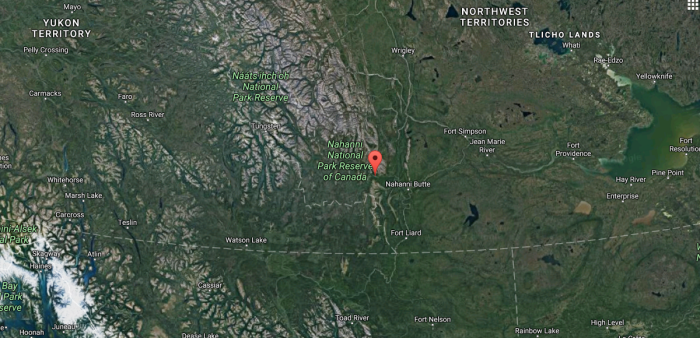
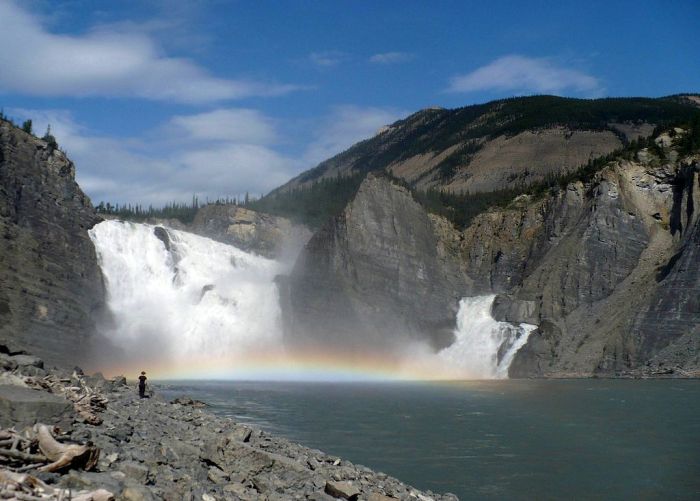
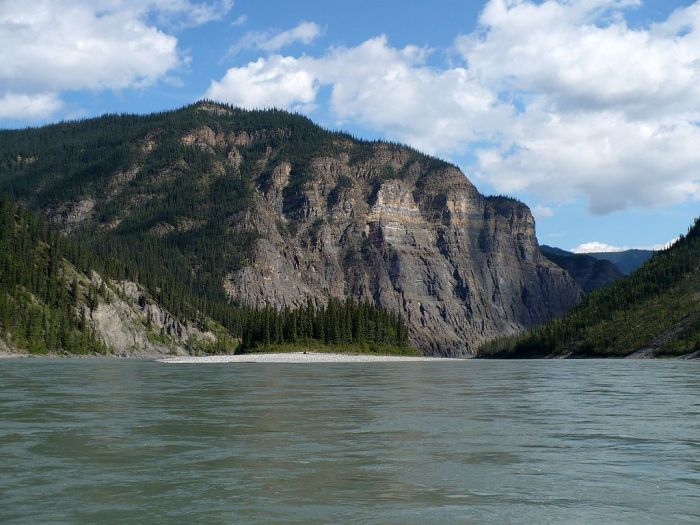
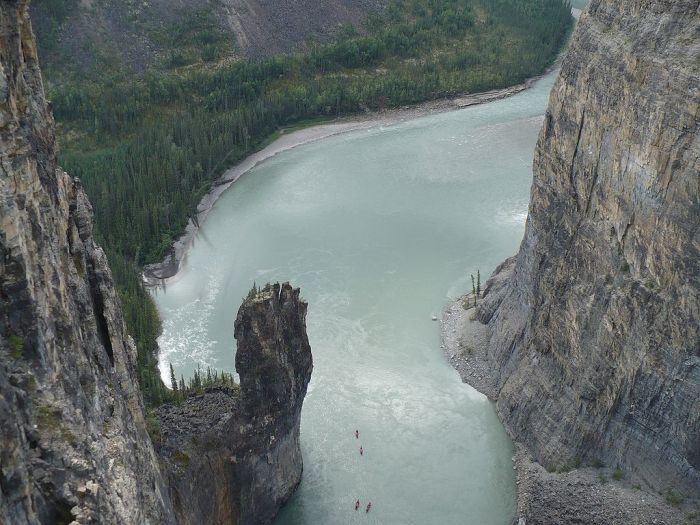
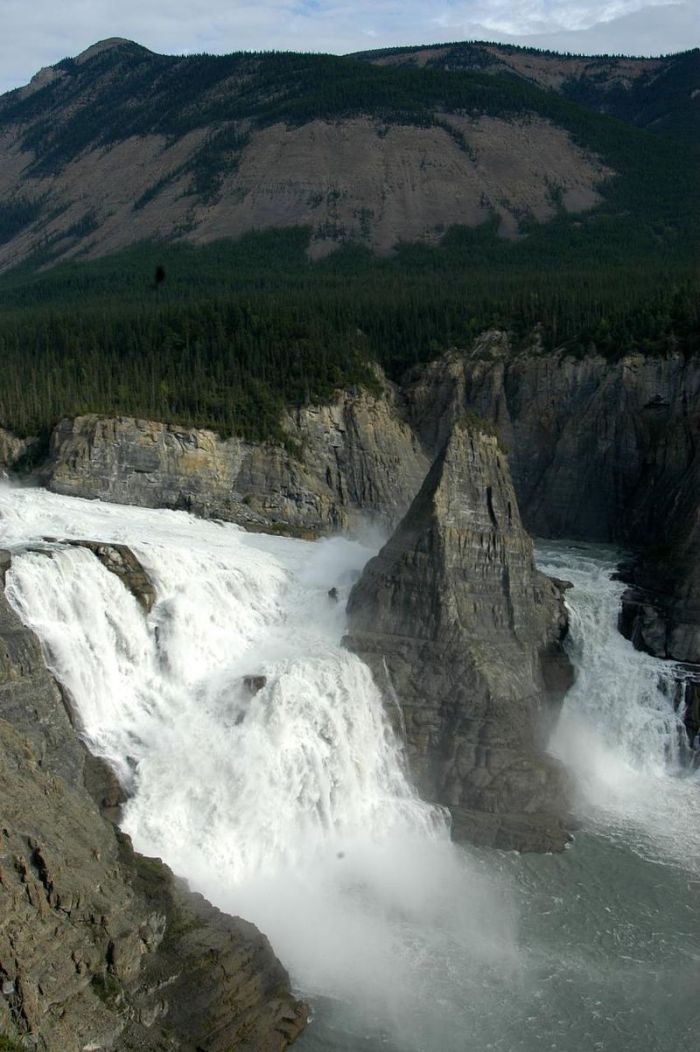
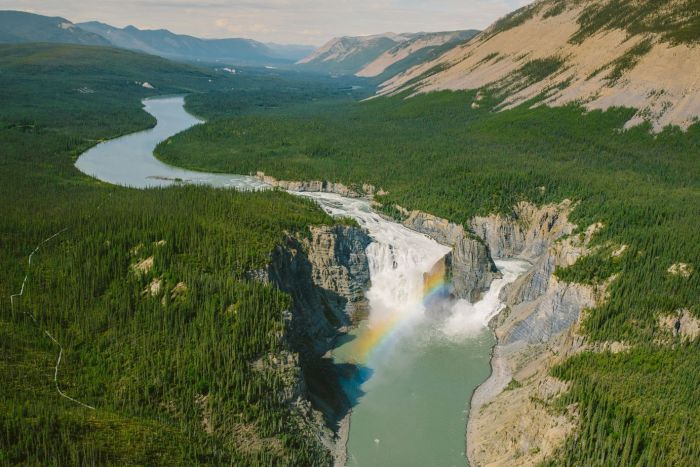
Nahanni National Park Reserve in the Dehcho Region of the Northwest Territories, Canada, approximately 500 km (311 mi) west of Yellowknife,[3] protects a portion of the Mackenzie Mountains Natural Region. The centrepiece of the park is the South Nahanni River (Naha Dehé). Four noteworthy canyons reaching 1,000 m (3,300 ft) in depth, called First, Second, Third and Fourth Canyon, line this spectacular whitewater river. The name Nahanni comes from the indigenous Dene language name for the area; Nahʔa Dehé, which means “river of the land of the Nahʔa people”, who some now speculate may have been the ancestors of the modern day Navajo people.

dead1024px-Nahanni_-_VirginiaFalls

Virginia Falls

The stories of the Naha, and dangerous landscape that they inhabited, grew in stature with the Klondike Gold Rush as some explorers attempted to use the Nahanni as a path to the famous gold fields of the Yukon, or to try and make their fortune on the Flat and South Nahanni Rivers. Although no significant gold was found, legends of haunted valleys and lost gold emerged after the headless corpses of Métis prospectors Willie and Frank McLeod were found around 1908. The Lost McLeod Mine, a legendary lost mine somewhere in the park, is supposed to have been where the two brothers found their gold. In the years that followed, mysterious deaths of other prospectors added to the legends. The names of park features such as Deadmen Valley, Headless Creek, Headless Range and the Funeral Range, bear testimony to these stories and legends. In later years Albert Faille was a prospector in the area and met writer Raymond M. Patterson. The latter’s works brought minor fame to Faille.

dead1024px-Nahanni_River_-_Third_Canyon

Third Canyon

dead1024px-Nahanni_River_-_The_Gate

The Gate, Second Canyon

dead800px-Virginia_Falls,_Northwest_Territories

Virginia Falls and Mason’s Rock

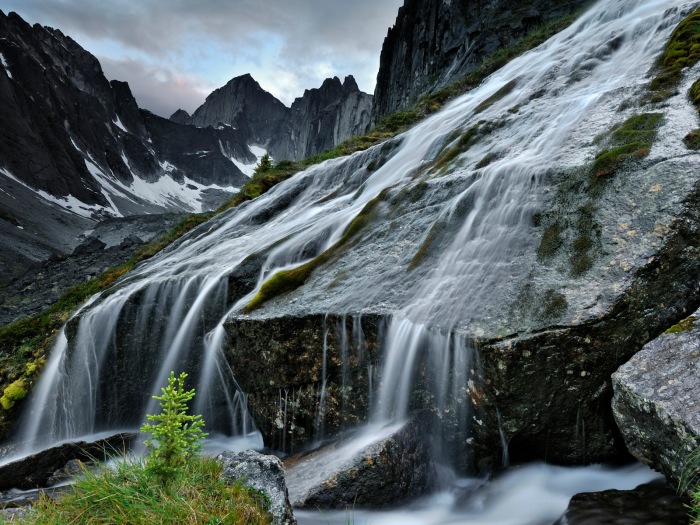
deadmain-image_0

Flowing water from creek creating mini waterfall, Cirque of Unclimbables, Nahanni National Park, Northwest Territories


Photos

France

greenx

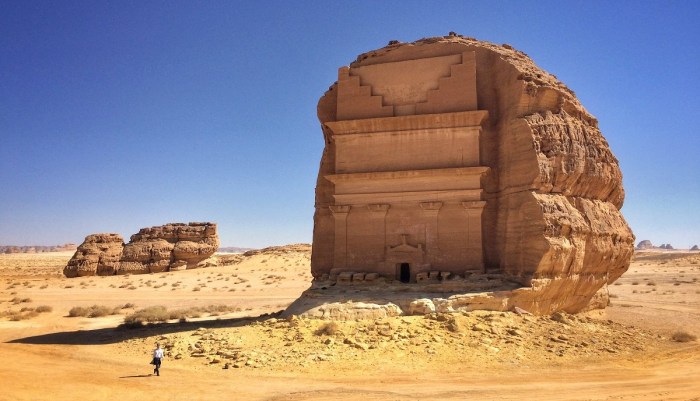
Giant crypt in Saudi Arabia

greenx1

Mt. Etna

greenx2

North Dakota Sunset

greenx3

Harvard University

greenx4 harvard.png

Cats and their love for small spaces

greenx5

Garbage dumpsters

greenx6 dumpsters

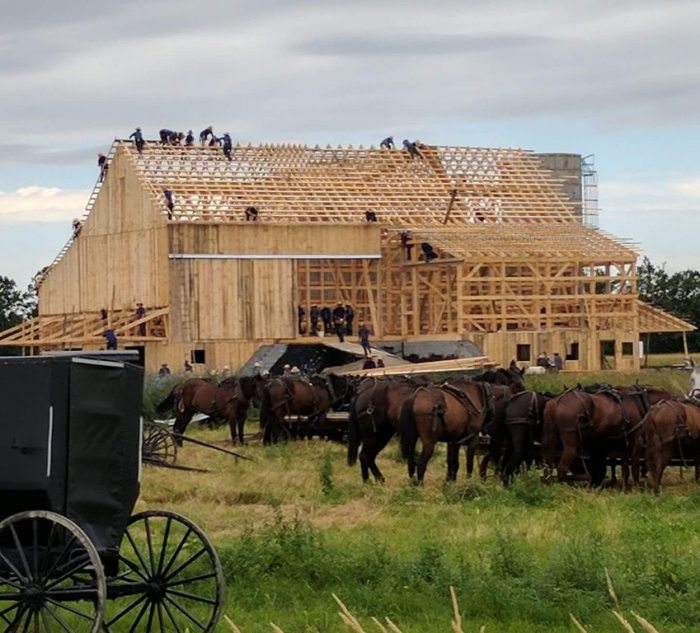
Amish raising a barn in New York state

greenx7 amish

 Nuremberg rally headed by the evil and attended by the brain washed

greenx8

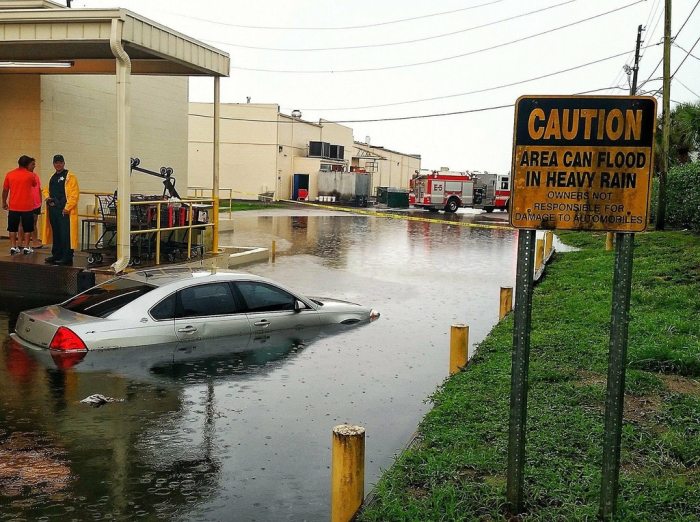
Florida flood

greenx9 south central florida

Moving cattle in the Netherlands

greenx10 netherlands.png

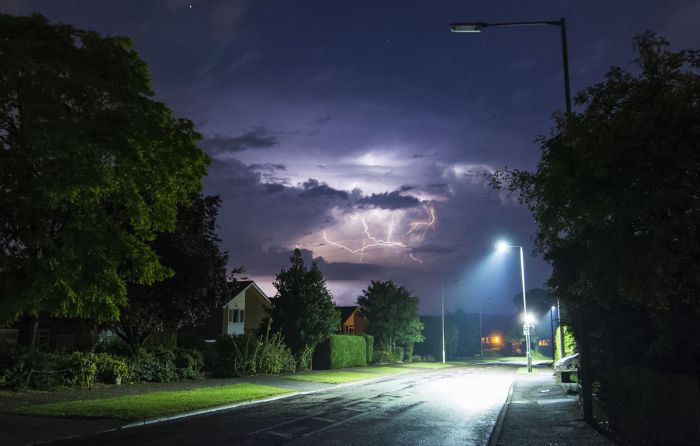
Lightning storm over England

greenx11 england

US soldiers with Dutch children dressed in traditional garb 1944

dutch