


Frank Shepard Fairey (born February 15, 1970) is an American contemporary street artist, graphic designer, activist, illustrator and founder of OBEY Clothing who emerged from the skateboarding scene. He first became known for his “Andre the Giant Has a Posse” (…OBEY…) sticker campaign while attending the Rhode Island School of Design (RISD), which appropriated images from the comedic supermarket tabloid Weekly World News.
He became widely known during the 2008 U.S. presidential election for his Barack Obama “Hope” poster. The Institute of Contemporary Art, Boston has described him as one of the best known and most influential street artists. His work is included in the collections at The Smithsonian, the Los Angeles County Museum of Art, the Museum of Modern Art in New York City, the Museum of Contemporary Art San Diego, the National Portrait Gallery in Washington, D.C., the Virginia Museum of Fine Arts in Richmond, and the Victoria and Albert Museum in London.

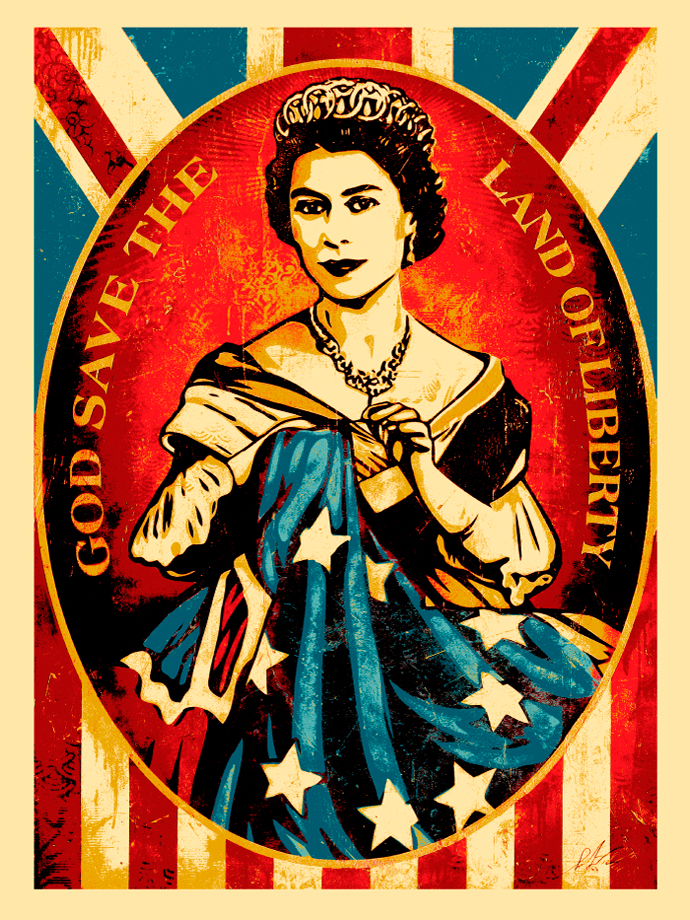
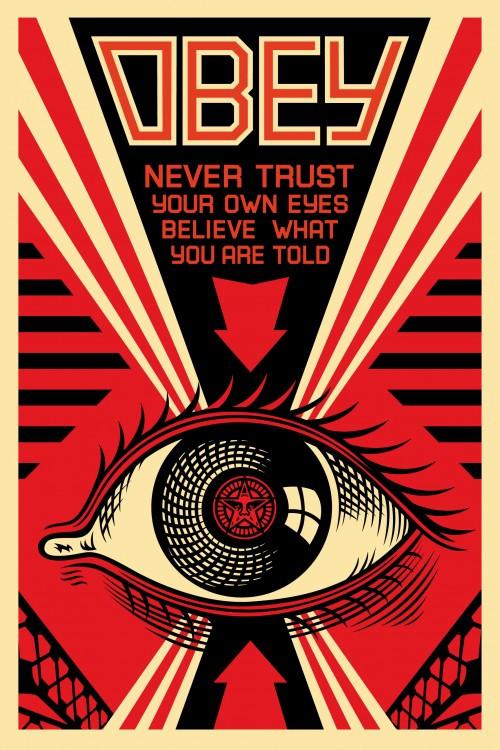
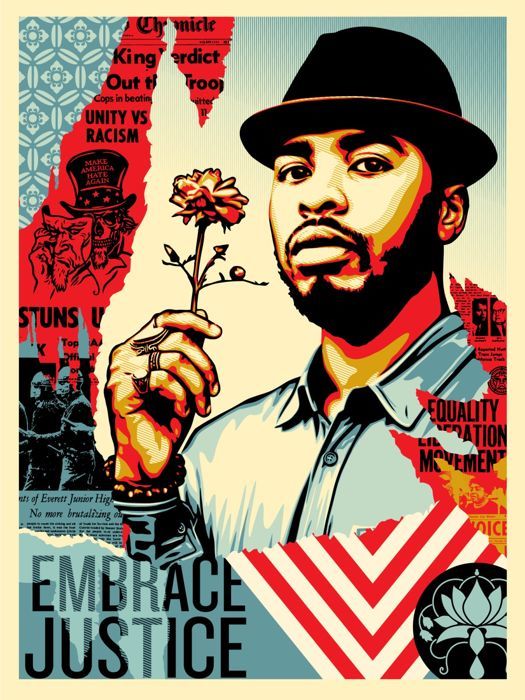
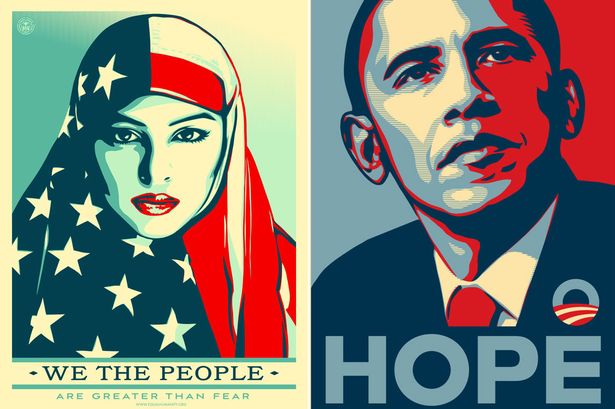
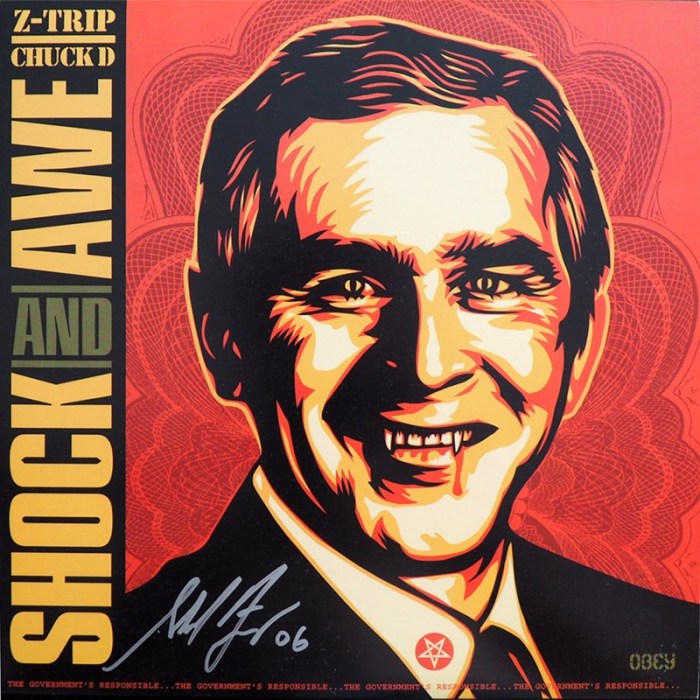


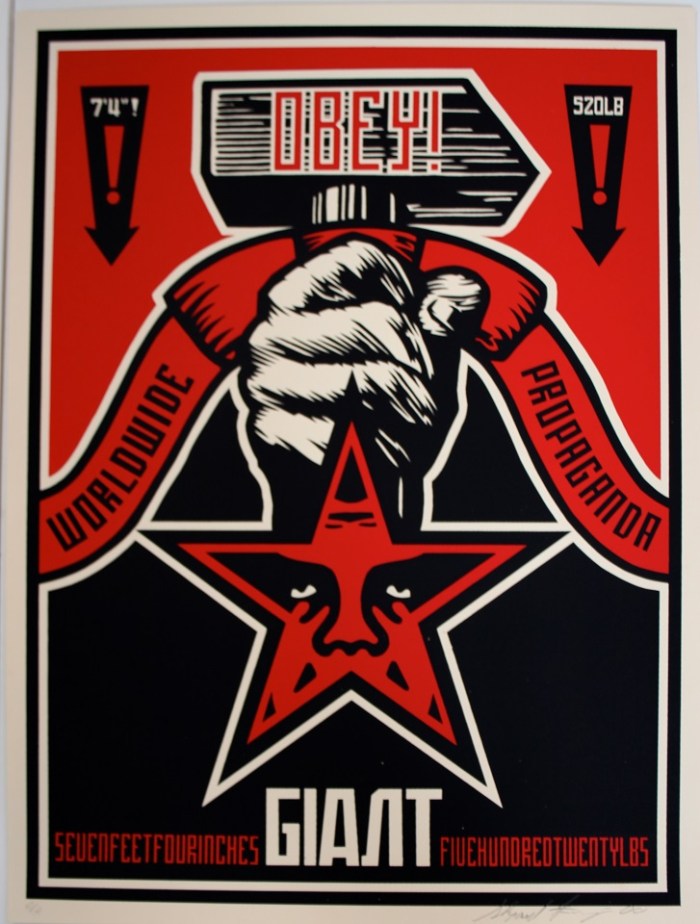


 Photo: Benyamin Cohen
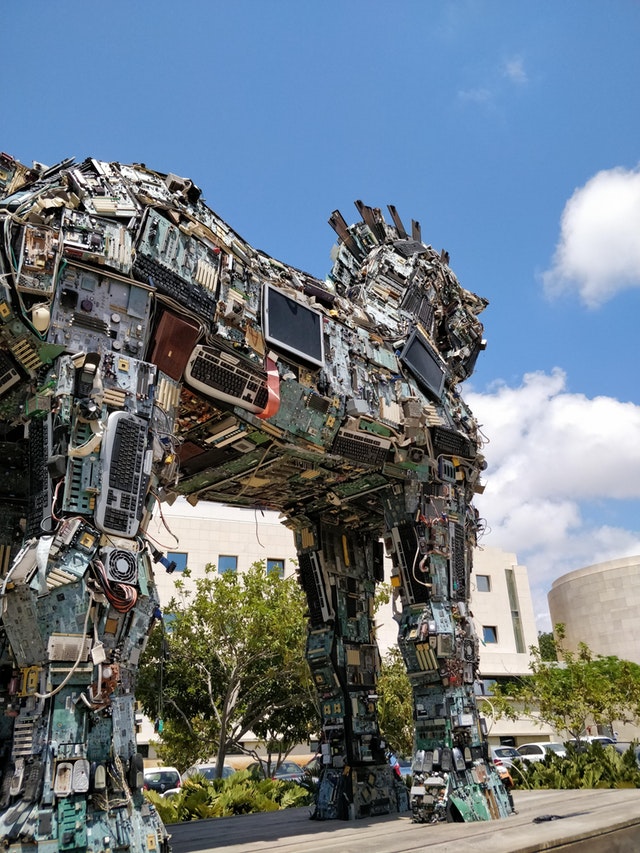
Take a look at the above photo. It’s a sculpture of a Trojan horse. Now look a little closer. What do you see?
 Old computer keyboards and screens make up part of this art project. (Photo: Benyamin Cohen)
The statue is made out of thousands of computer and cell phone components that were once working just fine, but later became infected with various viruses and malware. Nicknamed the “Cyber Horse,” the sculpture was on display this week on the sprawling campus of Tel Aviv University in Israel.
 Old cell phones that were infected with malware make up part of the horse’s hoof. (Photo: Benyamin Cohen)
The horse was the brainchild of Gideon Amichay, an Israeli designer and communication artist, who began his career by drawing sardonic cartoons for the New Yorker magazine.
The horse display welcomed greeters at this week’s Cyber Week conference in the coastal city of Tel Aviv. The confab, which ends on Friday, attracted computer experts from around the world.
 The horse stood tall as thousands of convention attendees strolled by. (Photo: Benyamin Cohen)

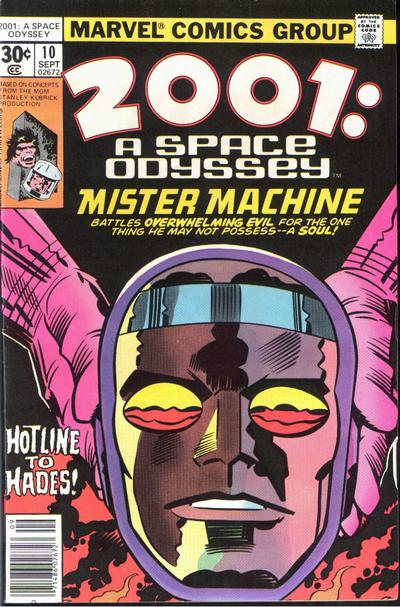
2001: A Space Odyssey is the name of an oversized American comic book adaptation of the 1968 film of the same name as well as a ten–issue monthly series which expanded upon the concepts presented in the Stanley Kubrick film and the novel by Arthur C. Clarke. Jack Kirby wrote and penciled both the adaptation and the series, which were published by Marvel Comics beginning in 1976. The adaptation was part of the agreement of Kirby’s return to Marvel.
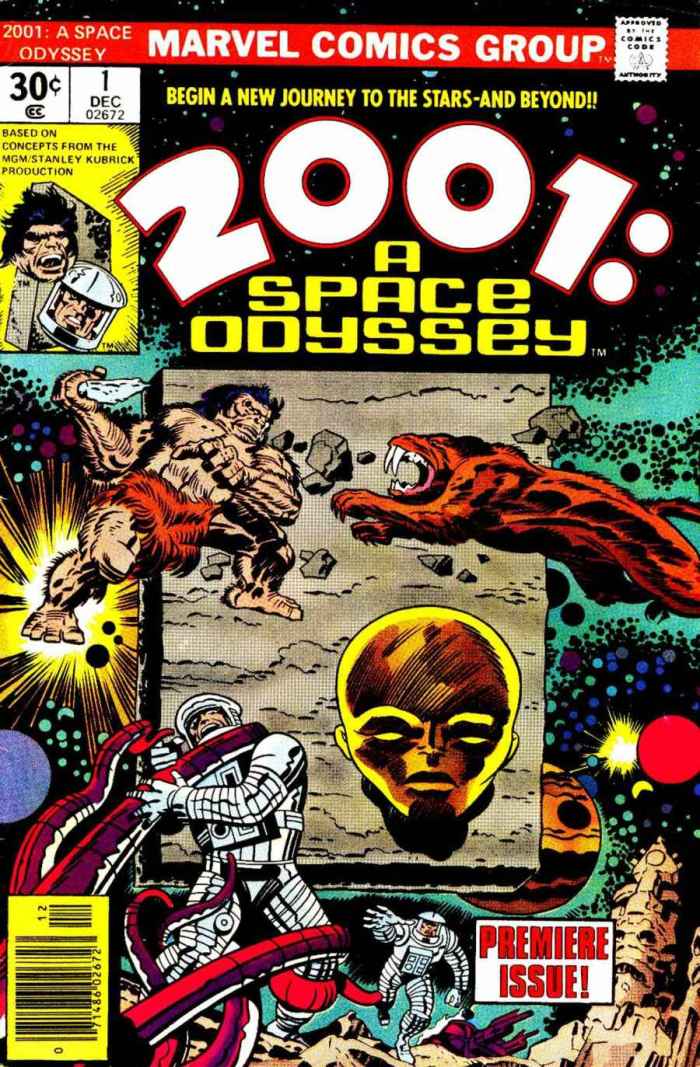
Shortly after the publication of the treasury edition, Kirby continued to explore the concepts of 2001 in a monthly comic book series of the same name, the first issue of which was cover dated December 1976. In this issue, Kirby followed the pattern established in the film. Once again the reader encounters a prehistoric man (“Beast-Killer”) who gains new insight upon encountering a monolith as did Moon-Watcher in the film. The scene then shifts, where a descendant of Beast-Killer is part of a space mission to explore yet another monolith. When he finds it, this monolith begins to transform the astronaut into a star child, called in the comic a “New Seed”.
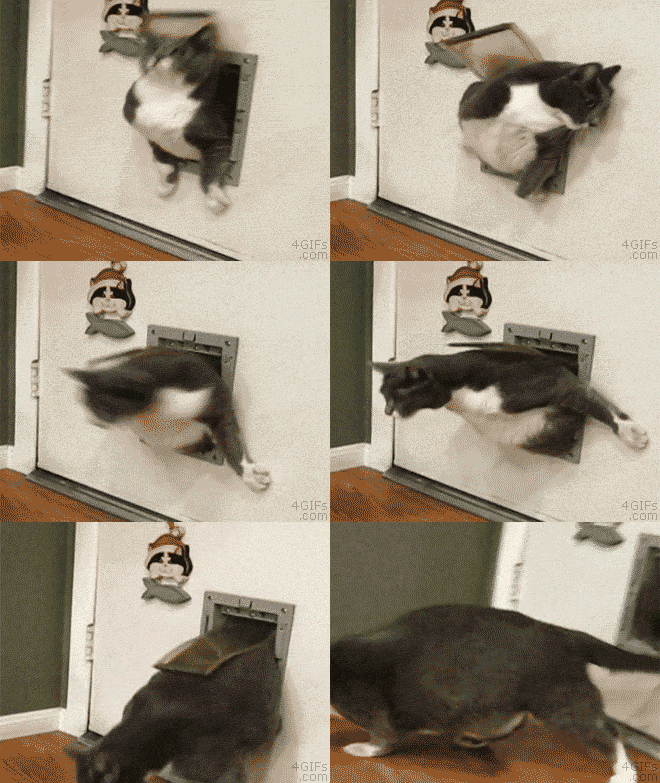
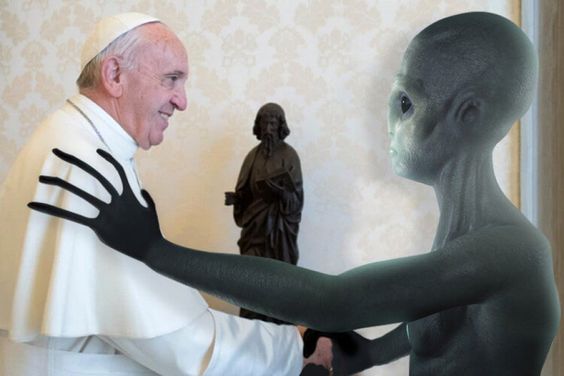
Fluffy returning from an Obese Cats Anonymous meeting.
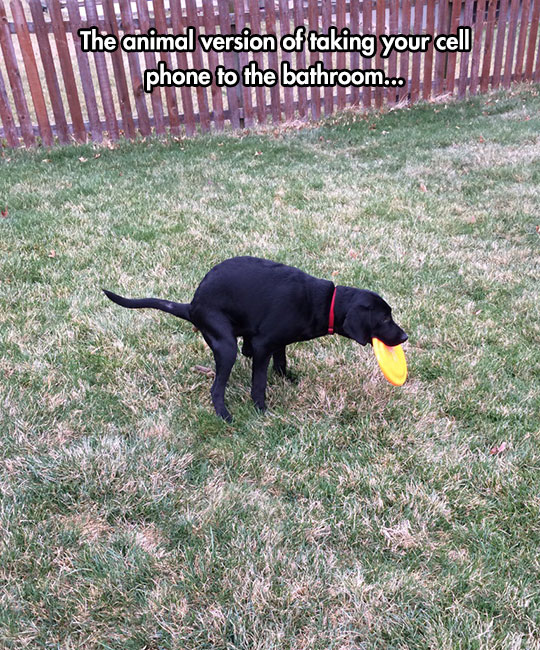
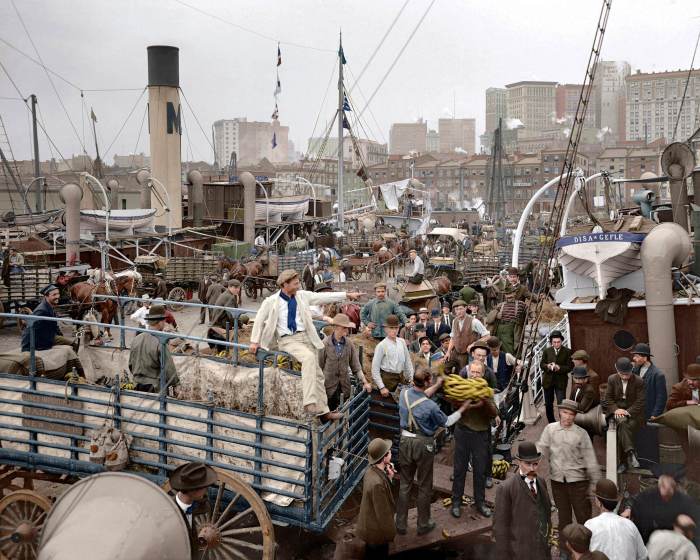
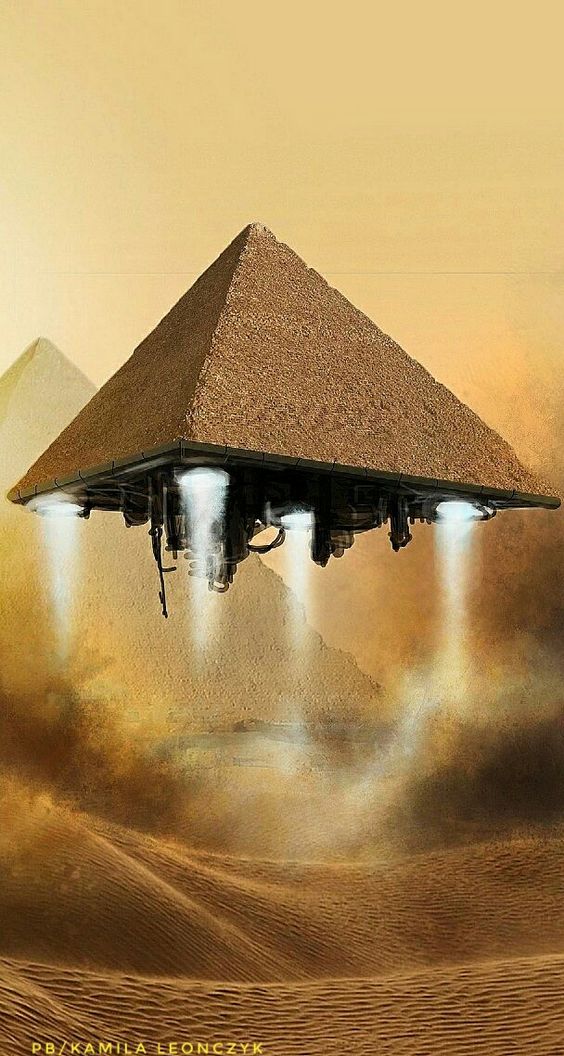
Unloading a banana boat in New York City circa 1910.
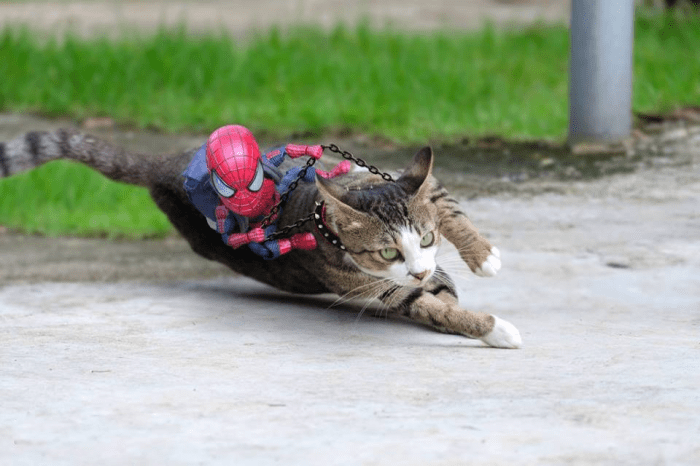
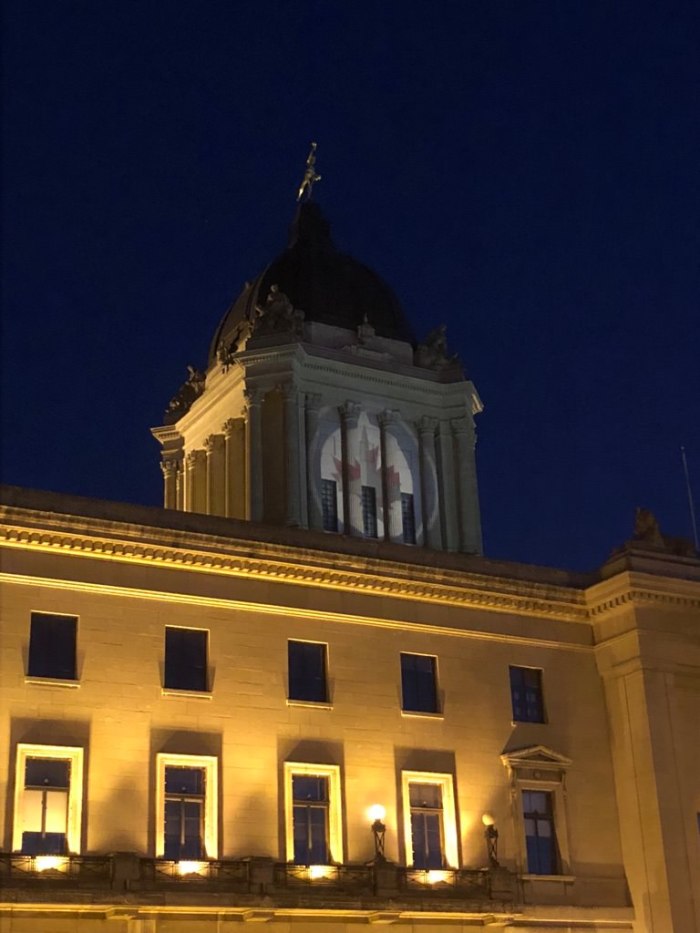
Winnipeg praying for their NHL Jets team.
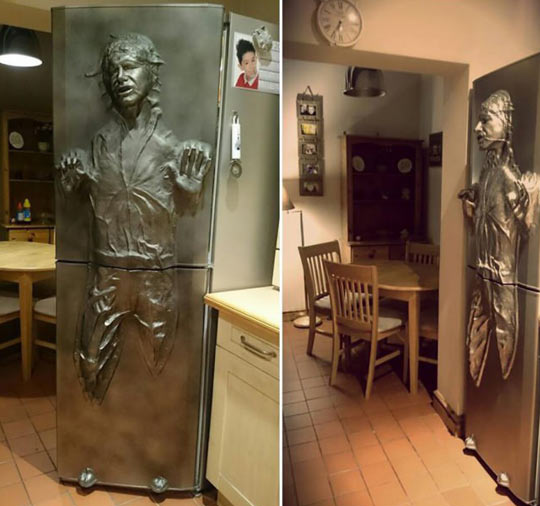
Star Wars mega-fan’s fridge.

Apu Nahasapeemapetilon (Bengali: আপু নাহাসাপিমাপেটিলন) is a fictional character in the animated TV series The Simpsons. He is the Indian immigrant proprietor of the Kwik-E-Mart, a popular convenience store in Springfield, and is best known for his catchphrase, “Thank you, come again.” He is voiced by Hank Azaria and first appeared in the episode “The Telltale Head”.
Since 2007, the character’s alleged stereotyping of Indians, and voicing by a non-Indian, have been the source of controversy.

Oh my god! If a dead fish and a homeless person had a baby and the baby puked, and a dog ate the puke, this smells like the rear end of that dog!
Thank you, masked vigilante. Your over-zealous homicide has saved me 80 cents. Now if you’re not going to buy anything, please move along.
Homer: Your old meat made me sick.
Apu: I am so sorry, sir. Please accept five pounds of frozen shrimp.
Homer: These shrimp aren’t frozen, and they smell funny.
Apu: Okay, ten pounds.
Homer: Woohoo!
Thank you for coming. I’ll see you in Hell!
Apu: It may not be glamorous, but it’s good honest work.
Customer: How much is this quart of milk?
Apu: Twelve dollars.
Apu: I would like to see this money spent on more police officers. I have been shot eight times this year. As a result, I almost missed work.
Chief Wiggum: Cry-baby.
Apu: Poor Mister Homer. Could it be that my snack treats are responsible for his wretched health?
Customer: Give me some jerky.
Apu: Would you like some vodka with that?
Customer: Oh, what the hell, sure.
“This is not a lending library. Now, put the magazine down or I’ll blow your heads off!”










 The MarkoZen Blog