John Wayne got all those cowboys wrong. So did Clint Eastwood, come to that. Most cowboys didn’t wear Stetsons or ten-gallon hats on two-pint heads but generally anything that came to hand. What came to hand for most cowboys in the late 1800s was the bowler hat. It was durable, strong, and didn’t fly off a cowboy’s head when galloping on horseback across the prairie.
That was partly the reason why the bowler was invented. London hatmakers Thomas and William Bowler were asked by a client, Edward Coke, in 1849 to come up with a hat that wouldn’t be easily knocked off or damaged by low-hanging tree branches when worn by riders or gamekeepers. Most people wore top hats when riding which weren’t very practical. The brothers came up with a design of a hard felt hat with a rounded crown and an upturned brim to give shade and keep off the rain. As the story goes, when Coke was presented with his new hat he threw it on the floor and stamped on it several times. As the bowler withstood his fearsome attack, Coke picked it up, dusted it off, and paid twelve shillings for it.
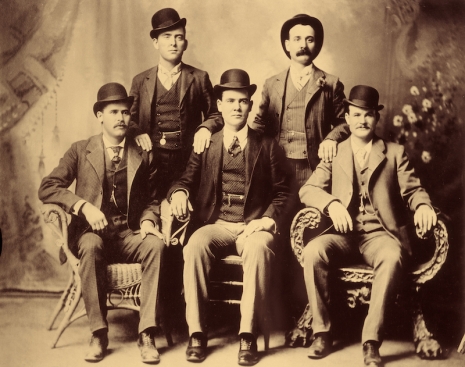
The ‘Wild Bunch’ Butch Cassidy and The Sundance Kid
From that first sale, the bowler became the hat of choice among the working class. It was quickly exported across the world. It was soon being worn by cowboys, sheriffs, laborers, ditch diggers, snake oil salesmen, and politicians. In America, the bowler or the derby as it was called, became”the hat that won the west,” despite all what John Wayne and those American western movies tell ya.
Few hats have been as popular, or as successful, and even on occasion, as subversive, as the bowler. This old hat is the symbol of everyman. It has far-reaching associations with lowly workers and city traders; with the rogues of the Wild West like Butch Cassidy and the Sundance Kid; the decadence of the Weimar Republic (see Cabaret); the Surrealist movement (the work and dress code of the artist René Magritte); iconic movie stars like Charlie Chaplin and Laurel and Hardy; deadly Bond villains like Oddjob and Nick Nack; the Ministry for Silly Walks and stand-up comics like Jerry Sadowitz; and literature like Waiting for Godot and A Clockwork Orange.
It also has links to more controversial groups like the Orange Order, the group of Protestants who march in their suits and bowler hats every twelfth of July to ironically celebrate a battle the Pope of Rome wanted their hero, William of Orange, to win. In South America, the bowler is now part of the dress of Quechua women after it was first introduced by British workers in the 1800s.
This rich mix of bowler hat wearers led me to collect together a brief gallery of suitably iconic and hopefully interesting pictures. Do feel free to add to with your own bowler hat suggestions below.
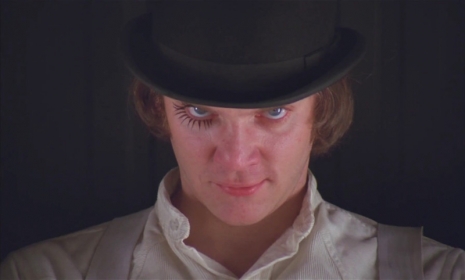
Malcolm McDowell as Alex in ‘A Clockwork Orange’

Two of the most famous Bowlers Laurel and Hardy
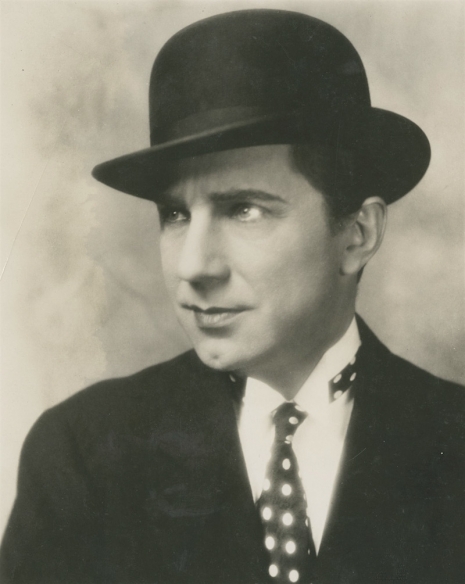
Bela Lugosi

The Ministry of Silly Walks: John Cleese.
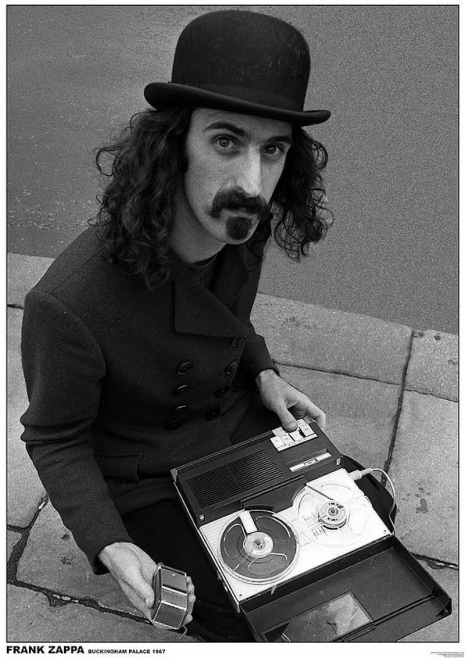

Frank Gorshin as the Riddler in TV’s ‘Batman’
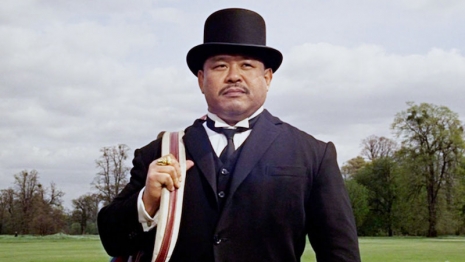
Bond villain Oddjob from ‘Goldfinger’

Scaramanga’s butler Nick Nack from ‘The Man with the Golden Gun’

The Beatles

Diana Rigg from ‘The Avengers’
Dangerousminds.net

Travel & Documentary Photographer Lee Starnes is the Edge of Humanity Magazine contributor of this social documentary photography. These images are from his project ‘Izakayas Of Japan‘.

Omoide Yokocho, Shinjuku, Tokyo


“I always liked side-paths, little dark back-alleys behind the main road,” Dostoyevsky writes in his 1879 novel, The Brothers Karamazov. “There one finds adventures and surprises, and precious metal in the dirt.”
Though it’s a pretty far cry from 19th-century Russia, the narrow back alleys of Japan are evidence that Dostoyevsky’s musings hold a universal truth. Clear on the other side of the world, the Land of the Rising Sun boasts an entire network of small, local businesses built around this idea of serendipitous experiences and tiny, unexpected places.
Down the side streets and back alleys of Japan, the culture of izakayas – small, intimate watering holes, often helmed by a single barkeep – is alive and well.


The Pontoncho area of Kyoto. Famous for Geishas and littered with traditional tea houses, small bars and izakayas


Tokyo’s Nonbei Yokocho or “Drunkard’s Alley”
The Manitoba Moose are a professional hockey team based in Winnipeg, Manitoba. They are the minor team affiliate of the Winnipeg Jets. The Moose play in the American Hockey League.
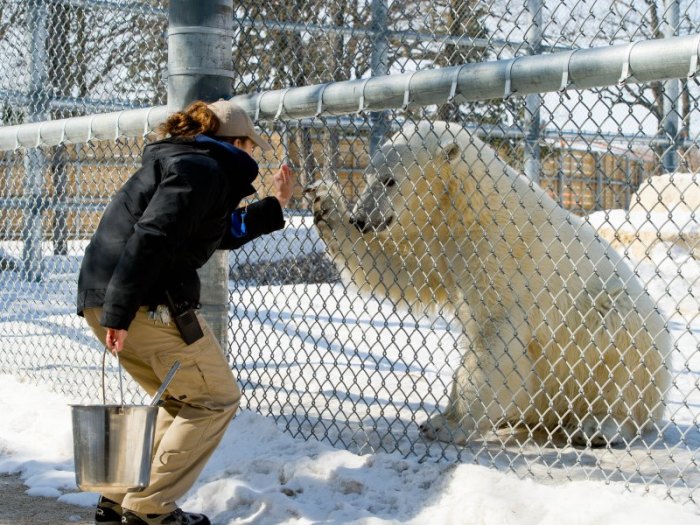
The Moose are very involved in the community. One cause the team supports is the International Polar Bear Conservation Center at the Assiniboine Park Zoo in Winnipeg. The Moose wear their polar bear jerseys a couple times a year and then the jerseys are auctioned off. The proceeds go to the Conservation Center.
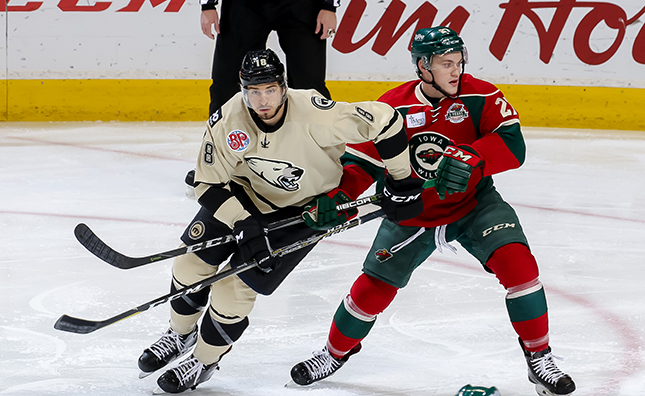
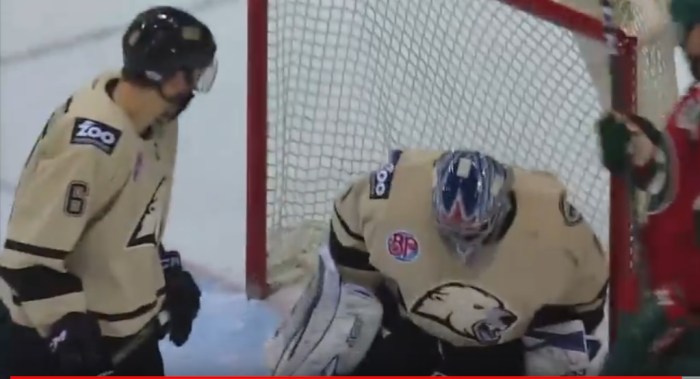
Polar Bear at the center.
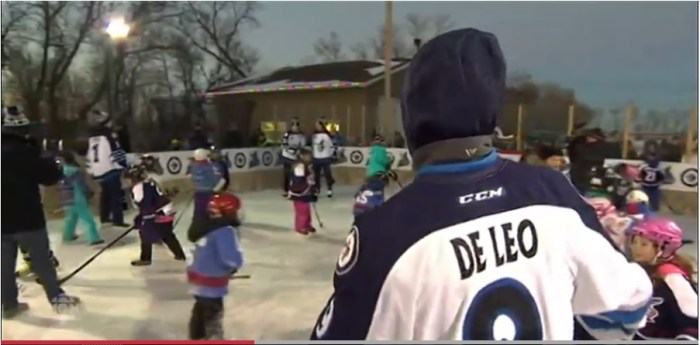
The Moose participate in other community functions. Below they skated at the outdoor hockey rink that won the best backyard hockey rink in Manitoba. The rink is located in West St. Paul just north of Winnipeg.
Many very small kids that skate like they know their business.


New United States embassy opens in London.

The new site, a 12-story glass cube, designed by Philadelphia architecture firm KieranTimberlake and replete with moat and gardens, will open its doors to the public on January 16. It will house around 800 staff and is expected to receive 1,000 visitors daily.
The billion-dollar building was paid for by selling other US government properties in London. Some members of the US Congress criticizing the hefty price tag.
At a hearing in 2015, Rep. Jason Chaffetz, a Utah Republican and chairman of the House oversight committee, slammed the administration’s construction process as mismanaged, resulting in a building with an “opulent-looking” glass facade that favored aesthetics over security.
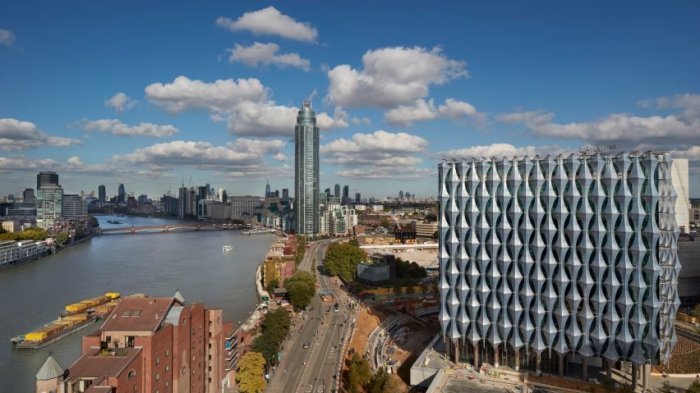
With a price tag of $1 billion, the new US embassy in London is one of the most expensive buildings of its kind in the world. After US President Donald Trump said he was canceling his visit to London in part because of his proclaimed outrage over the cost, it is now one of the most notorious.
In a late-night tweet, Trump blamed the Obama administration for a “bad deal” to sell the previous location in the high-end Mayfair district in central London and move to a former industrial site south of the River Thames.
In fact, the decision to move out of the Grosvenor Square building was taken under the Bush administration in 2008, principally because the building was proving harder to secure in an age of terrorist threats — and also, in small part at least, because the US government did not wholly own it.
CNN
When Trump got elected I had a feeling these two would eventually get down and dirty with each other.
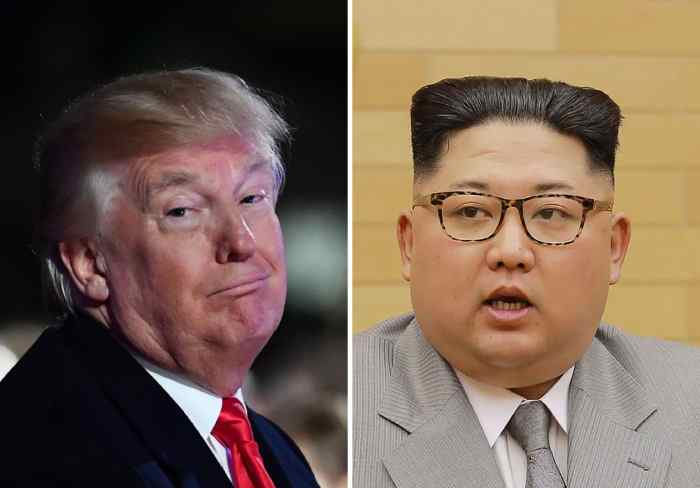
North Korea’s official news agency responded Tuesday to President Trump’s controversial “nuclear button tweet,” describing it as the “spasm of a lunatic,” according to the Associated Press.
“Trump’s bluff is regarded by the DPRK as just a spasm of a lunatic frightened by the might of Juche Korea and a bark of a rabid dog,” said the report, which summarized a commentary in the ruling party newspaper Rodong Sinmun. DPRK is the abbreviation of the Democratic People’s Republic of Korea, the North’s official name. Juche is the North Korean state ideology, often translated as self-reliance.
“The spasm of Trump in the new year reflects the desperate mental state of a loser who failed to check the vigorous advance of the army and people of the [Democratic People’s Republic of Korea]. . . . He is making [a] bluff only to be diagnosed as a psychopath,” it added.
North Korean media were referring to the U.S. president’s response to Kim Jong Un’s New Year’s Day taunt two weeks ago that his nuclear button was always on his desk. Trump tweeted Jan. 3 that his “nuclear button” was “much bigger & more powerful” than the North Korean leader’s. He went on to threaten that the U.S. arsenal “works.”
Pyongyang still agreed later on to high-level talks with Seoul, which has raised hopes of an improvement of relations with South Korea.
But North Korea’s latest mocking of Trump — even though it may not be unusual — certainly won’t help to calm tensions, especially given that Trump has responded to previous North Korean provocations by referring to Kim as “rocket man,” “short and fat” and “madman.”
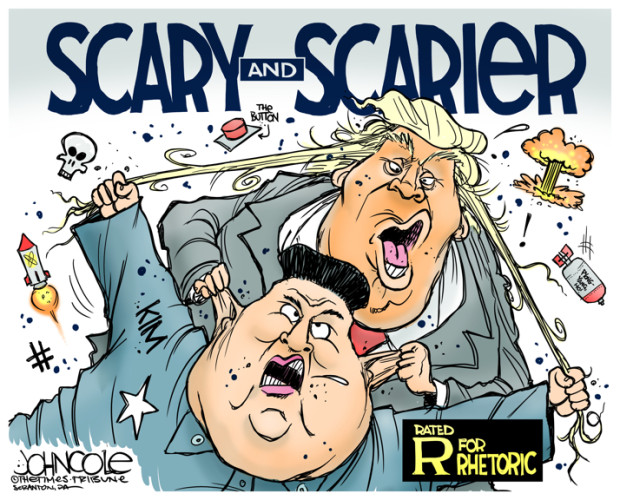
Here is how the Trump-Kim rhetoric escalated in 2017. Here are some excerpts:
April 28: Approaching his 100th day in office, Trump tells Reuters a “major, major” conflict with North Korea is possible but that he still seeks diplomacy.
May 14: Kim celebrates the test of a ballistic missile. He’s quoted by state media saying, “If the U.S. awkwardly attempts to provoke the DPRK, it will not escape from the biggest disaster in the history.”
May 23: The Post reports that Trump called Kim a “madman with nuclear weapons” during a phone conversation weeks before with Philippine President Rodrigo Duterte. Trump said: Kim’s “rockets are crashing. That’s the good news,” according to a transcript obtained by The Post.
Aug. 8: Trump warns North Korea that it will be met with “fire and fury” if it continues to threaten the United States. It is his harshest language yet against the regime.
Aug. 9: North Korea responds by saying it is reviewing plans to target the U.S. territory of Guam. “The nuclear war hysteria of the U.S. authorities including Trump has reached an extremely reckless and rash phase for an actual war,” said the KCNA, North Korea’s official state media.
Sept. 17: Trump taunts Kim on Twitter: “I spoke with President Moon of South Korea last night. Asked him how Rocket Man is doing. Long gas lines forming in North Korea. Too bad!”
Sept. 22: Kim calls Trump a “mentally deranged dotard,” prompting the public to search for the definition of the archaic insult.
Sept. 23: Trump tweets: “Just heard Foreign Minister of North Korea speak at U.N. If he echoes thoughts of Little Rocket Man, they won’t be around much longer!”
Sept. 19: Speaking at the U.N. General Assembly, Trump threatens to “totally destroy North Korea” and says “Rocket Man is on a suicide mission for himself.”
Oct. 1: Trump sends two tweets. One at 9:30 a.m. EST, saying Secretary of State Rex Tillerson is “wasting his time trying to negotiate with Little Rocket Man,” and another at 2 p.m. saying he “won’t fail” to rein in Kim.
Nov. 11: After reports surface that North Korean state media referred to Trump as a “lunatic old man,” Trump tweets: “Why would Kim Jong-un insult me by calling me ‘old,’ when I would NEVER call him ‘short and fat?’ Oh well, I try so hard to be his friend – and maybe someday that will happen!”
Trump’s Jan. 3 tweet about his “nuclear button” drew perhaps the strongest condemnations, as observers from the United States and abroad condemned the remarks as ill-advised and “infantile.”
“Trump plays with the subject so carelessly and recklessly as if it were some kind of video game,” commented Aaron David Miller, a fellow at the Woodrow Wilson International Center for Scholars who has advised several secretaries of state.
In their Tuesday responses to the tweet, North Korean media also appeared to address speculation over President Trump’s mental fitness, which was raised in the controversial “Fire and Fury” book. Trump has rejected the claims made in the book and has boasted about being “like, really smart” and a “very stable genius” in response.
Washington Post
This stuff is actually very funny, unfortunately using one of Trump’s favourite terms, it is also very very SAD!
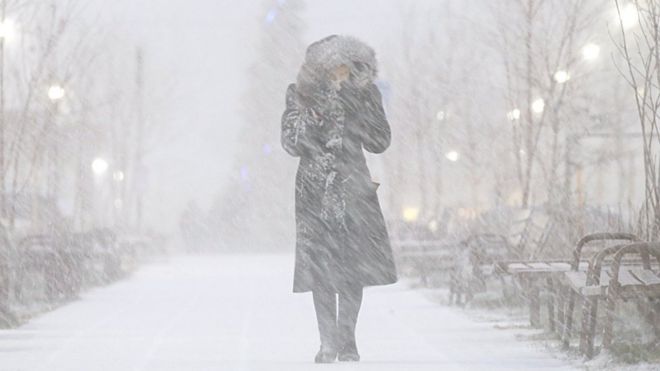 Image copyrightEPA
December set the record for the least amount of sunshine seen in Moscow, Russian weather experts say.
“The sun didn’t come out even once for the entire month,” said the weather website Meteonovosti.
According to Russia’s main weather centre, the sun did shine for six minutes. But normally Muscovites get dozens of hours of December sunshine.
Russian winters are famously freezing, but this week the cold in Yakutia, in the far east, dipped below -60C (-76F).
It is about -7C in Moscow.
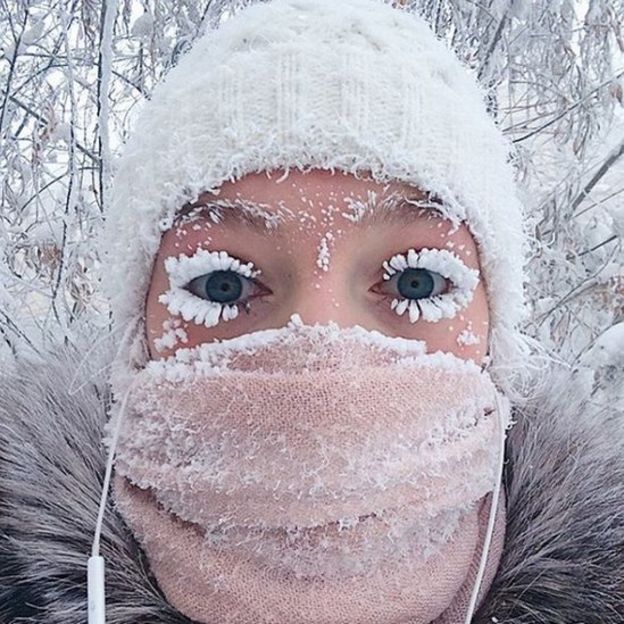
Yakutia – a remote region also known as the Sakha Republic – is historically the coldest part of Russia.
“Even for the Sakha Republic, famous for its harsh cold, this temperature is abnormal,” Meteonovosti said.
On Tuesday, the temperature remained below -50C across the vast region, whose capital Yakutsk lies 4,900km (3,045 miles) east of Moscow.
Russian children are usually kept indoors and schools are shut when the cold plunges below -50C.
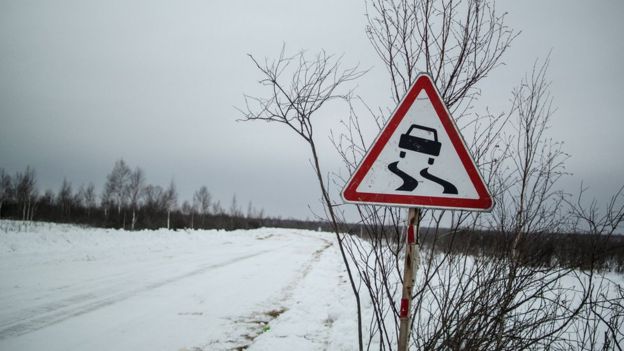 Image copyrightGETTY IMAGES
Roman Vilfand, head of the Russian Meteorological Centre, attributed Moscow’s exceptionally overcast weather in December to big cyclonic air masses, which had moved in from the Atlantic.
Moscow’s previous record for December darkness was in 2000, when the capital got just three hours with the sun breaking through the cloud.
Source: Russian Emergencies Ministry
BBC
Downtown Moscow
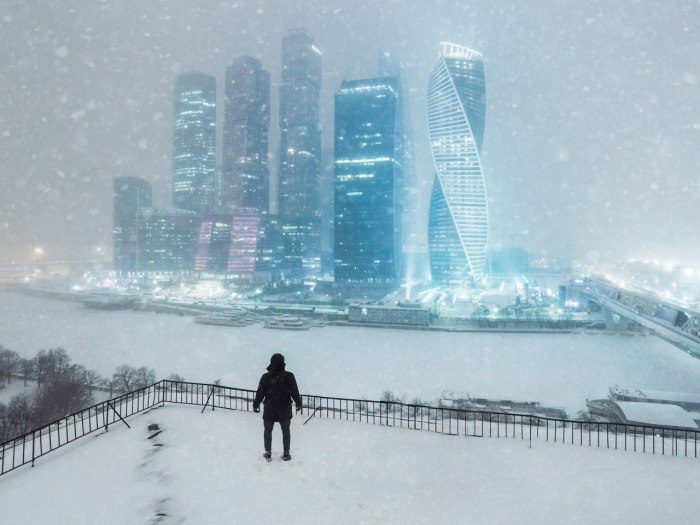
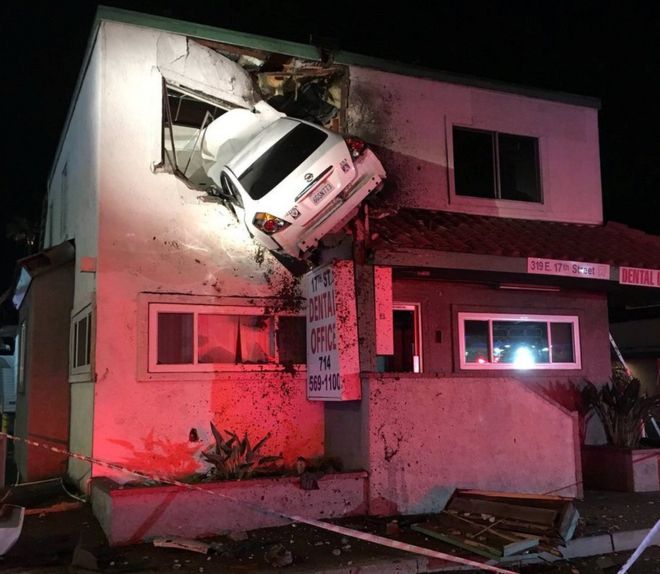 Image copyrightREUTERS
A speeding car in California was hurled into the upper floor of an office building after it hit a road divider, reports say.
The crash, which left one half of the vehicle hanging out of the building, occurred early on Sunday morning.
Both people in the car survived the crash but suffered minor injuries, according to police.
Police told US media outlets that the driver had allegedly used drugs and was in hospital for observation.
One of the two people was able to get out of the car but the other was stuck inside for more than an hour until rescuers arrived.
The crash also set off a small fire which was put out by fire officials, who tweeted photos and updates through the day.

OCFA in Santa Ana of a vehicle that crashed into the building. The fire was quickly extinguished, both victims are out of the vehicle safely with minor injuries. Members from OCFA & LA COUNTY Urban Search & Rescue teams are removing the vehicle from the building.






 The MarkoZen Blog