This Winnipeg jingle has been around since the sixties. The singers must be in their nineties.
This Winnipeg jingle has been around since the sixties. The singers must be in their nineties.
With Trump on the loose this may not be a bad idea.

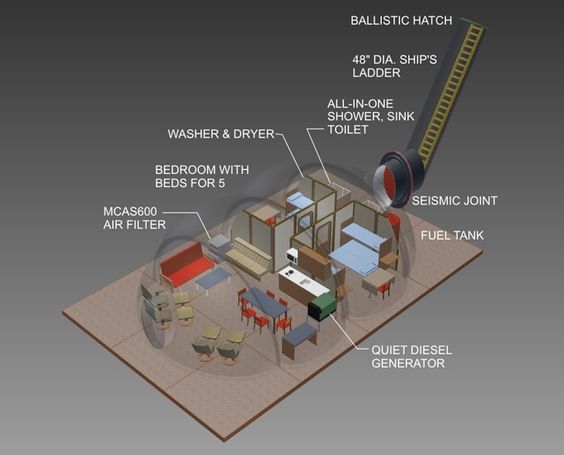

Not sure what the space shuttle is for.




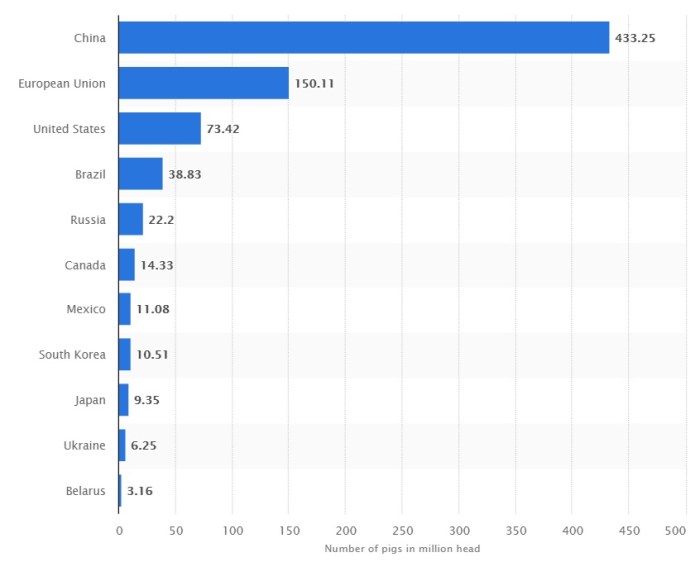
New statistics on the number of slaughtered pigs in Spain have stirred fears in the country’s media that the animals may soon outnumber the human population and end up hogging local resources.
The Ministry of Environment released figures this week saying that Spain had slaughtered some 50m pigs last year – 3.5m more than the country’s 46.5m population.
This has led to local papers voicing their concern that Spain’s pig population had managed to surpass its human population. However, according to Euronews, there are 16 million fewer pigs than people at any given time, with many piglets being slaughtered shortly after they are born.
It is, however, becoming a wider concern throughout the European Union that the rapid growth of pig farming may lead to there being more porkers than people.
Strain on local resources
Currently, the only European Union country with more pigs than people is Denmark, with Eurostat figures from 2016 putting its pig-to-human population at 215 pigs for every 100 people. Denmark’s human population is 5.7m, meaning that there are approximately 12.3m pigs.
However, The Netherlands, Spain and Belgium all have large pig populations that are rapidly catching up with human population figures.
Concerns are perhaps greatest for Spain, given that with some 30 million pigs, it has the largest pig population of any European Union country.
According to the Publico newspaper, Spain has seen a surge of pig farming over the last five years to meet a growing demand to export pork products such as Iberico ham and Jamon Serrano to large pork-eating countries, including China, Japan and Southeast Asia.
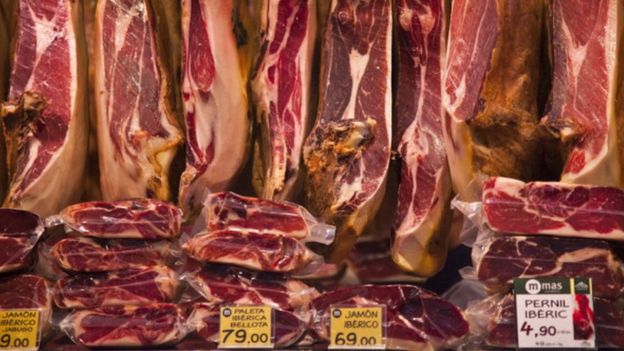
But the domestic expansion of pig farming is putting a strain on the country’s environmental resources.
Many areas of Spain suffer from heavy drought, and each animal requires some 15 litres (3.3 gallons) of water a day. NGO Ecologists in Action also warns that the animals risk contaminating what little groundwater is left with animal waste nitrates.
And as the Ministry of Ecological Transition highlights, the animals are also responsible for a large number of greenhouse gas emissions.
The ministry says that currently in Spain, they are responsible for 10% of all greenhouse gas emissions in the country, and are the fourth largest producer after electricity, industry and transport.

BBC
I took a look outside earlier this evening and was stunned to see heavy smoke had rolled in. More forest fires.
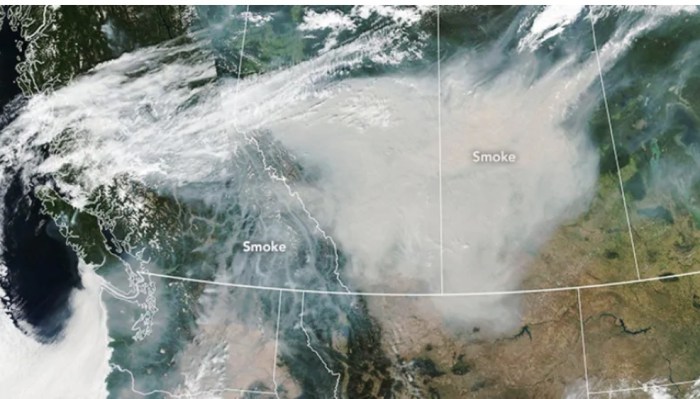
Forest fires between Red Lake and Bissett have spread smoke southwestward behind a cold front today. A southerly wind will push the smoke out the area by Saturday morning.
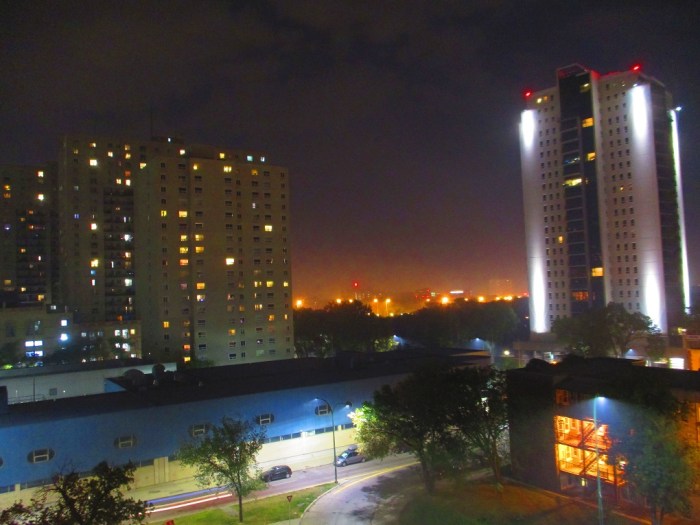
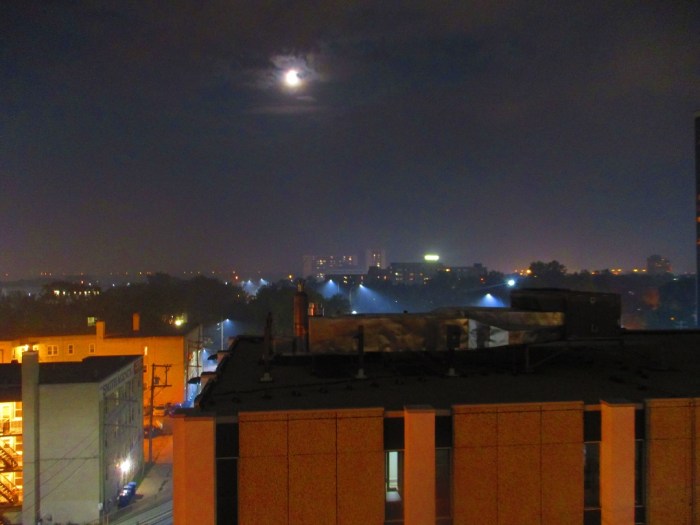
The street light glare highlight the smoke.
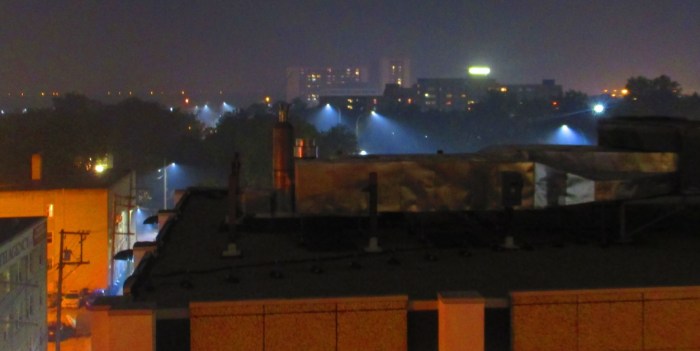
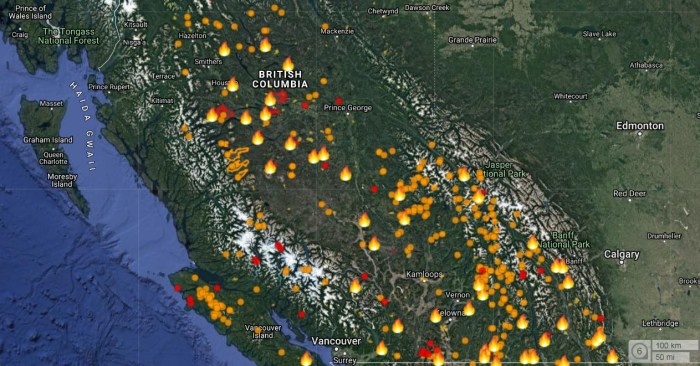
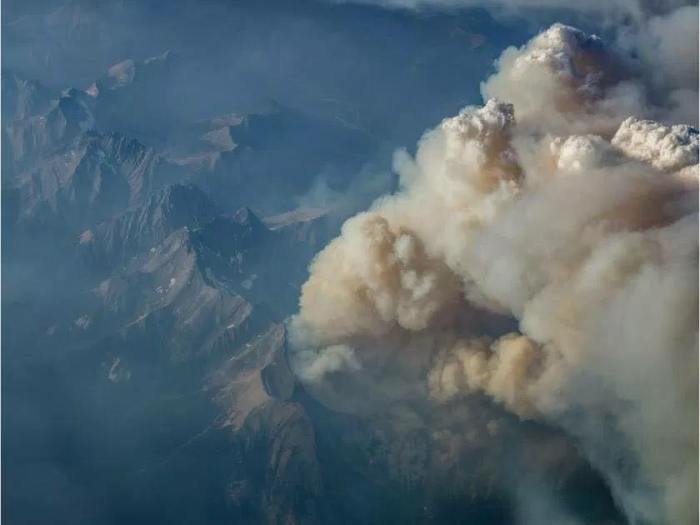
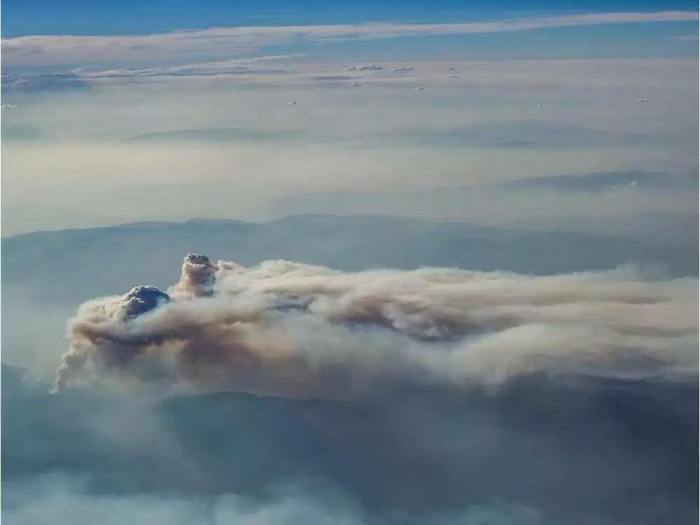
Previously hundreds of forest fires in British Columbia has sent smoke as far east as Winnipeg. Areas further west were affected way worse.
Calgary a few days ago

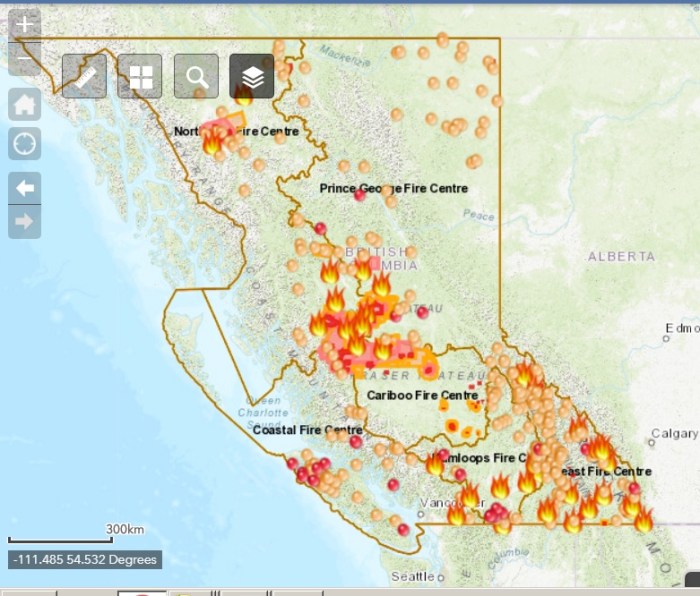
An airline pilot flying over the Rocky Mountains of British Columbia took these photos yesterday.

The average metro train doesn’t go beyond a few stories underground. But sometimes the geology and the geography of the region, such as the presence of rivers and swamps, forces engineers to go deep underground. The Arsenalna, a station on Kiev Metro’s Sviatoshynsko-Brovarska Line, is such an exception.
Arsenalna station is located 105.5 meters below the surface, making it the deepest metro station in the world. If you made a vertical shaft on earth as deep, you could drop the entire Statue of Liberty into it and still have more than twelve meters of headroom left to drop other stuff. To board a subway train at this station, commuters have to take two seemingly never-ending escalators to the bottom. The journey takes up to five minutes.
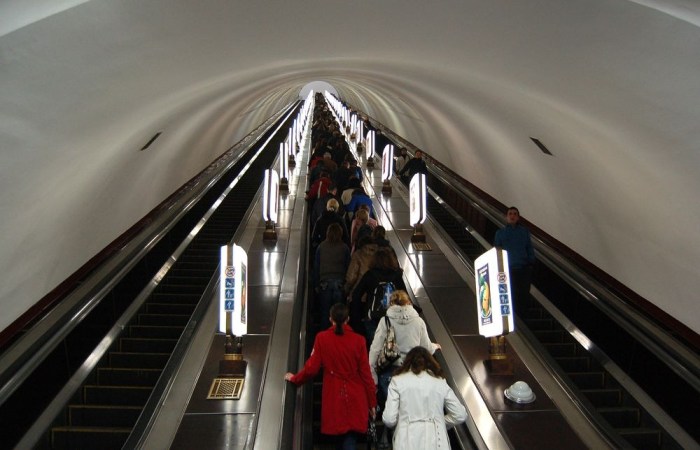
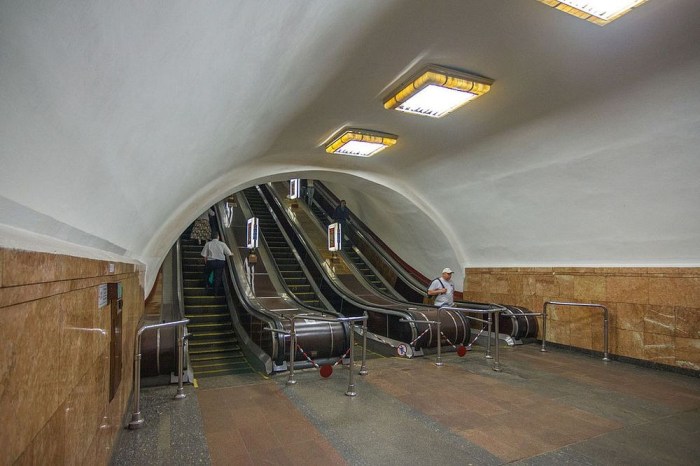

The mother of all escalators.
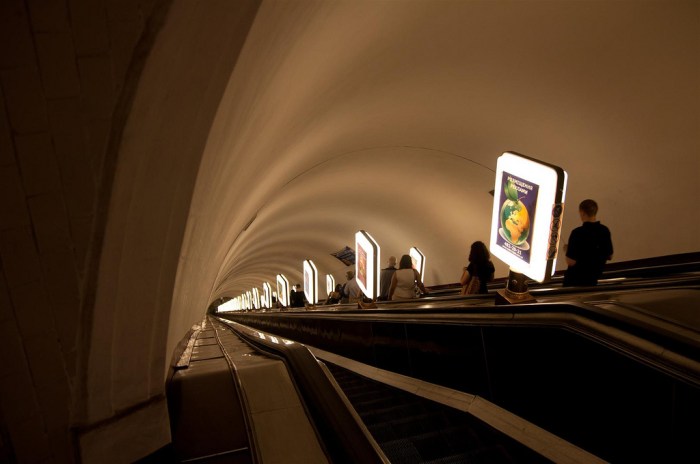
The world’s second deepest metro station is located on Saint Petersburg Metro, which is one of the deepest metro…
View original post 216 more words
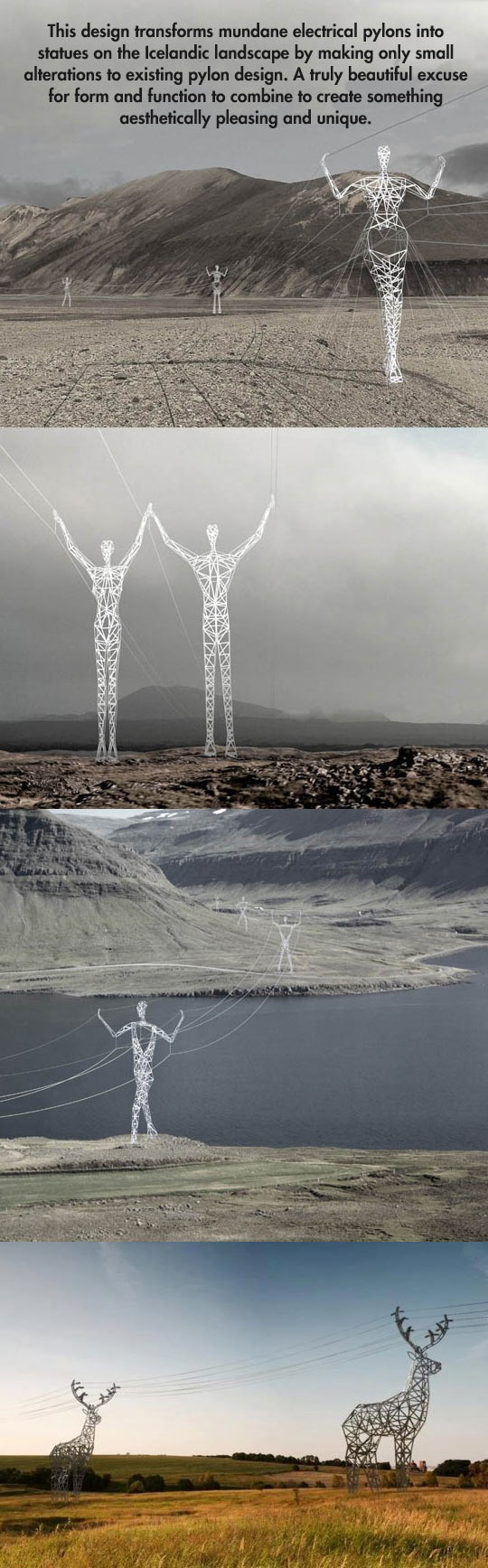
They haven’t been built yet, but there are plans to get the structures up in the next few years.









 The MarkoZen Blog