Charles Bukowski on Drinking

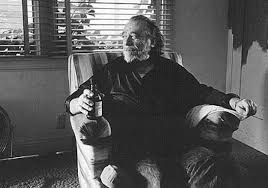
Henry Charles Bukowski (born Heinrich Karl Bukowski; August 16, 1920 – March 9, 1994) was a German-American poet, novelist, and short story writer.

His writing was influenced by the social, cultural, and economic ambience of his home city of Los Angeles. His work addresses the ordinary lives of poor Americans, the act of writing, alcohol, relationships with women, and the drudgery of work. Bukowski wrote thousands of poems, hundreds of short stories and six novels, eventually publishing over 60 books. The FBI kept a file on him as a result of his column, Notes of a Dirty Old Man, in the LA underground newspaper Open City.
chuck

“That’s the problem with drinking, I thought, as I poured myself a drink. If something bad happens you drink in an attempt to forget; if something good happens you drink in order to celebrate; and if nothing happens you drink to make something happen.”

“Drinking is an emotional thing. It joggles you out of the standardism of everyday life, out of everything being the same. It yanks you out of your body and your mind and throws you against the wall. I have the feeling that drinking is a form of suicide where you’re allowed to return to life and begin all over the next day. It’s like killing yourself, and then you’re reborn. I guess I’ve lived about ten or fifteen thousand lives now.”

“‘I think I need a drink.’ ‘Almost everybody does only they don’t know it.'”

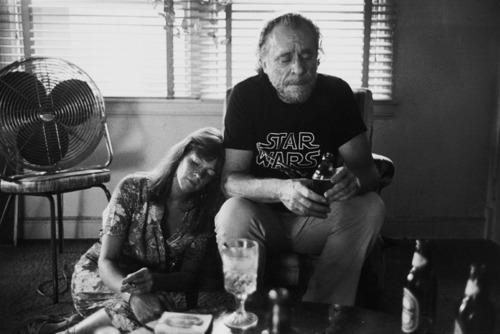
“I like to change liquor stores frequently because the clerks got to know your habits if you went in night and day and bought huge quantities. I could feel them wondering why I wasn’t dead yet and it made me uncomfortable. They probably weren’t thinking any such thing, but then a man gets paranoid when he has 300 hangovers a year.”
charles-bukowski-poeta-medium

“Getting drunk was good. I decided that I would always like getting drunk. It took away the obvious and maybe if you could get away from the obvious often enough, you wouldn’t become obvious yourself.”

“When you drank the world was still out there, but for the moment it didn’t have you by the throat.”

“‘What? You mean you’d dare drink right after getting out of jail for intoxication?’ ‘That’s when you need a drink the most.'”


 

The People that Live on the Sea

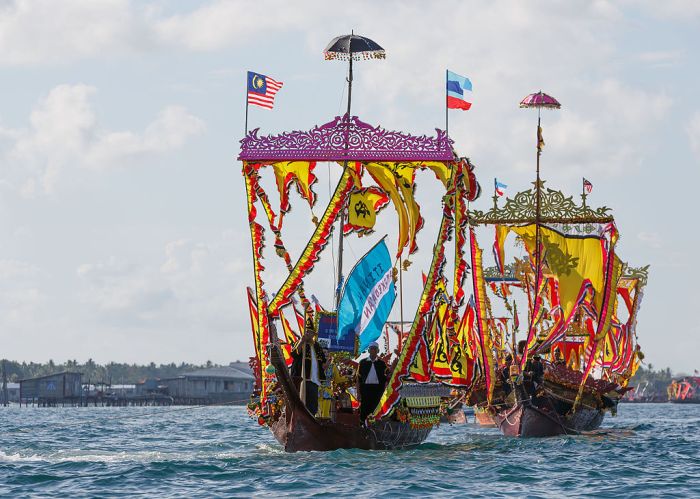
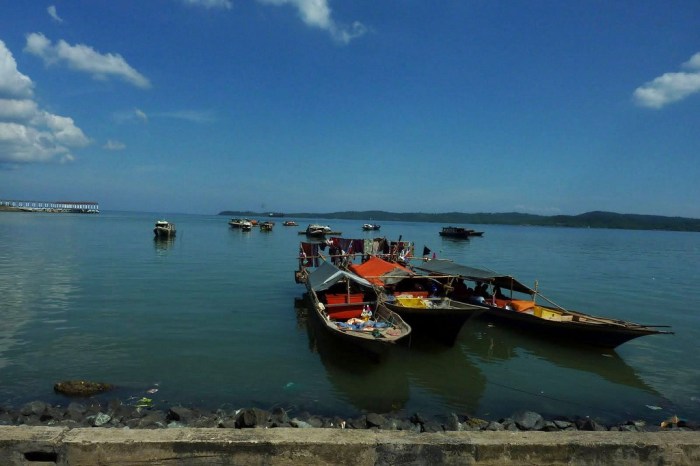
The Sama-Bajau refers to several Austronesian ethnic groups of Maritime Southeast Asia with their origins from the southern Philippines. They usually live a seaborne lifestyle, and use small wooden sailing vessels.

The Sama-Bajau are traditionally from the many islands of the Sulu Archipelago in the Philippines, coastal areas of Mindanao, northern and eastern Borneo, the Celebes, and throughout eastern Indonesian islands. In the Philippines, they are grouped together with the religiously-similar Moro people. Within the last 50 years, many of the Filipino Sama-Bajau have migrated to neighbouring Malaysia and the northern islands of the Philippines, due to the conflict in Mindanao. As of 2010, they were the second-largest ethnic group in the Malaysian state of Sabah.

Sama-Bajau have sometimes been called the “Sea Gypsies” or “Sea Nomads”, terms that have also been used for non-related ethnic groups with similar traditional lifestyles, such as the Moken of the Burmese-Thai Mergui Archipelago and the Orang Laut of southeastern Sumatra and the Riau Islands of Indonesia. The modern outward spread of the Sama-Bajau from older inhabited areas seems to have been associated with the development of sea trade in sea cucumber (trepang).
sabah1

Sabah_West_Coast_Bajau_women_in_traditional_dress

A few Sama-Bajau still live traditionally. They live in houseboats which generally accommodates a single nuclear family (usually five people). The houseboats travel together in flotillas with houseboats of immediate relatives (a family alliance) and co-operate during fishing expeditions and in ceremonies. A married couple may choose to sail with the relatives of the husband or the wife. They anchor at common mooring points (called sambuangan) with other flotillas (usually also belonging to extended relatives) at certain times of the year.

sabah

_100949799_2

Flotilla

Bajau_Laut_Pictures


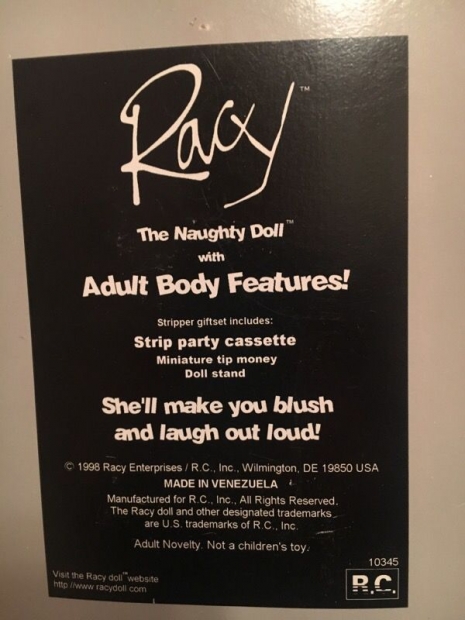
THE ‘RACY STRIPPER’: ‘NAUGHTY’ ADULT NOVELTY TOY FROM 1998

Dangerousminds.net

doll

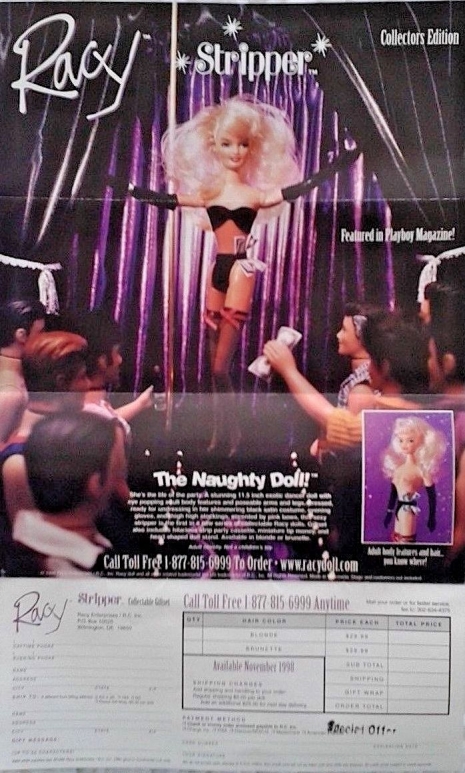
Though it seems like a toy better suited for the 1980s, you know when strippers were as synonymous with heavy metal as a sweet Gibson Flying V, the Racy Stripper doll became a thing in 1998 thanks to a company called Racy Enterprises (or R.C. Inc.)

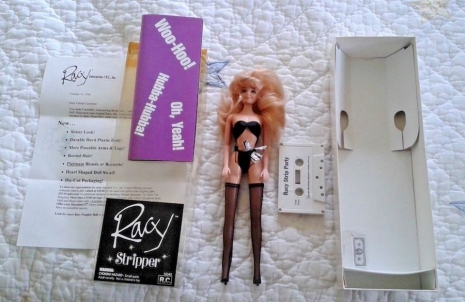
Billed as Racy Stripper (or Racy: The Naughty Doll), Racy had similar unrealistic proportions as Barbie, and, as I understand it, a carved out hoohah and pink nipples, something her kiddie-toy counterpart was without. As you might expect the 11.5-inch doll came with a few useful accessories, such as thigh-high stockings with a back seam, long black satin gloves, a stripper pole with a heart-shaped platform, a package of mini-100-dollar bills (because I guess this is one classy joint Racy works at), and a cassette labeled “Racy Strip Party” which I presume contains a rendition of Def Leppard’s 1987 stripper anthem, “Pour Some Sugar on Me.” Racy Enterprises produced two different stripper dolls—one with long platinum blonde hair and the other with long brunette hair which can be pretty easily procured out there on various Internet auction sites such as eBay for less than 20 bucks, depending on its condition.

doll1

doll2

doll3

doll5

doll6

doll7

Cool Things

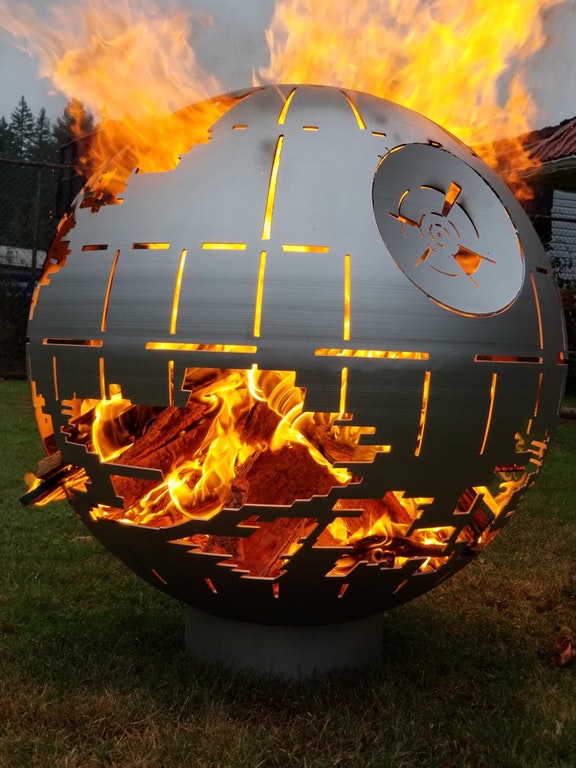
‘Deathstar’ from Star Wars fire pit

aprilx9

Free train ride in India

aprilx91

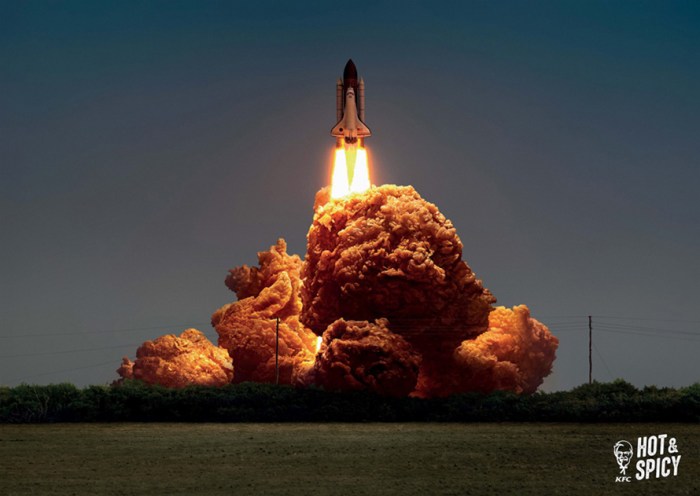
The blast is actually fried chicken

chicken

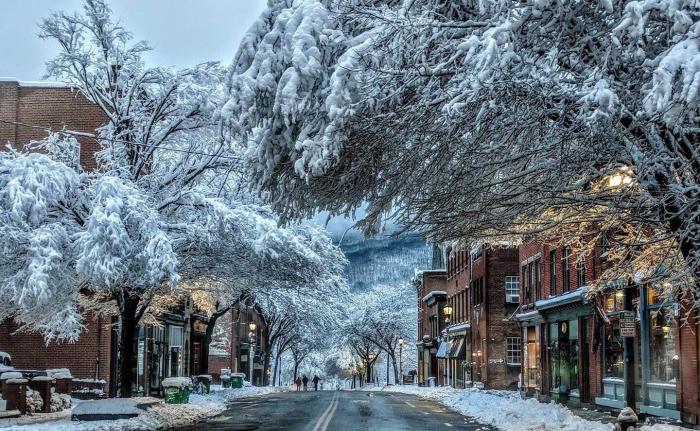
Upstate New York

cool

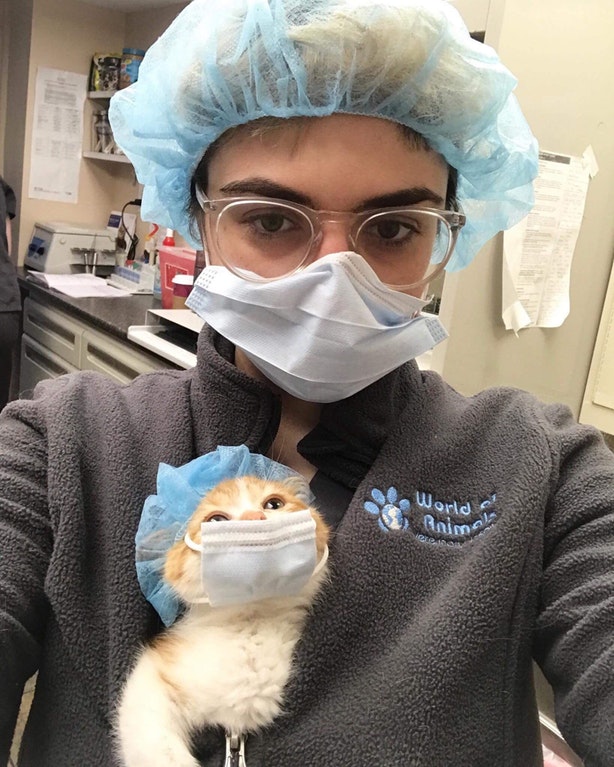
Operating room assistant

cool1

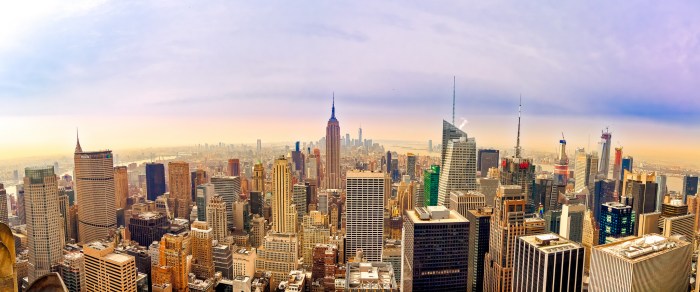
Midtown Manhattan

nyccc

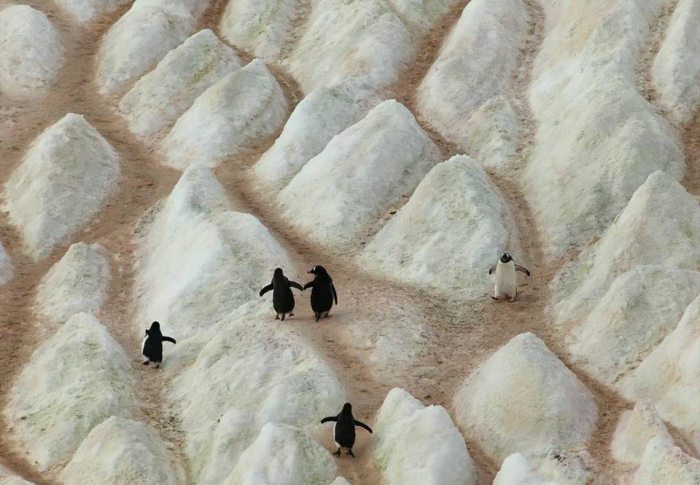
Penguin trails

red5

Somebody didn’t win

pic

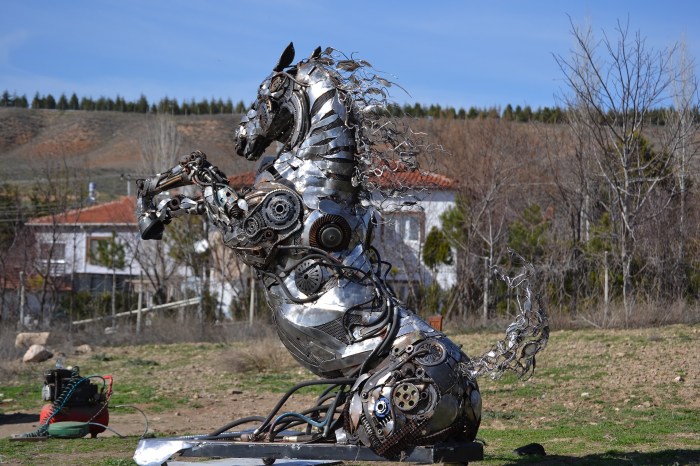
Artist from Turkey creates these kind of things

red4

Composite of a diving competition

red6

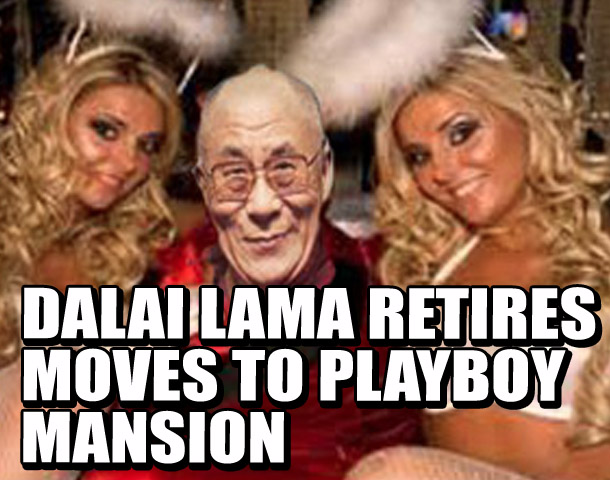
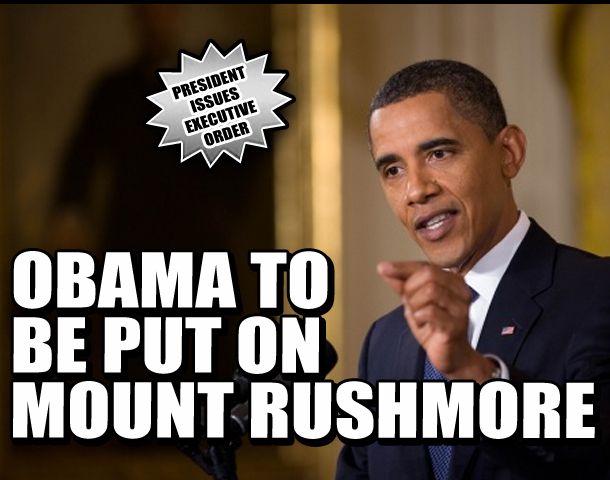
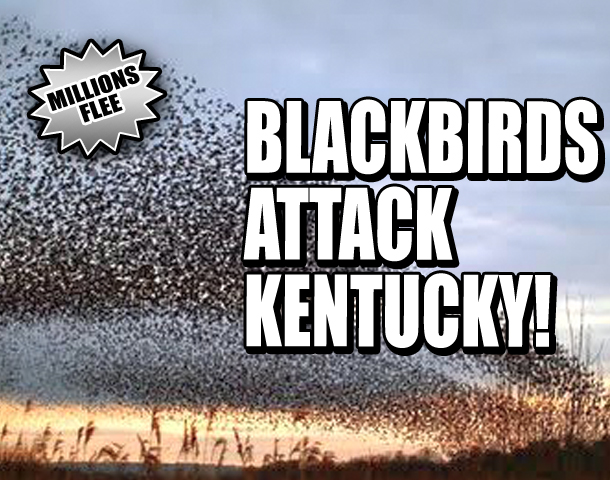
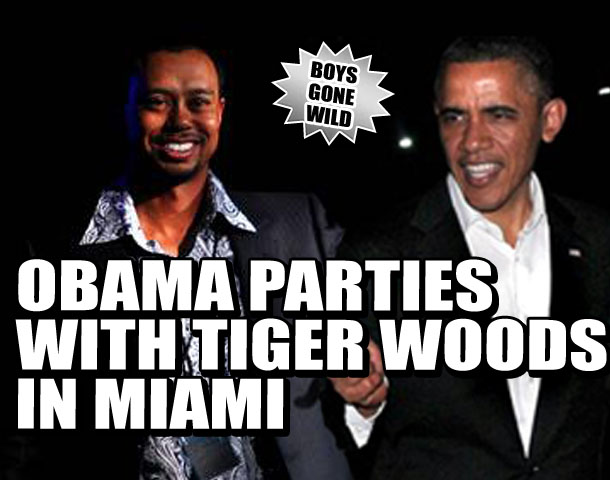
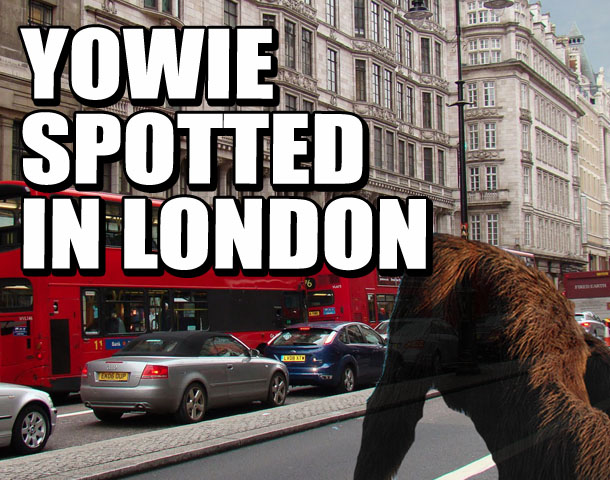
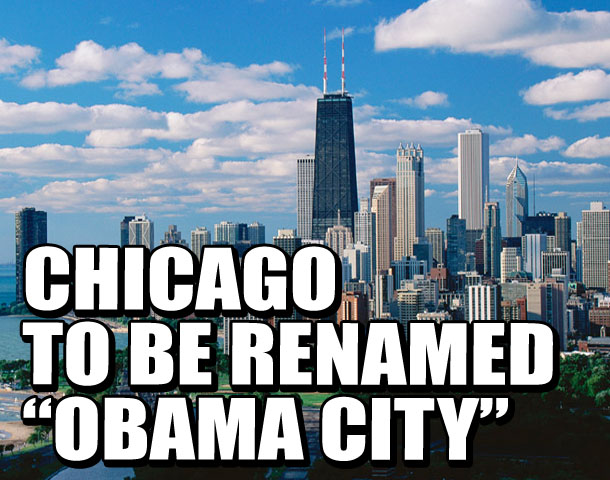
Weekly World News Headlines

The Weekly World News was a largely fictional news tabloid published in the United States from 1979 to 2007, renowned for its outlandish cover stories often based on supernatural or paranormal themes and an approach to news that verged on the satirical. Its characteristic black-and-white covers have become pop-culture images widely used in the arts. It ceased publication in August 2007.

In 2009, Weekly World News was relaunched as an online only publication. Its current editor-in-chief is Neil McGinness.

These headlines are from the online incarnation.

news10

news6

news

news1

news2

news3

news4

news5

news8

news7

news9

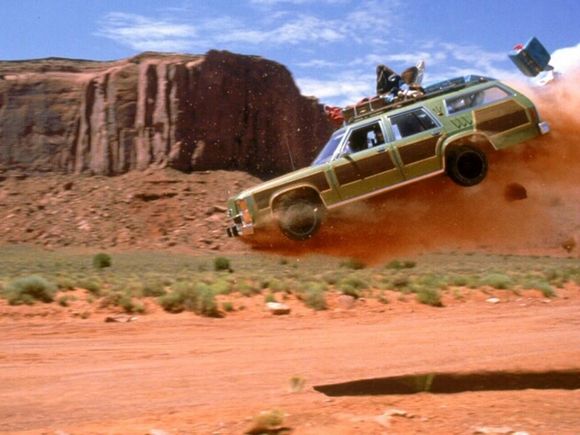
Iconic Movie Car Crash

vacation2

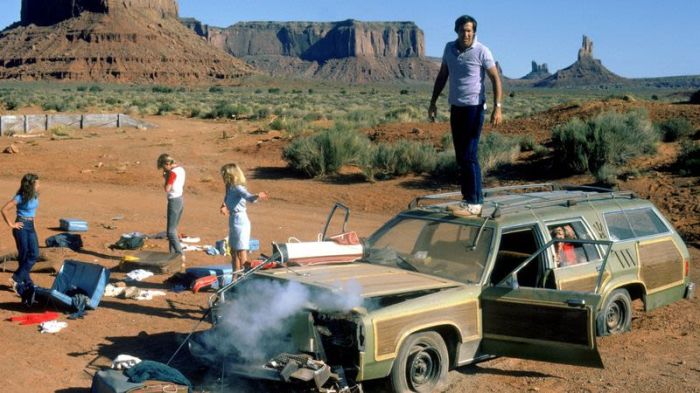
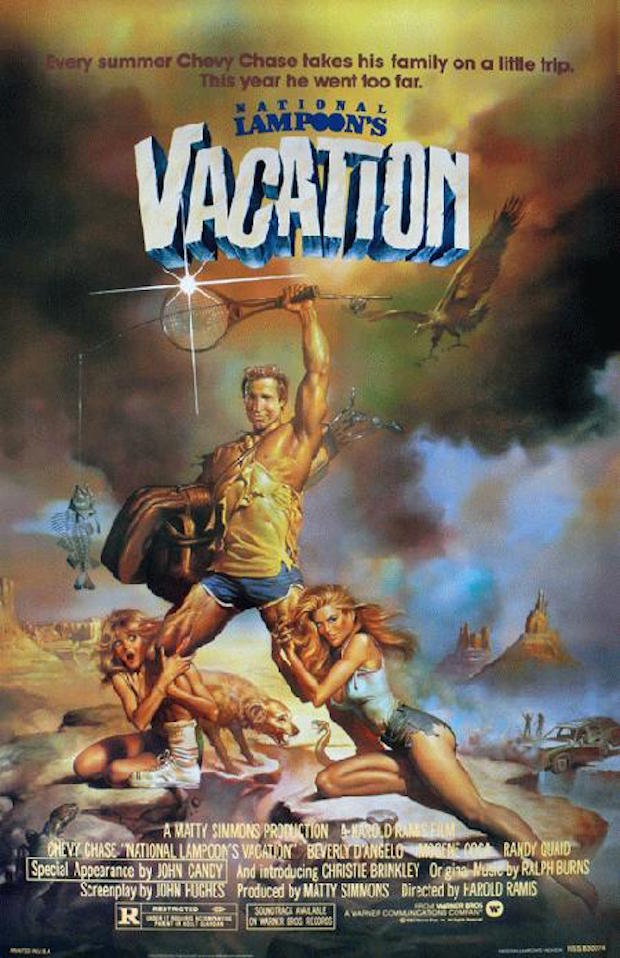
National Lampoon’s Vacation, sometimes referred to as Vacation, is a 1983 American road comedy film directed by Harold Ramis and starring Chevy Chase, Beverly D’Angelo, Randy Quaid, Dana Barron, and Anthony Michael Hall. John Candy, Imogene Coca, Christie Brinkley, and a young Jane Krakowski appear in supporting roles. The screenplay was written by John Hughes, based on his short story “Vacation ’58” which appeared in National Lampoon.

vacation1

vacation_0

Giant Sculptures On the North Dakota Plains

The Enchanted Highway, North Dakota

The Enchanted Highway is a 32-mile stretch of highway starting at Exit 72 on Interstate 94, about 20 miles east of Dickinson, in the southwestern part of the U.S. state of North Dakota. The paved county highway, which begins near the town of Gladstone and terminates at Regent, features a collection of large scrap metal sculptures depicting geese, deer, pheasants, grasshoppers, Teddy Roosevelt, and even a complete Tin Family. The sculptures were created by retired school teacher Gary Greff, from the town of Regent, who did it in the hopes of putting his hometown prominently on the map and thus prevent it from fading away into obscurity.

enchanted-highway-pheasants-01

“Pheasants on the Prairie”, one of the sculptures on the Enchanted Highway.

Small towns in the country were slowly being deserted and Gary Greff was worried about this growing trend. So beginning in 1990, he started creating massive metal sculptures that he planned to place along the Regency-Gladstone Road every few miles to arouse the curiosity of drivers and tourist using the road. Gary wants to create ten sculptures. So far, he has completed seven and the eighth one is reportedly in progress. All the sculptures face north, toward the oncoming traffic from the interstate, and each one is accompanied by a pull-out area with place for picnic and tourists to unwind. It was Gary’s idea to rename the road the Enchanted Highway.

Gary is helped by volunteers and local farmers who know about metal works and welding. Some farmers also gave him generous terms on leasing land to erect the work – something like $1 for 20 year lease, with renewal. Local boy scout troops and shop class have helped with some of the signs and picnic tables. But Gary does most of the work and all the maintenance. He cuts the grass under the statues, and builds the parking areas and fences.

Although Gary struggles for money and material for each construction, his dreams are big. Gary eventually wants to add a water park, restaurant, and even an amphitheater. So far he has managed to add a spectacular inn with 19 rooms which should bring him some revenue for all the troubles that he went through.

geese-in-flight

“Geese in Flight” has been listed as the largest scrap metal sculpture in the world by the Guinness World Book of Records. The main structure is 154 feet wide and 110 feet tall. The largest goose has a wingspan of 30 feet. It was created in 2001.

deer-crossing

“Deer Crossing” was constructed out of used oil well tanks and erected in 2002. The jumping buck is 75 feet tall and 60 feet long.  The doe is 50 feet long and 50 feet tall.

grasshopper-2

“Grasshoppers in the Field” was built in 1999. The structure is 60 feet long and 40 feet tall.

enchanted-highway-fishermen-1

“Fisherman’s Dream” includes 6 large fish of different sizes including a 60 or 70 foot leaping trout going after a giant dragonfly.

enchanted-highway-pheasants-1

“Pheasants on the Prairie” is a giant rooster and hen and their three chicks. This work was erected between 1996 and 1997.


enchanted-highway-roosevelt-2

“Teddy Roosevelt Rides Again” is a 51-feet tall wire sculpture of Teddy Roosevelt made out of pipes. It was erected in 1993. Roosevelt is accompanied by a small wooden stage coach being pulled by horses.

enchanted-highway-roosevelt-1

enchanted-highway-tin-family-2

“The Tin Family” consisting of a Dad, Mom and a Son, was erected in 1991. The tallest character, the Dad, is 45 feet tall.

enchanted-highway-tin-family-1