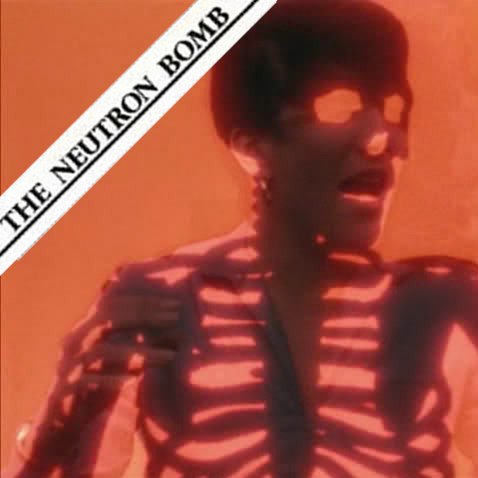
Blast From The Past: The Neutron Bomb

0neutron

A neutron bomb, officially defined as a type of enhanced radiation weapon (ERW), is a low yield thermonuclear weapon designed to maximize lethal neutron radiation in the immediate vicinity of the blast while minimizing the physical power of the blast itself. The neutron release generated by a nuclear fusion reaction is intentionally allowed to escape the weapon, rather than being absorbed by its other components. The neutron burst, which is used as the primary destructive action of the warhead, is able to penetrate enemy armor more effectively than a conventional warhead, thus making it more lethal as a tactical weapon.

The concept was originally developed by the US in the late 1950s and early 1960s. It was seen as a “cleaner” bomb for use against massed Soviet armored divisions. As these would be used over allied nations, notably West Germany, the reduced blast damage was seen as an important advantage.

The weapon was once again proposed for tactical use by the US in the 1970s and 1980s, and production of the W70 began for the Lance missile in 1981. This time it experienced a firestorm of protest as the growing anti-nuclear movement gained strength through this period. Opposition was so intense that European leaders refused to accept it on their territory. President Reagan bowed to pressure and the built examples of the W70-3 remained stockpiled in the US until they were retired in 1992. The last W70 was dismantled in 2011.
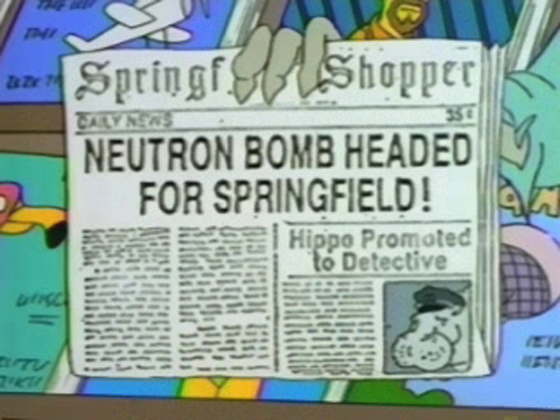
0neutron-bomb-headed-for-springfield

We got the neutron bomb
We got the neutron, gonna drop it all over the place
Yer gonna get it on yer face
Foreign aid from the land of the free
But don’t blame me
We got the neutron bomb
We got the neutron, don’t understand you don’t know what you mean
We don’t want you we want your machines
United Nations and NATO won’t do
It’s just the red, white and blue
We got the neutron bomb
We got the neutron, that’s the way it’s gotta be
Survivial of the fittest is the way it’s gonna be
We don’t want it, we don’t want it
Don’t blame me
We don’t want it, we don’t want it
Don’t blame me

I’m glad they stuck with the old run of the mill atomic bombs.
 

Star Wars Posters of Soviet Europe

Behind the Iron Curtain, artists created strikingly trippy ads for the saga, writes Christian Blauvelt.

star

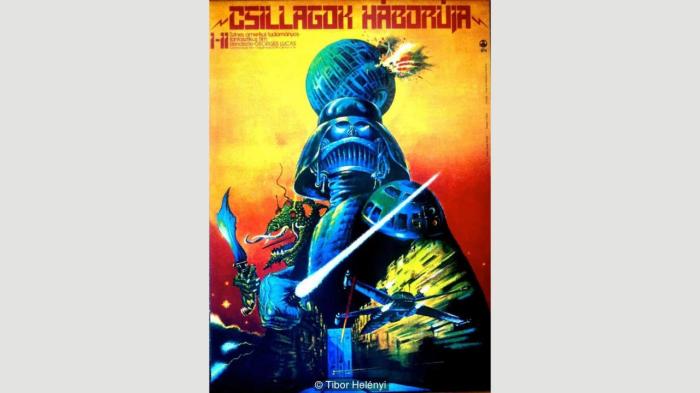
Hungarian Star Wars poster by Tibor Helényi

Star Wars was released in Hungary for the first time in 1980, three years after it came out in the US. Helényi brought his own vision to the saga with a striking palette of blue, orange and red and some features that fans would decry as certainly not being ‘canon’: Darth Vader’s helmet suddenly has a mouth like the grill of a vintage Cadillac; the Death Star is destroyed via a blast out of the side; and then there’s some scaly lizard creature on the left with a flailing tongue and ganglia and an impressively alien-looking scimitar. No such creature exists in any Star Wars film, but Helényi’s approach is to suggest that such an alien could exist in the world Lucas created. Call it ‘added value’! Or perhaps it’s a reference to how Lucas originally envisioned Han Solo as a lizard creature, before going the more conventional route of casting Harrison Ford to play the character as a human. (Credit: Tibor Helényi).


Hungarian Star Wars poster by András Felvidéki

Felvidéki liked to wed old-fashioned engraving and etching techniques with trippy, avant-garde content, and the result for Star Wars looks like an illustration that could have been part of Edgar Rice Burroughs’ Under the Moons of Mars serial in 1912. A steampunk-looking starship of a design never seen in the films shines a light on Chewbacca, whose tongue action is most disturbing. The bantha on the left is infinitely more fearsome than anything seen in the film, and C-3PO suddenly looks like he’s swapped parts with The Wizard of Oz’s Tin Man.


Russian Star Wars poster by Yuri Bokser and Alexander Chantsev (Credit: Credit: Yuri Bokser and Alexander Chantsev)

Russian Star Wars poster by Yuri Bokser and Alexander Chantsev


Russian Star Wars poster by Yuri Bokser and Alexander Chantsev (Credit: Credit: Yuri Bokser and Alexander Chantsev)

Russian Star Wars poster by Yuri Bokser and Alexander Chantsev

Where to begin? The odd hieroglyphs around the border? That Vader now has a helmet resembling the face of a jaguar? That he bears a crown of multi-coloured lightsabers? Obviously, nothing here has any relationship to the films – except for that last feature. Before this poster none of the Star Wars films had featured lightsabers of any colour other than blue, green and red. After this poster, the Star Wars prequels and animated TV programmes would introduce lightsabers of different colours, such as Mace Windu’s purple saber. Did this poster have any influence on Lucasfilm’s decision to expand their lightsaber colour palette? Almost assuredly not. But it was an unwitting glimpse of things to come. (Credit: Yuri Bokser and Alexander Chantsev)


Polish Empire Strikes Back poster by Jakub Erol

Would you know this poster was for The Empire Strikes Back, if the actors’ names weren’t listed at the bottom? Jakub Erol’s take on Star Wars’s first sequel evokes Constructivism – a graphic style preferred by early Soviet propagandists anyone in the Eastern Bloc would have associated with authoritarianism. Erol was a prolific poster designer in Poland, and he gravitated to simple, stark images that instantly communicate a powerful idea: his poster for the Czech drama Days of Betrayal, about the rise of Nazism and the appeasement efforts of Neville Chamberlain.


Polish Empire Strikes Back poster by Miroslaw Lakomski (Credit: Credit: Miroslaw Lakomski)

Polish Empire Strikes Back poster by Miroslaw Lakomski

Lakomski opted for a more direct approach to the film than Erol. With colourful circles recalling Piet Mondrian and Saul Bass, this poster presents The Empire Strikes Back’s AT-AT walkers and Yoda. But look closer at Yoda: most of his facial features are rendered in black and white, his expression neutral, his gaze off-centre as if he’s looking to the horizon. It’s a classic pose for a heroic sage, but it also looks strikingly similar to Jim Fitzpatrick’s iconic poster of Che Guevara from 1968. A figure from an American film series rendered like a hero of global socialist revolution? A suggestion that aligning with US-backed, capitalist culture was the new rebellion. (Credit: Miroslaw Lakomski)


Hungarian Empire Strikes Back poster by Tibor Helényi (Credit: Credit: Tibor Helényi)

Hungarian Empire Strikes Back poster by Tibor Helényi

Tibor Helényi returned to create a poster for The Empire Strikes Back. No addition of a strange lizard creature here. Instead we get an incredibly detailed Imperial Star Destroyer in the upper left corner, and a strikingly stylised Vader on the lower right. He appears to have a coterie of similarly mechanized henchmen alongside him – if Episode IX should finally reveal the Knights of Ren, let us hope they are half as cool as these baddies. Completing the dynamic, diagonal composition is a Goth AT-AT lurching forward into the frame like an unstoppable steampunk force of nature. Helényi’s work here seems to anticipate the underrated brooding aesthetic artist Cam Kennedy deployed for the Dark Empire graphic novel in 1993, which imagined the resurrection of Emperor Palpatine in a fresh clone body and Luke’s attempts to learn more about the Jedi. (Credit: Tibor Helényi)


some of his other movie posters, as well. His poster for Ben-Hur depicts the famed chariot race and Christ’s crucifixion by way of Dali’s Hallucinogenic Toreador, while his art for Akira Kurosawa’s Kagemusha imagines a medieval European jouster in place of the film’s story about feudal Japan. (Credit: Tibor Helényi)” data-caption-title=”Hungarian Return of the Jedi poster by Tibor Helényi”.

 

Russian Return of the Jedi poster by Yuri Bokser and Alexander Chantsev (Credit: Credit: Yuri Bokser and Alexander Chantsev)

Russian Return of the Jedi poster by Yuri Bokser and Alexander Chantsev

Jabba the Hutt’s monumental head is one of the twin poles of Bokser and Chantsev’s poster commemorating the conclusion of the original trilogy – the other is, of course, the Death Star, with star streaks like those seen when the Millennium Falcon jumps to lightspeed in the middle. It’s a fascinating juxtaposition: do the two orbs, one of a moon-sized weapon, the other of a gangster’s head, suggest that authoritarianism enables Hutt-like corruption? A lot to ponder here. (Credit: Yuri Bokser and Alexander Chantsev).


Polish Return of the Jedi poster by Witold Dybowski (Credit: Credit: Witold Dybowski)

Polish Return of the Jedi poster by Witold Dybowski

The destruction of Vader’s helmet here is certainly a spoiler for the end of Return of the Jedi – but it also suggests the destroyed version of Vader’s helmet that we wouldn’t see until The Force Awakens 31 years after Polish artist Dybowski created this image in 1984. Look closer, though, and you’ll see that various cogs and spools that make up a film camera are incorporated into the design of the helmet. Is this a subtle commentary that Star Wars had obliterated cinema and that the global film industry would never be the same? Or is it suggesting that cinema itself is a kind of Vader figure – it can be a force for good or a force for harm, depending upon the intent of the film-maker. (Credit: Witold Dybowski)


Colorful Landscapes

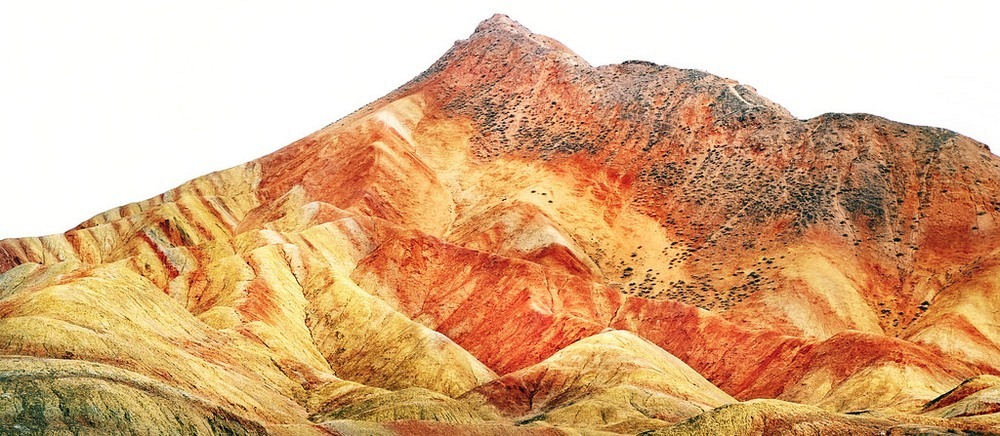
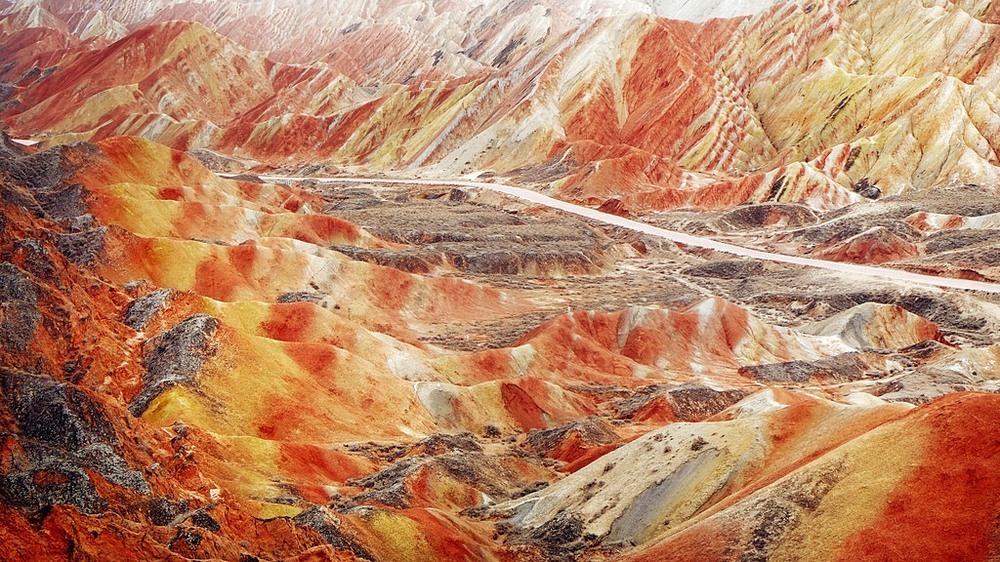
One of the best examples of colorful landform is on Mount Danxia, in Guangdong Province, in China. The Danxia landforms are made of strips of red sandstone alternating with chalk and other sediments that were deposited over millions of years, like slices of a layered cake. Over 700 individual locations have been identified in China, mostly in southeast and southwest China, where this type of colors and layers can be seen—all of these are referred to as Danxia landforms.

danxia-landform-1

danxia-landform-2

danxia-landform-3

The Hill of Seven Colors, Purmamarca

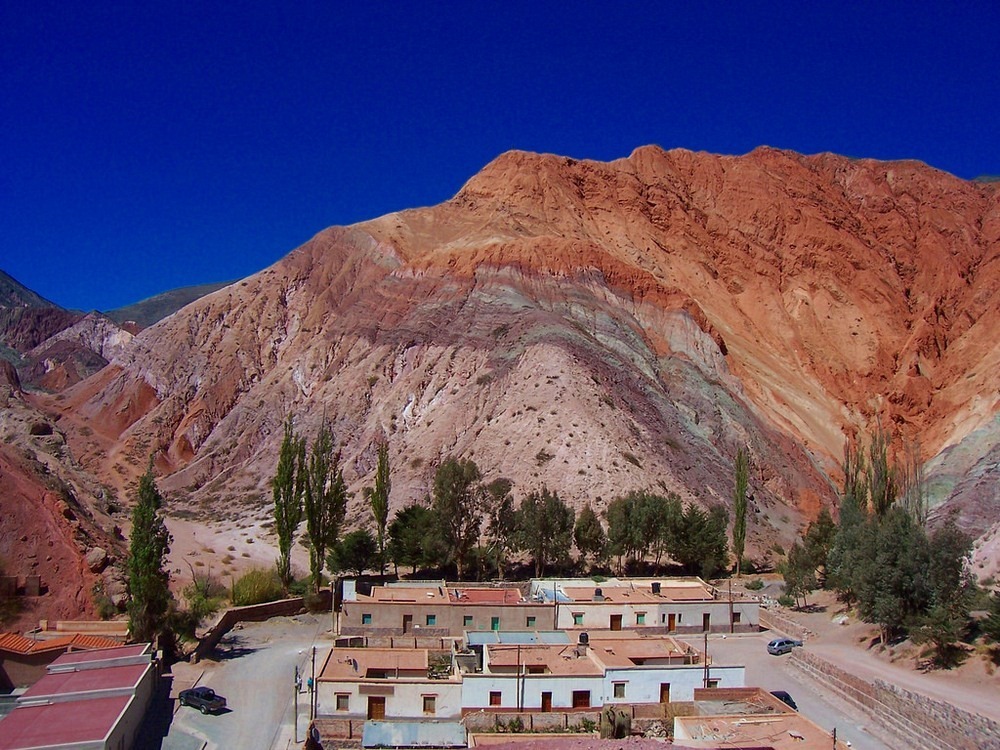
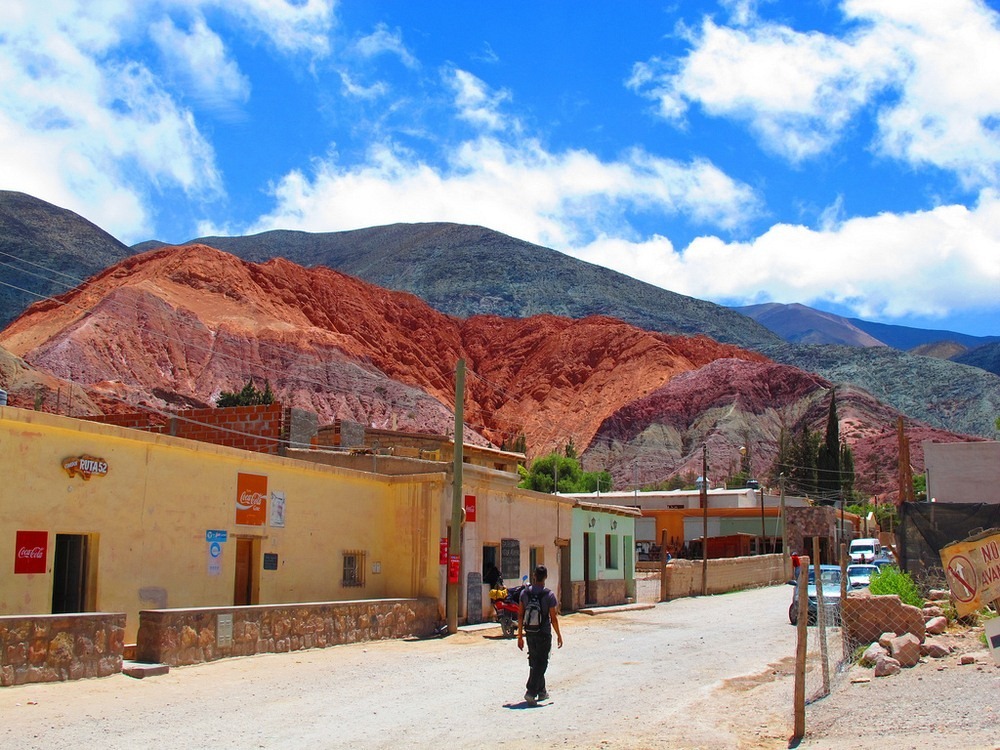
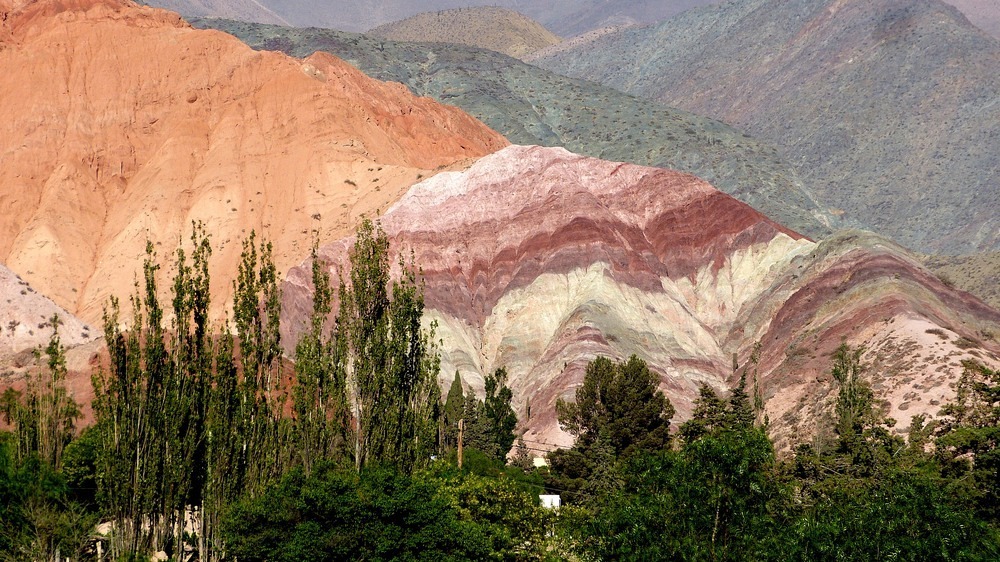
About 70 km south of Humahuaca is another rainbow-colored hill—Cerro de los Siete Colores, or the Hill of Seven Colors, located near the tiny village of Purmamarca, in north-western Argentina. The hill was formed by a complex geological process that involved deposition of sea, lake and river movements and subsequent elevation of the land due to the movement of the tectonic plates about seventy-five million years ago. It is said that you can see seven colors in the hill, but most people can pick out only four. The colors are most clearly visible in the morning.

cerro-siete-colores-1


cerro-siete-colores-2

cerro-siete-colores-3

Ausangate Mountain

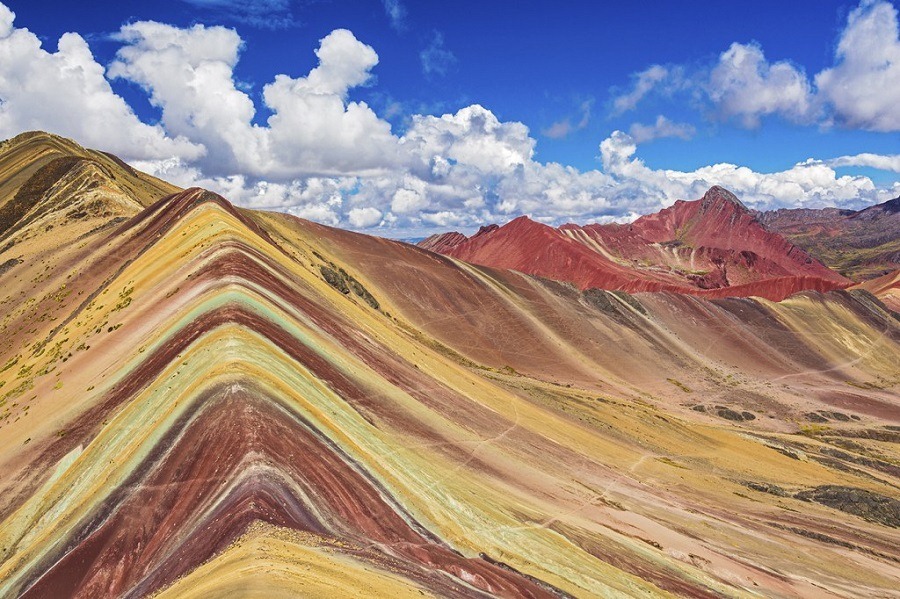
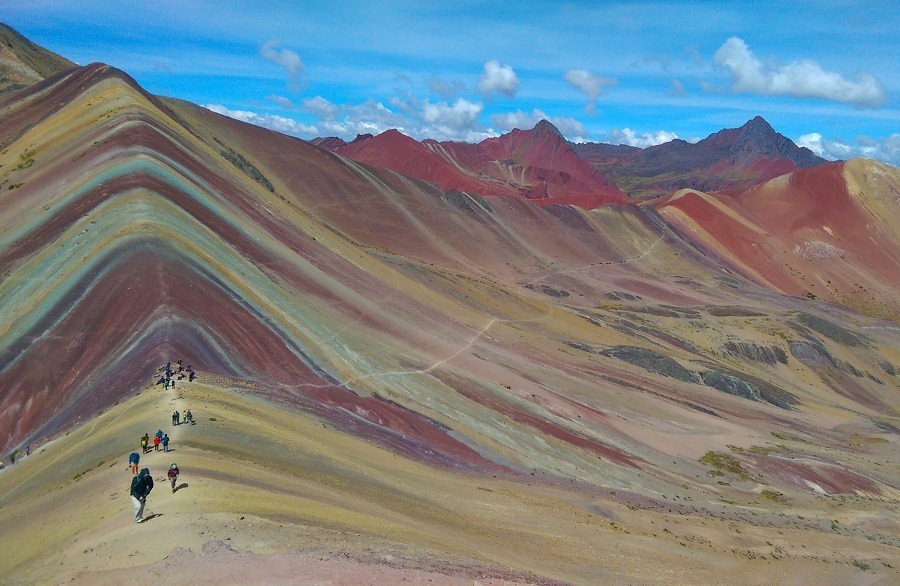
The Ausangate mountain, about 100 kilometers southeast of Cusco, in Peru, is also known as Rainbow Mountain or Cerro Colorado because of its exposed layers of rock bearing red, ochre, and turquoise colors. The mountain is considered to be holy and believed to be the deity of Cusco by local Peruvians. It is a site of daily worship and offerings by local citizens. Every year thousands of Quechua pilgrims visit the Ausangate Mountain for the Star Snow festival which takes place a week before the Corpus Christi feast.

ausangate-rainbow-mountain


ausangate-rainbow-mountain-2


Painted Hills of Oregon

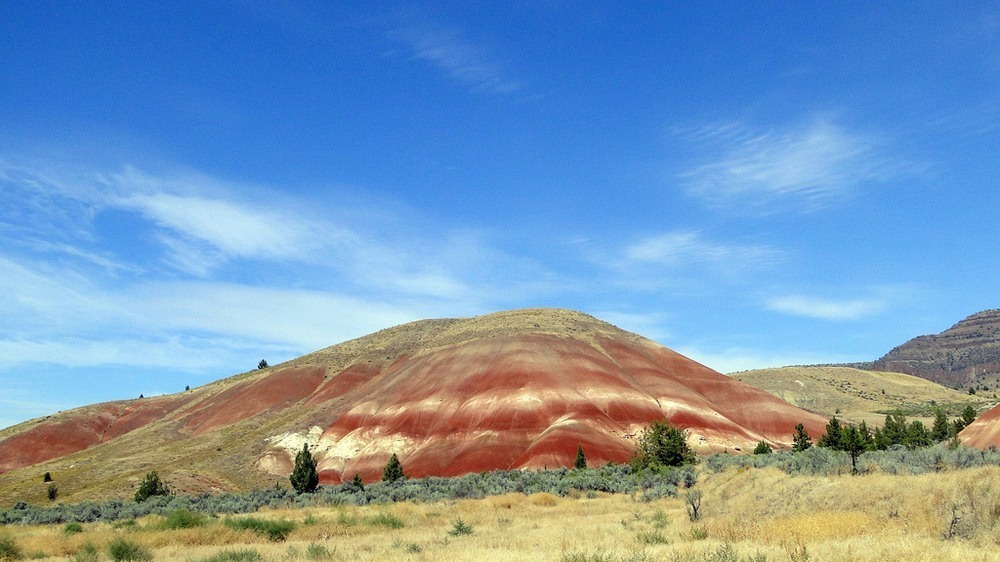
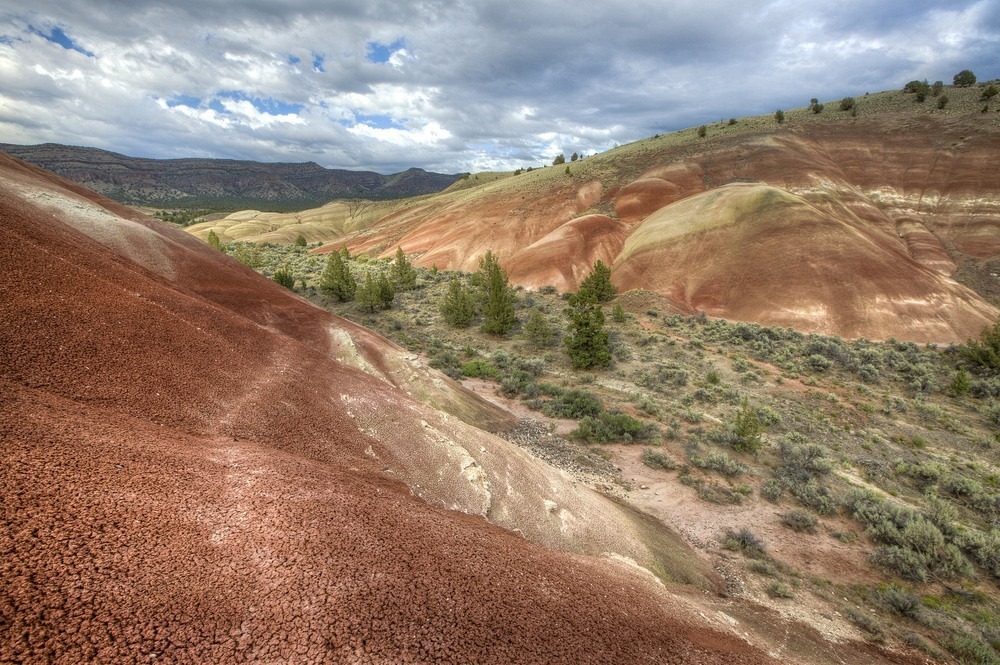
The colorful layers and banded striations that make up the Painted Hills in Wheeler County, Oregon, the United States of America, were formed over 35 million years ago by volcanic ash layers deposited by ancient eruptions when the area was a river plain. Over time, the layers of ash containing different minerals compacted and solidified into the various bands of colors seen today. The black soil is lignite that was vegetative matter that grew along the floodplain. The grey coloring is mudstone, siltstone, and shale. The red and orange hues are from laterite soil that formed by floodplain deposits when the area was warm and humid.

painted-hills-oregon-1


painted-hills-oregon-2


painted-hills-oregon-3

The Red Earth Terraces of Dongchuan

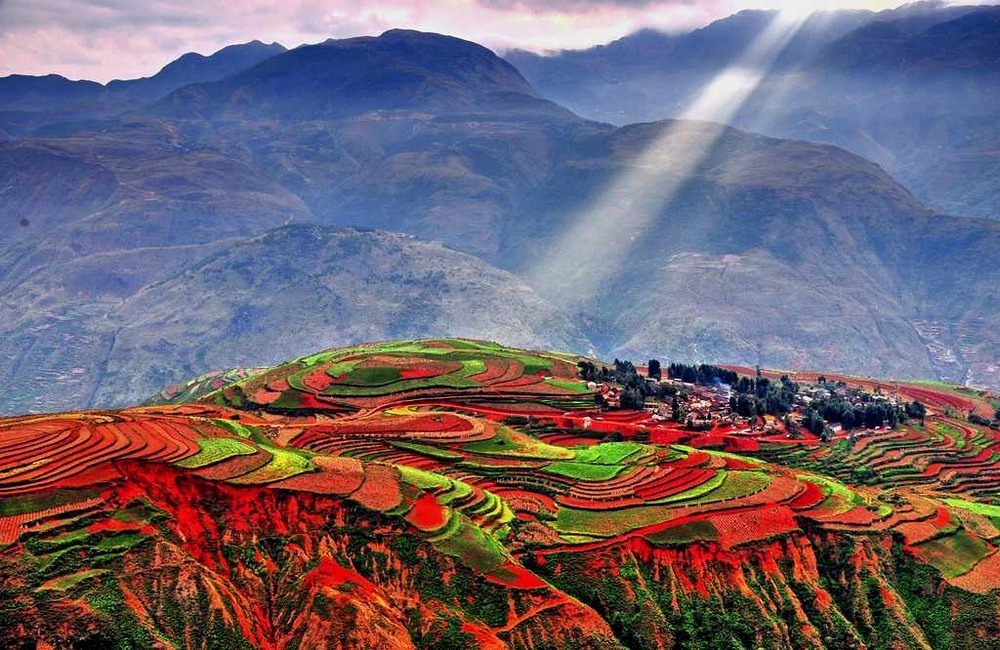
Some 250 kilometers northeast of Kunming, the capital of China’s Yunnan Province, lies Dongchuan, a rural area with the world’s most imposing red earth. Spread over vast terraced fields, Dongchuan’s unusual brownish-red color comes from its rich deposit of iron and copper. Exposed to the warm and humid climate of Yunnan, the iron in the soil undergoes oxidization to form iron oxide which is naturally red in color. These oxides, deposited through many years, gradually developed into the extraordinary reddish brown soil seen here today. Every year during spring, when this area is ploughed for agriculture, a large number of visitors and photographers come to see squares of freshly upturned red earth waiting to be sown along with areas of budding green plants. The fiery red soil juxtaposed with emerald green barley, and golden yellow buckwheat, against a blue sky produces one of the richest color palate rarely seen in nature.

red-earth-dongchuan-1


red-earth-dongchuan-2


red-earth-dongchuan-3


Emotional Support Animals on a Plane

An emotional support animal (ESA) is a companion animal that a medical professional has determined provides benefit for an individual with a disability. This may include improving at least one symptom of the disability. Emotional support animals, typically dogs, but sometimes cats or other animals, may be used by people with a range of physical, psychiatric, or intellectual disabilities. In order to be prescribed an emotional support animal the person seeking such an animal must have a verifiable disability. To be afforded protection under United States federal law, a person must meet the federal definition of disability and must have a note from a physician or other medical professional stating that the person has that disability and that the emotional support animal provides a benefit for the individual with the disability. An animal does not need specific training to become an emotional support animal.

emotionnn2

The Air Carrier Access Act establishes a procedure for modifying pet policies on aircraft to permit a person with a disability to travel with a prescribed emotional support animal, so long as they have appropriate documentation and the animal is not a danger to others and does not interfere with others (through unwanted attention, barking, inappropriate toileting, etc.

emotionx

CNBC

Want to travel with an emotional support dog, duck or miniature horse? Starting next month, United Airlines will want passengers to show they can behave.

The airline is setting more stringent requirements for emotional support animals, joining Delta Air Lines in cracking down on a sharp increase in such animals in the cabin. Delta complained that some of the animals soiled cabins or bit travelers.

United said the number of customers bringing emotional support animals on board has risen 75 percent over the past year.

“The Department of Transportation’s rules regarding emotional support animals are not working as they were intended to, prompting us to change our approach in order to ensure a safe and pleasant travel experience for all of our customers,” United said.

Late last month, a Brooklyn artist tried to bring a peacock on board a cross-country United flight, but was turned away by the airline because of the bird’s weight and size.

emotionnn

“As a reminder, animals currently prohibited from traveling in the cabin include hedgehogs, ferrets, insects, rodents, snakes, spiders, reptiles, sugar gliders, non-household birds, exotic animals and animals not properly cleaned or carry a foul odor,” said United.

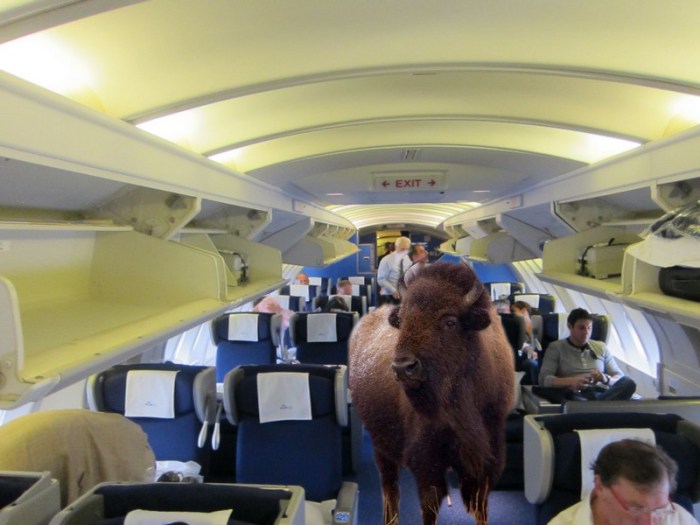
The animals below are not on the prohibited list.

emotiondone

emotiondone1

Last 2 images above courtesy of Markozen photoshop.