Trump Supporters Like His Vulgarity

hillbilly

The ignoramuses who are Trump’s “Base” love it when he uses profanity, racism and rudeness in his duties as Prez. The tobacco chewing, pickup driving trailer park trash that is his base don’t care about style and Presidential decor and manners. This is their man. Straight shooter who acts and talks like them. Viva Trump!

Area 51 flights? Top-secret government airline seeks flight attendant

janet

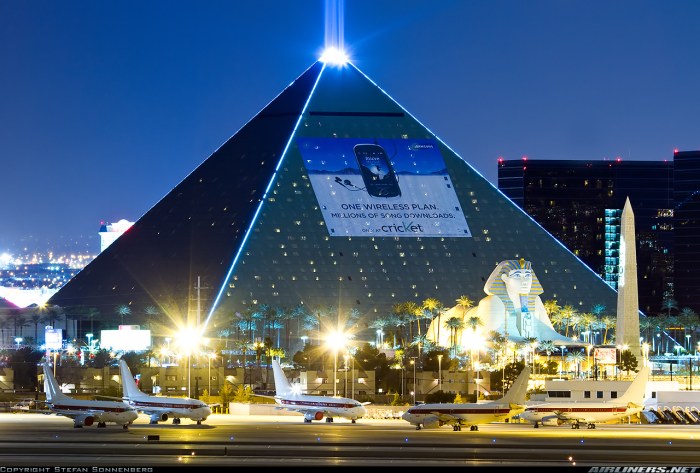
Janet 737 airliners at McCarran

Are you a Las Vegas-based flight attendant looking for work and able to keep a secret(s)? Do you feel positively about working for an airline that sort of doesn’t exist? Happen to have a Top-Secret clearance with the U.S. government, or think you could snag one?

If so, the perfect job just opened up.

Janet, a classified airline that runs commuter flights to some of the most secretive and closely guarded government facilities in the U.S., appears to be hiring a flight attendant. The job posting appeared recently on the website for AECOM, which operates a small fleet of aircraft out of a discreet but heavily guarded terminal at McCarran International Airport in Las Vegas.

Very little is known about Janet, which is so secretive that the U.S. government does not admit that it exists. The planes use the call sign “Janet,” which some suggest stands for “Just Another Non-Existent Terminal.”

janet2

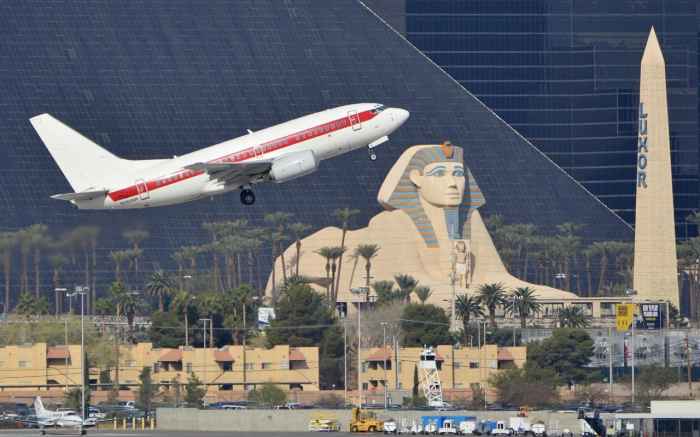
The airline operates a fleet of white Boeing 737-600s, with a prominent red stripe down the middle of the fuselage. It also likely operates a smaller fleet of commuter-sized turboprops, also white but with a blue stripe. Passengers flying into or out of Las Vegas often can see such planes parked out on the ramp in the middle of the day — if they know what to look for.

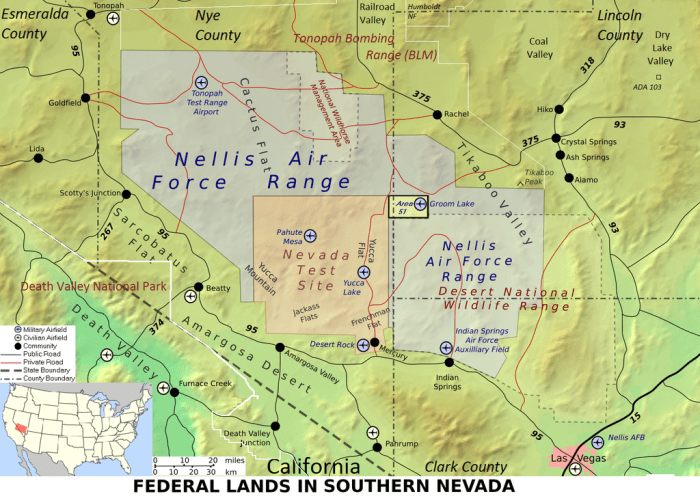
Where exactly they fly to, other than Las Vegas, has been the subject of debate and speculation. The jets have long been assumed (and have been seen on rare occasion) to be flying workers to and from an airstrip inside Area 51, as well as to several military bases and secret locations throughout the western U.S.

But while the destinations may be classified, the prerequisites for the carrier can be seen on the job posting.

Among other items, the posting says applicants “must be level-headed and clear thinking while handling unusual incidents and situations (severe weather conditions, including turbulence, delays due to weather or mechanicals, hijackings or bomb threats).”

Another prerequisite: “Active Top Secret Clearance Highly Desired.”

janet1

The fleet is operated for the United States Air Force to transport military and contractor employees. It mainly serves the Nevada National Security Site (most notably Area 51 and the Tonopah Test Range), from their terminal at Las Vegas’ McCarran International Airport.

Due to the airline’s secretive nature, little is known about its organization. It is operated for the USAF by infrastructure and defense contractor AECOM through AECOM’s acquisition in 2014 of URS Corporation, which acquired EG&G Technical Services in 2002, as derived from URS’s history of providing this service to the Air Force and job openings published by URS. For example, in 2010, URS announced it would be hiring Boeing 737 flight attendants to be based in Las Vegas, requiring applicants to undergo a Single Scope Background Investigation in order to be able to obtain a Top Secret security clearance. More recently, AECOM has posted similar openings.
janet-airline-xlarge

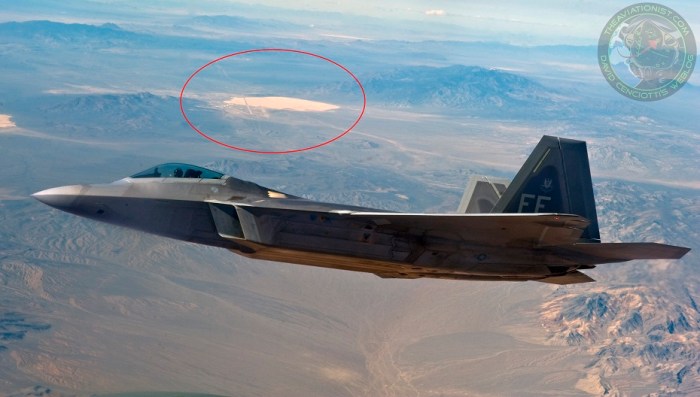
In the photo below Area 51 is inside the red circle.
Red Flag 13-3 F-22 Tanker

area 51


You’ll Never Look At Movies The Same Once You See These Miniature Film Sets Used For Blade Runner 2049

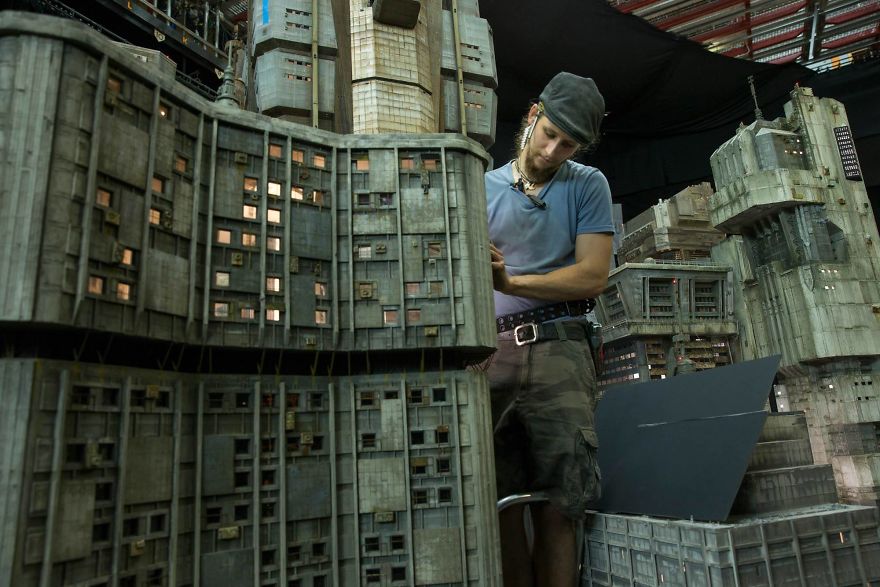
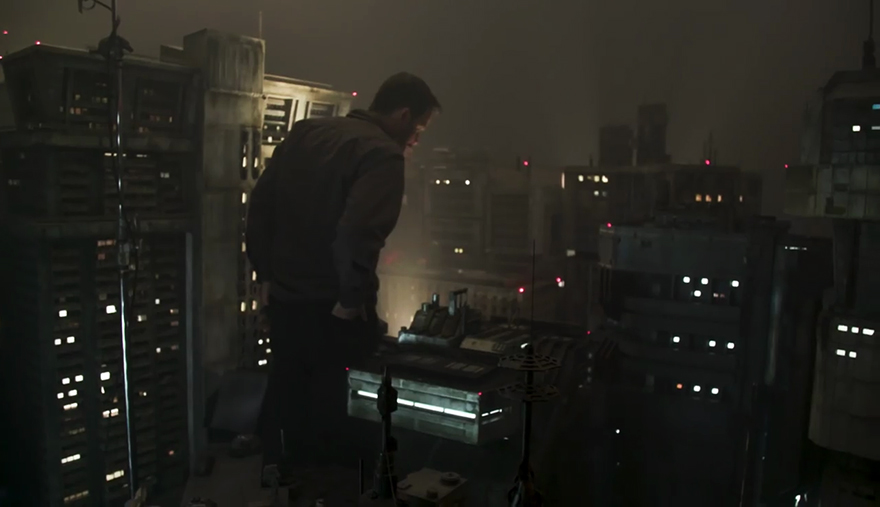
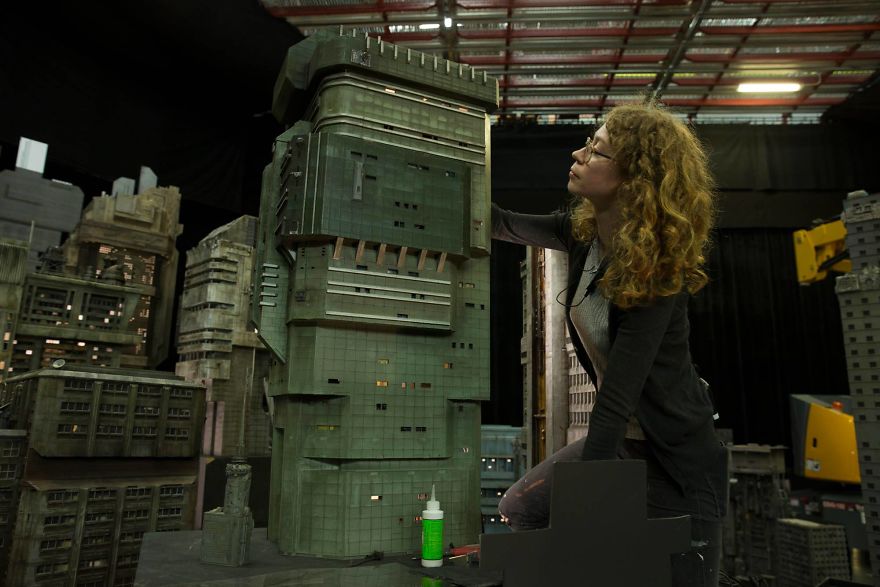
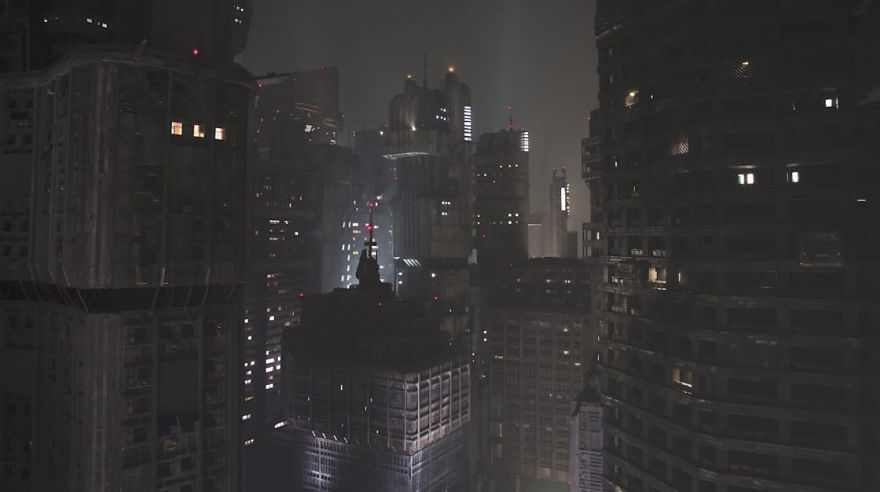
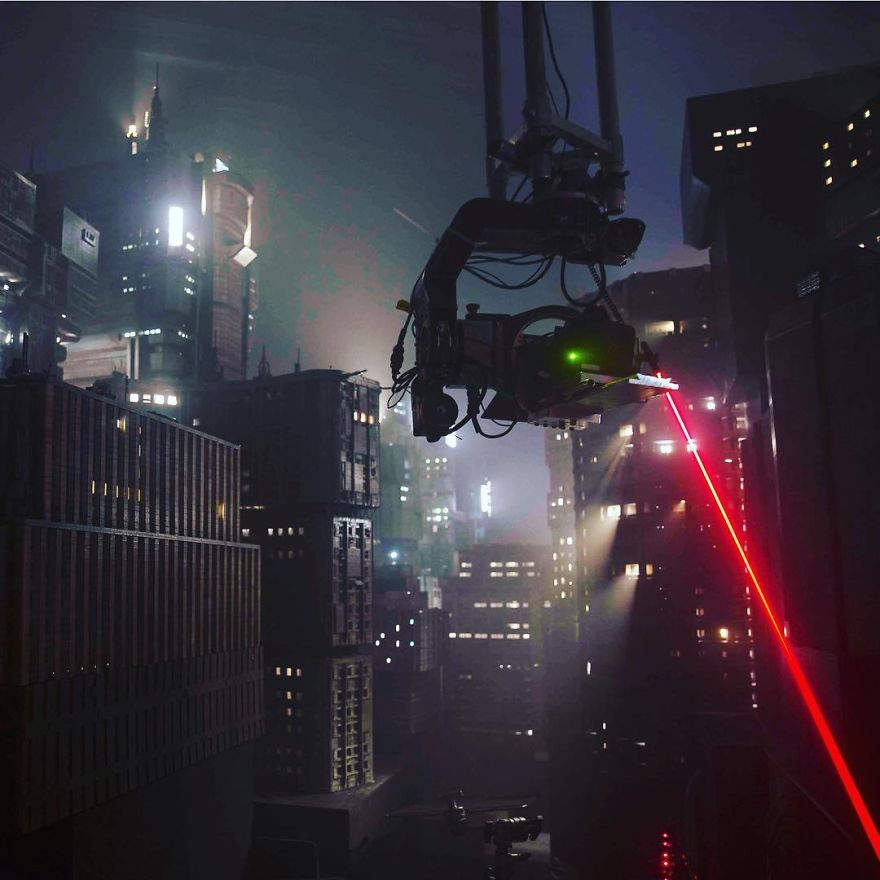
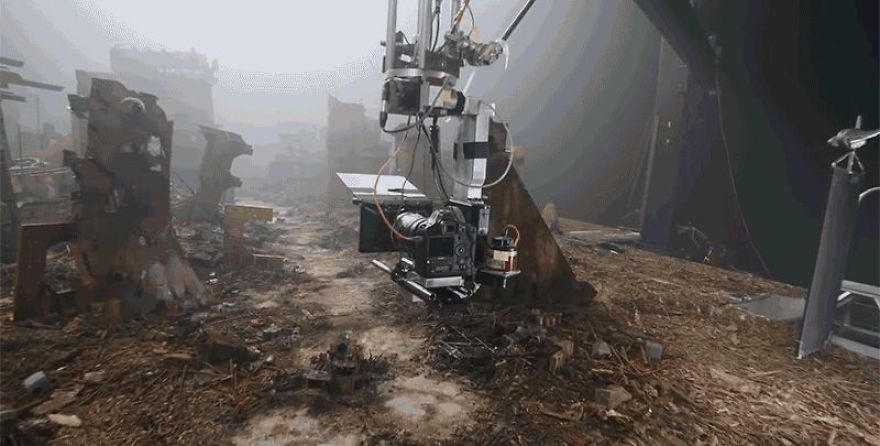
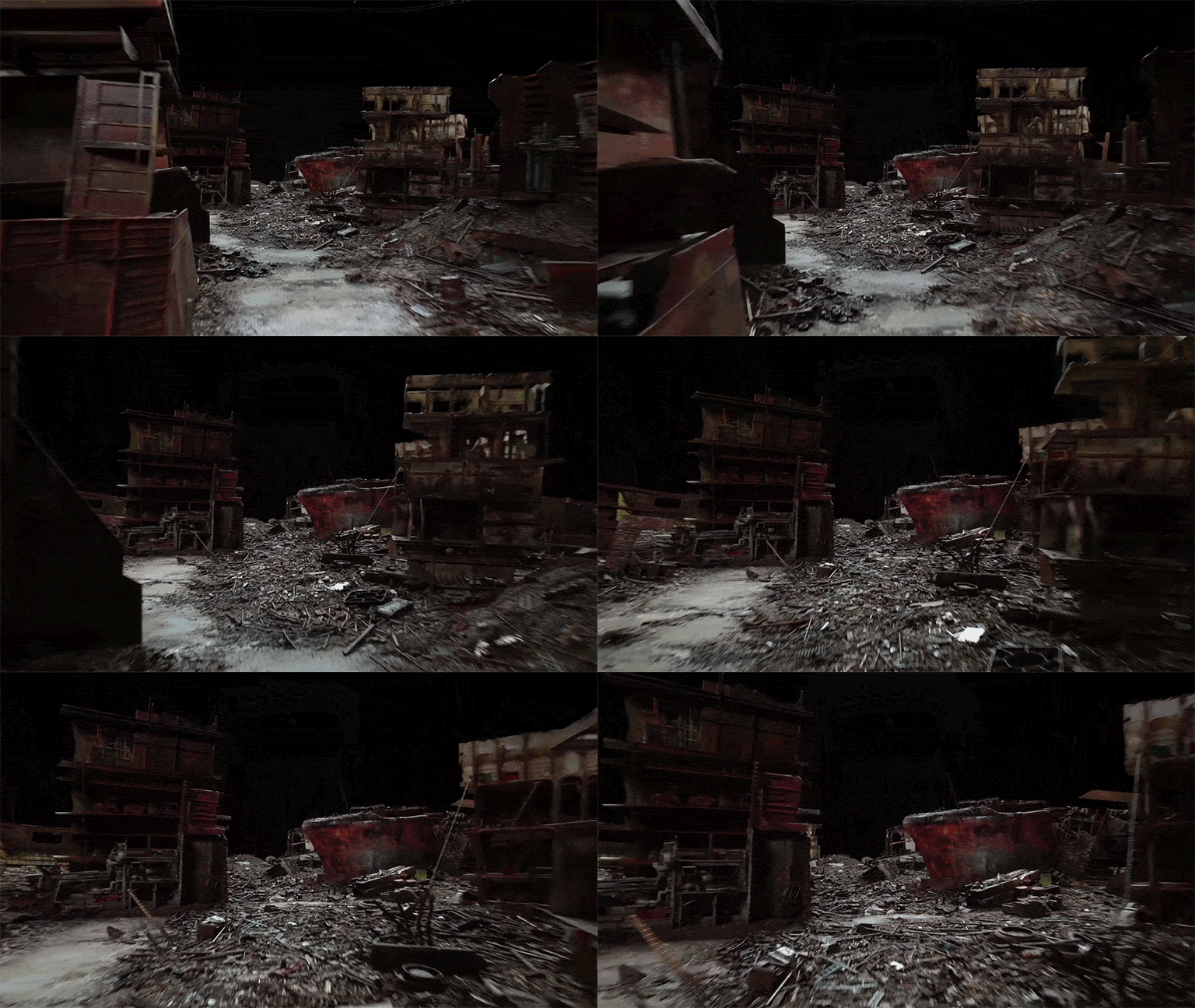
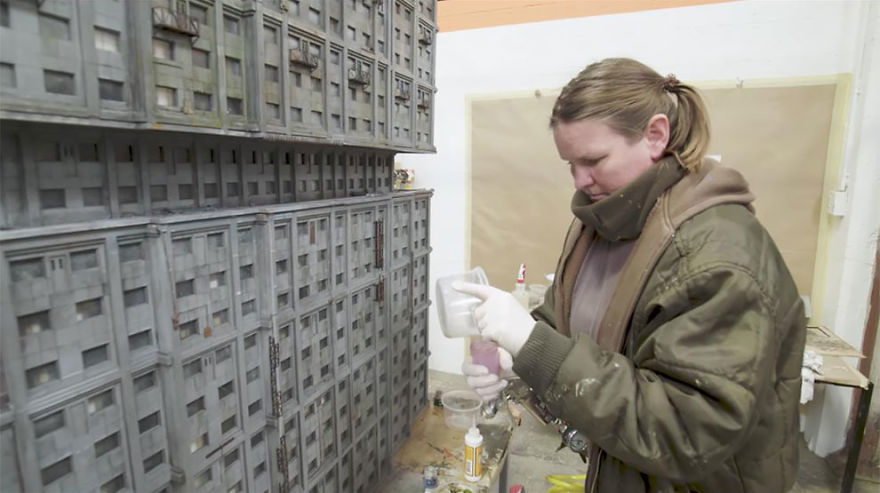
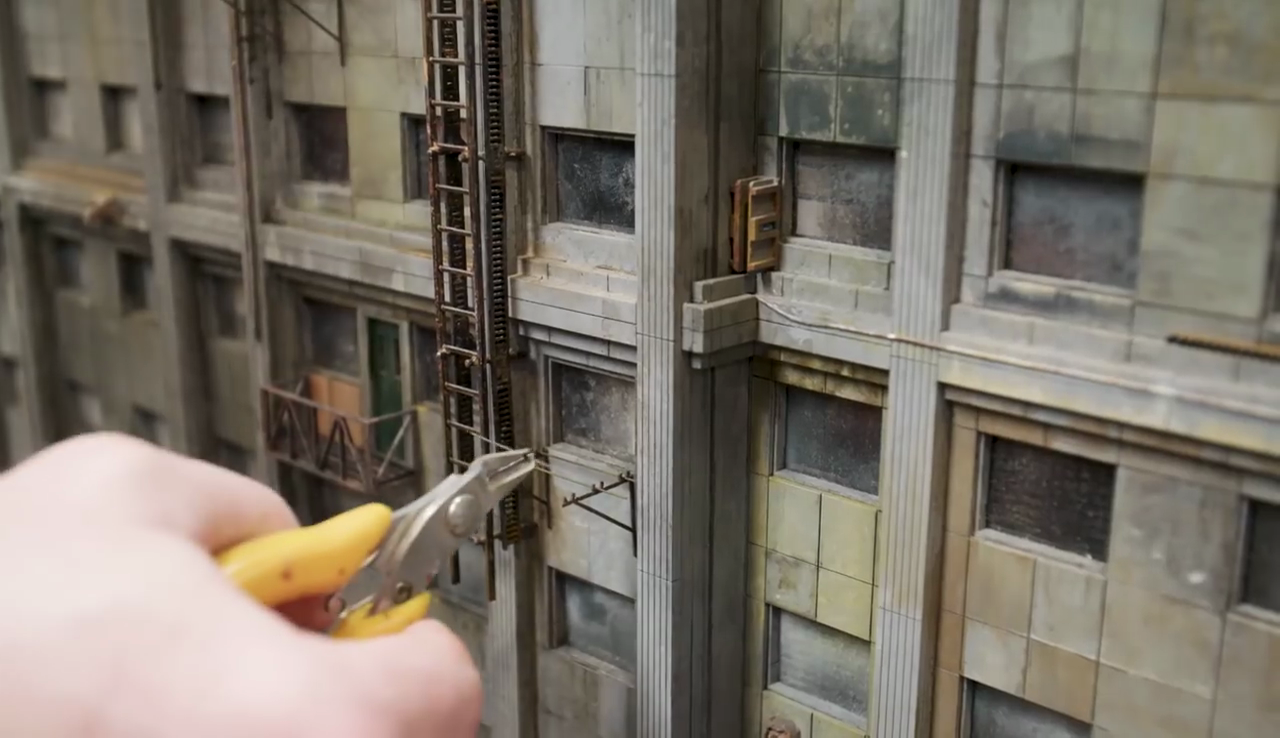
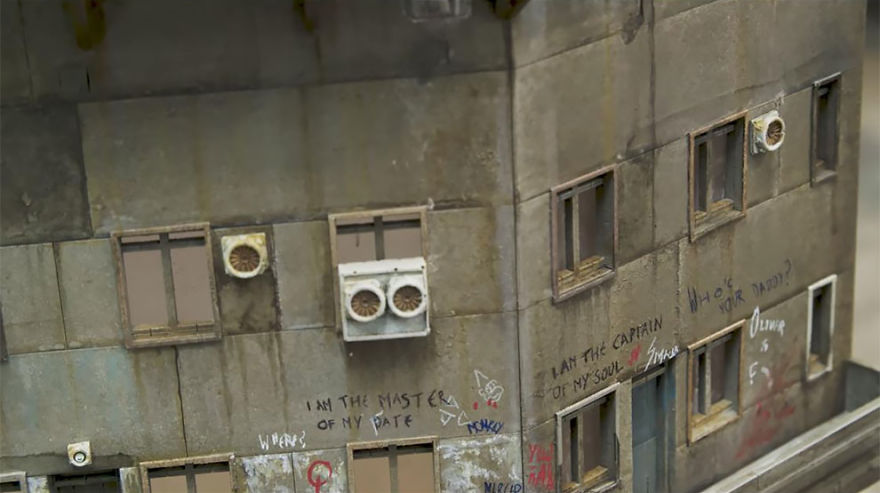
Anybody who’s seen Blade Runner 2049 will know how stunning it is. Even if you didn’t like the movie itself, it’s almost impossible not to gaze in awe at the incredible visuals on offer in Denis Villeneuve’s incredible follow-up to the 1982 classic. What’s even more impressive is that instead of solely relying on CGI for everything, the filmmakers actually used miniature models for many of the scenes. Well, we say “miniature” but as you can see, there’s really nothing miniature about them!

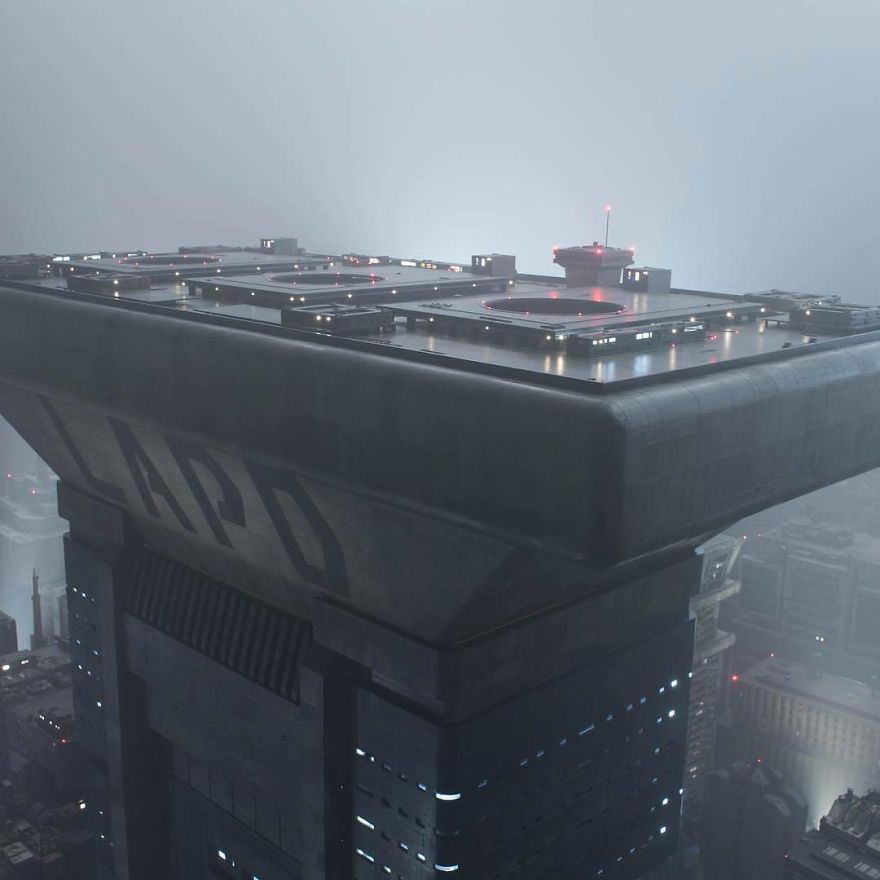
“They’re really bigatures – they’re not miniatures. They’re massive buildings,” says Pamela Harvey-White, the on-set production manager, in the video below. And few people could disagree when they see the 14.8ft (4.5m) high L.A.P.D building, the pyramid-shaped Wallace Towers that could only be lifted by crane, and the Trash Mesa that nearly filled the whole floor of the studio. “They’re just stellar pieces of art,” she states with pride.
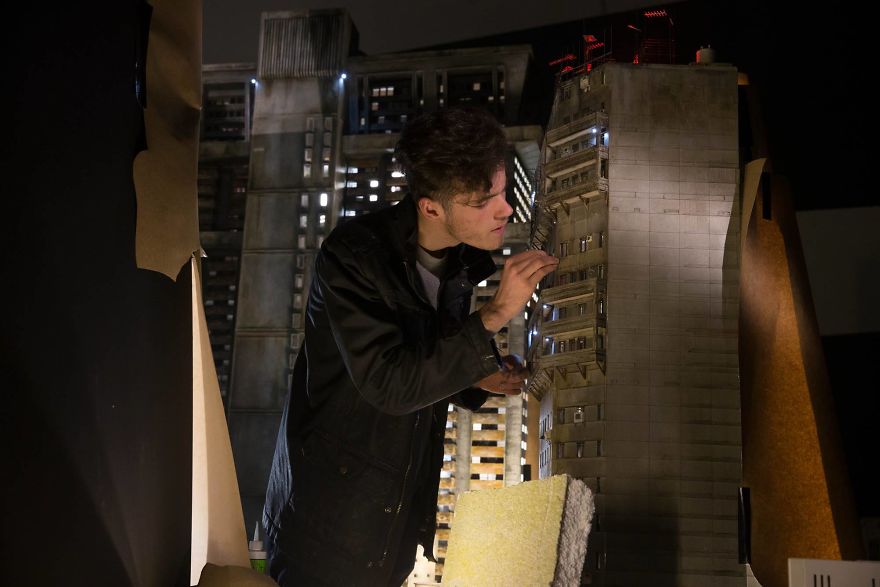
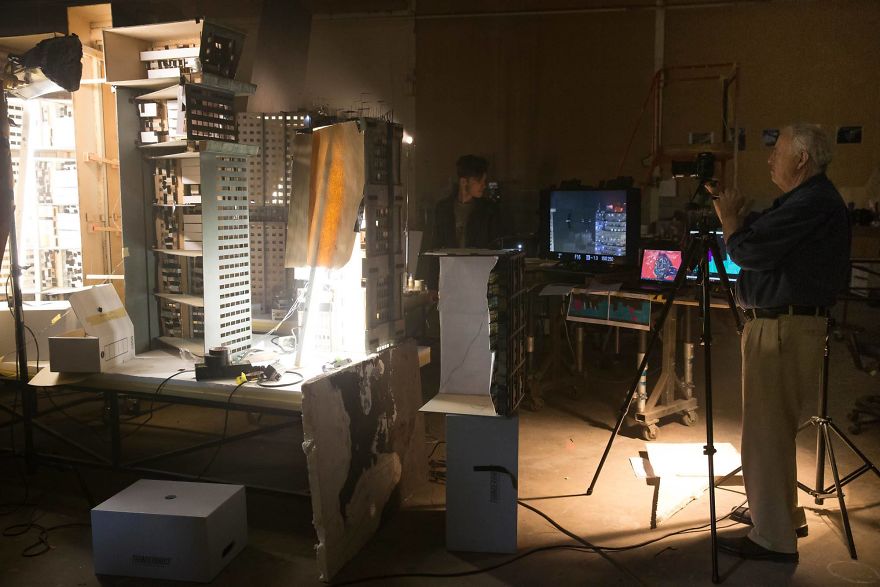
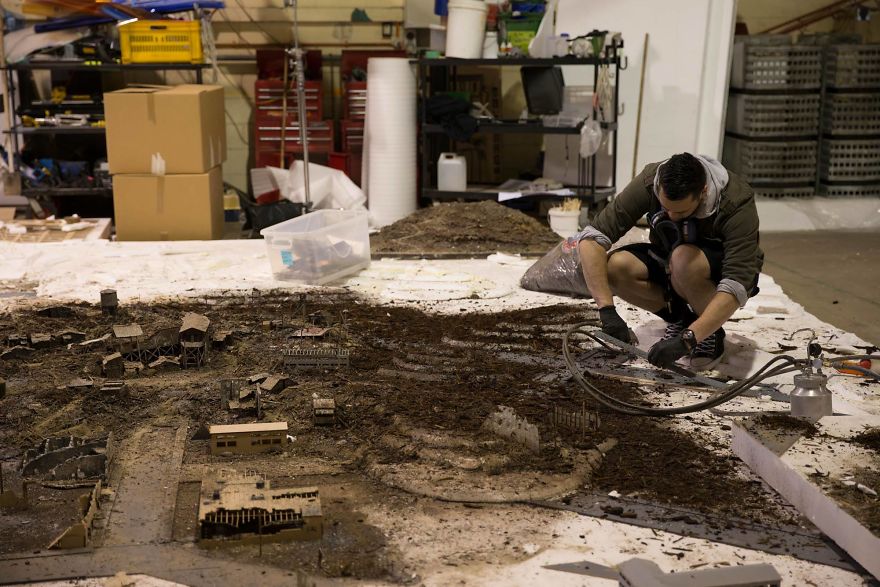
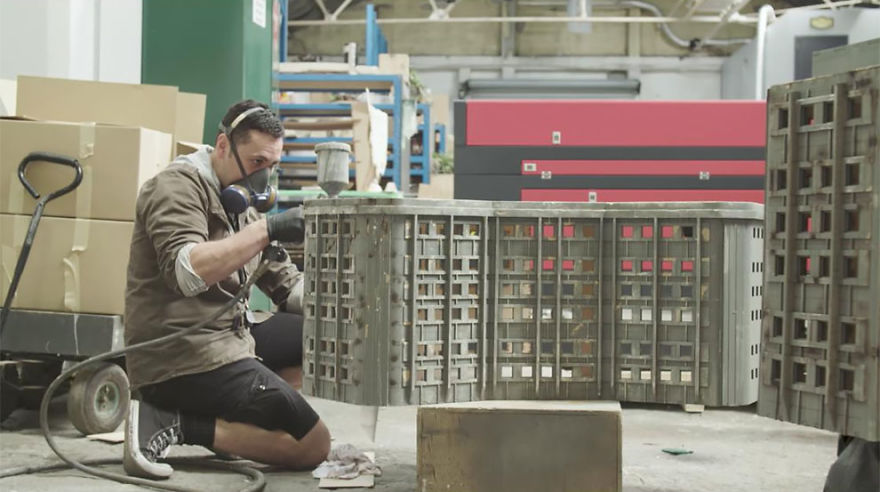
The “bigatures” were made by Weta Workshop, a special effects and prop company from New Zealand (co-founded by Lord of the Rings director Peter Jackson) which has also worked on such blockbusters as Thor: Ragnarok and Ghost in the Shell.  Around 38 models were made in total, and “each building would probably take about a week to make,” said Ben Milsom, the miniature unit’s senior art director, emphasizing that they were “mega high detailed.” Scroll down to see the incredible results.
Many of the Blade Runner 2049 sets were actually made from miniatures


Well, we say “miniature” but as you can see, there’s really nothing miniature about them!

With the biggest one being the L.A.P.D. miniature skyscraper, which was 14.8 feet (4.5 meters) high

“They’re really bigatures – they’re not miniatures. They’re massive buildings,” says Pamela Harvey-White, the on-set production manager

In total, around 38 “miniature” buildings were constructed

Some were so big that they could only be moved by crane

They were crafted by Weta Workshop, a special effects and prop company from New Zealand

The company was co-founded by Peter Jackson, who directed the Lord of the Rings and The Hobbit trilogies

“Each building would probably take about a week to make,” said Ben Milsom, the miniature unit’s senior art director

And it comes as no surprise, seeing how much detail the artists pack into a single miniature

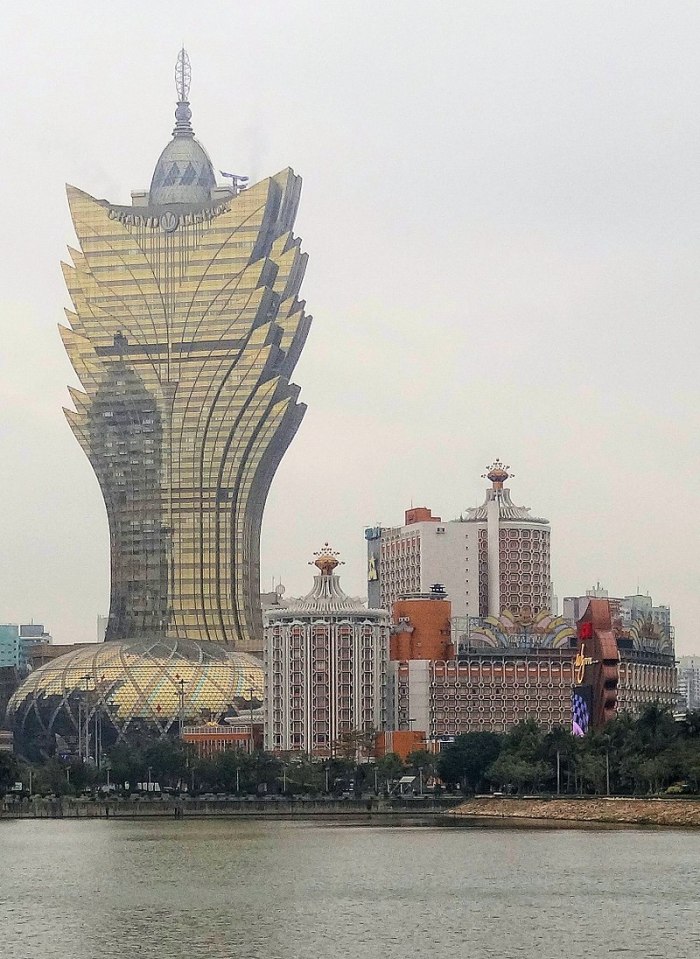
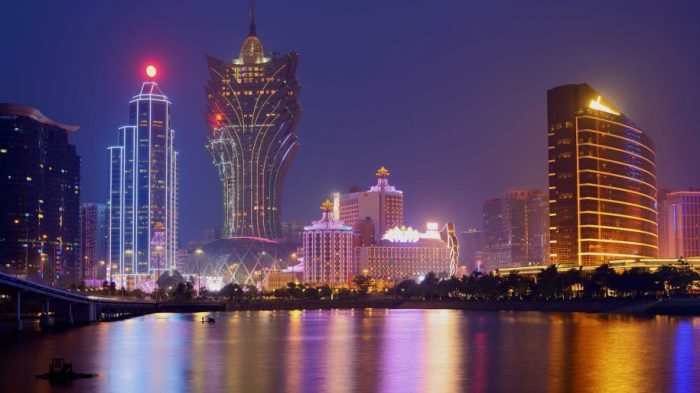
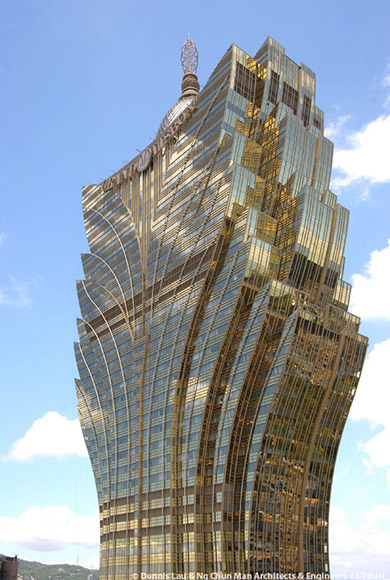
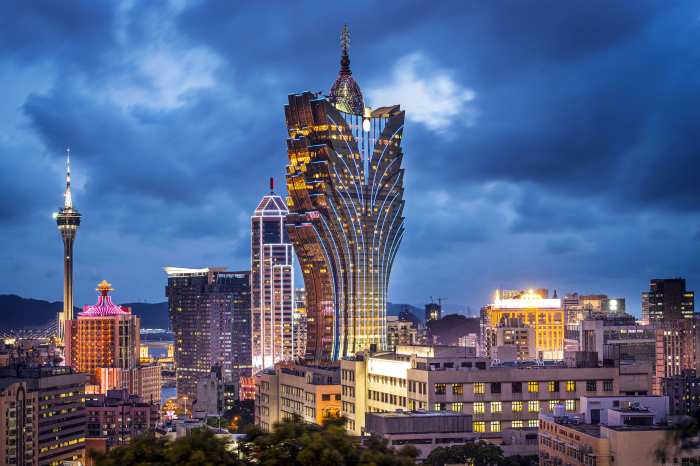
Very Unique Hotel in Macau

grand lisboa

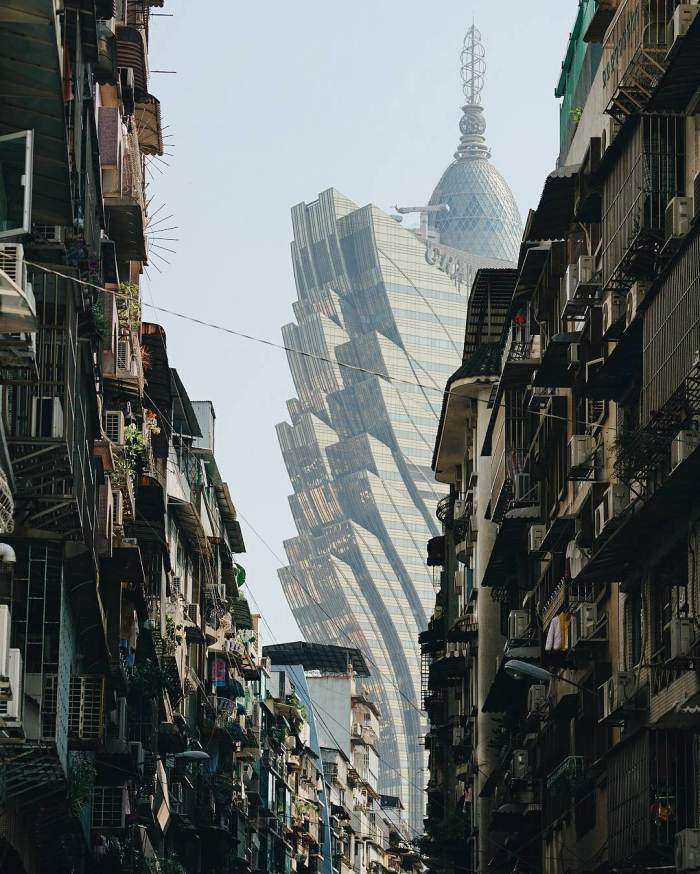
Grand Lisboa is a 47-floor,[1] 261-metre-tall (856 ft) hotel in Sé, Macau, China. It is owned by Sociedade de Turismo e Diversões de Macau and designed by Hong Kong architects Dennis Lau and Ng Chun Man. Its casino and restaurants were opened on February 11, 2007, while the hotel was opened in December 2008. The casino offers 800 gaming tables and 1,000 slot machines. The hotel contains 430 hotel rooms and suites. The Grand Lisboa is the tallest building in Macau and the most distinctive part of its skyline.

The casino is the first in Macau to offer Texas hold ’em poker ring games. It was also the first to offer craps, though several other casinos in Macau now offer the game.

In 2017 it was reported that the Grand Lisboa suffered a decline in revenue and profits during 2016.

grand

grand1

grand2.jpg

grand3


Inglis Grain Elevators National Historic Site

ingliss

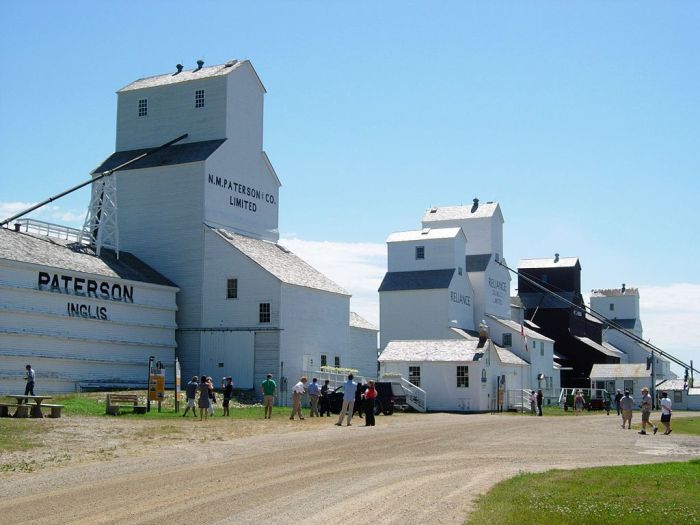
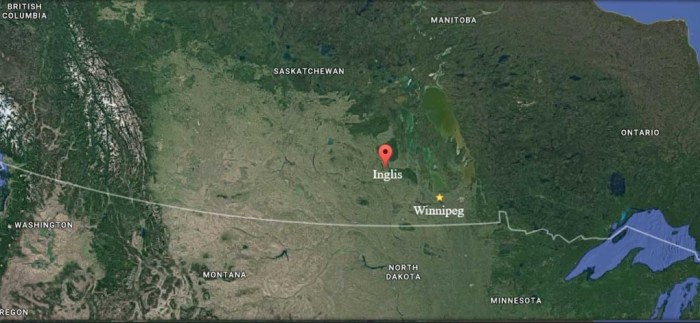
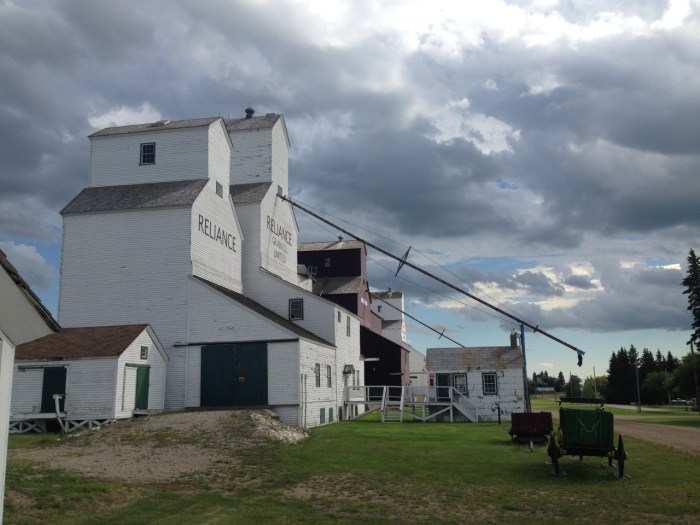
Inglis elevator row is a row of five wooden grain elevators located alongside the former Canadian Pacific Railway track bed, in the village of Inglis, Manitoba, Canada. Because so many grain elevators have been demolished throughout Western Canada, the Inglis elevator row preserves rare examples of a formerly common sight from “the golden age of grain.” In recognition of the elevators in Inglis being the last elevator row in Canada, they have been protected as a National Historic Site of Canada.

inglis1

The arrival of the railroad in the smaller communities of Manitoba offered both risk and reward for villages. When the railroad reached Inglis in 1922, allowing grain from the area to reach distant markets, the nearby town of Asessippi was quickly abandoned. By the end of 1922, four of the five elevators in Inglis were already built, quickly followed by a number of shops and businesses. The Inglis row consists of five wood-crib elevators:

N. M. Paterson Company, built in 1922 using then-state of the art dust control systems.
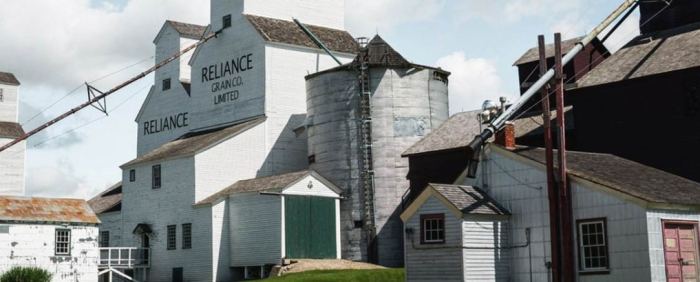
Reliance elevators, built by Matheson-Lindsay in 1922 as a single elevator. The elevator was then taken over by Province Elevator Co. later becoming Reliance Elevators in the 1930s. By 1941 a new “twin” elevator was added for more space. Manitoba Pool bought the elevators in 1952 and lastly sold to United Grain Growers in 1971. The elevators have since been fully restored back to their original signage as Reliance elevators.
United grain growers elevator, originally built by United Grain Growers in 1922 but replaced after it was destroyed by fire in 1925. Annexes were added 1949.
National elevator, built by the Northern Elevator Co. in 1922 later taken over by National in the 1940s and then Cargill and last Paterson Grain in 1979. The elevator has been completely restored as a gift shop.

With the loss of wooden grain elevators across western Canada, the “Five Prairie Giants” of Inglis have become a popular tourist destination and were named one of Manitoba’s top ten architectural icons.

inglis

inglis2

The grain elevators of the present time. Huge concrete structures.

inglis4

Akademgorodok: Siberia’s Silicon Valley

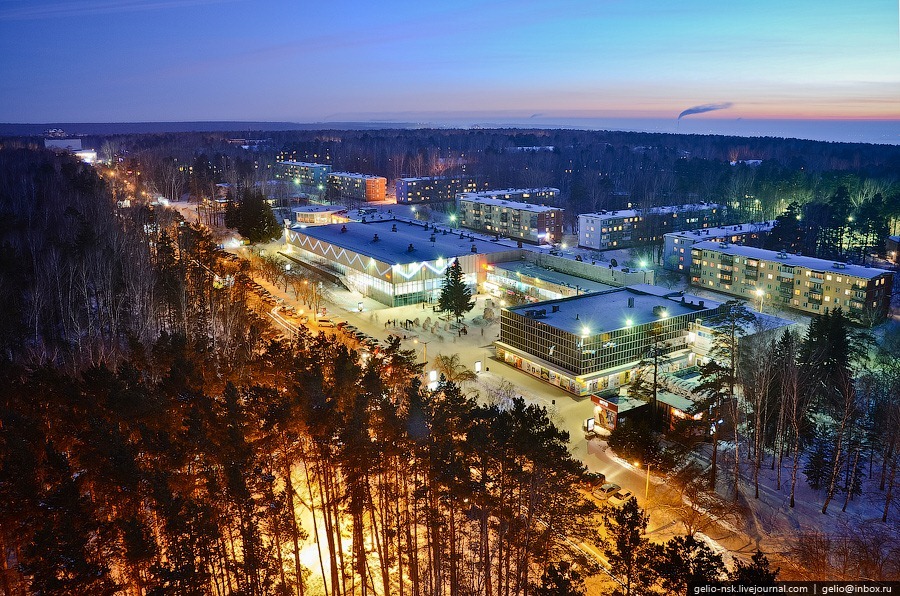
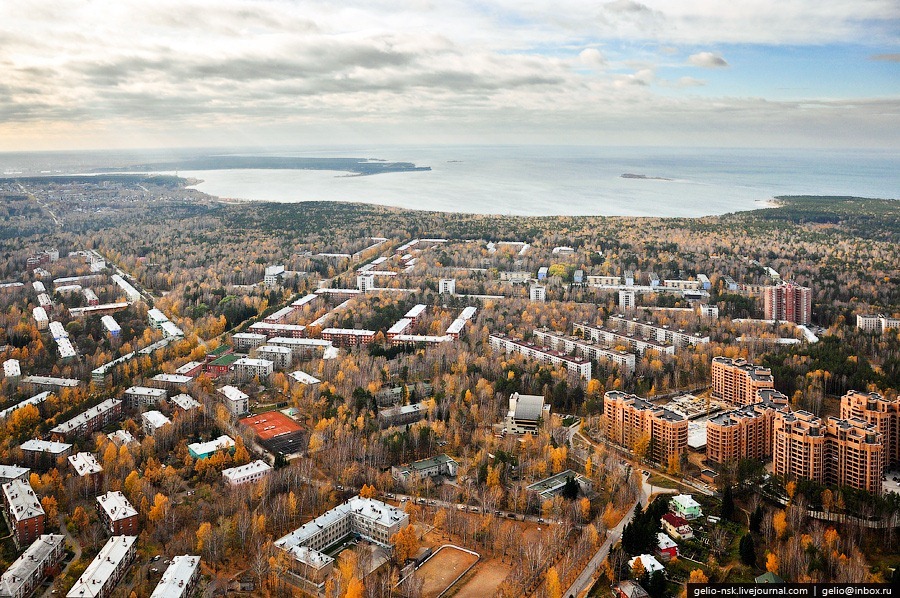
Tucked away in a remote forest of birch and pine in the heart of Siberia, 3,000 km away from Moscow, at a place where winters are six months long with temperatures dropping to minus 40 degree Celsius and summers are swaddled with mosquitos, is a city built for scientists and researchers. This frozen wasteland is more suited for polar bears than scientific endeavors, but Nikita Khrushchev felt the distance from Moscow was necessary so that the country’s sharpest scientific minds could work together on fundamental research away from the prying eyes of bureaucracy. This is Akademgorodok, or “Academic Town”—the Soviet Union’s answer to America’s Silicon Valley.

akademgorodok-146

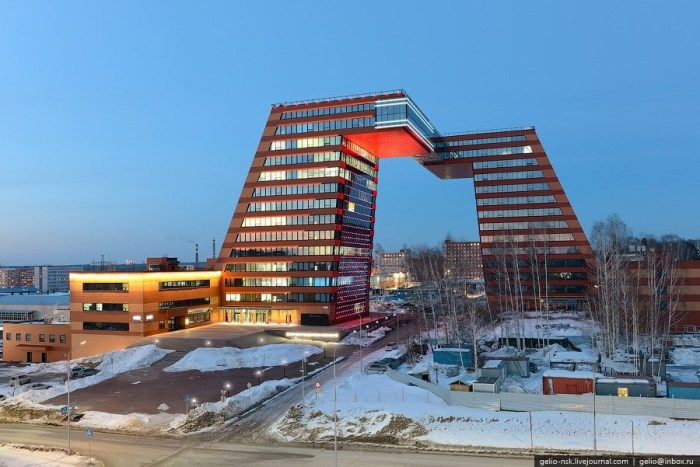
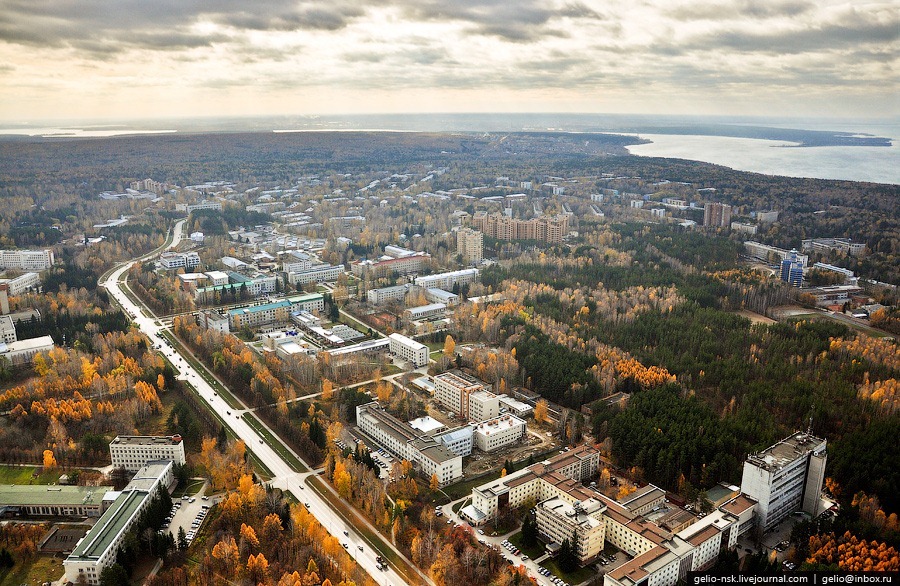
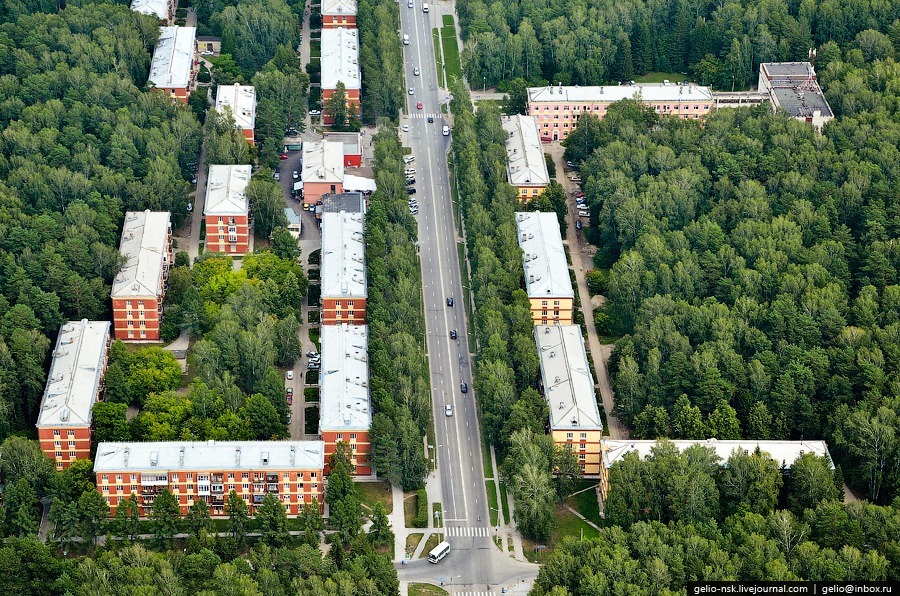
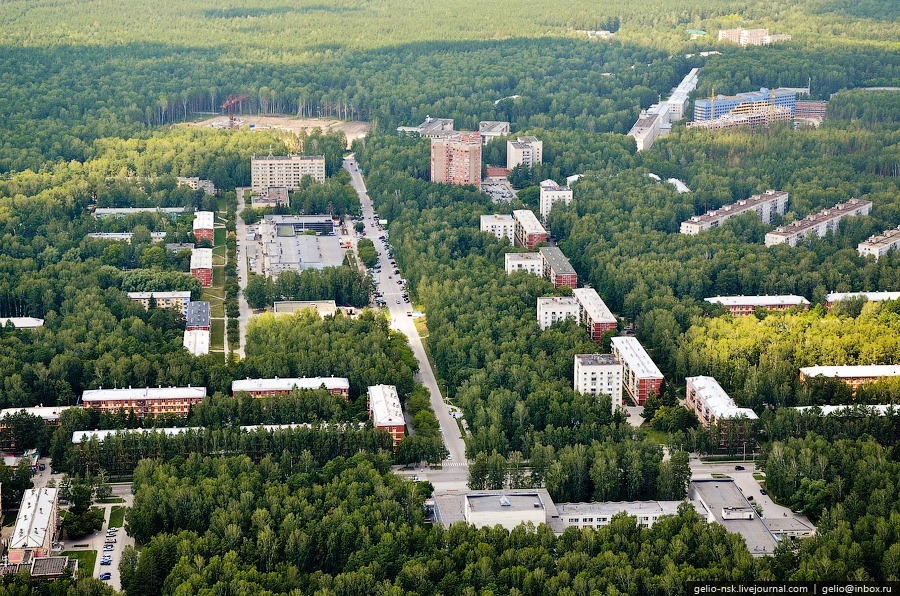
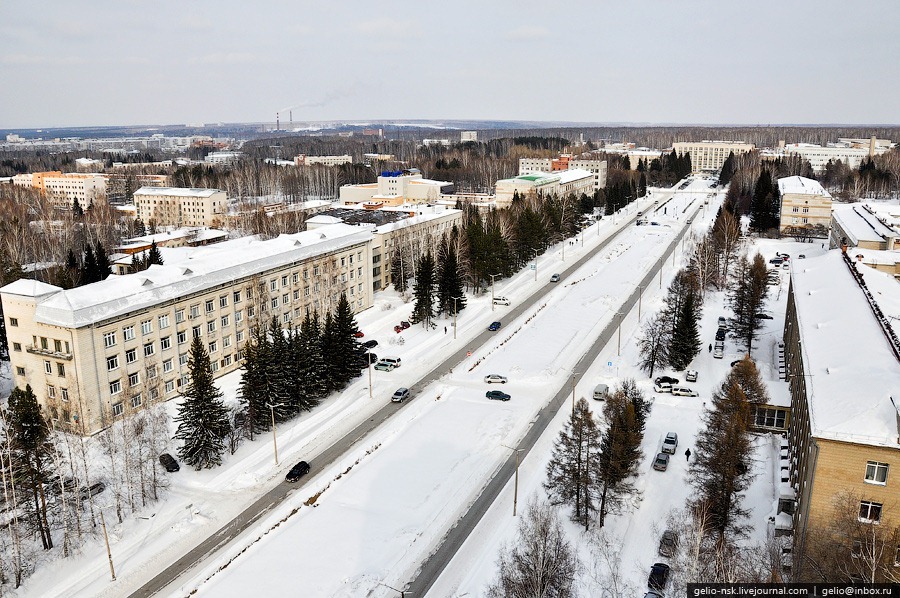
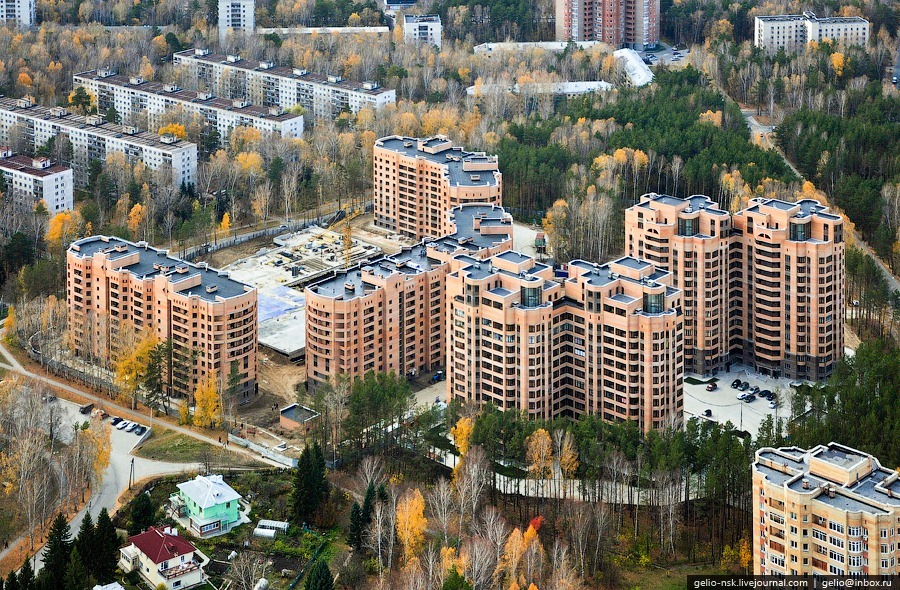
Akademgorodok is situated in the middle of a forest 30 km south of Novosibirsk city. It is one of several Akademgorodoks built between the late 1950s and mid-1970s in Siberia; the Akademgorodok outside Novosibirsk is the most successful one. Located within Akademgorodok is Novosibirsk State University, 35 research institutes, a medical academy, apartment buildings and houses, and a variety of community amenities including stores, hotels, hospitals, restaurants and cafes, cinemas, clubs and libraries. Less than two kilometer away is an artificial beach created by dumping hundreds of tons of sand along the edge of the Ob reservoir.

At its peak, Akademgorodok was home to 65,000 scientists and their families. It was a privilege to live there, and many scholars in the 60s escaped to the frozen hinterland as a sort of voluntary exile in order to be far from the totalitarian rule of the Soviet capital, and lured by the promise of new housing and professional advancement.

Residents enjoyed great levels of freedom and indulged in activities unheard of in any other corner of the Soviet empire. They discussed the foundations of Marxist theory and about economic reforms, read books, listen to poets and singers not approved by the regime. Scientific research in areas dismissed as dangerous pseudoscience in Moscow, such as cybernetics and genetics, flourished.

akademgorodok-17

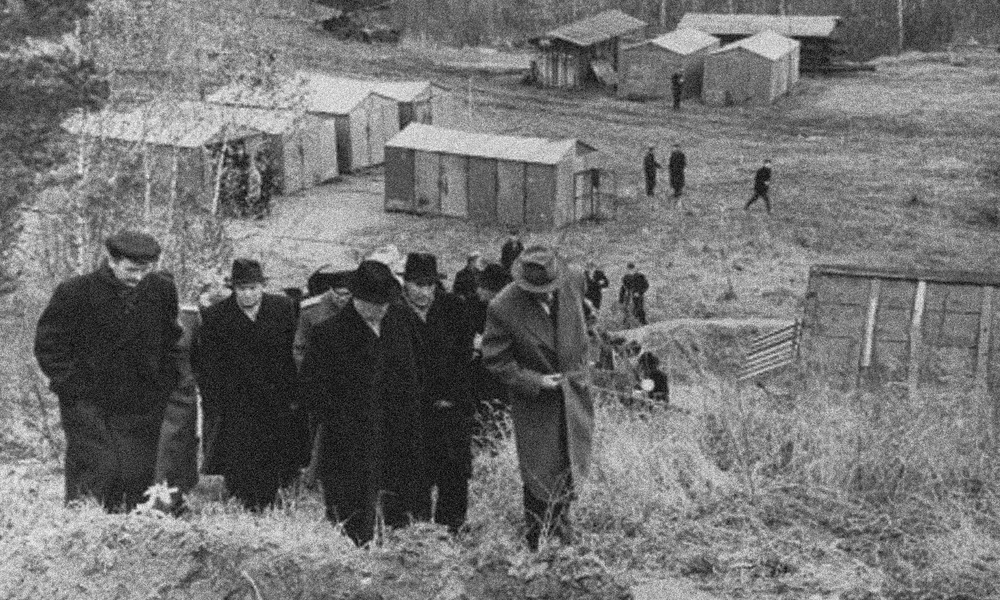
Nikita Khrushchev, foreground center, visits Akademgorodok during construction in the 1950s.

Living standards in Akademgorodok were also higher than in the rest of the country. Shops were stocked with subsidized foodstuffs not easily obtainable elsewhere, and apartments were well-furnished. Those who obtained a doctorate were given a special food delivery service, which provided them a wider selection of groceries than the general population could avail. Members of the Academy of Sciences had access to even higher level of services and were allotted single-family residences rather than apartments.

But the utopian vision of no bureaucratic interference proved impossible in the Soviet Union. Freedoms got severely curtailed in the 1970s during the rule of Leonid Brezhnev. Then when the Soviet Union collapsed in the 1990s, many of the former communist nation’s best minds fled to the west. But economic reforms brought about by the end of communism saw the beginning of private investment and venture funding in Akademgorodok. From USD 10 million in 1997, this rose to USD 1 billion by 2015. There are some 300 companies operating at Akademgorodok today dabbling on everything from nano-ceramics to motion graphics for the American entertainment industry. Its current population stands at over 100,000.

While the figures pale in comparison to that of other countries and even elsewhere in Russia—Skolkovo, an emerging tech hub on the outskirts of Moscow, for example, has over 1,100 startups generating over USD 1 billion in revenue alone at the end of 2014—Akademgorodok will remain as Russia’s original Silicon Valley.

akademgorodok-5


akademgorodok-6


akademgorodok-7


akademgorodok-8


akademgorodok-10


akademgorodok-12


akademgorodok-15


akademgorodok-16