Trump demands $25 billion from Congress for his ‘Great Wall’.
In his dreams


Reality
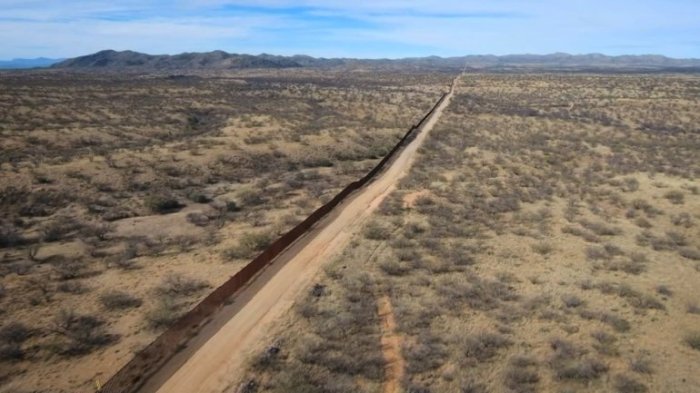
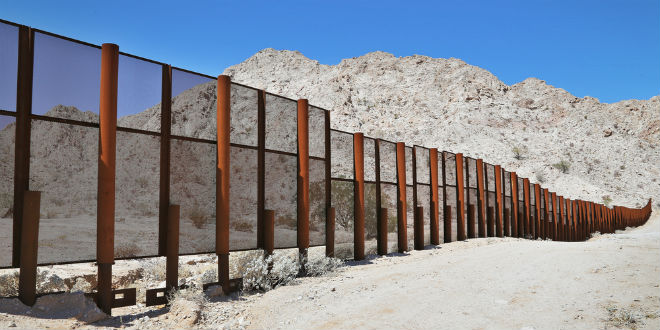
The drug cartels are already working on plans to counter the wall.

Trump demands $25 billion from Congress for his ‘Great Wall’.
In his dreams
Reality
The drug cartels are already working on plans to counter the wall.
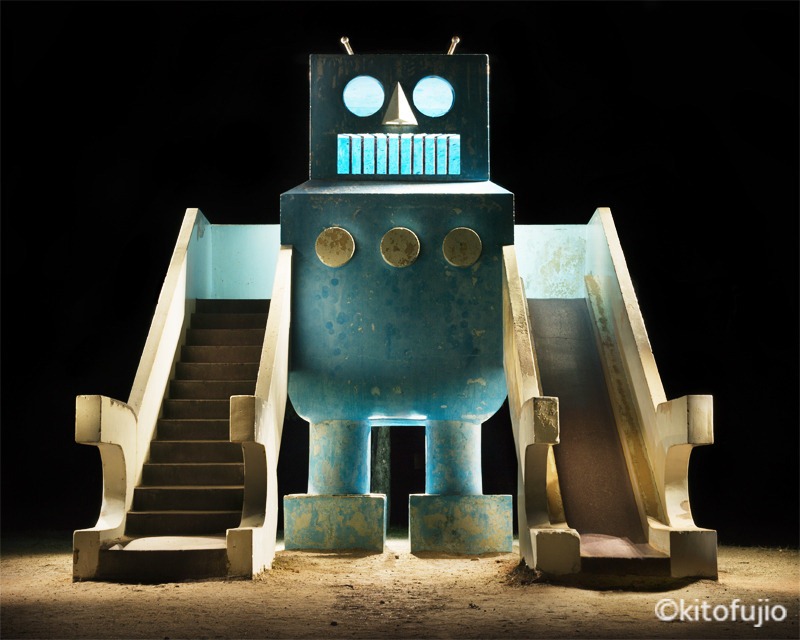
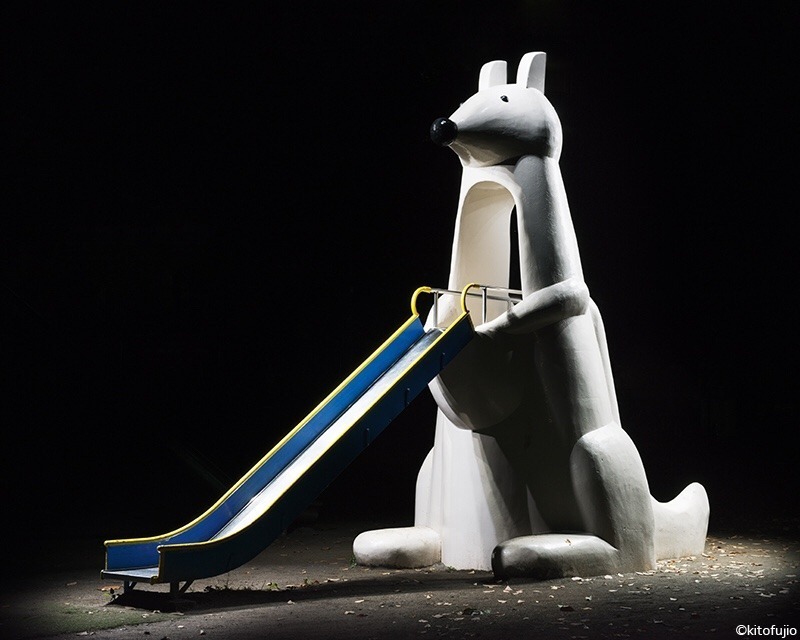
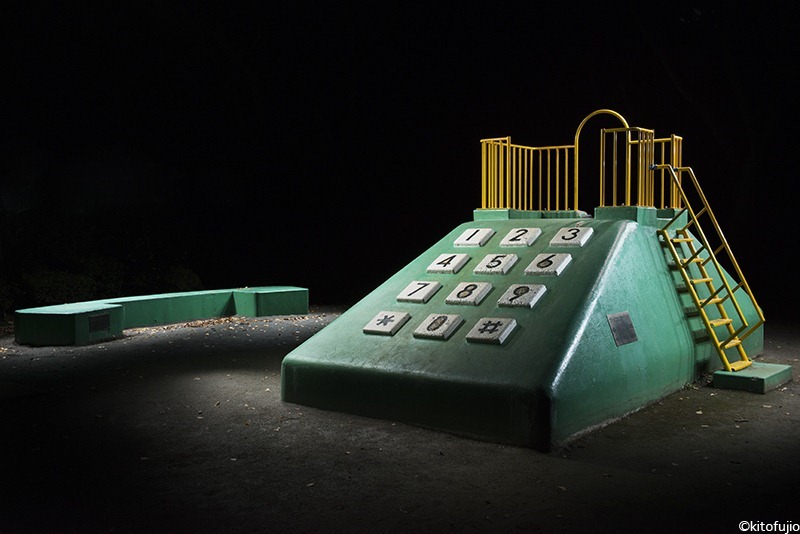
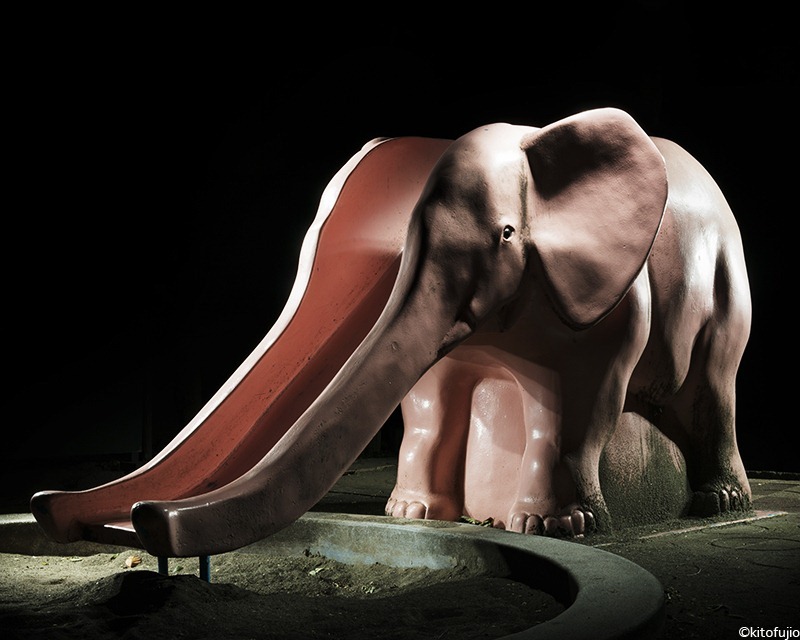
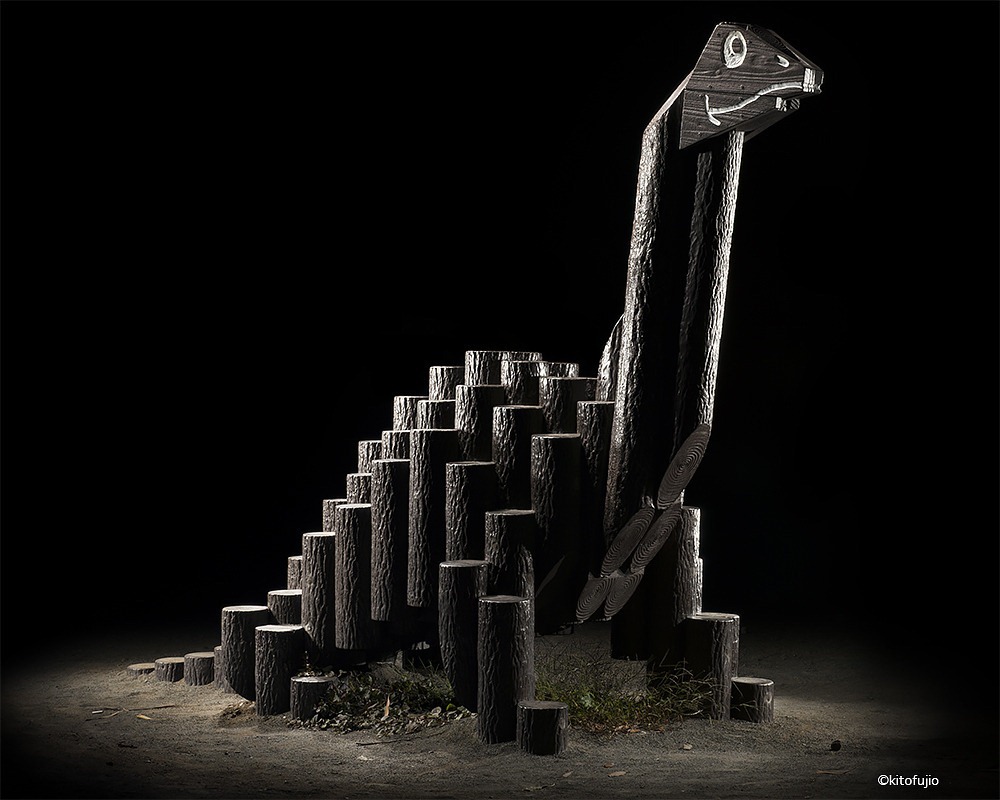
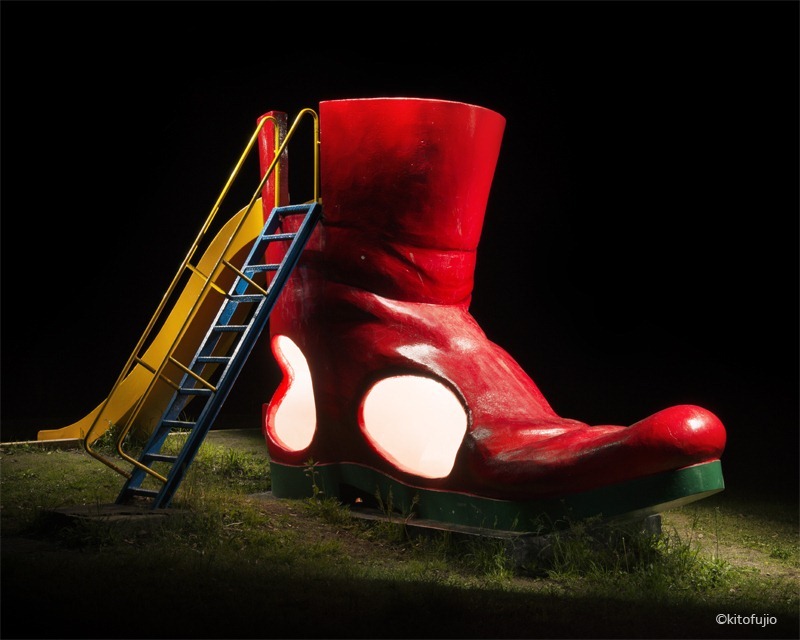
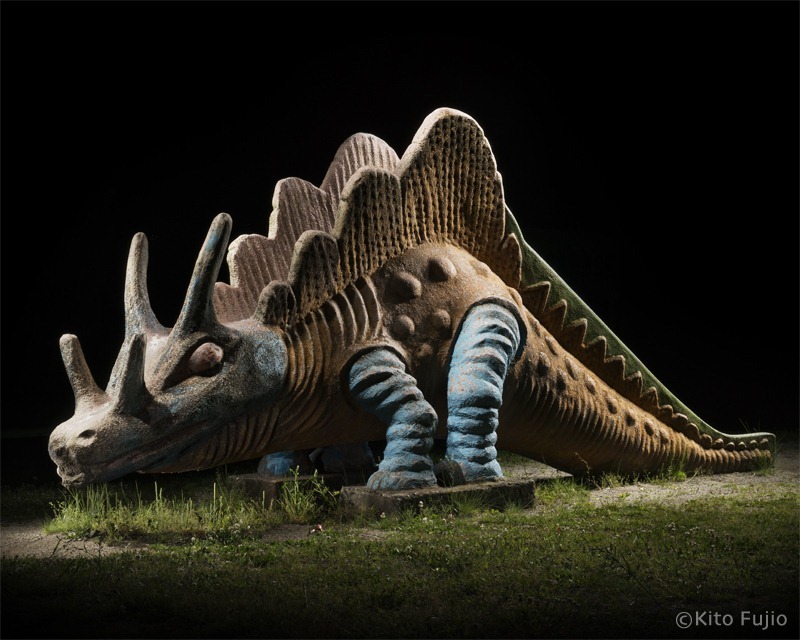
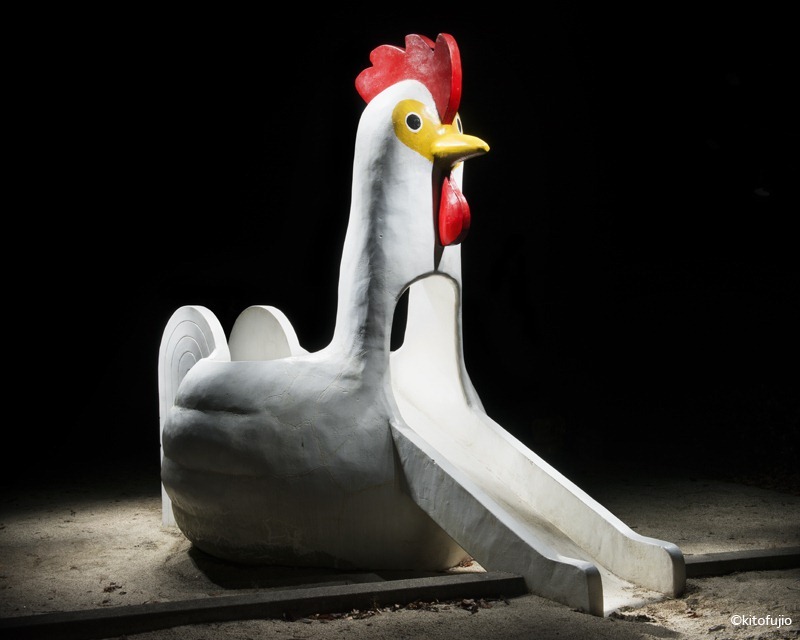
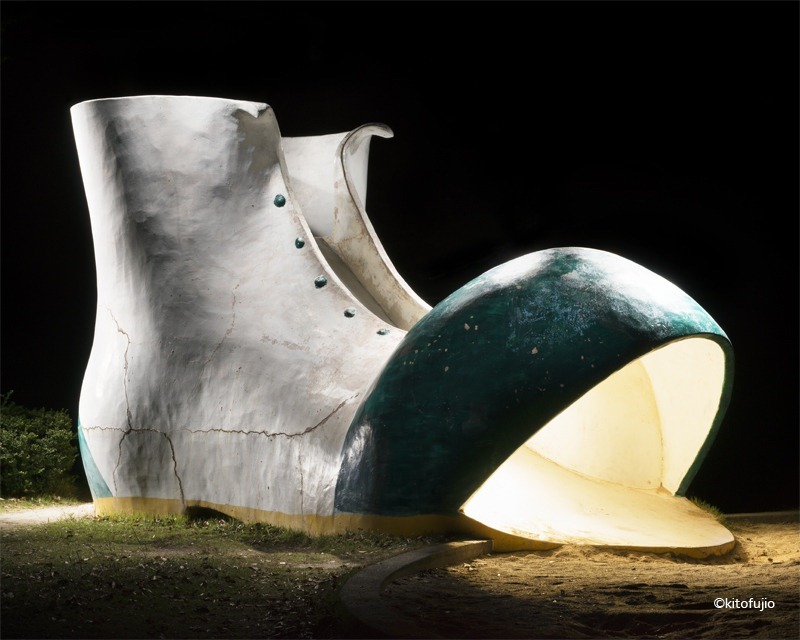
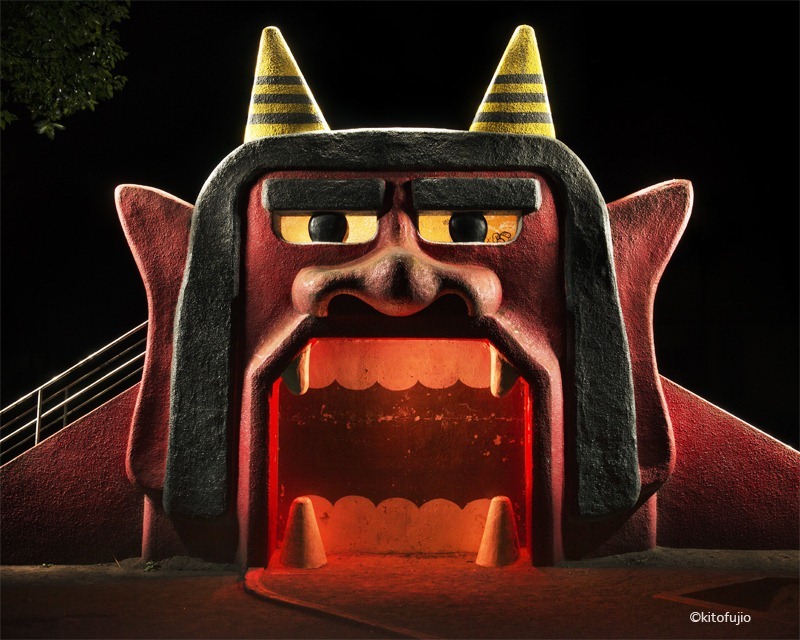
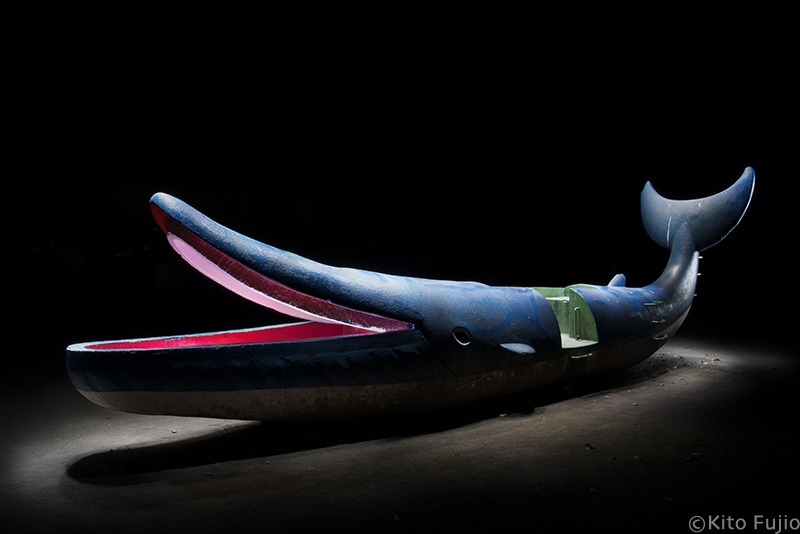
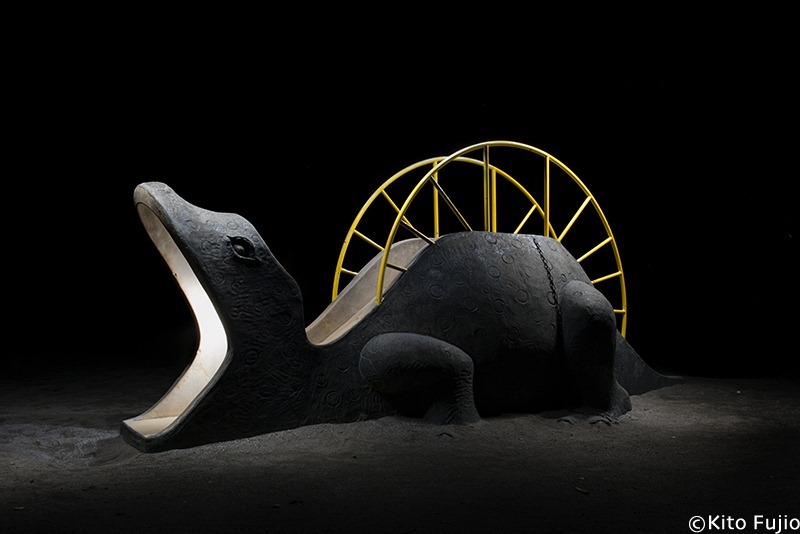
Ever since Kito Fujio quit his job as an office worker to become a freelance photographer, he has been exploring every possible nook and corner around Japan looking for unusual playground equipment. Those little games and rides on rooftops of department stores that keep children entertained while their parents shop are interesting, but what really drew him were the giant cement-molded play equipment that dots playgrounds around the country.
Kito Fujio visited these playgrounds in the dead of night when no one was around, and with dramatic and cinematic lightning, created these captivating images. A lot of these concrete equipment are molded after animals that children are familiar with. Others take the form of robots, household appliances and or even abstract shapes. Most of these straddle the fine line between artistic sculptures and functional play tools.
What’s great about these pictures, aside from the gorgeous lighting, is how little the photographer shows of the surrounding environment. Each one appears to stand isolated, lonely and very much otherworldly.
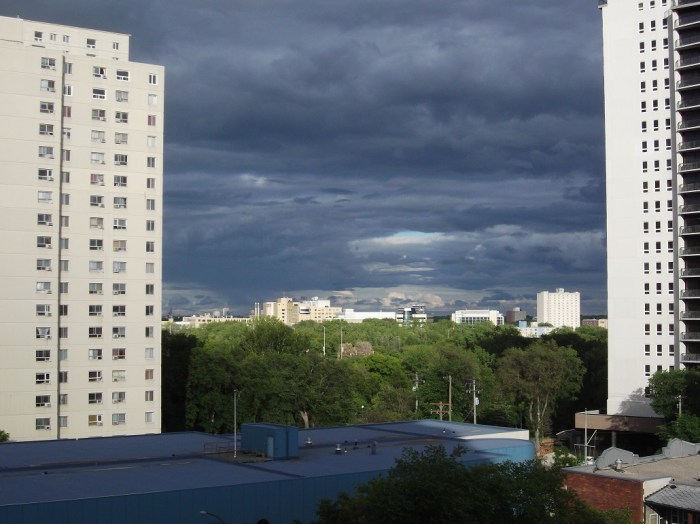
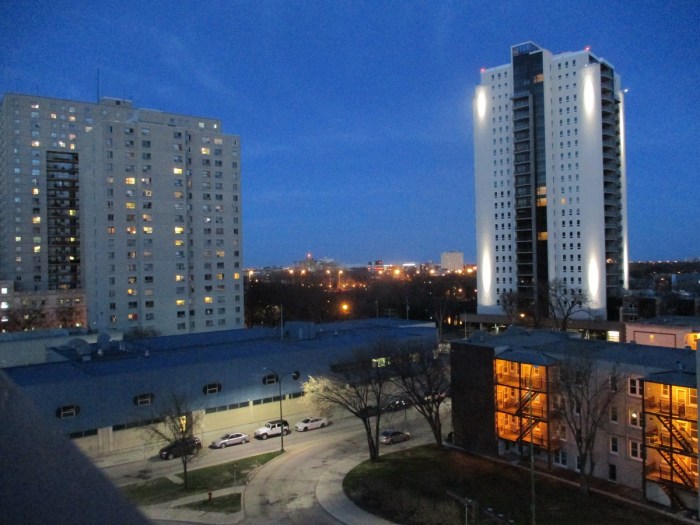
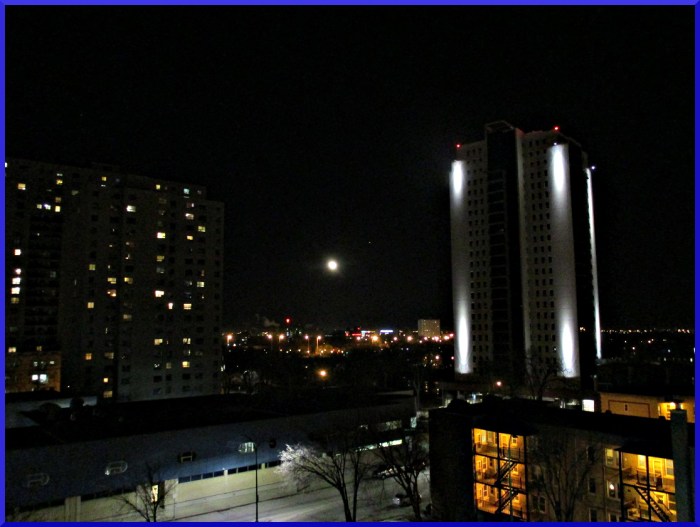
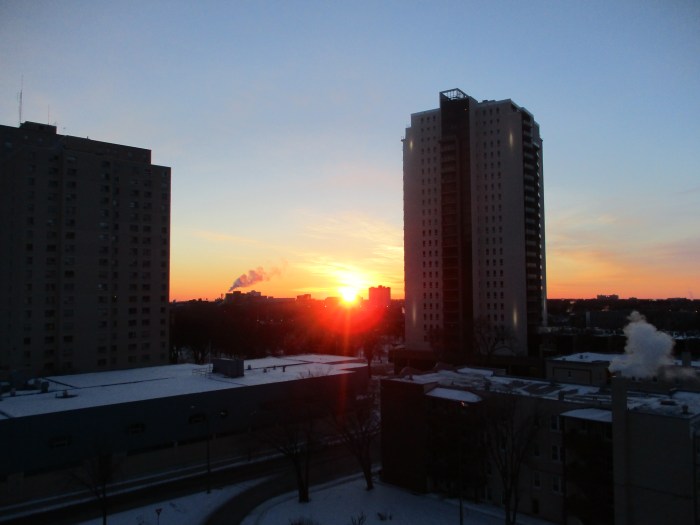
These are photos taken from my balcony in downtown Winnipeg of the St. Boniface Hospital cross. The hospital complex is roughly 2 kilometers away across the Red River.
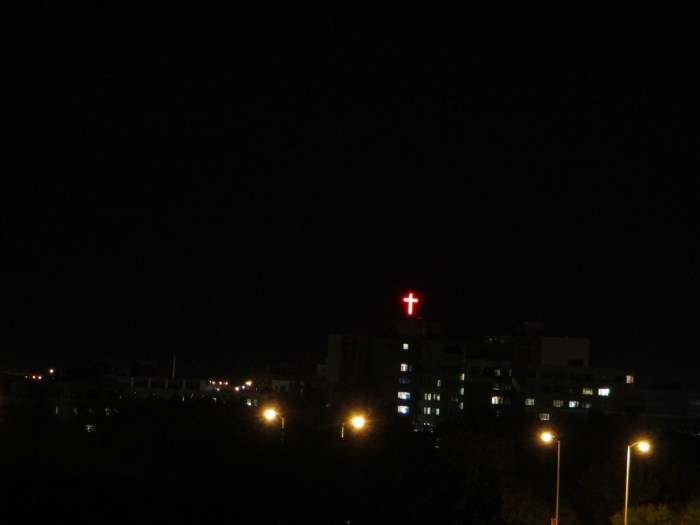
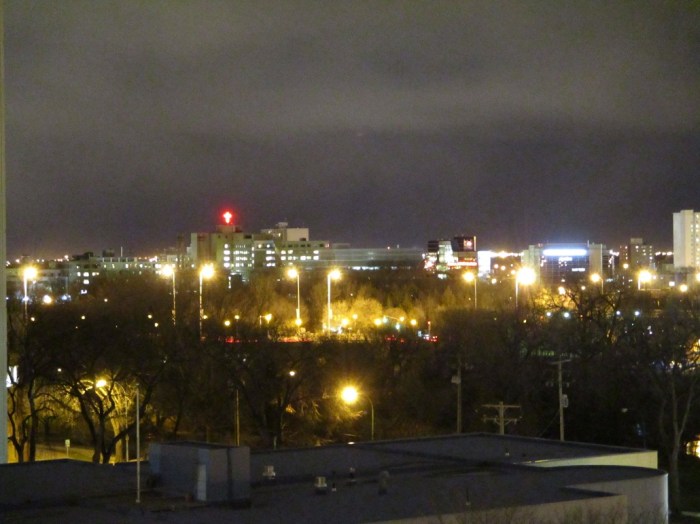
My dear old Dad had heart surgery at St. Boniface hospital 5 years ago. When he came to he looked out the window and the first thing he saw was that huge cross. He wasn’t sure if he made it or not.




I have a pet theory (I call him Malcolm, he likes having his tummy rubbed) that posits the suggestion that maybe vinyl declined all those years ago because there were so many shit covers around. It is possible. Too many shit covers meant people didn’t want their lack of taste in music to be seen by their cool friends, so sales dropped until downloads arrived when nobody knows what you’re listening to on your iPod.

This collection of terrible covers from the 1970s and 1980s that were (somehow) available in Europe, well, primarily Holland, to be fair. Some of these covers look like the profile pics for would-be serial killers on Tinder. These are obviously the kind of covers made by foolhardy record execs who say things like “Who needs a designer, my son’s gotta camera, he can do it….” And you know what, he did.



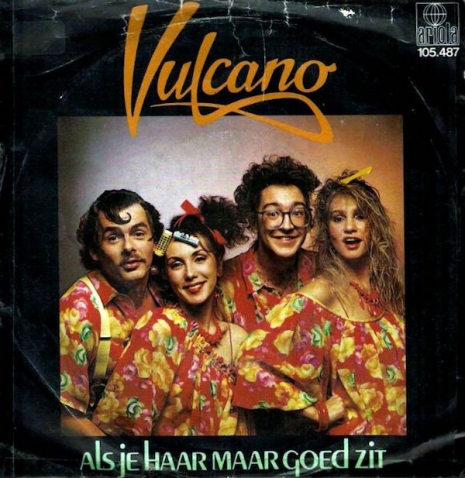





From Dangerousminds.net
Arizona Cardinals and Seattle Seahawks

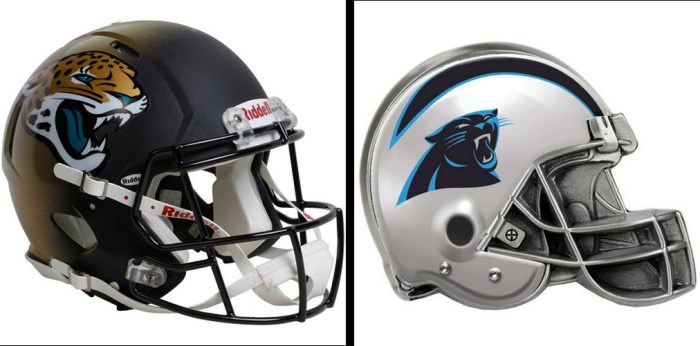
Jacksonville Jaguars and Carolina Panthers
Minnesota Vikings and Philadelphia Eagles

Sorry Vikes fans
Here a couple similar helmets outside the NFL. I had to include them because they are so cool.
University of Washington Huskies (US College) and Winnipeg Blue Bombers (CFL)

Enjoying Motherhood

Great Camo. Can you spot the critter?
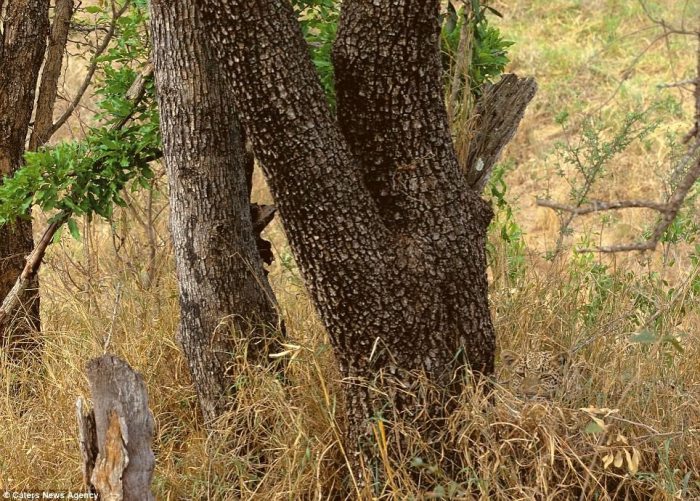
Monument Valley, USA.

Friends

Another day in Abu Dhabi

Seattle

Collared Cougar in Hollywood
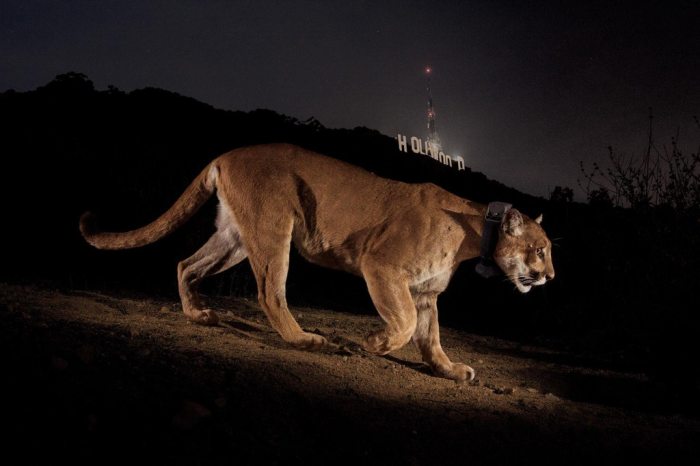
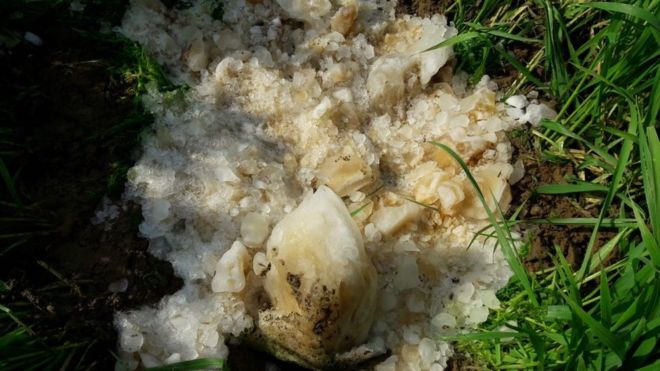 Image copyrightGURGAON POLICE
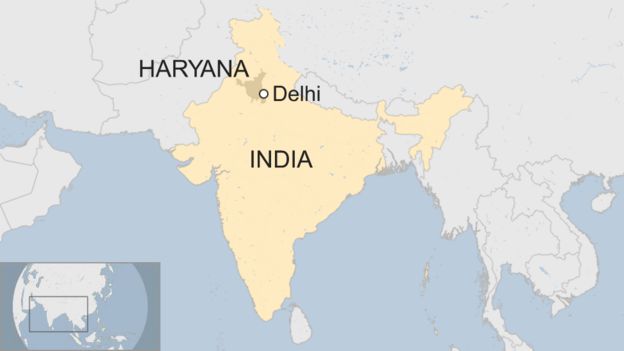
Indian officials suspect an icy ball which fell on a village in the northern state of Haryana is frozen human waste leaked from an aeroplane overhead.
The 10-12kg (22lbs – 26lbs) chunk of ice fell on Fazilpur Badli village with a “big thud”, startling residents on Saturday.
Senior Gurgaon official Vivek Kalia told the BBC some villagers thought it was an “extra-terrestrial” object.
Plane toilets store human waste in special tanks.
These are normally disposed of once the plane has landed. But international aviation authorities acknowledge that lavatory leaks can occur in the air.
Mr Kalia told the BBC that a sample of the projectile had been sent for chemical analysis, but “we suspect strongly” that it is frozen airline excrement.
“It was a very heavy icy ball of ice which dropped from the skies early on Saturday morning. There was big thud and people of the village came running out of their homes to find out what had happened,” he said.
“Some villagers thought it was an extra-terrestrial object. Others thought it was some celestial rock and I’ve heard that they took samples home,” he said.
A senior official of the Indian Meteorological Department, who examined a small sample, said the projectile was “definitely not a meteorological phenomenon”.
In December 2016, a court in India ruled that airlines in India would be fined if their planes release human waste from toilets in the air
In January 2016, a woman in central Madhya Pradesh state suffered a severe shoulder injury when she was hit by a football-sized chunk of ice which fell from the air and crashed into the roof of her house.
A newspaper said that she may have been hit by frozen airline waste.
Why is human waste falling from India’s skies?
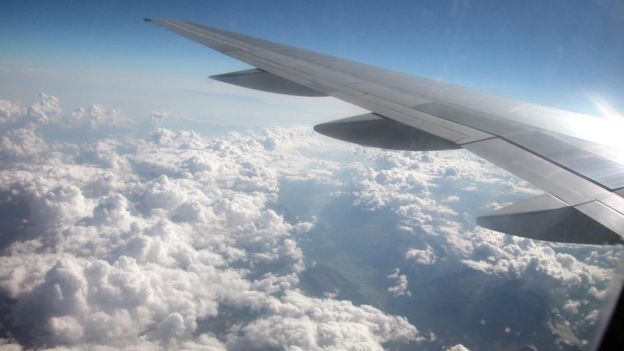
Modern commercial aircraft cruise at high altitudes, and the sub-zero temperatures outside cause any liquid to freeze immediately.
The resulting ice then breaks off the plane, gaining speed as it falls to the ground far below. Most ice will break up on descent.
Frozen human waste very occasionally forms around the overflow outlets for aeroplane toilets, and then falls to earth.
They are often called “blue ice”, because of the chemicals added to the toilets in planes to reduce odour and break down the waste.
Britain’s Civil Aviation Authority, for example, has said that around 25 falls of “blue ice” are reported every year from the 2.5 million flights a year over UK airspace.
 Image copyrigh tKEREN SU/CHINA SPAN
Employees at a brick factory in southeast China who were collectively owed some 90,000 yuan (US $14,050; £10,080) had their unpaid wages topped up in bricks, it’s reported.
According to the Xinhua News Agency, some 30 factory workers in Nanchang, Jiangxi province, agreed to receive 290,000 bricks in exchange for 80,000 yuan of their owed earnings.
Jiangxi Daily reports that the workers, all of whom were migrants, came from mountainous regions of Yunnan province in the southwest, and had no choice but to live “by candlelight, with wood fire heating”.
After their local labour department intervened with the help of the courts, the employees agreed to receive bricks from the factory in exchange for their unpaid earnings.
Xinhua says that their employer, who has not been named by local media, is still trying to figure out a way to repay staff the remaining 10,000 yuan that they are owed.
The story has ignited lively debate on Chinese social media, with many users of the Sina Weibo microblog expressing concern. “Why is it always rural migrant workers that are paid in arrears?” asks one.
Others make jokes at the expense of China’s housing bubble, saying that the situation has become so bad that bricks constitute a decent substitute for finances.
Disputes between migrant workers and their employers are particularly common during the winter months, especially in the lead-up to Chinese New Year, which this year falls on 16 February.
The All-China Federation of Trade Unions says that it has helped more than five million migrant workers in China receive unpaid wages totalling 30bn yuan ($4.5bn; £3.36bn) in the last five years.

In January 1818, a woman barely out of her teens unleashed a terrifying tale on the world: the story of a doctor who builds a creature from scavenged body parts, then recoils in horror, spurns it, and sees his friends and family destroyed by the monster. Two hundred years later, Mary Shelley’s Frankenstein is still essential reading for anyone working in science. The ill-fated creator she portrays has influenced public perception of the scientific enterprise unlike any other character, forever haunting the borderland between what science can do and what it should do.
The story has mutated and it has frequently been mangled. It has spawned countless books, plays, and movies—some pictured on these pages—and even a superhero comic. It has inspired technophobes and scientists alike. “Franken-” has become a passe-partout prefix for anything deemed unnatural or monstrous.
Interpretations of the tale have also multiplied. A story of scientific hubris, a creator consumed by his creation, a male scientist trying to eliminate women’s role in reproduction, an attempt by Shelley to deal with the trauma of losing a baby. To the growing group of scientists pondering the ways in which science might eventually destroy humanity, it is the earliest warning of such risks.
None of this quite captures the secret of the story’s longevity. To borrow the monster’s own description of indelible knowledge, Shelley’s tale “clings to the mind … like a lichen on the rock.” In the preface to the 1831 edition, Shelley wrote: “Now, once again, I bid my hideous progeny go forth and prosper.” It did. And it still does.

Along with fears, the Frankenstein story has inspired hundreds of whimsical names for products and phenomena.
Franken Berry A “monster cereal” introduced by General Mills Corporation in 1971. Ads claimed it was better than Count Alfred Chocula’s creation.
Frankenbombers Theoretical terrorists who have liquid explosives soaked into their clothing.
Frankenbrooms Supercoated broomheads used in curling, a winter sport played on ice.
Frankenbunnies Embryos made by Chinese researchers who fused human skin cells with rabbit eggs, hoping to create a source of stem cells.
Frankenburger Laboratory-grown beef.
Frankencell J. Craig Venter’s attempt to create an artificial cell containing the smallest possible number of essential genes.
Frankencorn Genetically engineered maize resistant to pests, herbicides, or drought.
Frankencotton Transgenic cotton that resists pests. Used to produce Frankenpants and Frankenjeans.
Frankenfears Exaggerated concerns about transgenic food (Frankenfood) and other products of genetic engineering.
Frankenfish Salmon engineered to grow twice as quickly as the natural variety. Also: Frankensalmon.
Frankenforests Engineered trees that grow more quickly, absorbing more carbon dioxide and providing more wood and pulp without the need for toxic chemicals.
Frankengene The catechol-O-methyltransferase gene. In 2008, researchers linked variants in the gene to the strong, frightful reaction some people have to horror movies.
Frankenmoth A male diamondback moth engineered to spread a lethal gene to females, creating nonviable offspring that reduce the moth’s toll on crops. Cousins include Frankenflies and Frankenmosquitoes.
Frankenmouse A genetically or surgically altered mouse. Variations have included the “oncomouse” that’s prone to cancer and the “earmouse” that had a human-shaped ear.
Frankenmums Mothers who freeze eggs for their infertile daughters to use.
Frankenpastry A croissant-doughnut invented by a New York City pastry chef in 2013. Also named Cronut.
Frankenpets Transgenic dogs that would repel fleas; cats that would not cause allergies.
Frankenphone A mobile, taco-shaped video game device introduced by Nokia in 2003 that doubled as a mobile phone.
Frankenpines Cellphone towers that resemble pine trees.
Frankenpork Meat from genetically engineered pigs, still under development, that would be resistant to disease.
Frankenrobot A robot, created at the University of Reading in the United Kingdom, that had a “brain” made of rat neurons placed on a multielectrode array.
Frankenschlongs Penises with transplanted erectile tissue, created in rabbits by researchers at Wake Forest University Baptist Medical Center in Winston-Salem, North Carolina.
Frankenshoes Platform shoes with wedge heels or sneakers with heels.
Frankensites University websites that have conflicting material posted by professors and their departments.
Frankenspuds Genetically modified potatoes that are resistant to blight. Also known as Frankenfries.
Frankenstorm A combination of storms that creates a monster event. Superstorm Sandy famously merged with another storm in 2012 to wallop the U.S. East Coast.
Frankenturtles Dead loggerhead sea turtles that researchers from the College of William and Mary in Virginia stuffed and floated in the Chesapeake Bay in 2016 to better understand where they travel and die.
Frankenswine Pigs that would be engineered to produce human organs for use in transplants.
Frankenslime Synapses reportedly transplanted from one snail brain to another by a researcher in Canada in 2004.
Frankensperm Stem cells induced to become sperm cells by scientists at Britain’s Newcastle University in 2009.
Frankenviruses Viruses engineered to attack cancer cells.
Frankenwords Portmanteaus that combine two words. Widespread ones include guesstimate, gaydar, glamping, stagflation, and, yes, Frankeneverything.
Sciencemag.org





 The MarkoZen Blog