The Museum of Failures

Every successful product launch is usually preceded by a string of failures, but we only remember the winners and ignore the failures and pretend they never happened. A new museum is set to open in Sweden that hopes to make this right.

The “Museum of Failures” is the brainchild of Dr. Samuel West, an organizational psychologist, who has spent the last seven years studying failure and success and what people say about both.
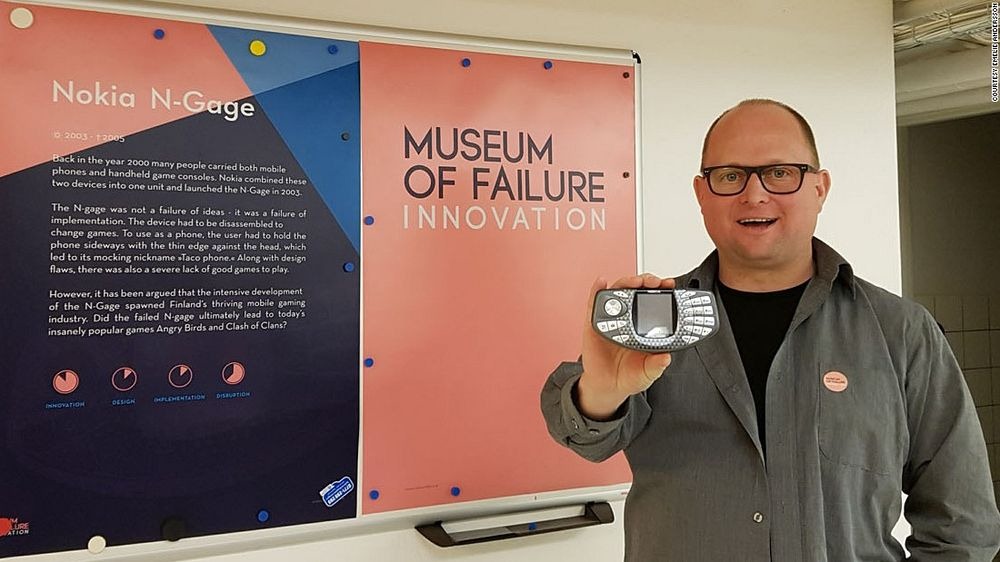
museum-of-failures-14

Dr. Samuel West holding the Nokia N-Gage.

“I got tired of all of this glorifying of success, especially within the domain of innovation where 80 to 90 percent of all projects fail,” Dr. West said.

Then, he stumbled into the Museum of Broken Relationships—which collects mementos from failed romances and displays them under glass—while he was on a family trip to Zagreb, Croatia, and he had a light bulb moment.

“I rushed out, and I had this sort of eureka moment that I’m going to start the Museum of Failures. Like, there’s no going back,” Dr. West told NPR.

The purpose of the museum, Dr.West says, is to show that innovation requires failure. “If you are afraid of failure, then we can’t innovate,” he said.

Scheduled to open in June this year, the museum will showcase over sixty failed products and services from around the world. “Every item provides unique insight into the risky business of innovation,” the museum’s website says.

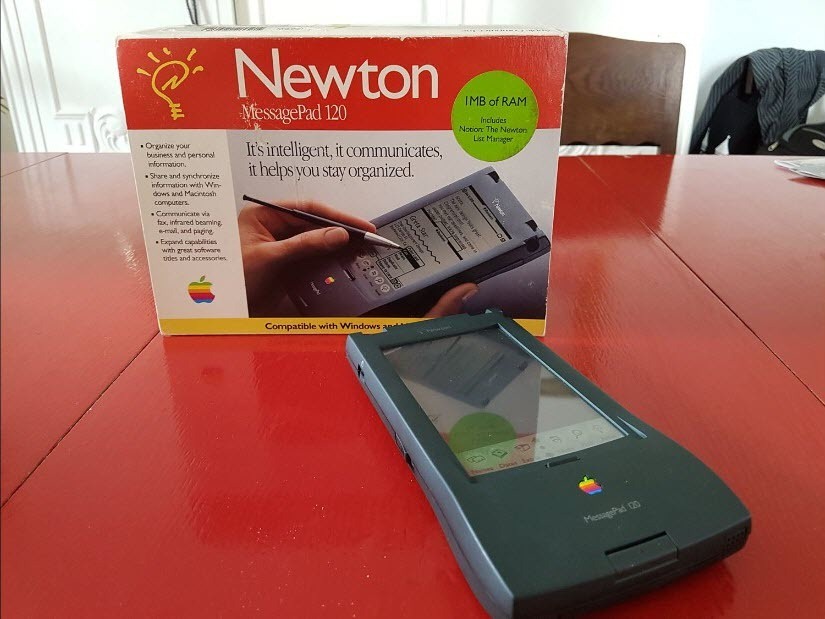
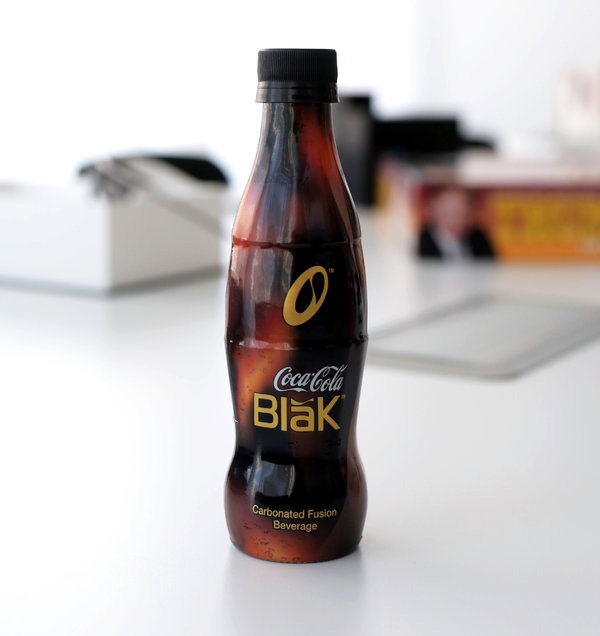
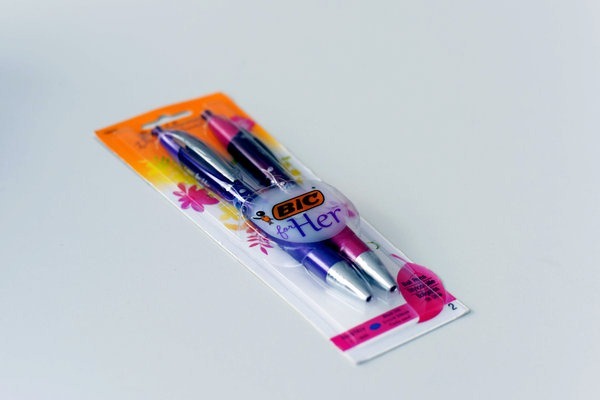
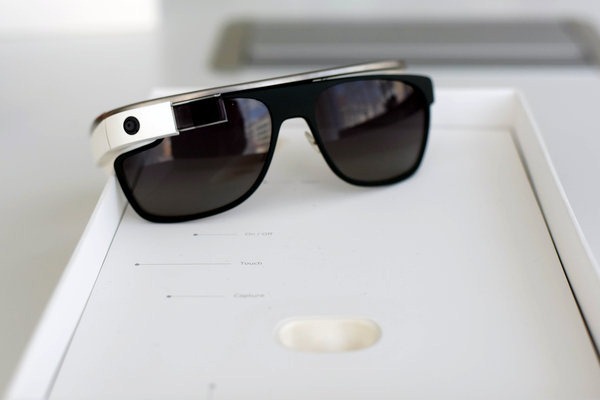
Some of the products that will be on display includes —Harley-Davidson perfume; Bic pens made especially for women; Coca-Cola Blak, a coffee-inspired drink; Nokia N-Gage that was a mobile phone and a gaming console in one; Apple Newton, a personal digital assistant; beef lasagna from Colgate; and more recent products such as Amazon Fire Phone and Google Glass.
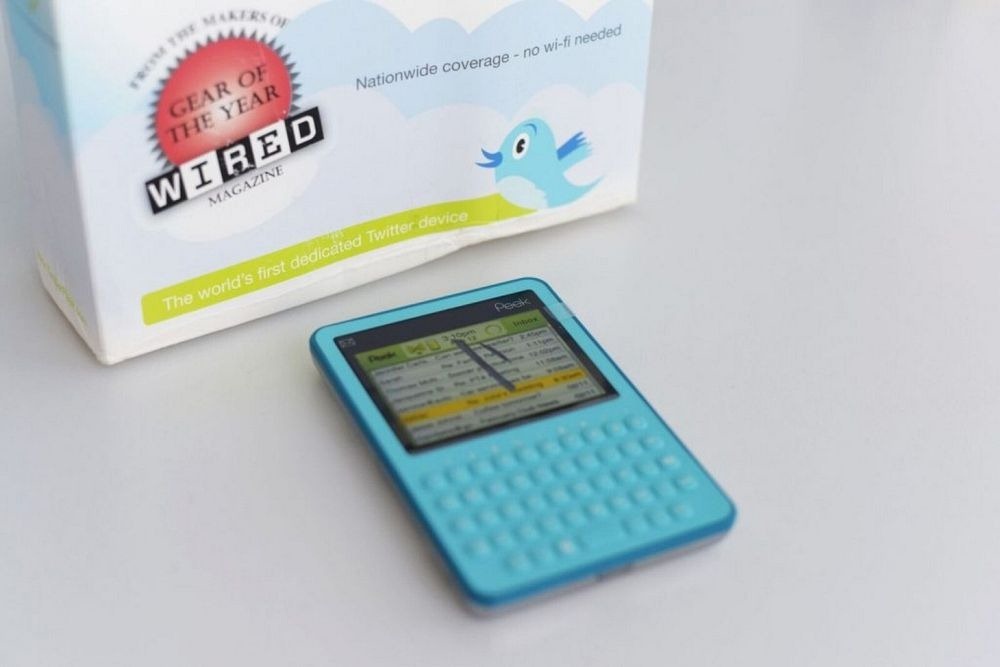
museum-of-failures-1

The Twitter Peek, a device for tweeting, launched in 2008.
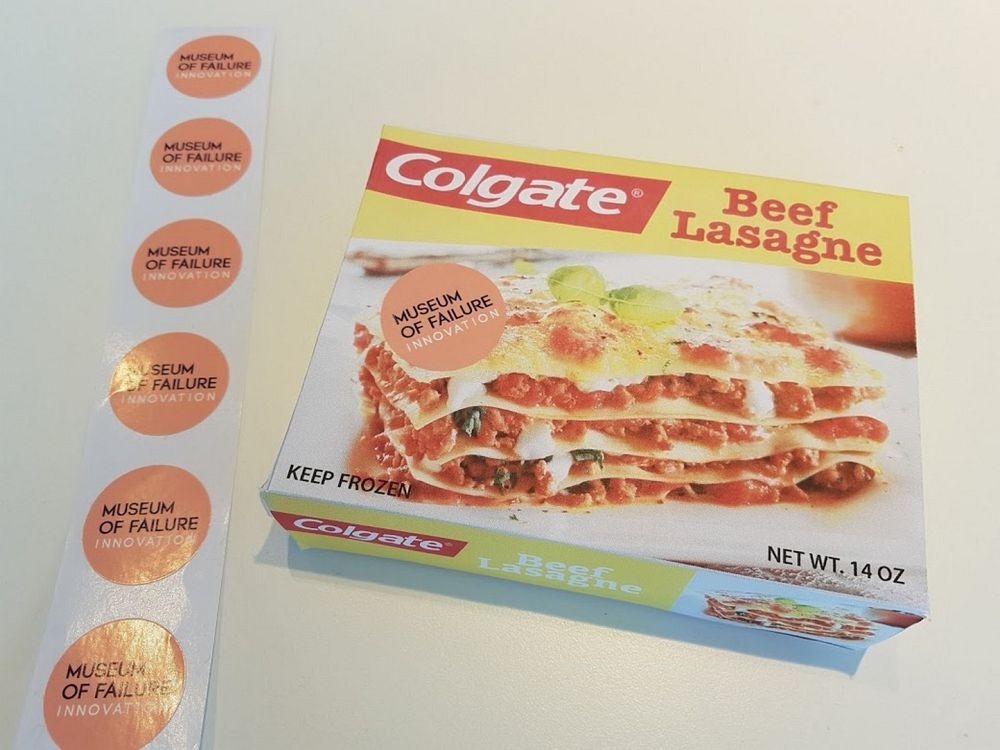
museum-of-failures-2

Frozen beef lasagna from a toothpaste company.
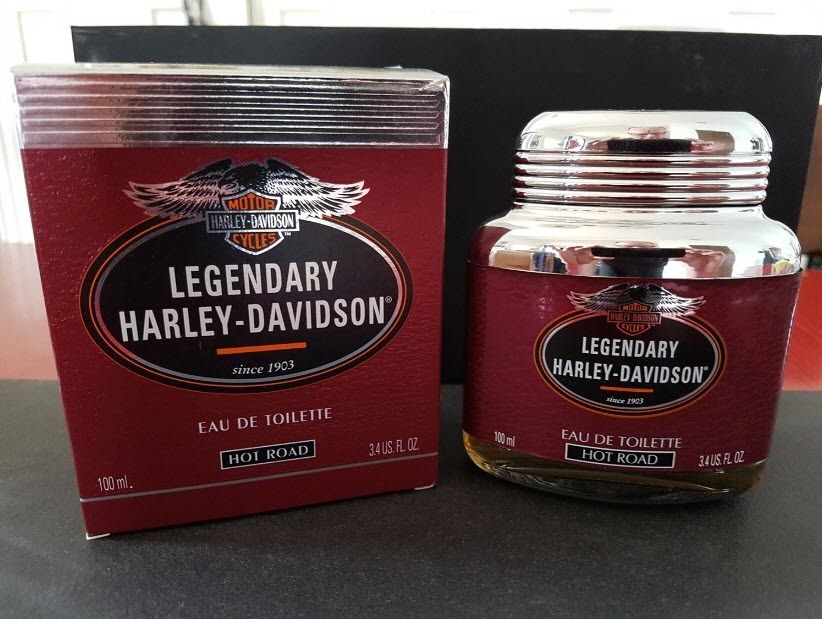
museum-of-failures-4

The Harley-Davidson’s fragrance, according to Dr. Samuel West, was a “total flop.
museum-of-failures-6

Apple Newton, an early PDA.

museum-of-failures-7

Trump: The Game was released in 1989, based on buying and selling properties.

museum-of-failures-8

The Sony Betamax video cassette player, which lost the format war to its rival, VHS.
museum-of-failures-9

Coca-Cola BlaK was a coffee-flavored version of the soft drink, launched in 2006.
museum-of-failures-10

Bic for Her pen, which was discontinued at the end of 2016.
museum-of-failures-12

Google Glass.

museum-of-failures-15

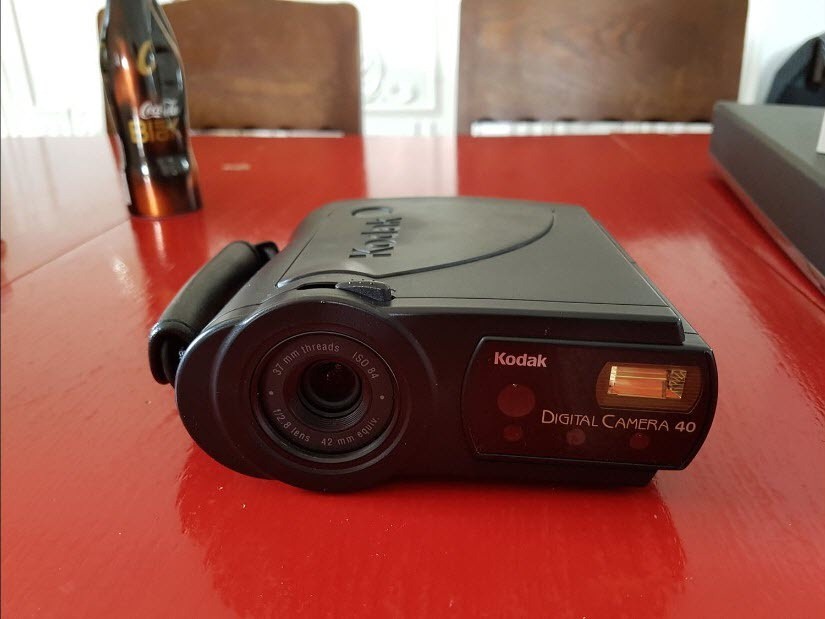
Kodak pioneered the digital camera in the 1990s but failed to market it.

Amusing Planet
‘AND WHEN HE IS COME’: A TREASURY OF UNINTENTIONALLY ‘DIRTY’ DOUBLE-ENTENDRE GOSPEL LP COVERS

Most of these records generally fall into two categories: titles about someone being touched and titles about someone coming, in one instance “quarts of love.”

Usually, the naïve graphics on the covers sell the unintentional jokes.

Below are some of my favorites.


Uncle “D”

If you have a high tolerance for pain, give this video a listen:

Dangerous Minds

Where are the Carriers?

carrier

When word of a crisis breaks out in Washington, it’s no accident that
the first question that comes to everyone’s lips is:
‘Where’s the nearest carrier?
‘”

President Bill Clinton
March 12, 1993
aboard USS Theodore Roosevelt

With all the Sabre rattling going on between North Korea and the United States, Globalsecurity.org keeps up to date on where the big U.S. super-carriers are. North Korea said they will sink the USS Carl Vinson when it arrives in the Sea of Japan. Good luck. Their puny obsolete fighters would be decimated by U.S. aircraft on the carrier and land based in South Korea and Japan. The North Korean navy is a joke. Basically patrol boats and rust bucket antique submarines.

So where are the carriers?

Forward deployed:

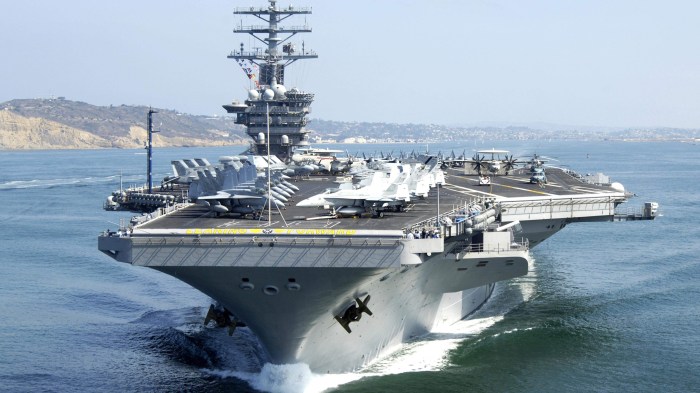
CVN-76 Reagan: Homeported in Yokosuka, Japan. Could be ready for action in days.

CVN-70 Vinson: 18 April 2017. Indian Ocean steaming towards east Asia.

carrier1

CVN-77 George H. W. Bush: Persian Gulf.

Pre-Deployment:

CVN-68 Nimitz: April 2017. Composite Training Unit Exercise (Comptuex) eastern Pacific. Work up to full deployment.

CVN-71 Roosevelt: Planned incremental deployment. Western Pacific deployment fall 2017.

carrier2

CVN-69 Eisenhower: Departed for a sustainment exercise. At sea western Atlantic off Norfolk, Virginia.

In port:

CVN-75 Truman: March 2017. Planned Incremental Availability (PIA). In port Norfolk.

carrier3

CVN-74 Stennis: 29 March 2017. Planned incremental availability (PIA). In port Bremerton, Washington.

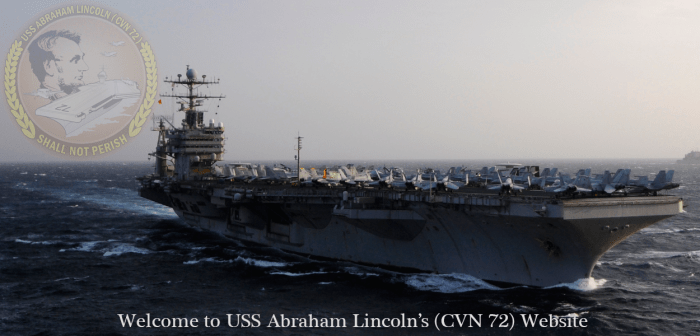
CVN-72 Lincoln: Mid 2017, return to fleet. Nearing end of 48 month mid-life overhaul at Newport News, Virginia. Deployment late 2017.

carrier4

CVN-73 Washington: 2021 return to fleet. 48-month refuelling and complex overhaul (RCOH) at Newport News.

Building:

CVN-78 Gerald Ford. April 2017. Acceptance trials.

Ford_(CVN-78)_underway_on_8_April_2017

CVN-79 John F. Kennedy. Delivery 2021.

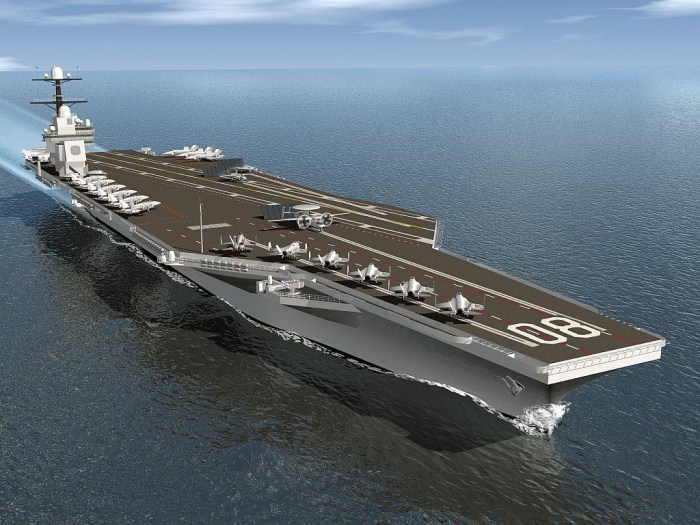
CVN-80 Enterprise. Keel laid 2017.

Artist’s Impression

Enterprise_(CVN-80)_artist_depiction


The Impenetrable Darien Gap

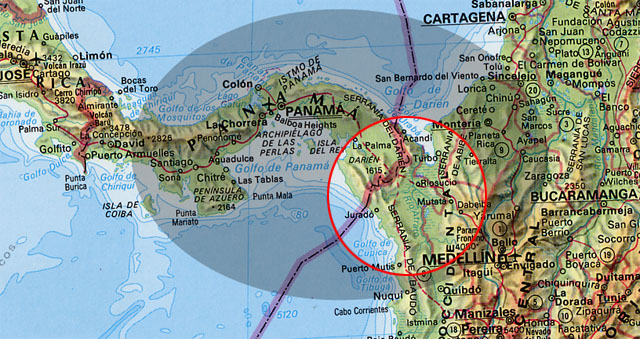
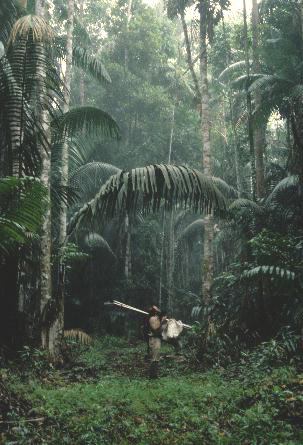
The Darién Gap is a break in the Pan-American Highway consisting of a large swath of undeveloped swampland and forest within Panama’s Darién Province in Central America and the northern portion of Colombia’s Chocó Department of South America. It measures just over 160 km (99 mi) long and about 50 km (31 mi) wide. Roadbuilding through this area is expensive, and the environmental toll is steep. Political consensus in favor of road construction has not emerged. Consequently there is no road connection through the Darién Gap connecting North/Central America with South America and it is the missing link of the Pan-American Highway.

The geography of the Darién Gap on the Colombian side is dominated primarily by the river delta of the Atrato River, which creates a flat marshland at least 80 km (50 mi) wide, half of this being swampland. The Serranía del Baudó occupy Colombia’s Pacific coast and extend into Panama. The Panamanian side, in sharp contrast, is a mountainous rainforest, with terrain reaching from 60 m (200 ft) in the valley floors to 1,845 m (6,053 ft) at the tallest peaks (Cerro Tacarcuna).

darien


The Pan-American Highway is a system of roads measuring about 48,000 km (30,000 mi) long that crosses through the entirety of North, Central, and South America, with the sole exception of the Darién Gap. On the South American side, the highway terminates at Turbo, Colombia. On the Panamanian side, the road terminus is the town of Yaviza at. This marks a straight-line separation of about 100 km (60 mi). In between is marshland and forest.

darien PanAmericanHwy

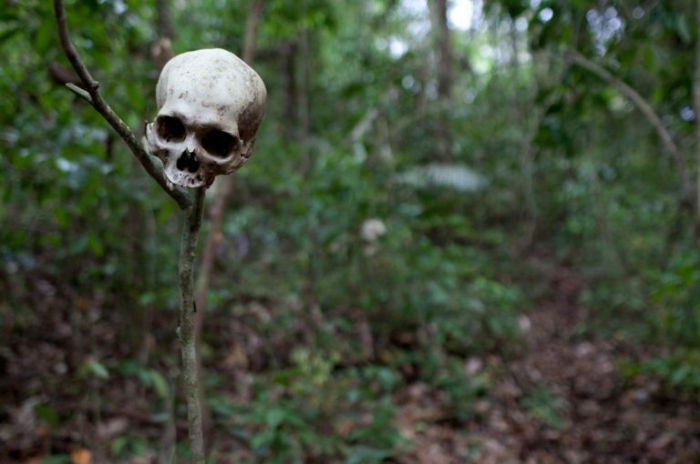
Efforts have been made for decades to remedy this missing link in the Pan-American highway. Planning began in 1971 with the help of United States funding, but this was halted in 1974 after concerns raised by environmentalists. Another effort to build the road began in 1992, but by 1994 a United Nations agency reported that the road, and the subsequent development, would cause extensive environmental damage. There is evidence that the Darién Gap has prevented the spread of diseased cattle into Central and North America, which have not seen foot-and-mouth disease since 1954, and since at least the 1970s this has been a substantial factor in preventing a road link through the Darién Gap. The Embera-Wounaan and Kuna have also expressed concern that the road would bring about the potential erosion of their cultures. The gap has been crossed by adventurers on bicycle, motorbike, all-terrain vehicle, and foot, dealing with jungle, swamp, insects, and other hazards.

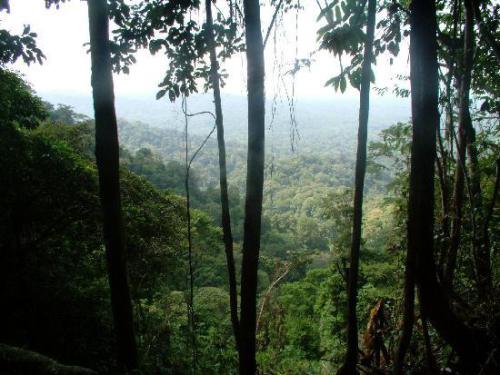
This place looks like a mosquito and snake infested hot box.
darien gapxx

Darien_National_Park

darien-gap-01

End of the road, Panama side.

darien1