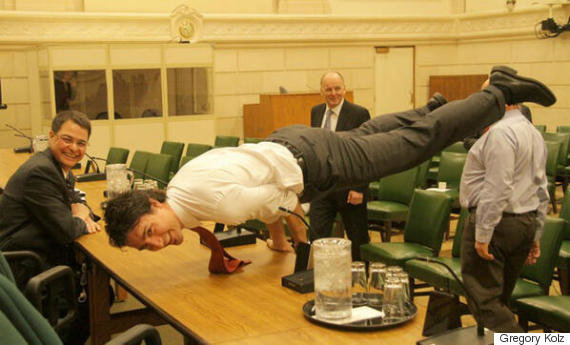
Canadian Prime Minister Justin Trudeau has made it onto the cover of Rolling Stone magazine. And he did this without singing a single song.
Oh, we’re big rock singers.
We got golden fingers.
And we’re loved everywhere we go.
We sing about beauty,
And we sing about truth
At ten thousand dollars a show.
We take all kinds of pills
To give us all kind of thrills,
But the thrill we’ve never known
Is the thrill that’ll getcha
When you get your picture
On the cover of the Rolling Stone.
Rolling Stone…
Wanna see my picture on the cover.
Stone…
Wanna buy five copies for my Mother.
Stone…
Wanna see my smiling face
On the cover of the Rolling Stone.
I got a freaky old lady
Named Cocaine Katy
Who embroiders all my jeans.
Got my poor old grey-haired daddy
Drivin’ my limousine.
It’s all designed to blow our minds,
But our minds won’t really get blown
Like the blow that’ll getcha
When you get your picture
On the cover of the Rolling Stone.
We gotta lotta little teenage blue-eyed groupies
Who do anything we say.
We got a genuine Indian guru
Who’s teaching us a better way.
We got all the friends that money can buy,
So we never have to be alone.
And we keep getting richer,
But we can’t get our picture
On the cover of the Rolling Stone.
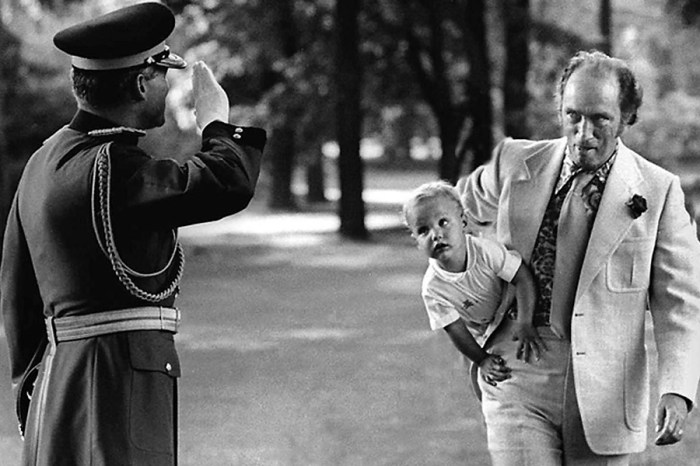
Justin being carried by his late father former Prime Minister Pierre Trudeau.
Little Boy Blue come and blow your horn
Sheep’s in the meadow, and the cow’s in the corn.
All the king’s horses and all the king’s men
Say they love the way you play that thing.
The king’s slave is a busy man,
But he loves the sound of your rock ‘n’ roll band.
The sheeps get a rhythm, and the cows get the tune.
Ain’t nobody out, “Go, Little Blue!”
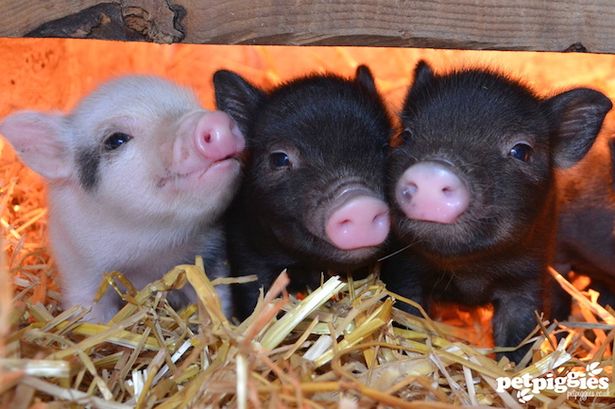
Three Little Pigs were going to the hop,
But the Big Bad Wolf wouldn’t let them stop.
Little Boy Blue played a crazy beat,
And knocked the Big Bad Wolf off his feet.
[Instrumental Interlude]
Little Boy Blue played a crazy sound.
The whole castle come a-rocking down.
Wise men, old men, Cinderella, too.
They all got together in the Ballroom ado.
Three Little Pigs were going to the hop,
But the Big Bad Wolf wouldn’t let them stop.
Little Boy Blue played a crazy beat,
And knocked the Big Bad Wolf off his feet.
Little Boy Blue made the whole town dance,
The swingin’est shepherd in all the land.
The Queen calls down, “Award him with a kiss.”
“Ah, your highness, ain’t nothing to this.”
Three Little Pigs were going to the hop,
But the Big Bad Wolf wouldn’t let them stop.
Little Boy Blue played a crazy beat,
And knocked the Big Bad Wolf off his feet.
The Dhole is a species of canid native to South and Southeast Asia. The dhole is a highly social animal, living in large clans which occasionally split up into small packs to hunt. It primarily preys on medium-sized ungulates, which it hunts by tiring them out in long chases, and kills by disemboweling them. Though fearful of humans, dhole packs are bold enough to attack large and dangerous animals such as wild boar, water buffalo, and even tigers.
The Babirusa
Babirusa, meaning “Hog-deer”, are members of the pig family found in Wallacea, or specifically the Indonesian islands of Sulawesi, Togian, Sula and Buru. If a babirusa does not grind its tusks (achievable through regular activity), they will eventually keep growing so as to penetrate the animal’s own skull.
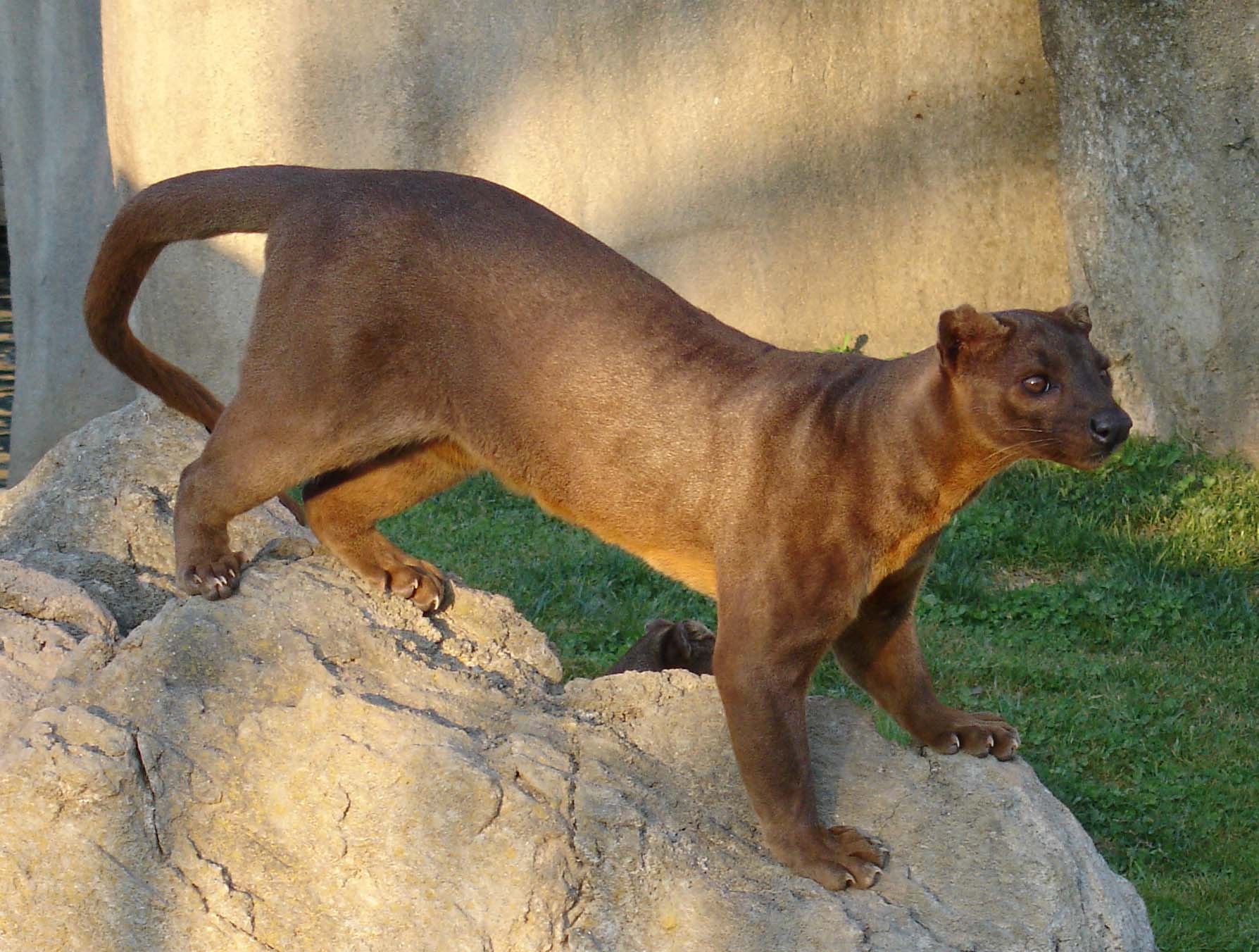
The Fossa
The fossa is a cat-like, carnivorous mammal that is endemic to Madagascar. The fossa is the largest mammalian carnivore on the island of Madagascar and has been compared to a small cougar. It has semi-retractable claws and flexible ankles that allow it to climb up and down trees head-first, and also support jumping from tree to tree.
The Gerenuk
The gerenuk, also known as the Waller’s gazelle, is a long-necked species of antelope found in dry thorn bush scrub and desert in Eastern Africa. The word gerenuk comes from the Somali language, meaning “giraffe-necked”. Gerenuks have a relatively small head for their body, but their eyes and ears are proportionately large. Gerenuks seldom graze but browse on prickly bushes and trees, such as acacias. They can reach higher branches and twigs than other gazelles and antelope by standing erect on their rear legs and stretching their elongated necks.
Irrawaddy Dolphin
The Irrawaddy dolphin is a species of oceanic dolphin found near sea coasts and in estuaries and rivers in parts of the Bay of Bengal and Southeast Asia. Genetically, the Irrawaddy dolphin is closely related to the killer whale.
Markhor
The markhor is a large species of wild goat that is found in northeastern Afghanistan and Pakistan. The species is classed by the IUCN as Endangered, as there are fewer than 2,500 mature individuals. The markhor is the national animal of Pakistan. While chewing the cud, a foam-like substance comes out of its mouth which drops on the ground and dries. This foam-like substance is sought after by the local people, who believe it is useful in extracting snake poison from snake bitten wounds.
Southern Right Whale Dolphin
The southern right whale dolphin is a small and slender species of mammal found in cool waters of the southern hemisphere. They are fast active swimmers and have no visible teeth and no dorsal fin. They are very graceful and often move by leaping out of the water continuously.
Sunda Colugo
Also known as The Sunda flying lemur, it is not actually a lemur and does not fly. Instead, it glides as it leaps among trees. It is strictly arboreal, is active at night, and feeds on soft plant parts such as young leaves, shoots, flowers, and fruits. The Sunda Coluga can be found throughout Southeast Asia in Indonesia, Thailand, Malaysia, and Singapore.
Lamprey
Lampreys are a type of jawless fish that live mostly in coastal and fresh waters whose adults are characterized by a toothed, funnel-like sucking mouth. They attach themselves to fish and suck their blood. Lampreys have been around for nearly 300 millions years and their body structure has remained relatively unchanged.
Raccoon Dog
The Raccoon Dog, or Tanuki, is a canid indigenous to East Asia. The raccoon dog is named for its resemblance to the raccoon, to which it is not closely related. They are very good climbers and regularly climb trees.
Zebra Duiker
The zebra duiker is a small antelope found in Ivory Coast and other parts of Africa. They have gold or red-brown coats with distinctive zebra-like stripes (hence the name) Their prong-like horns are about 4.5 cm long in males, and half that in females. They live in lowland rainforests and mostly eat leaves and fruit.
Star-Nosed Mole
The star-nosed mole is a small mole found in wet low areas of eastern Canada and the northeastern United States. It is easily identified by the 11 pairs of pink fleshy appendages ringing its snout, which is used as a touch organ with more than 25,000 minute sensory receptors, known as Eimer’s organs, with which this hamster-sized mole feels its way around.
If you think Nickelback, Smashing Pumpkins, Limp Bizkit and The Bare Naked Ladies are funny mindless band names, you haven’t heard anything yet. The guys who thought up the names below must have been pouring through thesauruses while pumped up on a vodka cocaine mix.
The List in alphabetical order:
Abracadaver
Adickdid
Afrodiziac
Alcoholocaust
Anus the Menace
Baldilocks
Bassholes
Blood Sledge Electric Death Chickens
Bondage A Go Go
BowWowWowHaus
Broadzilla
Bulimia Banquet
Cap’n Crunch and the Cereal Killers
Crappy the Clown and the Punch Drunk Monkies
Deepthroat Shotgun
Dick Duck and the Dorks
Disgruntled Postal Workers
Doris Daze
Dow Jones and the Industrials
Drunken Ugly Basement Brothers
Endangered Feces
Evil Beaver
Fat Welfare Moms On Dust
50 Naked Midgets
The Fred Mertz Experience
The French are from Hell
Frumious Bandersnatch
GangGreen
The Gaza Strippers
Duckbutter
Electric Al and the Poison Dart Frog McNuggets
Epileptic Disco
Ethyl Merman
The Fartz
Fearless Iranians From Hell
The Hostile Amish
Jehovah’s Witness Protection Program
Lesbian Dopeheads on Mopeds
Lubricated Goat
The Morning Shakes
Organic Condom Mazda Drugs
Porn on the Cob
Squirrel Nut Zippers
Super Sonic Soul Pimps
Titty Bingo
UFOFU
Vomit Launch
The Whip-M-Out Girl’s
Willie Nelson Mandela
Zombies Under Stress
Zombina & The Skeletones
Zorro and the Blue Footballs
Zsa Zsa
Zulu Leprechauns
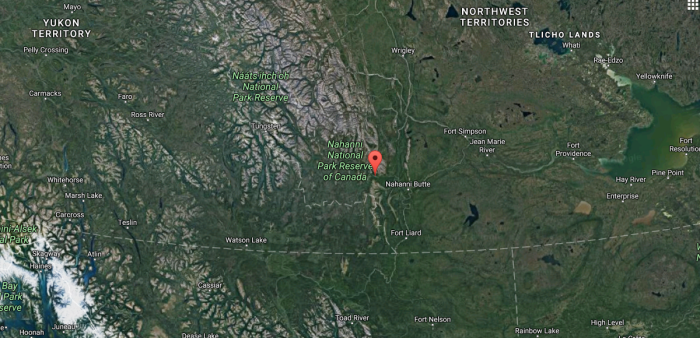
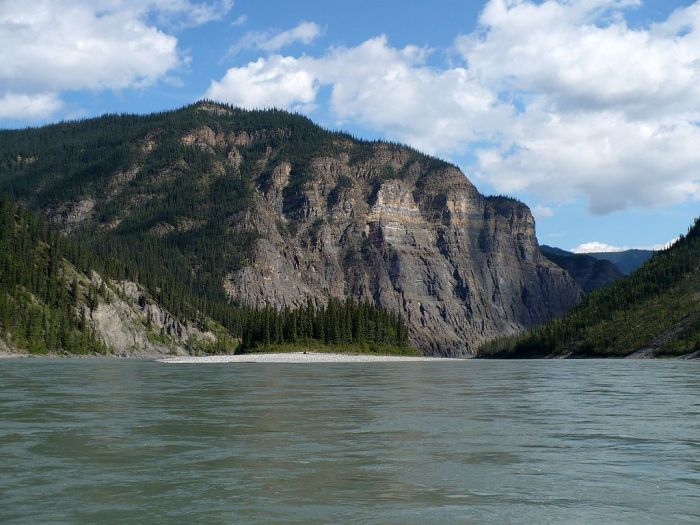
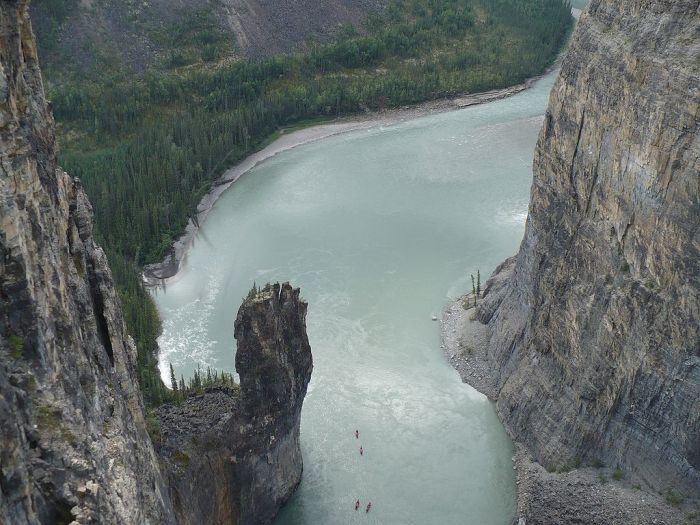
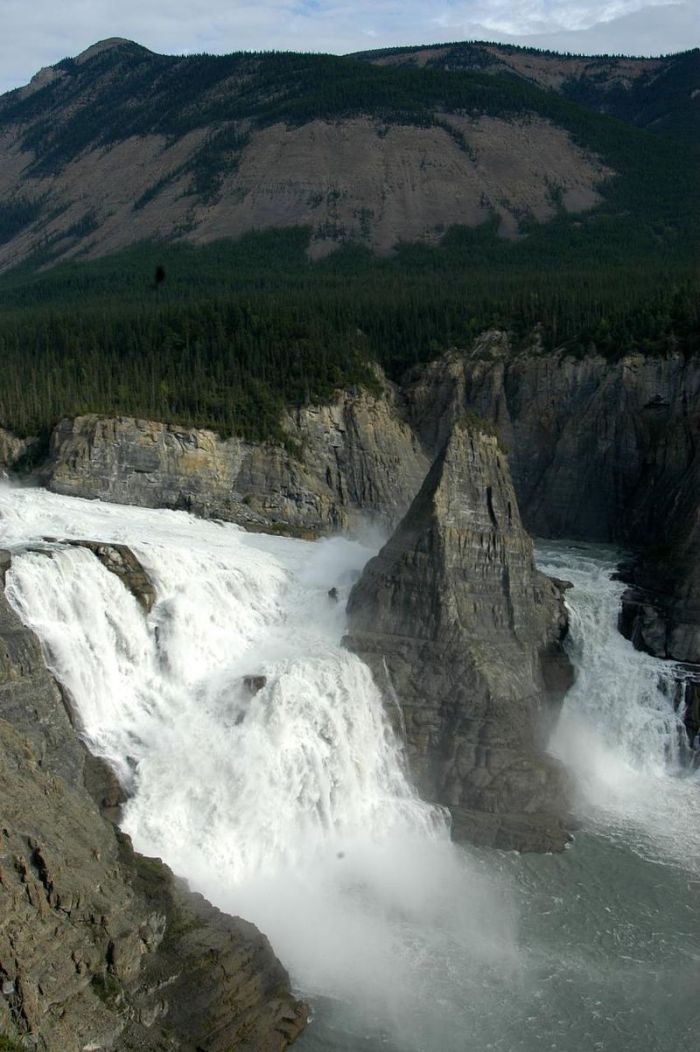
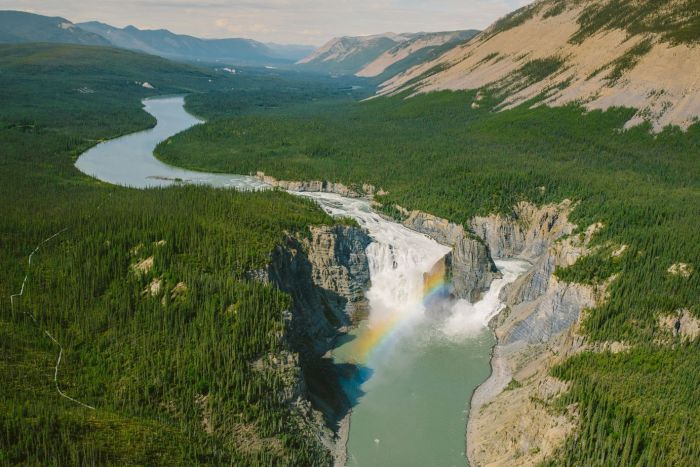
Nahanni National Park Reserve in the Dehcho Region of the Northwest Territories, Canada, approximately 500 km (311 mi) west of Yellowknife,[3] protects a portion of the Mackenzie Mountains Natural Region. The centrepiece of the park is the South Nahanni River (Naha Dehé). Four noteworthy canyons reaching 1,000 m (3,300 ft) in depth, called First, Second, Third and Fourth Canyon, line this spectacular whitewater river. The name Nahanni comes from the indigenous Dene language name for the area; Nahʔa Dehé, which means “river of the land of the Nahʔa people”, who some now speculate may have been the ancestors of the modern day Navajo people.
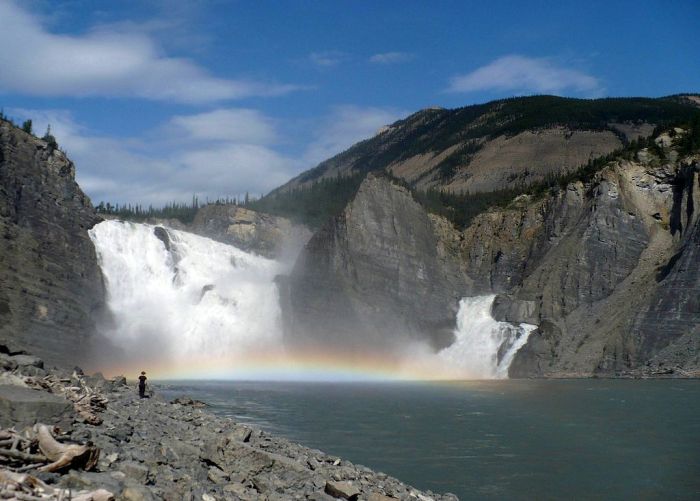
Virginia Falls
The stories of the Naha, and dangerous landscape that they inhabited, grew in stature with the Klondike Gold Rush as some explorers attempted to use the Nahanni as a path to the famous gold fields of the Yukon, or to try and make their fortune on the Flat and South Nahanni Rivers. Although no significant gold was found, legends of haunted valleys and lost gold emerged after the headless corpses of Métis prospectors Willie and Frank McLeod were found around 1908. The Lost McLeod Mine, a legendary lost mine somewhere in the park, is supposed to have been where the two brothers found their gold. In the years that followed, mysterious deaths of other prospectors added to the legends. The names of park features such as Deadmen Valley, Headless Creek, Headless Range and the Funeral Range, bear testimony to these stories and legends. In later years Albert Faille was a prospector in the area and met writer Raymond M. Patterson. The latter’s works brought minor fame to Faille.
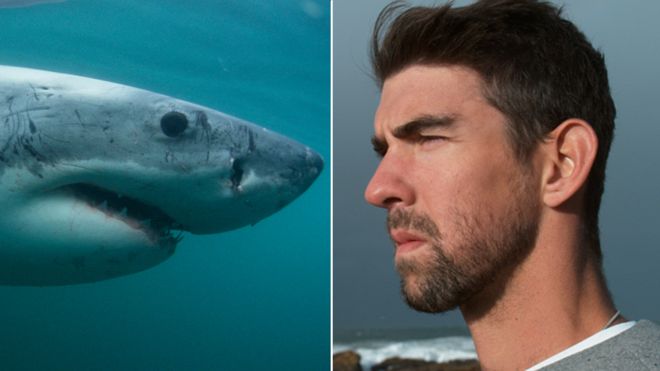
The much-hyped head-to-head race between US swimmer Michael Phelps and a Great White shark turned out to be a computer simulation, drawing complaints from many disappointed viewers.
The world’s most decorated Olympic swimmer completed 100m in open ocean off South Africa in 38.1 seconds to the shark’s 36.1.
Discovery Channel aired the “race”.
But what viewers actually saw was a montage of Phelps swimming alongside a computer-generated Great White.
Before Sunday’s broadcast, Discovery had the 28-time Olympic medallist, who is now retired, and the shark swim the course separately.
Computer-generated footage of a shark was then superimposed over the swimmer to look like they were racing alongside each other.
Some social media users loved the “race” idea, but many said that they felt “robbed” by the simulation.
Although the US athlete represents the peak of human athletic prowess, he can only swim at a top speed of 5-6mph (8-10km/h) without a monofin, while a Great White is capable of doing at least 25mph in short bursts.
But humans have long pitted themselves against dangerous animals, often ones they know are much faster.
They have done this for money; to draw attention to a cause; to create a spectacle, and perhaps also out of an inflated sense of what humans are capable of.
Here are four other instances when man has raced beast.
South African rugby star v cheetah
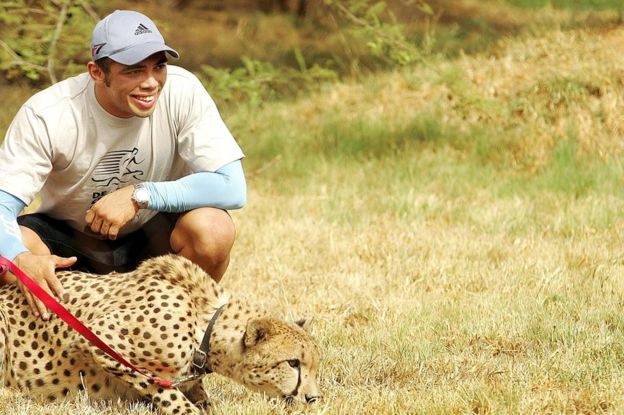
Bryan Habana, one of the fastest players in international rugby, decided to take on the world’s fastest land animal in 2007 as part of an event sponsored by a conservation group.
Habana is quick, but not Usain Bolt quick – running the 100m in 10.4 seconds at his best (compared with Bolt’s 9.58 world record).
Still, the then 23-year-old, keen to raise awareness about the decline of the cheetah, fancied his chances.
The cheetah was tempted with a dangling leg of lamb which it chased during the race, while Habana, who was given a significant head start, gave it all he had.
The end was close but the cheetah just got over the line first. Habana asked for a re-run and was soundly beaten.
Italian swimmer v dolphins
Filippo Magnini, a former world champion in the 100m freestyle, took on two dolphins in a pool near Rome in 2011.
Given the animals’ clear advantage, the Italian only had to swim one length of the pool, while they had to swim two.
But that didn’t make a difference and the man nicknamed “Superpippo” was pipped at the post.
He said later that he fell “a bit in love” with Leah, one of the dolphins.
Jesse Owens v horses
The black US track and field athlete won a string of victories at the 1936 Berlin Olympics in front of Adolf Hitler, who had been hoping for a games that would demonstrate the Aryan superiority he believed existed.
Owens later struggled financially back home in a country where racism remained rife and his sport was not professional.
To make money, he competed against racehorses in front of dazzled crowds.
He is said to have had the starting gun go off close to the horse, stunning it and allowing him to take a strong lead (he also had a head start). Though this strategy worked most of the time, he didn’t always win.
Later, more opportunities became available to Jesse Owens and, among other roles, he served as Ambassador of Sports under President Eisenhower.
American football player v ostrich
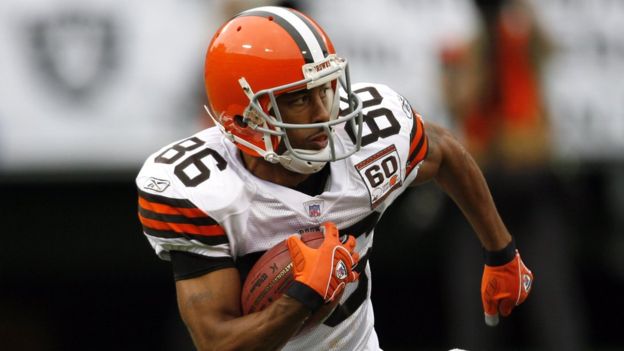
NFL wide receiver Dennis Northcutt easily beat an ostrich named Thelma in 2009 for a TV show called Sport Science.
But in that initial race, a fence separated the pair and it was obvious the animal wasn’t giving it her best.
In a second race, this time inside the ostrich’s enclosure, Dennis was soundly beaten, as the ostrich leapt away and he was left chasing it through the dust.












 The MarkoZen Blog